
Spots in Hyogo
Each spot shows when its facts were last checked against official sources.
Select a square pin to open the spot. Zoom with Ctrl/Cmd + scroll, or two fingers on a phone.
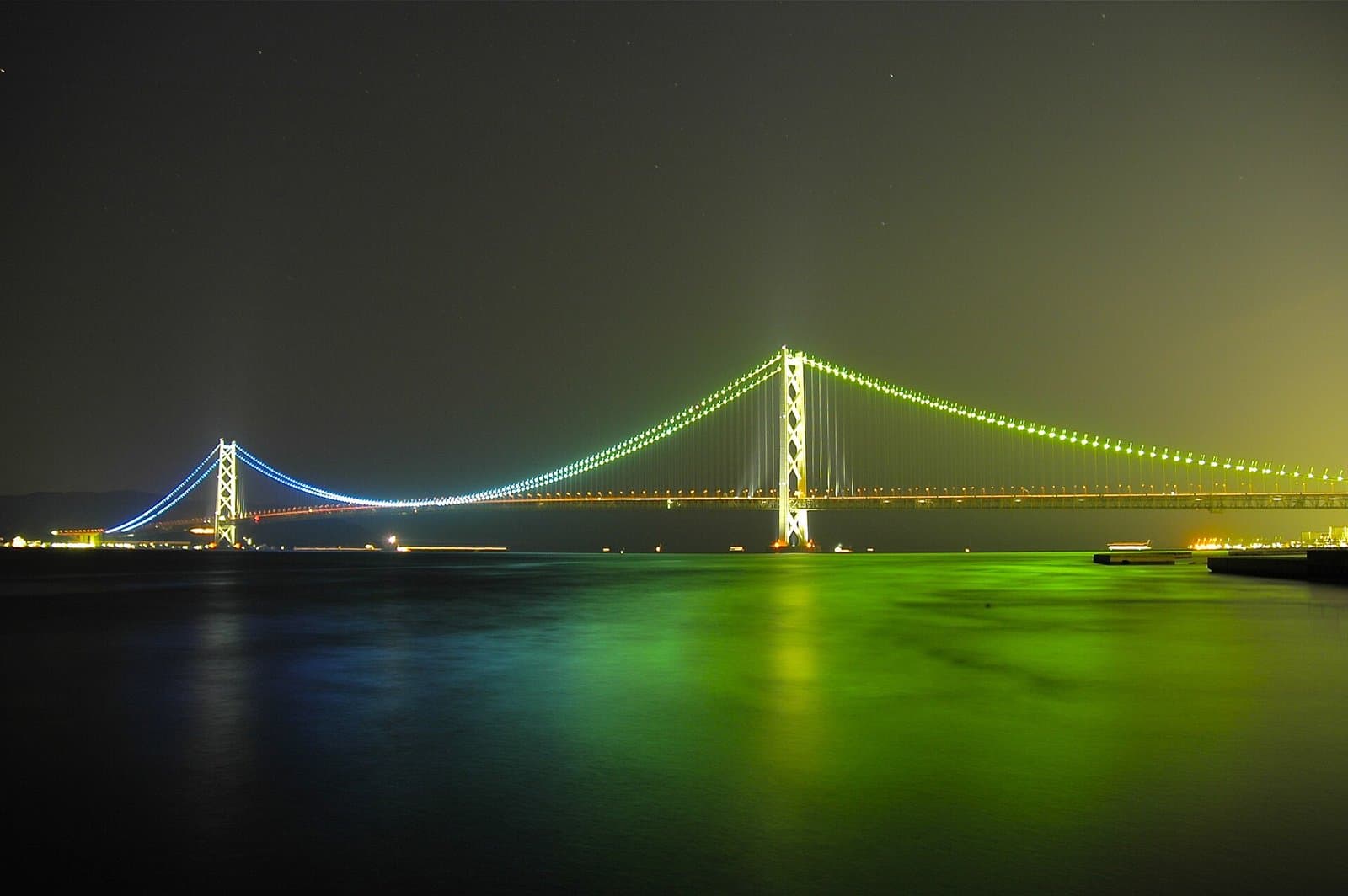 Photo: Stingy Scoundrel / Wikimedia Commons, Public domain (resized)Kobe, HyogoAkashi Kaikyo BridgeOne of the world's largest suspension bridges, 3,911 m long, linking Kobe with Awaji Island, lit up at night. On the Kobe side, the Maiko Marine Promenade is a walkway about 47 m above the sea running out about 150 m from land, with glass floors looking down on the water; the Bridge World tour takes you up the tower, about 300 m above the sea.Official check: 26 Sept 2026
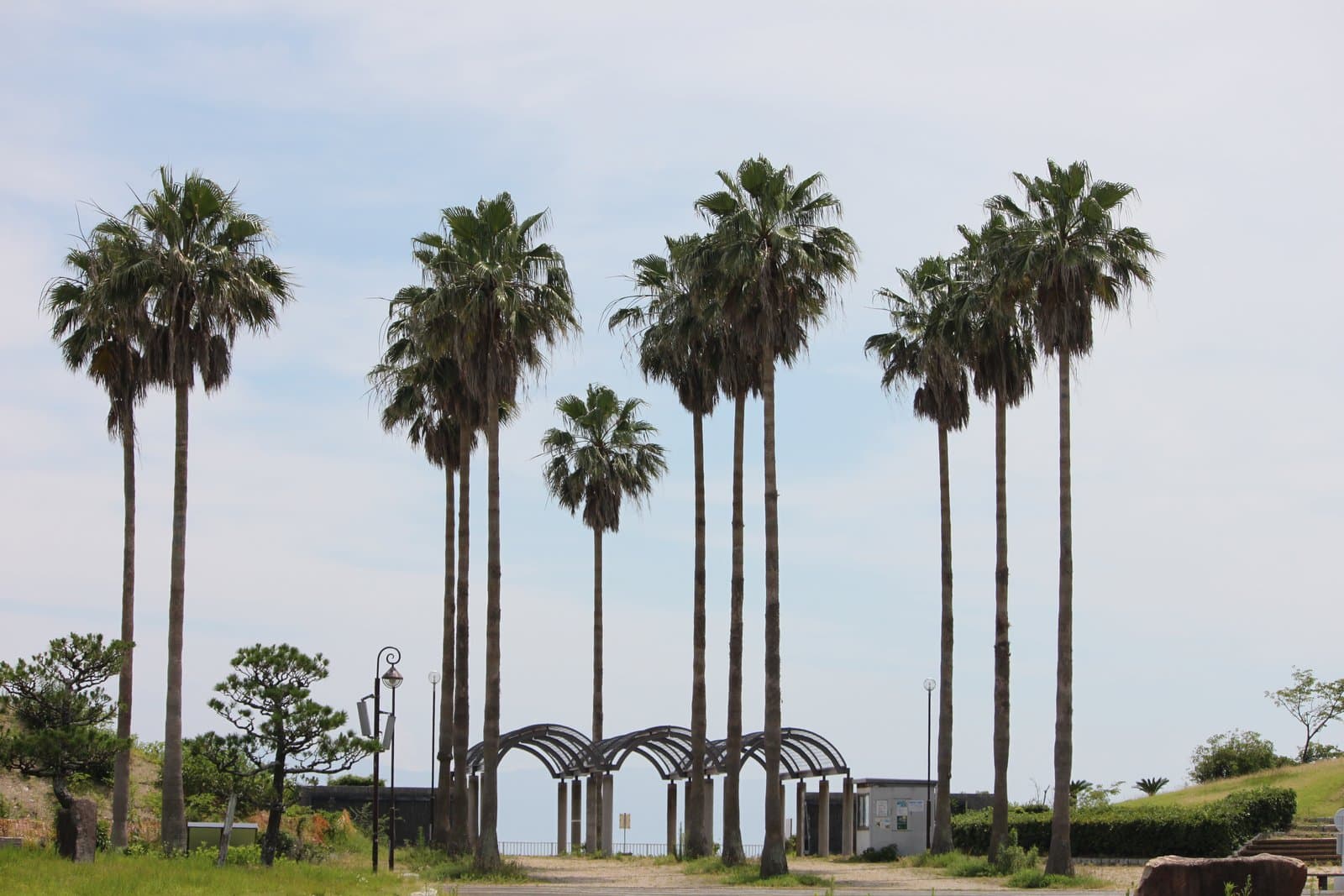 Photo: Photo ACAko, HyogoAko Seaside ParkA seaside park for picnics, sports, camping and glamping, with a science museum on the sea and how salt is made. "Tateho Wakuwaku Land" has a wide range of rides including a cycle monorail over the park, the big central pond has pedal boats, and at dusk the "Taiyo no Oka" hill looks over the sea turning orange.Official check: 26 Sept 2026
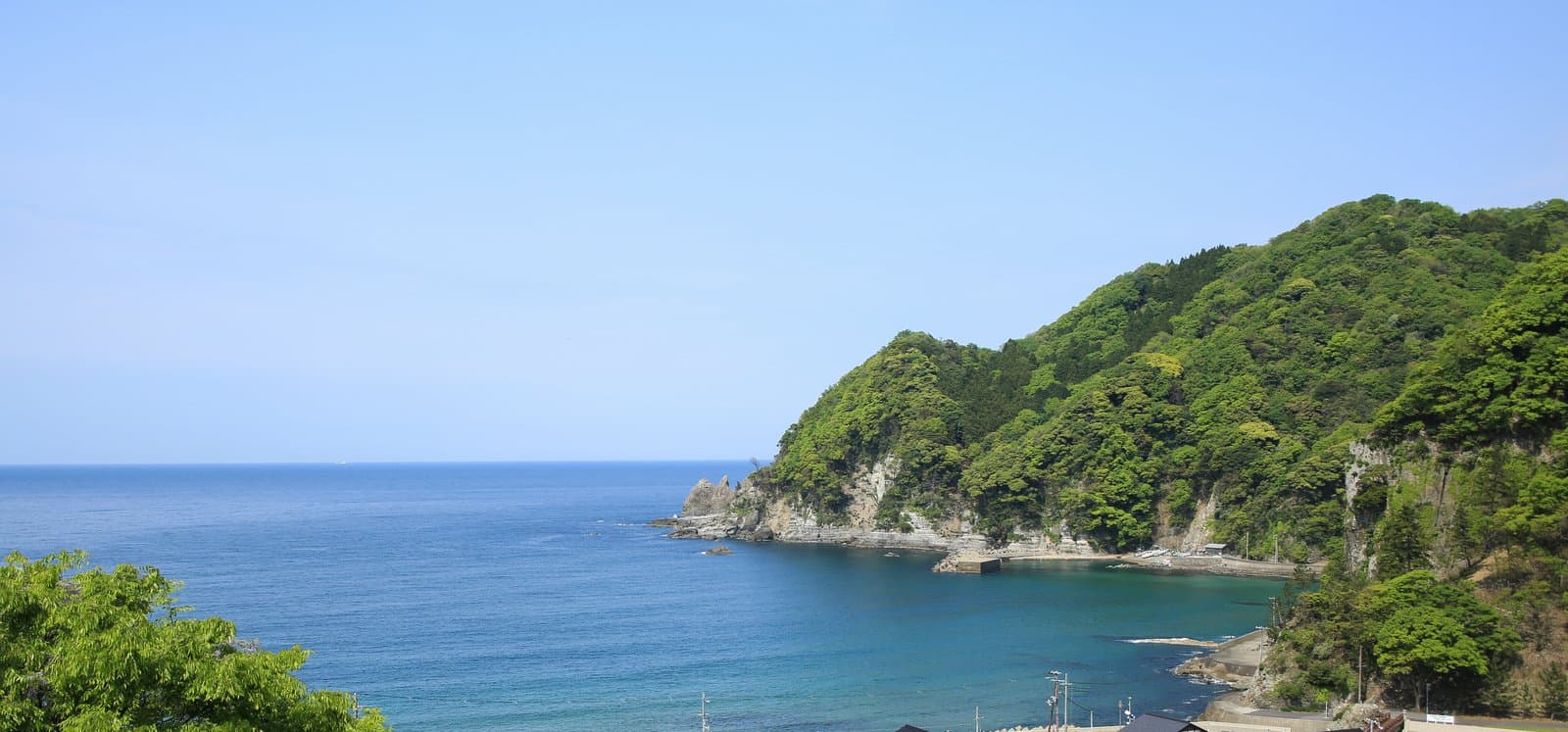 Photo: Photo ACKami, HyogoAmarube Viaduct "Sora no Eki"The Amarube Viaduct once supported the JR San'in Line for about 100 years and was at one time the highest in Japan. It was replaced in 2010, but three piers on the JR Amarube Station side were kept, and in 2013 part of the old track became "Sora no Eki", an observation deck 40 m above the ground. From it you can look over the Sea of Japan and see trains crossing the new bridge, and touch the rails and sleepers once in use. The all-glass lift "Amarube Crystal Tower" takes about 45 seconds and is lit up at night. The roadside station "Amarube" is at the foot.Official check: 28 Sept 2026
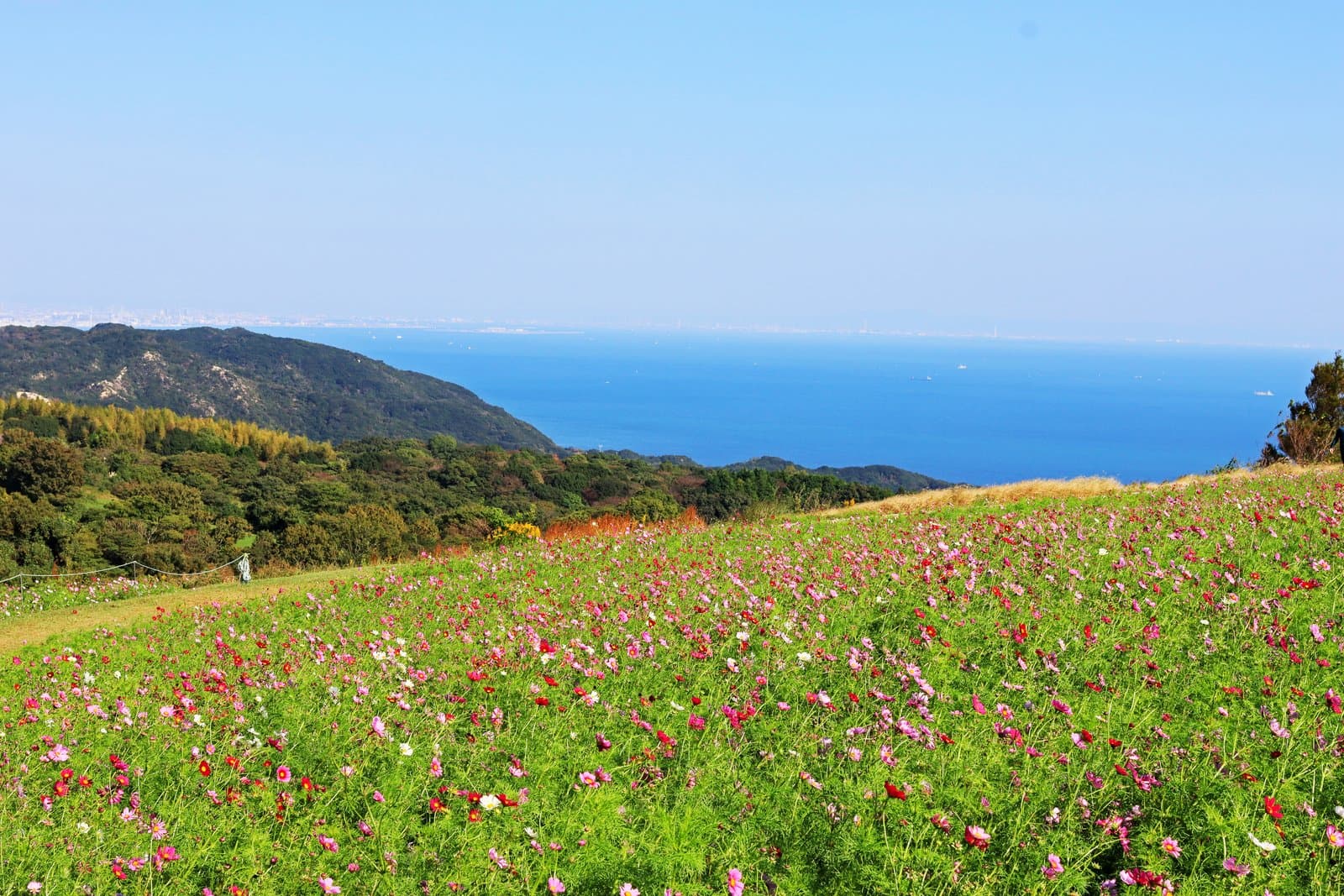 Photo: Photo ACAwaji, HyogoAwaji HanasajikiA prefectural nature park on a plateau in northern Awaji sloping gently towards the sea, covering an area about the size of three Tokyo Domes with a "carpet of flowers": rape blossoms and poppies in spring, sunflowers in summer, cosmos in autumn and stock in winter, with the Akashi Strait and Osaka Bay beyond. Entry is free.Official check: 26 Sept 2026
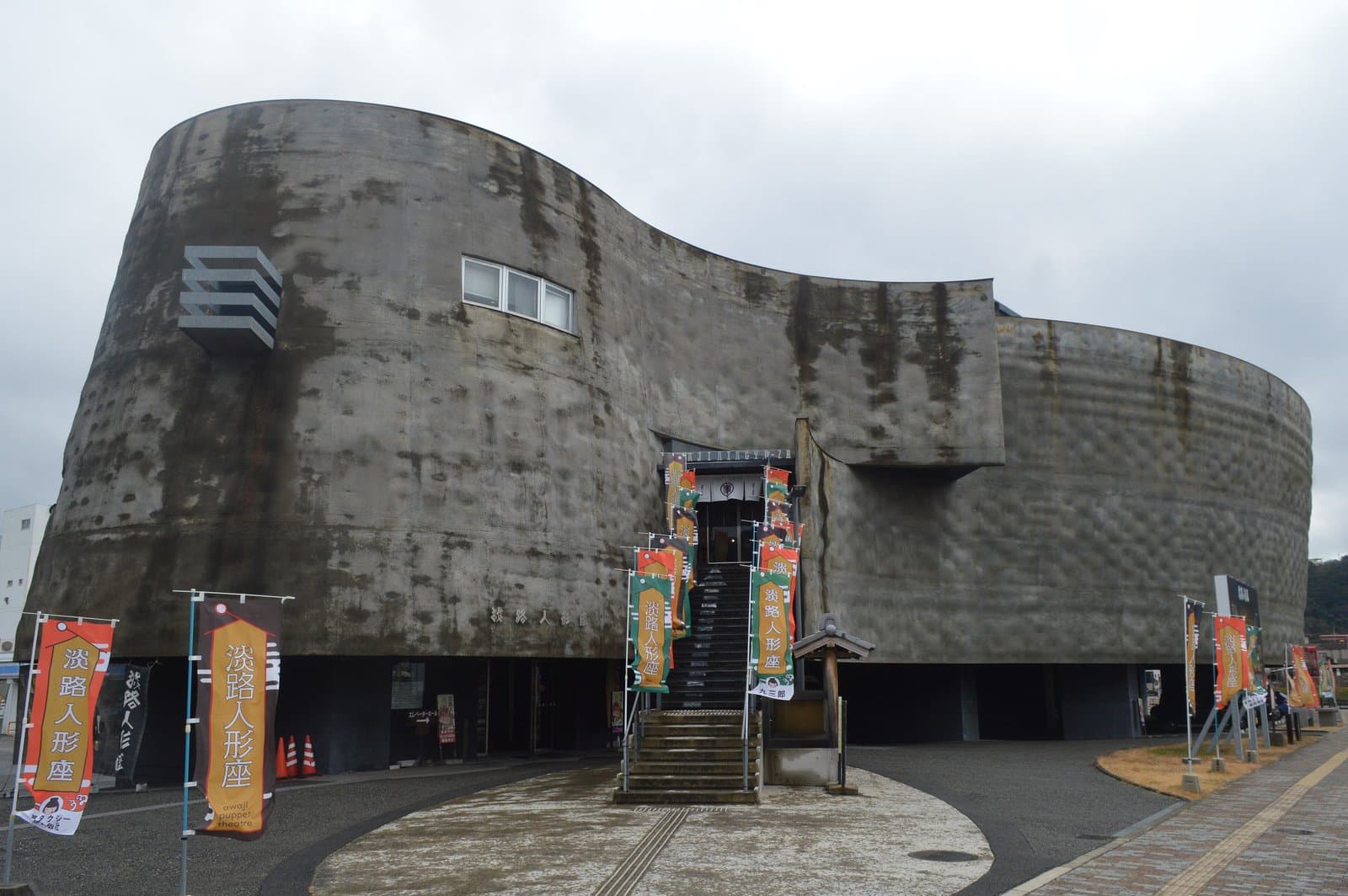 Photo: Asturio Cantabrio / Wikimedia Commons, CC BY-SA 4.0 (resized)Minamiawaji, HyogoAwaji Puppet TheatreAwaji Ningyo-za has carried on "Awaji Ningyo Joruri", a nationally designated Important Intangible Folk Cultural Property, since the Edo period and still keeps it alive. Puppeteers, a chanter and a shamisen player perform as one. The puppets are larger than those of Bunraku, made to be seen by audiences outdoors, and quick costume changes and scenery changes are highlights.Official check: 26 Sept 2026
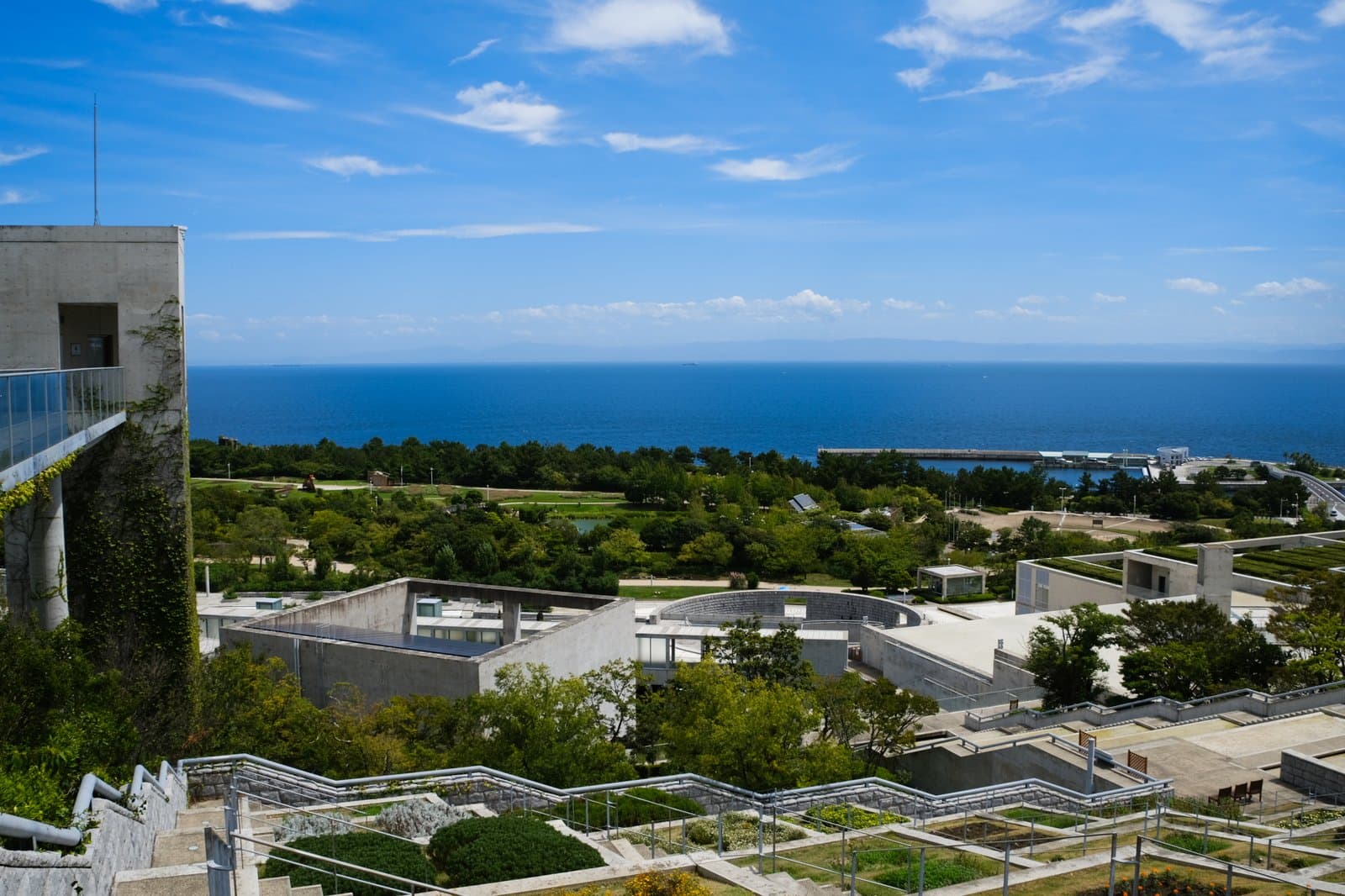 Photo: Photo ACAwaji, HyogoAwaji YumebutaiA complex designed by the architect Tadao Ando where nature and architecture are in harmony. The "Hyakudanen" garden of 100 flower beds rising in steps looks out over the Seto Inland Sea from the top, and the renovated greenhouse "Awaji Green Kan" shows rare plants from around the world; restaurants serve Awaji seafood, vegetables and Awaji beef.Official check: 26 Sept 2026
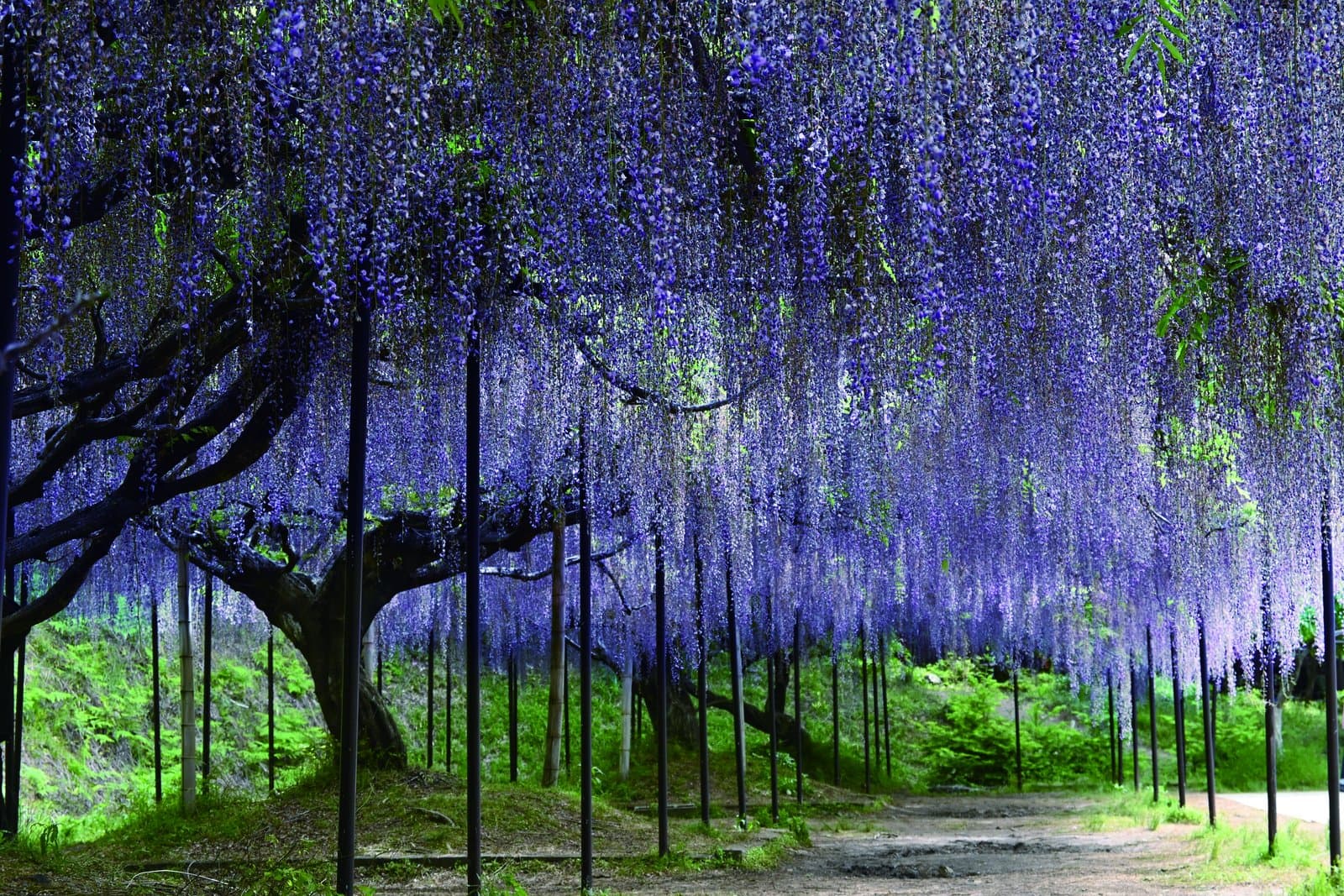 Photo: Photo ACTamba, HyogoByakugoji TempleA Tendai temple of about 1,300 years, said to have been founded in 705 by the hermit Hodo, and named because its principal image, Yakushi Nyorai, was said to shine from the white curl (byakugo) between its brows. In early summer the "kushaku-fuji" wisteria blooms like a purple shower, and the "Kushaku Fuji Festival" is held every early May, with the wisteria lit up at night. The grounds also have autumn leaves, rhododendrons in spring and crape myrtle in summer.Official check: 28 Sept 2026
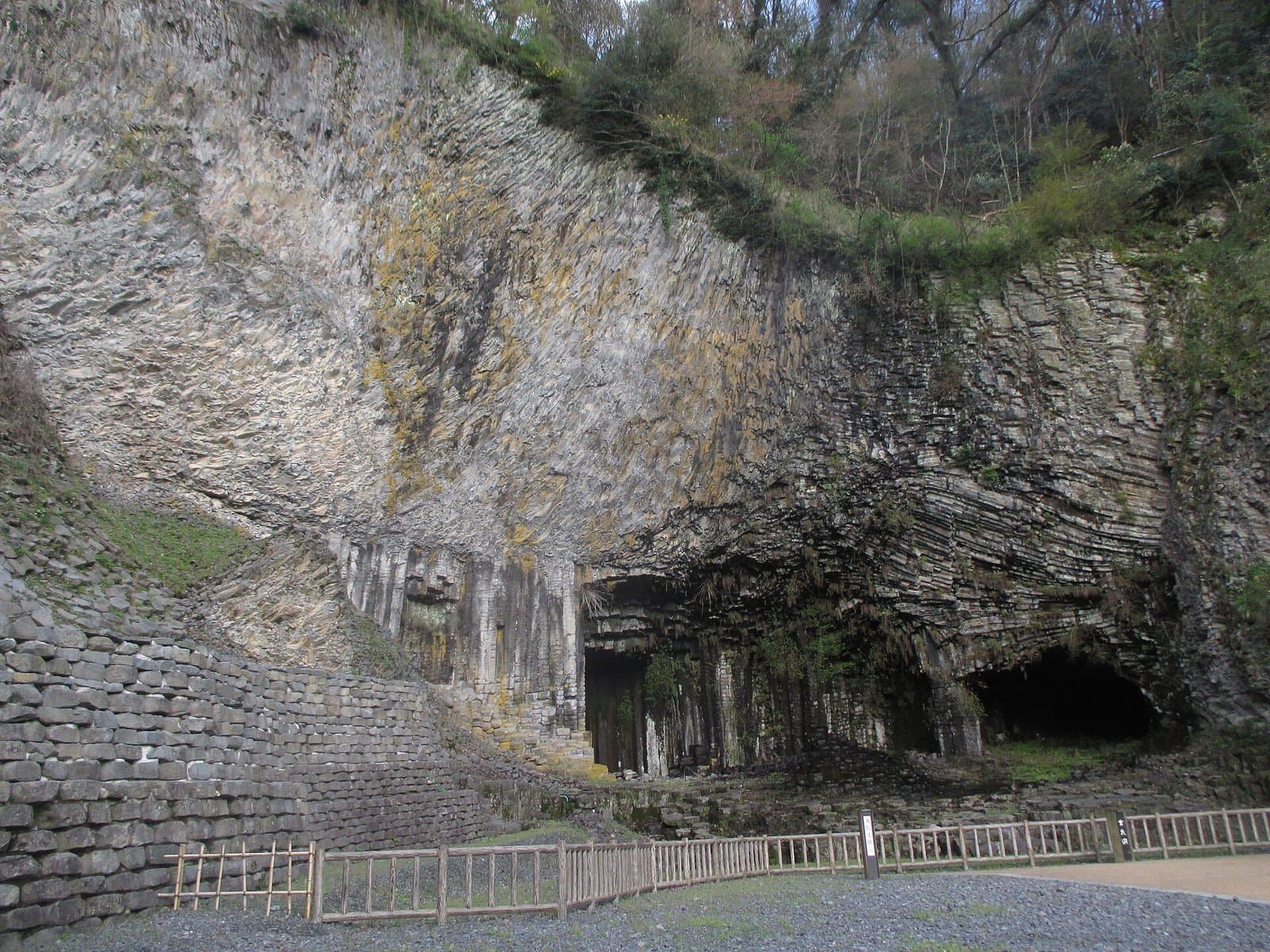 Photo: iloverjoa / Wikimedia Commons, CC BY 3.0 (resized)Toyooka, HyogoGenbudo ParkA park designated a national natural monument, with scenery created by volcanic activity about 1.6 million years ago. Its highlight is columnar jointing, countless hexagonal columns formed as magma cooled; besides Genbudo cave there are four other caves (Seiryudo, Byakkodo, Kita-Suzakudo and Minami-Suzakudo), and the neighbouring Genbudo Museum explains how it formed.Official check: 26 Sept 2026
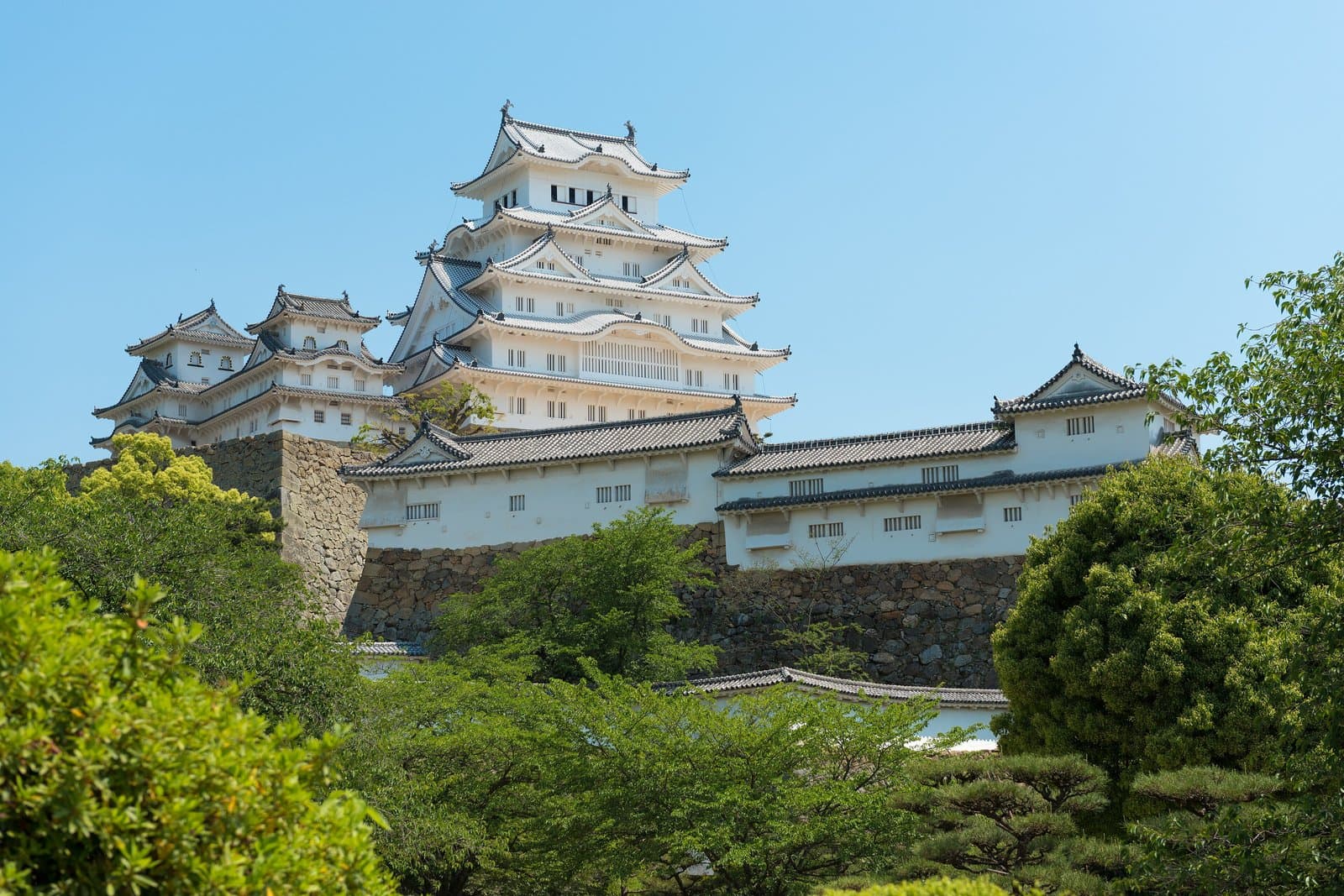 Photo: Nikos Kitsakis / Wikimedia Commons, CC BY-SA 4.0 (resized)Himeji, HyogoHimeji CastleA World Heritage Site and National Treasure with an original keep, and the first place in Japan to be registered as a UNESCO World Cultural Heritage Site. Its beautiful white walls earned it the name "White Egret Castle" (Shirasagi-jo). With about 400 years of history, it escaped war and fire and still shows its original form; maze-like passages and steep stairs designed to stop invaders are among its highlights.Official check: 26 Sept 2026
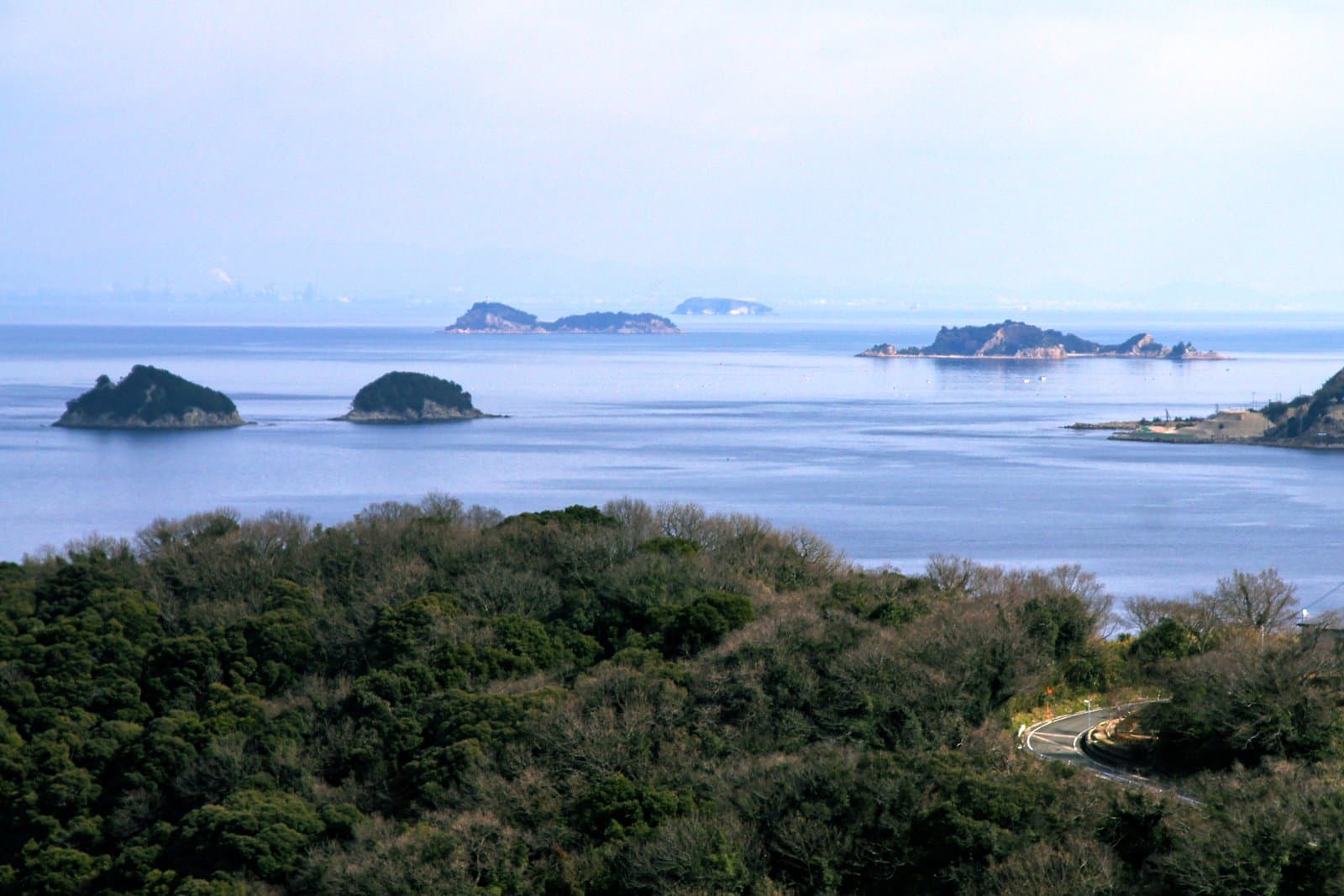 Photo: 663highland / Wikimedia Commons, CC BY 2.5 (resized)Himeji, HyogoIeshima IslandsA group of 44 islands large and small in the Harima Sea, just 30 minutes by boat from Himeji Port and part of Setonaikai National Park. Ieshima keeps the atmosphere of an old fishing town, with Ieshima Shrine associated with Sugawara no Michizane; Bouze Island is known for fresh seafood such as its branded mackerel and octopus.Official check: 26 Sept 2026
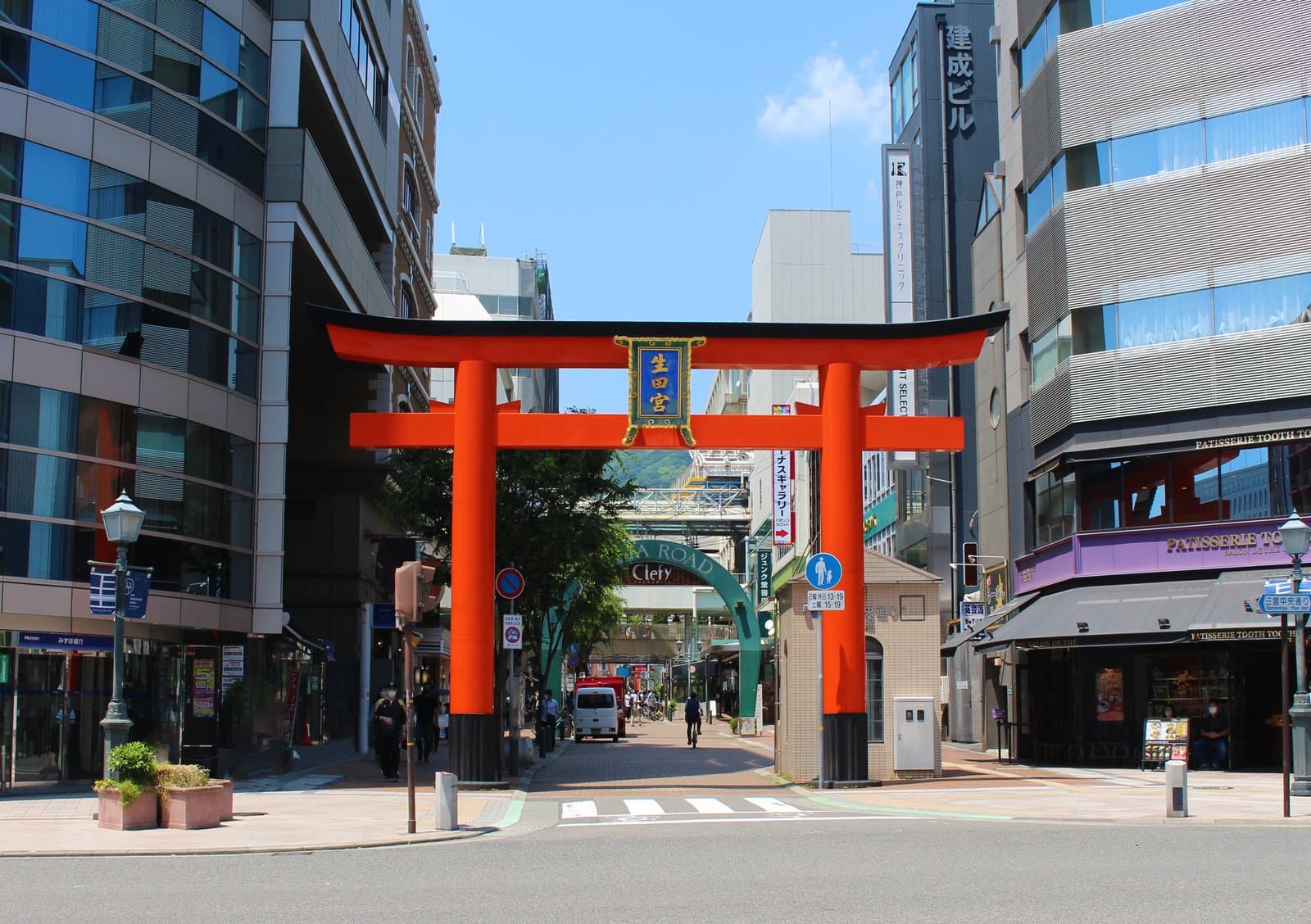 Photo: Photo ACKobe, HyogoIkuta ShrineA shrine with about 1,800 years of history in Sannomiya, the heart of Kobe, said to be the origin of the name "Kobe". Its main deity is Wakahirume-no-mikoto. The grounds include the Ikuta Forest, known as a battlefield of the Genpei War, and a row of vermilion torii gates at the Inari shrine.Official check: 26 Sept 2026
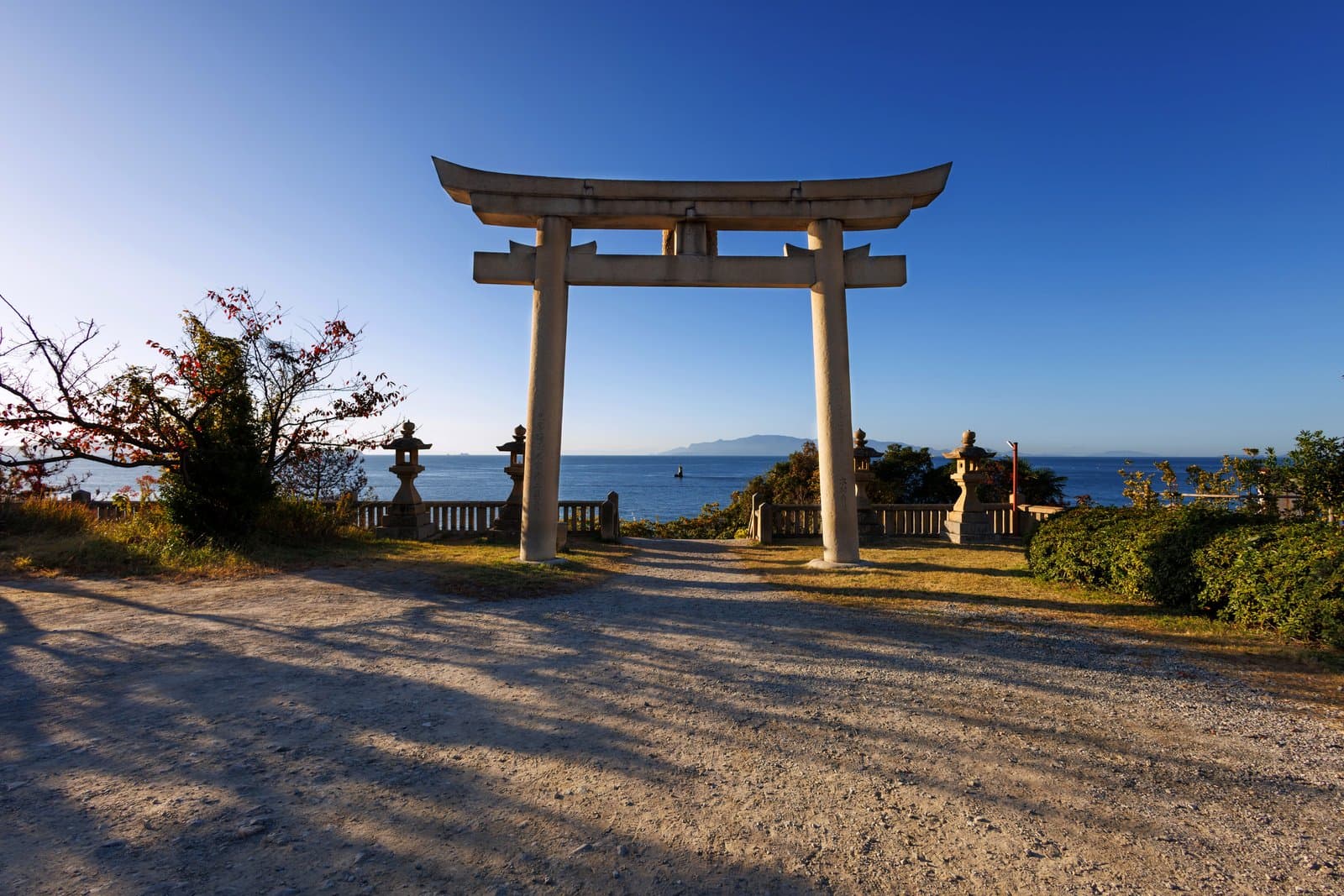 Photo: Photo ACAko, HyogoIwatsuhime ShrineAn old shrine dating from the Heian period, standing at the tip of Ako Misaki facing the sea; through the torii in front spreads a panorama of the sparkling Seto Inland Sea. Seasonal events include the Tondo festival in January, the Wakoshi festival in June with its grass ring, and lion dances at the autumn festival in October. From the shrine the colourful tiled "Kirakira-zaka" slope leads down to the sea.Official check: 26 Sept 2026
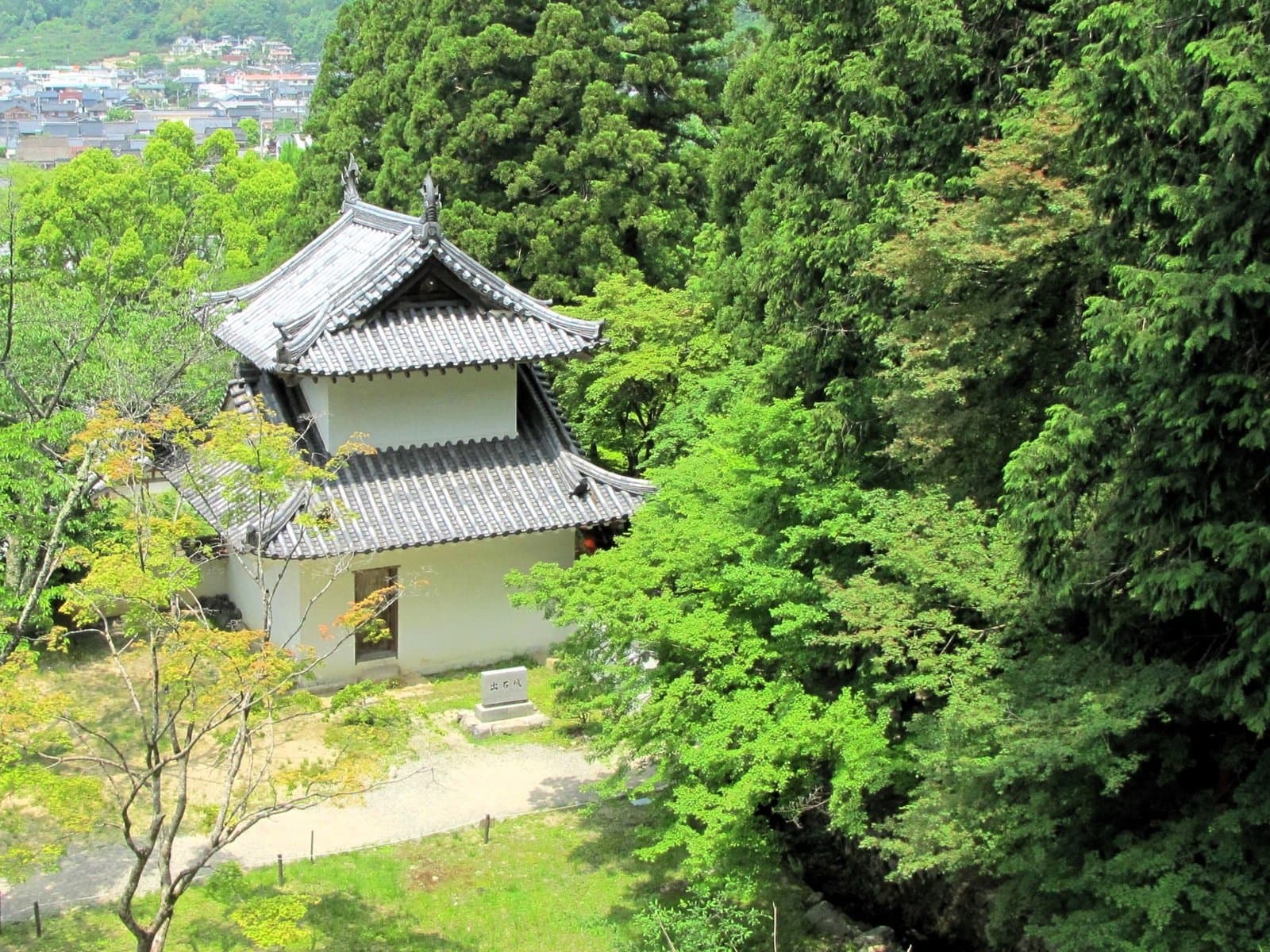 Photo: Photo ACToyooka, HyogoIzushi Castle RuinsThe ruins of a hill castle built by the Koide clan, the symbol of the castle town of Izushi. Past a row of vermilion torii of the Inari shrine and up steep steps, you look over the grid-plan town and its clock tower "Shinkoro". The rough "nozura-zumi" stone walls remain, and the corner turret, gate and bridge have been rebuilt; the local speciality is Izushi sara soba.Official check: 26 Sept 2026
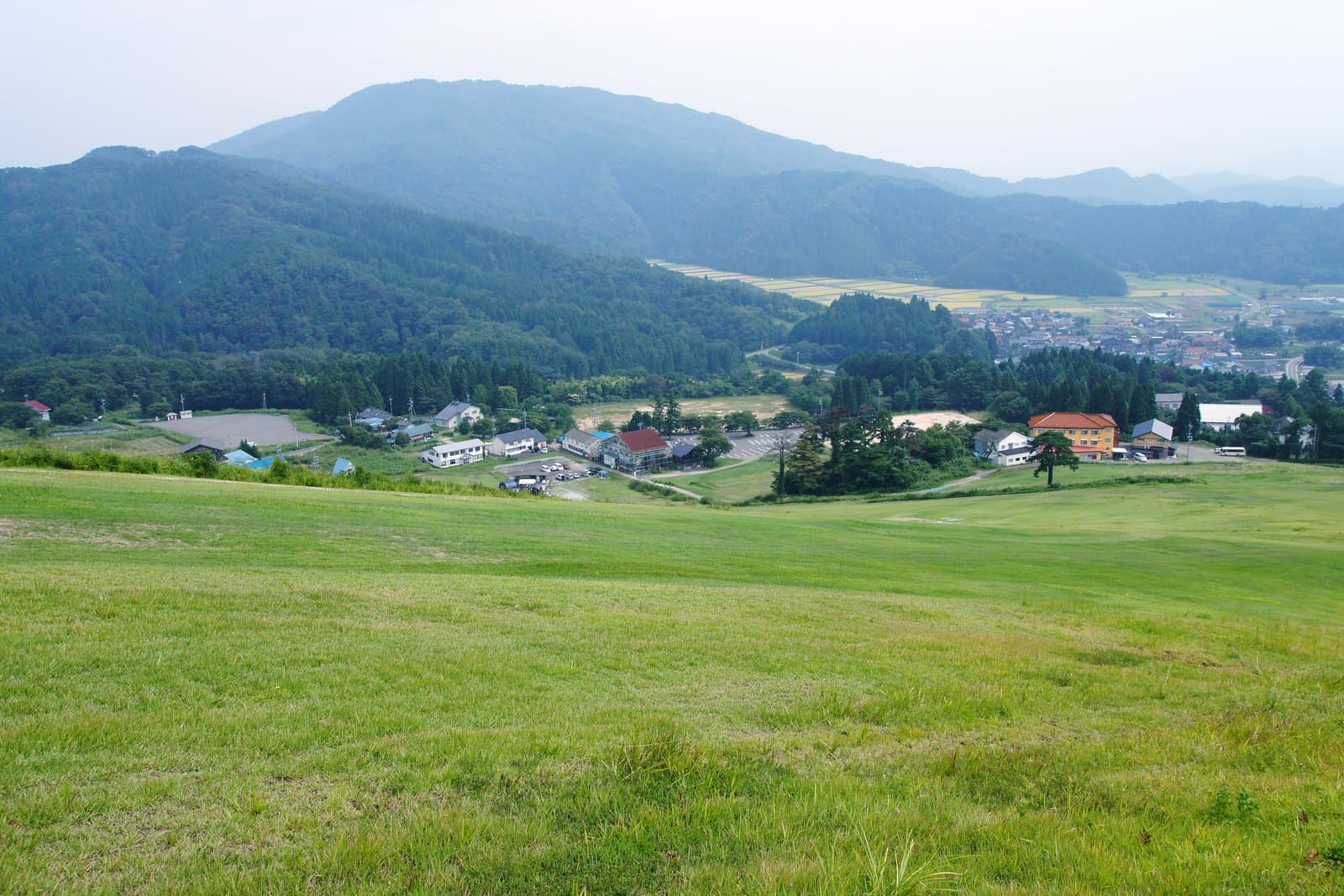 Photo: 663highland / Wikimedia Commons, CC BY 2.5 (resized)Toyooka, HyogoKannabe HighlandsHighlands at 350 m surrounded by mountains, comfortable even in summer, where you can enjoy paragliding with instructors, golf, tennis, and skiing and snowboarding at three ski areas (Up Kannabe, Okukannabe and Manba). Mountain-vegetable picking and trout fishing in spring, camping in summer, autumn leaves and waterfalls in autumn and snow scenery in winter can all be enjoyed.Official check: 26 Sept 2026
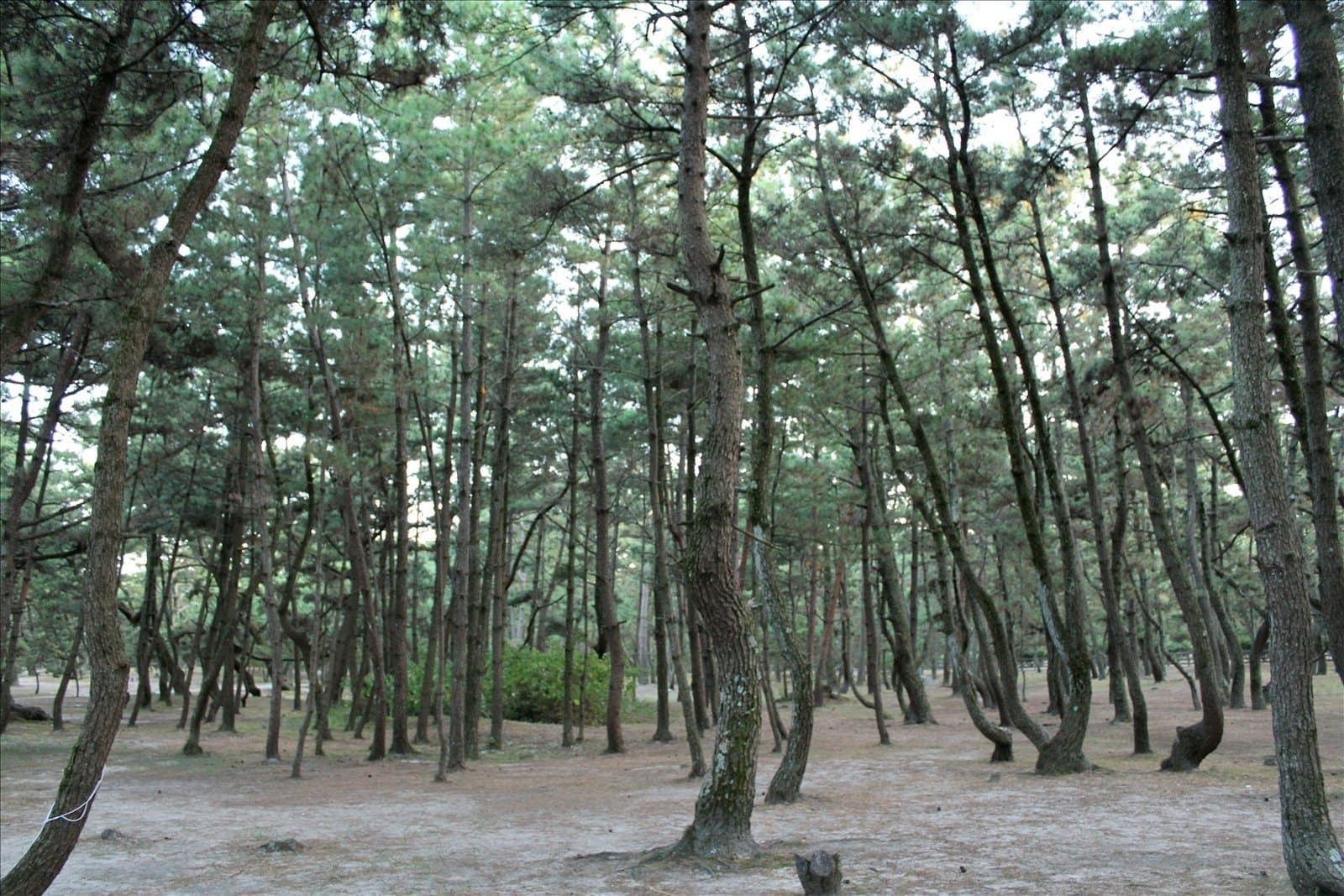 Photo: Naoki Seto / Wikimedia Commons, CC BY 3.0 (resized)Minamiawaji, HyogoKeino Matsubara BeachWhite sand and a forest of about 50,000 pine trees stretching about 2.5 km along the west coast of Awaji Island, a location for films and period dramas. The sunset over the Seto Inland Sea is chosen as one of Japan's 100 best sunsets, and the "Propose Kaido" displays carved tiles, a speciality of Minamiawaji, one of Japan's leading tile-producing areas.Official check: 26 Sept 2026
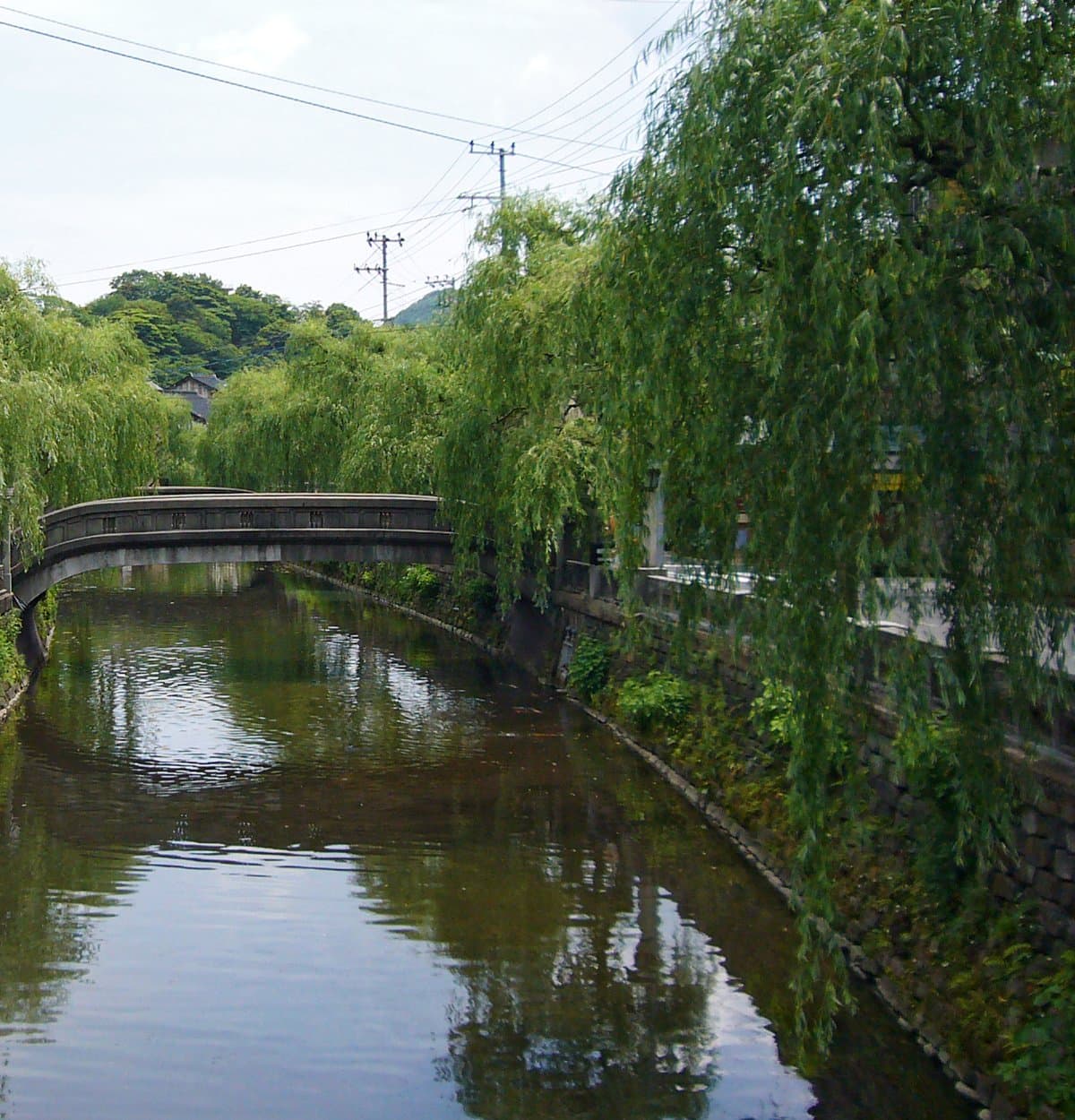 Photo: 663highland / Wikimedia Commons, CC BY 2.5 (cropped and resized)Toyooka, HyogoKinosaki OnsenOne of the Kansai region's leading hot spring towns, with about 1,300 years of history, on the Sea of Japan side of northern Hyogo. Willows line the Otani River through the town, and the "sotoyu meguri", strolling in yukata between several public bathhouses, is a local speciality; snow crab in winter and Tajima beef and seafood all year round are also enjoyed.Official check: 26 Sept 2026
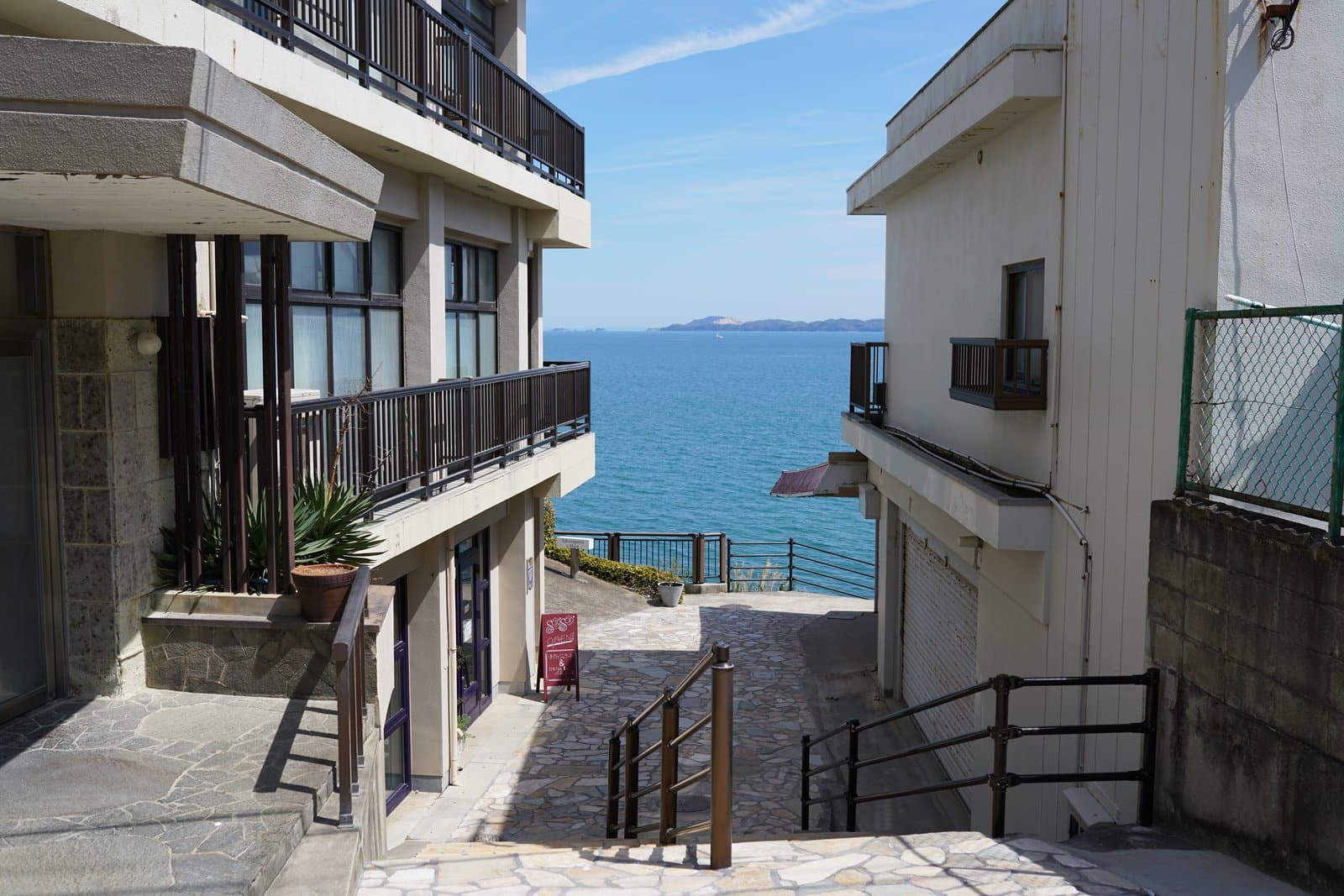 Photo: Photo ACAko, HyogoKirakira-zaka SlopeA romantic stone-paved path that slopes gently down to the Seto Inland Sea from the grounds of Iwatsuhime Shrine, with views of the calm sea from partway down and from the top. Its name is said to come from the blue sky, wide sea and white waves that sparkle as you walk down. At dusk the setting sun sparkles on the water. Cafes and restaurants are dotted around, and there are glass-making and salt-making workshops.Official check: 28 Sept 2026
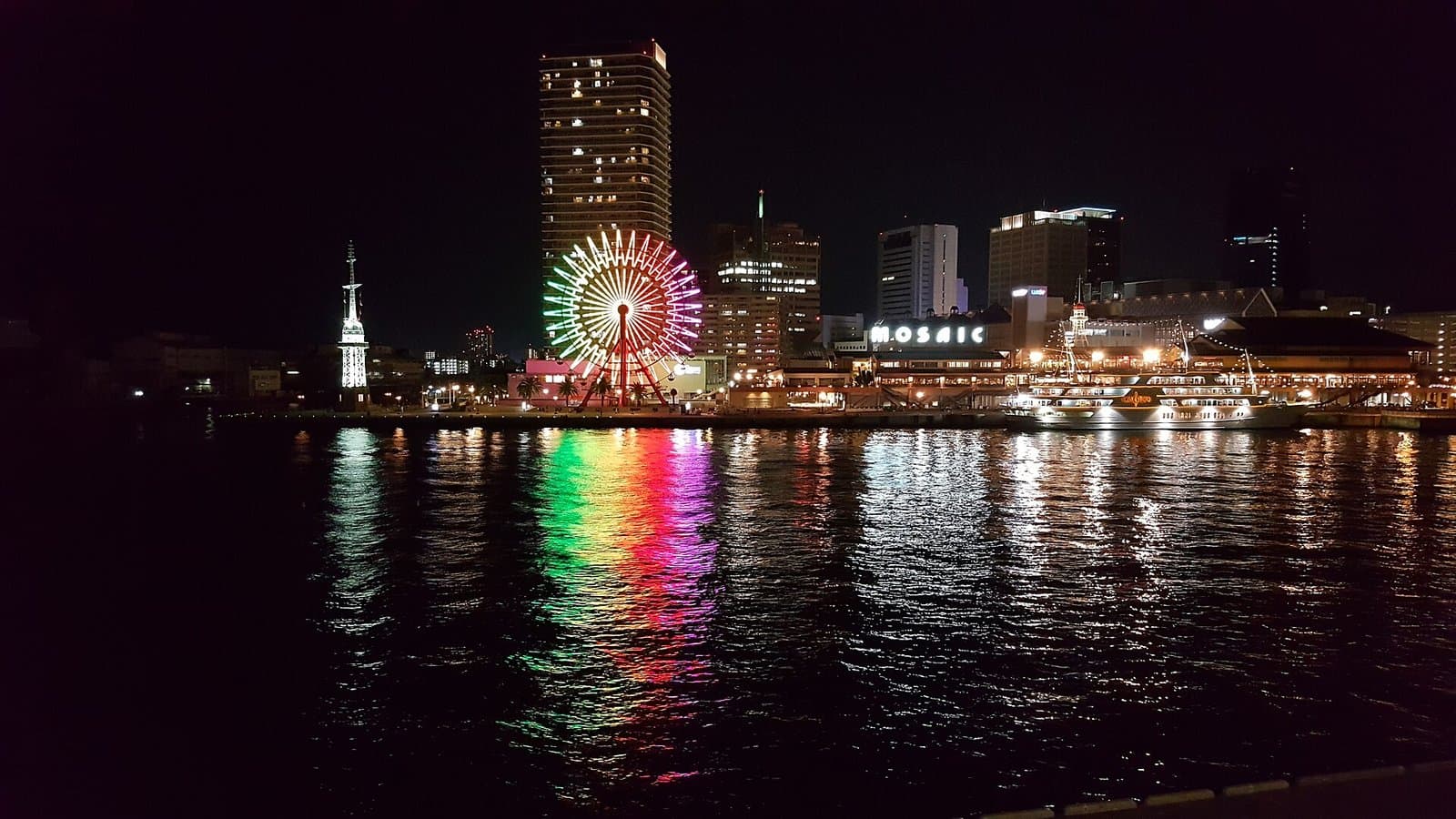 Photo: Brett Fagan / Wikimedia Commons, CC0 (resized)Kobe, HyogoKobe HarborlandA classic Kobe sightseeing spot where you can spend a day by the harbour. Along the sea side of the umie shopping mall, "umie MOSAIC" has cafes, restaurants and shops looking out on Kobe Port; the Mosaic Big Ferris Wheel is its symbol, and the area is lit up at night. The Kobe Anpanman Children's Museum & Mall is next door.Official check: 26 Sept 2026
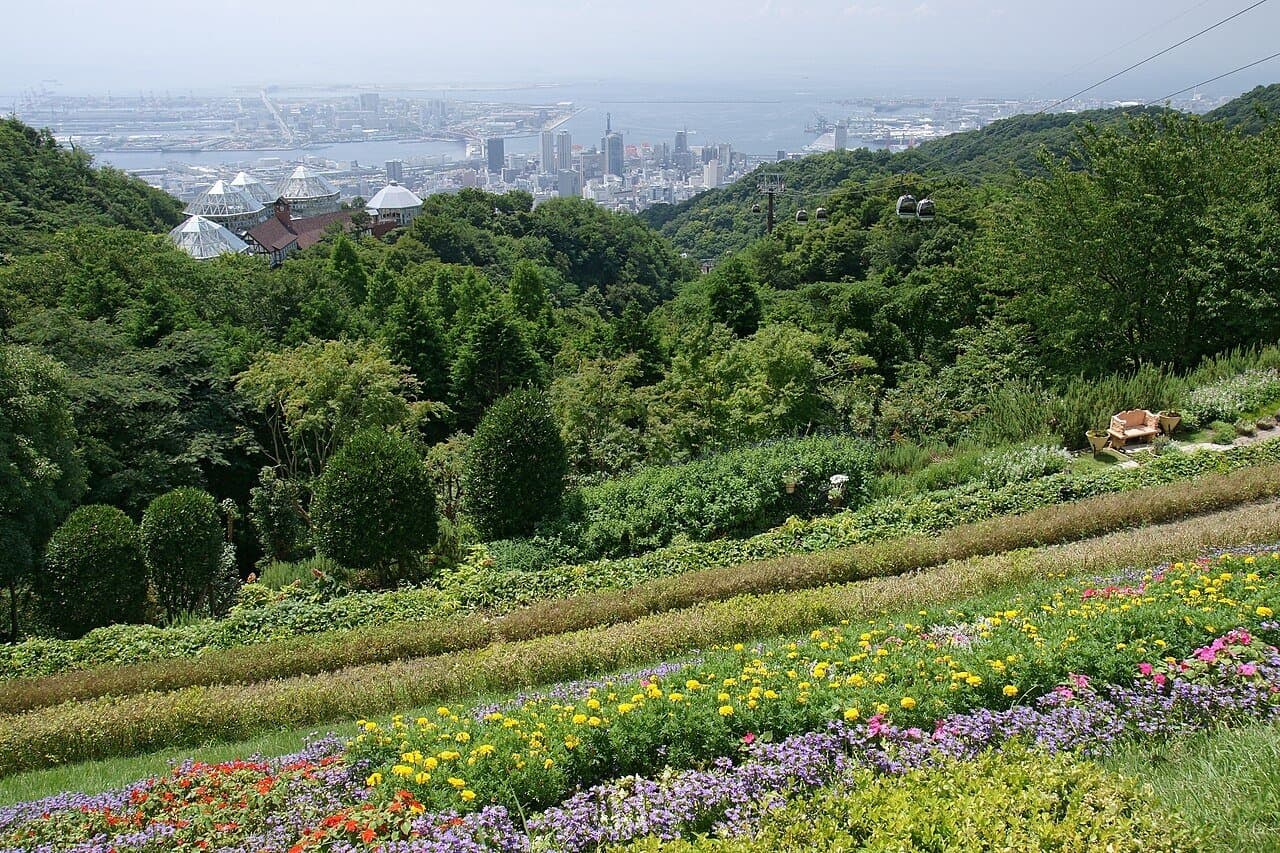 Photo: 663highland / Wikimedia Commons, CC BY 2.5 (resized)Kobe, HyogoKobe Nunobiki Herb Gardens & RopewayA ropeway of about 10 minutes from a base station 5 minutes' walk from Shin-Kobe Station, with views of the city, the port and Nunobiki Falls, up to one of Japan's largest herb gardens at about 400 m, where some 75,000 plants of about 200 kinds of herbs and flowers bloom in 12 themed gardens.Official check: 26 Sept 2026
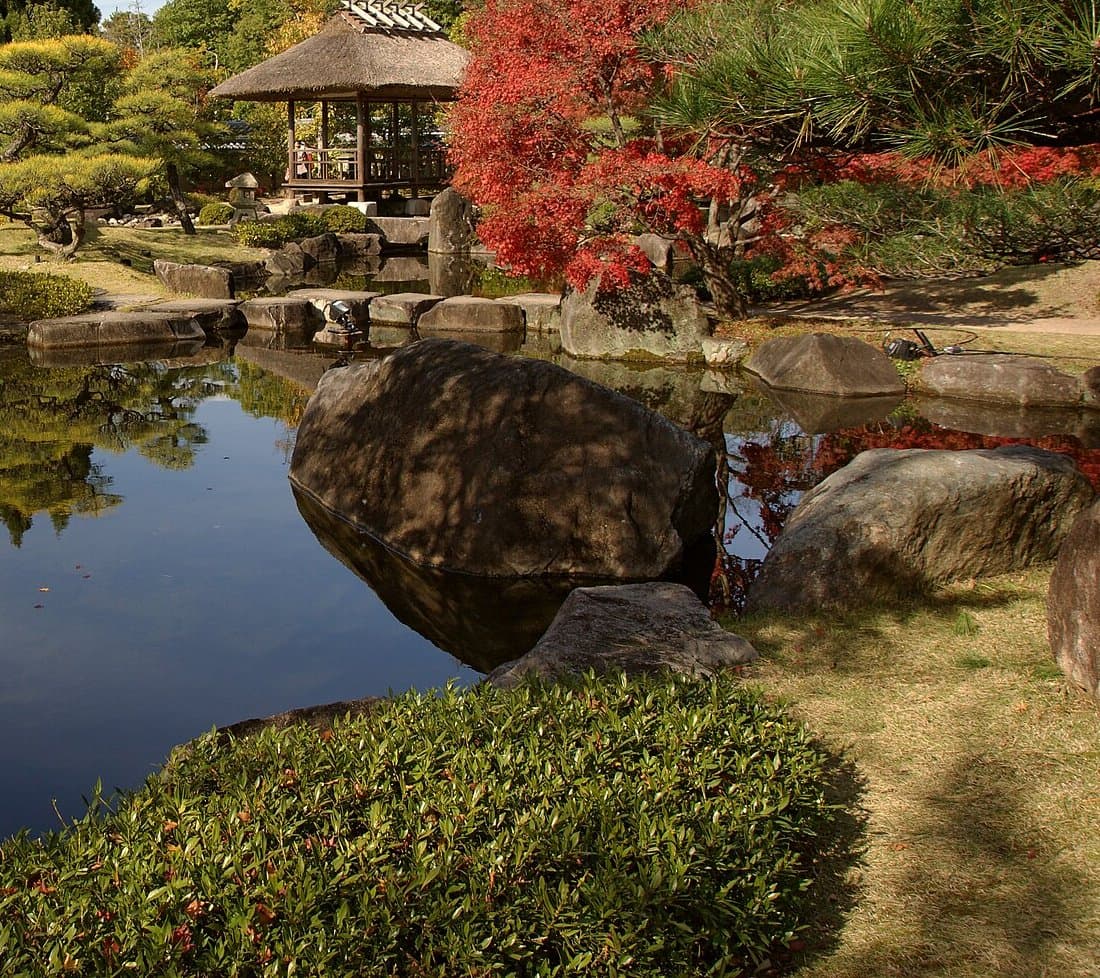 Photo: 663highland / Wikimedia Commons, CC BY 2.5 (cropped)Himeji, HyogoKokoen GardenA Japanese stroll garden on the site of the western residence of Himeji Castle, using the castle as borrowed scenery. Opened in 1992, it has nine gardens of different character in the Edo-period style, and you can enjoy matcha and Japanese sweets at the Sojuan teahouse. The autumn-leaf light-up is a highlight.Official check: 26 Sept 2026
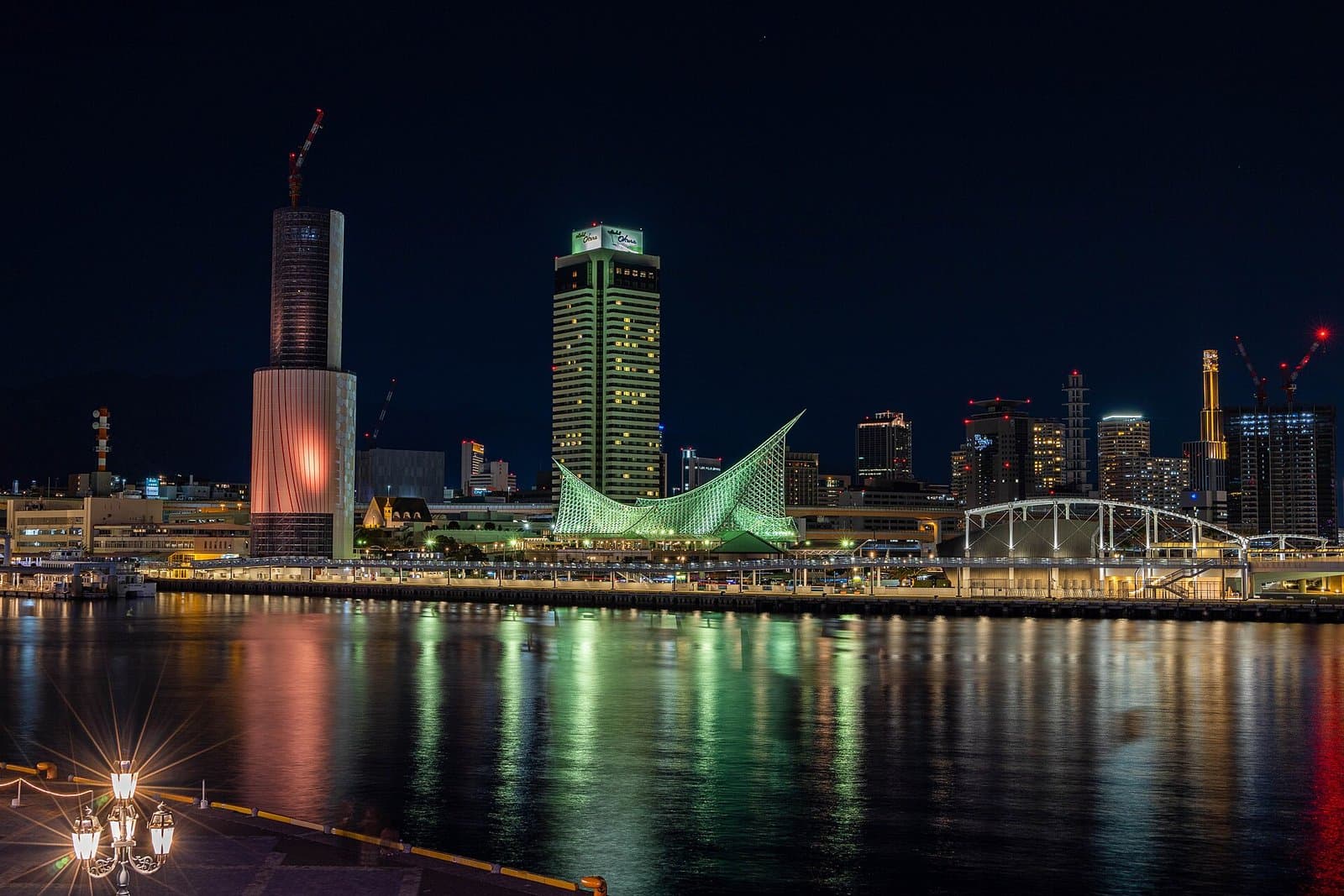 Photo: Naokijp / Wikimedia Commons, CC BY-SA 4.0 (resized)Kobe, HyogoMeriken ParkKobe's signature waterfront, made by combining the old Meriken Wharf with reclaimed land. It has the Port of Kobe Earthquake Memorial Park, which conveys the damage of the Great Hanshin-Awaji Earthquake, and the Kobe Maritime Museum shaped like a white sailing ship; the "BE KOBE" monument is a popular photo spot and is lit up at night.Official check: 26 Sept 2026
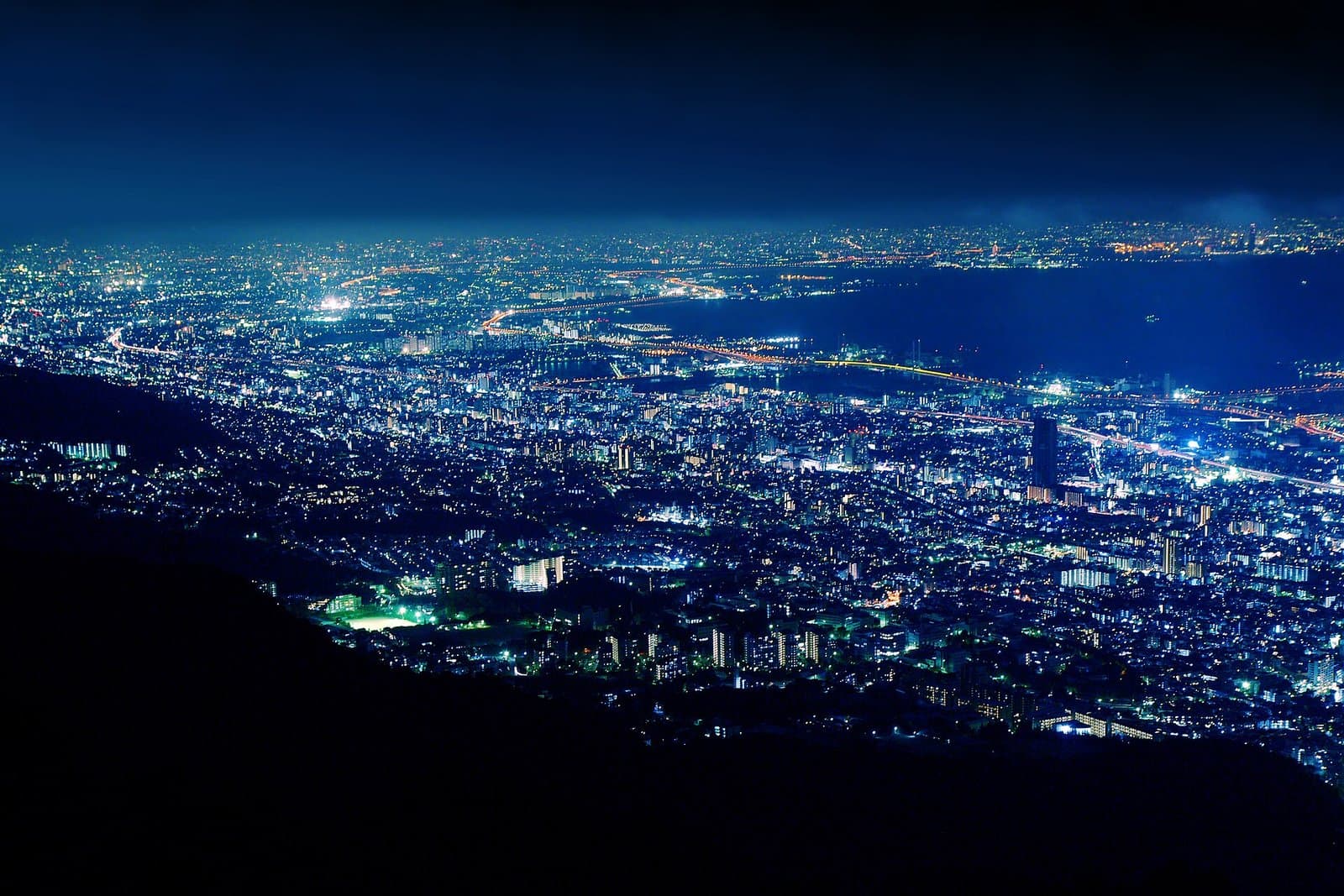 Photo: 663highland / Wikimedia Commons, CC BY 2.5 (resized)Kobe, HyogoMt. Maya Kikuseidai ObservatoryAn observation plaza at about 700 m, reached by cable car and ropeway, known as one of Kobe's best night-view spots. The panorama over the city of Kobe to Osaka Bay and Kansai Airport is counted among Japan's three great night views, the "ten-million-dollar night view".Official check: 26 Sept 2026
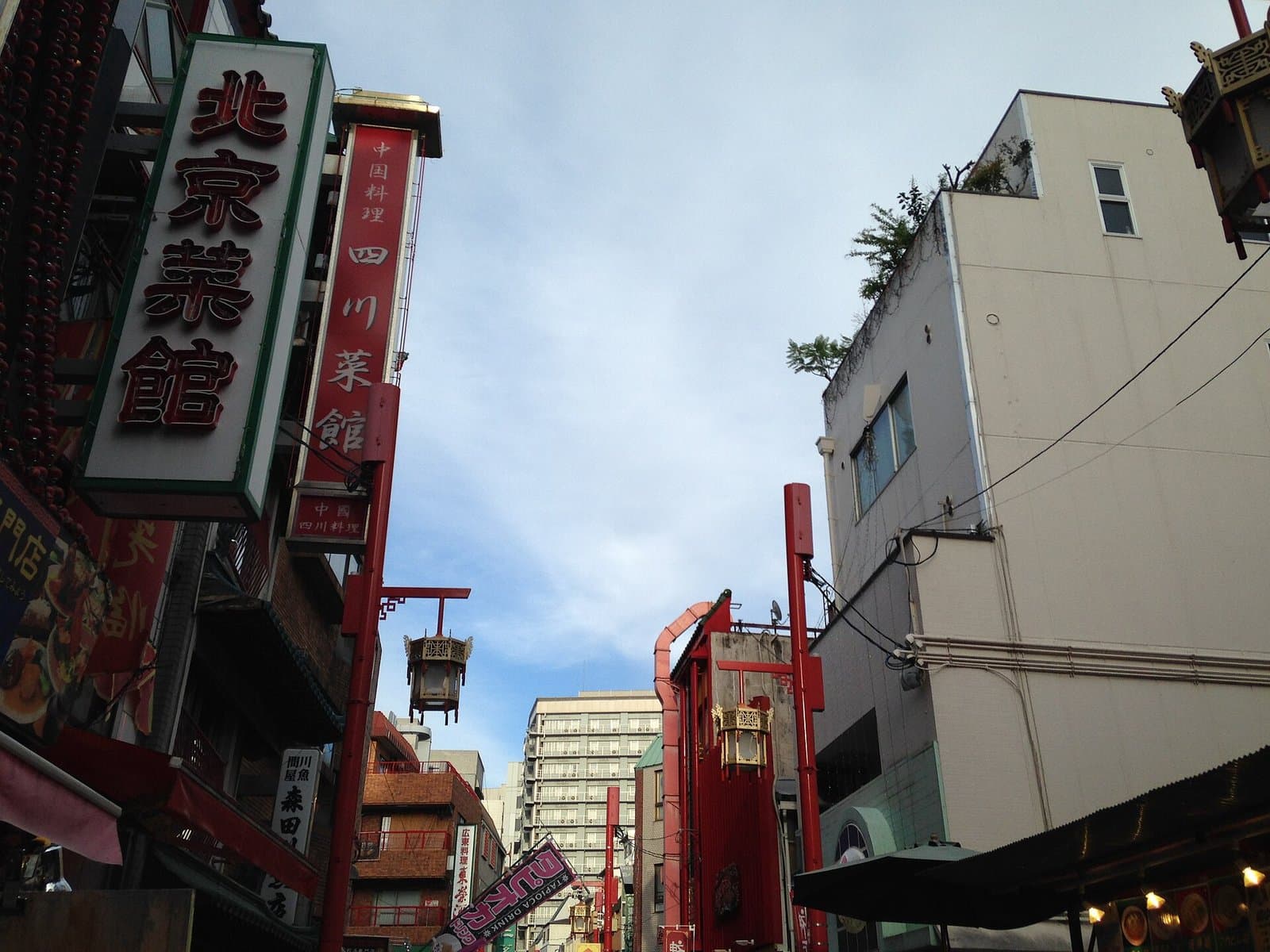 Photo: そらみみ (Soramimi) / Wikimedia Commons, CC BY-SA 4.0 (resized)Kobe, HyogoNankinmachi (Kobe Chinatown)One of Japan's three great Chinatowns, with Yokohama and Nagasaki, where Chinese restaurants and shops crowd an area about 270 m east to west and 110 m north to south. The streets were built by people who came from China when Kobe Port opened in the Meiji era, and events include the Spring Festival, the Mid-Autumn Festival and the Lantern Fair in December.Official check: 26 Sept 2026
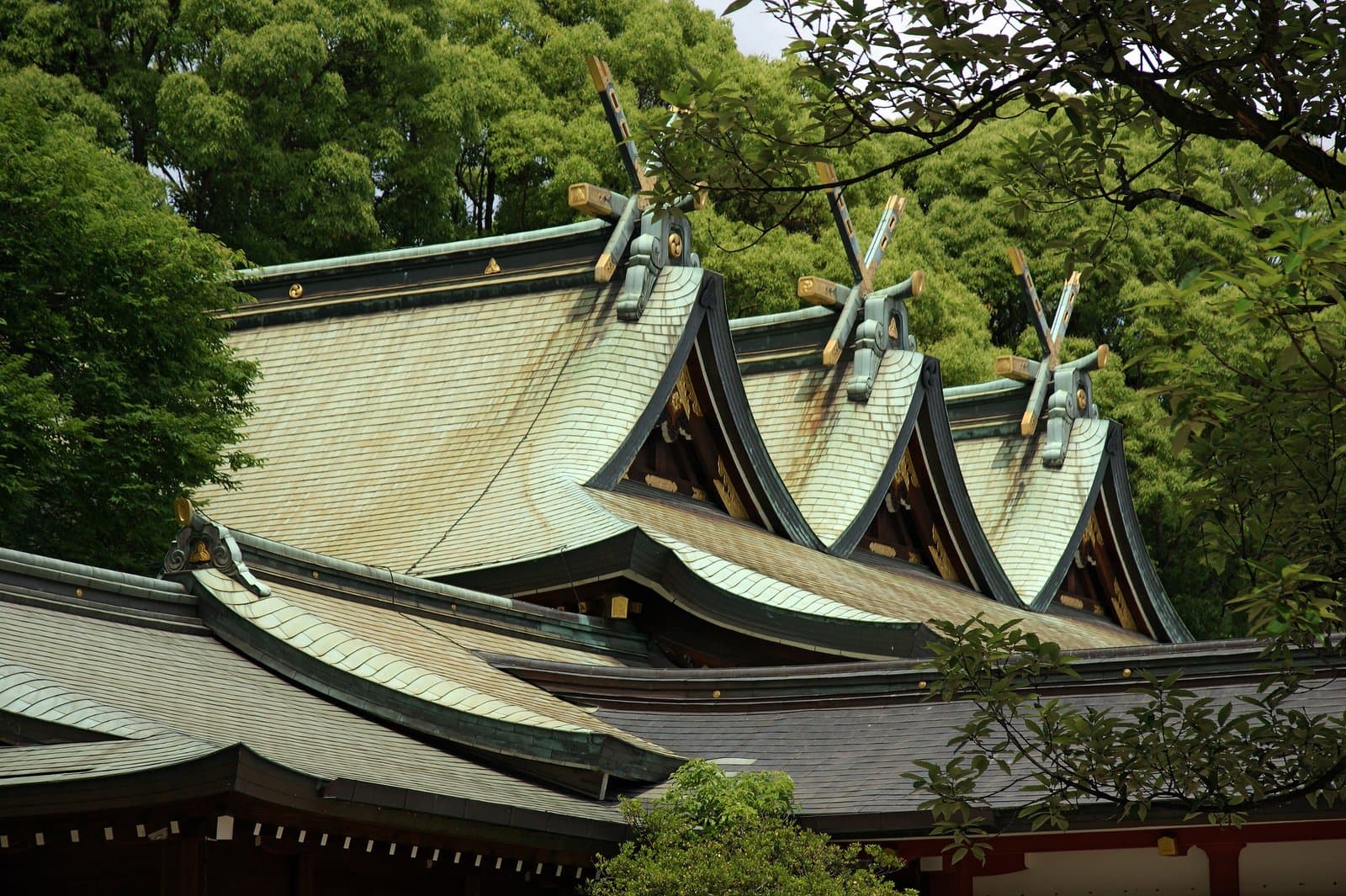 Photo: 663highland / Wikimedia Commons, CC BY 2.5 (resized)Nishinomiya, HyogoNishinomiya Shrine (Nishinomiya Ebisu)Affectionately called "Ebessan" in Kansai, Nishinomiya Shrine enshrines Ebisu and is the head shrine of all Ebisu shrines in Japan, said to be over 1,000 years old. Its main hall is in the rare "Nishinomiya-zukuri" style and is a registered tangible cultural property; many sake barrels offered by breweries across Japan line the vermilion buildings. The "Toka Ebisu" festival held for three days from January 9 each year is a winter tradition in Kansai, and its highlight is the "Kaimon Shinji Fukuotoko Erabi" at 6 a.m. on the 10th, when people race about 200 m from the main gate to the main hall as the gate opens.Official check: 28 Sept 2026
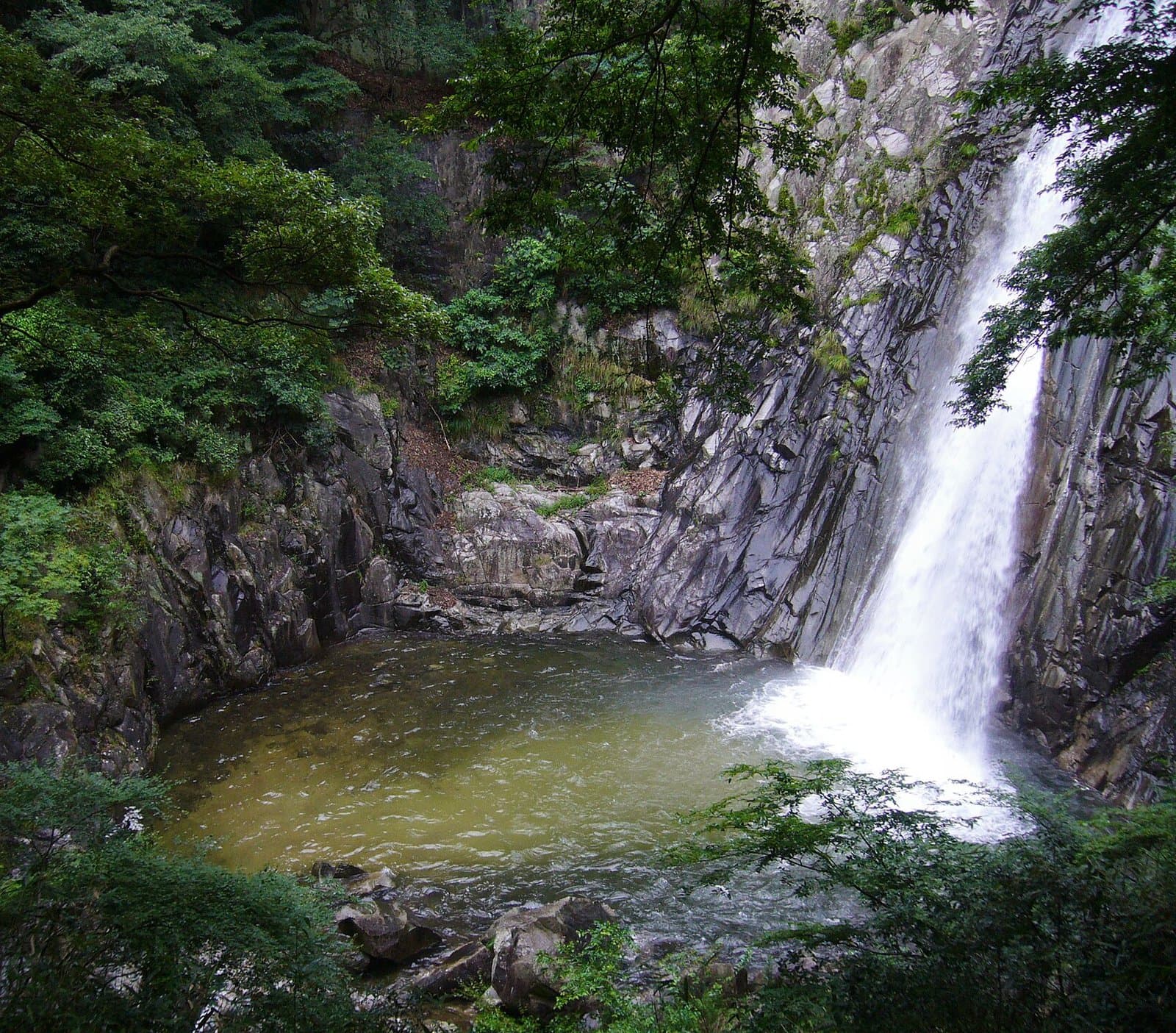 Photo: Laitr Keiows / Wikimedia Commons, CC BY-SA 3.0 (cropped and resized)Kobe, HyogoNunobiki FallsFalls on the middle reaches of the Ikuta River, about 15 minutes' walk along a hiking trail from Shin-Kobe Station. Counted among Japan's three great sacred falls and chosen as one of Japan's 100 best waterfalls, Nunobiki is the collective name for four falls (Ontaki, Mentaki, Meotodaki and Tsutsumigadaki); Ontaki falls from a height of 43 m. It appears in the classic "Tales of Ise".Official check: 26 Sept 2026
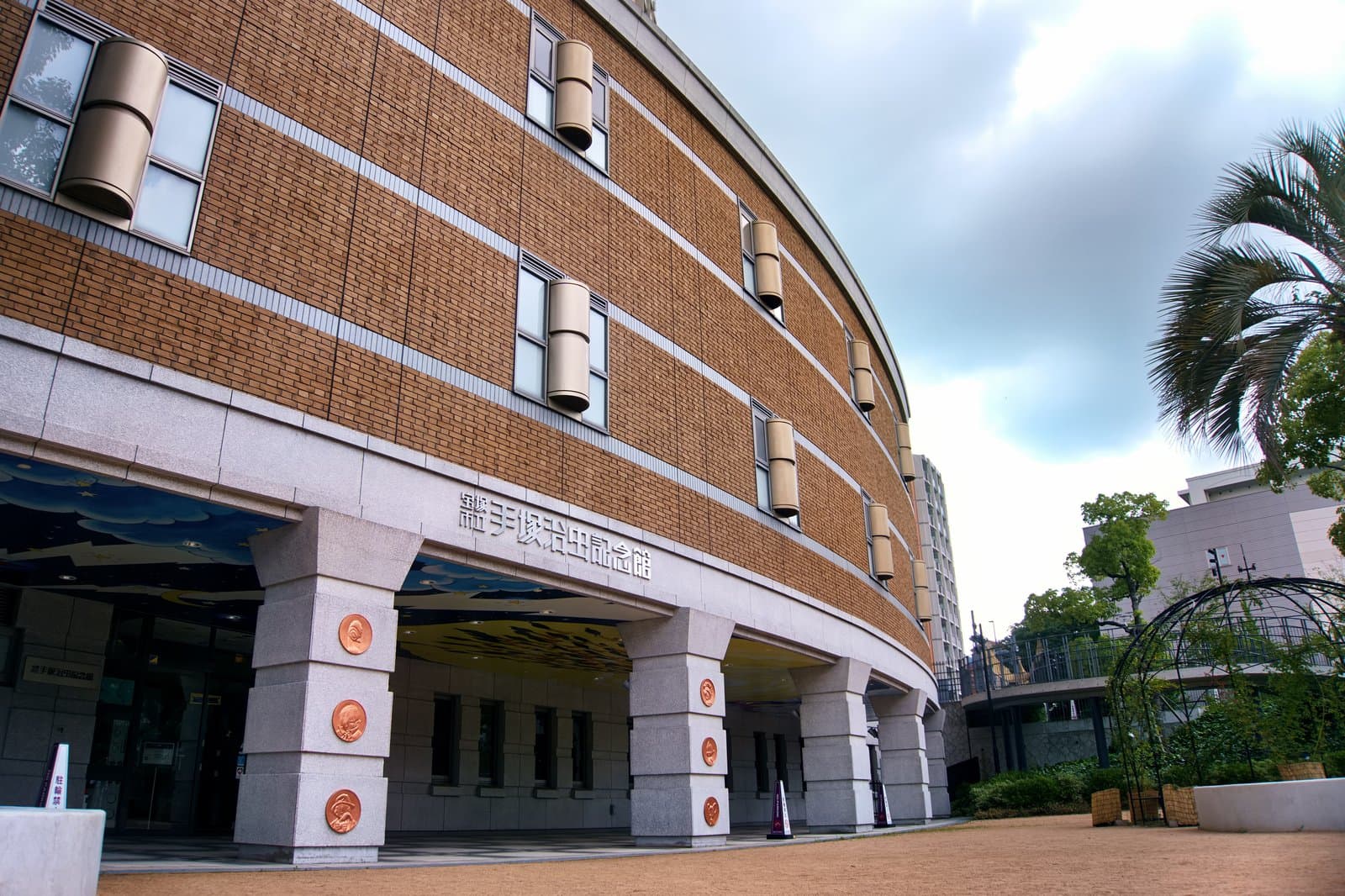 Photo: Photo ACTakarazuka, HyogoOsamu Tezuka Manga MuseumA museum where you can experience the world of the manga master Osamu Tezuka. The entrance hall is modelled on the palace in "Princess Knight", the permanent exhibition shows materials on "Astro Boy" and "Black Jack", and exhibitions change three times a year. The library holds about 2,000 Tezuka volumes to read freely, and in the "Animation Workshop" you can make your own animation.Official check: 26 Sept 2026
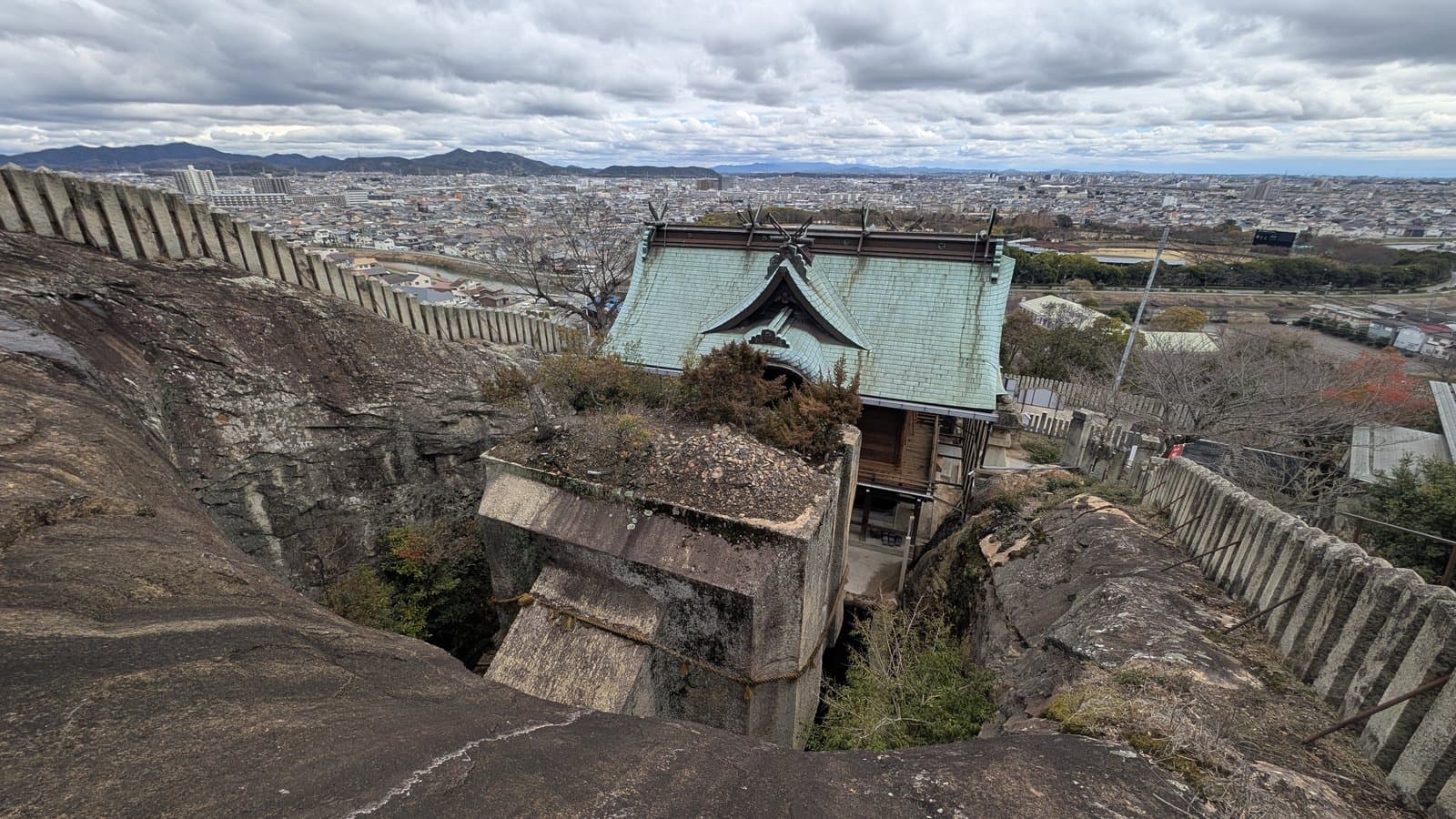 Photo: Photo ACTakasago, HyogoOshiko Shrine (Ishi-no-Hoden)The "Ishi-no-Hoden" enshrined as the sacred body of Oshiko Shrine is counted among the "three wonders of Japan". The huge carved stone, estimated at about 500 t, is also called "Ukiishi" (floating stone) because it seems to float on water; it was cut by human hands, but who made it, why and how remains unknown. From the path to the hilltop park behind the shrine you can see the whole stone.Official check: 26 Sept 2026
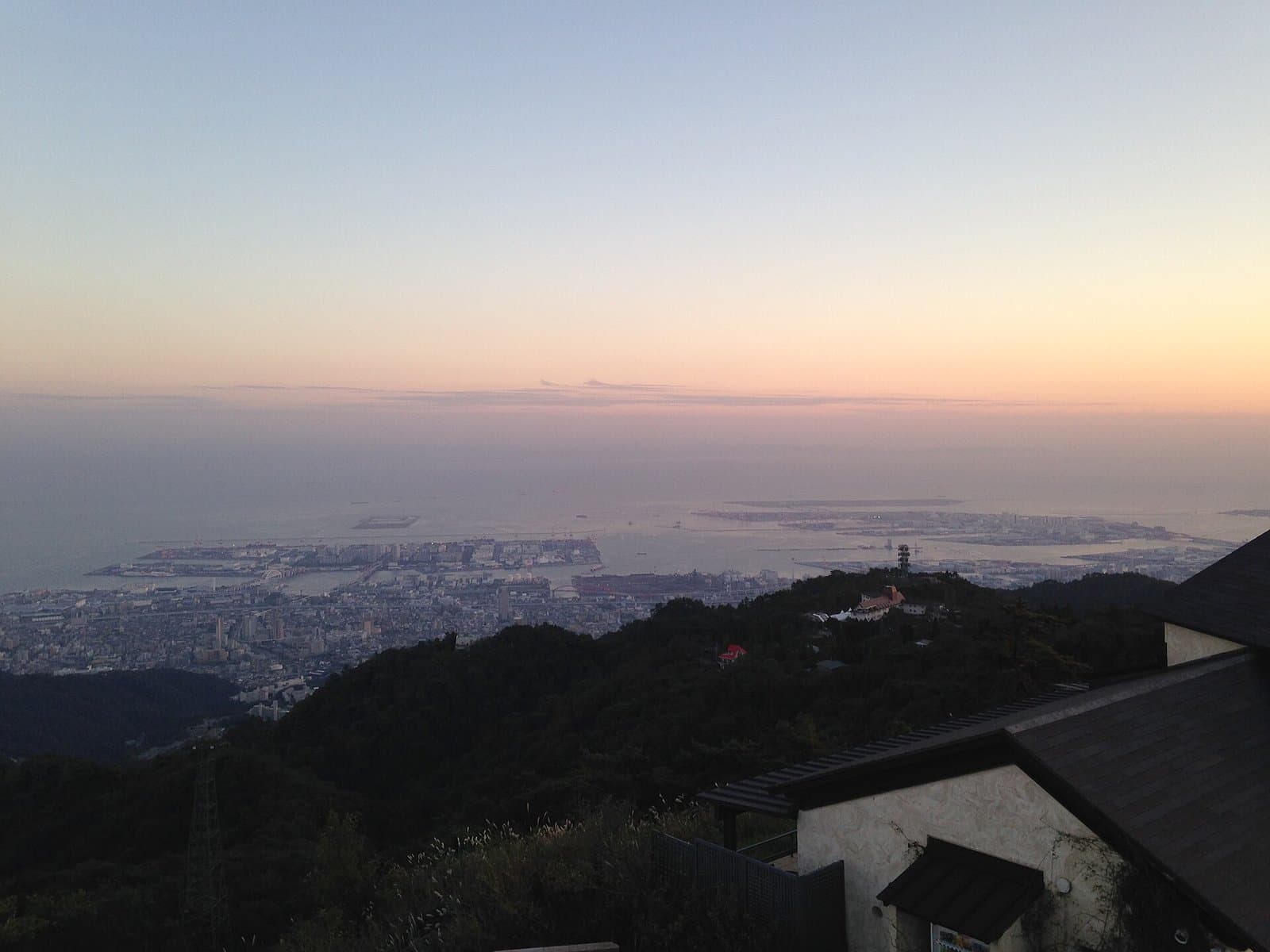 Photo: そらみみ / Wikimedia Commons, CC BY-SA 4.0 (resized)Kobe, HyogoRokko Garden TerraceAn area near the summit of Mt. Rokko at about 880 m with views, food and shopping, looking out over Kobe to the Akashi Strait, Osaka Bay and Kansai Airport. The night view from Mt. Rokko is known as the "ten-million-dollar night view", and the "Rokko Shidare" observatory is its symbol.Official check: 26 Sept 2026
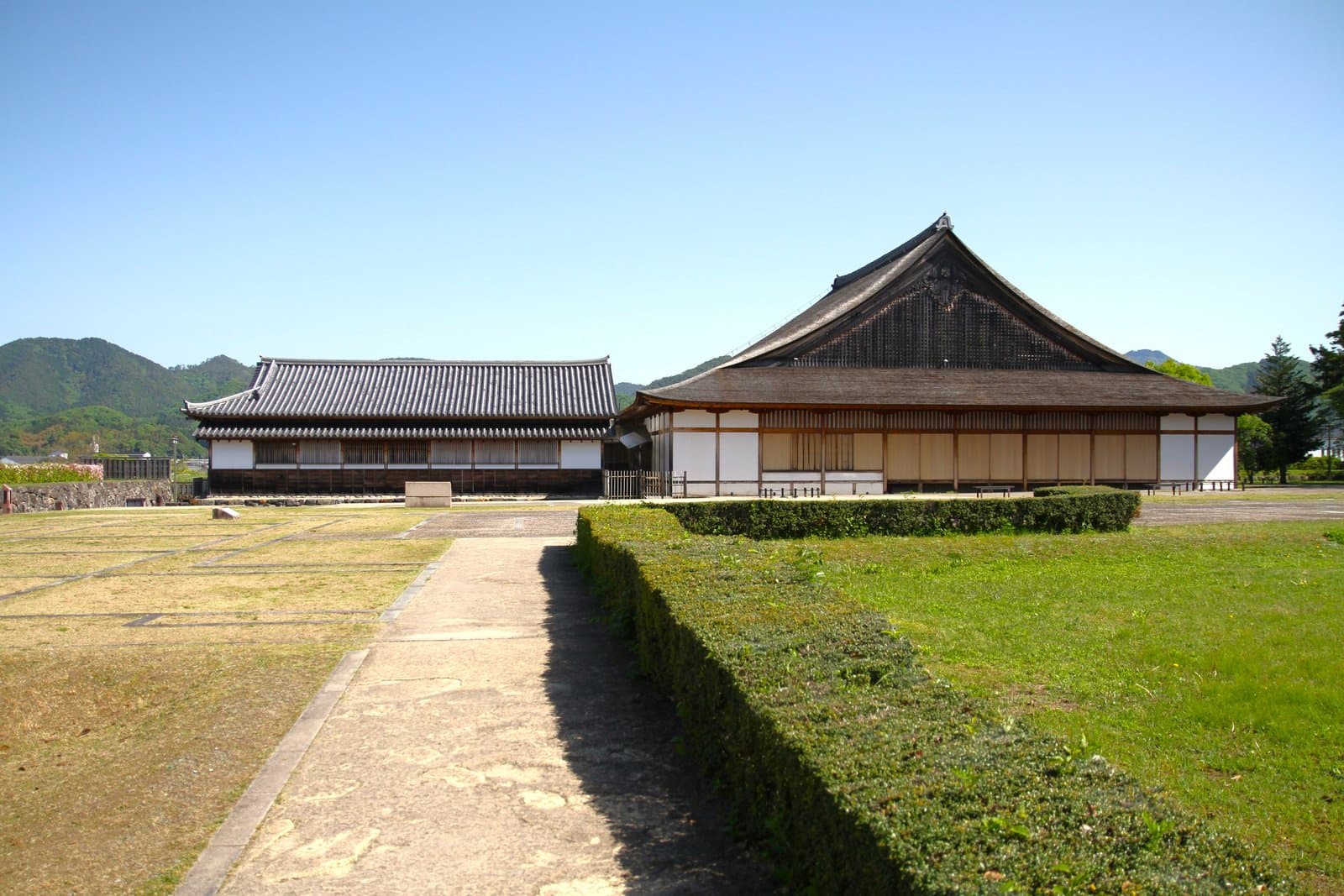 Photo: Photo ACTambasasayama, HyogoSasayama Castle OshoinA historic building of Sasayama Castle, built on the orders of Tokugawa Ieyasu; the grounds, moats and stone walls keep the look of the time. Inside is a museum with a castle model, panels and a video "The Story of Sasayama Castle", and you can try on samurai armour or a princess's robe and walk around and take photos in them.Official check: 26 Sept 2026
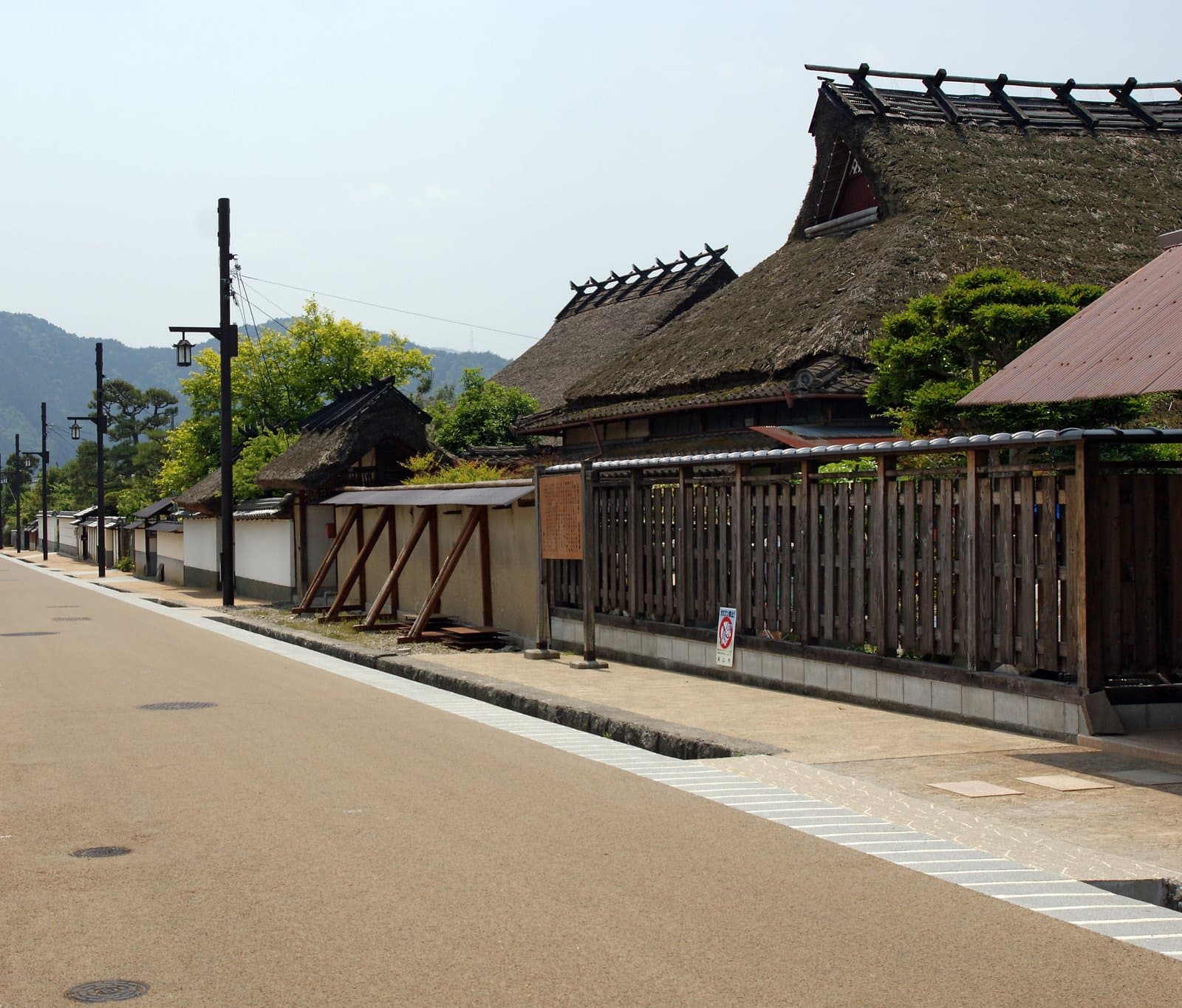 Photo: 663highland / Wikimedia Commons, CC BY 2.5 (cropped and resized)Tambasasayama, HyogoSasayama Castle TownA district around Sasayama Castle with a history going back to the Edo period, lined with white-walled townhouses, samurai residences and merchant houses; old buildings now house cafes, restaurants, Tamba pottery galleries and shops. Old-established bakeries and sweet shops over 100 years old offer food made with Tamba chestnuts and black soybeans, and in the chestnut season (September to November) many come for "kuri mochi".Official check: 26 Sept 2026
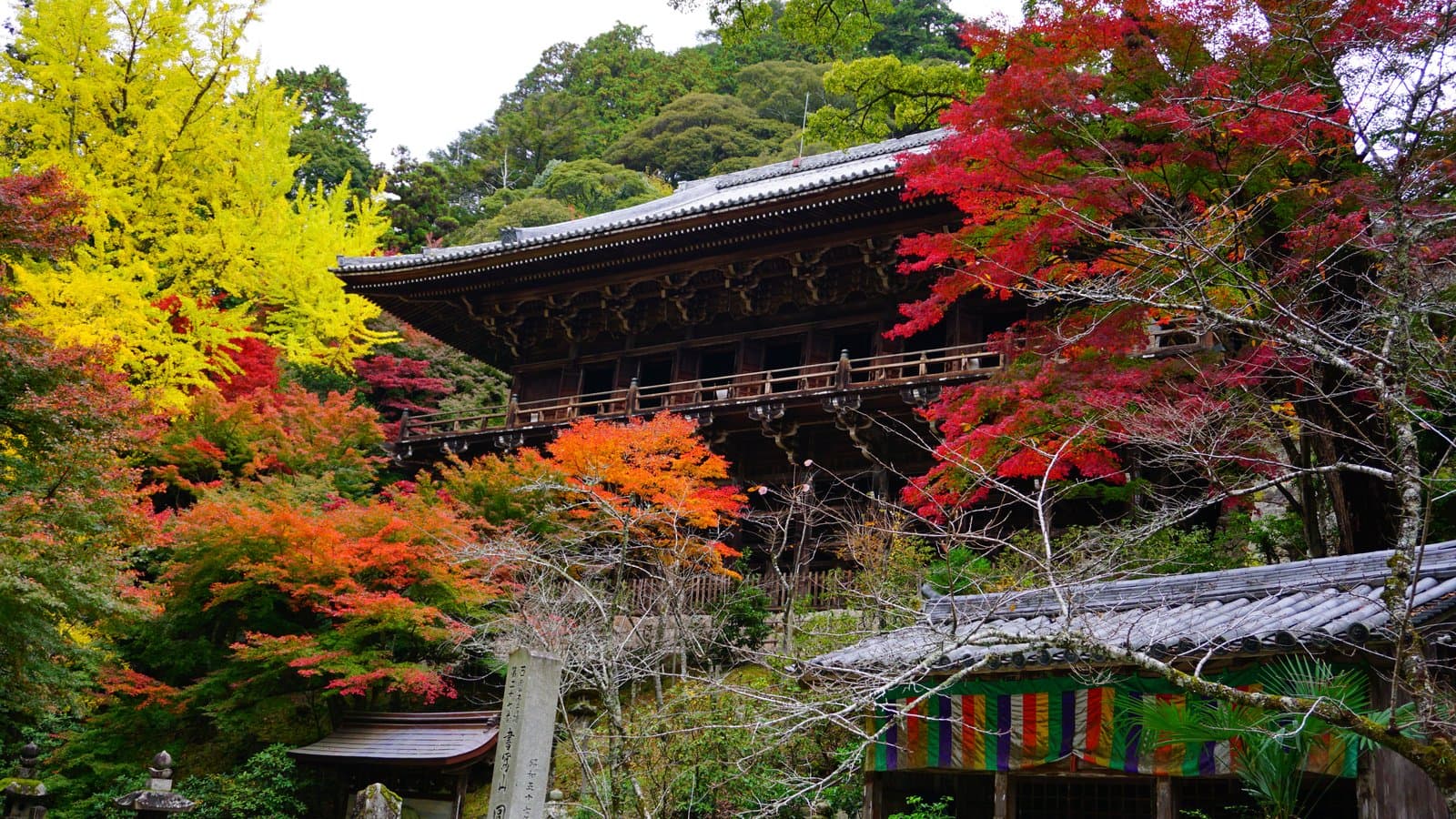 Photo: Photo ACHimeji, HyogoShoshazan Engyoji TempleAn old Tendai temple on the summit of Mt. Shosha, called "the Mt. Hiei of the West", founded by the priest Shoku in 966 and the 27th temple of the Saigoku 33 Kannon pilgrimage. Its highlights are the Maniden hall built on stilts on a cliff and three halls (Daikodo, Jikido and Jogyodo) arranged in a U shape; seeing everything takes about an hour and a half to two hours. It was a filming location for "The Last Samurai".Official check: 26 Sept 2026
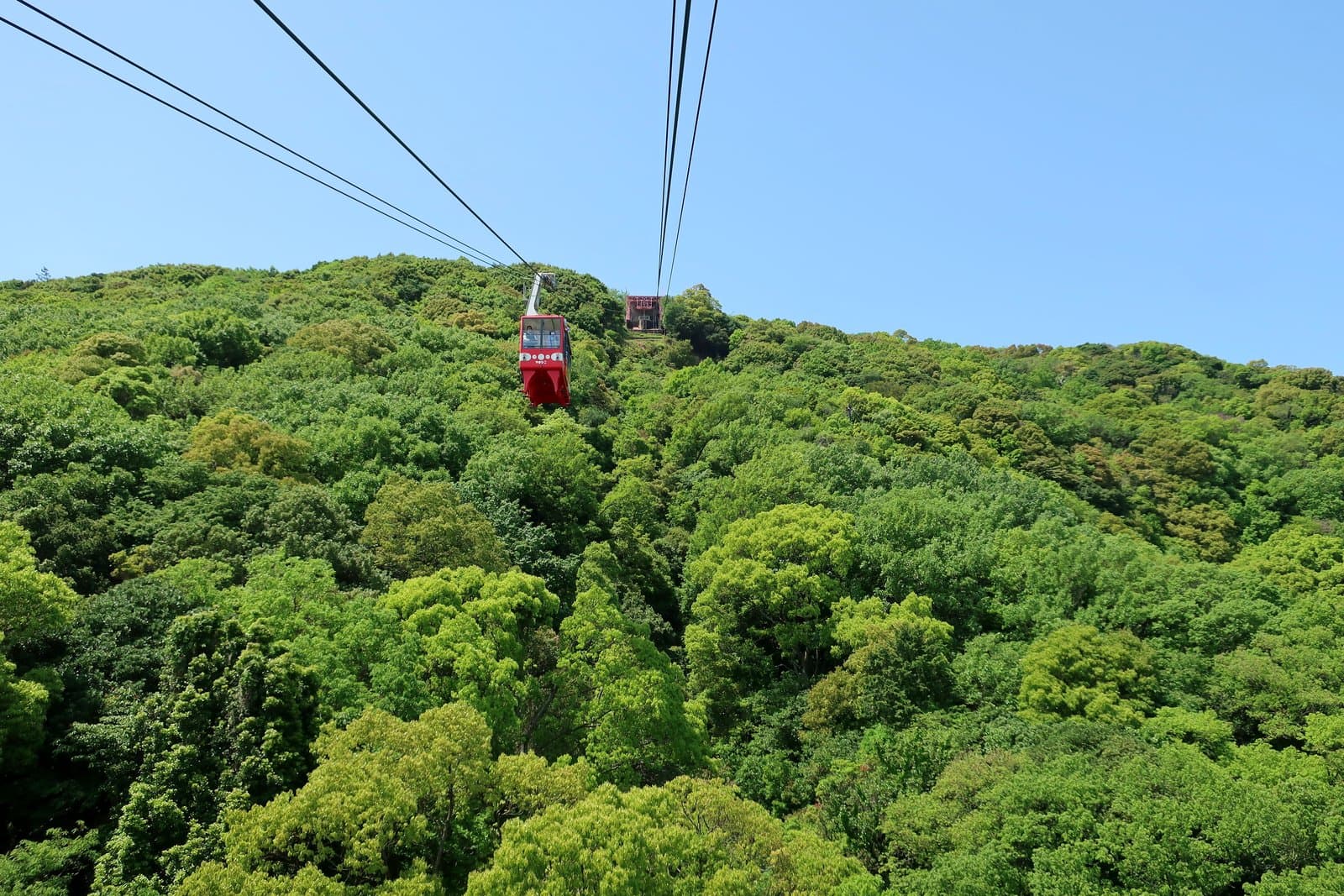 Photo: Photo ACKobe, HyogoSumaura Sanjo Amusement ParkAn amusement park on a hilltop with fine views and quirky attractions. From Sumaura-koen Station (Sanyo Railway) you ride the Sumaura Ropeway up to Hachibuse-sanjo Station, then the "Carlator", a two-seat basket-like conveyor, to the revolving observatory. From above you can see the Suma sea, the Akashi Kaikyo Bridge and Awaji Island; the revolving observatory has a retro game corner and a revolving cafe ("Cosmos") that turns once in 55 minutes, and a sightseeing lift leads to rides such as a two-seat cycle monorail.Official check: 26 Sept 2026
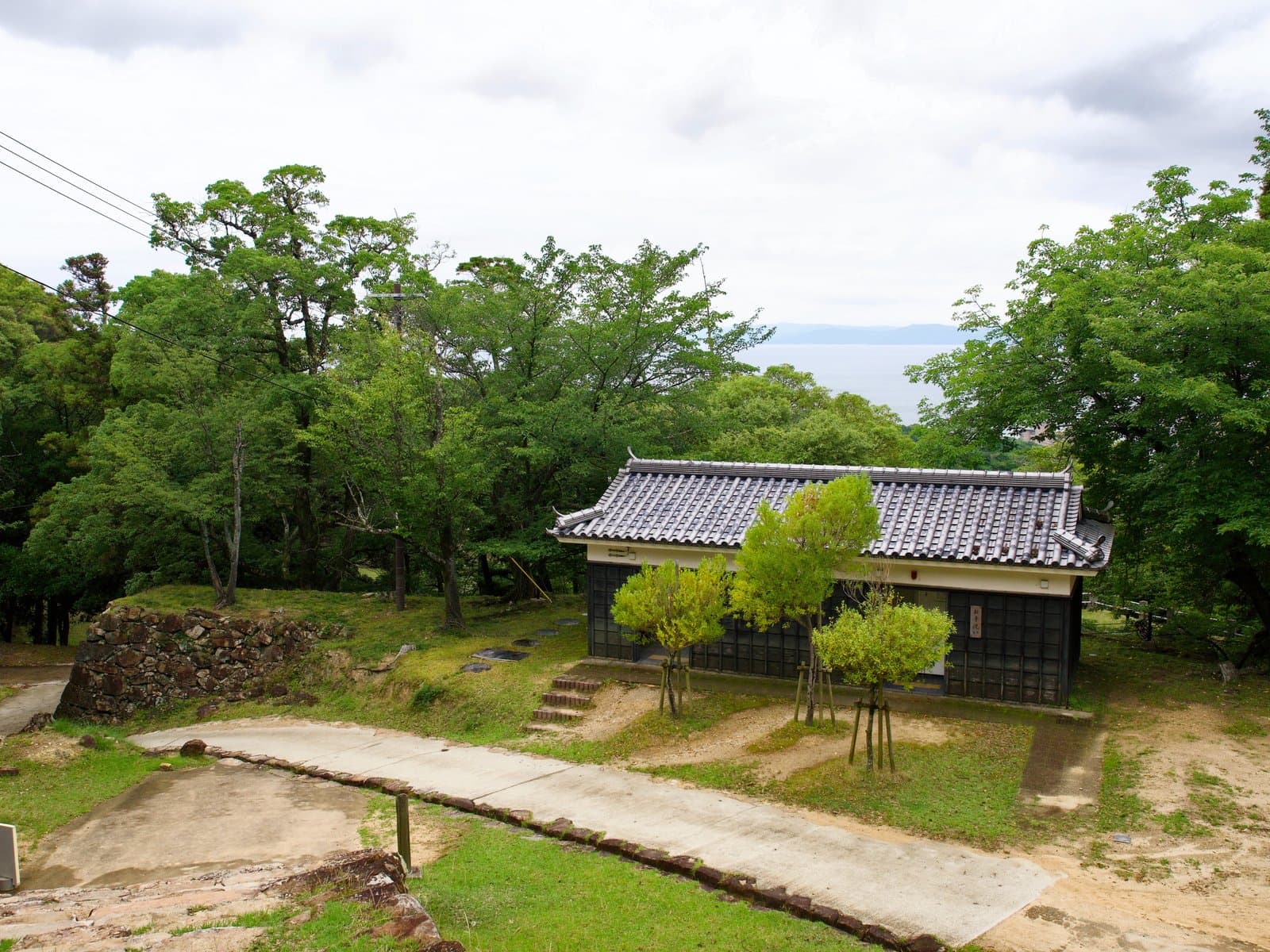 Photo: Photo ACSumoto, HyogoSumoto Castle RuinsCastle ruins overlooking Sumoto and the blue sea, with Japan's oldest mock castle keep on the summit: not a reconstruction but a reinforced-concrete keep built to commemorate the enthronement of Emperor Showa. It is open free of charge as Mikumayama Park, and on clear days you may see as far as Kansai Airport and Osaka; cherry trees bloom in spring, and the Sumoto Castle Festival is held every November 3.Official check: 26 Sept 2026
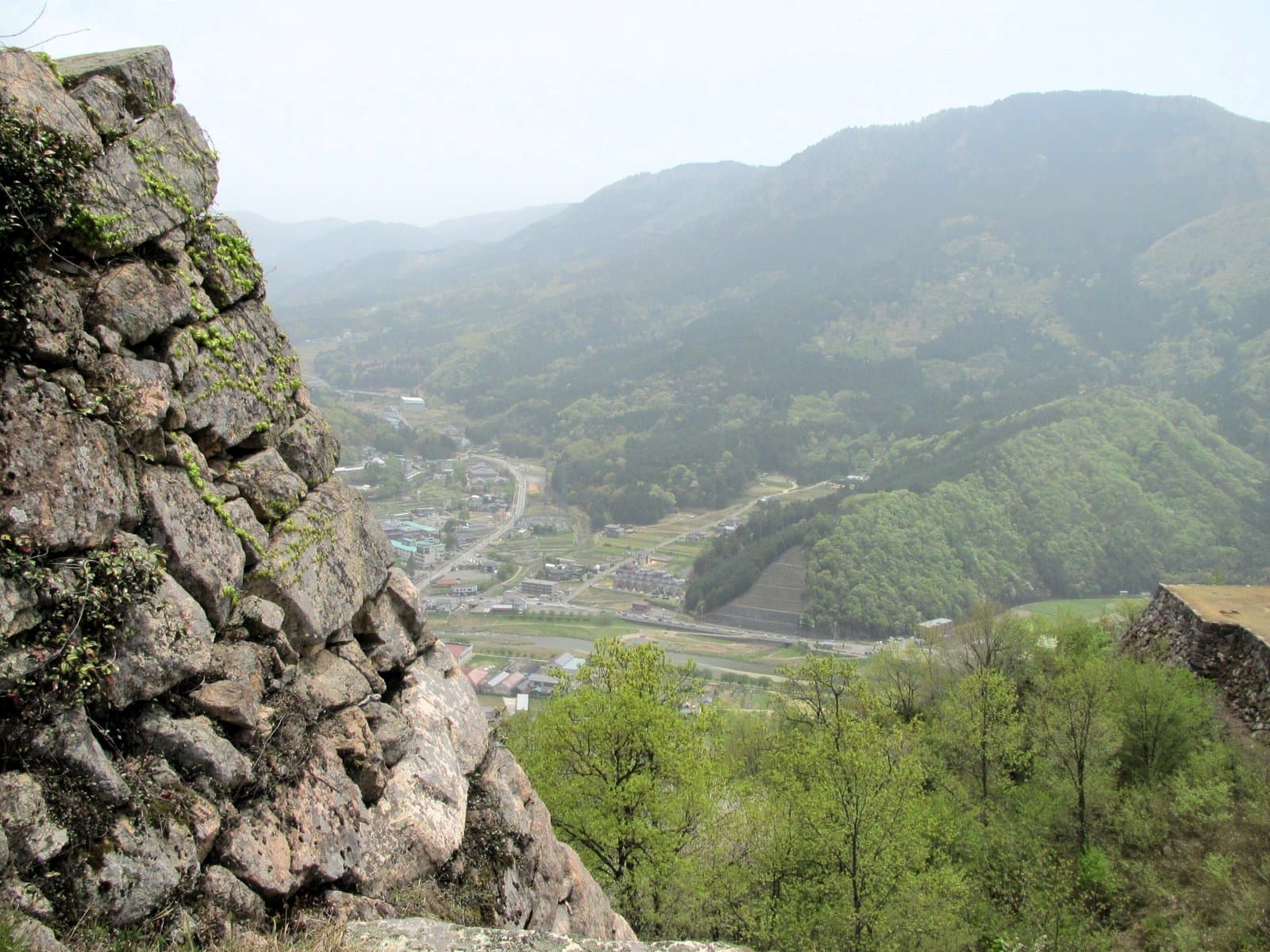 Photo: Photo ACAsago, HyogoTakeda Castle RuinsCastle ruins on a 353 m summit with 600 years of history. In the early mornings of late autumn, when thick fog rises, they look like an island floating in a sea of clouds, and are called "the castle in the sky" or "Japan's Machu Picchu"; the best chance is from late September to early December, and the recommended viewpoint is Ritsunkyo opposite.Official check: 26 Sept 2026
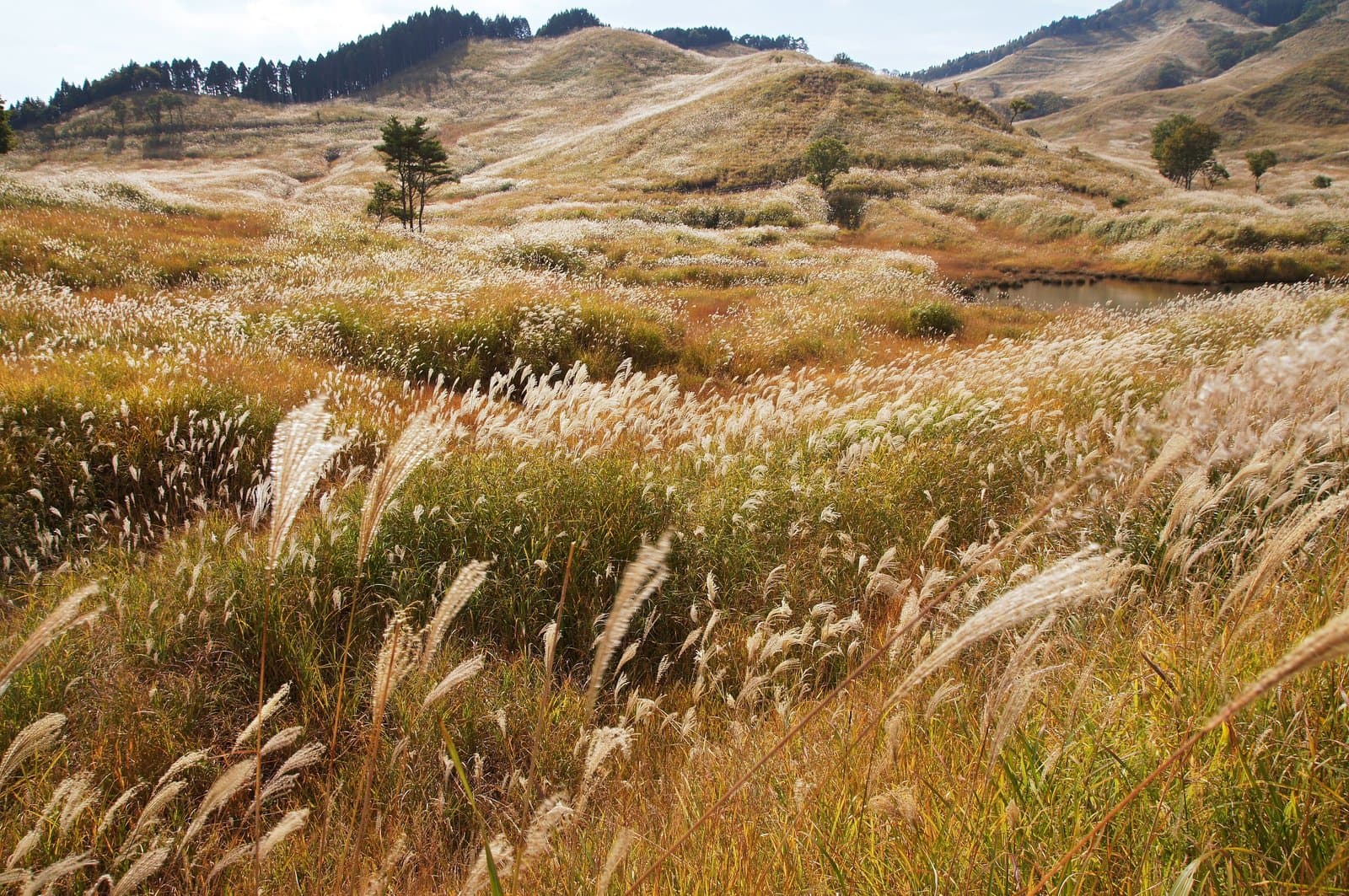 Photo: 663highland / Wikimedia Commons, CC BY 2.5 (resized)Kamikawa, HyogoTonomine HighlandA vast highland at about 900 m in Kamikawa, known for its fields of silver grass and used as a location for films and NHK historical dramas. In autumn the grass covers the whole area and sparkles in the wind. It covers about 19 Tokyo Domes, with boardwalks so it is simple to walk around; bring warm clothing in the grass season. The "Tonomine Shizen Koryukan" has an observation terrace and charcoal-grilled dumplings, and next door soba is served. There is fresh greenery in spring and summer and snow in winter, and it is also good for stargazing.Official check: 28 Sept 2026
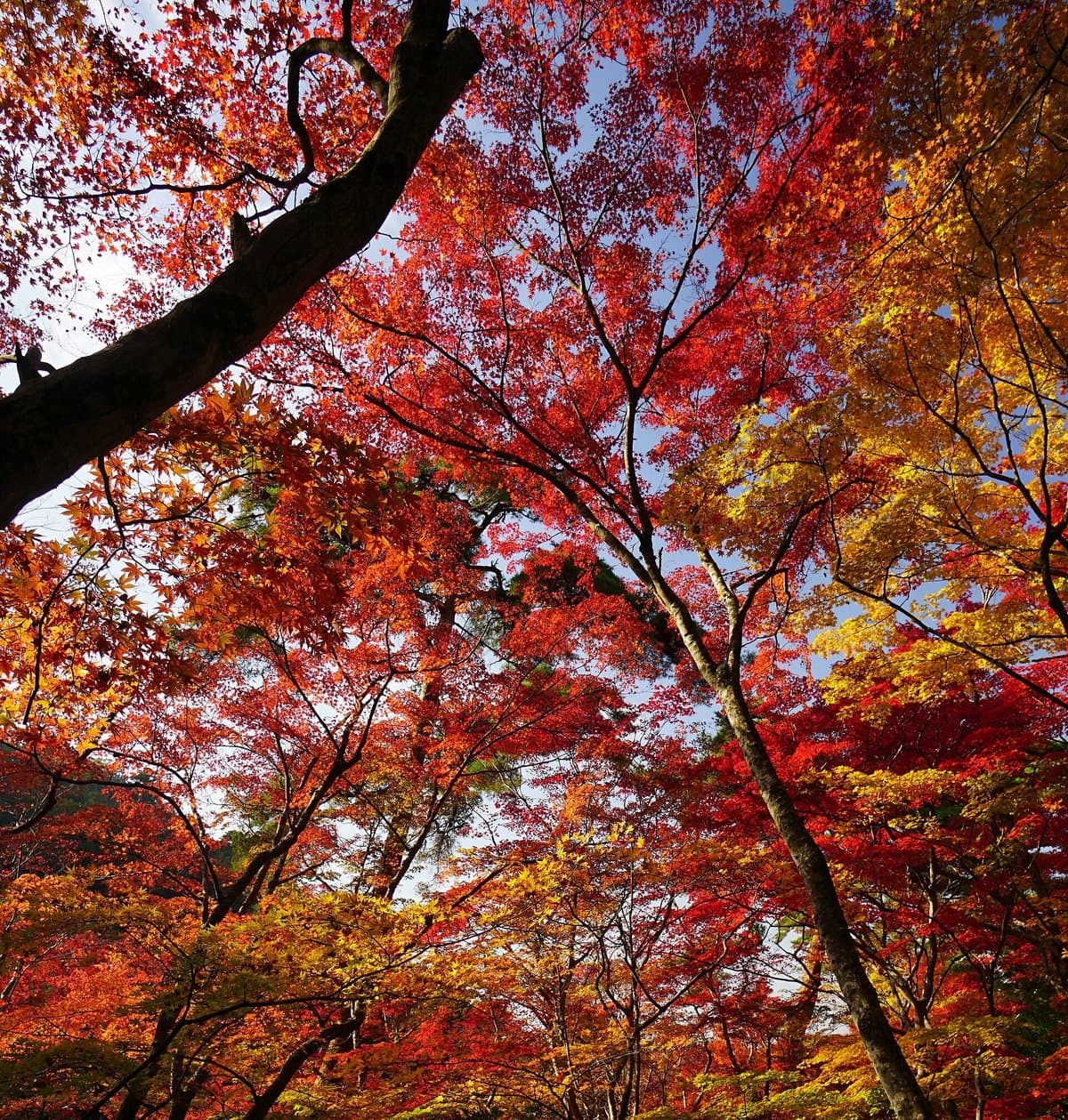 Photo: 663highland / Wikimedia Commons, CC BY 2.5 (cropped and resized)Kobe, HyogoZuihoji ParkA park on the site of the Obaku-sect Zuihoji temple, abandoned in the early Meiji era, known as the "Higurashi Garden" and a famous spot for autumn leaves. It has a stone go board said to have been used by Toyotomi Hideyoshi, a monument to the Hyakunin Isshu poems and the old temple gate said to have been moved from Fushimi Castle; every November an outdoor tea ceremony of the "Arima Grand Tea Party" is held in memory of Hideyoshi.Official check: 26 Sept 2026
- No photo yetKobe, HyogoArima Onsen Taiko no YuOne of western Japan's largest hot spring theme parks at Arima Onsen, one of Japan's three famous hot springs, with baths using Arima's two types of water, "kinsen" (gold) and "ginsen" (silver). Loungewear and towels are included in the price, so you can come empty-handed.Official check: 26 Sept 2026
- No photo yetAsago, HyogoIkuno Silver MineOne of Japan's oldest mines, said to have begun in Daido 2 (807), directly controlled by Oda Nobunaga, Toyotomi Hideyoshi and Tokugawa Ieyasu. Part of the tunnels, 350 km in total, can be walked, with figures showing Edo-period hand digging and modern machine mining; the tunnels stay at about 13°C all year. It is part of the Japan Heritage "Silver Wagon Road and Ore Road".Official check: 26 Sept 2026