
Spots in Nagano
Each spot shows when its facts were last checked against official sources.
Select a square pin to open the spot. Zoom with Ctrl/Cmd + scroll, or two fingers on a phone.
Not on the map (location not confirmed on an official source yet): Hakuba Happo-one (Happo Alpine Line and Happo Pond), Kamikochi, Karuizawa
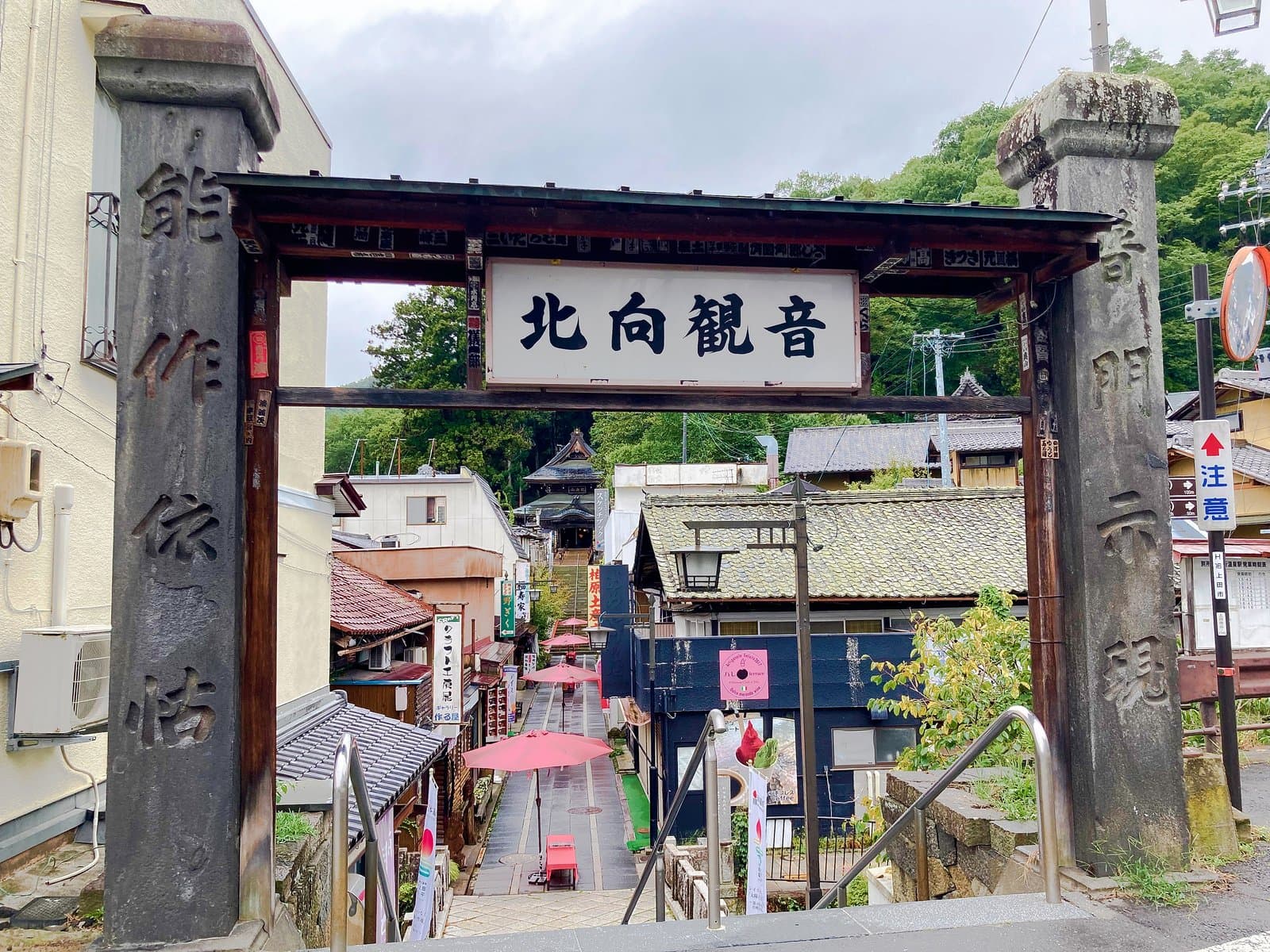 Photo: Photo ACUeda, NaganoBessho OnsenA hot-spring town for leisurely strolling, with maintained walking paths, wooden benches and mini parks. You can rest at cafes, a free foot bath and three public baths that cost 300 yen, and see temples and shrines along with hidden spots such as the 350-year-old "Mifune-no-Matsu" pine at Jorakuji and the 1,200-year-old Aizen katsura tree at Kitamuki Kannon, a prefectural natural monument.Official check: 26 Sept 2026
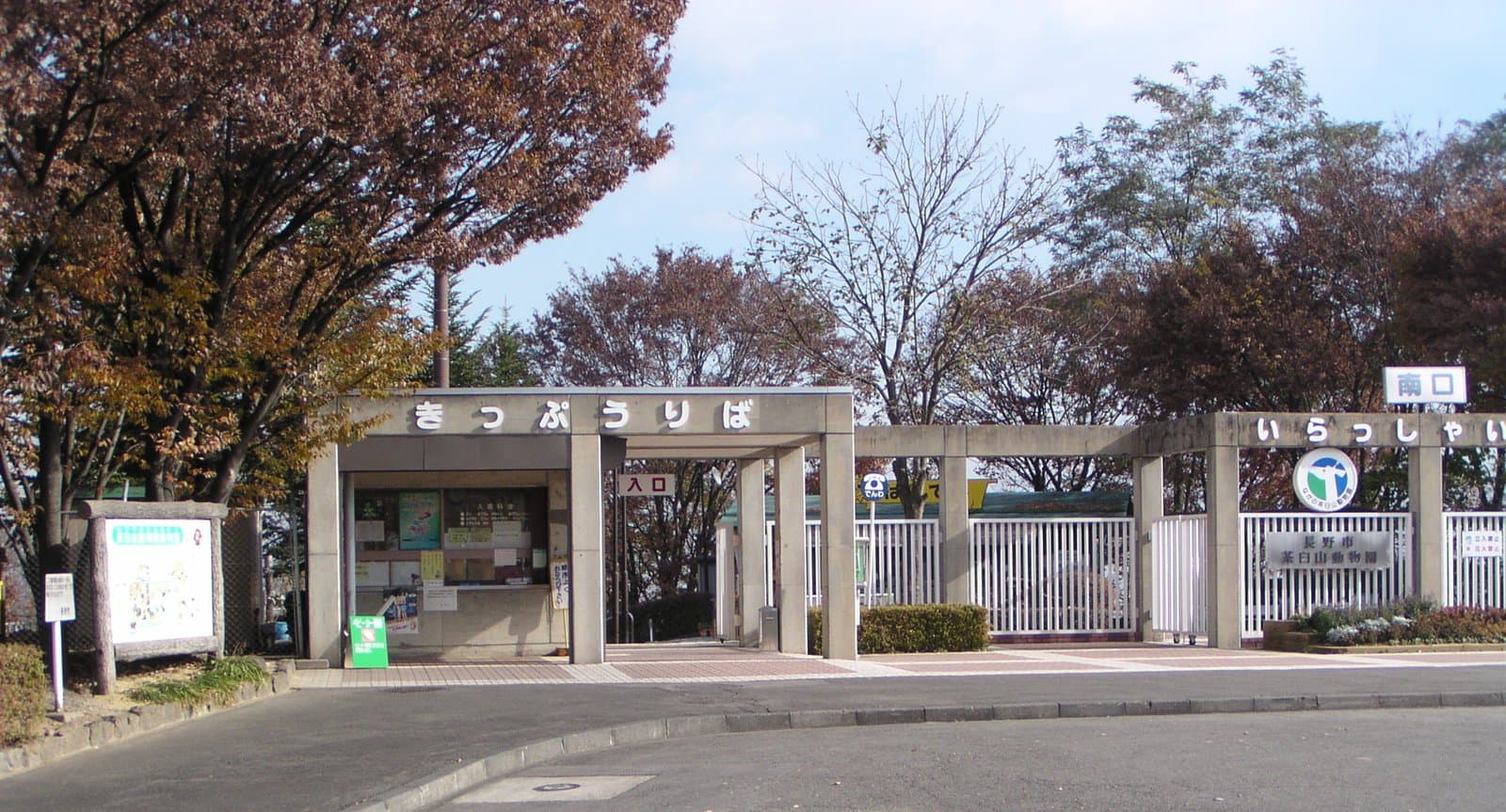 Photo: Zoo3 / Wikimedia Commons, CC BY-SA 3.0 (cropped and resized)Nagano, NaganoChausuyama ZooA zoo using the natural slopes of Mt. Chausu, where 73 kinds of animals, including red pandas and the Japanese serow (a natural monument), live in 15 ha of grounds. There is a petting corner where you can touch small animals such as rabbits.Official check: 26 Sept 2026
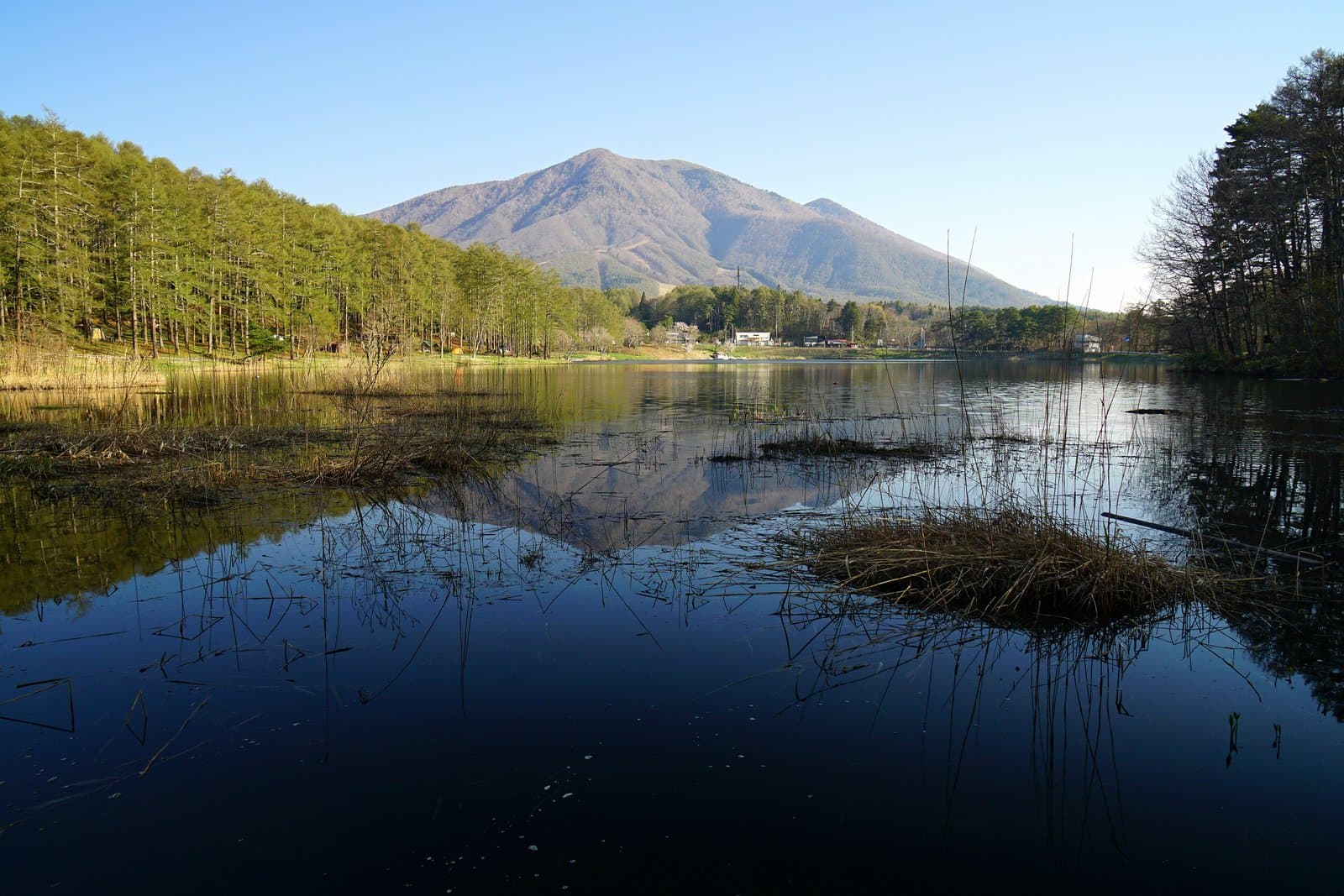 Photo: 663highland / Wikimedia Commons, CC BY 2.5 (resized)Nagano, NaganoDaizahoshi PondA pond at the entrance to the Iizuna Highland, said in legend to have formed when the giant Daidarabotchi sat on Mt. Iizuna and stepped forward, leaving a footprint that filled with water. A path goes round it in about 20 minutes, with campgrounds, boating, a field athletics course and tennis courts nearby.Official check: 26 Sept 2026
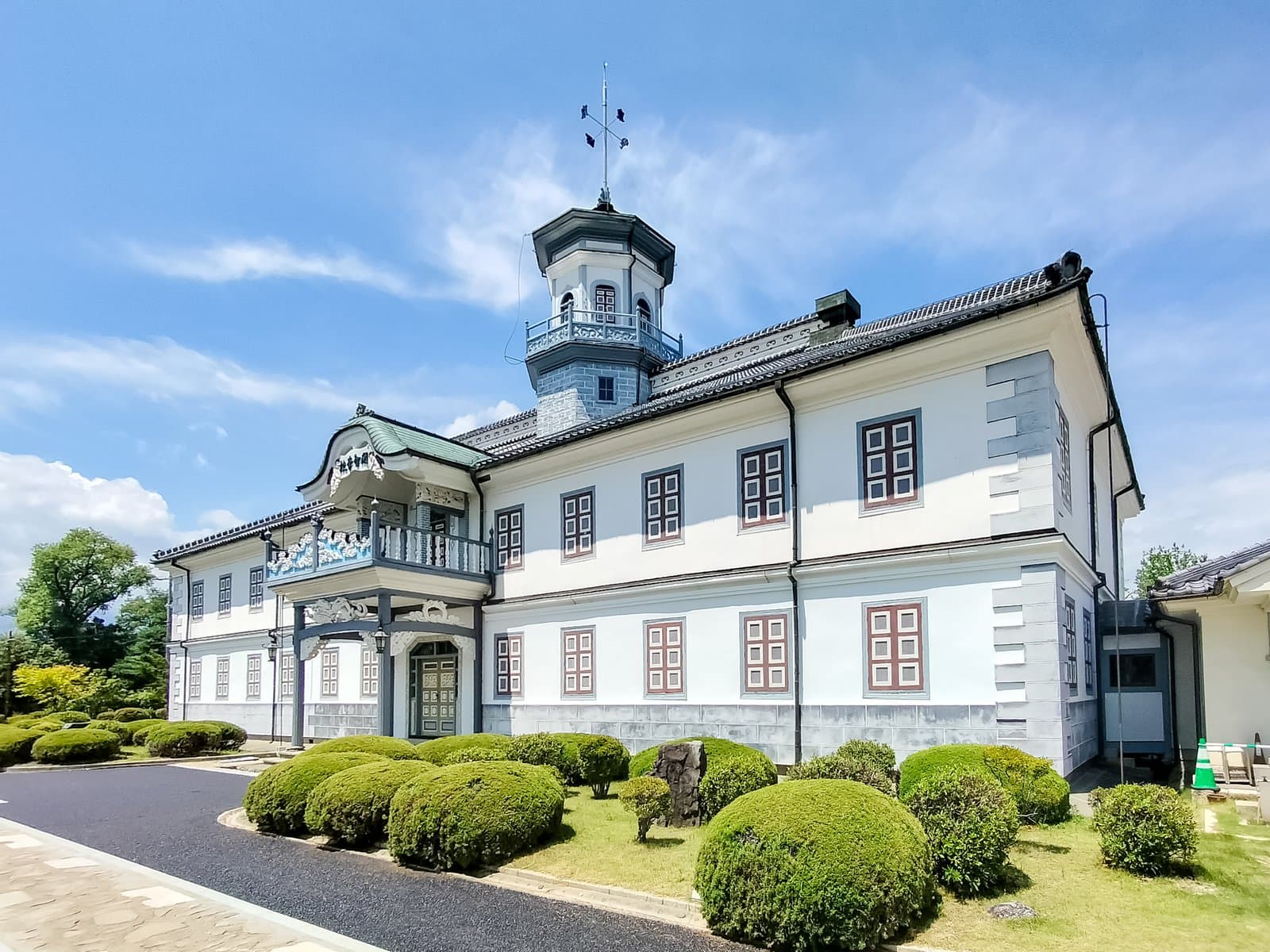 Photo: Photo ACMatsumoto, NaganoFormer Kaichi SchoolA school building from 1876 (Meiji 9) that keeps its original appearance, a National Treasure. Its symbol is the carving of an angel and a dragon, combining Japanese-style and Western-style design; it is asymmetrical, and plaster is used to make stone-like patterns, so it differs from pure Western architecture. Inside, the corridors are wood, the walls plaster and the ceilings paper - traditional materials finished in a Western mood.Official check: 26 Sept 2026
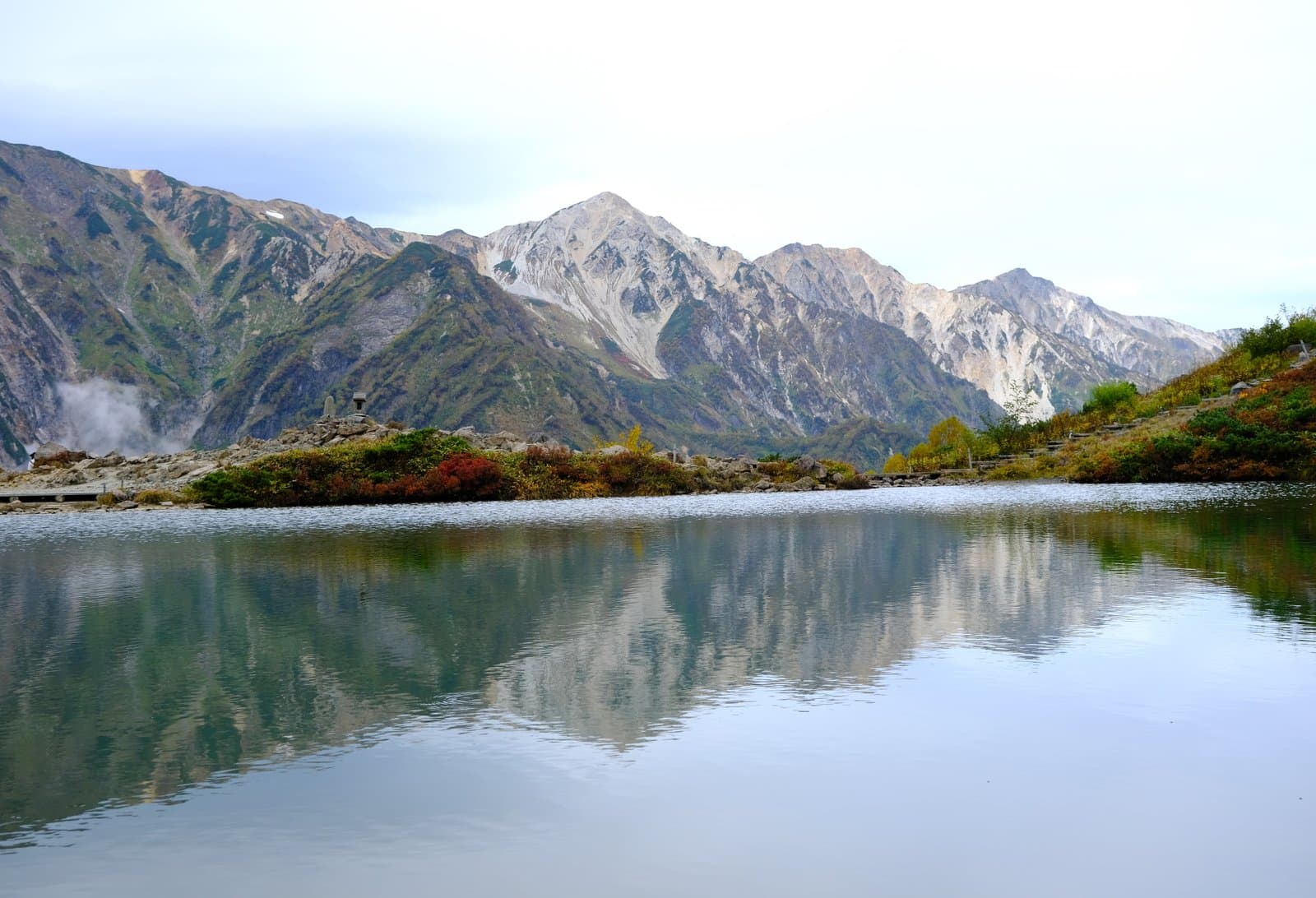 Photo: Photo ACHakuba, NaganoHakuba Happo-one (Happo Alpine Line and Happo Pond)Take the Happo gondola to Usagidaira, the centre of Happo-one at 1,400 m with restaurants and an open terrace, looking beyond Hakuba village to Yatsugatake and Mt. Asama. Higher up, Happo Pond at 2,060 m is a natural pond formed from sediment pushed down by snow and filled with rain and meltwater; in early summer you can see the snowy Hakuba Sanzan across the water.Official check: 26 Sept 2026
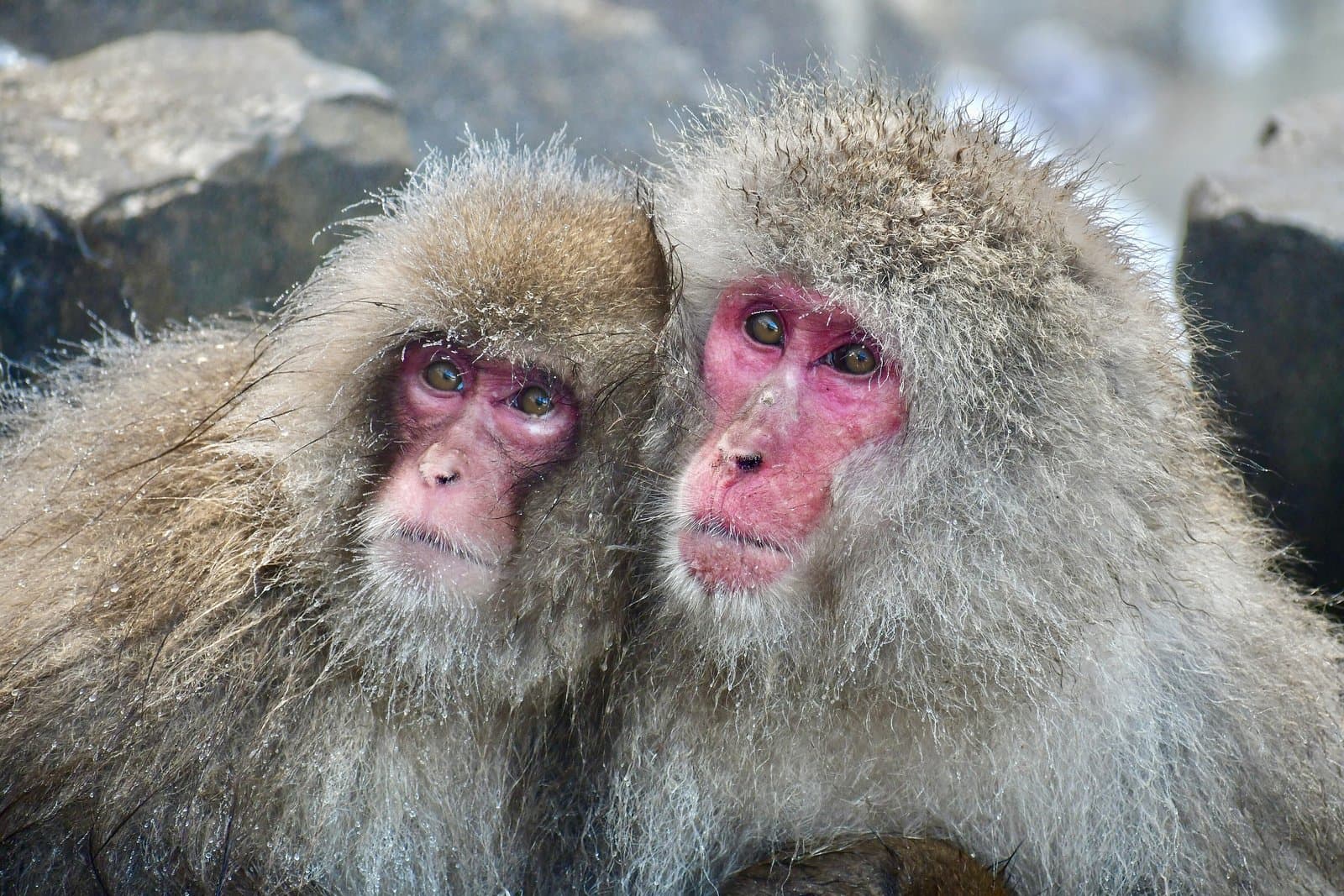 Photo: Ashley98lee / Wikimedia Commons, CC BY 4.0 (resized)Yamanouchi, NaganoJigokudani Monkey ParkA facility for watching Japanese macaques in an environment close to nature, deep in the mountains. The monkeys are wild and not caged; the park gathers them by feeding, and some days they do not appear at all. Bathing in the hot spring is only one of their ways to survive the harsh winter cold - they are not in it all day, all year.Official check: 26 Sept 2026
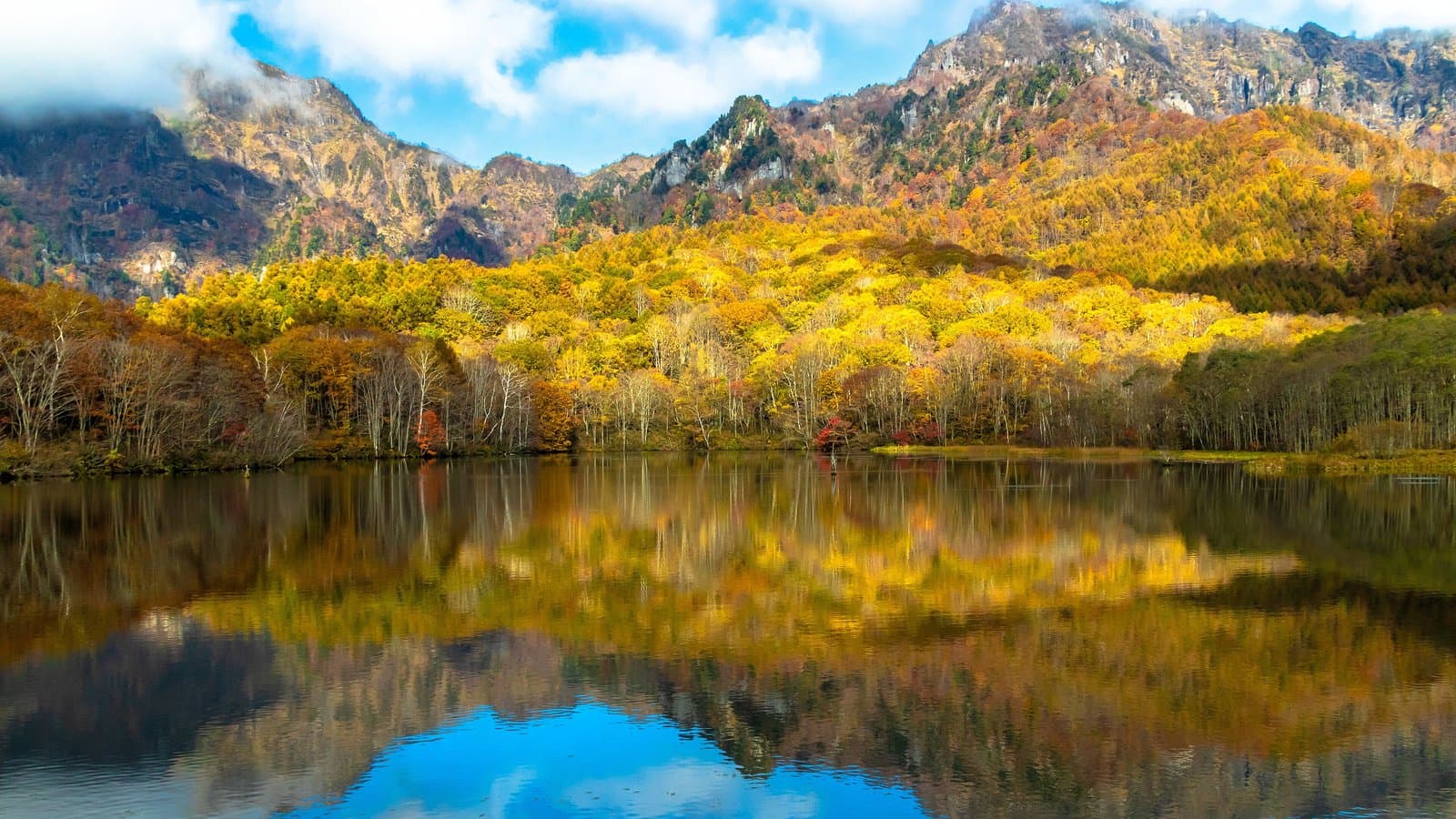 Photo: koichi_hayakawa / Wikimedia Commons, CC BY 4.0 (resized)Nagano, NaganoKagami-ike PondA quiet pond at 1,200 m that reflects the Togakushi mountains like a mirror in every season - fresh green in spring, cool breezes in summer, and above all the blazing autumn leaves. Morning is recommended to see the mountains reflected, and a path goes round the pond and connects to the Togakushi Forest Botanical Garden.Official check: 26 Sept 2026
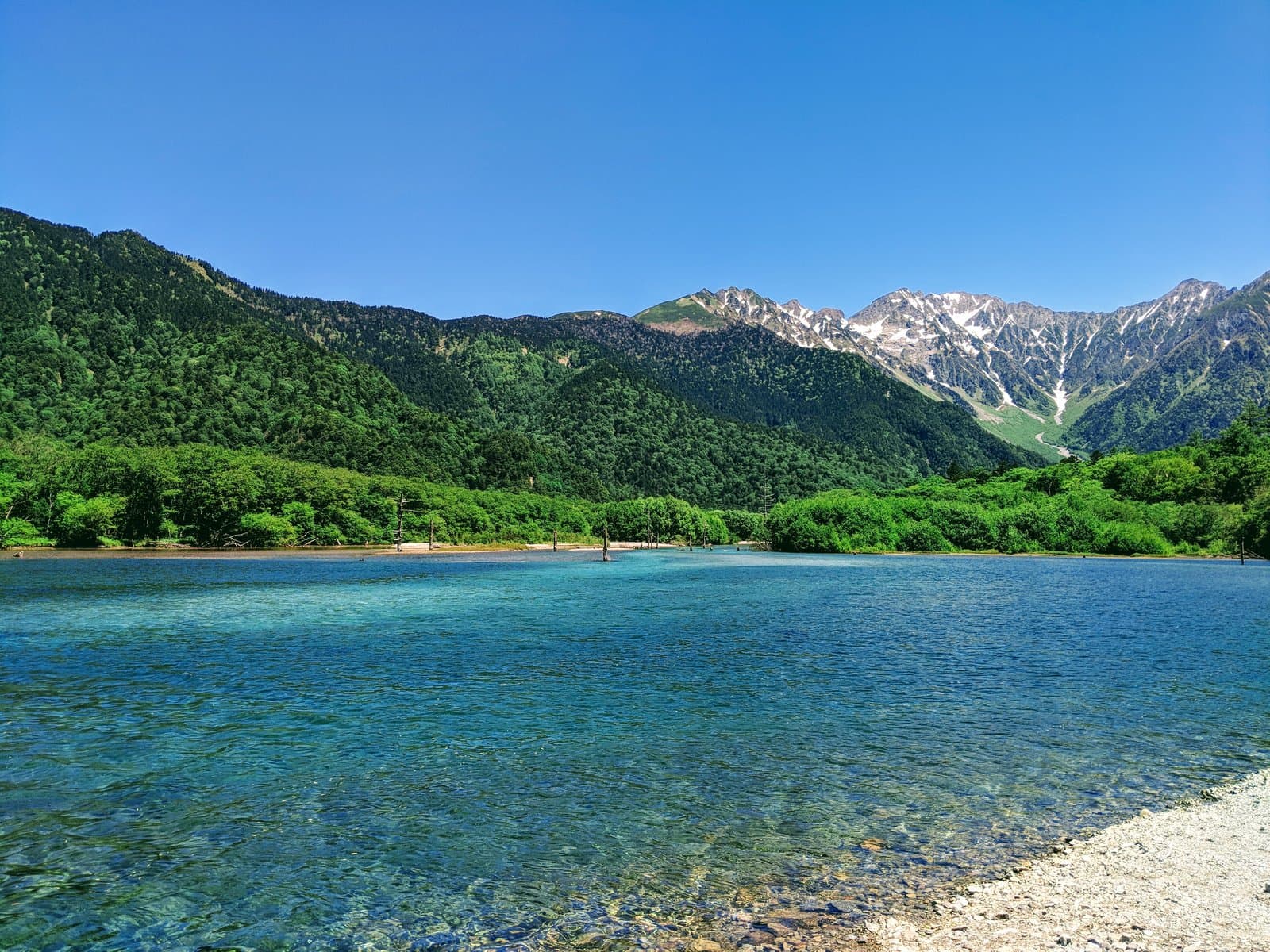 Photo: Photo ACMatsumoto, NaganoKamikochiA mountain scenic spot visited by 1.2 million people a year. The British missionary Weston introduced Kamikochi and the Hotaka and Yari peaks to the world in 1896, and it is a national place of scenic beauty and natural monument. Taisho Pond was formed when an eruption of Mt. Yake in June 1915 dammed the Azusa River. Kamikochi is a "car-less" resort: private cars cannot enter at any time of year.Official check: 26 Sept 2026
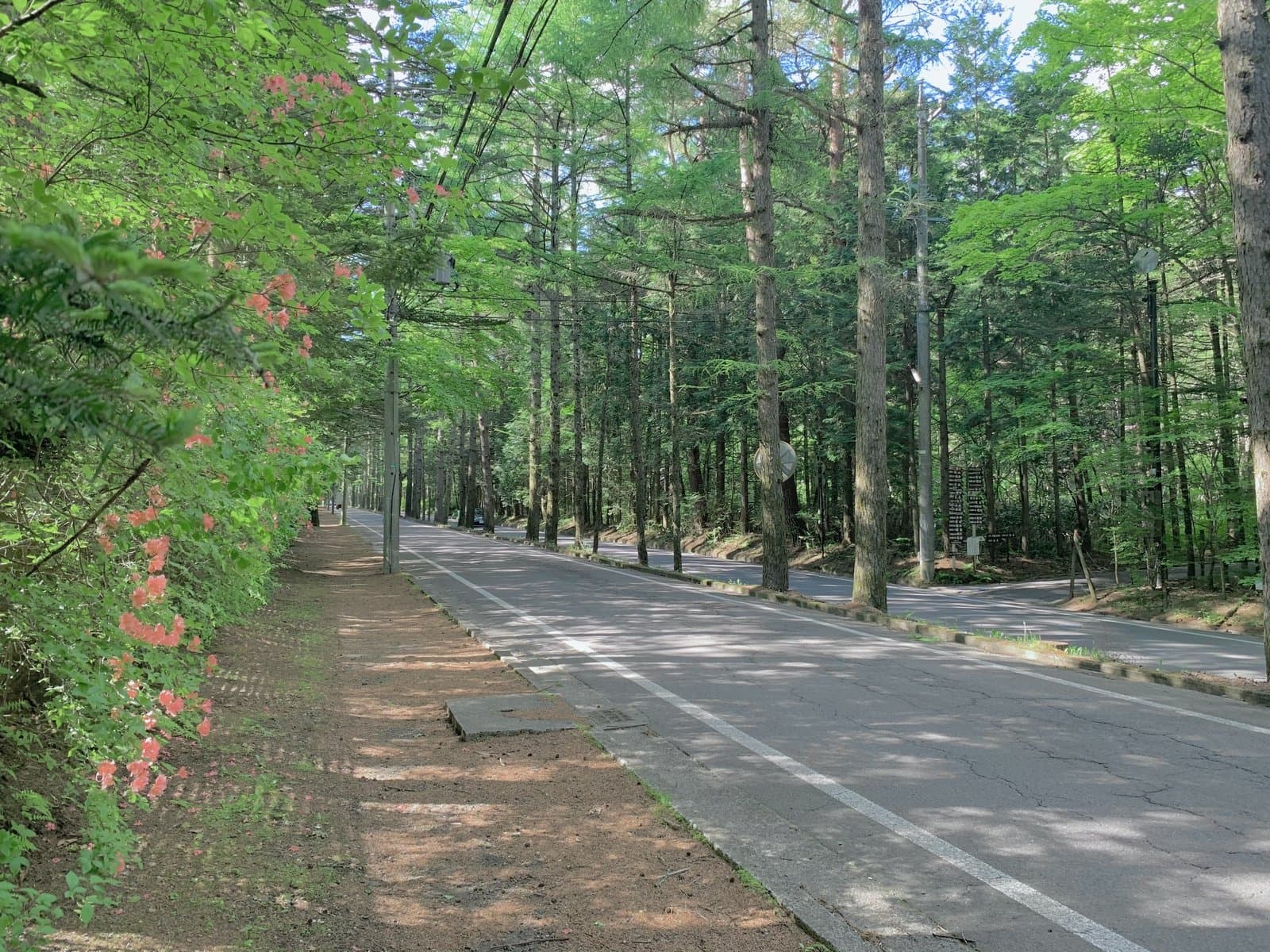 Photo: Countryside 5392 / Wikimedia Commons, CC BY-SA 4.0 (resized)Karuizawa, NaganoKaruizawaA highland resort at 1,000 m, developed as an international health retreat and one of Japan's leading resorts since the first holiday home was built in 1888. Mountains led by Mt. Asama, lakes and waterfalls, quiet villa districts and peaceful mountain villages loved by writers and painters remain; the north of the town lies in Joshin'etsu Kogen National Park, and hiking and cycling are recommended in the green season.Official check: 26 Sept 2026
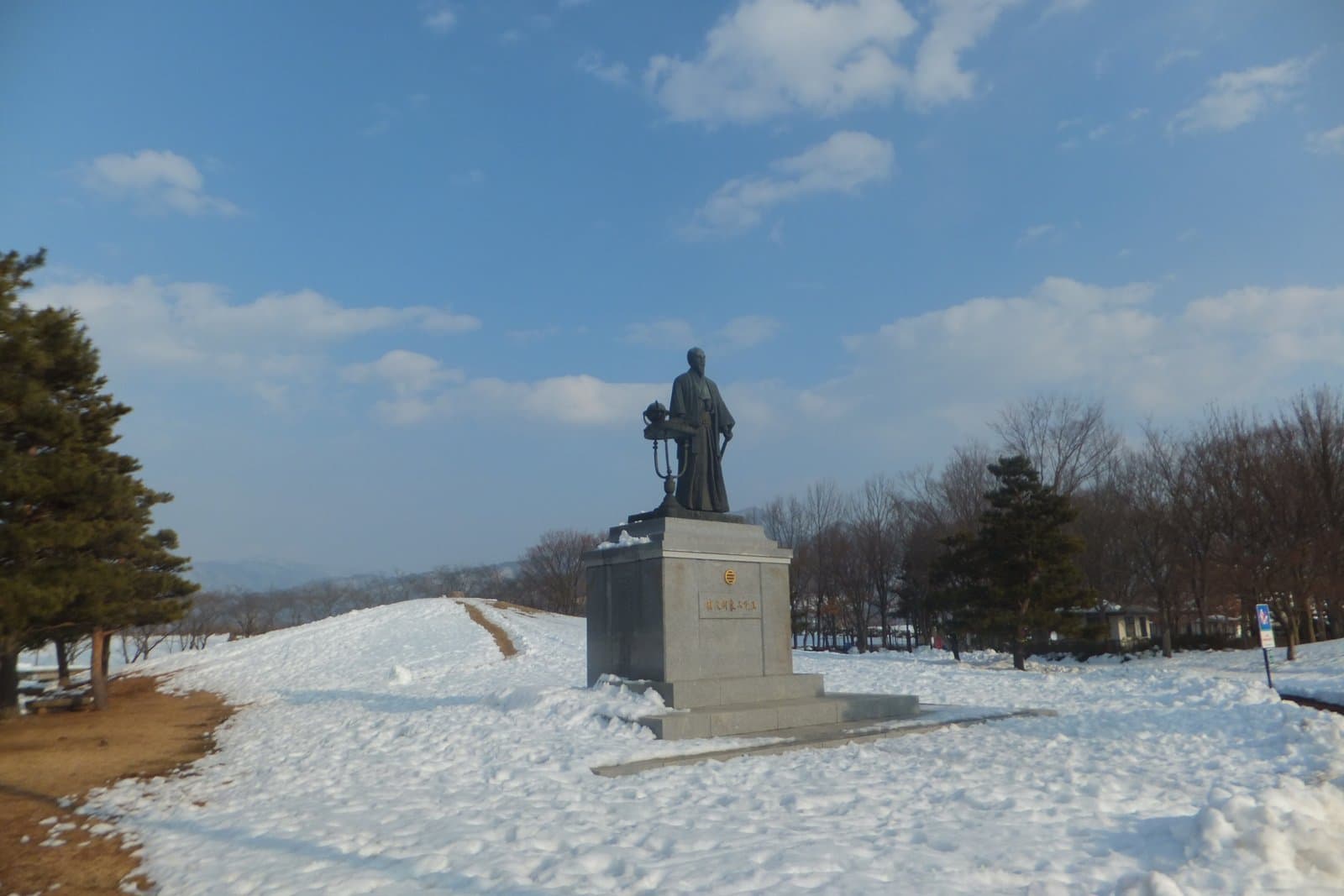 Photo: Mti / Wikimedia Commons, CC BY-SA 3.0 (resized)Nagano, NaganoKawanakajima Battlefield ParkHachimanbara, where Takeda Shingen set up his headquarters in the Battles of Kawanakajima, is now open as a historic park, with a 12,000 m² mound-shaped lawn, a stream lined with natural stones and a thatched arbour. The city museum and the Hachiman shrine of the battlefield are next to it, and about 100 cherry trees bloom in spring.Official check: 26 Sept 2026
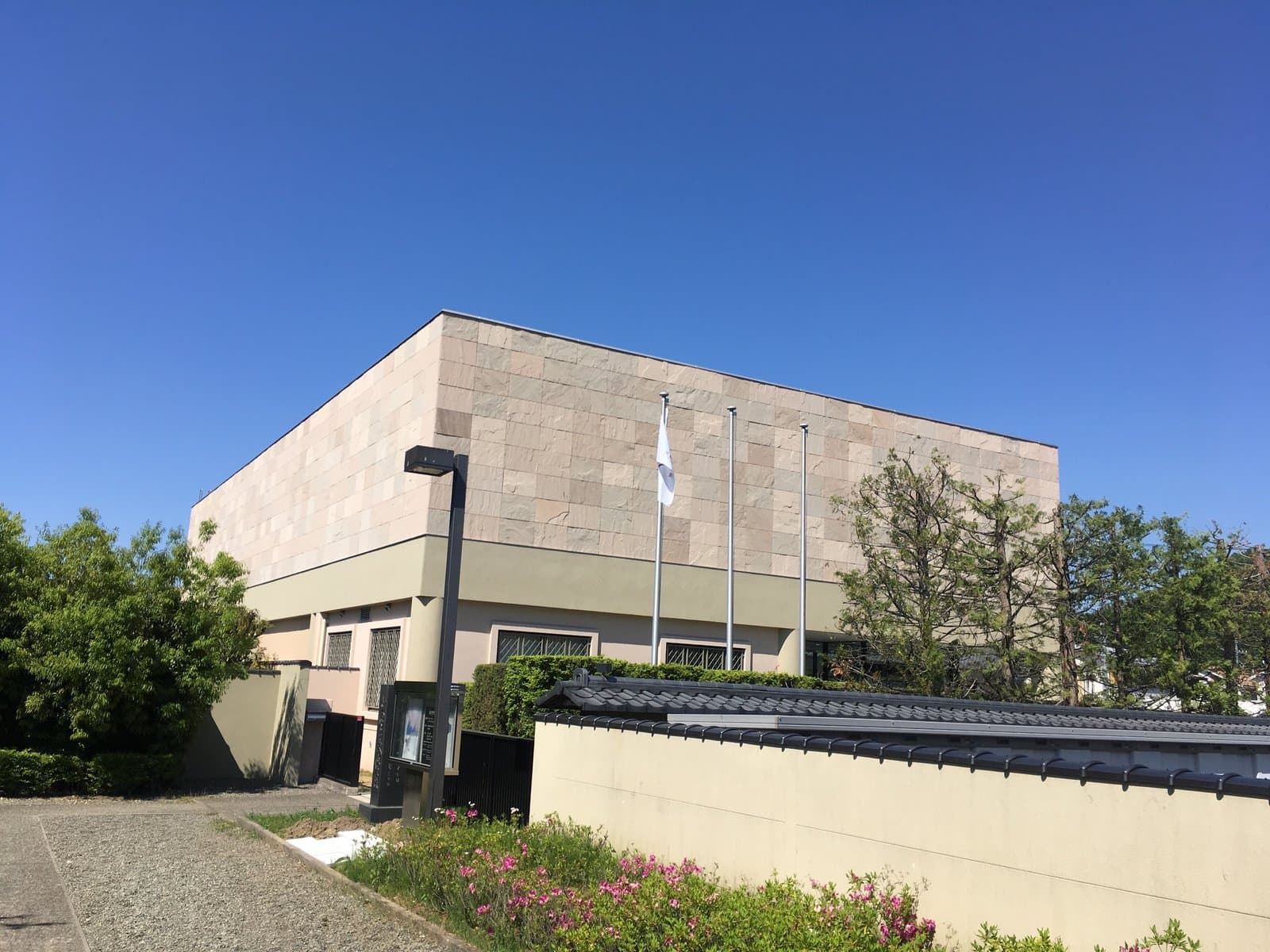 Photo: Naganojmmmm / Wikimedia Commons, CC BY-SA 4.0 (resized)Nagano, NaganoKitano Museum of ArtA museum centred on works by Yokoyama Taikan, Uemura Shoen and Shimomura Kanzan, with 500 Western paintings by artists such as Renoir, Chagall, Picasso and Utrillo in its collection. Next door is the Shinano branch of Tokyo's Yushima Tenmangu shrine.Official check: 26 Sept 2026
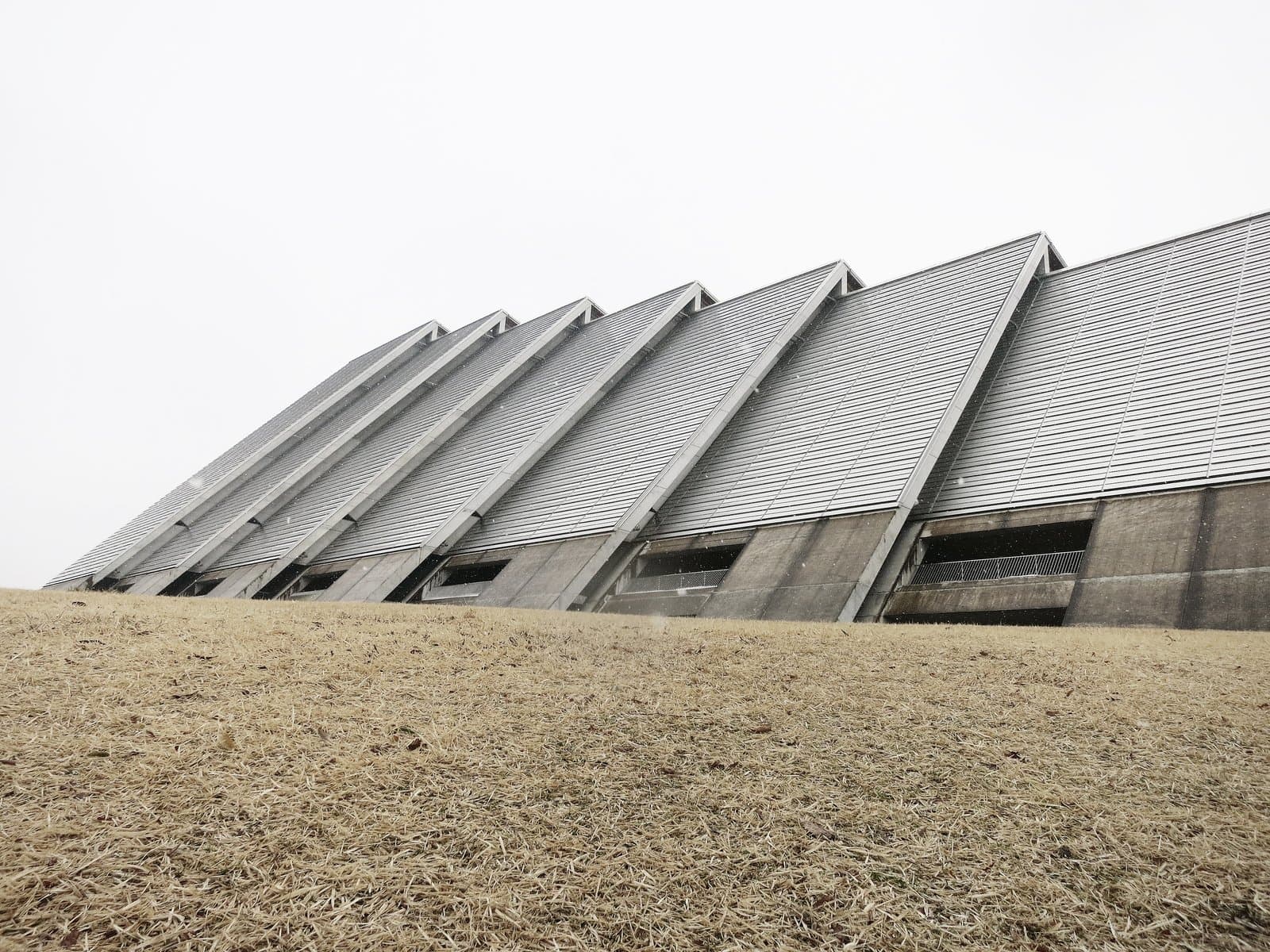 Photo: Photo ACNagano, NaganoM-Wave (Nagano Olympic Memorial Arena)The arena used for speed skating at the 1998 Nagano Winter Olympics and for the Paralympic opening and closing ceremonies. In summer it is a multi-purpose arena, and in winter an ice rink for international competitions and the public; its roof of repeated "M" shapes recalls the Shinshu mountains. The Nagano Olympic Museum inside is free.Official check: 26 Sept 2026
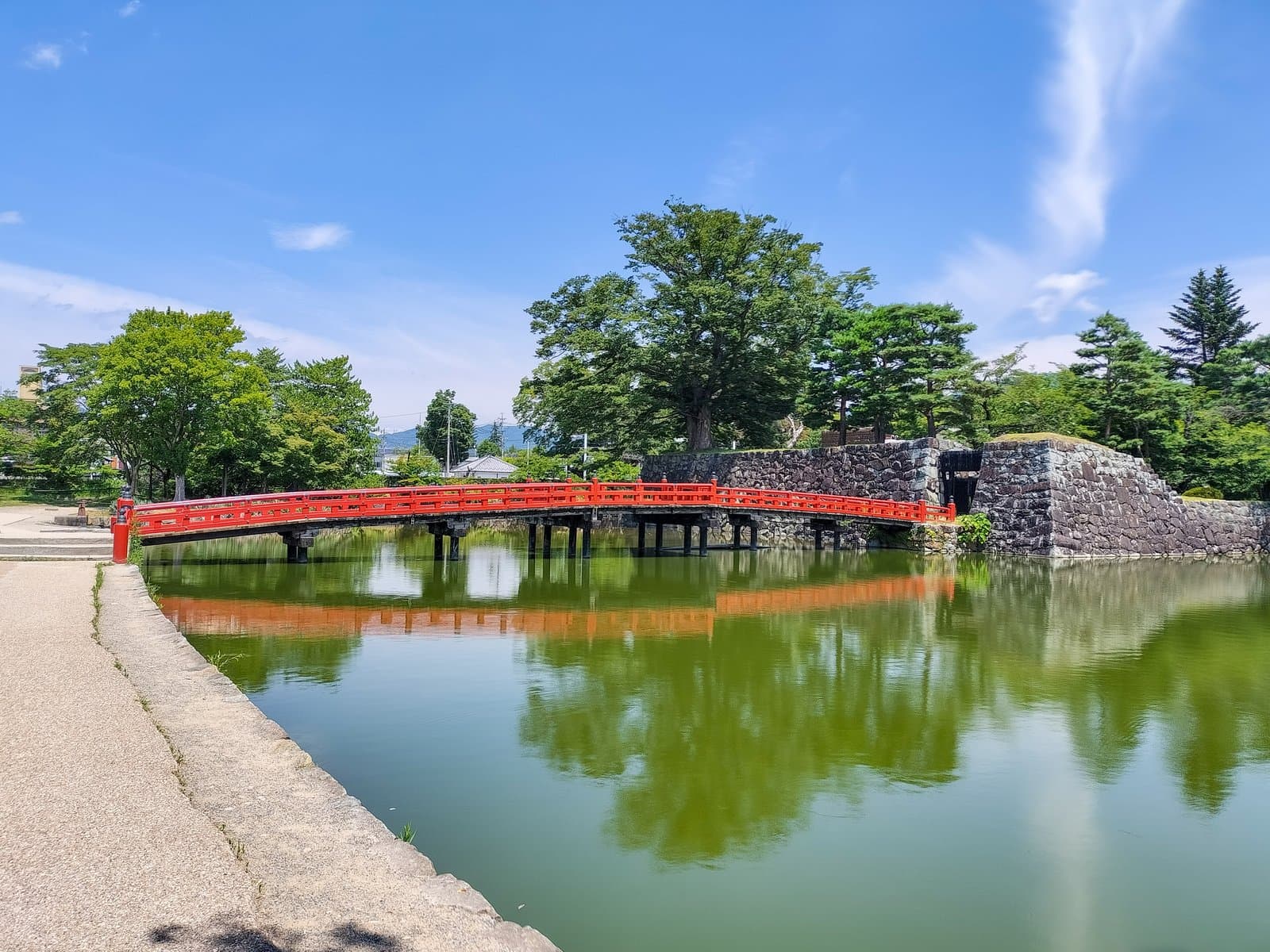 Photo: Photo ACMatsumoto, NaganoMatsumoto CastleA National Treasure and the oldest surviving five-tier, six-storey wooden castle keep. Visiting the keep means using only its narrow, steep stairs (about 140 steps, up to about 61 degrees); it has no barrier-free alterations, so wheelchairs cannot go inside. The keep is lit up from sunset to 22:00 all year, and "omotenashi-tai" in costumes such as ninja greet visitors in the Honmaru garden from 8:30 to 16:00.Official check: 26 Sept 2026
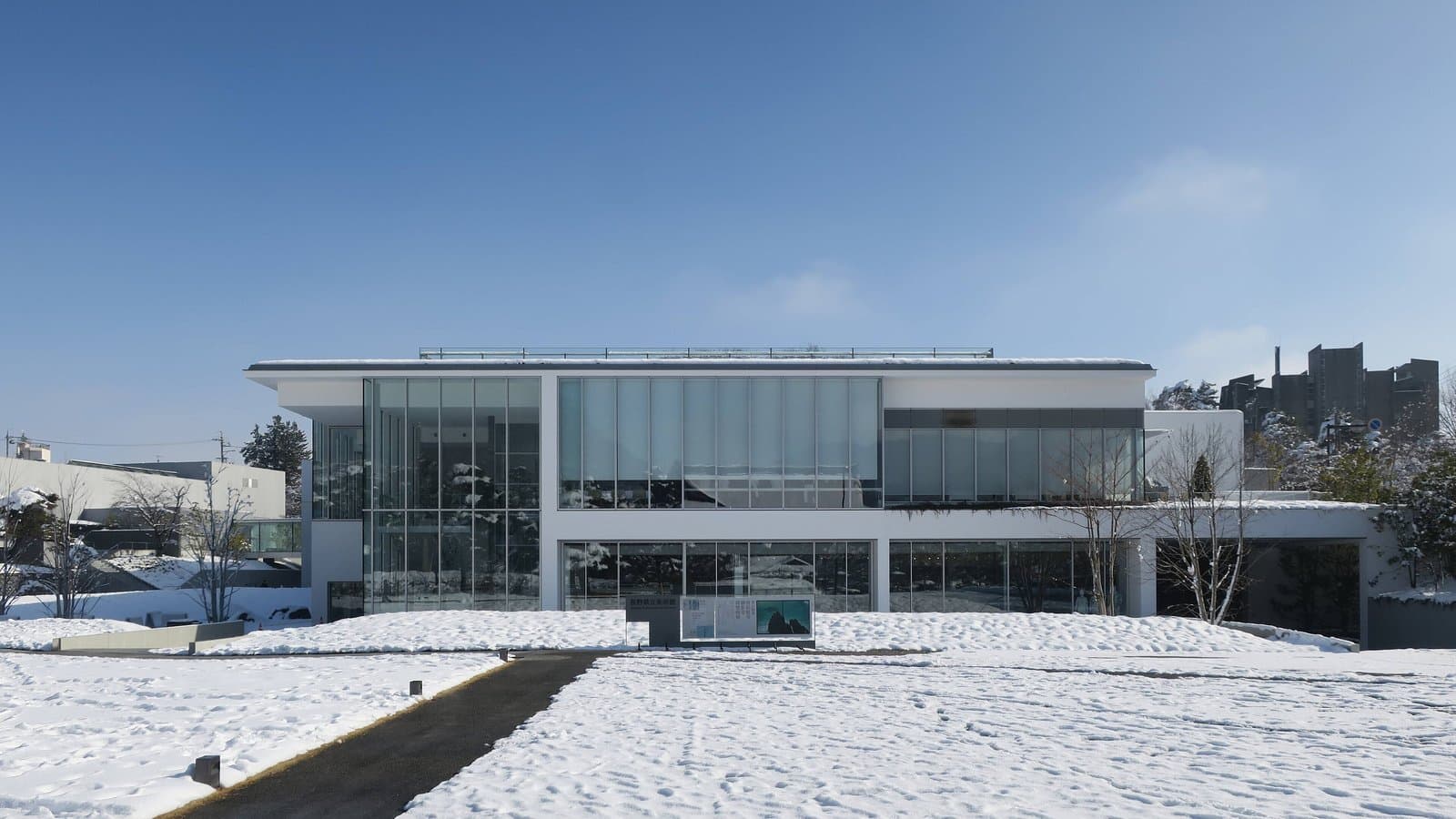 Photo: Qurren / Wikimedia Commons, CC BY-SA 4.0 (resized)Nagano, NaganoNagano Prefectural Art MuseumA prefectural art museum in Joyama Park next to Zenko-ji, built on the concept of a "landscape museum" in harmony with the temple town and Shinshu's nature. Its free zones make it an "open museum" like a park, and the attached Higashiyama Kaii Gallery holds over 970 works by the Japanese-style painter Higashiyama Kaii.Official check: 26 Sept 2026
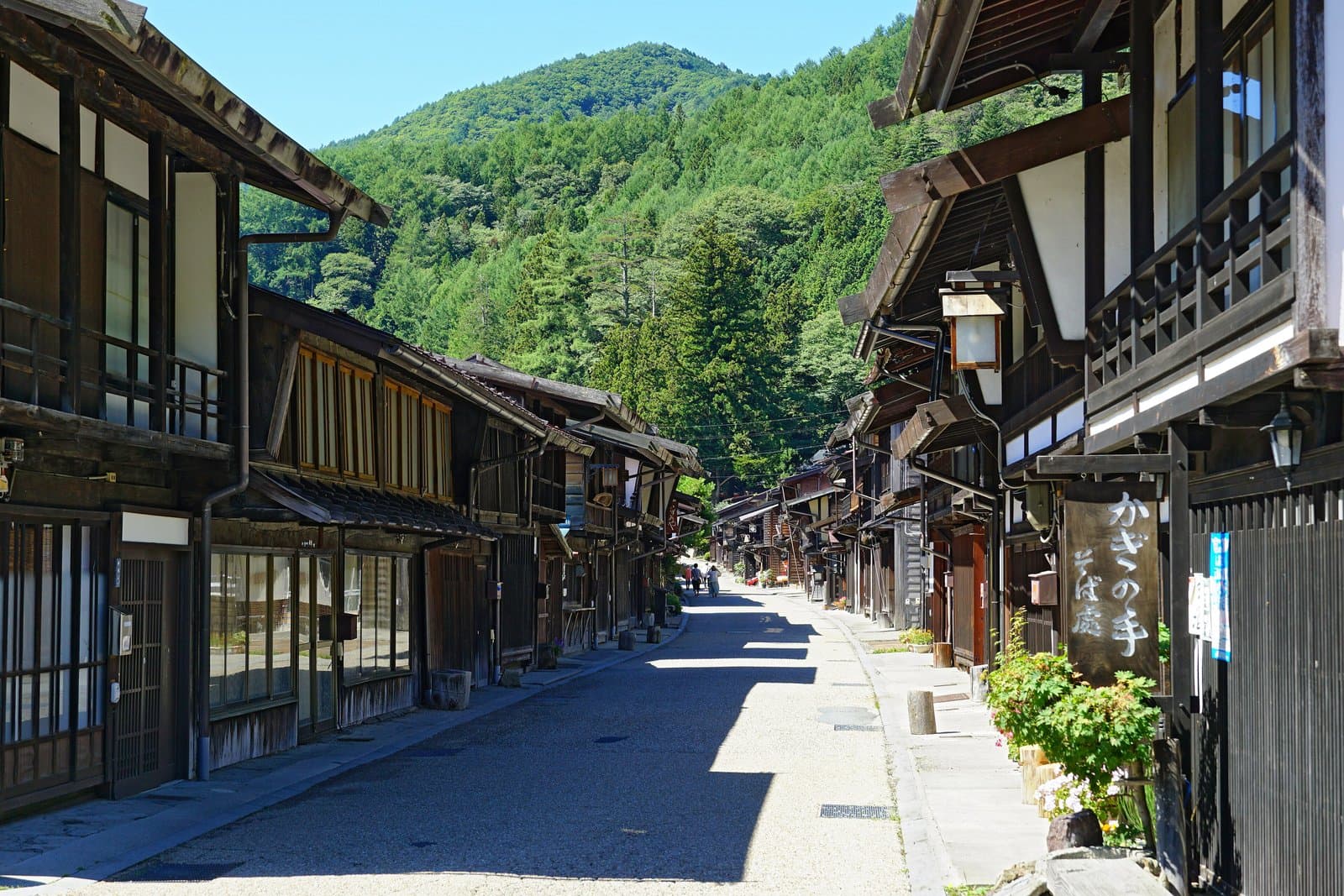 Photo: 663highland / Wikimedia Commons, CC BY-SA 4.0 (resized)Shiojiri, NaganoNarai-jukuCalled "Narai of a thousand houses", the busiest of the eleven Kiso post towns, before the Torii Pass, one of the hardest stretches of the Nakasendo. The townscape is a nationally selected preservation district for groups of traditional buildings, and the street of about 1 km along the Narai River is Japan's longest post town; people still live here. It was the setting of the 2011 NHK morning drama "Ohisama".Official check: 26 Sept 2026
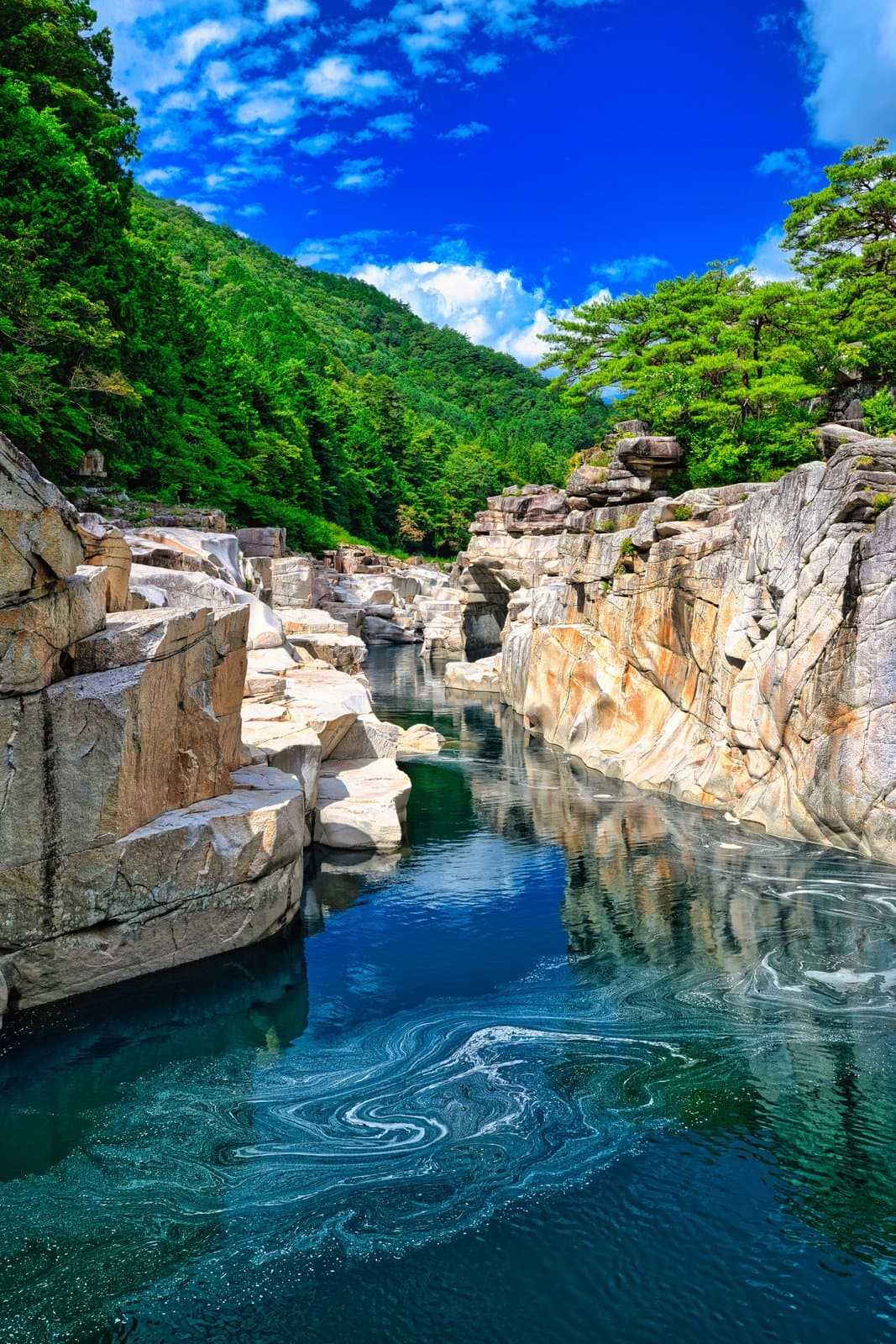 Photo: Photo ACAgematsu, NaganoNezame no Toko GorgeA gorge on the Kiso River that represents Agematsu. Over a long time the river carved the granite bedrock into a row of huge white rocks, which split like stacked boxes into sculpture-like shapes. In the Edo period it was a famous stop for travellers on the Nakasendo and one of the "Eight Views of Kiso"; Matsuo Basho left a haiku here. A legend says Urashima Taro lived here for a while after returning from the Dragon Palace, and Rinsenji temple on the hill above enshrines a Benzaiten linked to it. It was designated a national Place of Scenic Beauty in 1923 and is part of Chuo Alps Quasi-National Park.Official check: 28 Sept 2026
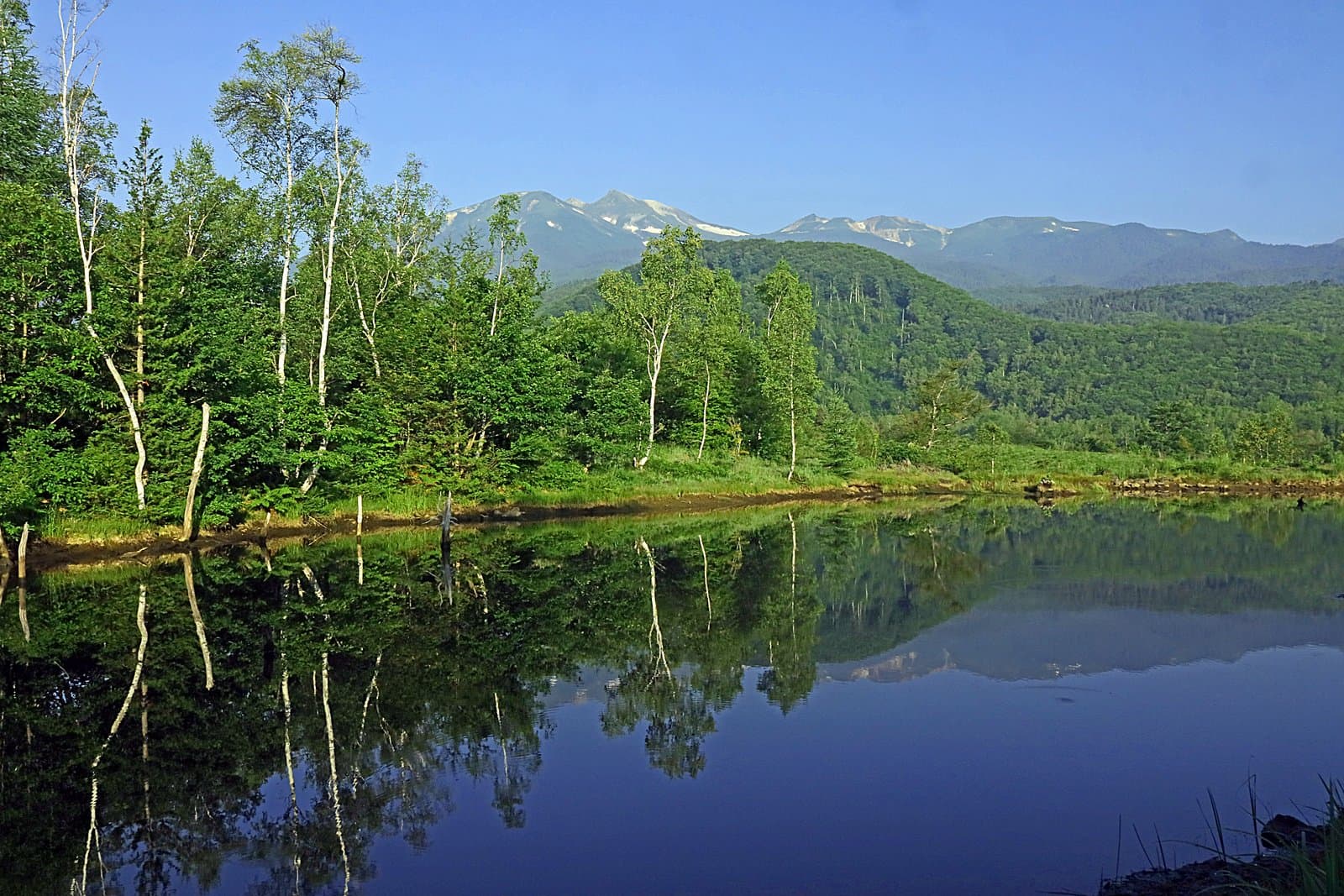 Photo: Photo ACMatsumoto, NaganoNorikura Kogen HighlandA mountain resort at 1,200-1,800 m in Chubu-Sangaku National Park, spreading over the eastern foot of Mt. Norikura in the Northern Alps. Alpine flowers bloom in spring and summer, the leaves colour in autumn and powder snow covers it in winter, with outdoor activities in every season. Birch woods, wetlands, waterfalls and ponds dot the area, and its hot spring village draws on three kinds of source. The Matsumoto City Norikura Tourist Center, with an information office and restaurant, is the base, and shuttle buses to Tatamidaira leave from there.Official check: 28 Sept 2026
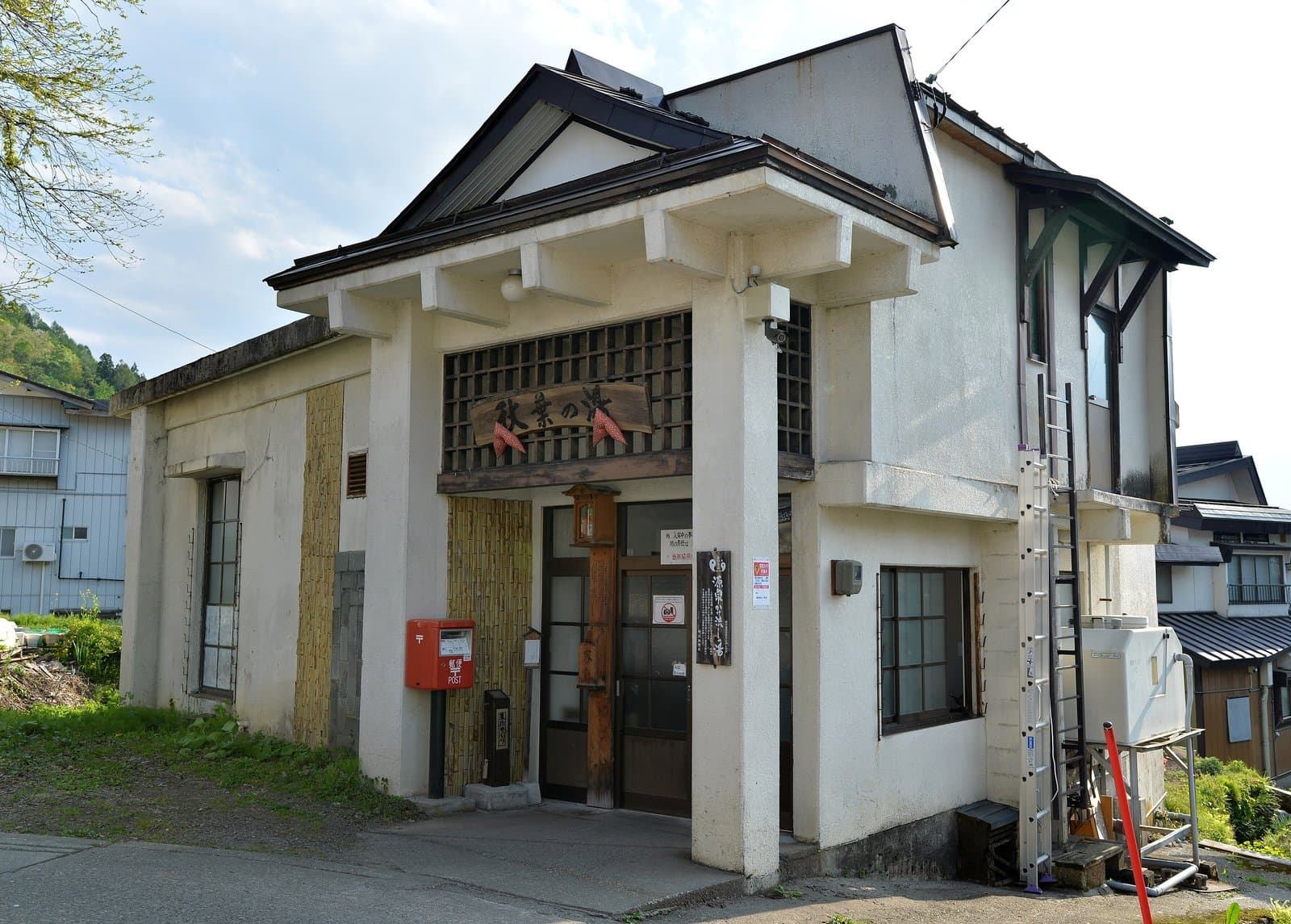 Photo: 小石川人晃 / Wikimedia Commons, CC BY-SA 4.0 (cropped and resized)Nozawaonsen, NaganoNozawa OnsenThe hot spring town has 13 public baths (soto-yu) with natural, free-flowing hot spring water, used every day by local people. Under the "yu-nakama" system that dates back to the Edo period, residents share the costs and take turns cleaning them. Ogama, a village natural monument, is a group of five pools where water of nearly 90 degrees wells up; locals still use it to boil vegetables and eggs, and it is known as "the kitchen of Nozawa Onsen".Official check: 28 Sept 2026
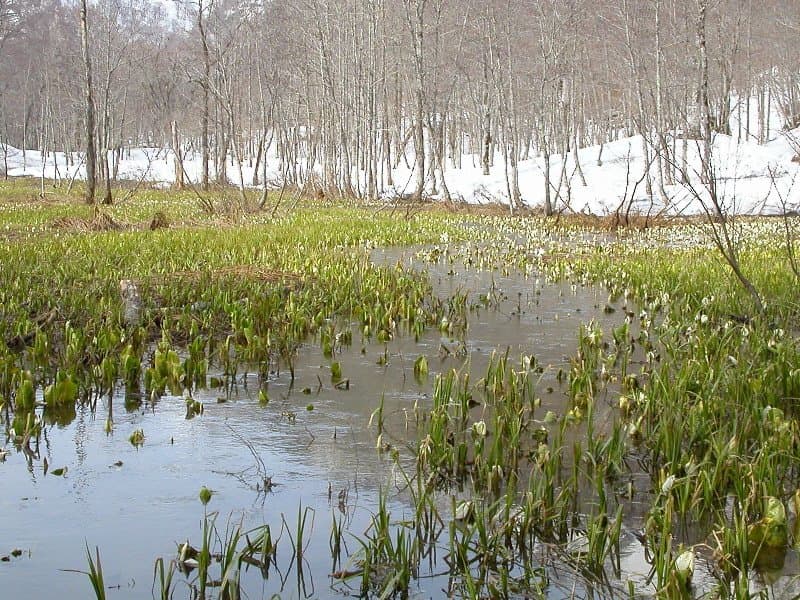 Photo: Anonymous Powered / Wikimedia Commons, CC BY-SA 3.0Nagano, NaganoOkususo-bana GorgeA gorge in Myoko-Togakushi Renzan National Park running about 5 km along the Susobana River above the Okususobana Dam, counted among Japan's 100 scenic views. It is especially fine in October, when beech, oak, maple and rowan turn red and yellow at once; there are the Okususobana Bridge, Japan's longest forest-road half-through Lohse bridge, the dam lake and Monju Falls.Official check: 26 Sept 2026
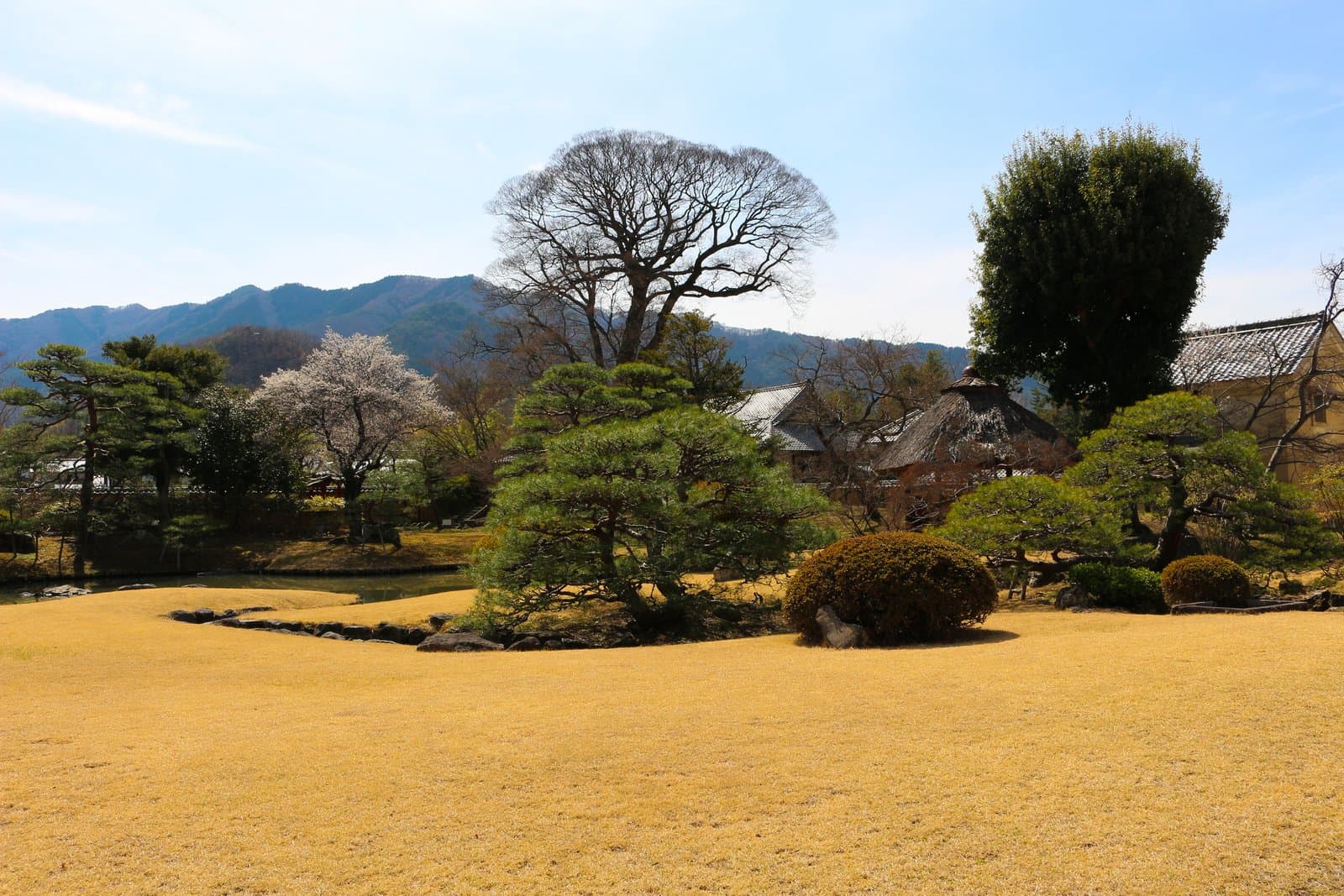 Photo: Photo ACNagano, NaganoSanada Residence (Matsushiro)A residence that well preserves the look of a daimyo family's palace of the Edo period, built in 1864 (Genji 1) by Sanada Yukinori, 9th lord of the Matsushiro domain, as a retirement home for his mother; after the Meiji Restoration it was the Sanada family's private home, and in 1966 it was given to Nagano City with the family's treasures. Its Japanese garden, viewed from the rooms, shows the colours of each season.Official check: 26 Sept 2026
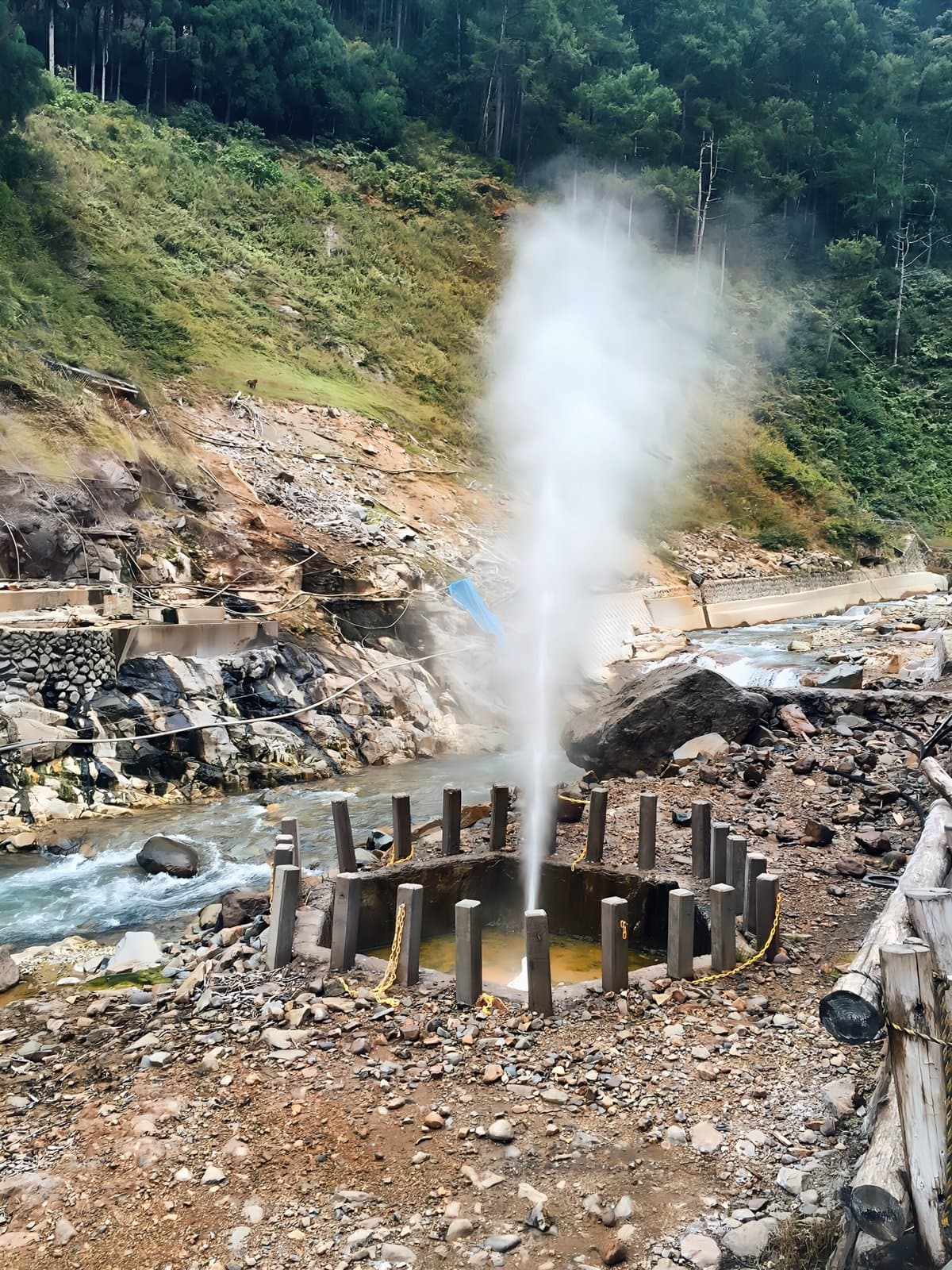 Photo: Photo ACYamanouchi, NaganoShibu OnsenA hot spring town where rows of historic wooden buildings line the streets. You can stroll the stone-paved lanes, compare hot spring buns from old confectioners, and try a traditional shooting gallery and a free table-tennis room. The nine public baths (soto-yu) that the community has long looked after are open to hotel guests for bath-hopping, and there are two free footbaths.Official check: 28 Sept 2026
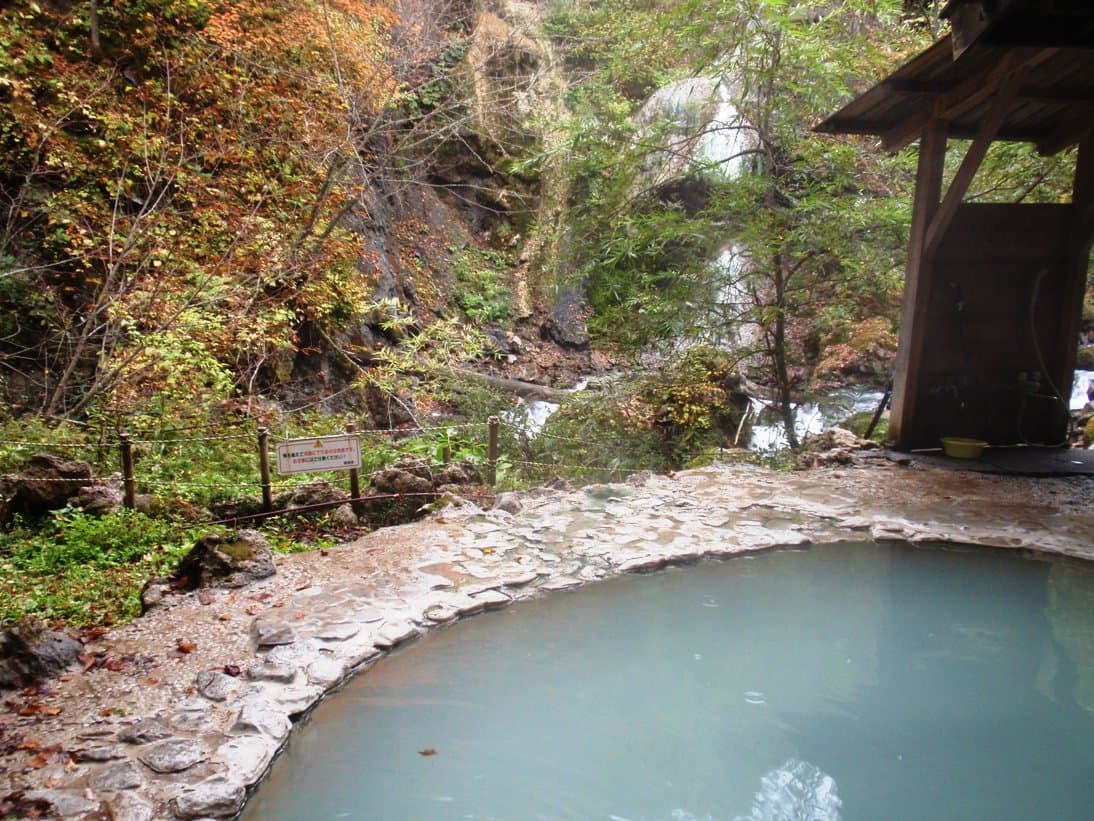 Photo: Soica2001 / Wikimedia Commons, Public domainMatsumoto, NaganoShirahone OnsenA hot spring village on the eastern slopes of the Northern Alps and Mt. Norikura, said to have been flowing already in the Kamakura period and to have a history of over 600 years. Its water turns milky white on contact with the air. Milky hot springs are usually strongly acidic, but Shirahone is neutral (weakly acidic), with a sulphur scent and a high carbonic content. It lies in Chubu-Sangaku National Park and is designated a National Health Resort Hot Spring.Official check: 28 Sept 2026
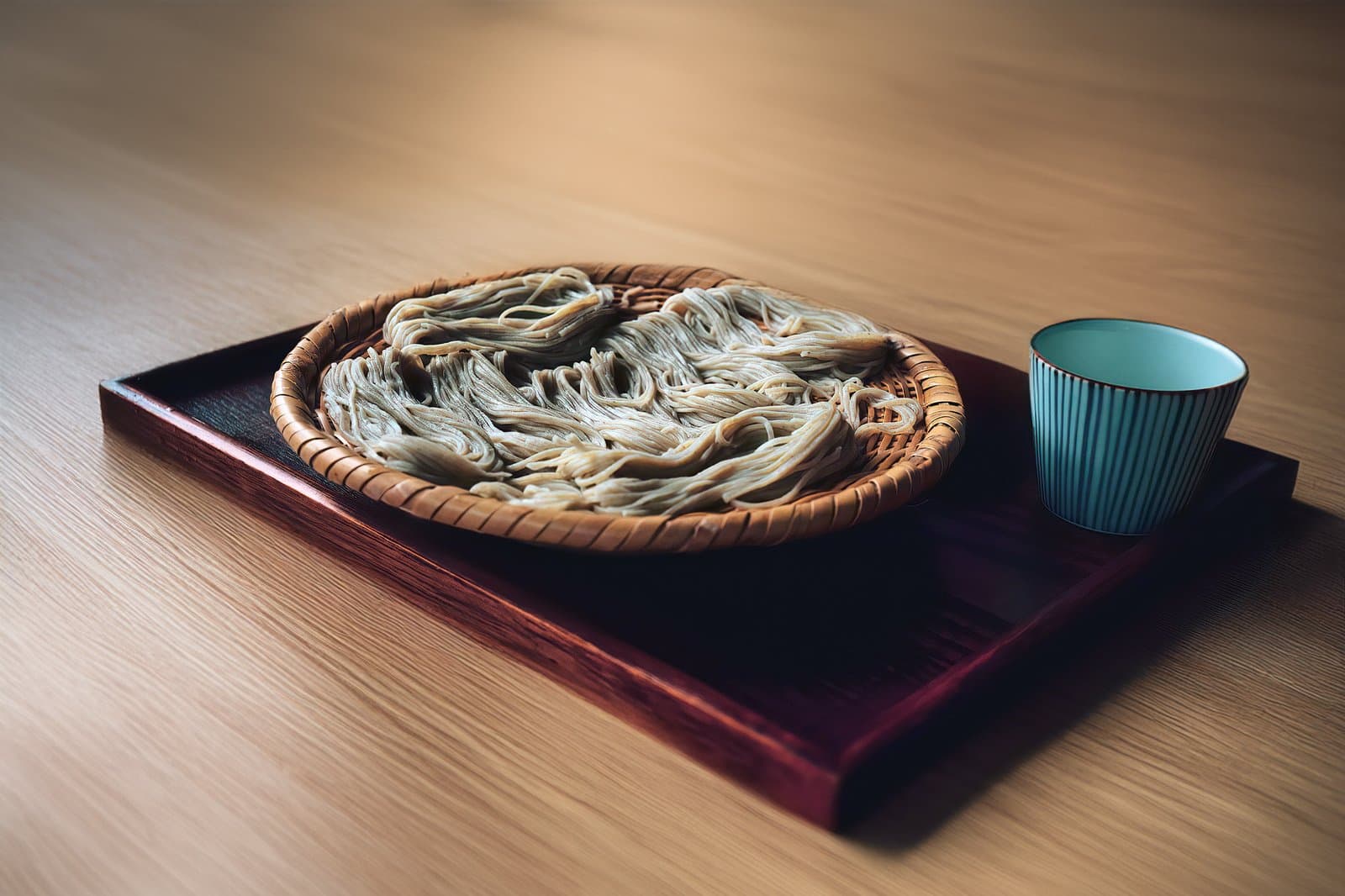 Photo: Photo ACNagano, NaganoSoba-making at the Togakushi Soba MuseumMake Shinshu soba yourself and eat it freshly made: at the Togakushi Soba Museum "Tonkururin", soba masters guide you from the technique to the spirit of soba-making, and even beginners can make good soba.Official check: 26 Sept 2026
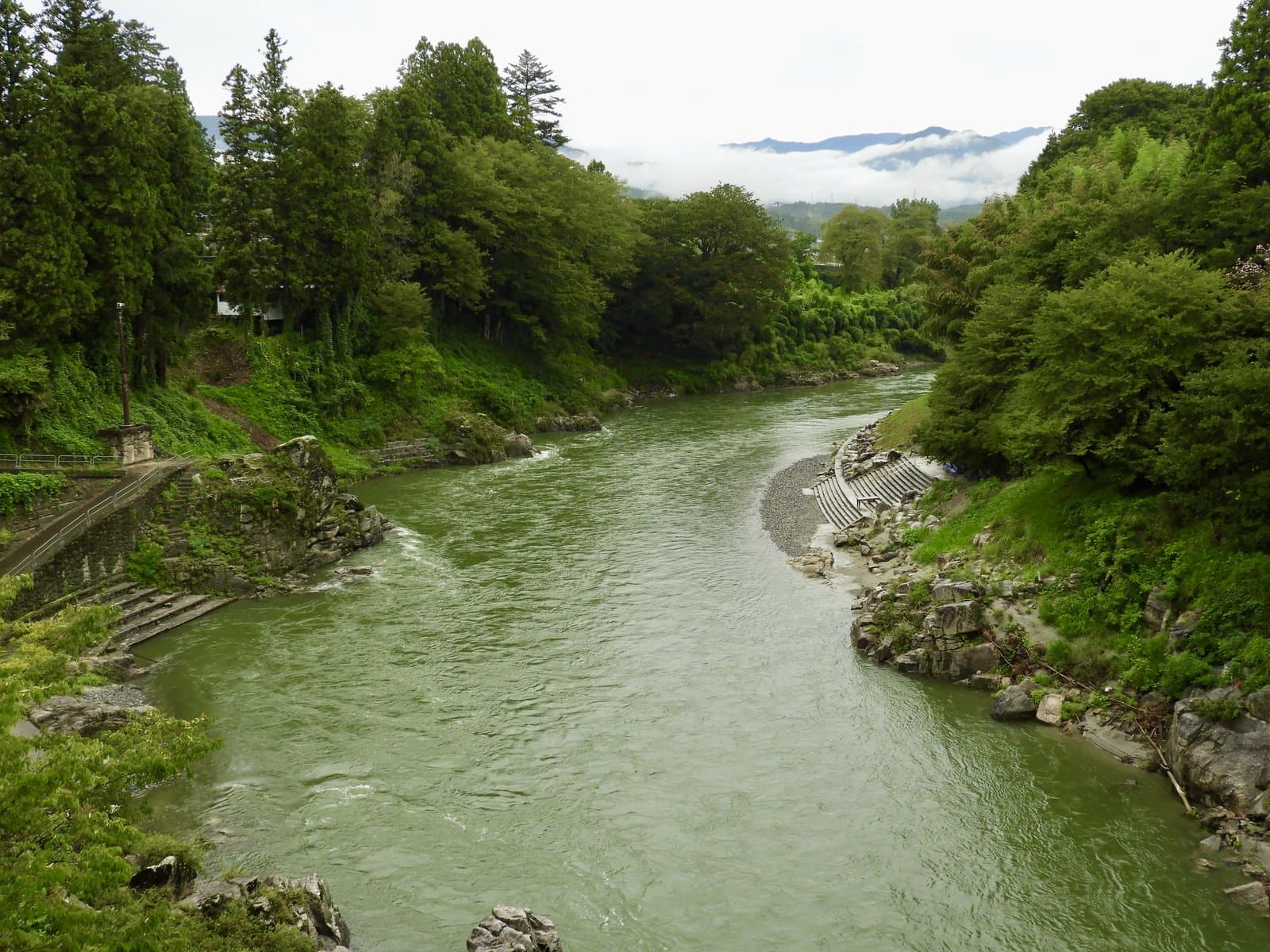 Photo: Photo ACIida, NaganoTenryukyo GorgeA gorge about 2 km long from north to south in southern Iida, formed by erosion of the Tenryu River, with white granite cliffs and strange rocks along the river; cherry blossoms in spring and autumn leaves change its look. It was named in 1847 by the Confucian scholar Sakatani Roro, and in the Meiji era the calligrapher Kusakabe Meikaku named ten features the "Ten Sights of Tenryukyo"; the tower-like rock "Ryukakuho" symbolises the gorge. Walking paths lead to the Tsutsuji suspension bridge, the viewpoint on top of Ryukakuho and "Sorasanpo Tenryukyo", a walkway under the Tenryukyo Bridge, and river boats show the cliffs from the water.Official check: 28 Sept 2026
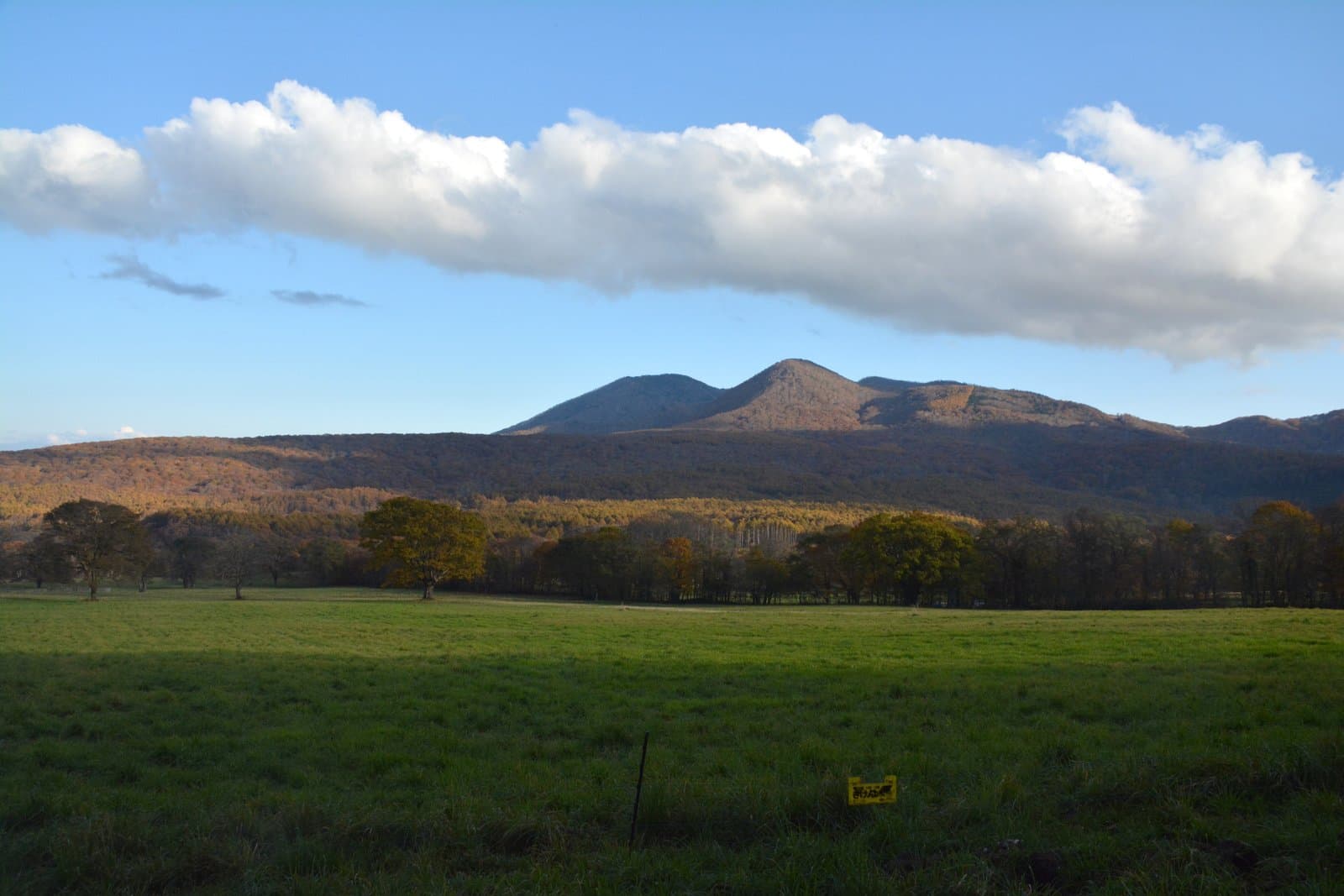 Photo: Photo ACNagano, NaganoTogakushi RanchA ranch spreading over 135 ha at 1,200 m at the foot of Mt. Togakushi, where you can watch grazing dairy cows and horses and play with rabbits and goats in the petting zoo; horse riding is offered in summer.Official check: 26 Sept 2026
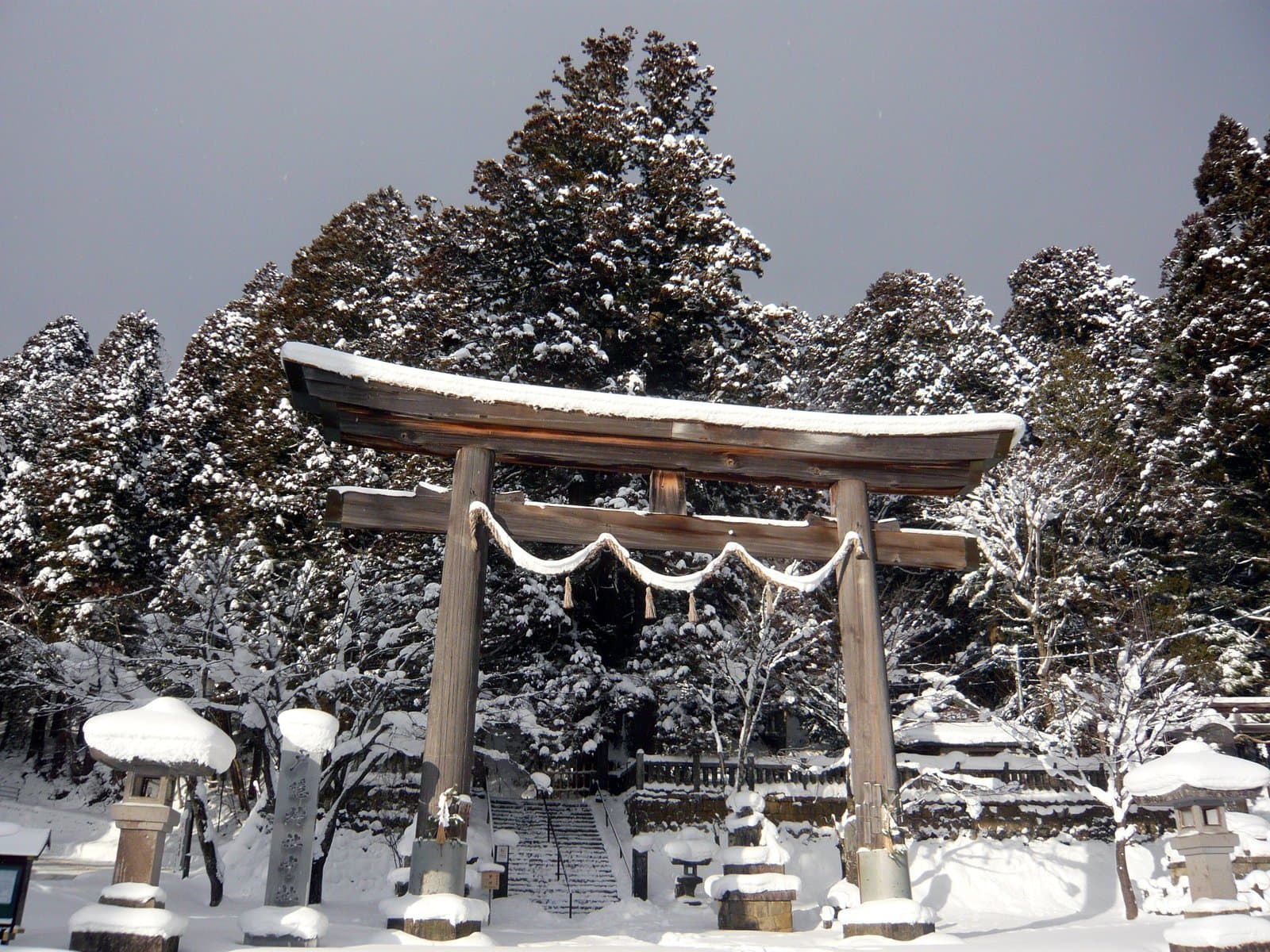 Photo: Nankou Oronain / Wikimedia Commons, CC BY-SA 3.0 (resized)Nagano, NaganoTogakushi Shrine ChushaTogakushi Shrine developed as a centre of mountain worship of Mt. Togakushi; once a temple with many pilgrim lodgings, since Meiji it has been revered as a shrine linked to the gods of the myth of opening the Heavenly Rock Cave, made up of five shrines: Okusha, Chusha, Hokosha, Kuzuryusha and Hinomikosha. Chusha enshrines Ame-no-Yagokoro-Omoikane-no-Mikoto, god of wisdom, and in its grounds are three cedars about 800 years old.Official check: 26 Sept 2026
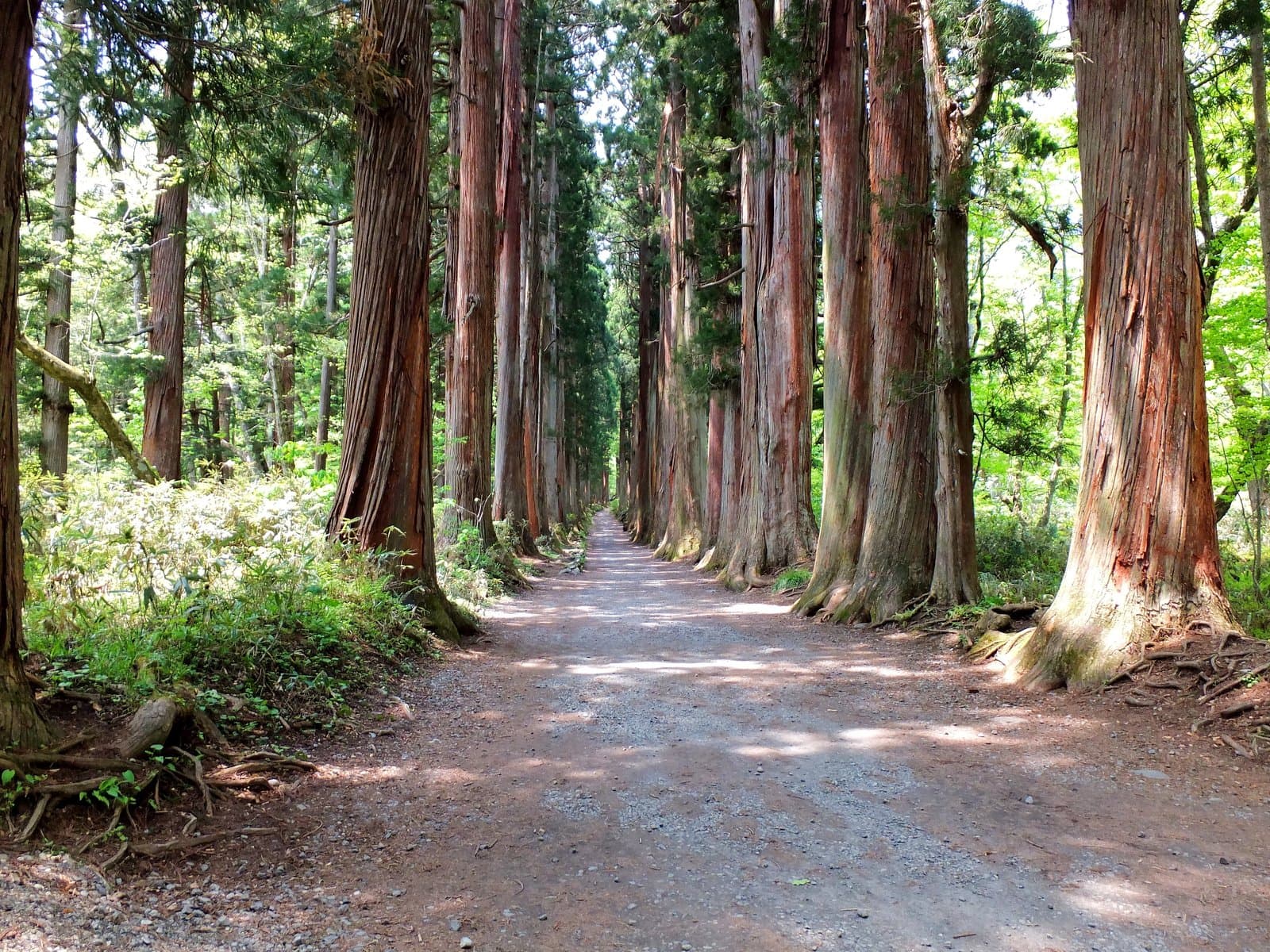 Photo: Photo ACNagano, NaganoTogakushi Shrine OkushaThe main shrine of Togakushi Shrine's five, standing against the wall-like Mt. Togakushi and enshrining Ame-no-Tajikarao-no-Mikoto, said to have opened the Heavenly Rock Cave with matchless strength. The approach is about 2 km; halfway is the red thatched Zuishin-mon gate, beyond which continues an avenue of cedars over about 400 years old, a natural monument.Official check: 26 Sept 2026
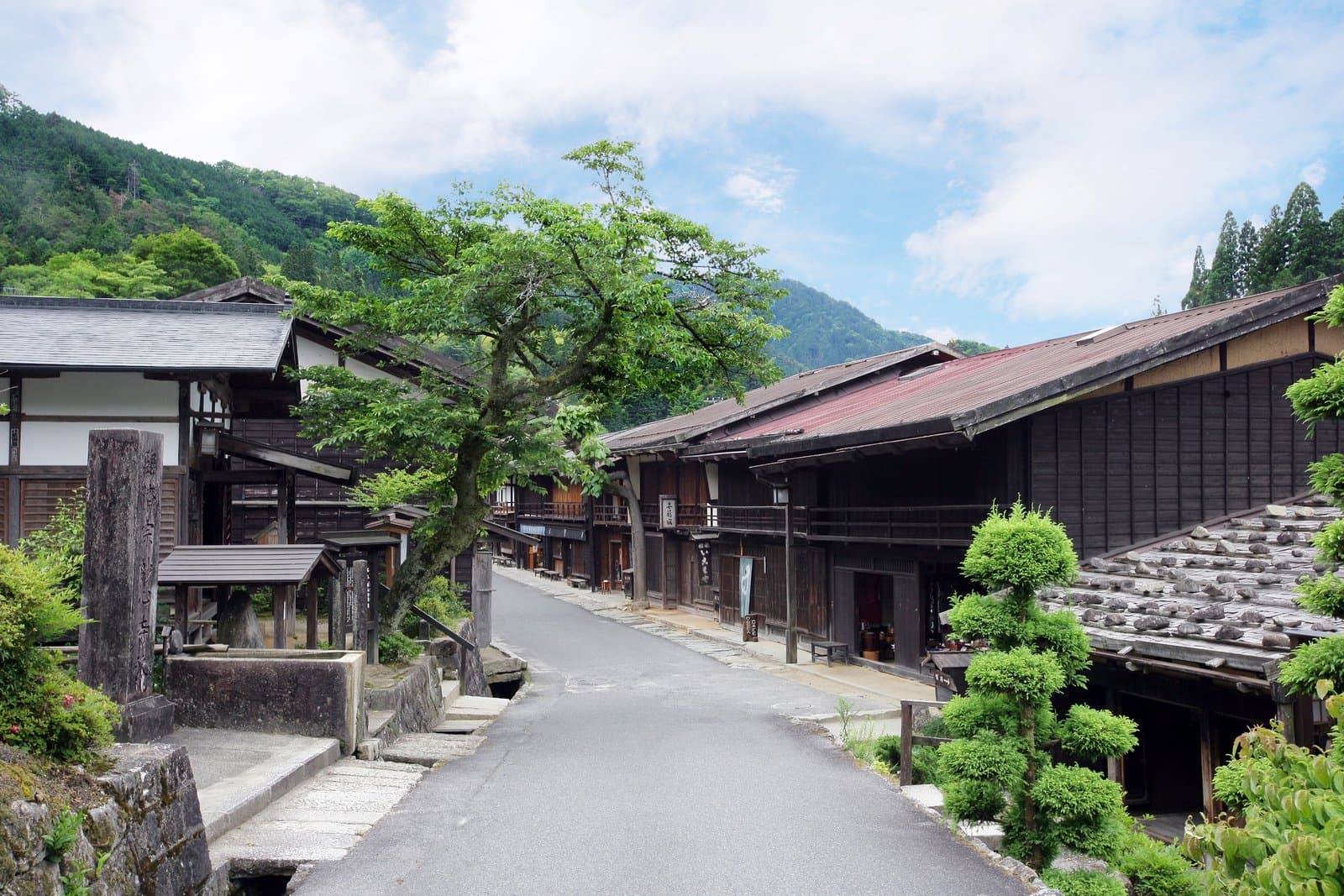 Photo: Photo ACNagiso, NaganoTsumago-jukuIn the Edo period Tsumago-juku thrived as a key junction of the Nakasendo and the Ina Kaido, and inns, restaurants and souvenir shops still line about 1 km of street. Ahead of the rest of Japan, locals began a movement to preserve the townscape, and in 1976 it became the first place selected as a national Important Preservation District for Groups of Traditional Buildings. Residents keep the three principles of "not selling, not renting, not destroying" their houses and land, handing down a townscape strongly evoking the Edo period.Official check: 28 Sept 2026
- No photo yetNagano, NaganoAlps View Plaza Yume no EkiA field of rape blossoms like a yellow carpet, with the snow-capped Northern Alps behind.Official check: 26 Sept 2026
- No photo yetNagano, NaganoApple Line (Route 18)A major apple-growing area even within Nagano, famous for apples, where orchards spread all around. Apple orchards line both sides of National Route 18, with apple stands and farms offering apple picking, hence the nickname "Apple Line"; in the harvest season you can buy fresh apples and pick them yourself.Official check: 26 Sept 2026
- No photo yetNagano, NaganoChausuyama Dinosaur ParkA park displaying about 25 life-size dinosaurs from four eras including the Jurassic and Cretaceous; the largest, a Diplodocus, is 25 m long. The dinosaurs are play equipment such as slides you can touch, and about 80 cherry trees on the bank at the entrance form a tunnel of blossom when in full bloom.Official check: 26 Sept 2026
- No photo yetNagano, NaganoChikumaen Apple PickingA long-established apple stand that has operated since the "Apple Line" road opened, growing about 9 varieties with reduced pesticides. Apple picking is offered, and the stand also sells its own apple juice and jam; all ages (0 to 100) and pets are OK.Official check: 26 Sept 2026
- No photo yetNagano, NaganoForest Adventure NaganoA forest adventure course on the Iizuna Highland, 25 minutes by car from central Nagano and Zenko-ji. Four zip slides of over 150 m glide above Daizahoshi Pond; besides campground guests, it takes company training groups and schools.Official check: 26 Sept 2026
- No photo yetNagano, NaganoJoyama ZooA free zoo in Joyama Park next to Zenko-ji, where you can meet sea lions, monkeys, penguins and other animals; there are also rides such as a monorail and a merry-go-round, and the surroundings are a cherry-blossom spot in spring.Official check: 26 Sept 2026
- No photo yetNagano, NaganoKagai Onsen IchiyokanA day-bathing hot spring with an indoor bath and a large mixed-gender open-air bath. The spring is iron-bearing sodium-calcium chloride.Official check: 26 Sept 2026
- No photo yetNagano, NaganoOkaidan-meguri (Zenko-ji)The entrance to the Okaidan is inside Zenko-ji's main hall, to the right of the statues of the three founders. Going down the stairs, after four or five steps you are in a pitch-dark corridor; with your right hand at waist height on the wooden wall, you shuffle forward step by step. Beneath the Ruri-dan is a key called the "key to paradise". It takes less than five minutes.Official check: 26 Sept 2026
- No photo yetNagano, NaganoTogakushi Chibikko Ninja VillageAn amusement park themed on ninja in Togakushi, home of the Togakure-ryu ninja active in the Warring States period, with various facilities for children and adults alike.Official check: 26 Sept 2026
- No photo yetNagano, NaganoTogakushi Folk Museum and Ninja MuseumA restored Edo-period granary showing about 2,000 folk tools that supported life in Togakushi, with a waterwheel hut in the garden. Alongside is the Togakure-ryu Ninpo Museum, in a relocated all-zelkova farmhouse, displaying 500 ninja tools and about 200 photo panels; in the ninja trick house you find your way through a maze to the back room like a game, and there is a shuriken range.Official check: 26 Sept 2026
- No photo yetNagano, NaganoTogakushi Tenboen (Buckwheat Fields)Buckwheat flowers here are small, about 5-6 mm across, and white. Togakushi buckwheat is called "kirishita soba" (buckwheat under the mist), with a distinctive fragrant flavour.Official check: 26 Sept 2026
- No photo yetNagano, NaganoZenko-ji TempleA temple said to have been founded about 1,400 years ago. The present main hall, rebuilt in 1707 in the mid-Edo period, is a wooden building about 24 m wide and 54 m deep in the "shumoku-zukuri" style unique to Zenko-ji, keeping alive the custom of many pilgrims spending the night in prayer; it was designated a National Treasure in 1953. Since the Heian period people have come from all over Japan to this temple, which saves people regardless of sect.Official check: 26 Sept 2026