
Spots in Gifu
Each spot shows when its facts were last checked against official sources.
Select a square pin to open the spot. Zoom with Ctrl/Cmd + scroll, or two fingers on a phone.
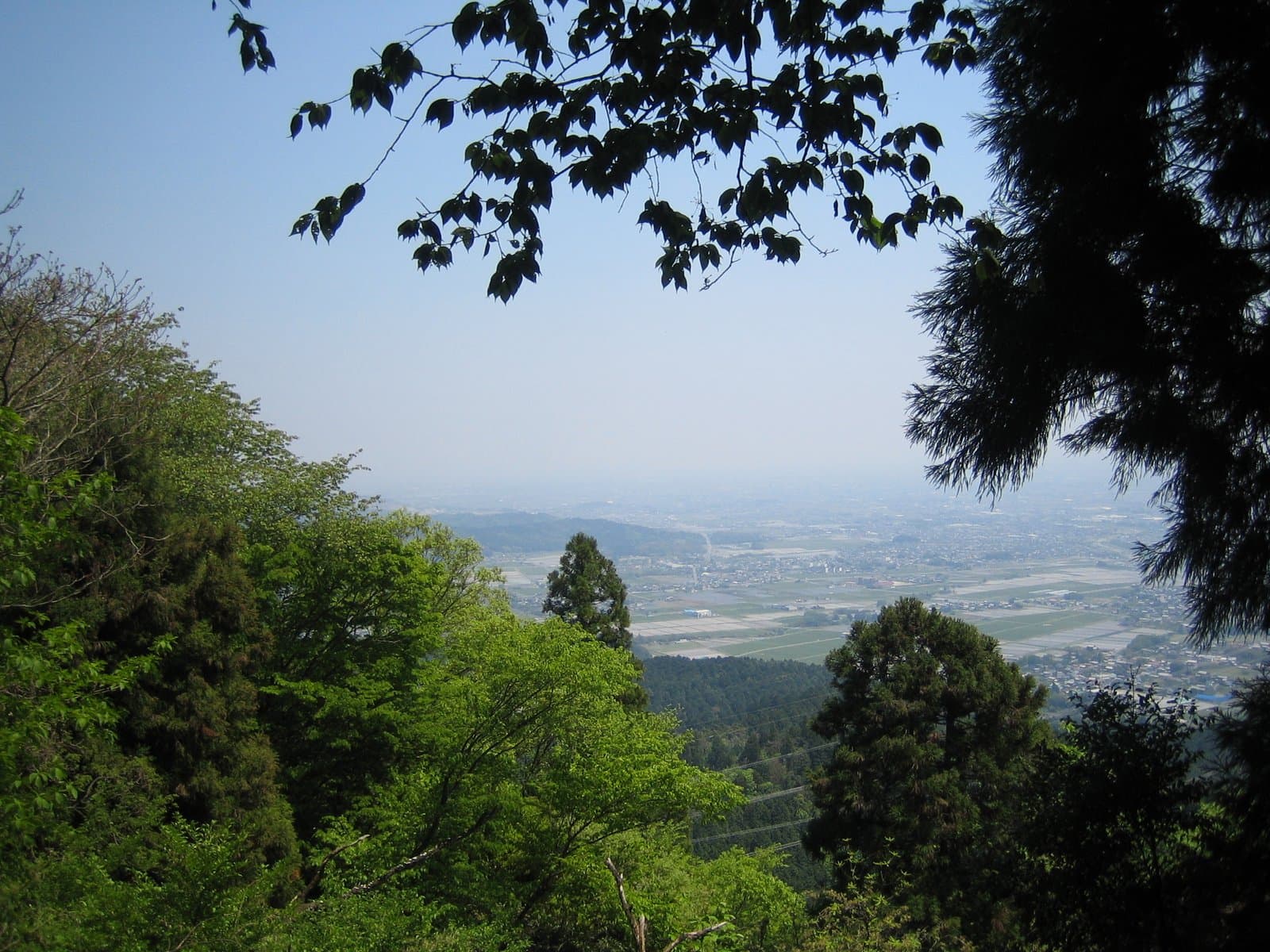 Photo: Photo ACTarui, GifuBodaisan Castle RuinsThe site of the mountain castle of Takenaka Hanbei, north-west of the Takenaka clan residence. It stands on a 402 m summit reached by a 2.7 km hiking course, and the castle site was large, about 260 m north to south and up to 60 m east to west.Official check: 26 Sept 2026
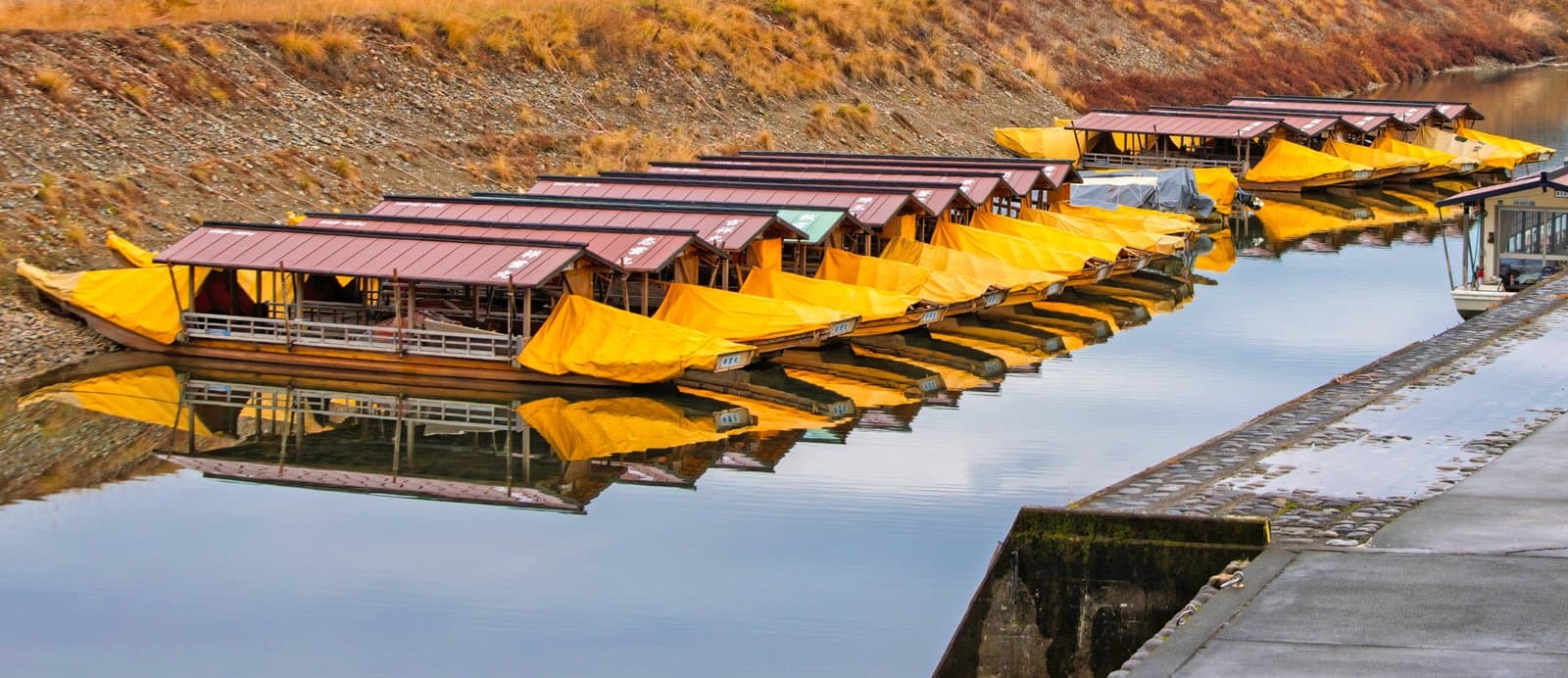 Photo: Photo ACGifu, GifuCormorant Fishing on the Nagara River, GifuThe traditional fishing method "ukai", in which cormorant masters and their birds work as one by the light of blazing fires on the river, with Mt. Kinka and Gifu Castle as a backdrop. Its history goes back over 1,300 years; it was protected by rulers such as Oda Nobunaga and Tokugawa Ieyasu, Matsuo Basho left a haiku about it, and Charlie Chaplin came to watch twice. It is held every night from May 11 to October 15, except on the night of the harvest moon and when the river is high.Official check: 26 Sept 2026
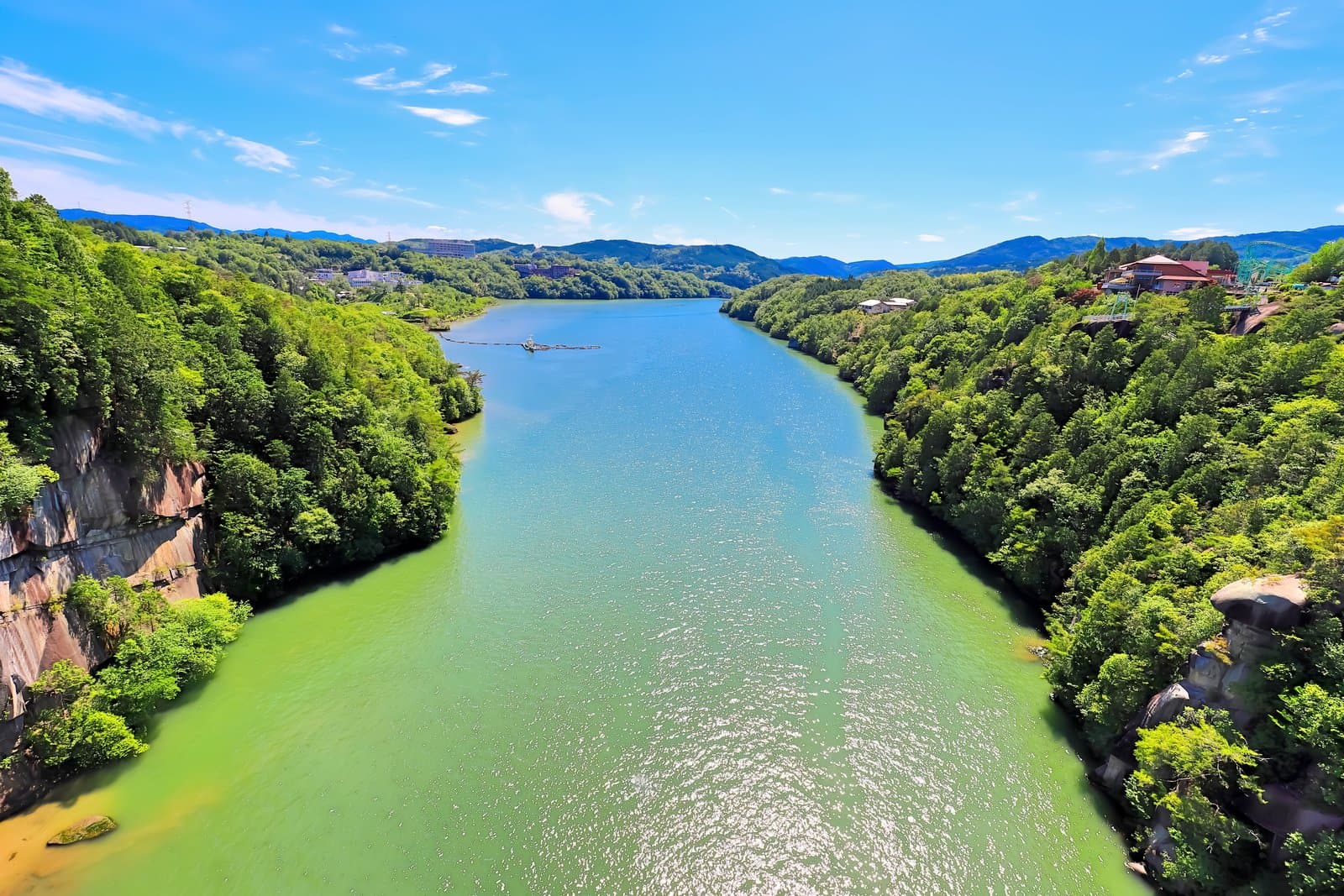 Photo: Photo ACEna, GifuEnakyo GorgeNamed Enakyo in 1920 by the geographer Shiga Shigetaka, this is a man-made lake formed about 100 years ago when the Kiso River was dammed by the Oi Dam. Strange rocks line both banks; in spring about 200 cherry trees bloom at Sazanami Hiroba along with azaleas, in summer the red Enakyo Bridge stands out against the deep green, in autumn maples colour the lake, and in winter mandarin ducks and starlings arrive for birdwatching.Official check: 28 Sept 2026
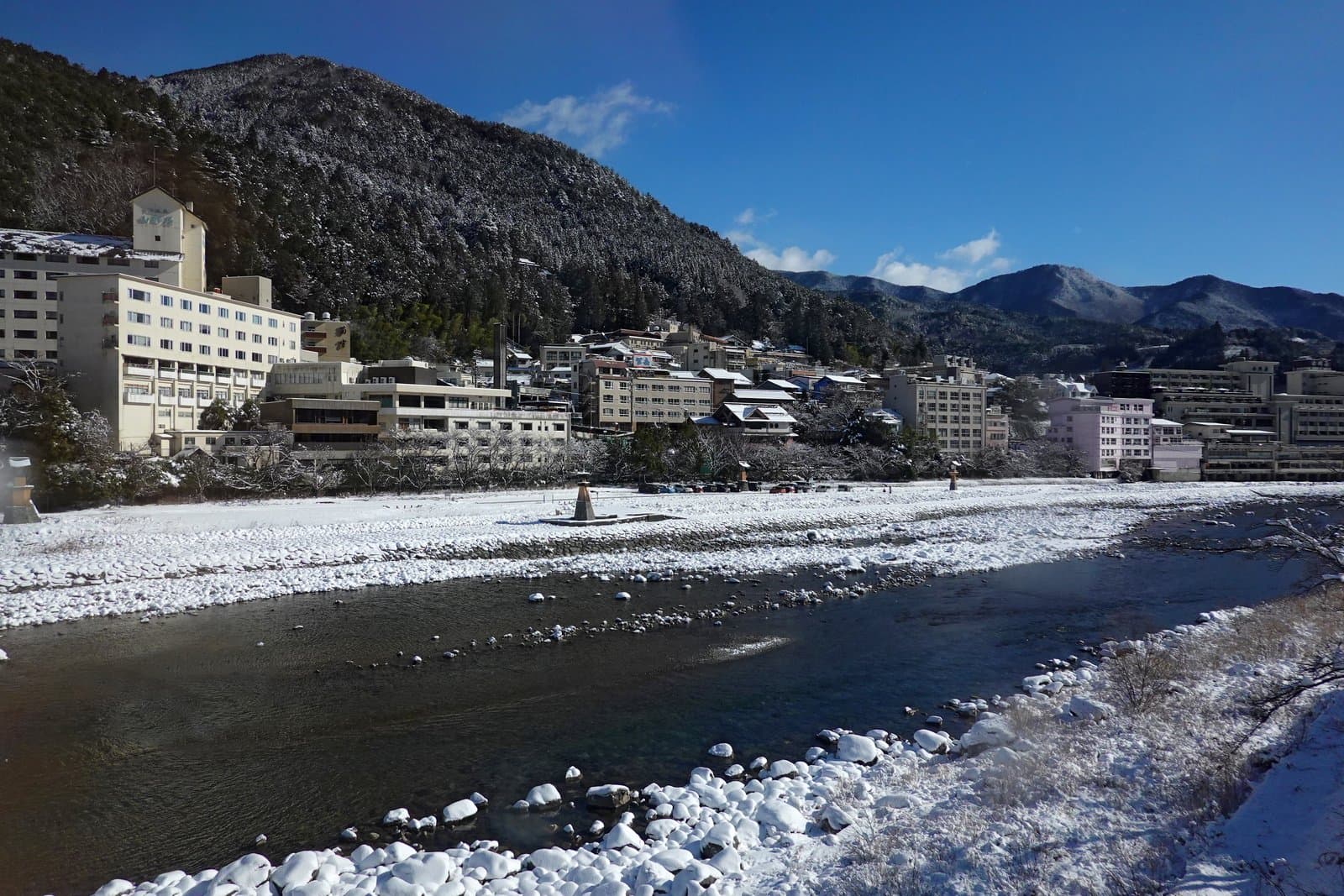 Photo: 663highland / Wikimedia Commons, CC BY-SA 4.0 (resized)Gero, GifuGero OnsenA hot spring town on the Hida River, praised as one of Japan's "three famous hot springs" alongside Arima (Hyogo) and Kusatsu (Gunma). With a "Yumeguri Tegata" pass you can bathe at three member inns, and the town has the Funsen-ike spring by the river, three public bathhouses and free foot baths.Official check: 26 Sept 2026
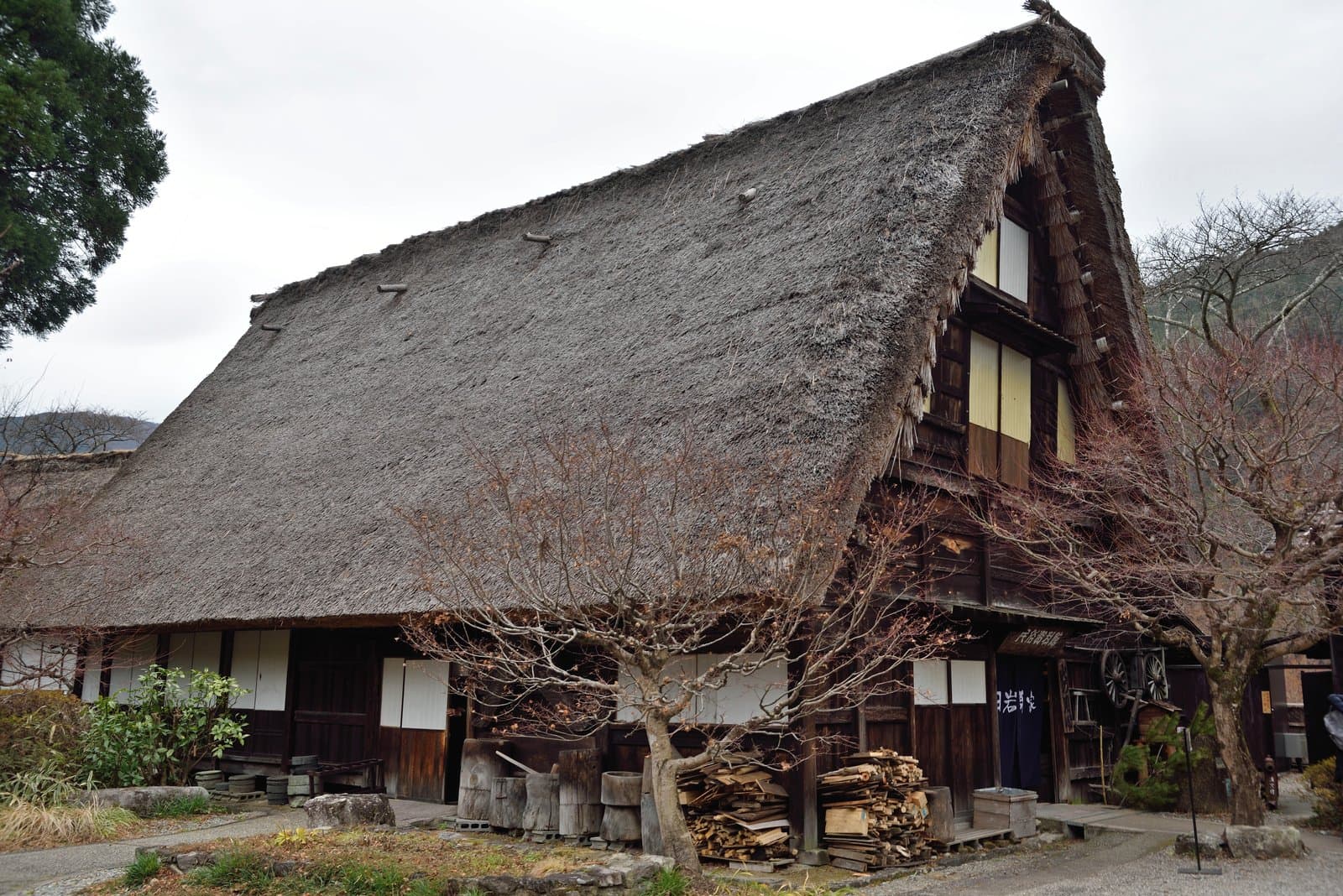 Photo: Photo ACGero, GifuGero Onsen Gassho VillageA recreated village of 10 gassho-zukuri houses moved from Shirakawa-go and elsewhere, centred on the former Oto family house (Important Cultural Property), with a folk museum of farm tools and utensils, workshops for pottery, painting and paper making, and the Enku Hall showing Enku's Buddhist statues.Official check: 26 Sept 2026
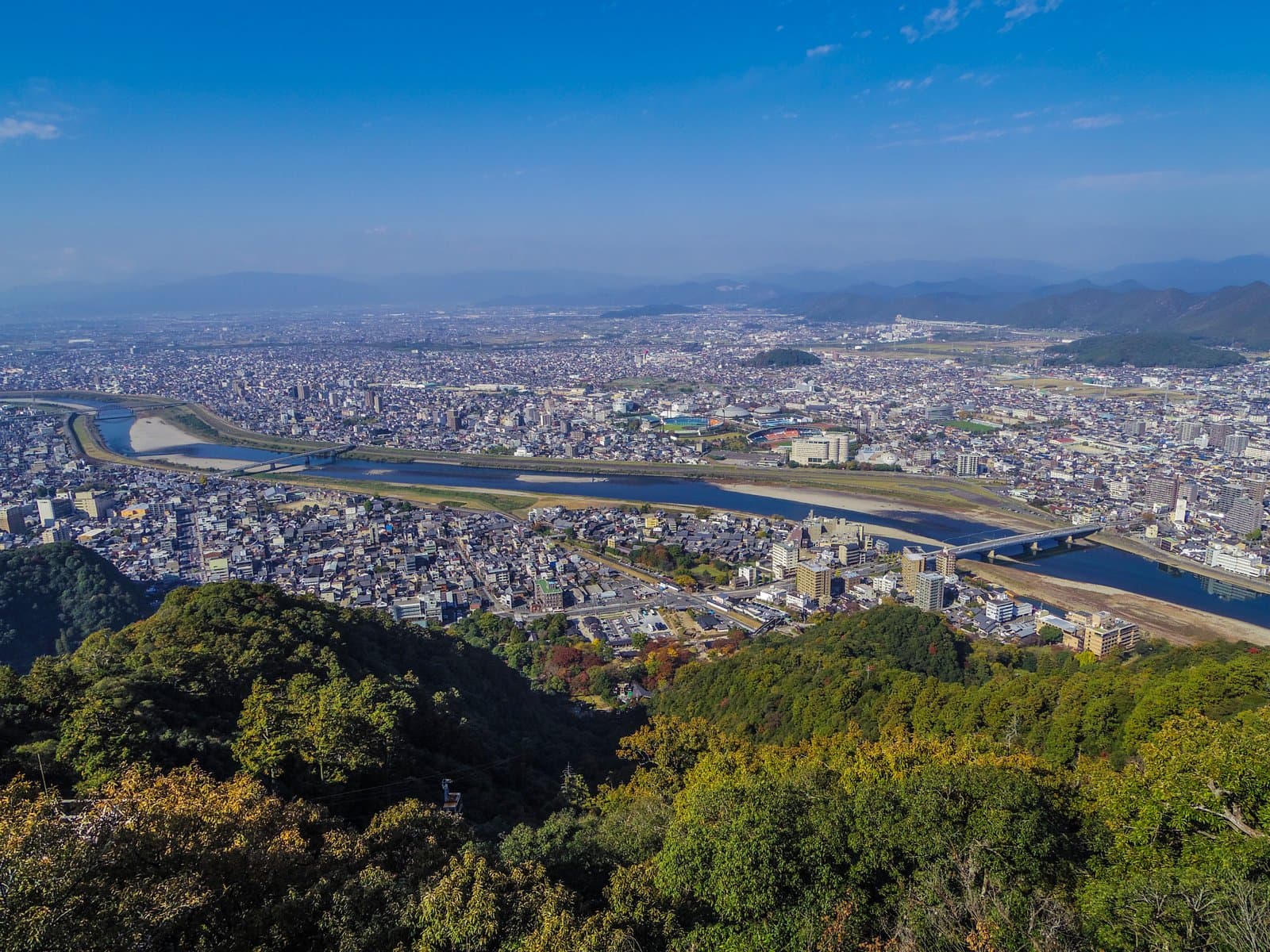 Photo: Photo ACGifu, GifuGifu CastleA castle on the summit of Mt. Kinka, known as impregnable, once the seat of Saito Dosan and then Oda Nobunaga, who is said to have renamed the place Gifu. The present castle was rebuilt in Showa 31 (1956).Official check: 26 Sept 2026
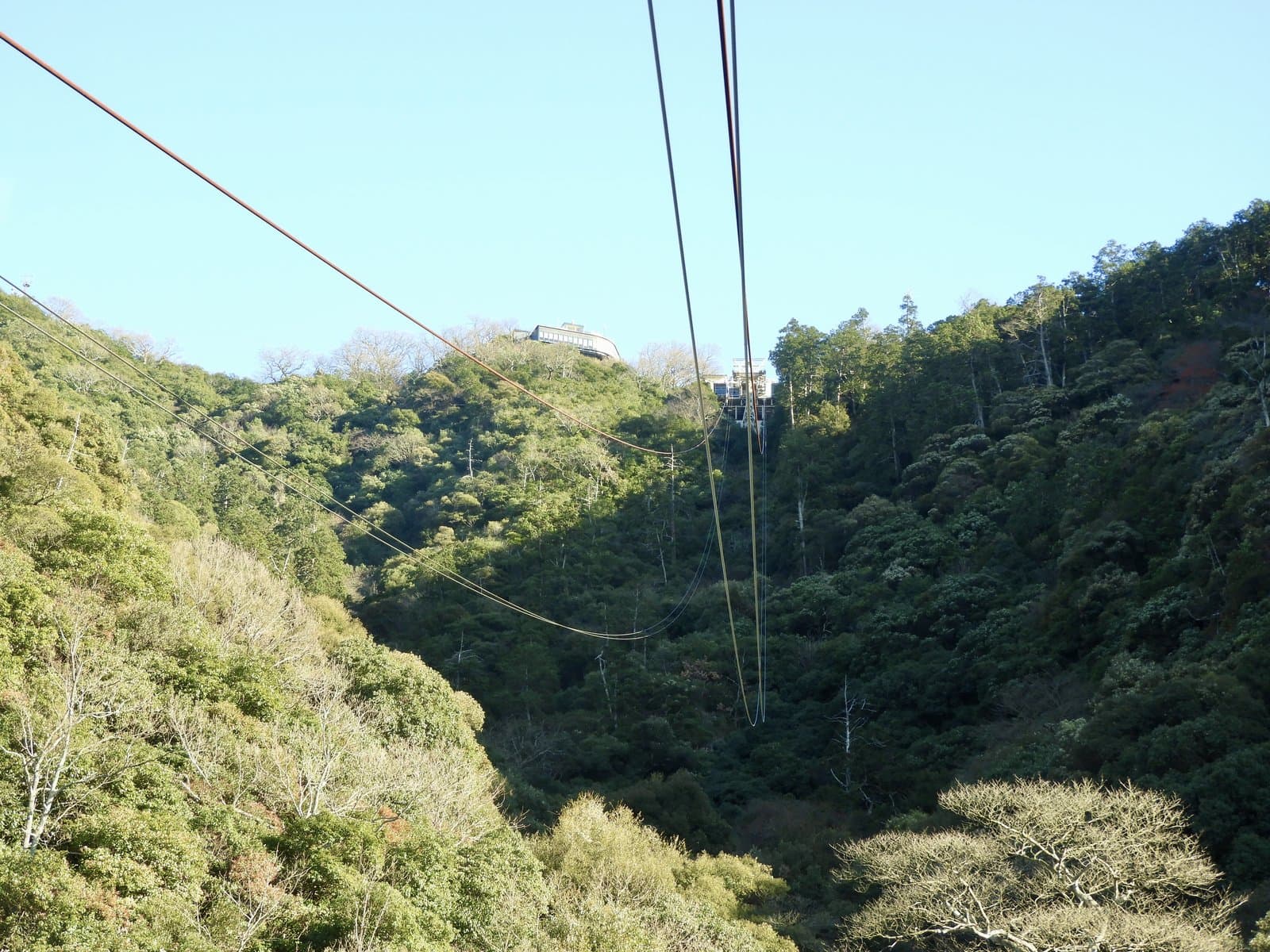 Photo: Photo ACGifu, GifuGifu Kinkazan RopewayA ropeway linking Gifu Park with the summit of Mt. Kinka (329 m) in about 4 minutes, running every 15 minutes (every 10 when busy), with views of the natural forest of Mt. Kinka, the Nagara River and the city. Near the summit station are a squirrel village, a shop and a restaurant; it also runs at night for limited periods.Official check: 26 Sept 2026
 Photo: 名古屋太郎 / Wikimedia Commons, CC BY-SA 4.0 (cropped and resized)Kakamigahara, GifuGifu-Kakamigahara Air and Space MuseumNicknamed "Sorahaku", this museum collects and displays aircraft, aviation materials and space development materials. More than 50 exhibits include real aeroplanes and helicopters and full-size models of space probes, among them the "Hien" (Type 2) built in Kakamigahara and a full-size model of "Kibo", the Japanese module of the International Space Station. Flight simulators of small jets and airliners and workshops let visitors see, learn and try, and the cafe and museum shop can be used without entering the museum.Official check: 28 Sept 2026
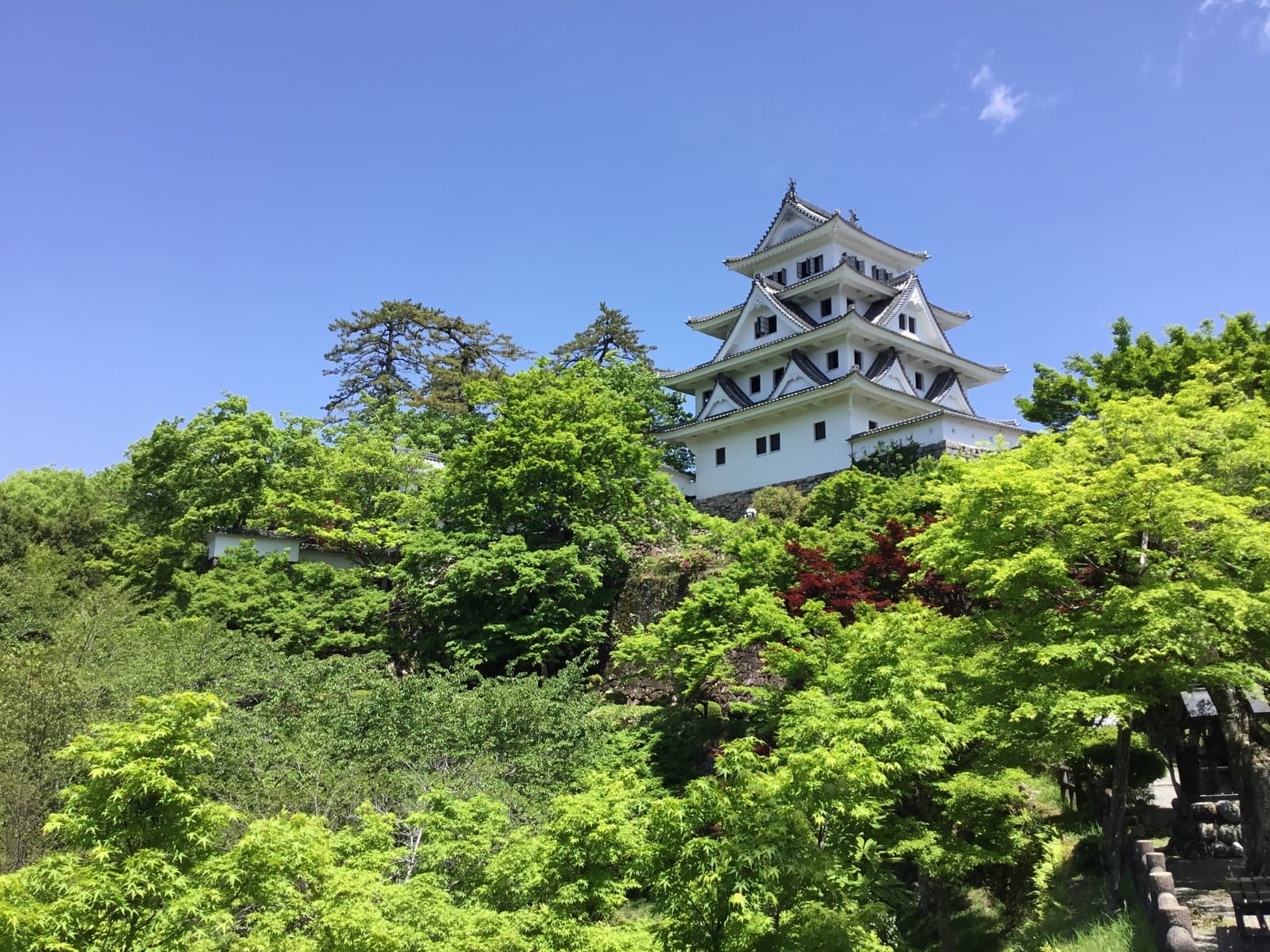 Photo: Photo ACGujo, GifuGujo Hachiman CastleSaid to be Japan's oldest wooden reconstructed castle, which began as a fort built by Endo Morikazu in 1559 (Eiroku 2). All the stone walls are prefectural historic sites and the keep is a city tangible cultural property; the keep overlooks the castle town and the mountains of Oku-Mino, and the castle turns red with autumn leaves in early to mid-November, with night illumination.Official check: 26 Sept 2026
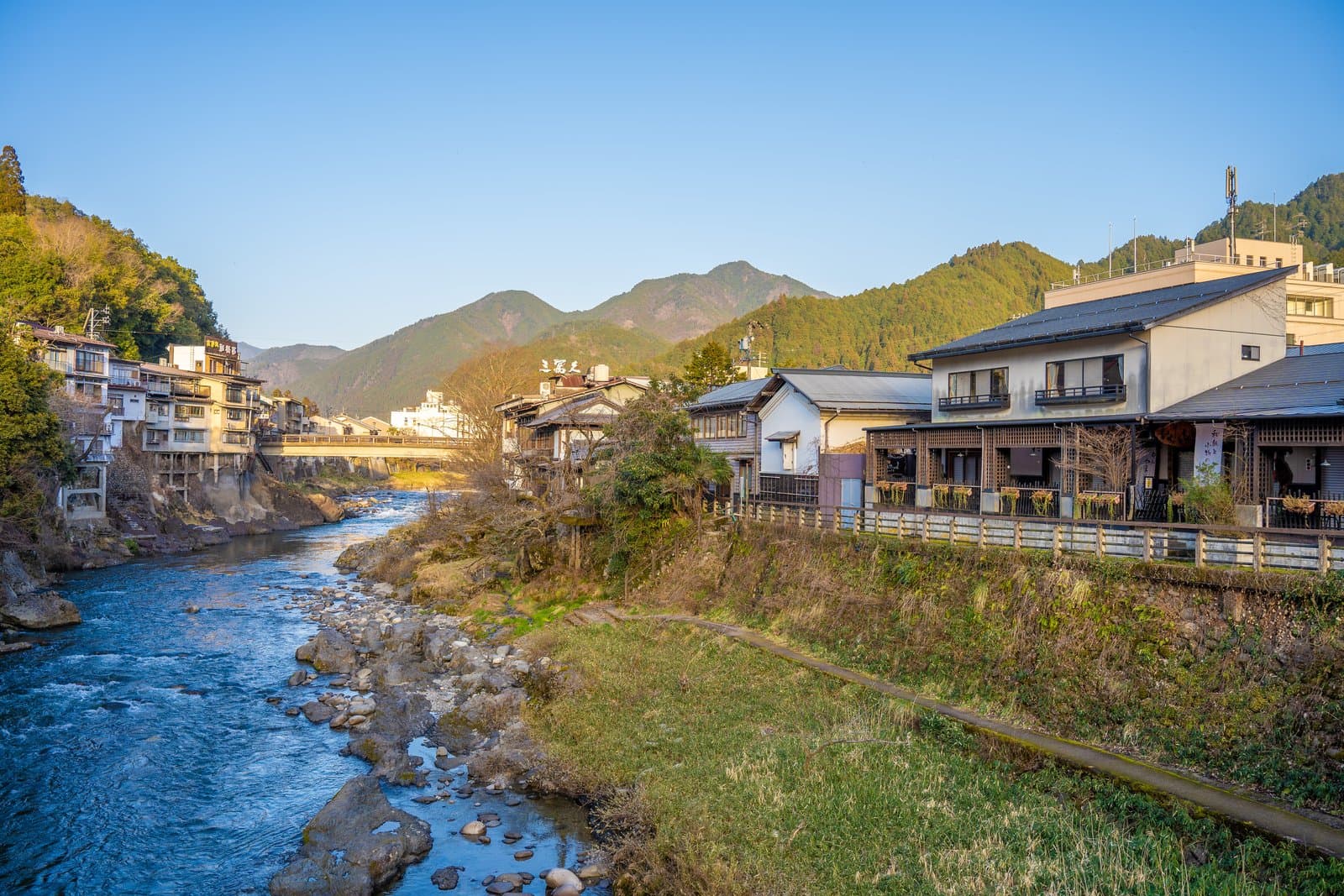 Photo: Photo ACGujo, GifuGujo Hachiman Old TownA castle town on the upper Nagara River, famous for clear water such as the Sogi-sui spring and the summer Gujo Odori dance. In streets such as Shokunin-machi and Kajiya-machi, old houses line waterways running past their eaves; after a great fire the town was rebuilt with canals as a "water castle town" resistant to fire.Official check: 26 Sept 2026
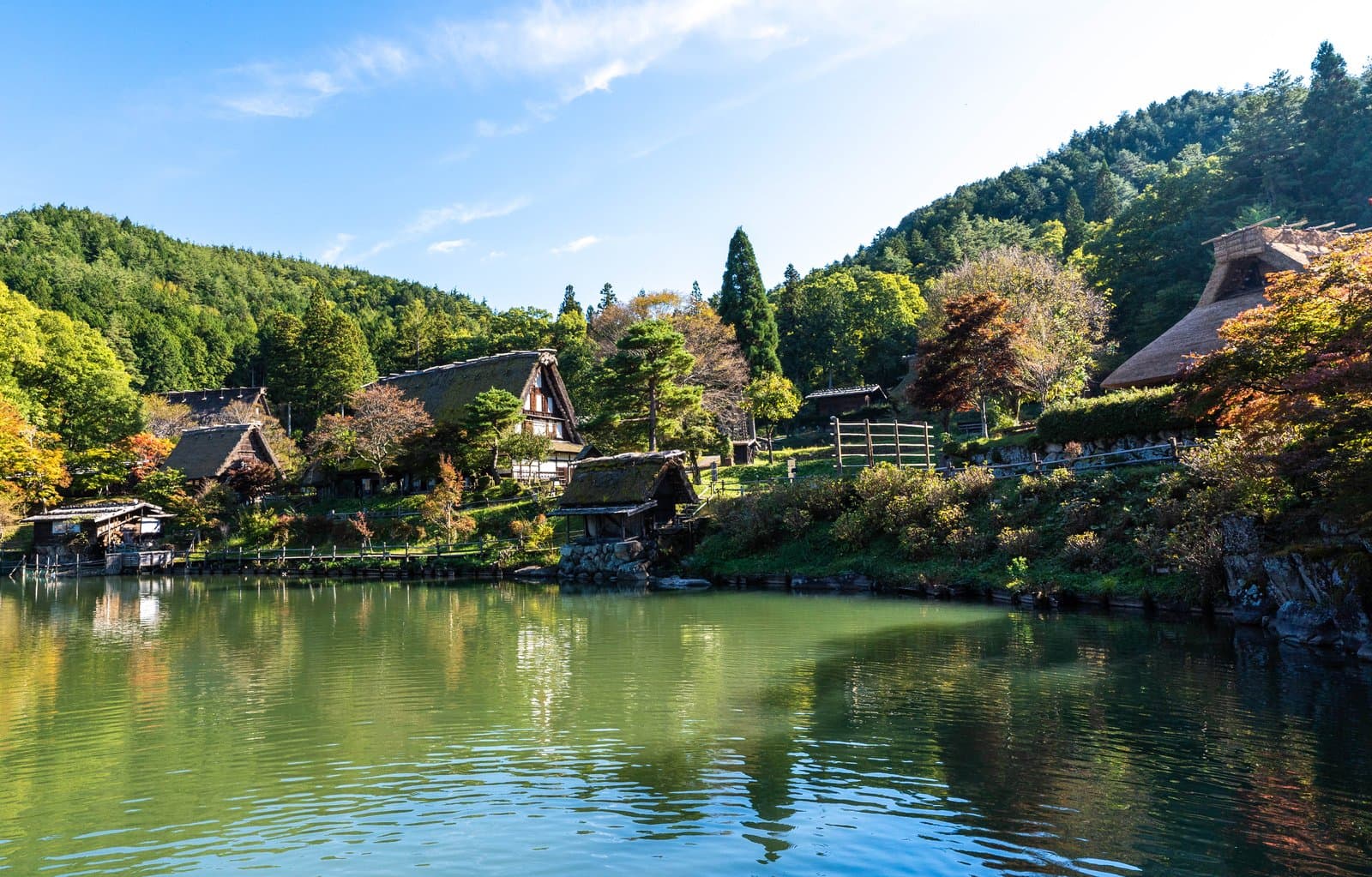 Photo: Photo ACTakayama, GifuHida Folk Village (Hida no Sato)An open-air museum of old Hida farmhouses moved and rebuilt here, with gassho-zukuri houses among the buildings, on a site of about 130,000 square metres.Official check: 26 Sept 2026
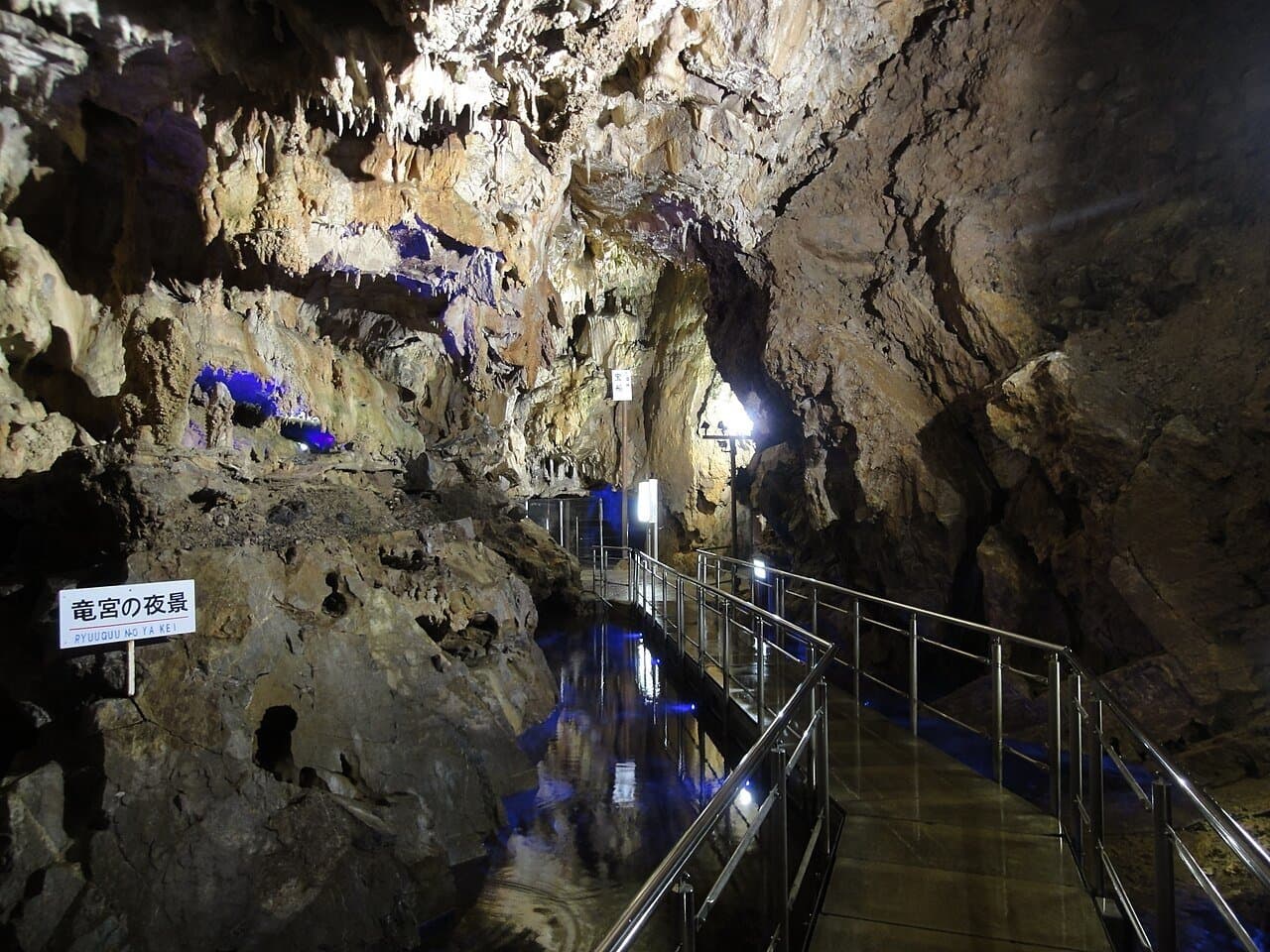 Photo: inunami / Wikimedia Commons, CC BY 2.0 (resized)Takayama, GifuHida Great Limestone CaveA limestone cave at an altitude of 900 m with an 800 m exploration course; in winter an "ice canyon" appears. Pets are allowed (no pet strollers because of the stairs).Official check: 26 Sept 2026
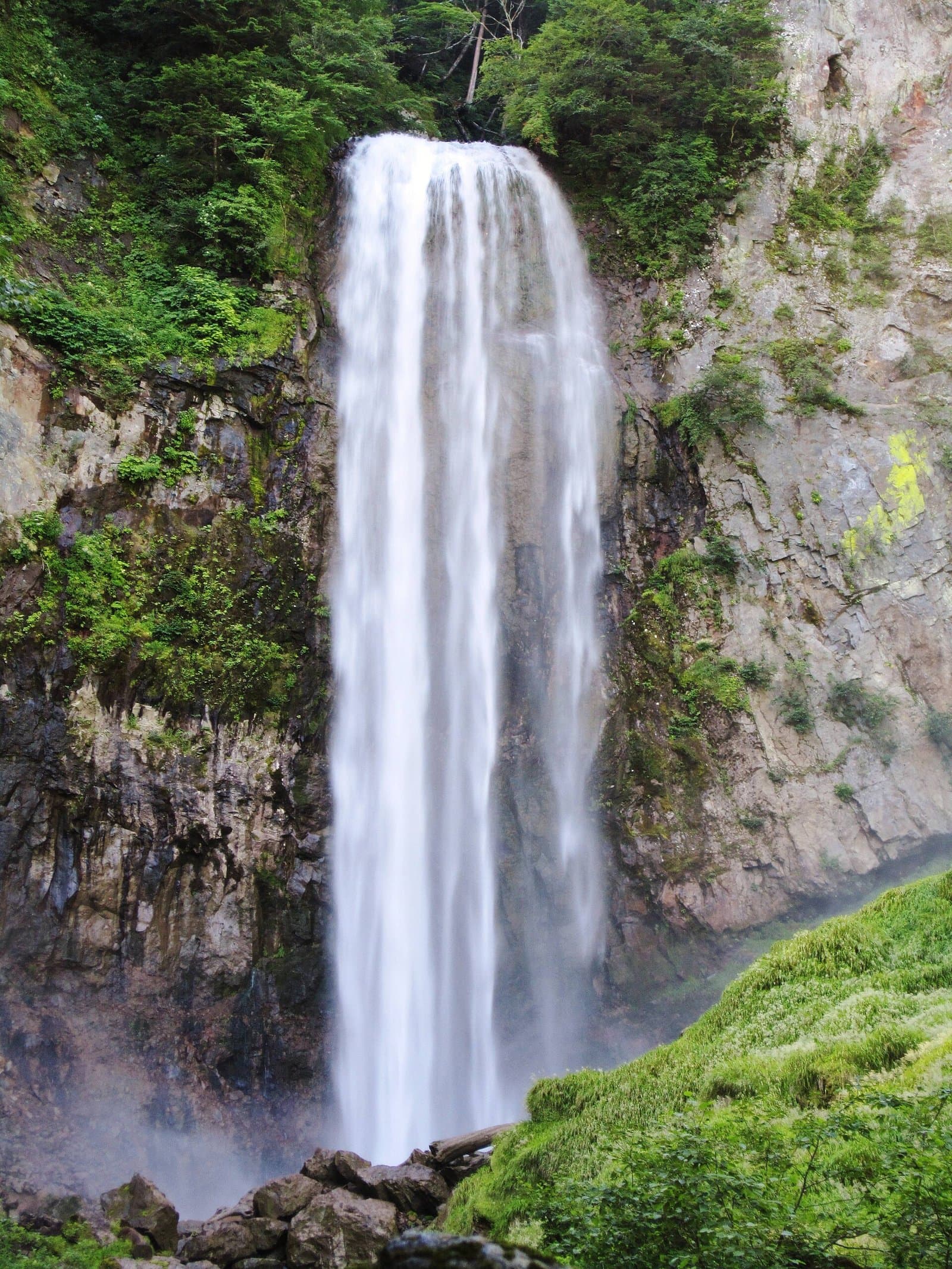 Photo: Qurren / Wikimedia Commons, CC BY-SA 3.0 (resized)Takayama, GifuHirayu Otaki FallsA waterfall 64 metres high and 6 metres wide, chosen as one of Japan's 100 best waterfalls; a walking path leads about 20 minutes from the car park to the falls. In winter it freezes into an icefall, and the "Ketsuhyo Matsuri" (ice festival) is held every winter.Official check: 26 Sept 2026
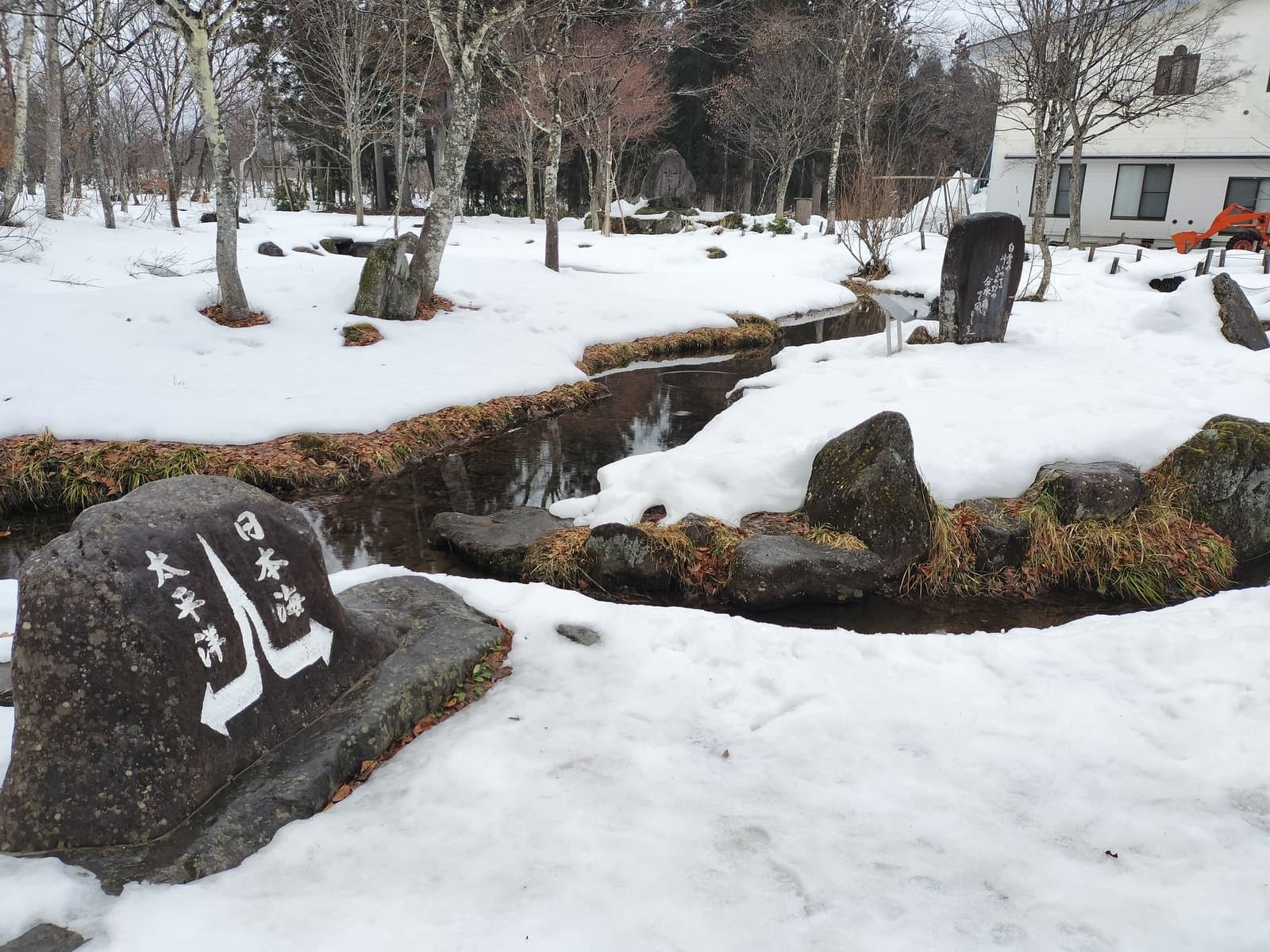 Photo: Photo ACGujo, GifuHirugano Watershed ParkA park on the Hirugano Plateau (about 875 m) where water flowing down from Mt. Dainichi divides, heading to the Pacific on one side and the Sea of Japan on the other, laid out so you can see the water split at a glance. Dogtooth violets and skunk cabbage bloom in spring, Sasayuri lilies in the rainy season, and the autumn leaves are fine.Official check: 26 Sept 2026
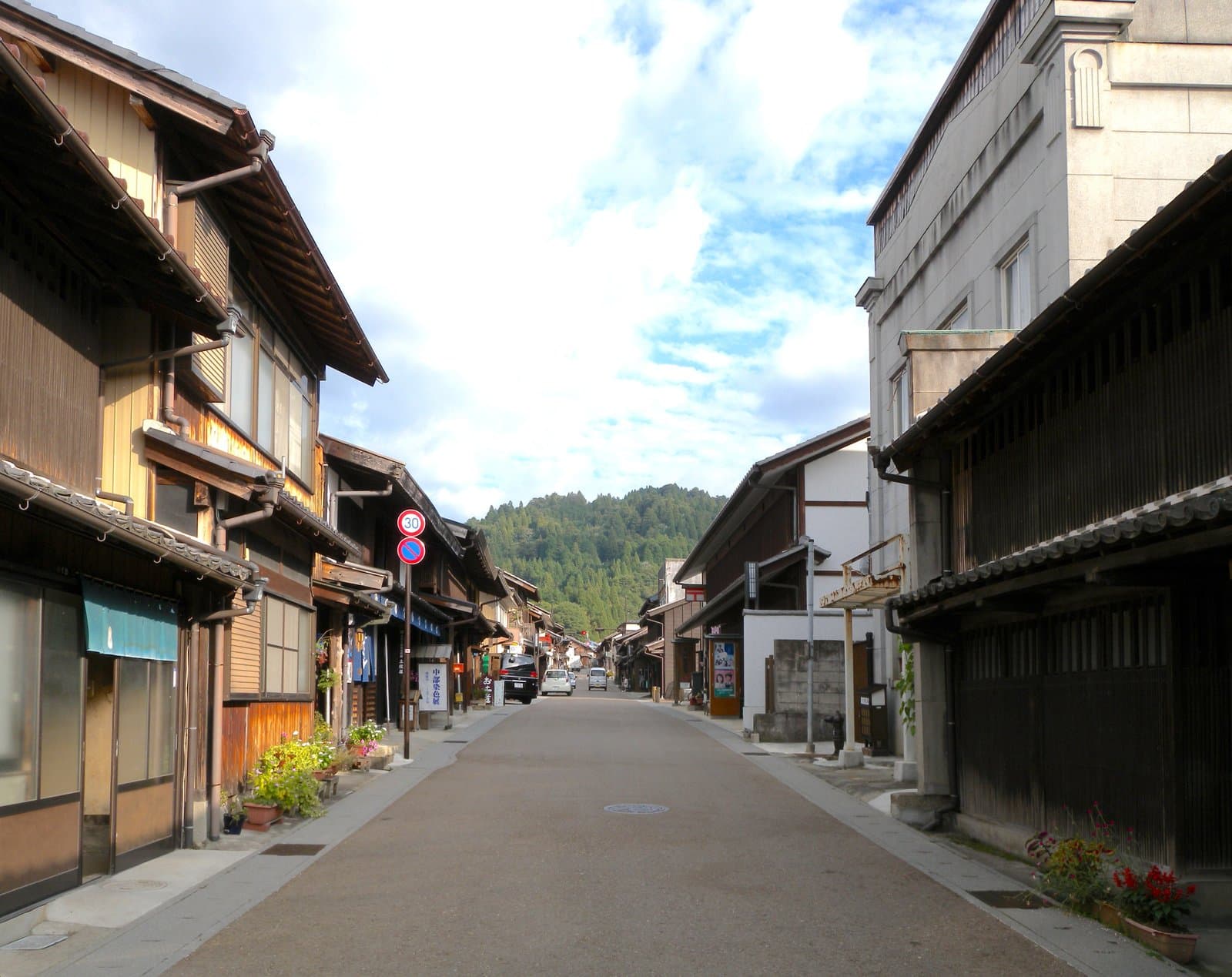 Photo: Photo ACEna, GifuIwamura Castle TownIwamura flourished as the political, economic and cultural centre of the Tono region, and historic merchant houses and townhouses still line its streets, selected as a national Important Preservation District for Groups of Traditional Buildings. Along the stone-paved street with lattice doors are shops selling the local castella, gohei-mochi and kankara-mochi, a sake brewery, and antique and handmade-goods shops.Official check: 26 Sept 2026
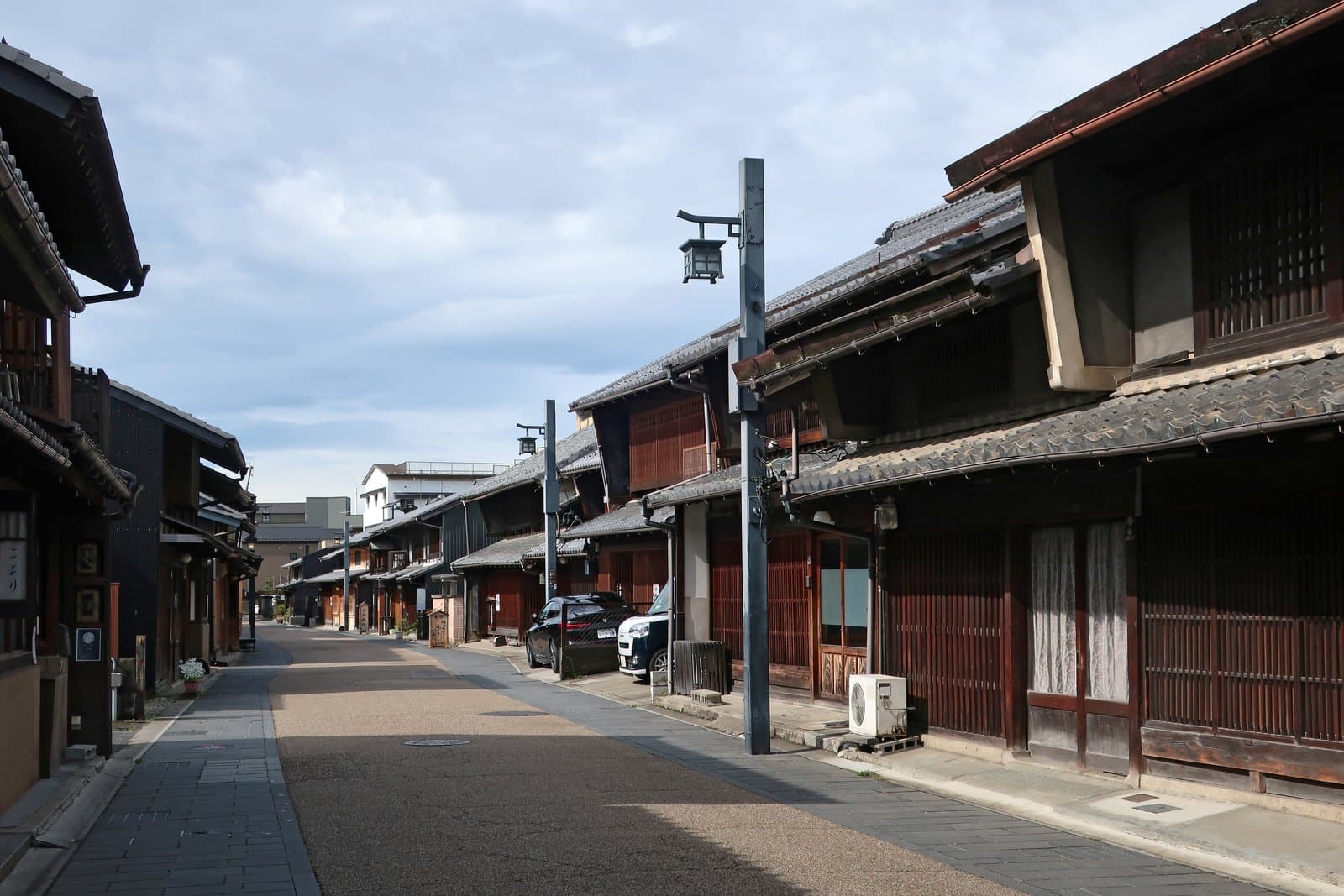 Photo: Oilstreet / Wikimedia Commons, CC BY-SA 4.0 (resized)Gifu, GifuKawaramachi District, GifuA river port where merchants came and went from the time of Oda Nobunaga, with latticed townhouses, a round red postbox and lanes between tall black storehouse walls. Many townhouses and storehouses have become shops, from Italian and Chinese restaurants to cafes and sundries, and there are Gifu souvenirs such as grilled ayu, ayu sweets and Gifu fans. It is right by the cormorant-fishing boat landing.Official check: 26 Sept 2026
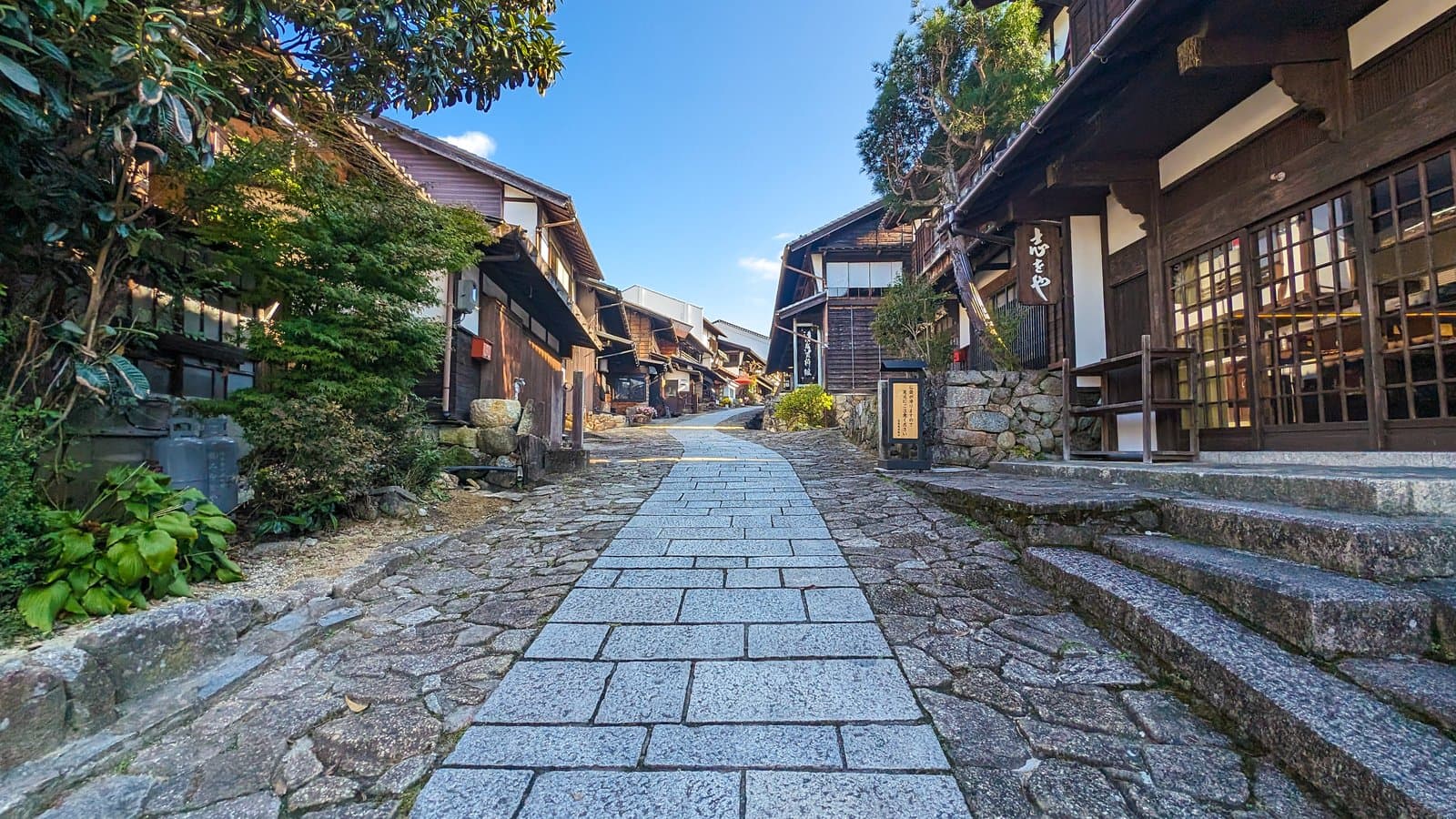 Photo: Photo ACNakatsugawa, GifuMagome-juku Post TownA post town along a stone-paved slope, with the birthplace of the novelist Shimazaki Toson (the honjin) now a museum telling the history of Magome. Photo points include a waterwheel, the stone-paved slope and a viewpoint facing Mt. Ena; the Toson residence site was added in 2020 to the Japan Heritage "Kisoji wa subete yama no naka".Official check: 26 Sept 2026
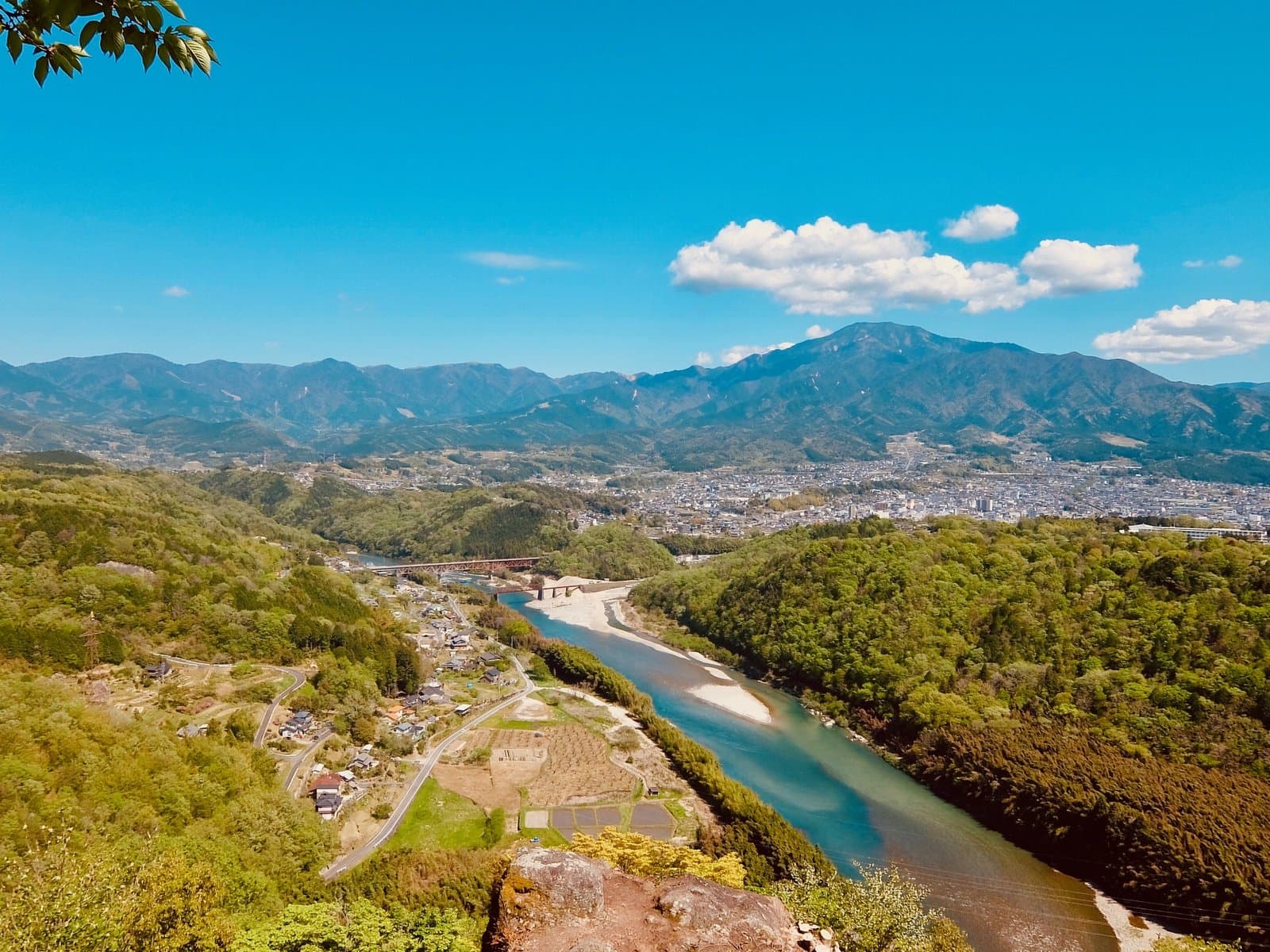 Photo: Photo ACNakatsugawa, GifuNaegi Castle RuinsA mountain castle (National Historic Site) built in Daiei 6 (1526) by the Toyama clan, whose stone walls make use of huge natural rocks, with six different masonry techniques. The observatory on the keep site gives a 360-degree view of Mt. Ena, the Kiso River and the city; it was chosen as one of the "Continued Top 100 Japanese Castles" in 2017.Official check: 26 Sept 2026
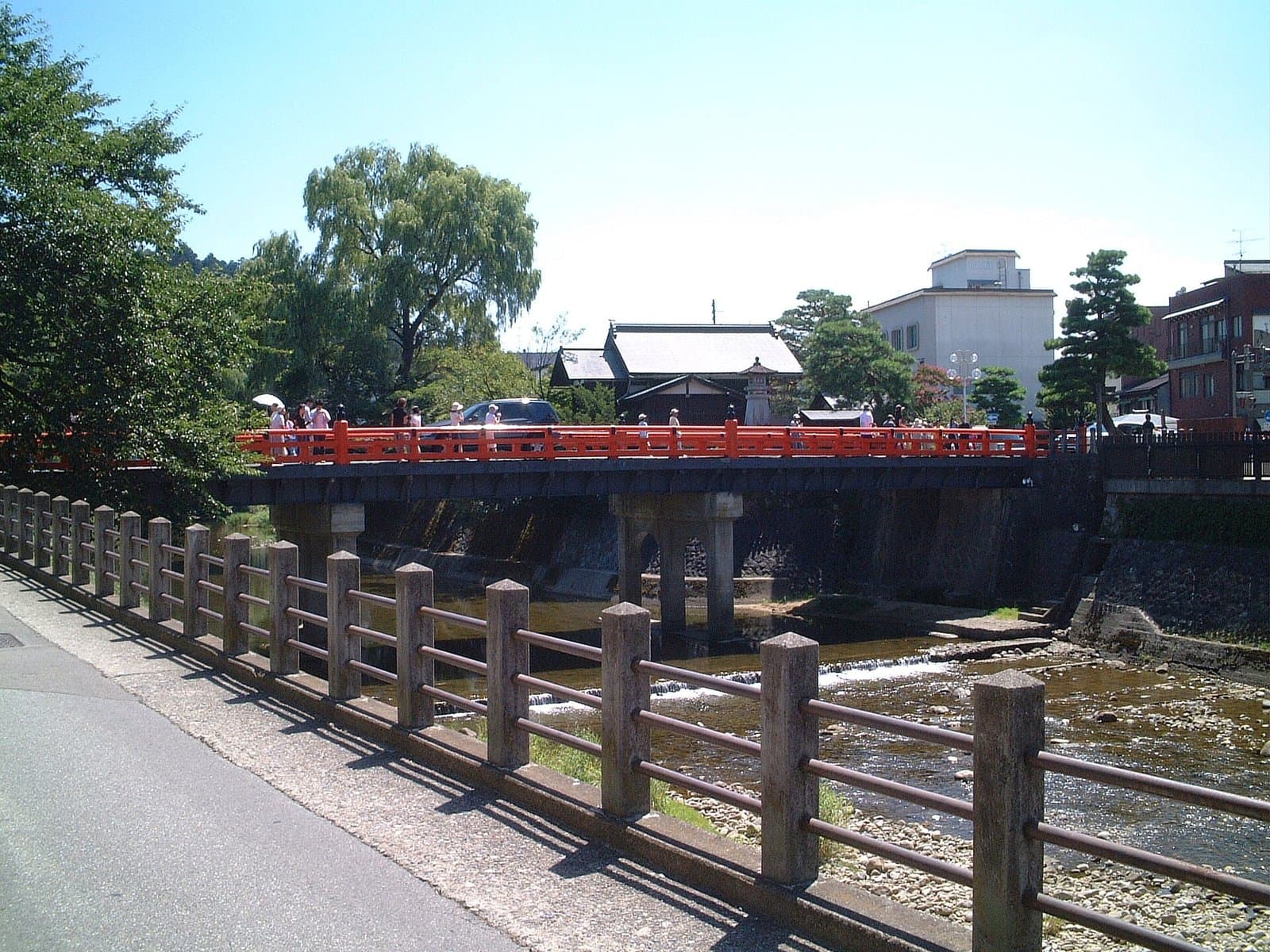 Photo: K.F. / Wikimedia Commons, CC BY 2.5 (resized)Takayama, GifuNakabashi BridgeA bridge with vermilion railings over the Miyagawa River, loved as a symbol of Takayama; it was once a key point for defending Takayama Castle and the starting point of highways, and marks 100 years since it was rebuilt in Taisho 14. It is framed by cherry blossoms in spring and snow in winter, and lit up at night.Official check: 26 Sept 2026
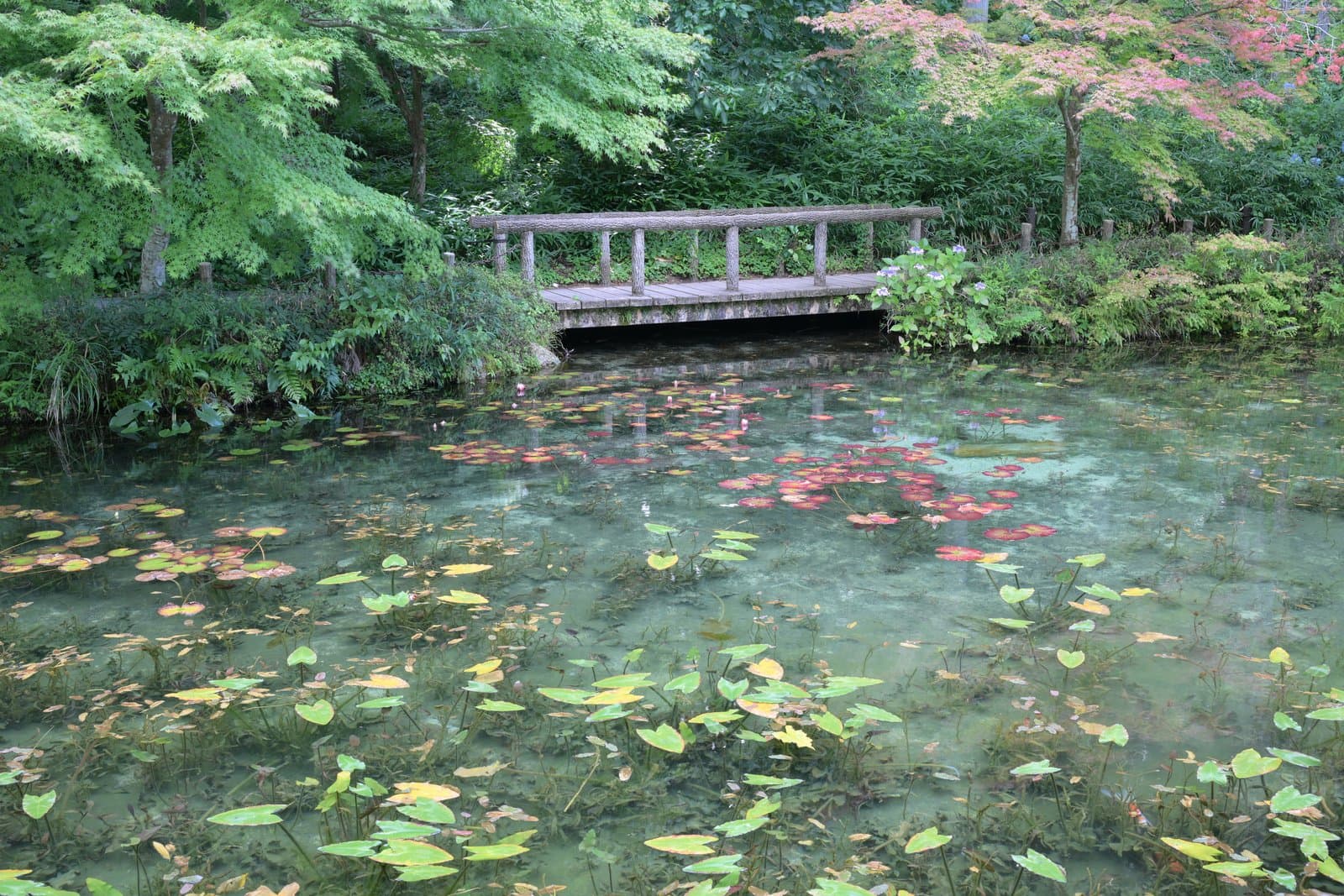 Photo: Photo ACSeki, GifuNameless Pond ("Monet's Pond")A pond in the grounds of Nemichi Shrine in Itadori, Seki, where water lilies bloom in very clear spring water and colourful carp swim; its colours change with the angle and season, like Claude Monet's "Water Lilies". Originally an irrigation pond, not built for tourists, it became a talking point on social media. Spring water keeps it from freezing even in winter.Official check: 26 Sept 2026
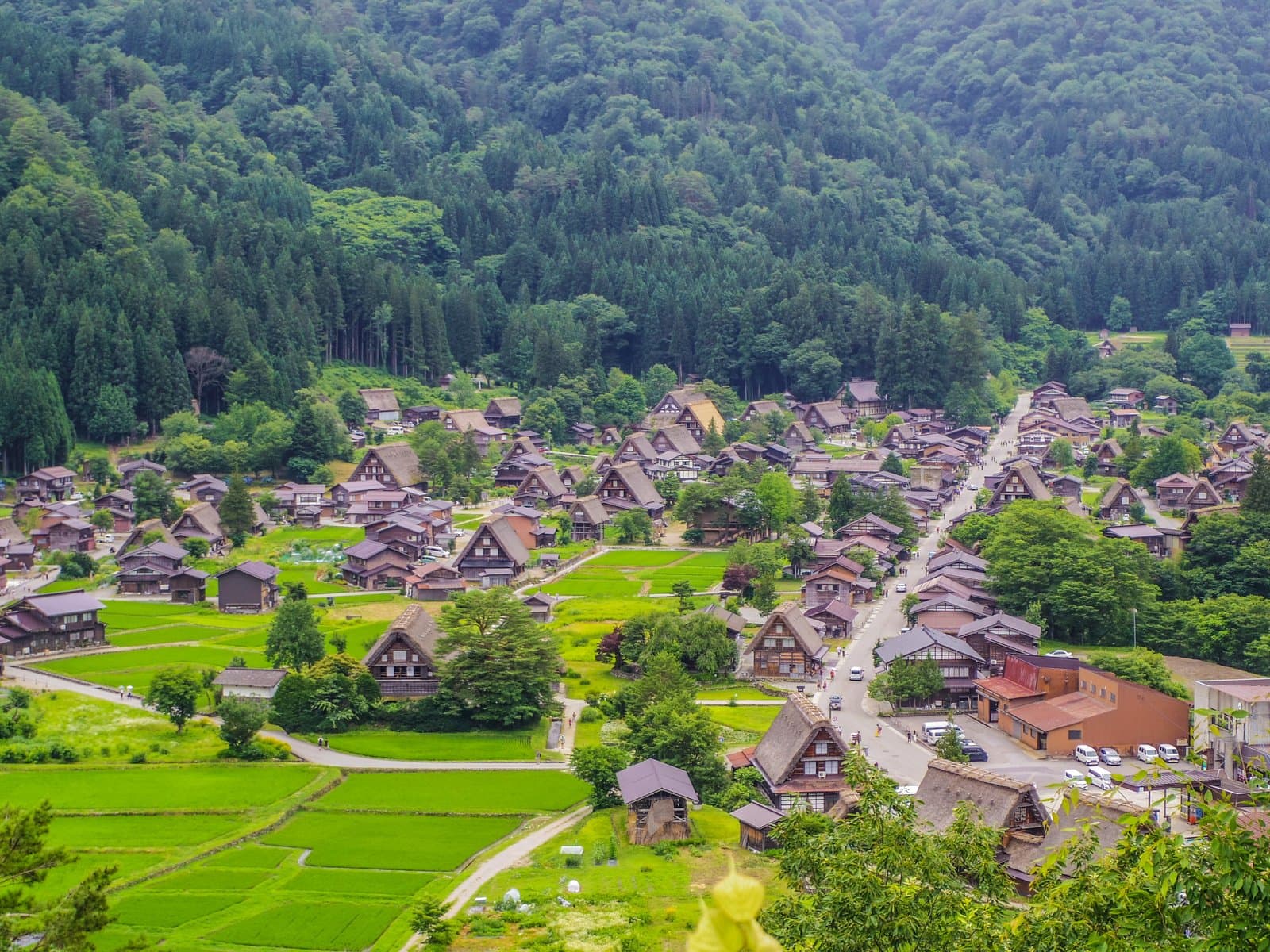 Photo: Photo ACShirakawa, GifuOgimachi Castle Ruins Observation DeckThe site of a medieval mountain castle on a sheer cliff, and the best photo spot for the Shirakawa-go gassho-zukuri village spread out below; you can see that the houses all face the same direction to avoid snow and wind.Official check: 26 Sept 2026
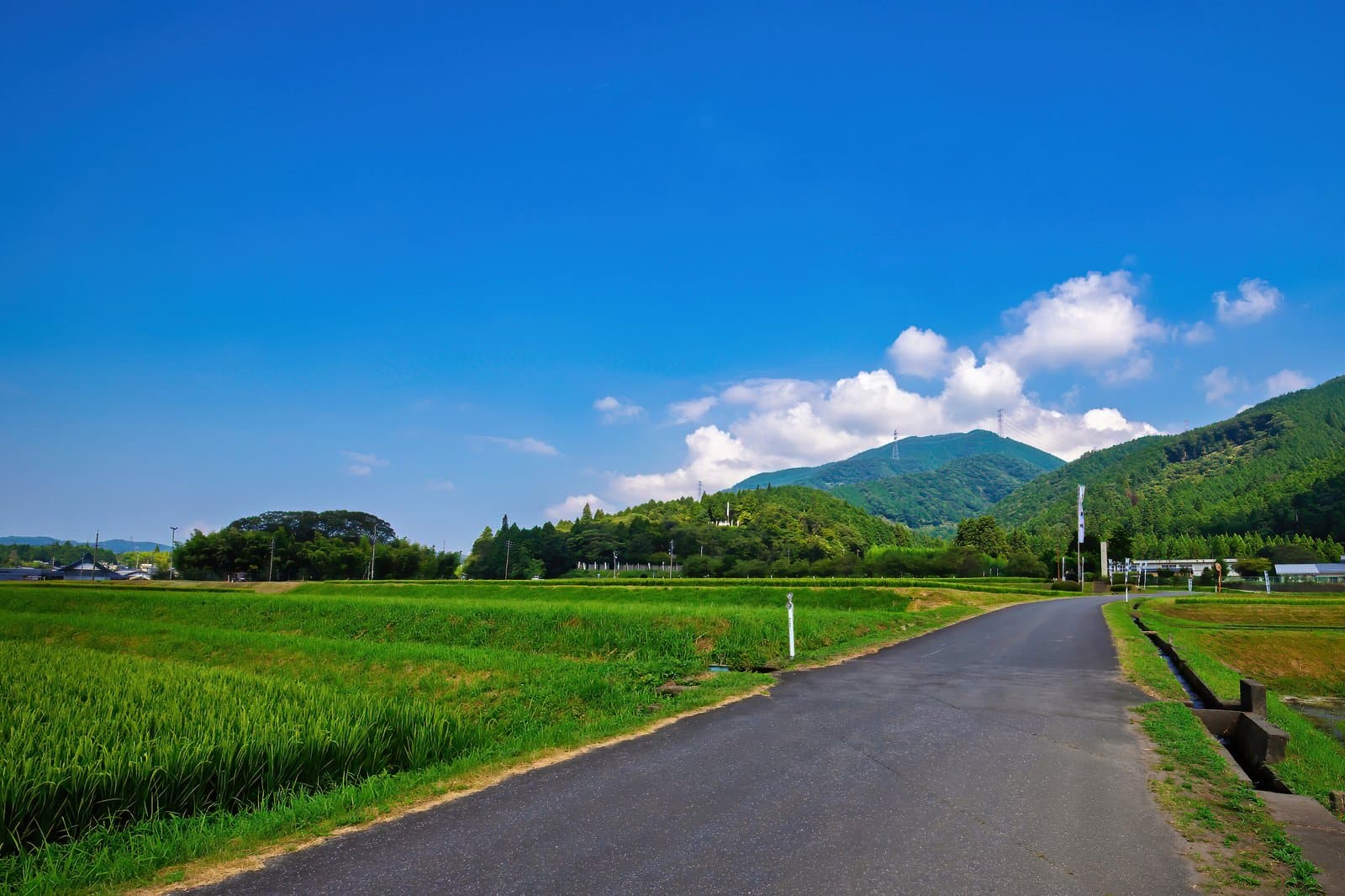 Photo: Photo ACSekigahara, GifuSekigahara BattlefieldThe "decisive battle site", in the middle of today's farmland, is where some of the fiercest fighting of the Battle of Sekigahara took place; it has a stone monument and flags with the Tokugawa and Ishida family crests. To the northwest is Sasaoyama, where Ishida Mitsunari, commander of the Western army, set up his camp; horse-blocking fences have been rebuilt at its foot and a stone marks his camp at the top. Other sites include Tokugawa Ieyasu's last camp, the Maruyama beacon site and the place where the battle began, and rental bicycles are handy for touring them.Official check: 28 Sept 2026
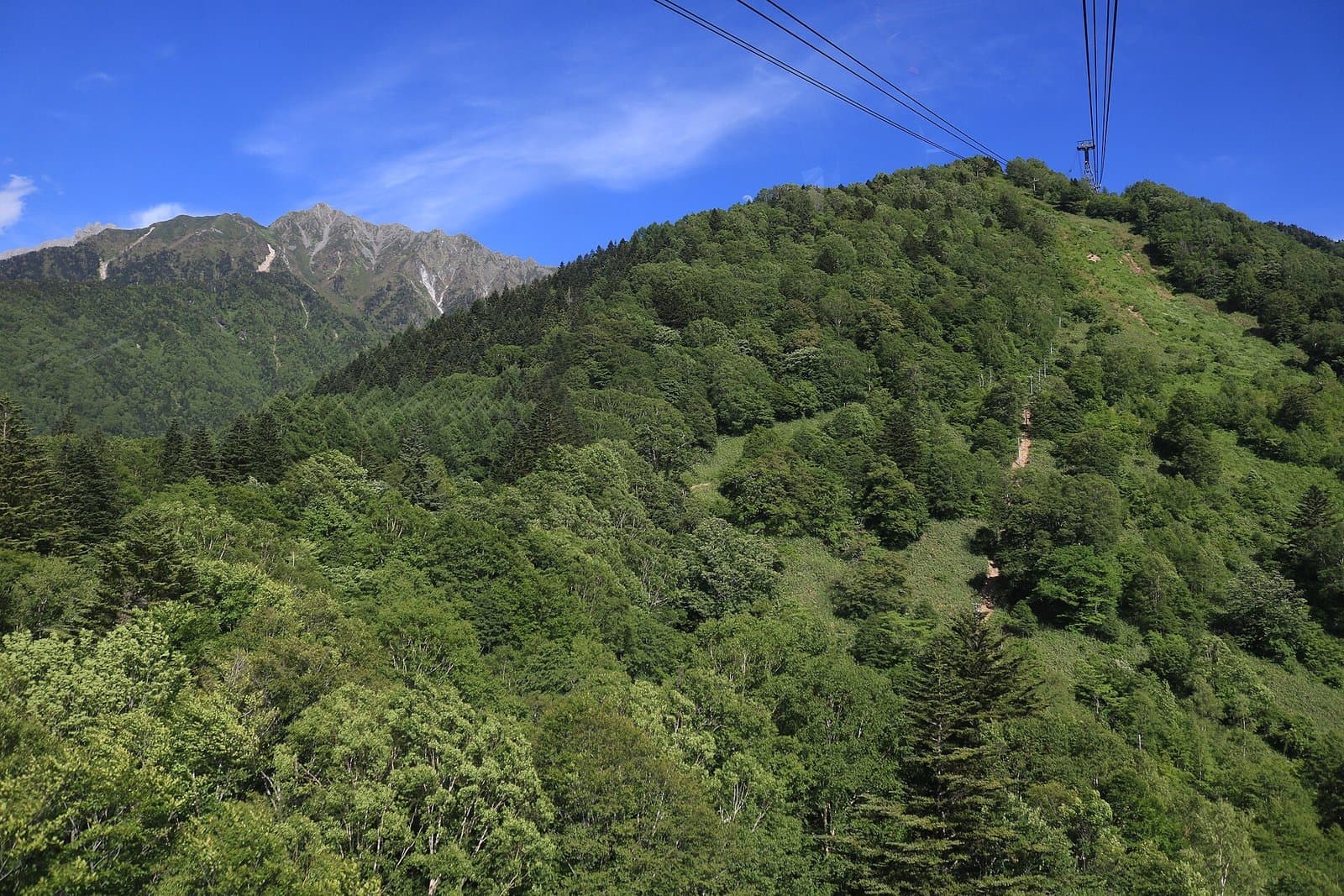 Photo: Alpsdake / Wikimedia Commons, CC BY-SA 4.0 (resized)Takayama, GifuShinhotaka RopewayA ropeway in the Okuhida Onsen area that takes you up to 2,156 m in Japan's only double-decker gondola, with a 360-degree panorama of Mt. Nishihotaka, Mt. Yari, Mt. Kasa and other peaks of the Northern Alps. Autumn leaves usually last from early to late October, and a huge snow corridor forms in winter.Official check: 26 Sept 2026
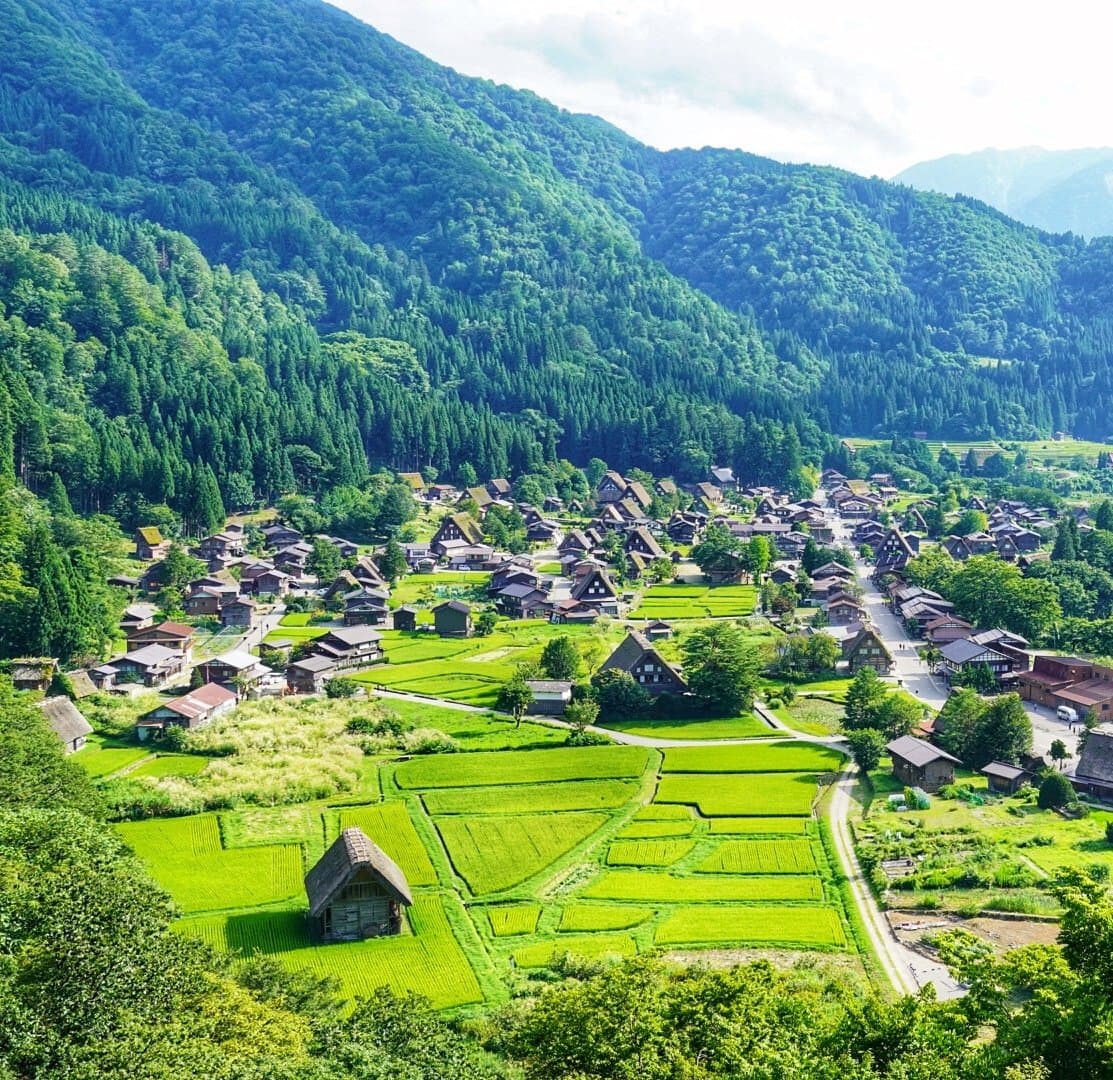 Photo: Photo ACShirakawa, GifuShirakawa-go Gassho-zukuri Village (Ogimachi)A village of gassho-zukuri farmhouses in one of Japan's heaviest snowfall areas, where people still live. It was selected as an Important Preservation District for Groups of Traditional Buildings in 1976 and, together with Gokayama (Toyama), registered as a UNESCO World Heritage Site (cultural) in 1995 as "Historic Villages of Shirakawa-go and Gokayama". Ogimachi has set three principles: "do not sell, do not rent, do not destroy".Official check: 26 Sept 2026
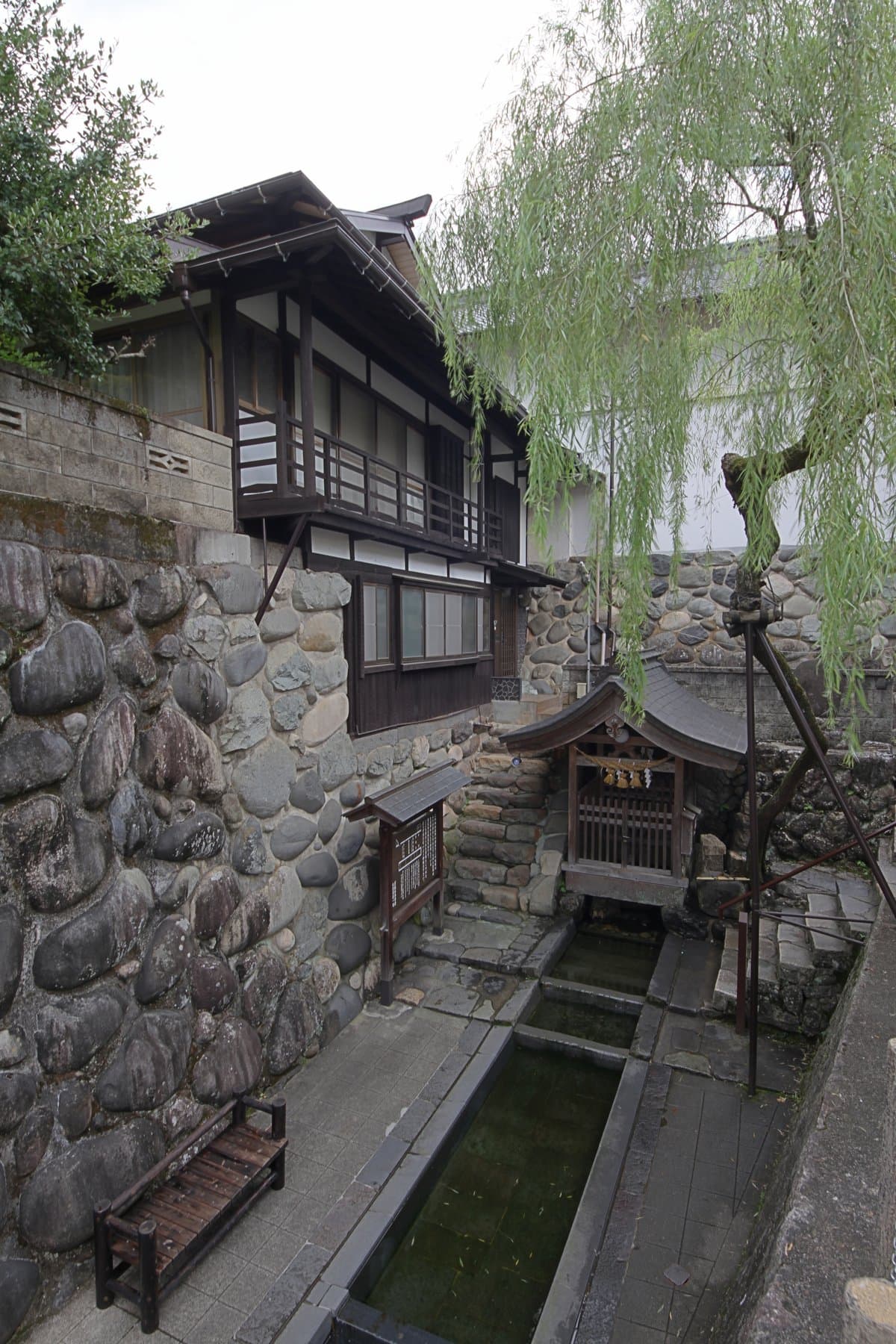 Photo: Fumihiko Ueno / Wikimedia Commons, CC BY 3.0 (resized)Gujo, GifuSogisui SpringA spring that is the symbol of Gujo Hachiman, "the town of water", handing down a story of the Muromachi period: in Bunmei 3 (1471), when the renga poet Sogi returned to Kyoto after receiving the secret teachings of the Kokinshu from Tō Tsuneyori, lord of Gujo, master and pupil exchanged poems beside this spring, so it is also called "Hakuunsui".Official check: 26 Sept 2026
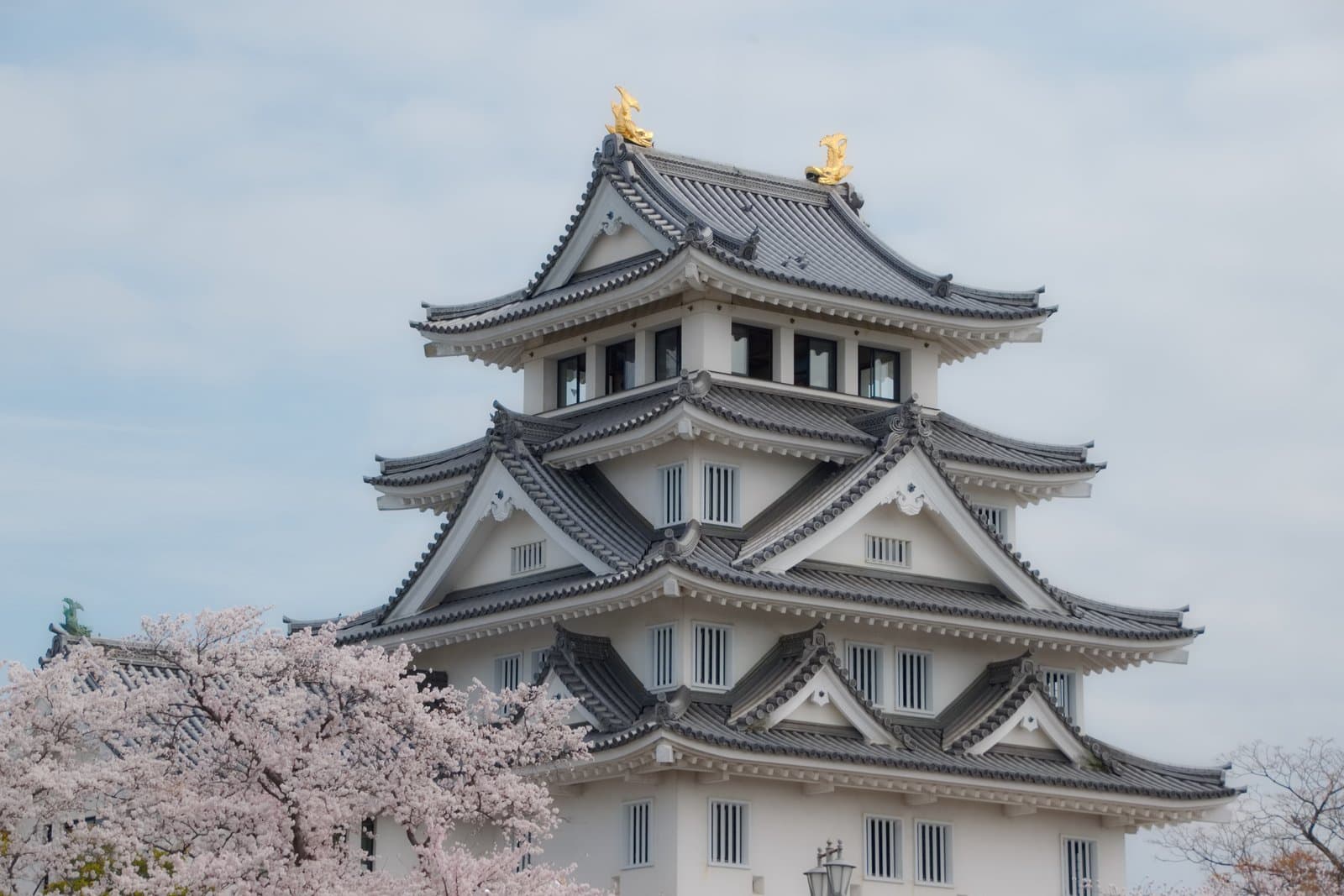 Photo: Photo ACOgaki, GifuSunomata Ichiya CastleSunomata Ichiya Castle is said to have been built in a single night in 1566 by Kinoshita Tokichiro, later Toyotomi Hideyoshi. Known for its avenue of cherry trees, it can be enjoyed through the seasons. The history museum shows the building of Sunomata Castle and the path Hideyoshi followed, based on historical materials. Sunomata-juku grew as a post town on the Minoji, an important side road linking the Tokaido and the Nakasendo.Official check: 28 Sept 2026
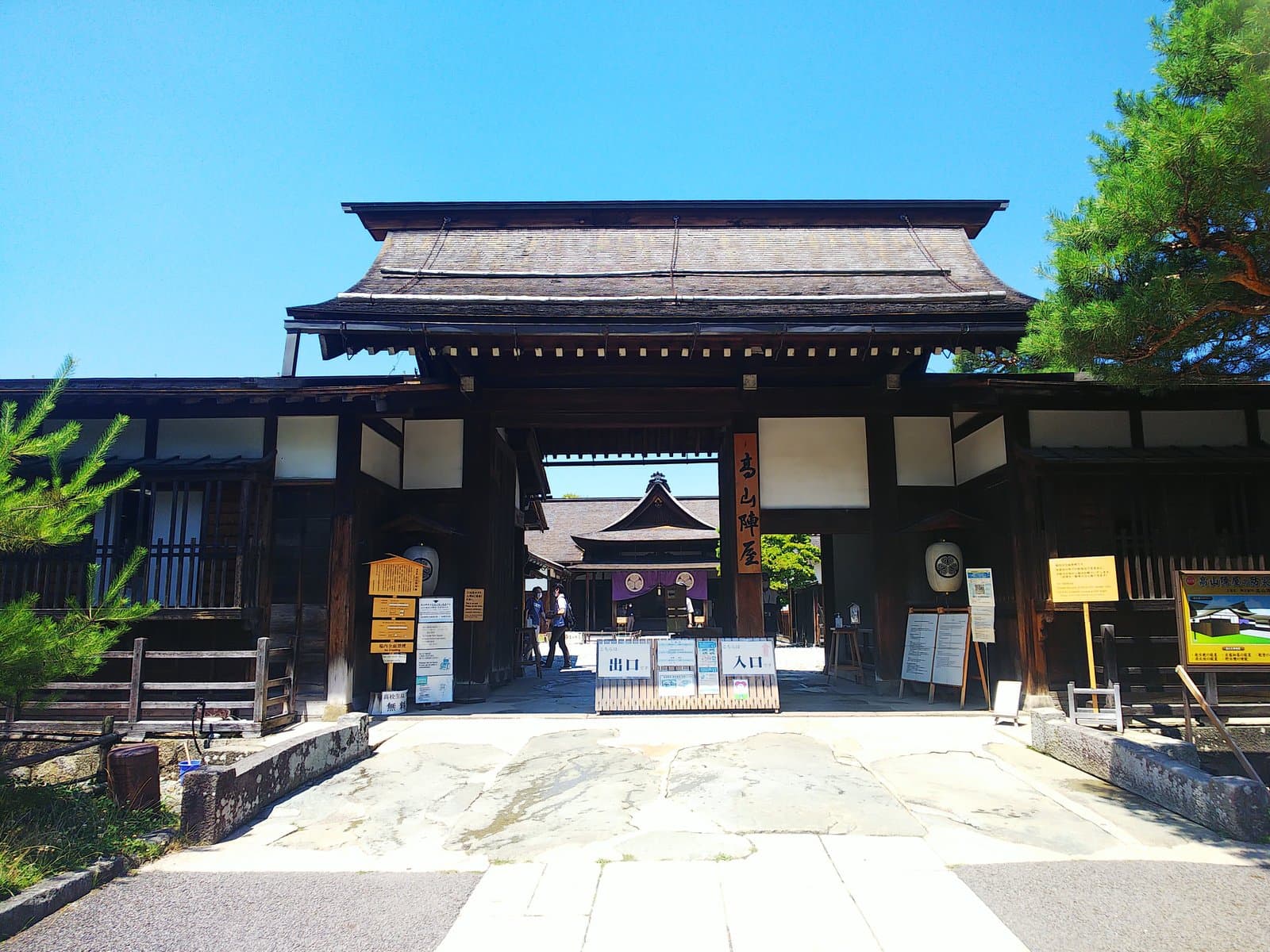 Photo: Photo ACTakayama, GifuTakayama JinyaThe shogunate's government office that ruled Hida Province in the Edo period, and the only surviving gundai/daikan office; it was raised to a gundai office in An'ei 6 (1777).Official check: 26 Sept 2026
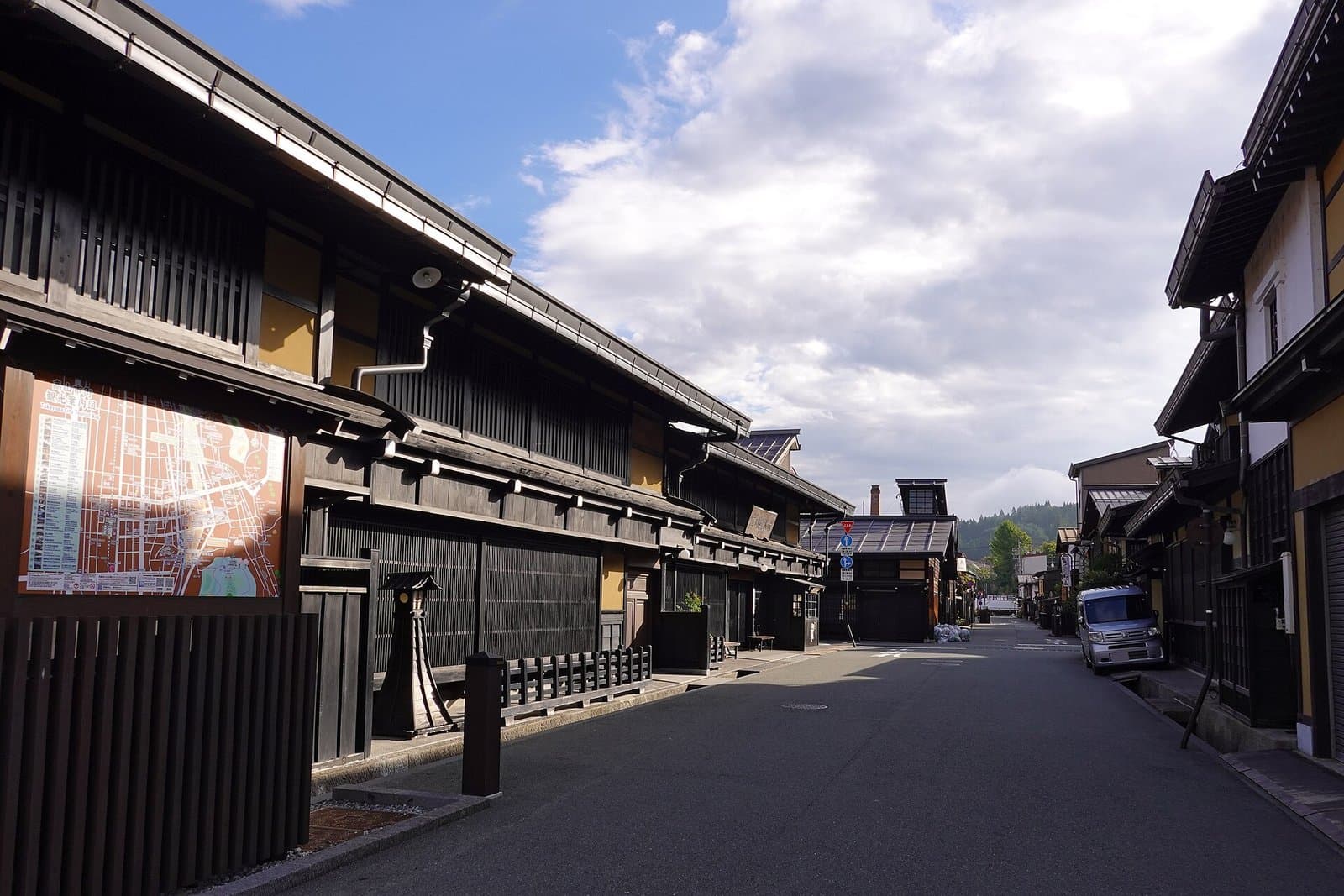 Photo: 663highland / Wikimedia Commons, CC BY-SA 4.0 (resized)Takayama, GifuTakayama Old TownA historic district that grew as a castle town and merchant town in the Edo period; the three streets of Kamimachi and Shimomachi are selected as a national Important Preservation District for Groups of Traditional Buildings. Rows of latticed windows, clear water channels under the eaves and sake breweries hung with "sakabayashi" balls of cedar leaves line the streets.Official check: 26 Sept 2026
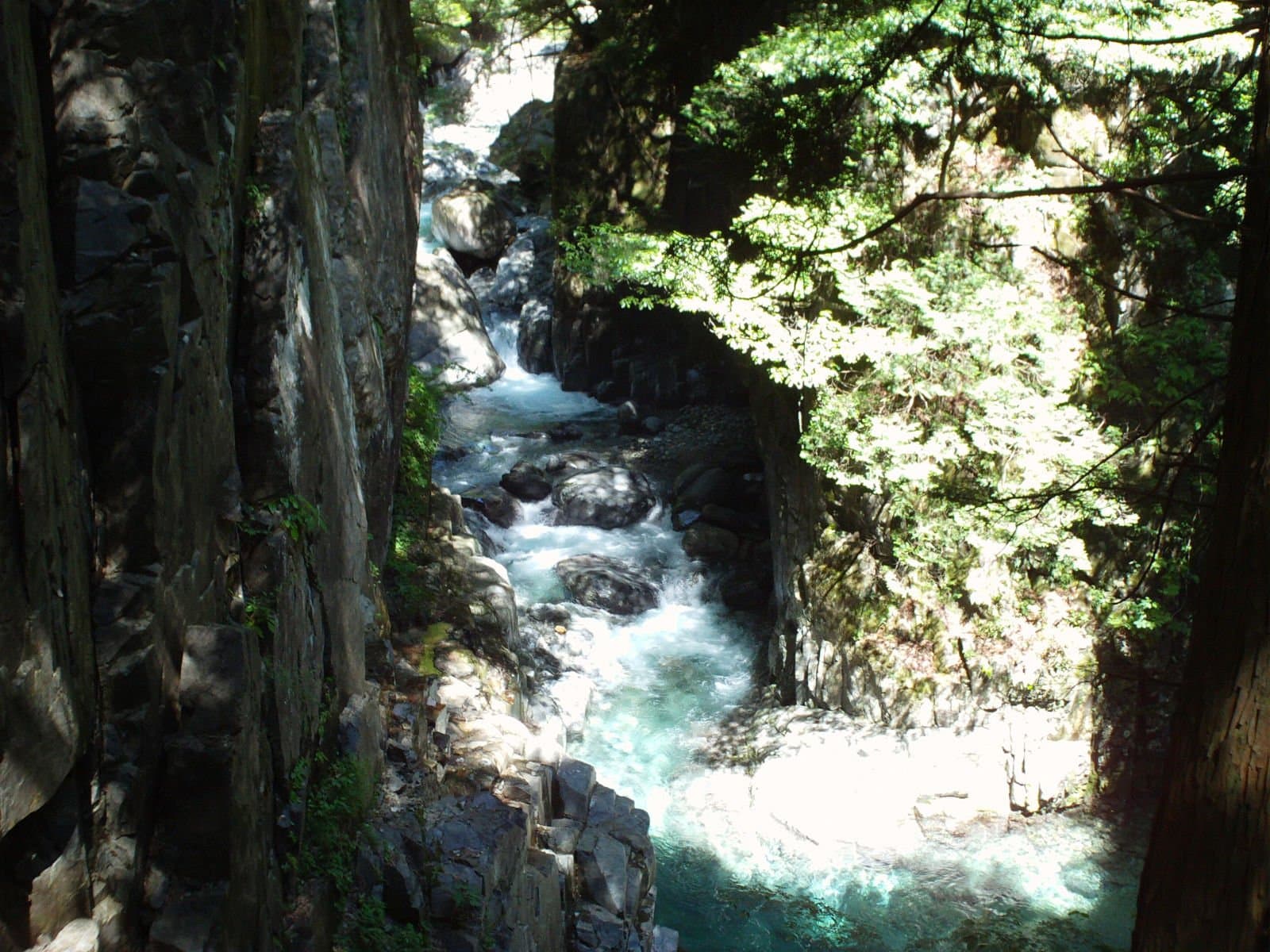 Photo: Yones / Wikimedia Commons, CC BY-SA 3.0 (resized)Nakatsugawa, GifuTsukechi GorgeA gorge chosen among Japan's 100 best forests for forest bathing, Gifu's 50 best waters and the 33 best autumn-leaf spots of Hida and Mino. Along a walking path of about 860 m you see the Kannon Falls flowing over rock and the powerful Fudo Falls beside the crystal-clear "Aokawa" river.Official check: 26 Sept 2026
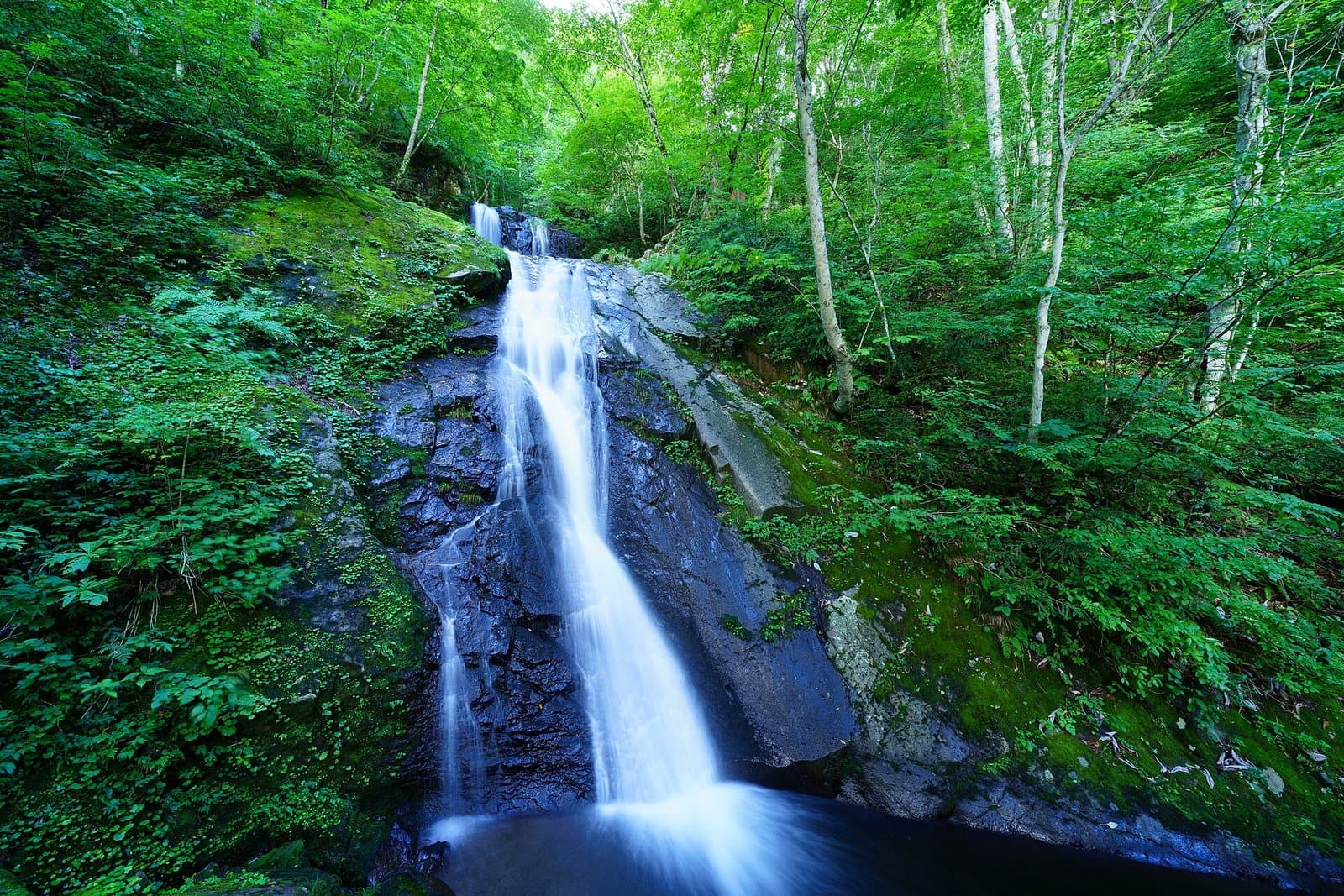 Photo: SHori / Wikimedia Commons, CC BY 4.0 (resized)Takayama, GifuUtsue Shijuhachi-taki Falls Prefectural Natural ParkA park 20 minutes by car from Takayama IC, designated a Gifu Prefecture Natural Monument in Showa 11, where the Shijuhachi-taki River forms a series of 13 waterfalls in a steep valley; the maintained walking path is easy for children and older people alike.Official check: 26 Sept 2026
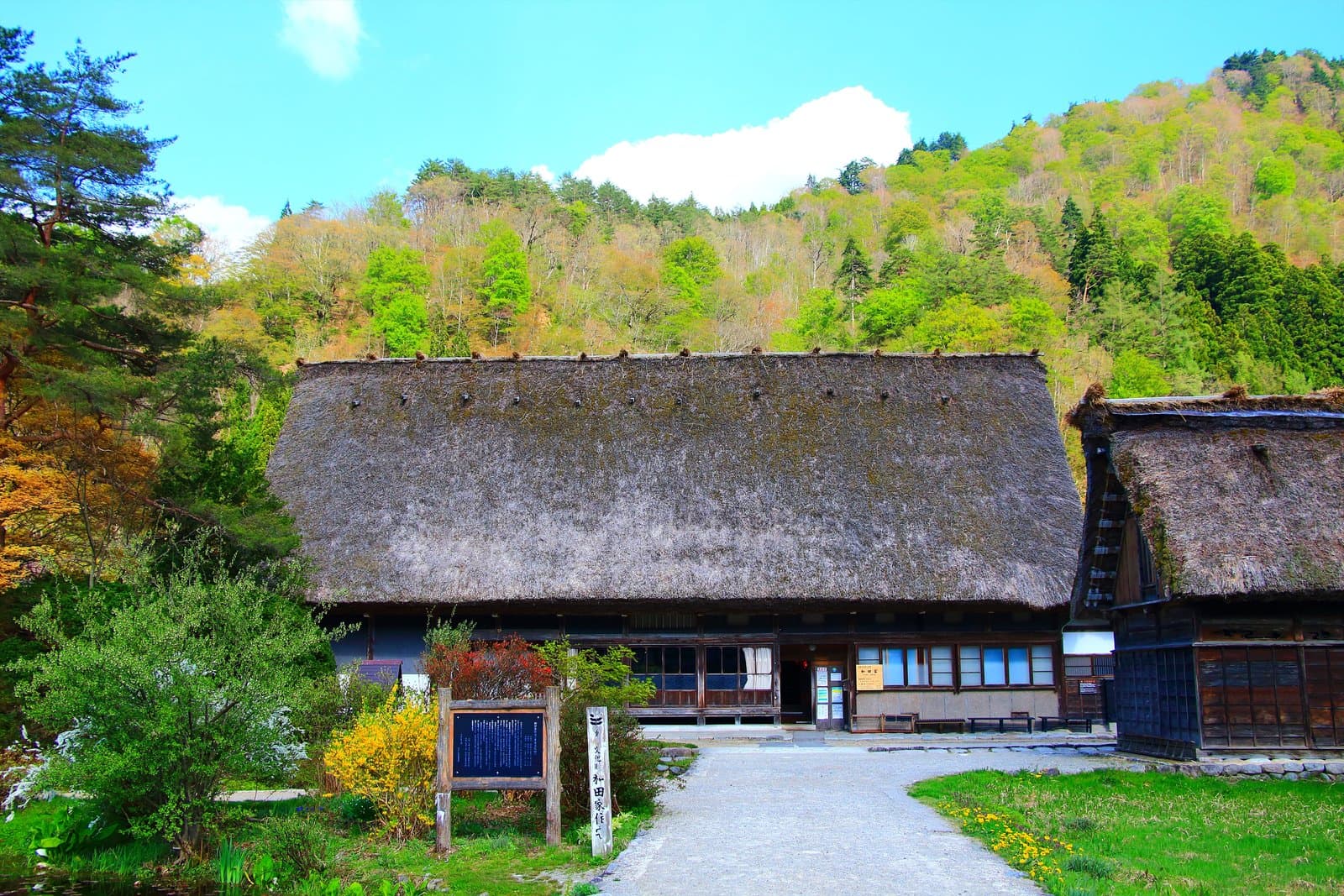 Photo: Photo ACShirakawa, GifuWada HouseThe largest gassho-zukuri house in Ogimachi and a nationally designated Important Cultural Property. The family served as village headmen and checkpoint officials in the Edo period and prospered through the trade in saltpetre. It is still lived in, with the first and second floors open to visitors, showing an irori hearth room, a Buddhist altar room, old tools and red lacquer tableware used at weddings.Official check: 26 Sept 2026
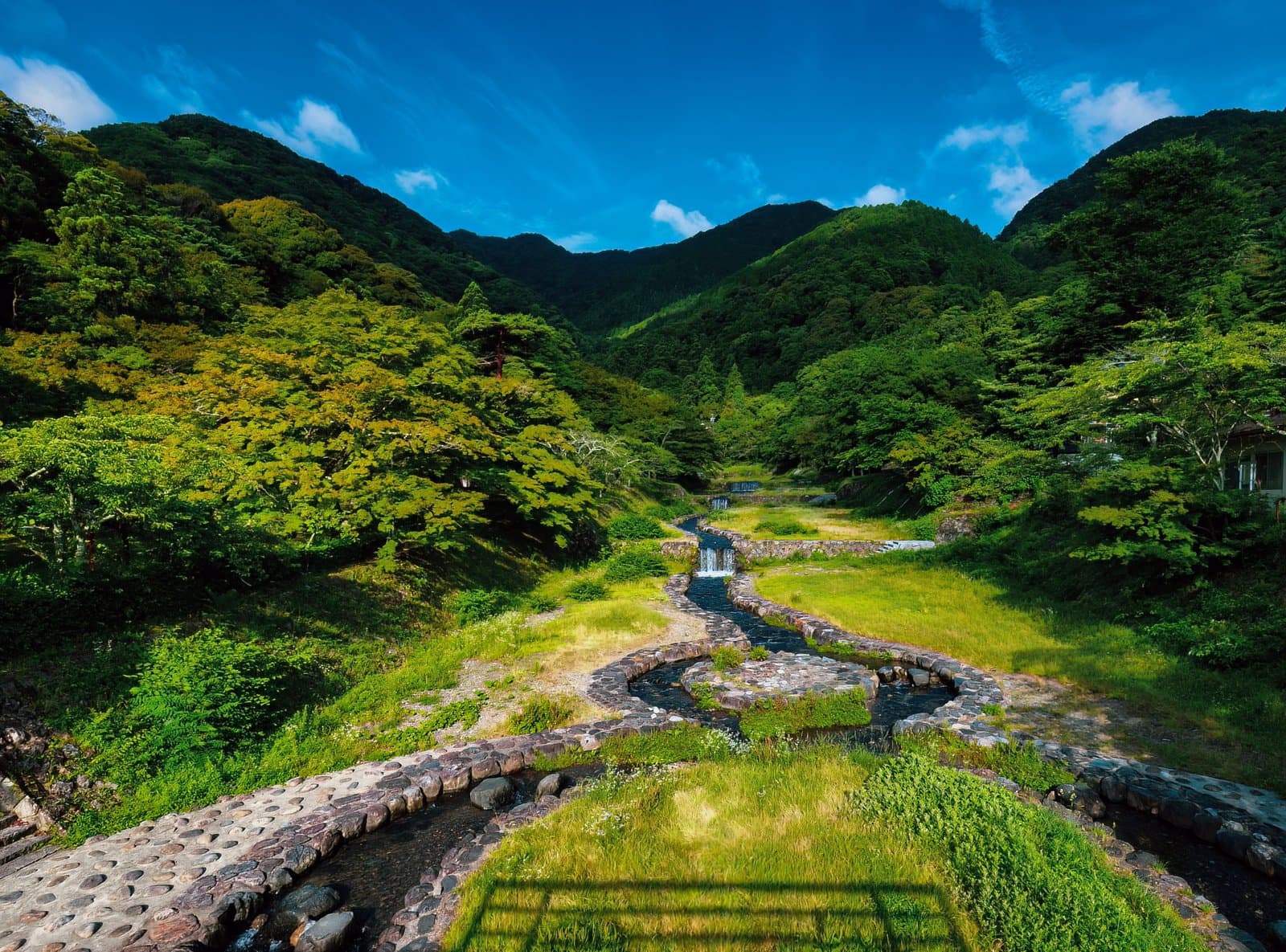 Photo: Photo ACYoro, GifuYoro Park and Yoro FallsYoro Falls, one of Japan's 100 best waterfalls, has long been told of as the "filial piety falls", with the story of a parent and child for whom its clear water turned into sake. Its grand scenery has attracted many writers and artists.Official check: 28 Sept 2026
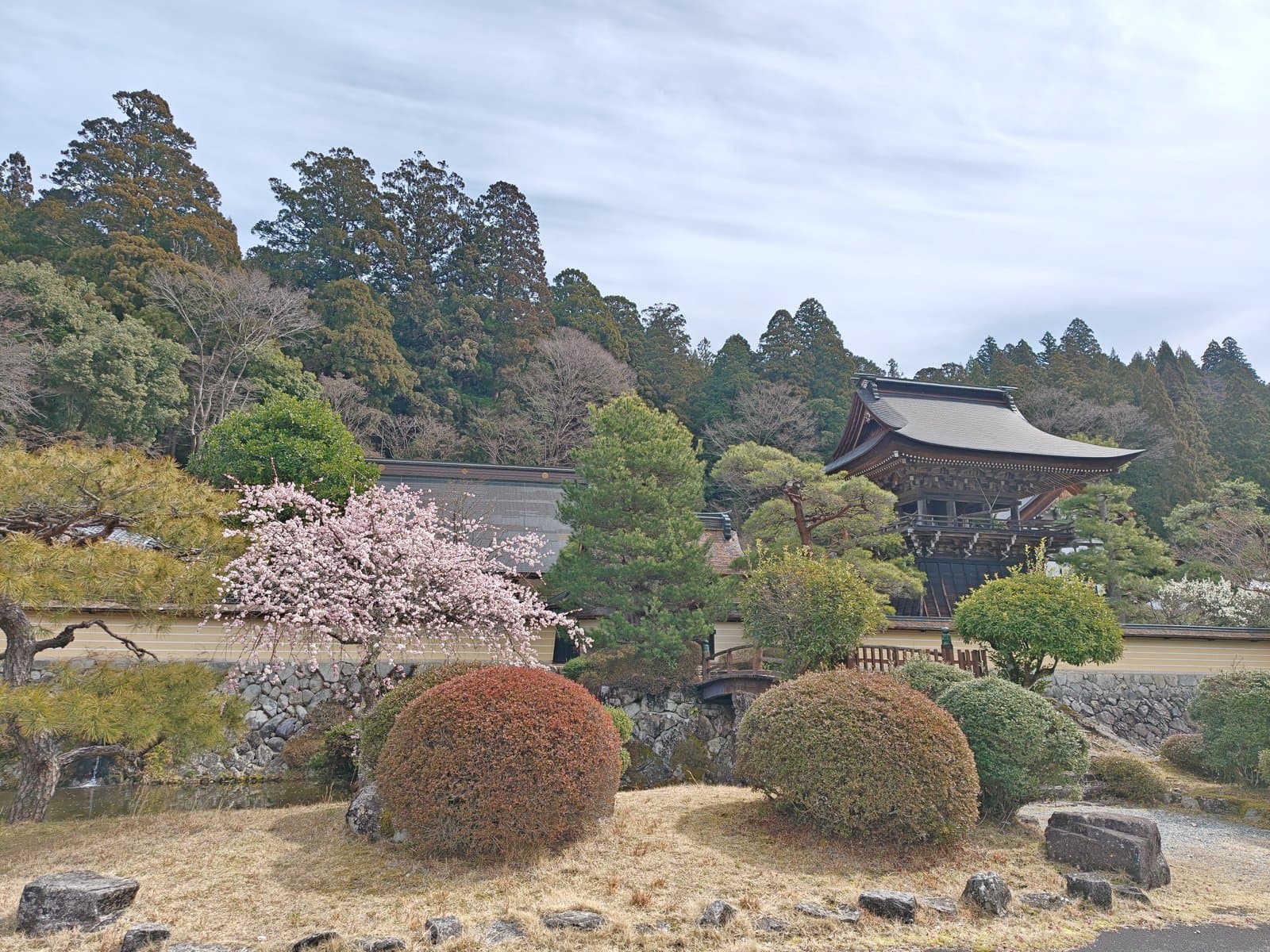 Photo: Photo ACGero, GifuZensho-ji TempleA Rinzai temple of the Myoshin-ji school said to have been founded in the Heian period, counted among the "Ten Great Temples", with buildings in the Chinese Song style. The grounds include the "Banzaido" garden by Kanamori Sowa (a prefectural Place of Scenic Beauty), a tea room, a large Daruma painting by Sesshu, and a great cedar about 1,200 years old that is a national natural monument.Official check: 26 Sept 2026
- No photo yetShirakawa, GifuGassho-zukuri Minka-en Open-air MuseumAn open-air museum preserving and showing 22 buildings, including 9 designated Gifu Prefecture Important Cultural Properties; besides farmhouses there are a shrine, a temple main hall and a watermill, and you can see the houses right up into the roof space. From April to October there are paid workshops such as soba making and straw crafts (booking required).Official check: 26 Sept 2026
- No photo yetTakayama, GifuHie ShrineA shrine enshrining Oyamakui-no-kami and ten other deities, once protected as the guardian shrine of Takayama Castle; it is the site of the rites of the spring Takayama Festival (Sanno Festival), and the great cedar over 1,000 years old in front of the worship hall is a prefectural natural monument.Official check: 26 Sept 2026
- No photo yetTakayama, GifuMiyagawa Morning MarketA morning market held every day on the east bank of the Miyagawa River, from Kajibashi Bridge to Yayoibashi Bridge; stalls stretching about 700 metres sell local vegetables and fruit, mountain vegetables, pickles, folk crafts and seasonal flowers.Official check: 26 Sept 2026
- No photo yetShirakawa, GifuMyozenji Temple Folk MuseumA Shinshu Otani-ha temple in the village whose main hall, priests' quarters and bell tower are all in gassho-zukuri style, which is unlike anywhere else; the main hall has sliding-door paintings by Hamada Taisuke, and the irori hearth is lit every day.Official check: 26 Sept 2026
- No photo yetNakatsugawa, GifuNakatsugawa-juku (Nakasendo Post Town)The 45th post town from Edo on the Nakasendo, keeping the atmosphere of the Edo period. Behind the Nakasendo History Museum is the waki-honjin (sub-inn for dignitaries), open to visitors; the udatsu firewalls of this once-thriving merchant town seem to compete with each other. On the first Sunday of every month except January, the "Rokusai-ichi" market is held.Official check: 26 Sept 2026
- No photo yetMotosu, GifuNeodani Usuzumi-zakura Cherry TreeA lone cherry tree more than 1,500 years old, said to have been planted by Emperor Keitai. Its pale pink buds turn white in full bloom and a pale ink colour as the petals fall, which is said to be the origin of the name "usuzumi" (pale ink). At 17.3 m tall with a trunk 9.4 m round, it is counted with the Yamataka Jindai-zakura in Yamanashi and the Miharu Takizakura in Fukushima as one of the three great cherry trees of Japan, and is a national natural monument.Official check: 28 Sept 2026