
Spots in Fukushima
Each spot shows when its facts were last checked against official sources.
Most viewed on Verified in Japan (past 30 days)
- 1
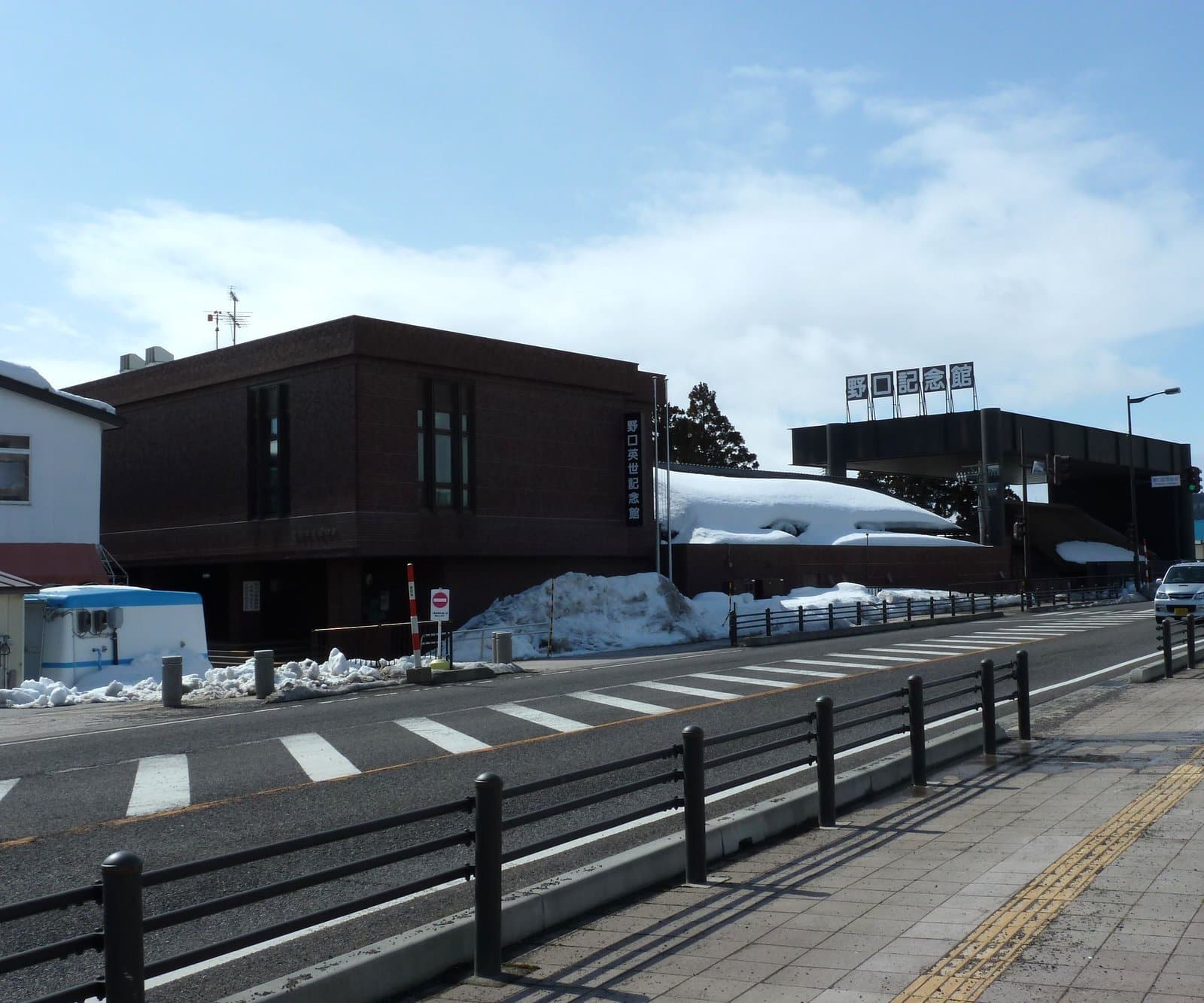 Photo: Altomarina / Wikimedia Commons, CC BY-SA 3.0 (cropped and resized)Hideyo Noguchi Memorial MuseumFukushima
- 2
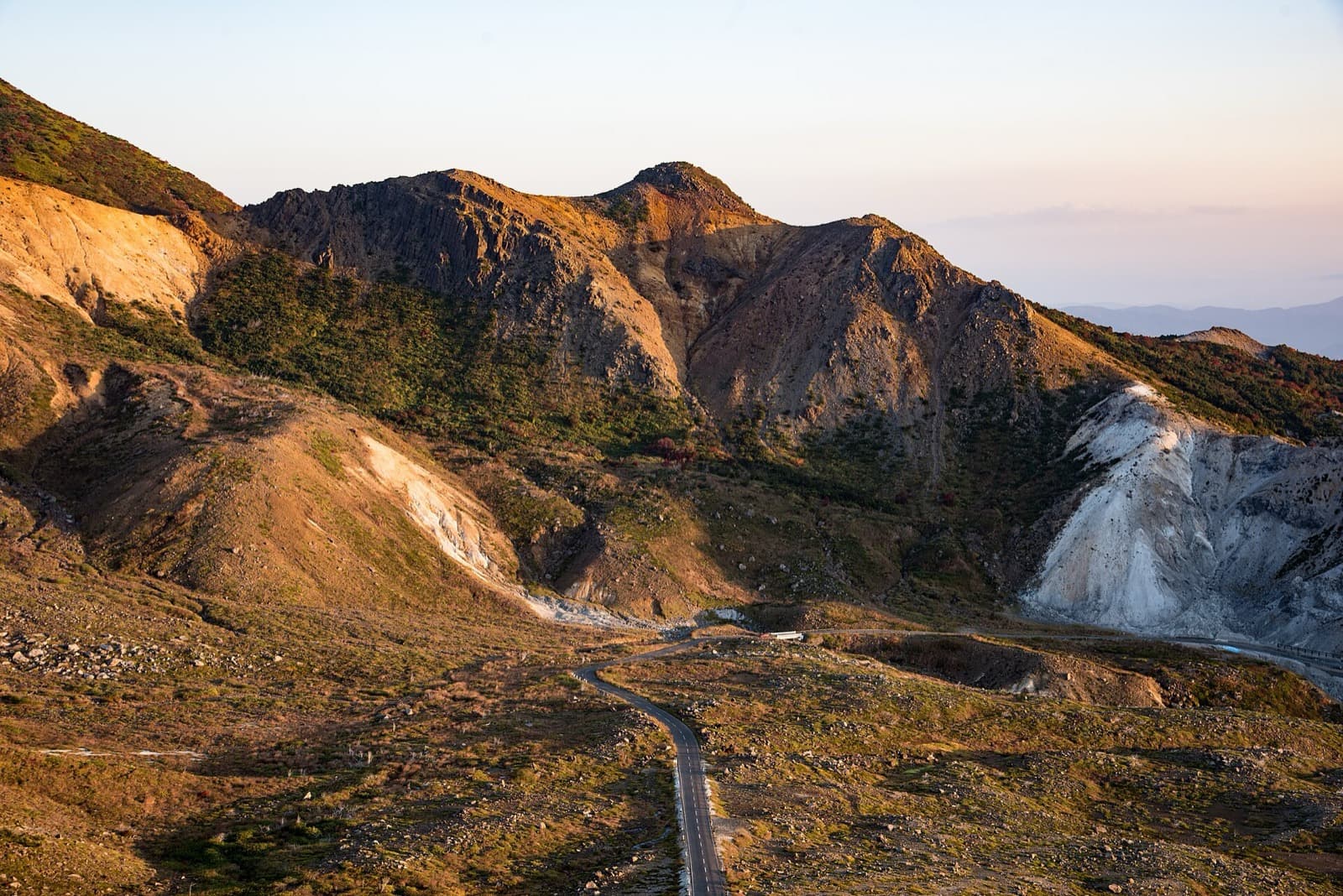 Photo: clef / Wikimedia Commons, CC BY 4.0 (resized)Bandai-Azuma Skyline and JododairaFukushima
- 3
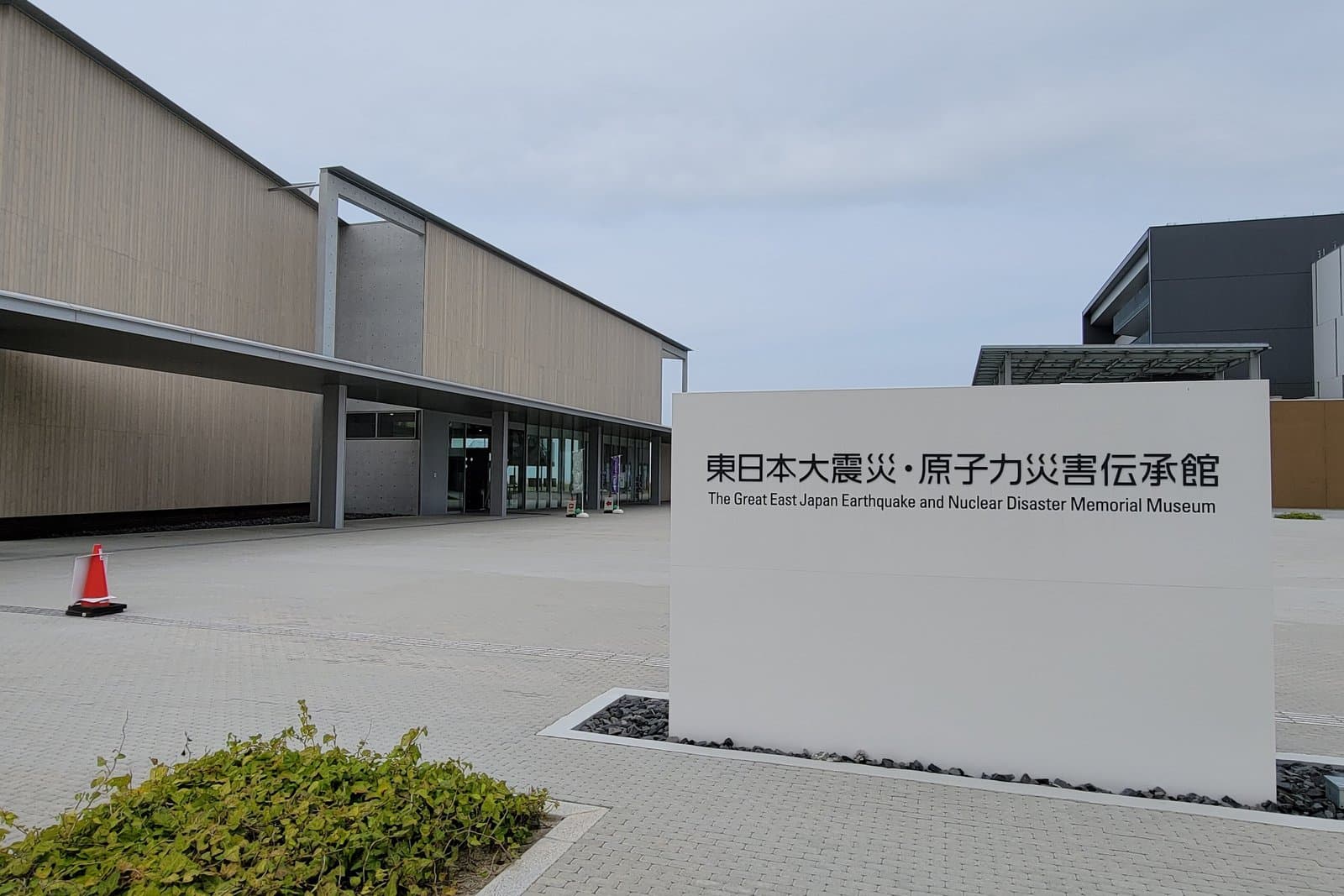 Photo: 特急スカイツリートレイン / Wikimedia Commons, CC BY-SA 4.0 (resized)The Great East Japan Earthquake and Nuclear Disaster Memorial MuseumFukushima
- 4
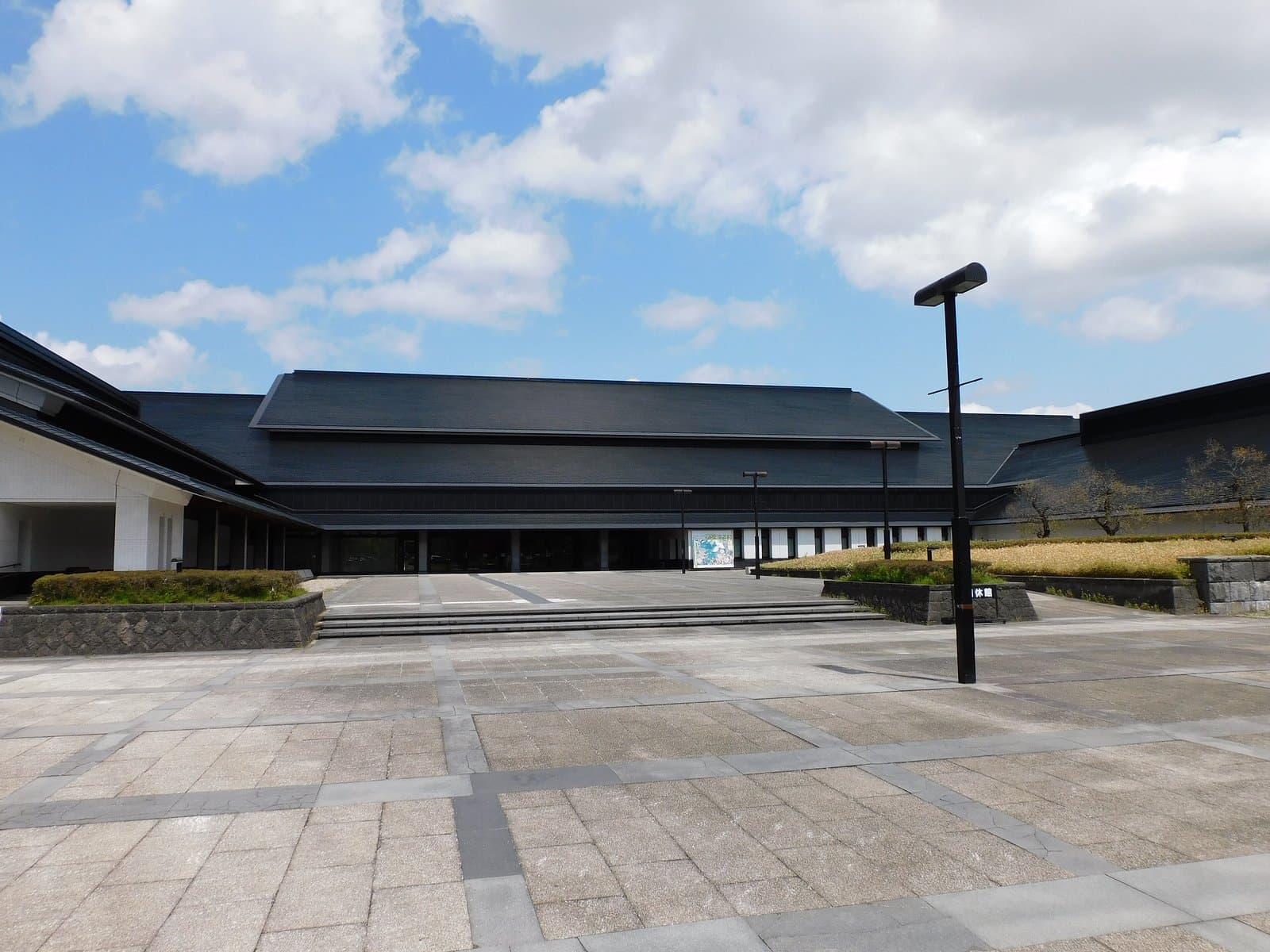 Photo: Miyuki Meinaka / Wikimedia Commons, CC BY-SA 4.0 (resized)Fukushima MuseumFukushima
- 5
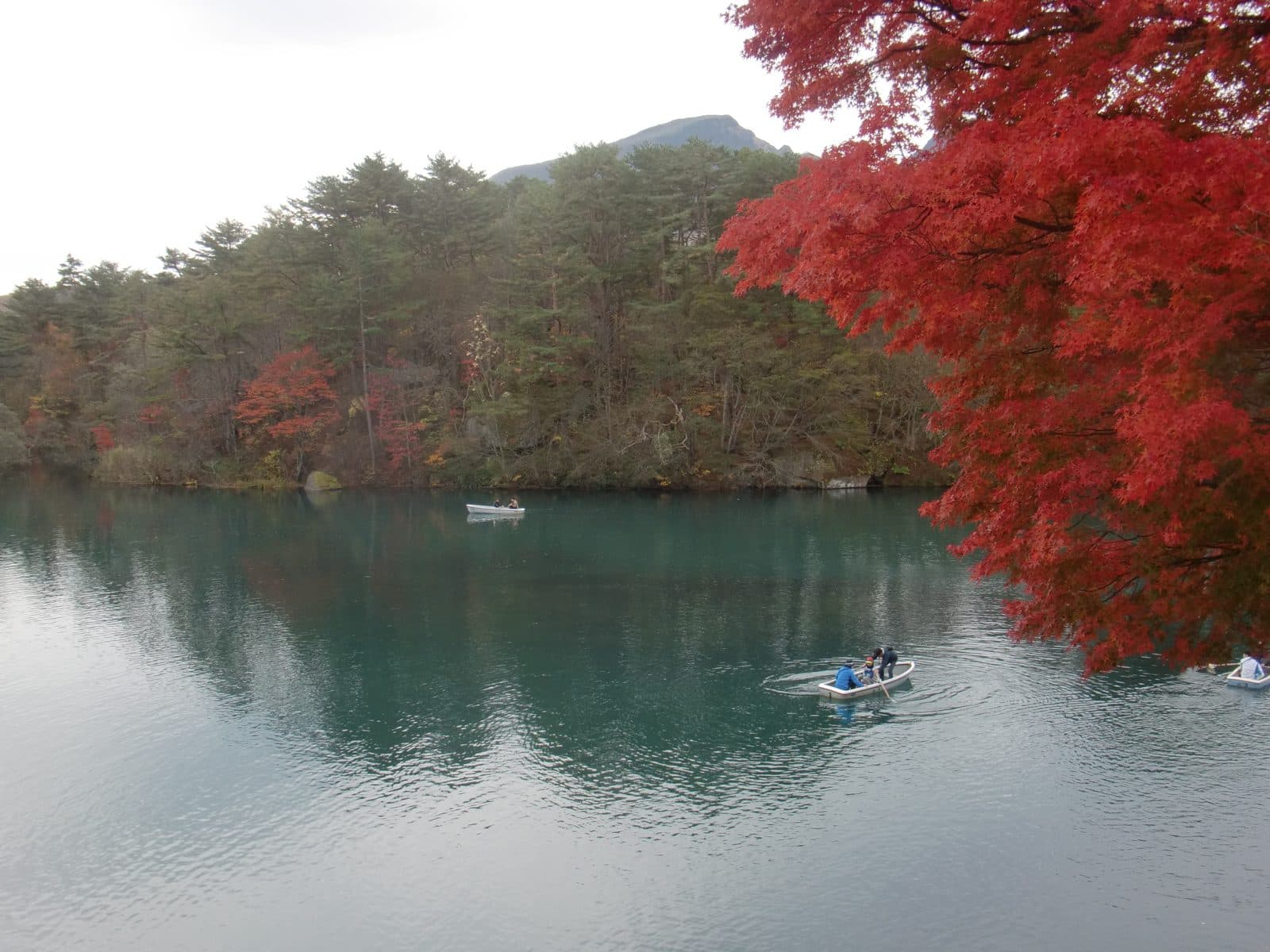 Photo: Sugikats / Wikimedia Commons, CC BY-SA 4.0 (resized)Goshikinuma Nature Trail, UrabandaiFukushima
Ranked by how many people opened each spot's page on this site in the past 30 days (one count per person per day; bots and our own staff are excluded).
Select a square pin to open the spot. Zoom with Ctrl/Cmd + scroll, or two fingers on a phone.
Not on the map (location not confirmed on an official source yet): Bandai-Azuma Skyline and Jododaira, Goshikinuma Nature Trail, Urabandai, Lake Hibara Sightseeing Boat
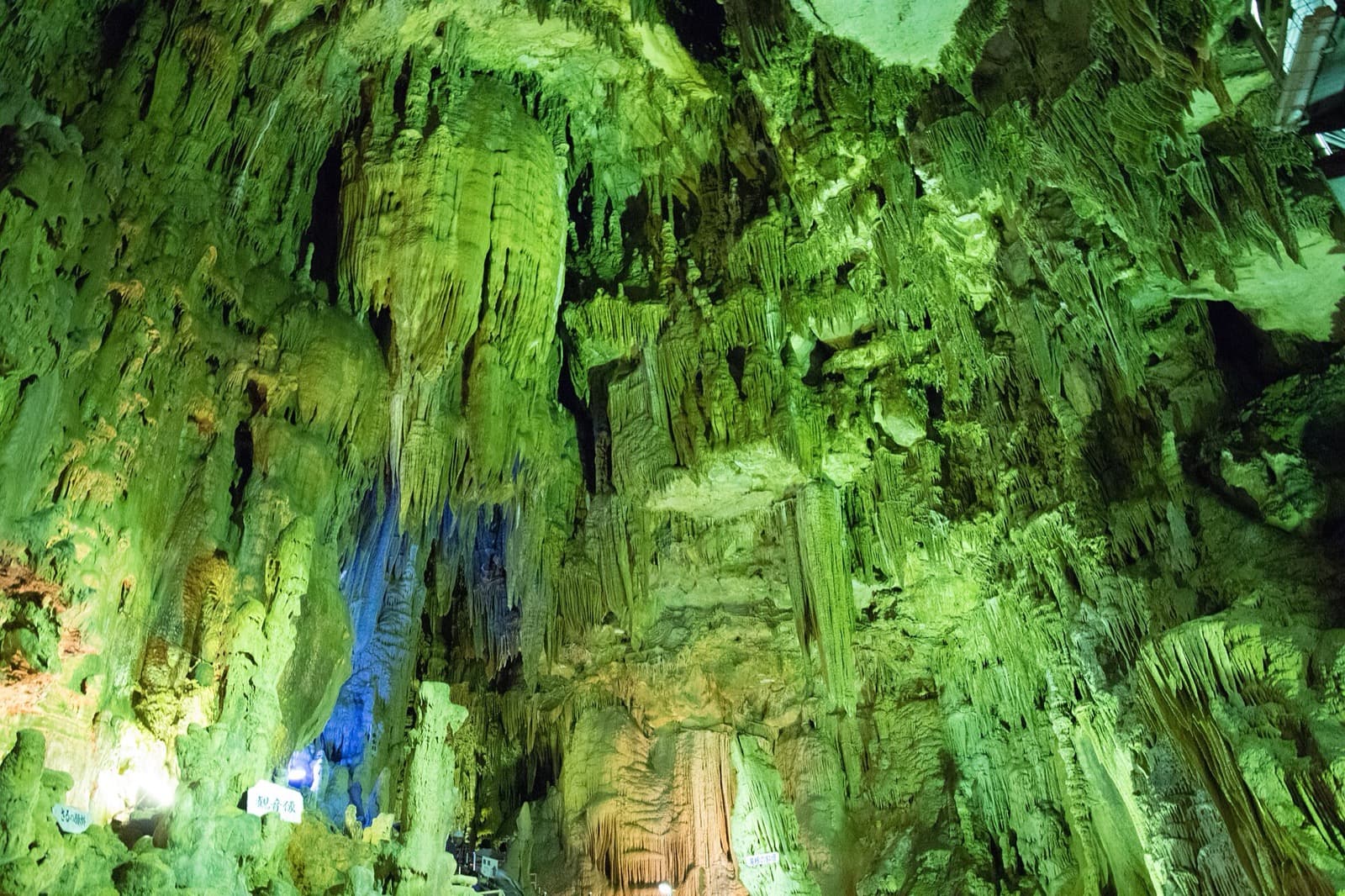 Photo: Σ64 / Wikimedia Commons, CC BY 4.0 (resized)Tamura, FukushimaAbukuma CaveA limestone cave found in a quarry in 1969 and open to visitors since 1973, with halls up to 29 m high and rare formations, plus an adventure course where you crouch through narrow passages.Official check: 25 Sept 2026
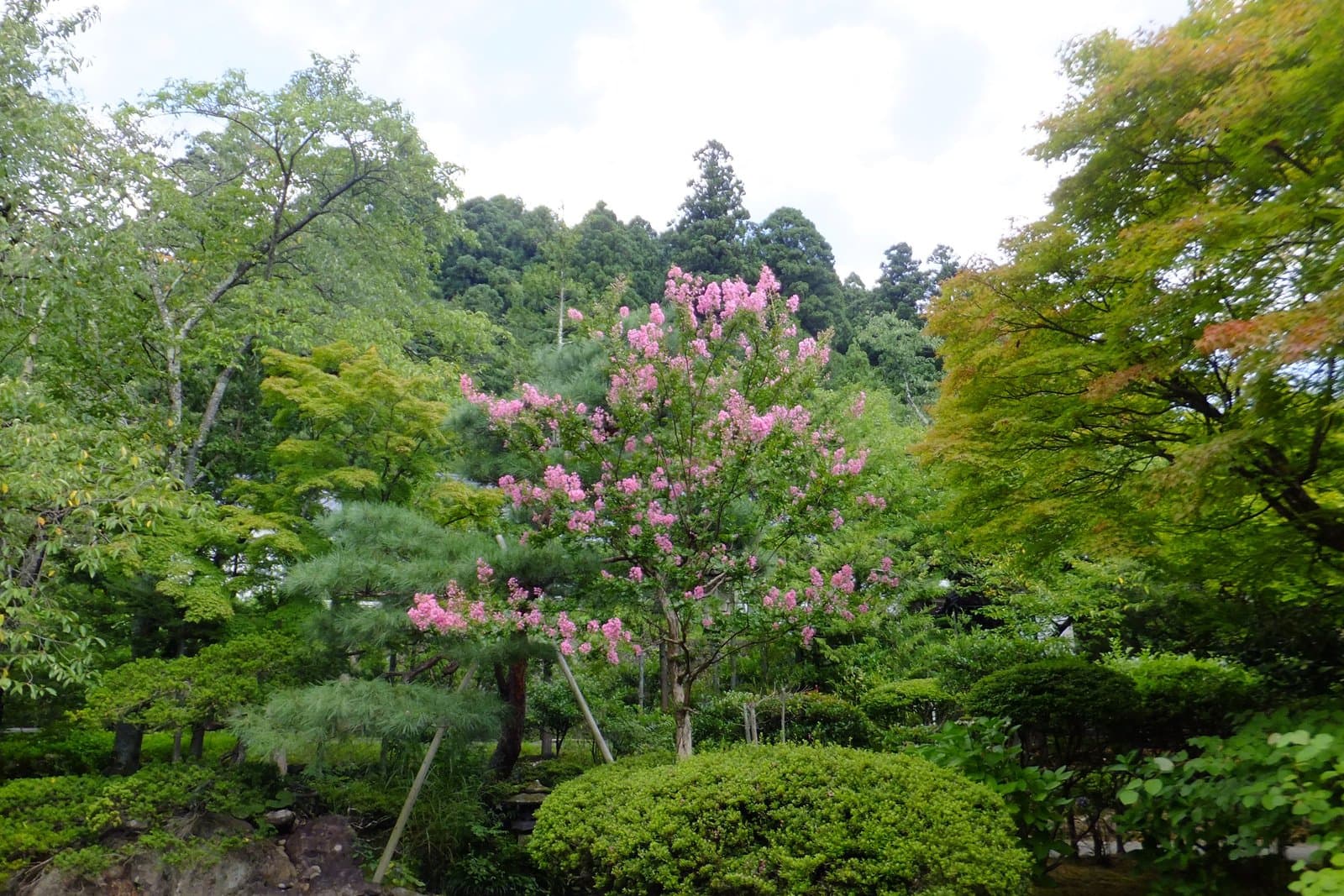 Photo: Photo ACAizuwakamatsu, FukushimaAizu Bukeyashiki Samurai ResidenceA museum centred on a reconstruction of the house of Saigo Tanomo, chief retainer of the Aizu domain, with historic buildings and hands-on crafts such as painting an akabeko cow.Official check: 25 Sept 2026
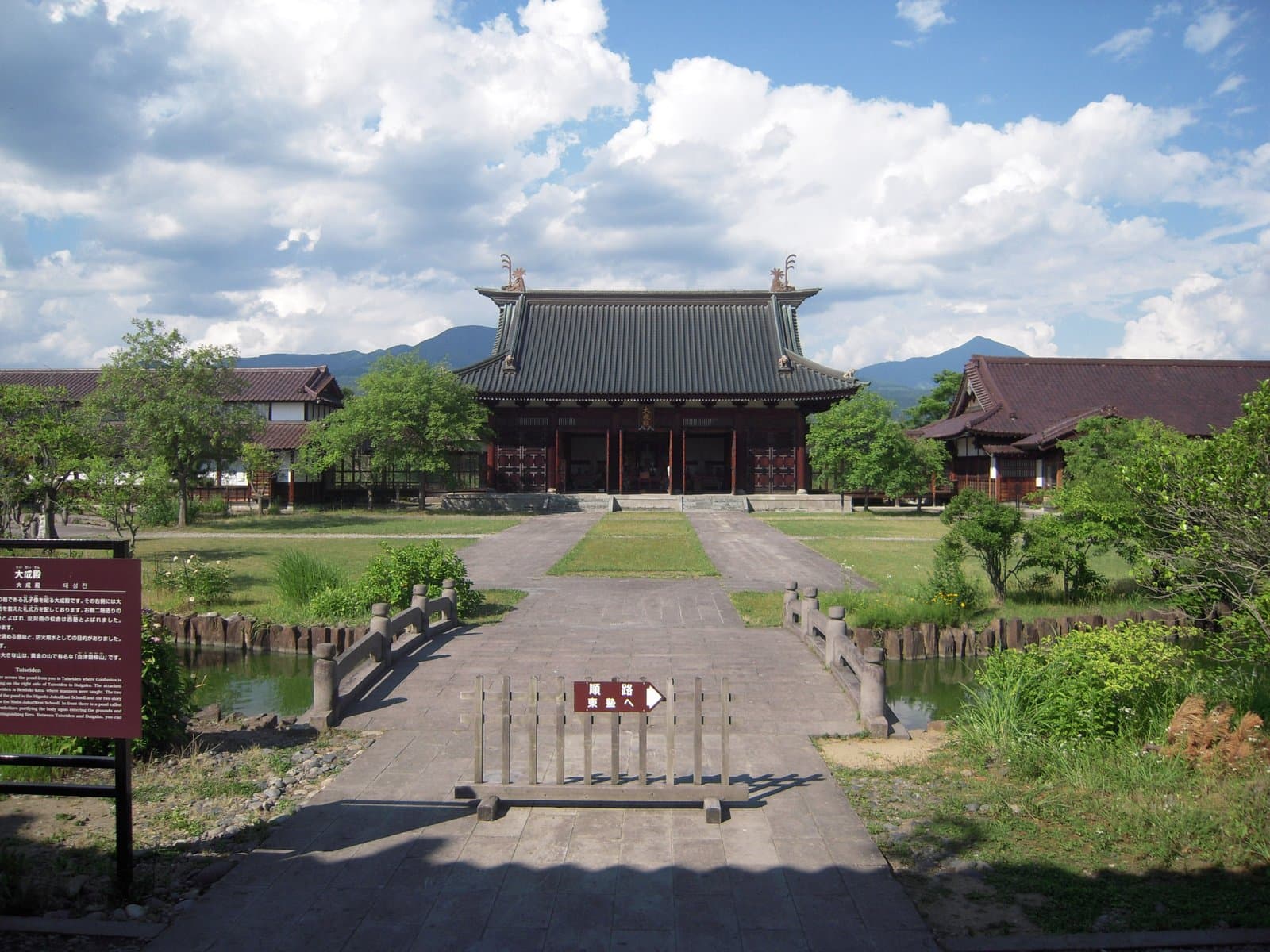 Photo: Photo ACAizuwakamatsu, FukushimaAizu Clan School NisshinkanA faithful reconstruction of the Aizu domain's top school, founded in 1803, where samurai sons studied from age 10; try archery or zazen, or paint an akabeko cow.Official check: 25 Sept 2026
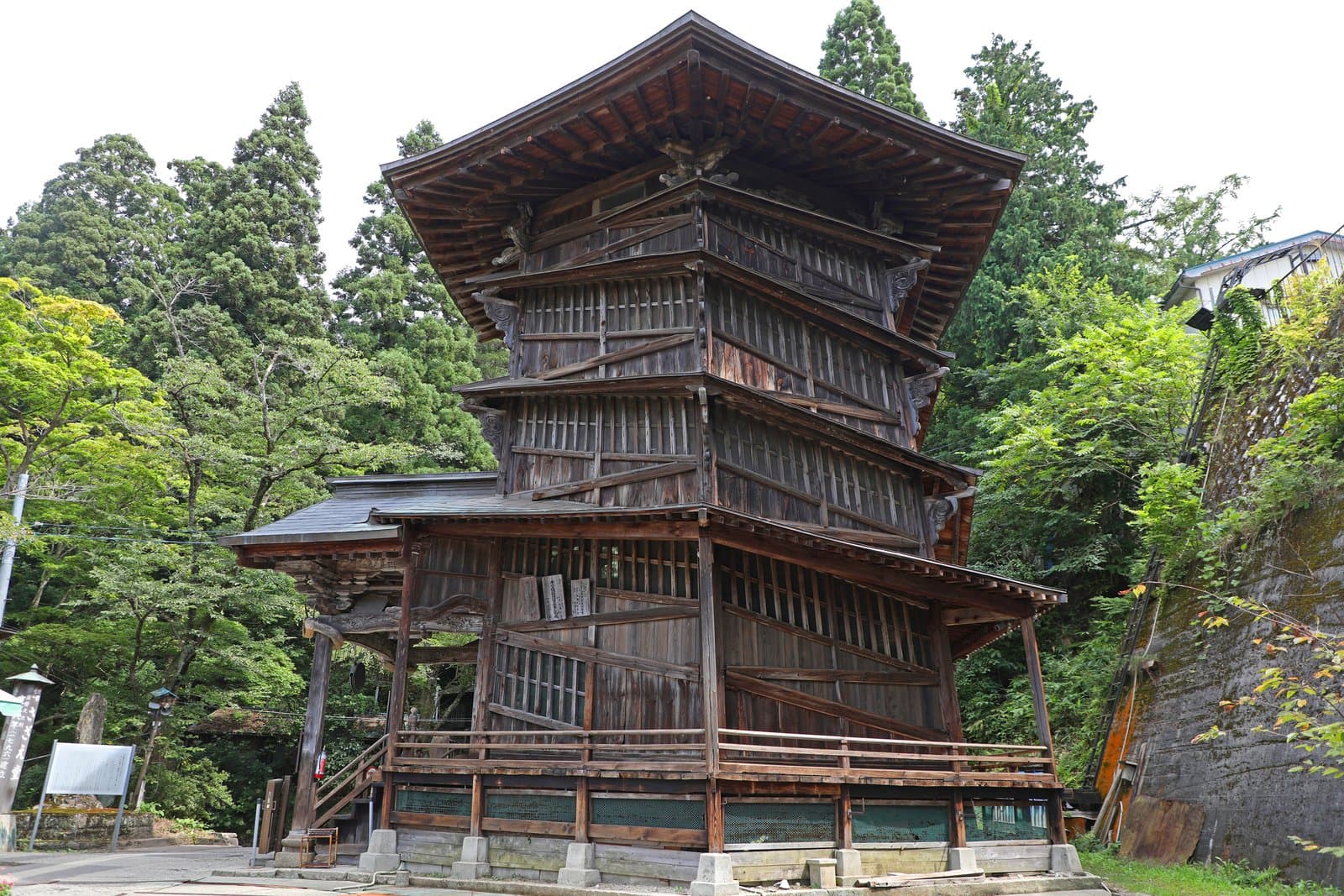 Photo: Photo ACAizuwakamatsu, FukushimaAizu SazaedoA 16.5 m, six-sided three-storey hall built in 1796 on Iimoriyama, with a unique double-spiral slope inside (Important Cultural Property).Official check: 25 Sept 2026
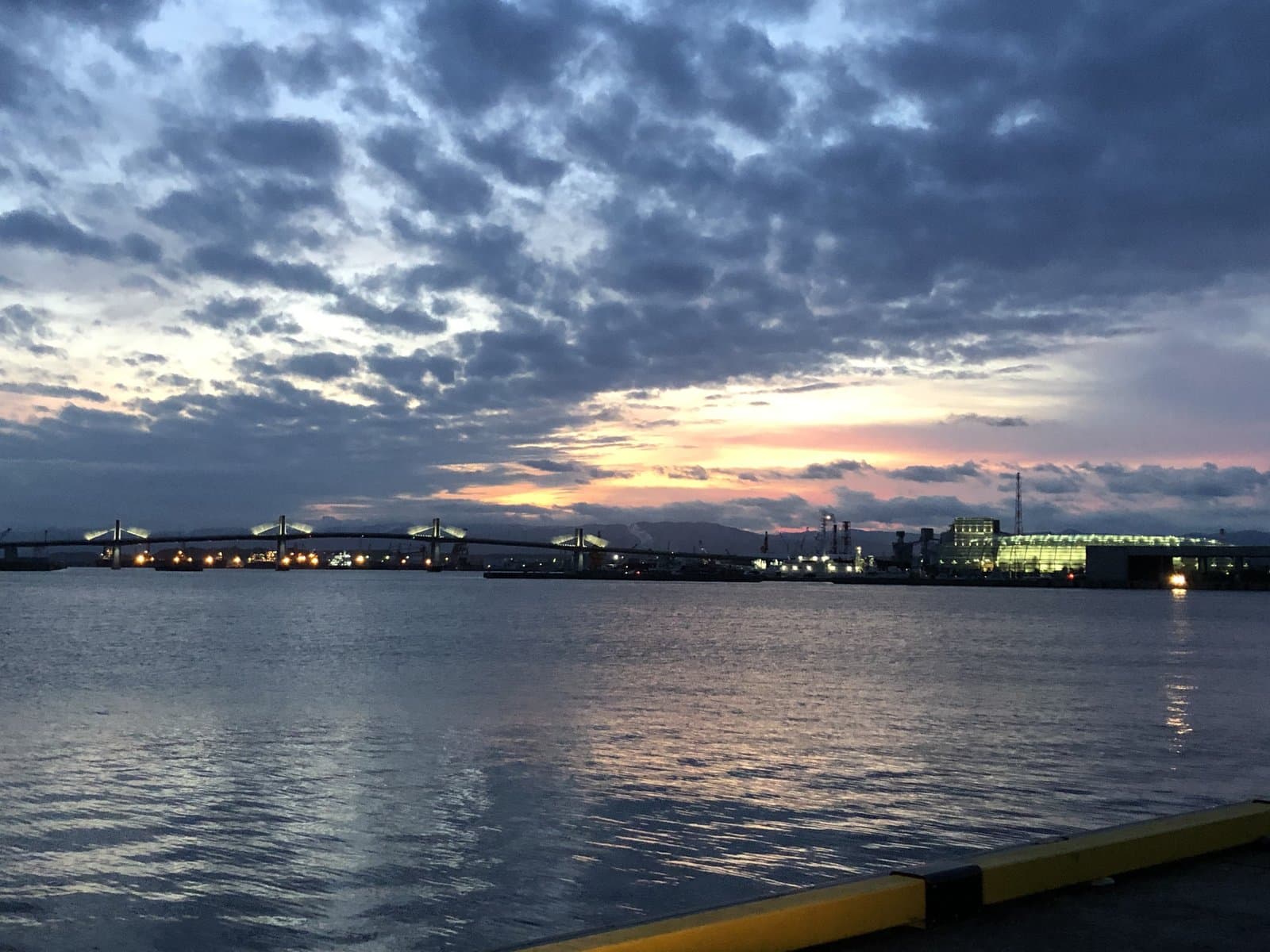 Photo: Photo ACIwaki, FukushimaAquamarine FukushimaA large aquarium at Onahama port in Iwaki.Official check: 25 Sept 2026
- Photo: clef / Wikimedia Commons, CC BY 4.0 (resized)Fukushima, FukushimaBandai-Azuma Skyline and JododairaA free 29 km scenic mountain road reaching 1,622 m, one of Japan's 100 best roads, passing scenic spots such as Mt. Azuma-kofuji and Jododaira; open from late April to mid-November.Official check: 25 Sept 2026
 Photo: Higa4 / Wikimedia Commons, CC0 1.0 (resized)Fukushima, FukushimaFormer Horikiri ResidenceThe old house of a wealthy farming and merchant family dating back to the Edo period, historically valuable for the "Jikkengura", the oldest earthen storehouse in the prefecture. An information office for Iizaka in the annex can be used as a rest stop, with free loan of towels and geta sandals, and there are foot and hand baths.Official check: 28 Sept 2026
 Photo: Yasu / Wikimedia Commons, CC BY-SA 3.0 (resized)Fukushima, FukushimaFukushima City Folk House ParkFolk houses of the northern Fukushima area from the mid-Edo to early Meiji periods have been moved and restored here, including "Kakujiken", one of Fukushima's leading restaurant inns of the late Edo and early Meiji era, said to be where Sera Shuzo was taken by Sendai domain samurai; the "Former Hirose-za" playhouse, a National Important Cultural Property; a merchant inn; and houses from the Aizu area. Everyday tools of the time are displayed, and seasonal events and folk-craft demonstrations are held.Official check: 28 Sept 2026
- Photo: Miyuki Meinaka / Wikimedia Commons, CC BY-SA 4.0 (resized)Aizuwakamatsu, FukushimaFukushima MuseumThe prefectural museum next to Tsuruga Castle; permanent exhibition 400 yen, free for high school students and younger, with a combined ticket for the castle and Rinkaku tea house.Official check: 25 Sept 2026
 Photo: 掬茶 / Wikimedia Commons, CC BY-SA 4.0 (cropped and resized)Fukushima, FukushimaFukushima Prefectural Museum of ArtOpened in July 1984 at the foot of Mt. Shinobu, on grounds of over 60,000 square metres shared with the prefectural library. It holds more than 3,800 works of painting, printmaking, sculpture and crafts, including 20th-century American figurative painting such as Andrew Wyeth and a collection of the printmaker Kiyoshi Saito from Aizubange, with special exhibitions held as well as the permanent display.Official check: 28 Sept 2026
- Photo: Sugikats / Wikimedia Commons, CC BY-SA 4.0 (resized)Kitashiobara, FukushimaGoshikinuma Nature Trail, UrabandaiAn easy 4 km trail past 20-30 small lakes whose colours change with the season, weather and time of day.Official check: 25 Sept 2026
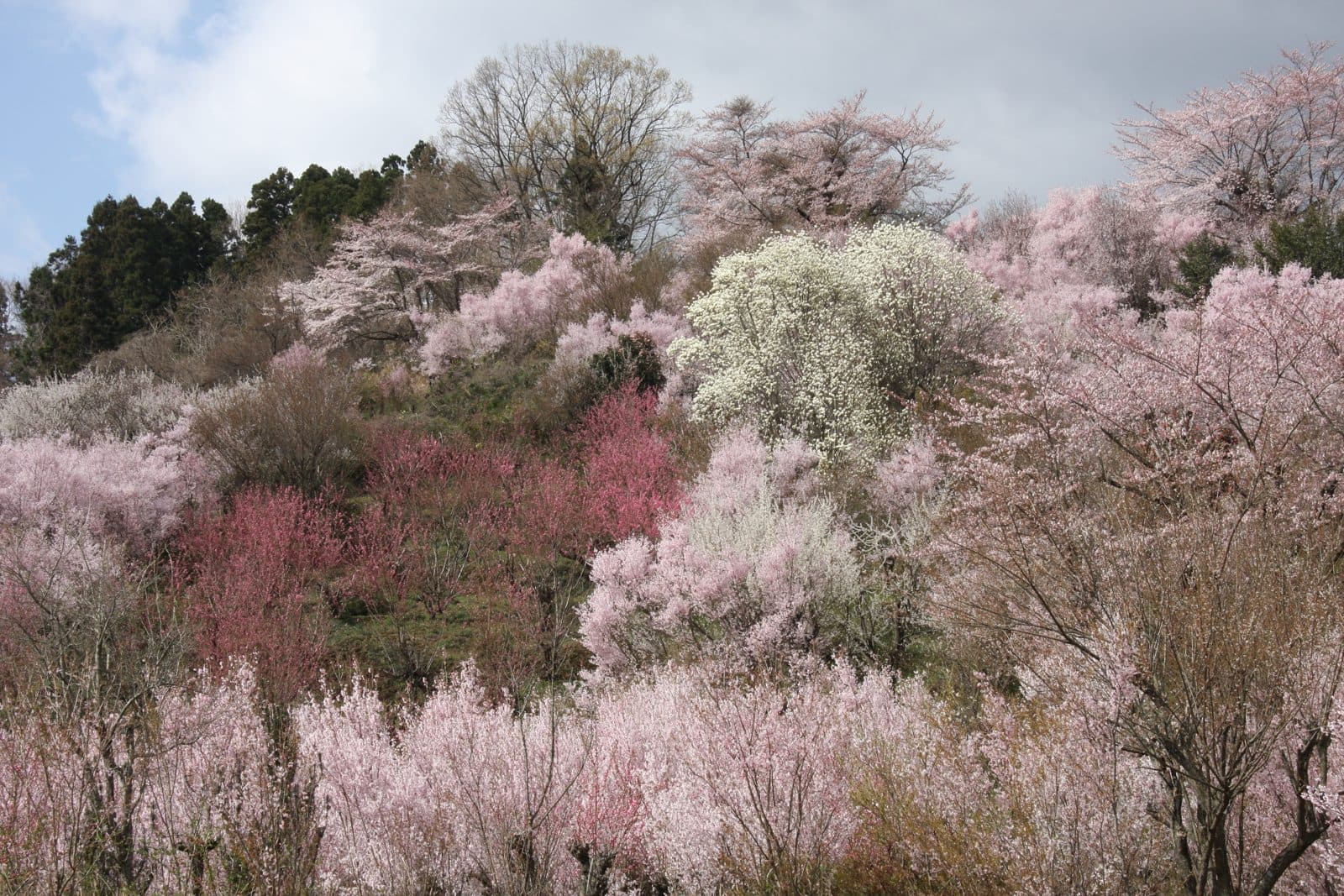 Photo: T-KIMURA / Wikimedia Commons, CC BY 4.0 (resized)Fukushima, FukushimaHanamiyama ParkA hillside of flowering trees planted by the farming family who own it, open to the public; in spring it is a mass of cherry, plum and other blossoms.Official check: 25 Sept 2026
- Photo: Altomarina / Wikimedia Commons, CC BY-SA 3.0 (cropped and resized)Inawashiro, FukushimaHideyo Noguchi Memorial MuseumThe Hideyo Noguchi memorial museum in Inawashiro, together with an infectious-disease museum; allow about 70 minutes for both.Official check: 25 Sept 2026
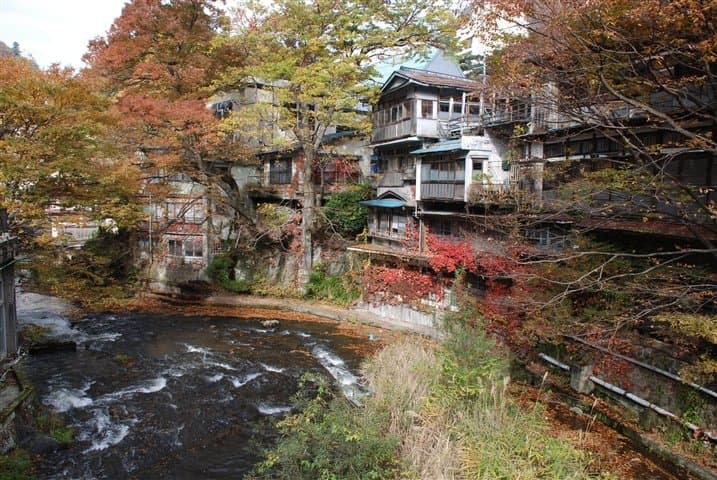 Photo: Sayaca* / Wikimedia Commons, CC BY-SA 2.1 JPAizuwakamatsu, FukushimaHigashiyama OnsenA hot-spring town about 10 minutes by car from central Aizuwakamatsu, said to have been found by the priest Gyoki about 1,300 years ago and once the Aizu domain's spa; the sulphate water flows at about 1,500 litres a minute.Official check: 25 Sept 2026
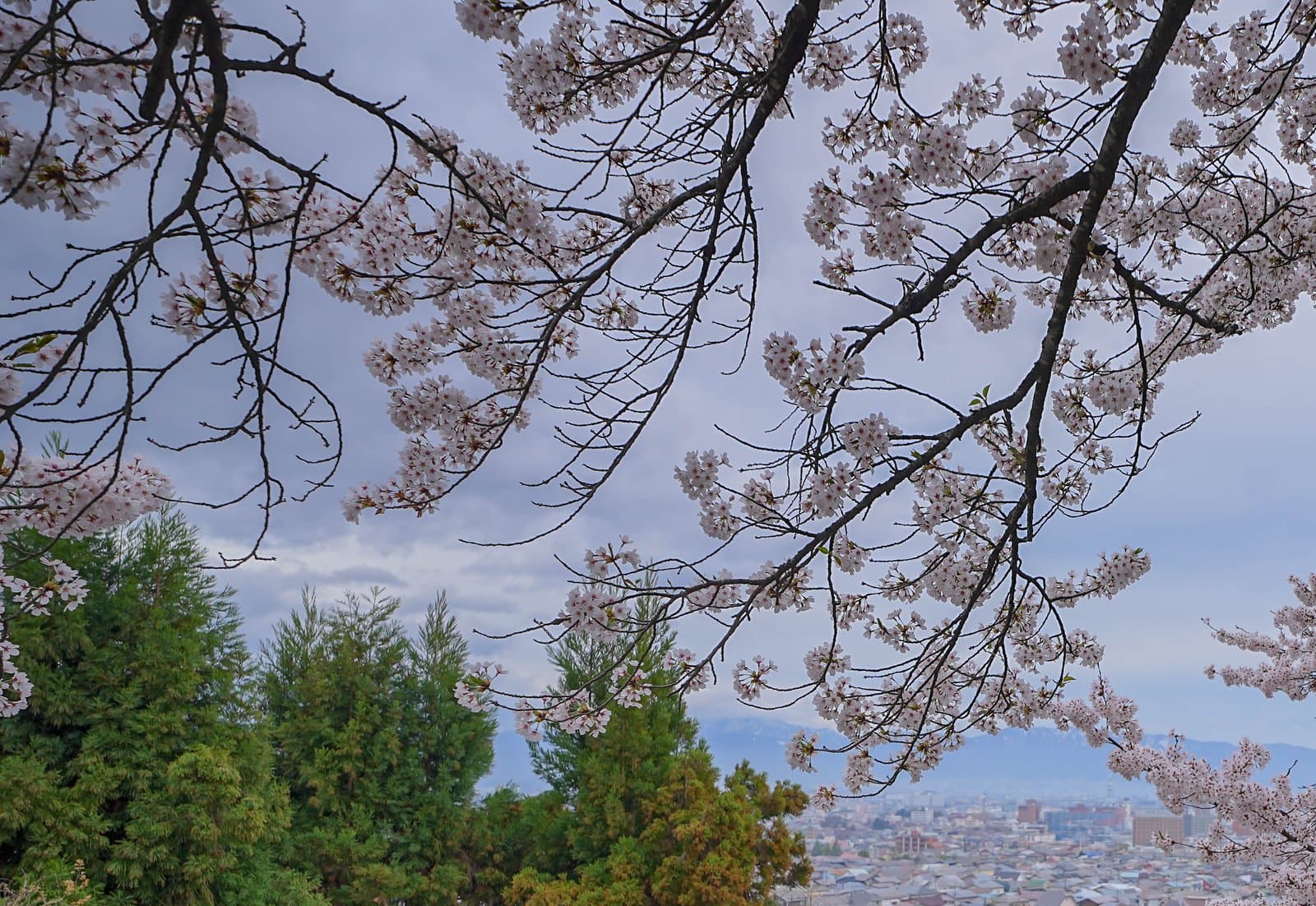 Photo: Photo ACAizuwakamatsu, FukushimaIimoriyama, Byakkotai GravesThe hill where the Byakkotai, a unit of 16- and 17-year-old samurai, took their lives in the Boshin War on seeing smoke over Tsuruga Castle; a slope conveyor (250 yen) runs up to the graves.Official check: 25 Sept 2026
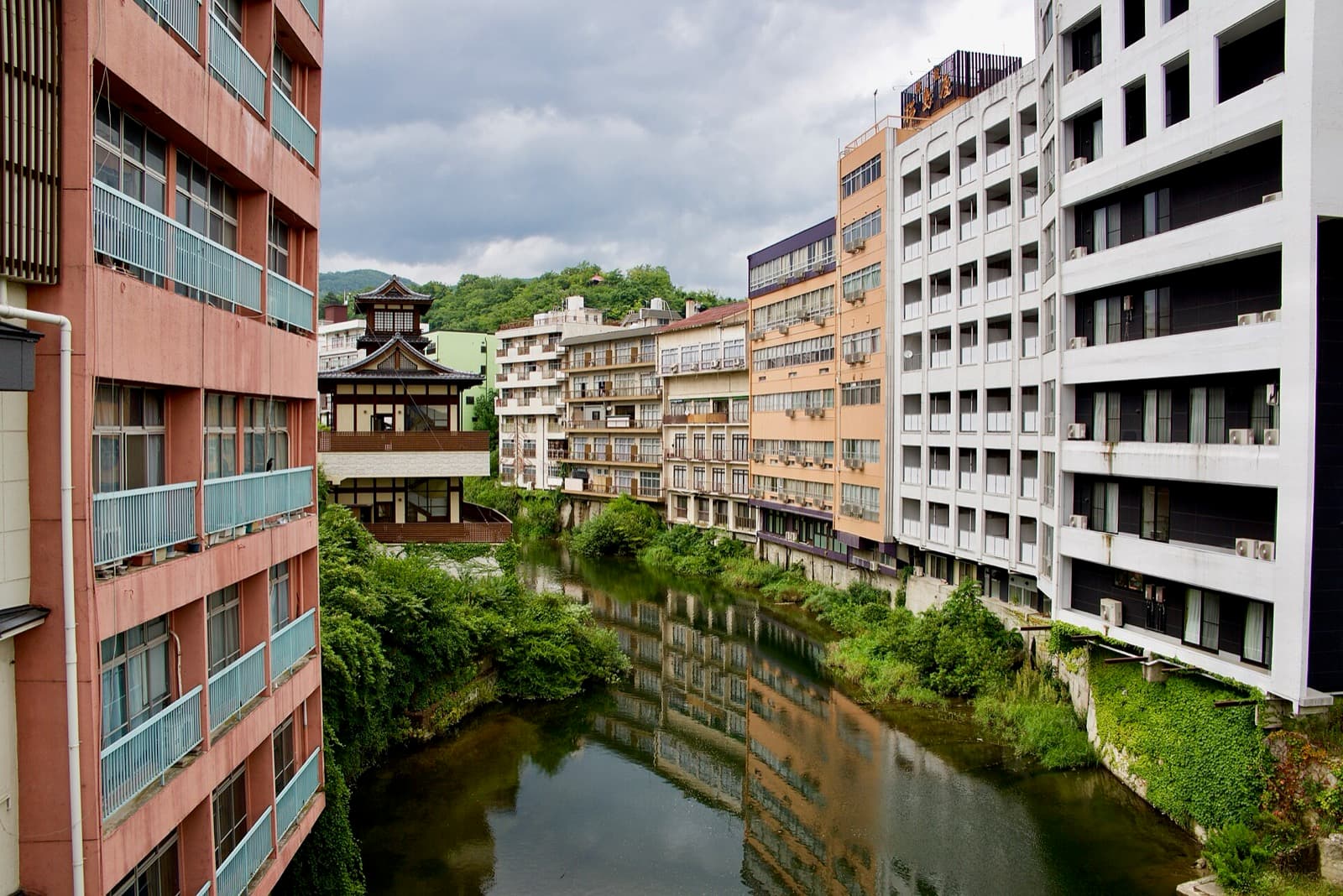 Photo: 皓月旗 / Wikimedia Commons, CC BY-SA 4.0 (resized)Fukushima, FukushimaIizaka OnsenA hot-spring town 25 minutes by train from JR Fukushima Station, with 8 public bathhouses, foot baths and day bathing at inns; Basho mentioned it in The Narrow Road to the Deep North.Official check: 25 Sept 2026
 Photo: Osumi Akari / Wikimedia Commons, CC BY-SA 4.0 (resized)Iwaki, FukushimaIwaki City Ammonite CenterThe first museum in Japan built on a fossil site, displaying many ammonite fossils just as they were found. Its highlight is fossil digging: collect a helmet, gloves, hammer and chisel at reception and dig at the outdoor quarry for shells, shark teeth and ammonites from 89 million years ago; it is enjoyed by children and adults alike.Official check: 28 Sept 2026
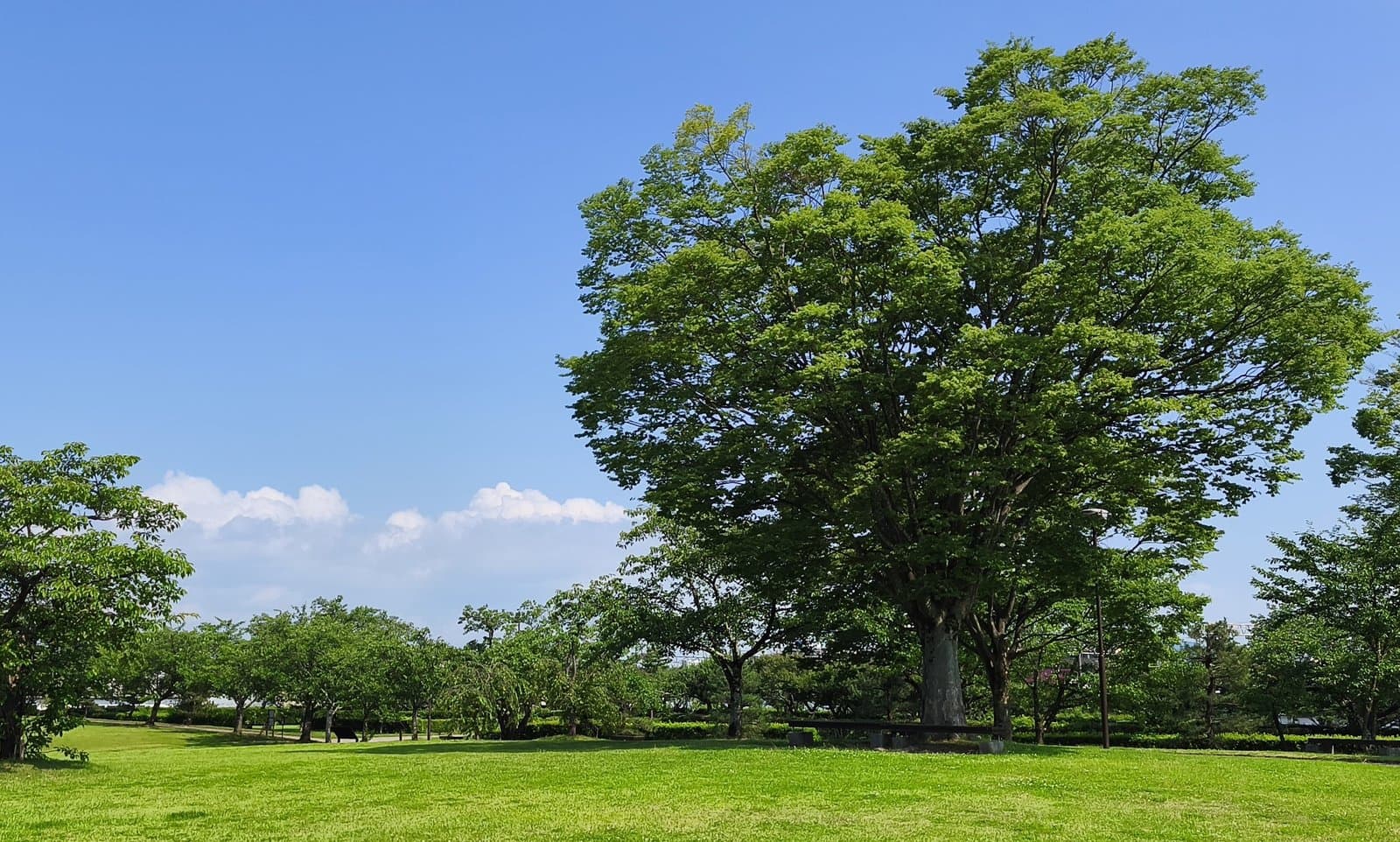 Photo: Photo ACShirakawa, FukushimaKomine Castle RuinsA national historic site 5 min on foot from JR Shirakawa Station: a hilltop castle rebuilt in stone in 1632, burned in the Boshin War in 1868, with a three-storey turret rebuilt in wood in 1991.Official check: 25 Sept 2026
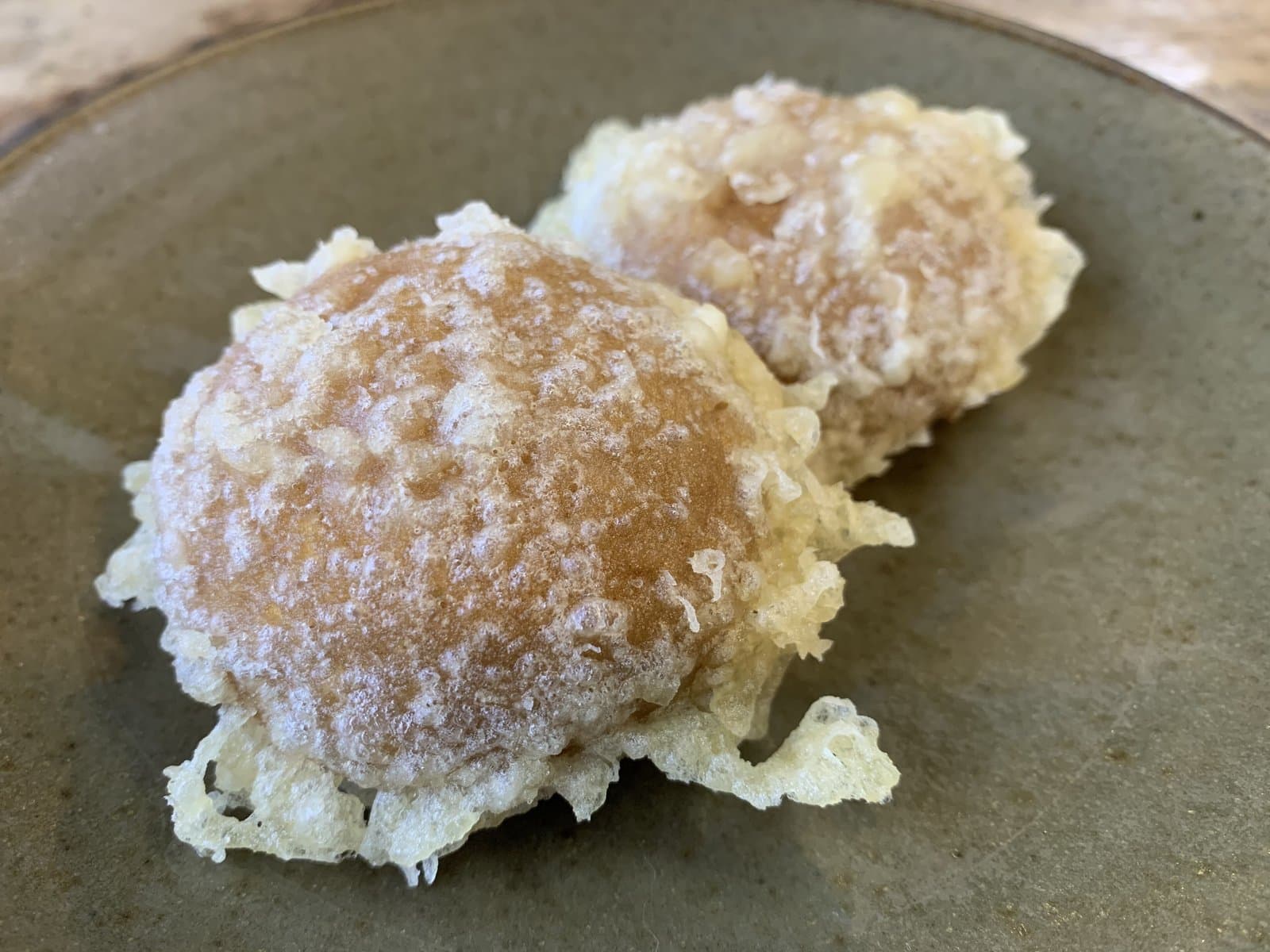 Photo: Tail furry / Wikimedia Commons, CC BY-SA 4.0 (resized)Aizuwakamatsu, FukushimaKowashimizu SpringA spring known as "the famous water of Aizu", sung of in the folk song Aizu Bandaisan and chosen as one of Fukushima's 30 best waters; once an important rest stop on the old Nihonmatsu road.Official check: 25 Sept 2026
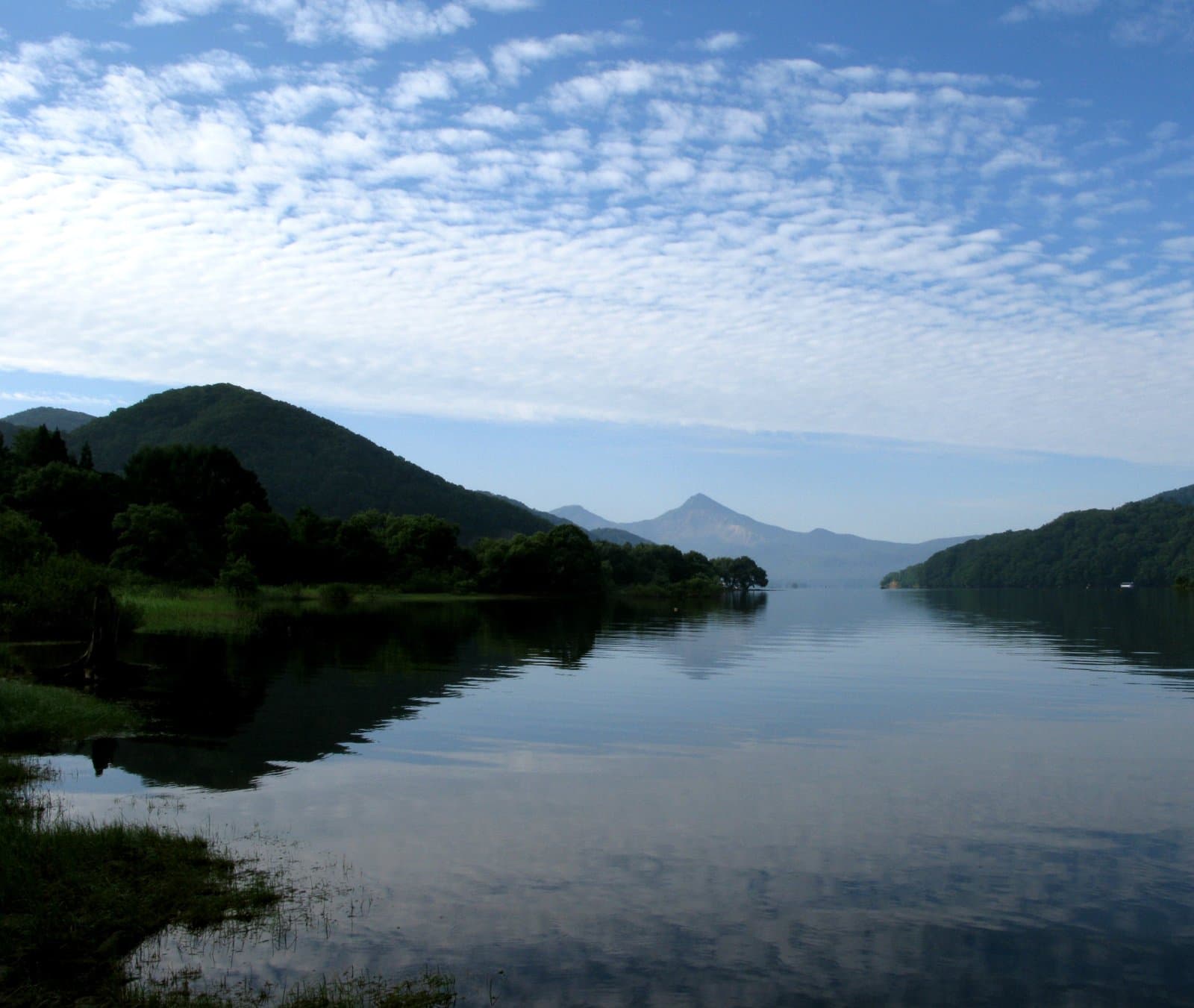 Photo: Qwert1234 / Wikimedia Commons, Public domain (cropped and resized)Kitashiobara, FukushimaLake Hibara Sightseeing BoatA 35-minute cruise among the islands of Lake Hibara, Urabandai's largest lake, with views of the crater left on Mt. Bandai; runs from April 29 to November 8.Official check: 25 Sept 2026
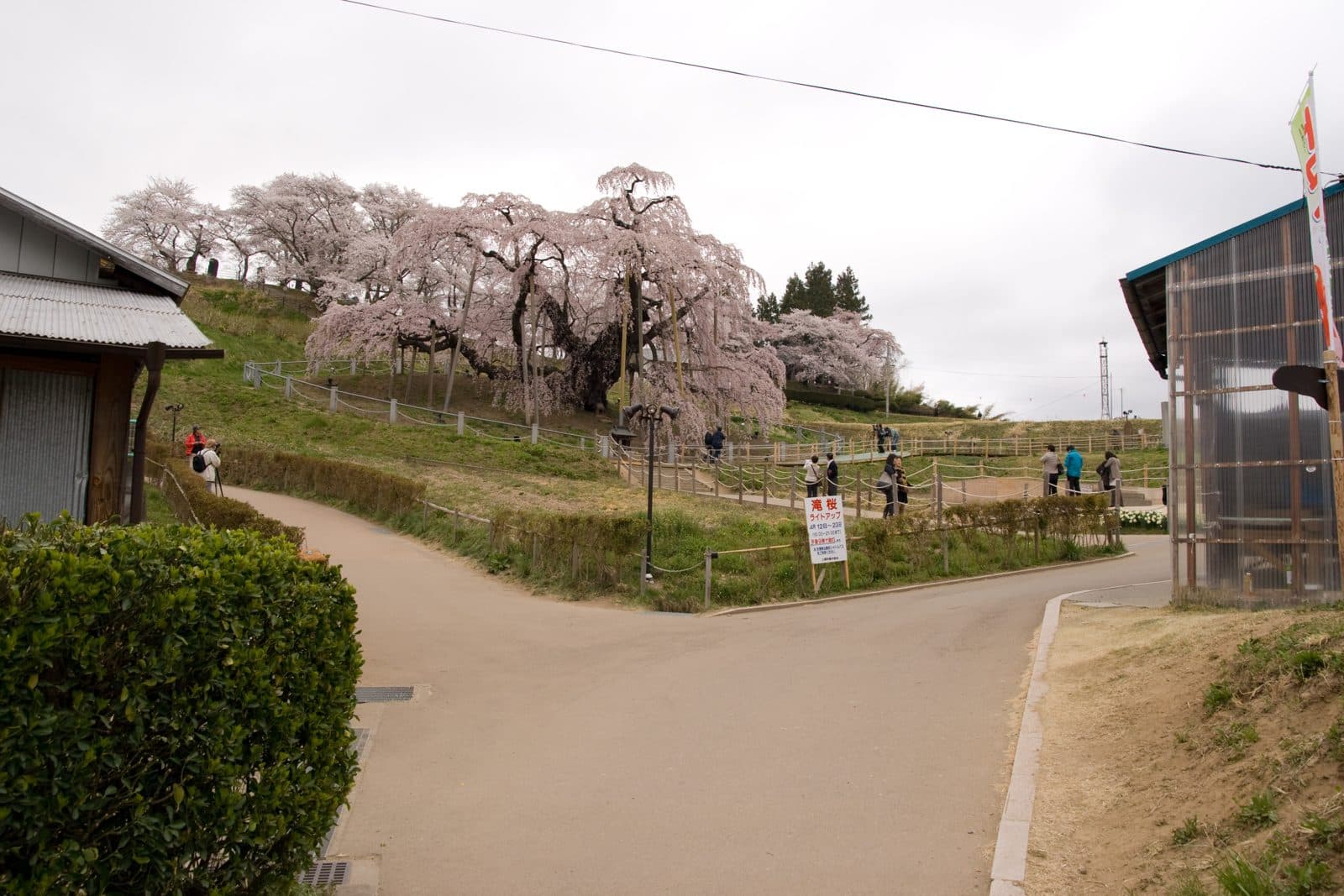 Photo: Σ64 / Wikimedia Commons, CC BY 3.0 (resized)Miharu, FukushimaMiharu Takizakura cherry treeA weeping cherry over 1,000 years old, one of Japan's three great cherry trees and the first cherry designated a Natural Monument (1922).Official check: 25 Sept 2026
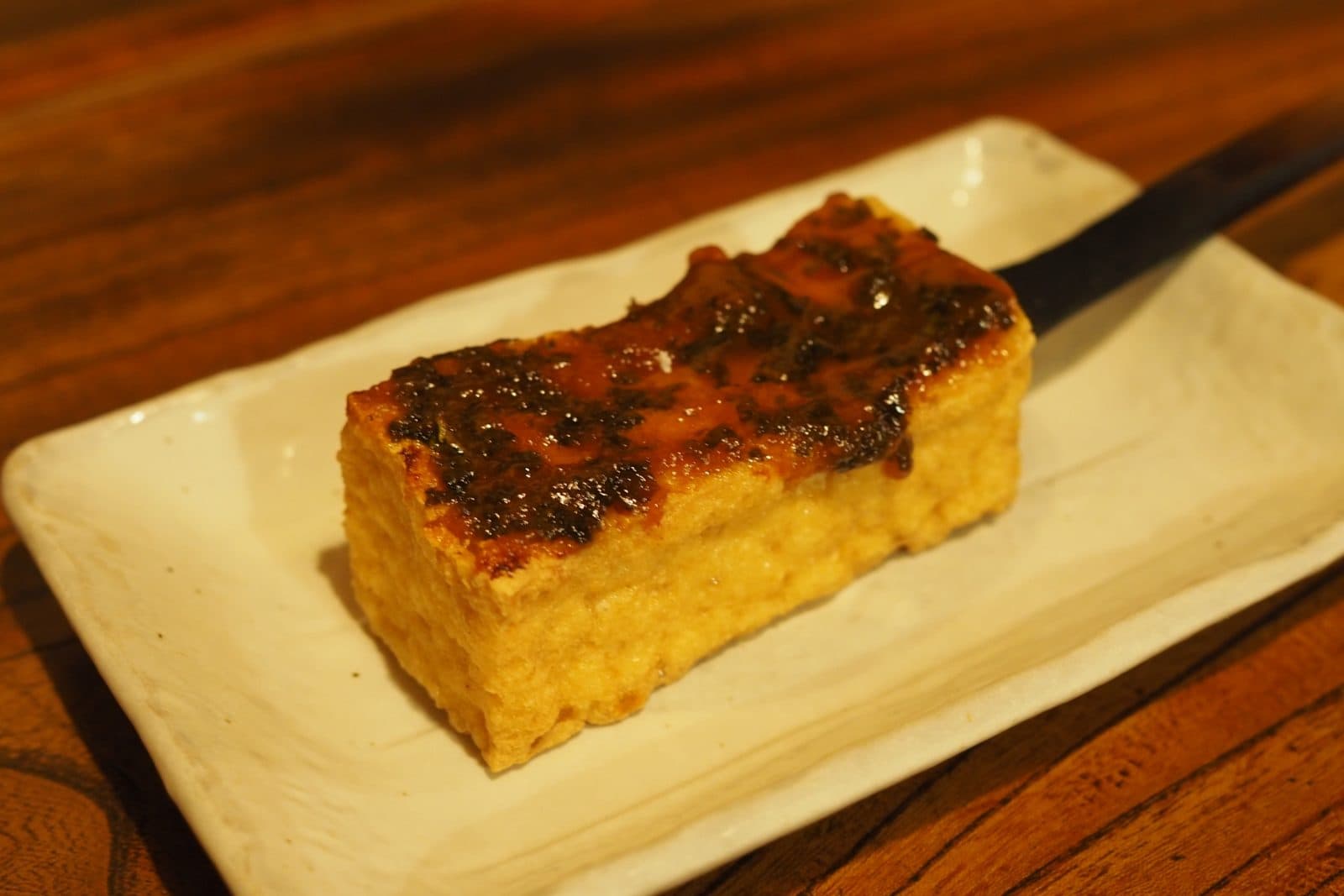 Photo: Photo ACAizuwakamatsu, FukushimaMitsutaya, miso dengakuA miso shop where you can eat Aizu miso dengaku — tofu, konnyaku, herring and vegetables with sweet miso, grilled over a charcoal hearth.Official check: 25 Sept 2026
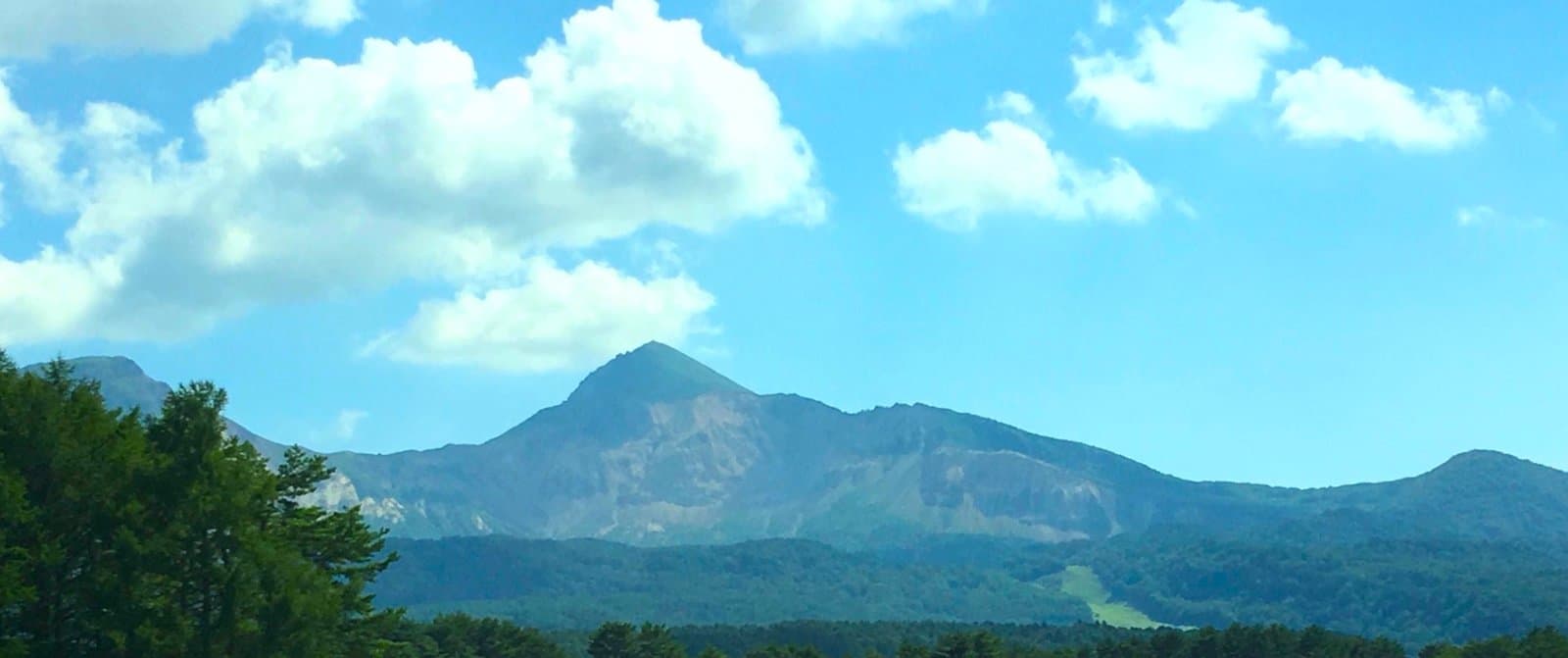 Photo: Photo ACKitashiobara, FukushimaMt. Bandai Eruption Memorial MuseumA volcano museum in Urabandai remembering the many victims of Mt. Bandai's 1888 steam explosion and explaining how the highlands formed afterwards; next door, a 3D theatre recreates the eruption.Official check: 25 Sept 2026
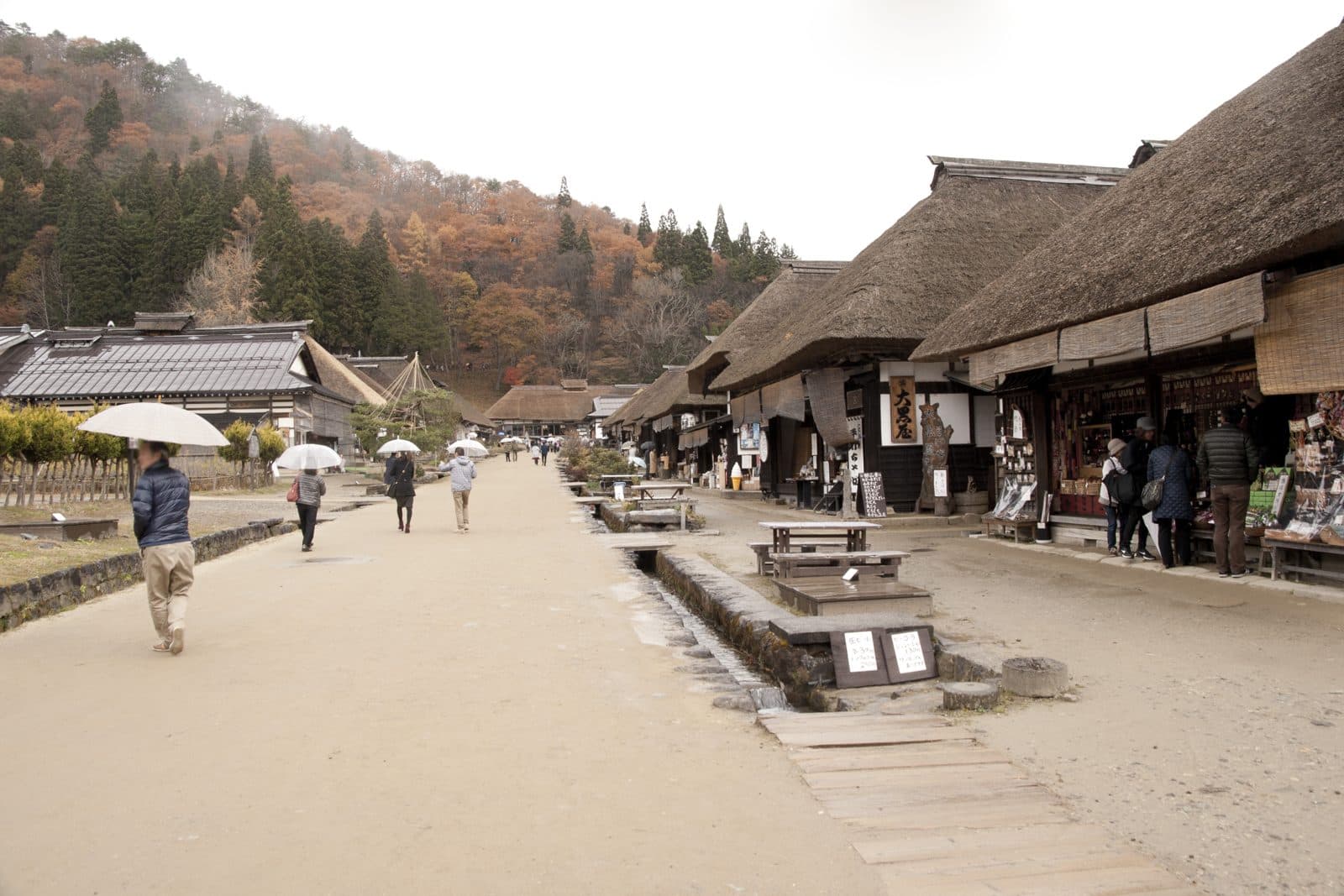 Photo: Σ64 / Wikimedia Commons, CC BY 4.0 (resized)Shimogo, FukushimaOuchi-juku post townA former post town on an old road with thatched-roof houses lining the street, now shops and restaurants.Official check: 25 Sept 2026
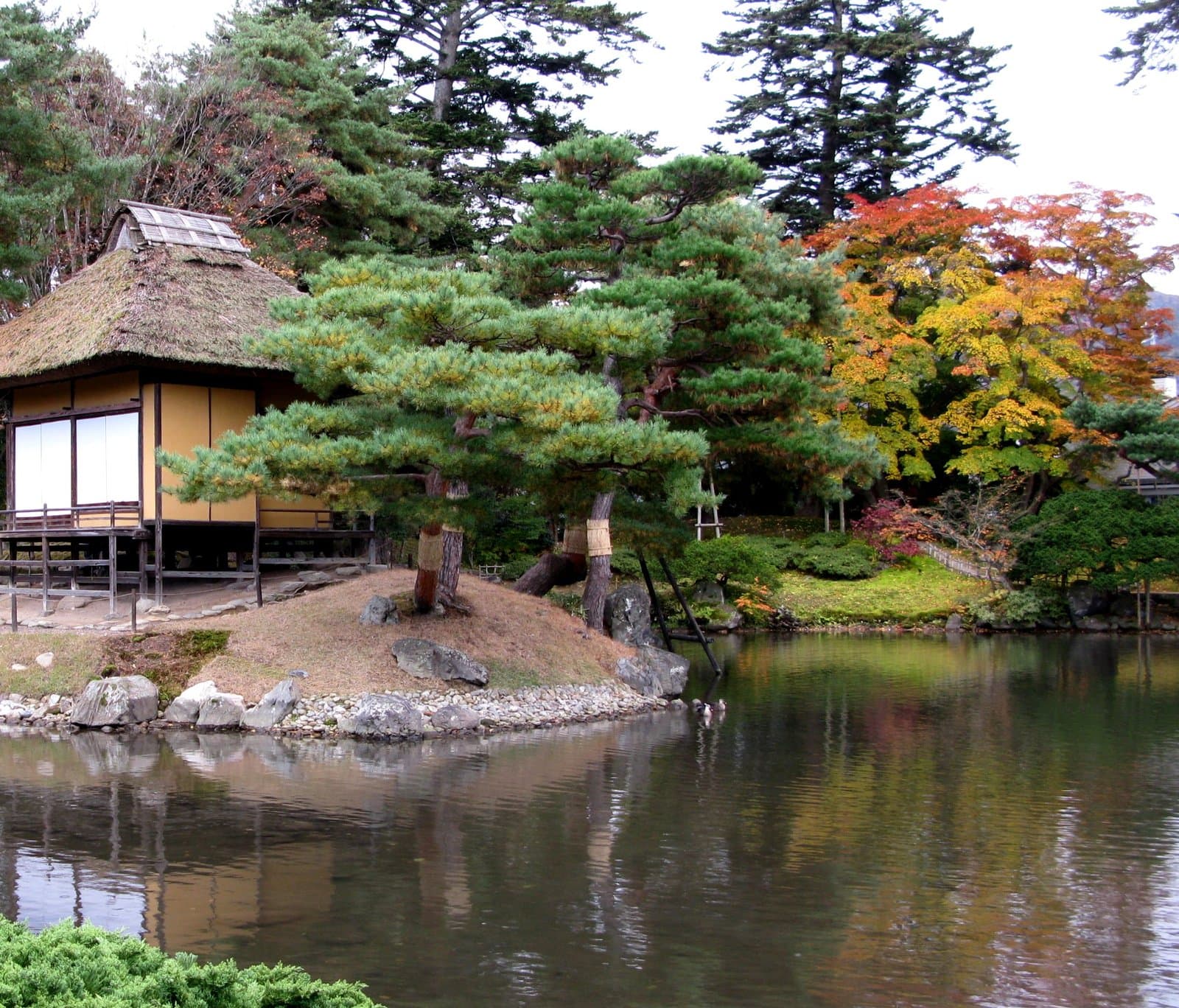 Photo: Qwert1234 / Wikimedia Commons, Public domain (cropped and resized)Aizuwakamatsu, FukushimaOyakuen Garden, Aizu Matsudaira Clan GardenA strolling garden of the Aizu lords around a heart-shaped pond on about 1.7 hectares, a National Place of Scenic Beauty, where about 400 kinds of medicinal plants are still grown.Official check: 25 Sept 2026
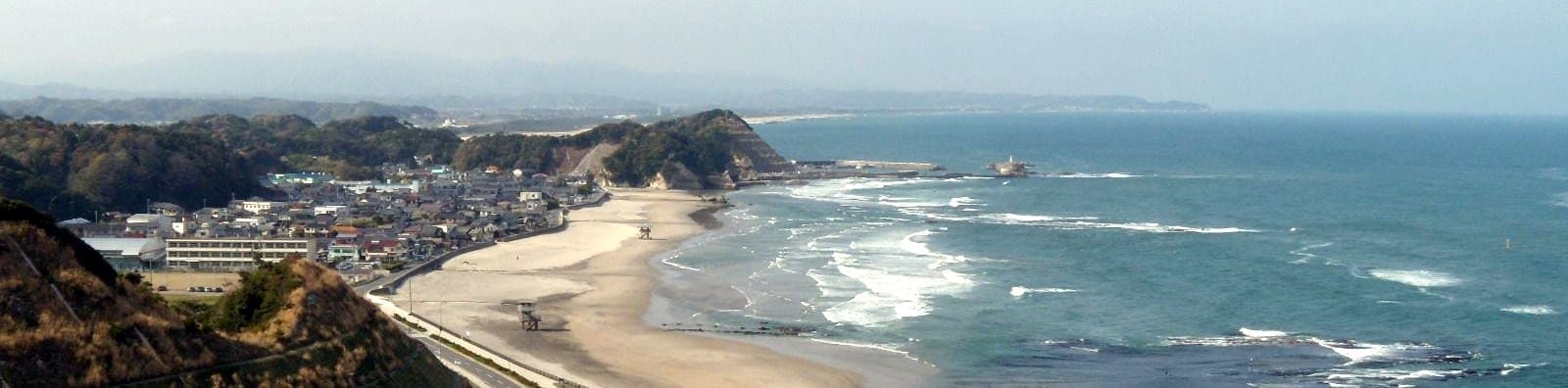 Photo: jeik / Wikimedia Commons, CC BY-SA 3.0 (cropped and resized)Iwaki, FukushimaShioyasaki LighthouseA white lighthouse you can climb, chosen as one of Japan's 50 best lighthouses, with a view over the Pacific from the top; visitors aged junior high and over are asked for a 300-yen donation.Official check: 25 Sept 2026
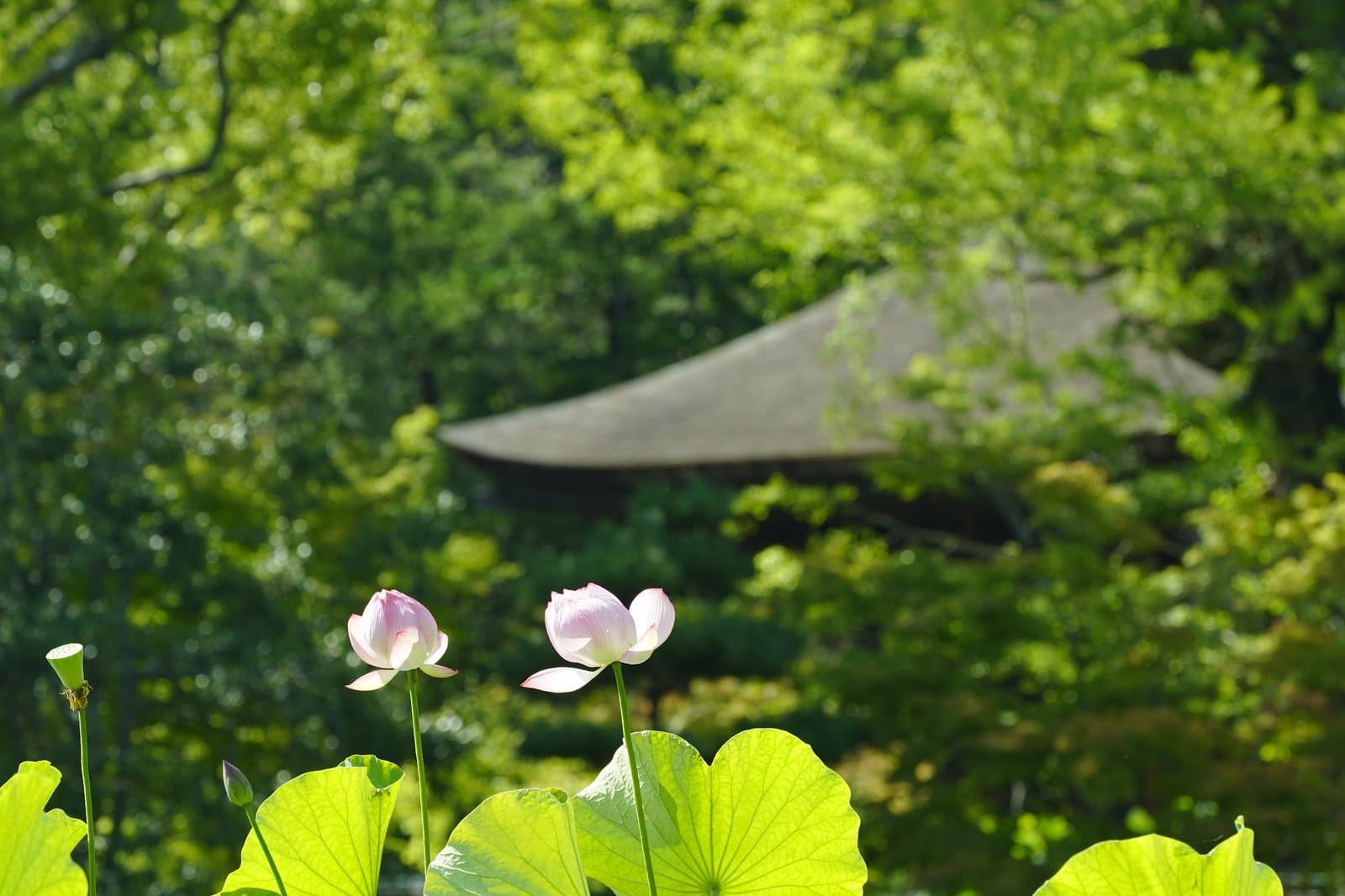 Photo: Photo ACIwaki, FukushimaShiramizu Amidado Hall, Ganjoji TempleA late-Heian Amida hall set in a Pure Land garden, said to have been built by Fujiwara no Kiyohira's daughter; it is the only building in Fukushima designated a National Treasure.Official check: 25 Sept 2026
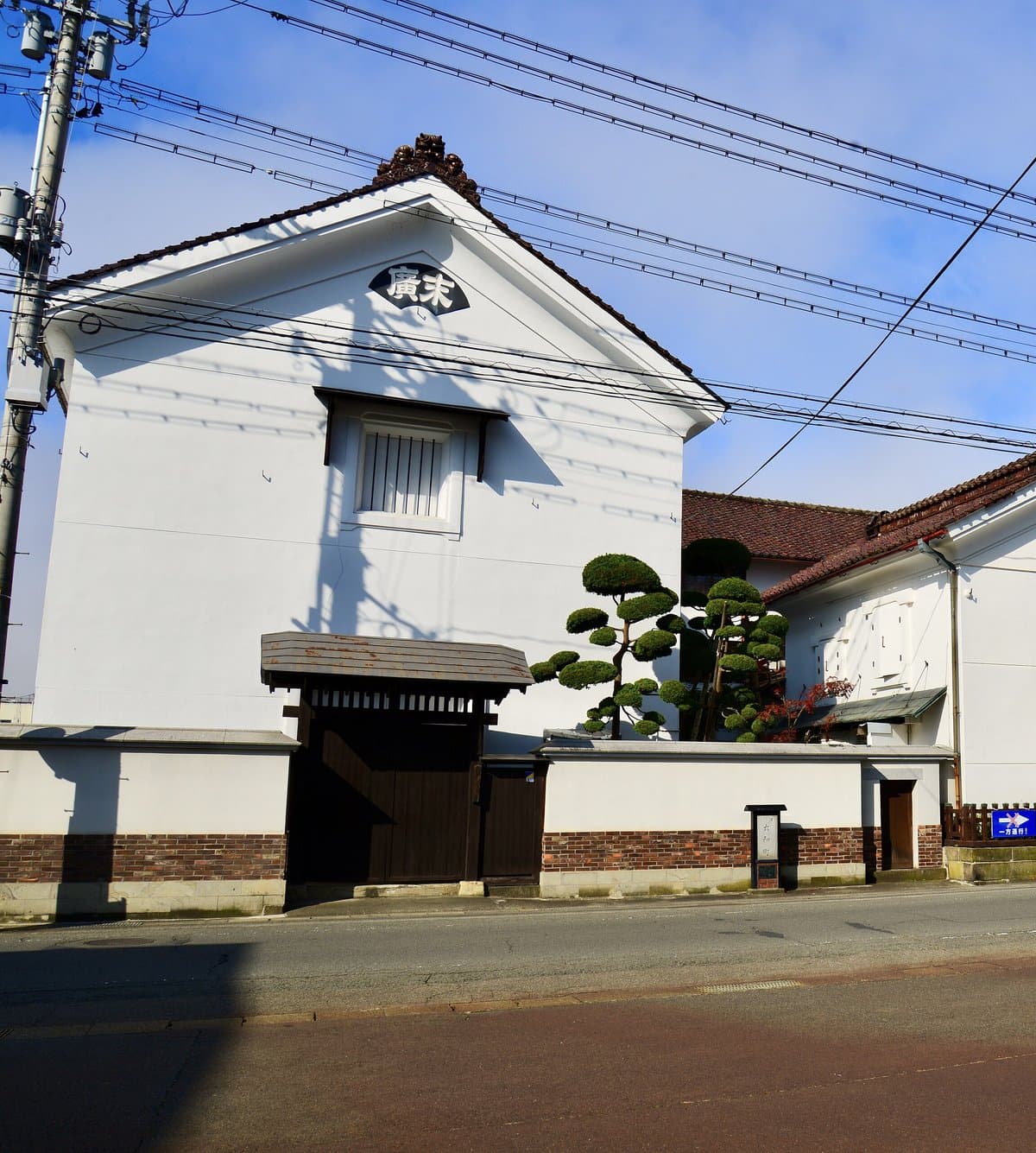 Photo: 皓月旗 / Wikimedia Commons, CC BY-SA 4.0 (cropped and resized)Aizuwakamatsu, FukushimaSuehiro Sake Brewery, Kaei-guraA sake brewery founded in 1850 in the town of Aizuwakamatsu, with free guided brewery tours of about 30 minutes, a café and a tall-ceilinged hall.Official check: 25 Sept 2026
 Photo: Photo ACFukushima, FukushimaTakayu OnsenA hot spring area with milky-white sulphur water springing from Mt. Azuma, an active volcano of about 2,000 m, at the Takayu end of the Bandai-Azuma Skyline. All the inns use the water as it comes, without adding water or heating, and in June 2010 Takayu became the ninth place in Japan and the first in Tohoku to make a "source-flowing declaration". About 50 m above the shared bath "Attakayu" is the "Attaka Onsen Park", where you can see and touch the hot water in a pool and look down on the "Taki no Yu No. 26" source.Official check: 28 Sept 2026
- Photo: 特急スカイツリートレイン / Wikimedia Commons, CC BY-SA 4.0 (resized)Futaba, FukushimaThe Great East Japan Earthquake and Nuclear Disaster Memorial MuseumFukushima Prefecture's museum on the 2011 earthquake, tsunami and nuclear disaster, in Futaba.Official check: 25 Sept 2026
 Photo: Photo ACShimogo, FukushimaTo-no-Hetsuri Rock FormationsA landscape of strange rock formations created as the Okawa (Aga) River repeated erosion and weathering over a million years. It is the largest scenic spot in Okawa-Hatori Prefectural Park and was designated a national Natural Monument in 1943 (Showa 18).Official check: 25 Sept 2026
 Photo: Yauchi / Wikimedia Commons, Public domainFukushima, FukushimaTsuchiyu Onsen and Tsuchiyu-toge Onsen-kyoA hot spring town in the valley of the Arakawa River, which flows from the Azuma mountains, inside Bandai-Asahi National Park. With over 1,400 years of history and more than 10 types of spring water, it is known as the birthplace of the traditional craft "Tsuchiyu kokeshi" dolls. In the town there are three foot baths using 100% source water, open all year. Further into the mountains is "Tsuchiyu-toge Onsen-kyo", a highland hot spring area at the Tsuchiyu end of the Bandai-Azuma Skyline, with scattered single inns; in late April you can bathe looking at the remaining snow.Official check: 28 Sept 2026
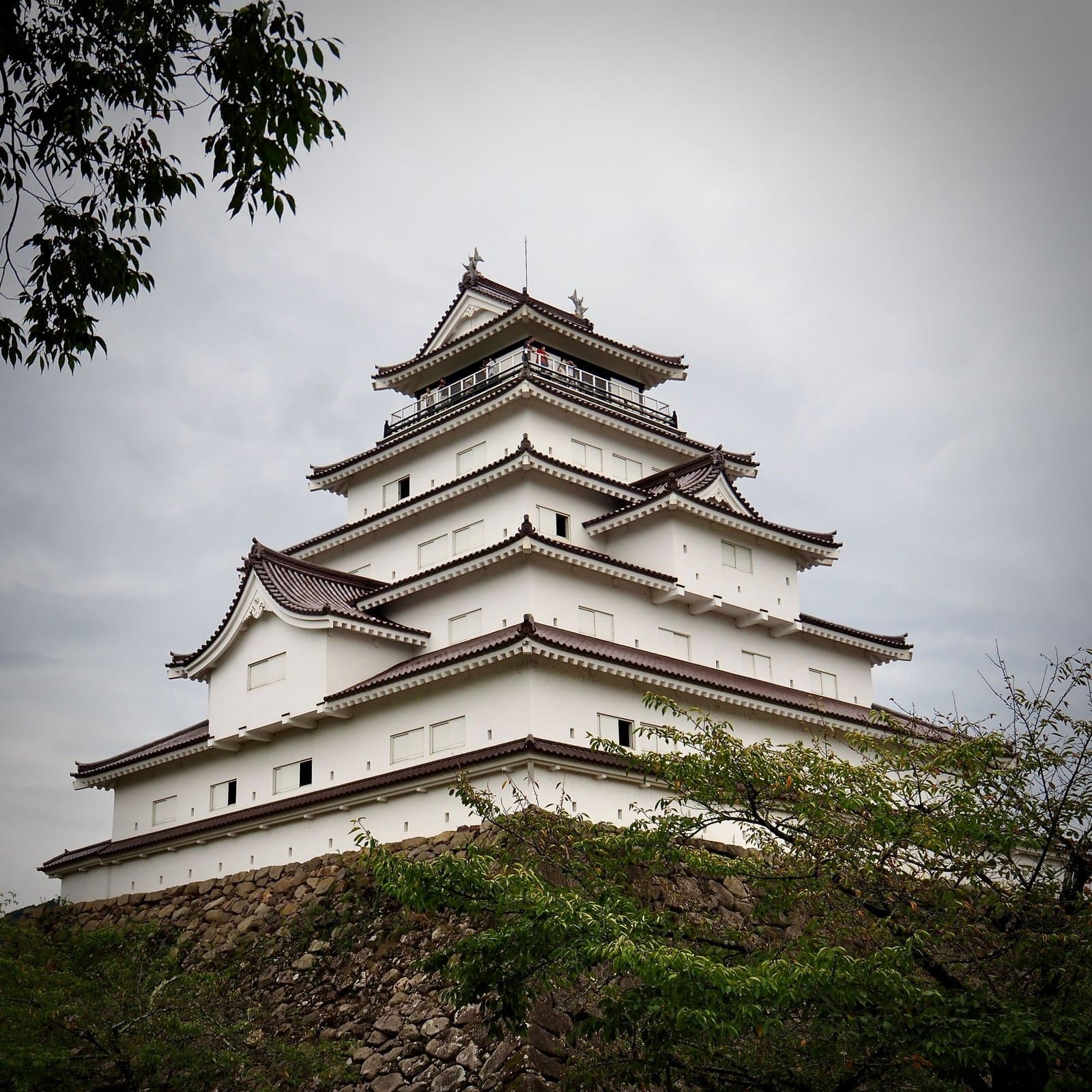 Photo: Andy Wilson / Pexels (resized)Aizuwakamatsu, FukushimaTsuruga-jo Castle, Aizu-WakamatsuThe symbol of Aizu-Wakamatsu; the reconstructed keep houses a local history museum and the top floor looks out over the city.Official check: 25 Sept 2026
- No photo yetAizuwakamatsu, FukushimaHoshiban Picture Candle ShopA picture-candle shop on Nanukamachi founded in 1772 as craftsmen to the Aizu domain, where flowers are hand-painted on candles and you can try painting your own (booking required).Official check: 25 Sept 2026
- No photo yetIwaki, FukushimaIwaki City Coal and Fossil Museum "Horuru"A museum of the Joban coalfield and local fossils, including the Futaba suzukiryu plesiosaur that inspired Pisuke in the Doraemon film, with a mock mine tunnel.Official check: 25 Sept 2026
- No photo yetIwaki, FukushimaIwaki City Nakoso-no-Seki Museum of Literature and HistoryThe Nakoso Barrier was the subject of poems by famous poets such as Ki no Tsurayuki, Ono no Komachi, Izumi Shikibu and the monk Saigyo. This museum shows their works, a reconstruction of a post town, and literary and historical materials linked to the area, with a bronze statue of the Heian warrior Minamoto no Yoshiie, who wrote "Fuku kaze wo nakoso no seki to omoedomo...". The grounds form Nakoso-no-Seki Park, with walking paths and "Suifuden", a reconstruction in shinden style, which is free to visit and rest in.Official check: 28 Sept 2026
- No photo yetIwaki, FukushimaIwaki Earthquake Disaster Memorial MuseumOpened on May 30, 2020, this facility preserves and displays materials on the 2011 Great East Japan Earthquake and hosts talks by storytellers, to pass on the memory and lessons of the disaster, share the progress of recovery and support rebuilding across the city. It has panels on the earthquake, tsunami and nuclear accident and on recovery, real items such as a blackboard from the damaged former Toyoma Junior High School, and a VR recreation of the tsunami. The "Iwaki Storytellers Association" gives regular talks.Official check: 28 Sept 2026
- No photo yetIwaki, FukushimaIwaki La La MewA roadside station in Onahama, Iwaki's tourism and local-produce centre, with a seafood market street, seafood restaurants on two floors (the 2nd floor facing the Pacific) and a barbecue zone.Official check: 25 Sept 2026
- No photo yetFukushima, FukushimaShiki no Sato (Fukushima City Rural Manufacture Park)A large rural park designed after medieval Europe, opened in July 1995. It has a craft hall where you can paint kokeshi dolls, a farm market, a garden cafe (weekends), a water mill, a woodland square, a herb garden, and outdoor play facilities such as a splash pond, battery cars and rope climbing. The rose garden, with old roses and more, is at its best from early June, and there is an illumination from mid-January to early February. Entry is free.Official check: 28 Sept 2026
- No photo yetIwaki, FukushimaSpa Resort HawaiiansA hot-spring resort with indoor pools and baths kept at summer temperatures year-round.Official check: 25 Sept 2026