
Spots in Shizuoka
Each spot shows when its facts were last checked against official sources.
Select a square pin to open the spot. Zoom with Ctrl/Cmd + scroll, or two fingers on a phone.
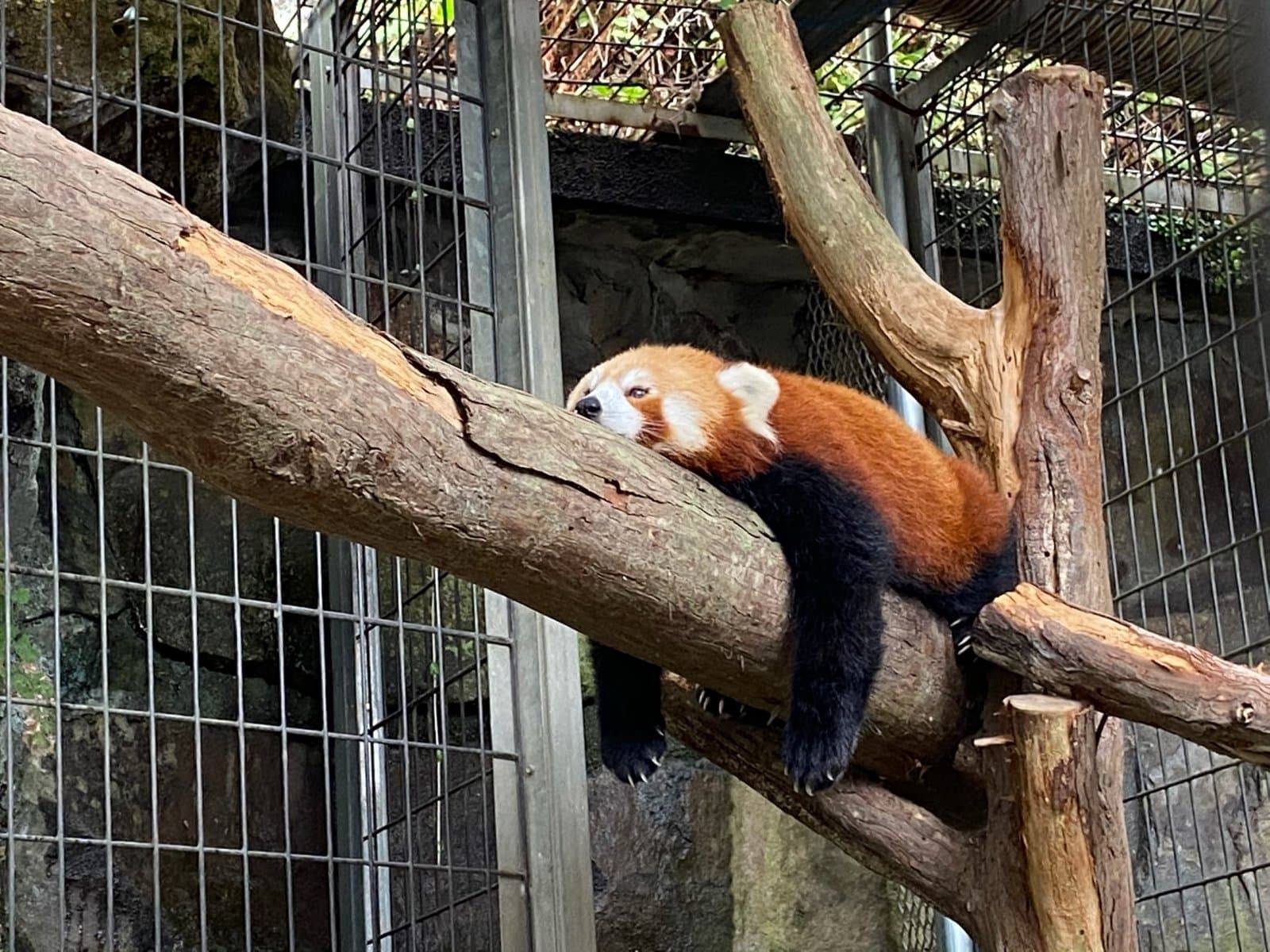 Photo: Photo ACHigashiizu, ShizuokaAtagawa Tropical & Alligator GardenA rare park in Japan that uses hot spring heat to raise animals and plants, with about 100 crocodiles and alligators and about 20 kinds of bananas. You can also see the Amazonian manatee, found only here in Japan, and the western lesser panda, kept in Japan only here.Official check: 26 Sept 2026
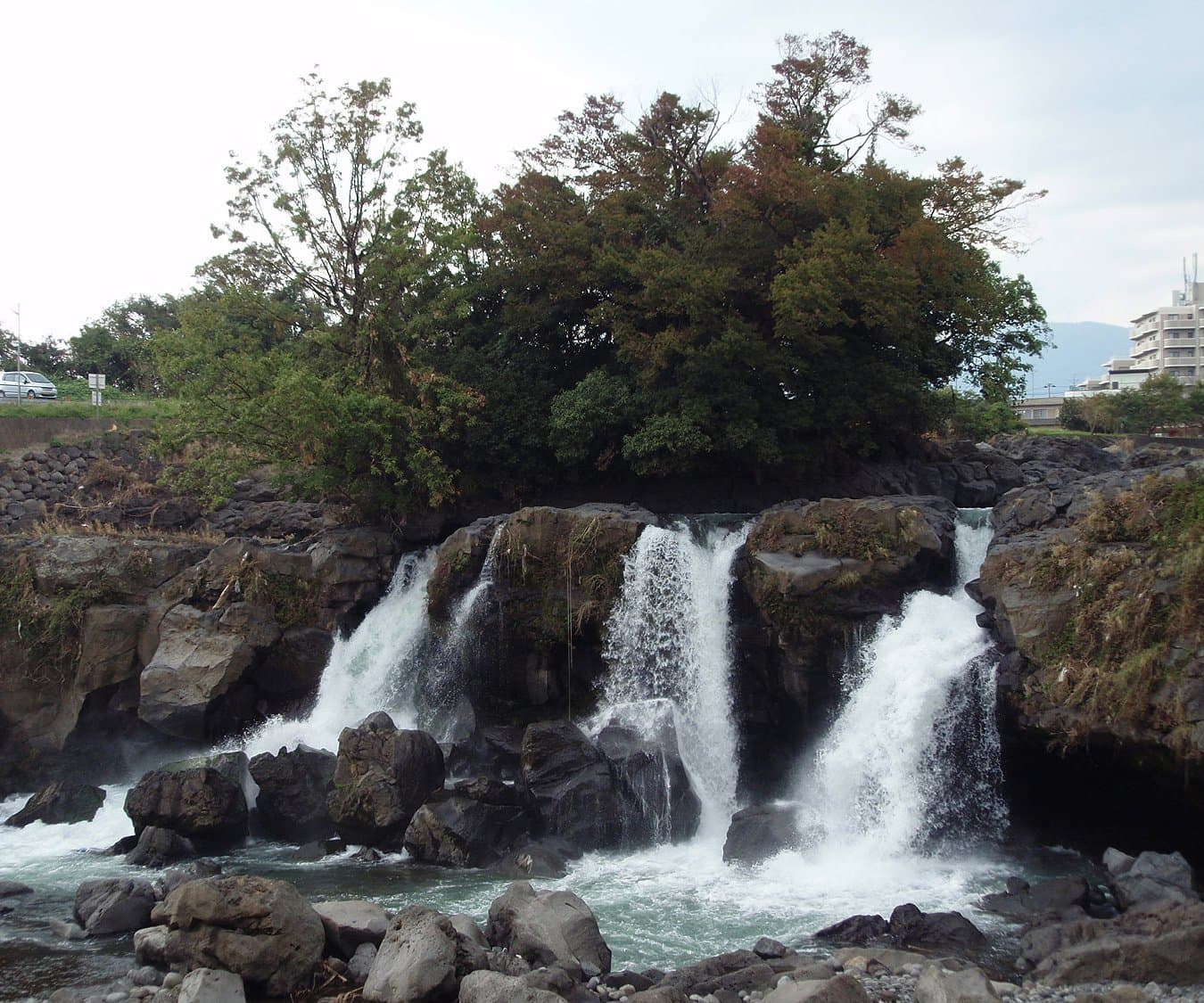 Photo: Batholith / Wikimedia Commons, Public domain (cropped)Nagaizumi, ShizuokaAyutsubo FallsOn the Kise River at the border of Nagaizumi and Numazu, at the south-western end of the Mishima lava that flowed from Mt. Fuji about 10,000 years ago. The river wore away the soft loam under the lava, leaving hard lava as a cliff about 9 m high and 65 m wide, with many streams falling between the rocks. It is a Shizuoka Prefecture natural monument and a geosite of the Izu Peninsula Geopark. The name comes from sweetfish (ayu) that gathered in the plunge pool, unable to climb the falls; it is also called "Aitsubo" for its indigo-blue pool and "Fujimi" for its view of Mt. Fuji. Lava layers and lava tree moulds can be seen.Official check: 27 Sept 2026
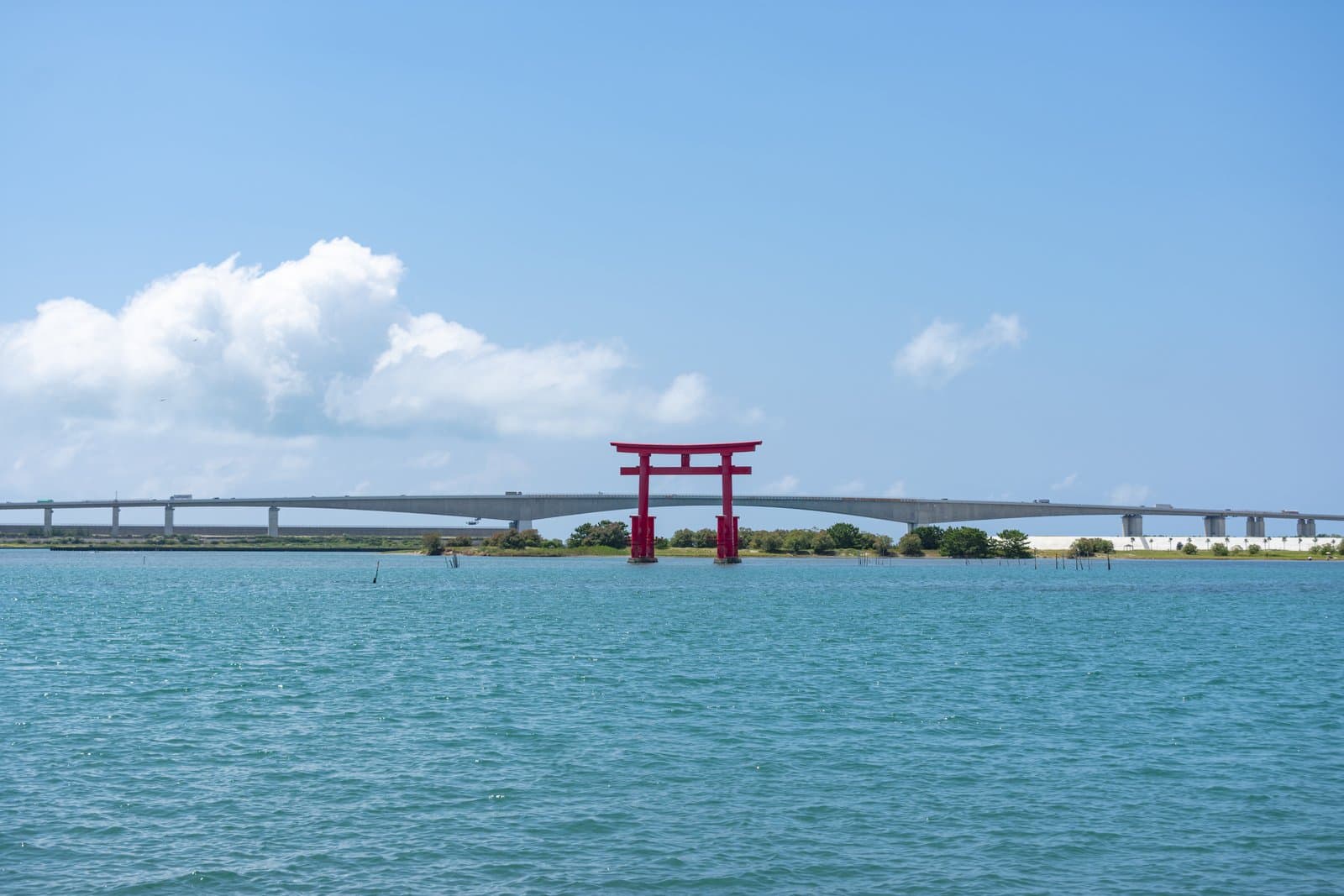 Photo: Photo ACHamamatsu, ShizuokaBentenjima Seaside ParkA park on Lake Hamana with a striking red symbol tower, 3 minutes on foot from JR Bentenjima Station, where rows of palm trees create a southern-resort feel. It is loved as the scenic "Benten Sekisho" (Benten sunset): from late November to late January the sun sets in the middle of the tower. In summer its calm beach is busy, and at low tide you can play on the natural tidal flat "Ikarise".Official check: 26 Sept 2026
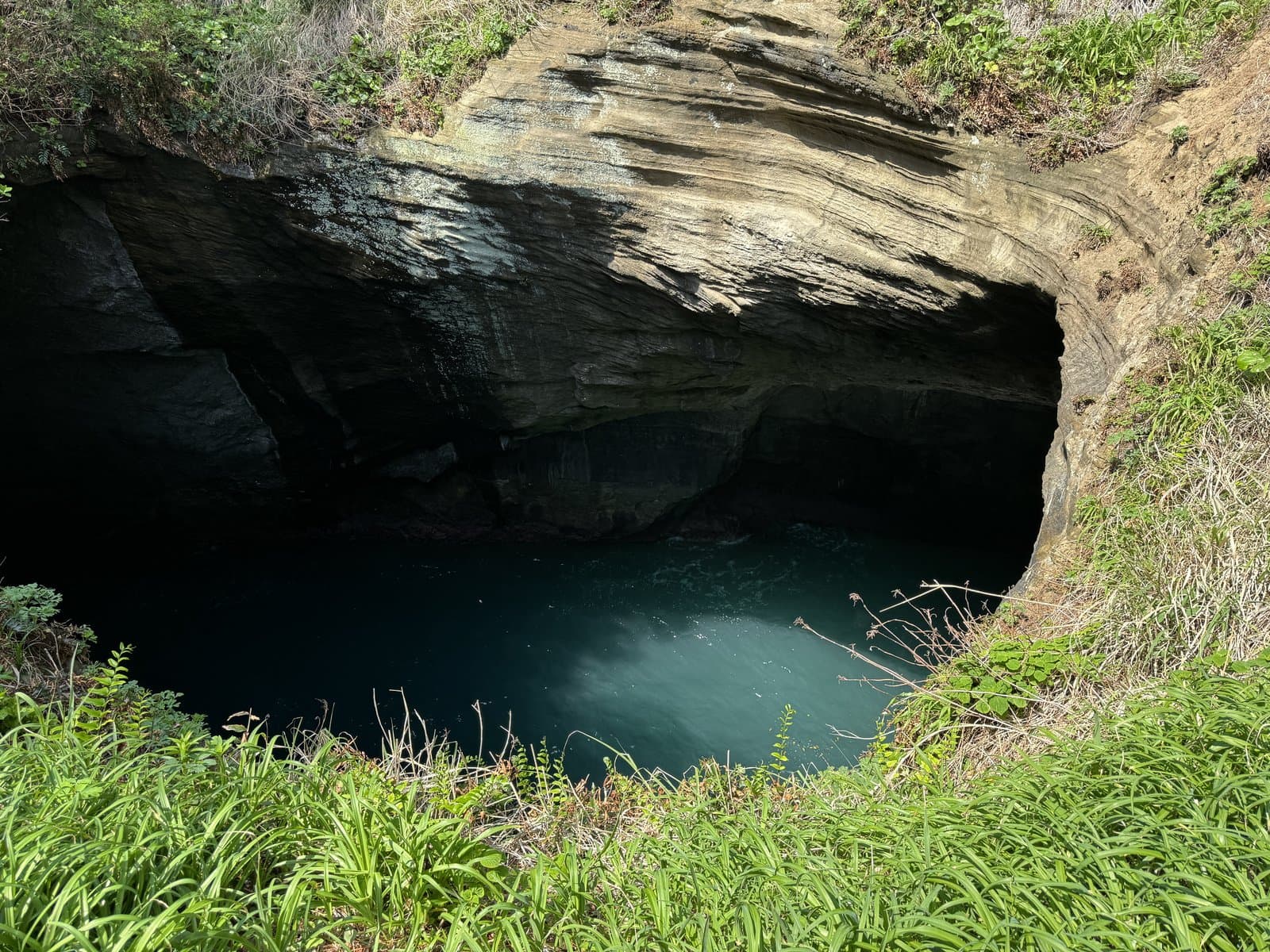 Photo: Photo ACNishiizu, ShizuokaDogashima Tensodo Sea CaveA huge sea cave carved by waves in tuff whose ceiling has fallen in like a skylight, lighting the water emerald and cobalt; it is seen by the Dogashima cave cruise boat or from the walking path above.Official check: 26 Sept 2026
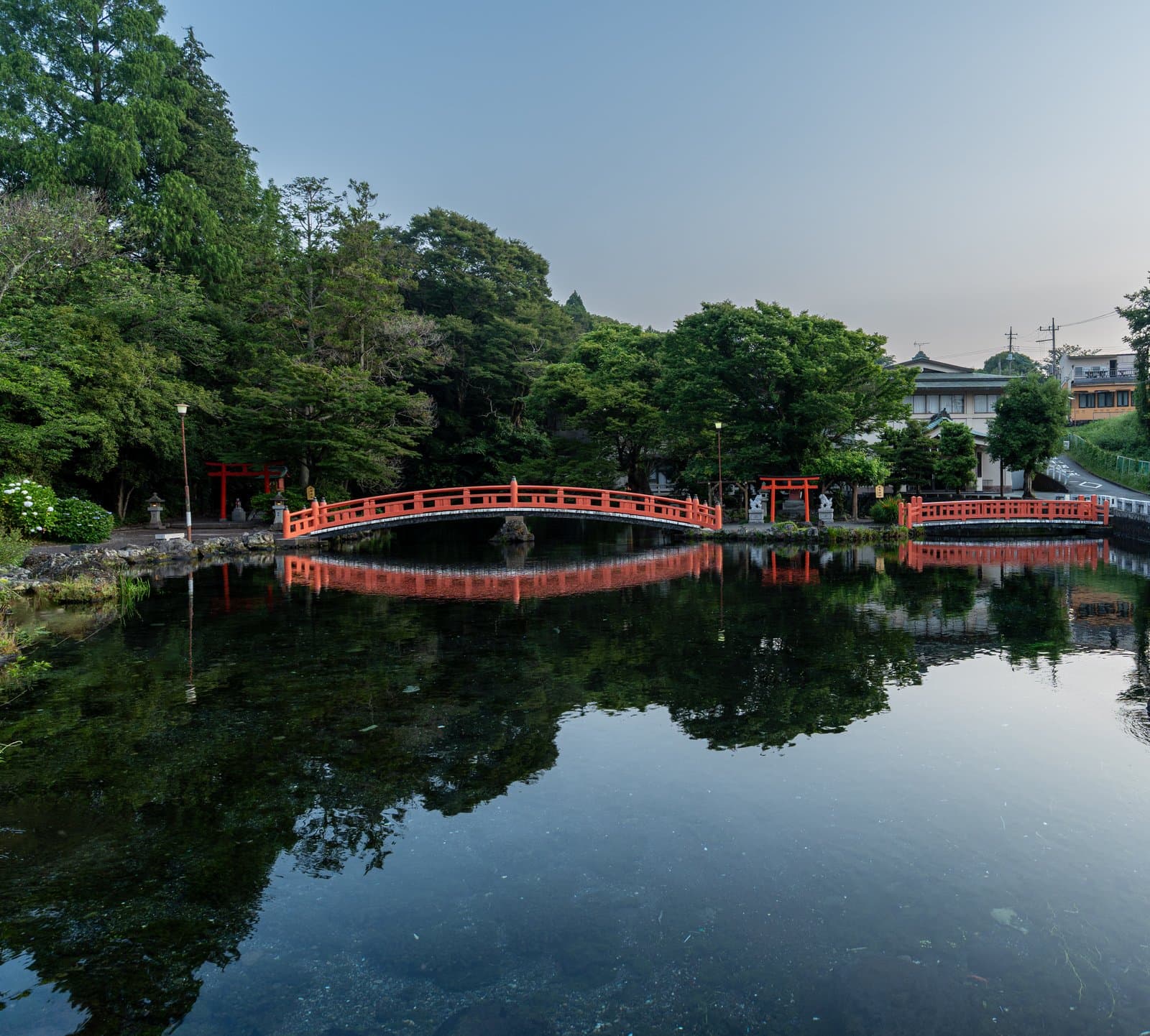 Photo: Photo ACFujinomiya, ShizuokaFujisan Hongu Sengen TaishaThe head shrine of over 1,300 Sengen shrines, worshipping Mt. Fuji itself; its vermilion two-storey "Sengen-zukuri" main hall was donated by Tokugawa Ieyasu, and pilgrims purified themselves in the Wakutama-ike spring before climbing.Official check: 26 Sept 2026
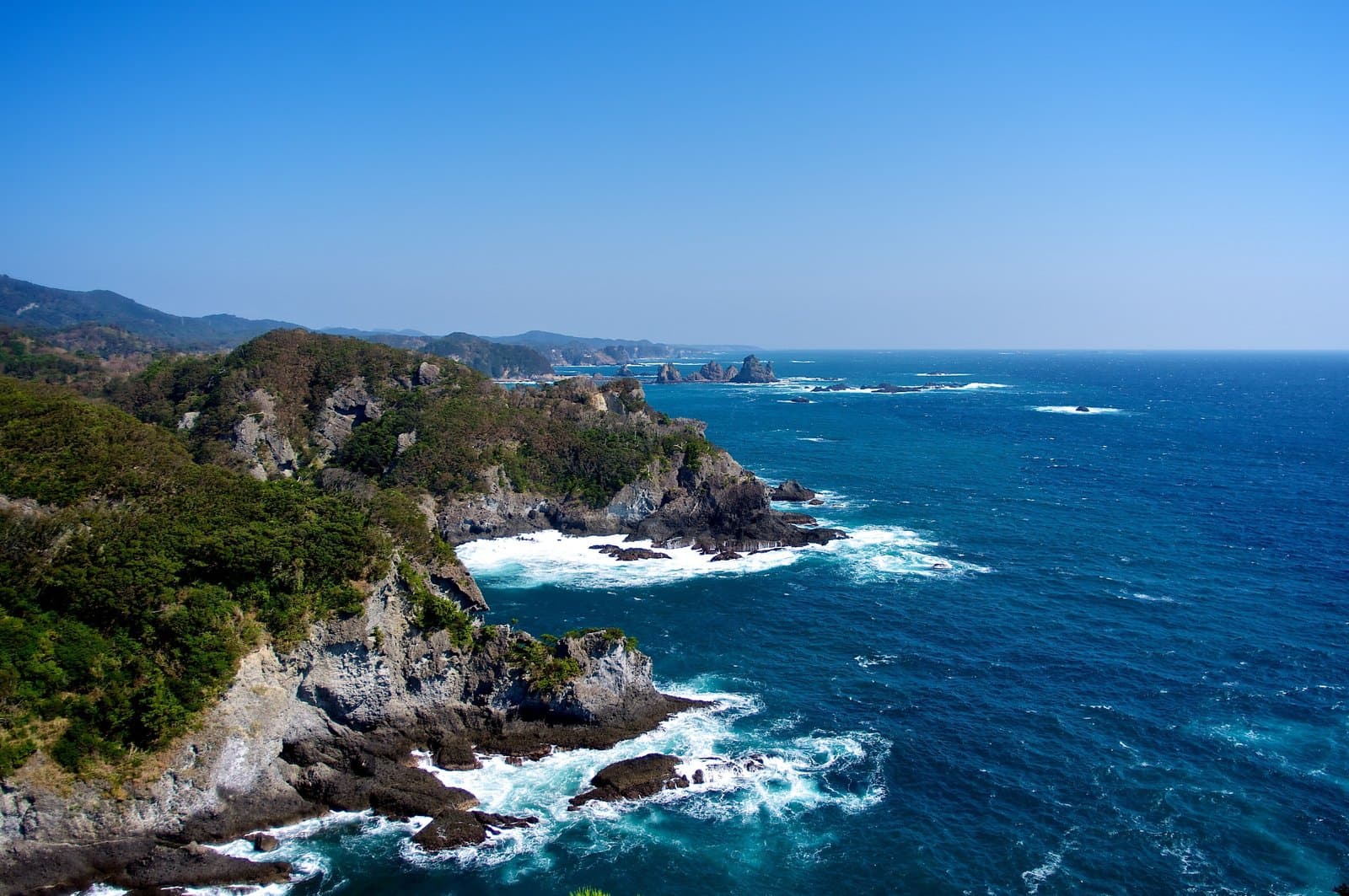 Photo: FoxyStranger Kawasaki / Wikimedia Commons, CC BY-SA 3.0 (resized)Minamiizu, ShizuokaIrozaki Ocean ParkA base for enjoying the 100 m-high cliffs at the southern tip of the Izu Peninsula, with parking and a rest building, from which you can walk to Irozaki Lighthouse and Iruma Shrine built in a hollow of the cliff. The Minami-Izu Visitor Center explains the landforms of the UNESCO Global Geopark, and you look out where the Sagami Sea meets the Enshu Sea.Official check: 26 Sept 2026
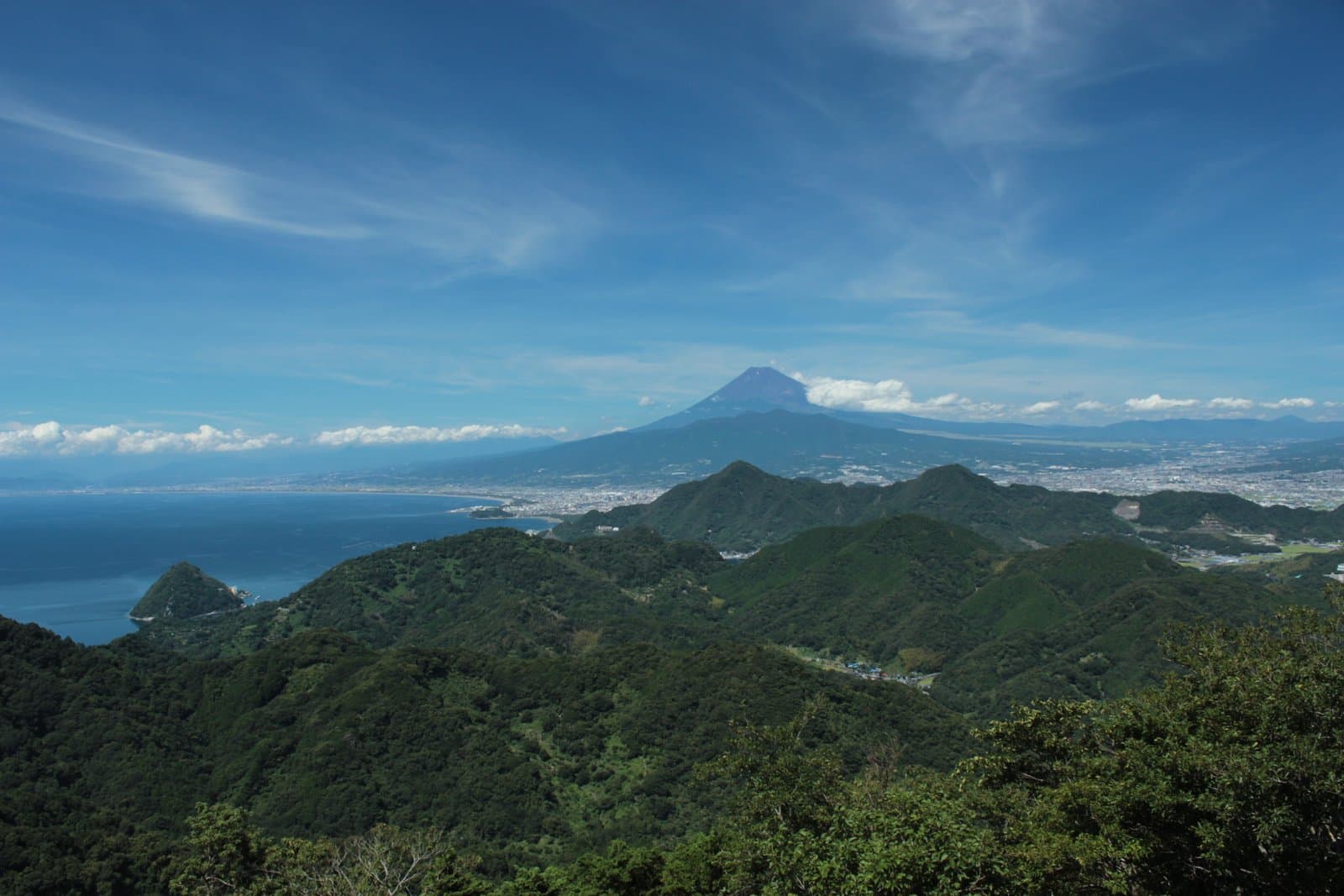 Photo: Batholith / Wikimedia Commons, Public domain (resized)Izunokuni, ShizuokaIzu Panorama ParkA resort terrace with views of Mt. Fuji and Suruga Bay, reached by a ropeway of about 1,800 m (about 7 minutes) to the summit of Mt. Katsuragi (452 m). At the "Ao Terrace" viewing area, a water basin reflects the sky, and when conditions are right it mirrors an upside-down Mt. Fuji; there is also a foot bath and a cafe.Official check: 26 Sept 2026
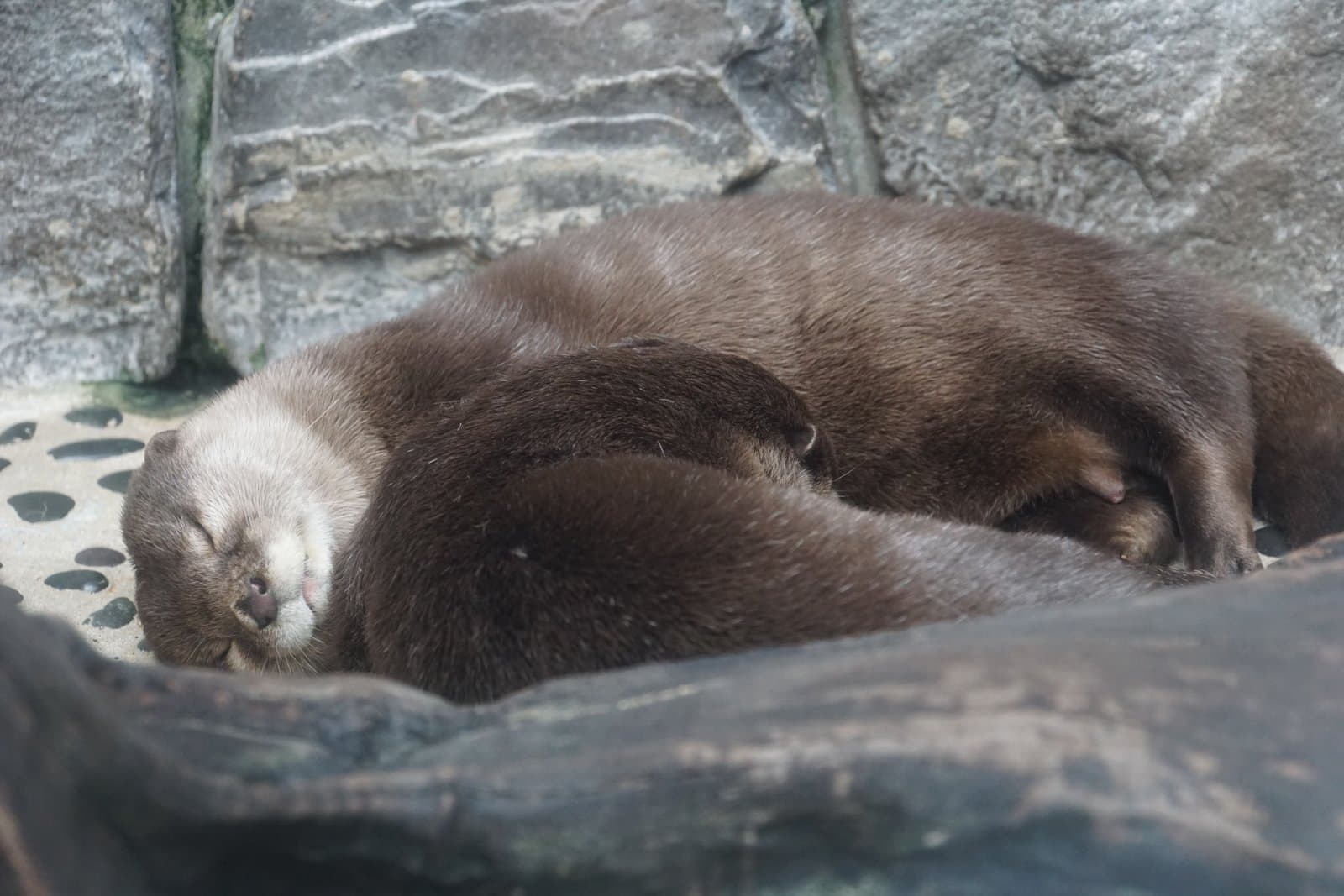 Photo: Photo ACNumazu, ShizuokaIzu-Mito Sea ParadiseKnown as "Mitoshi", this hands-on aquarium focuses on being close to the animals: a big walrus comes right up at feeding time and you can touch the paws of small-clawed otters. In the open show area there are sea lion and Steller sea lion performances and dolphin jumps, with Mt. Fuji in the background. Indoors are fish from Suruga Bay, Japan's deepest bay, and a kids' corner, and a natural inlet is used as an enclosure where animals can be seen close to their wild state.Official check: 27 Sept 2026
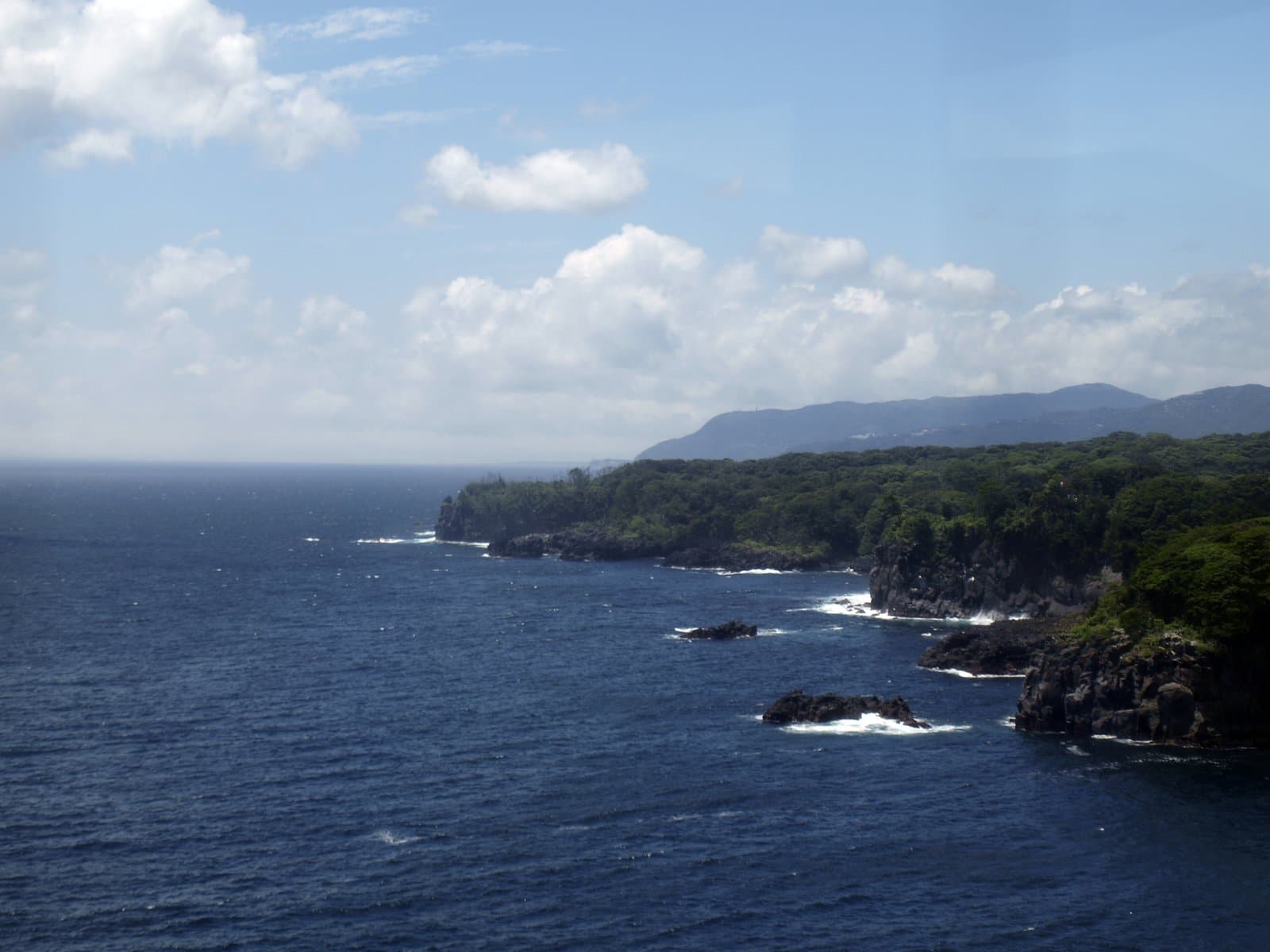 Photo: Tomo / Wikimedia Commons, CC BY 2.0 (resized)Ito, ShizuokaJogasaki CoastCliffs formed by lava from the eruption of Mt. Omuro about 4,000 years ago, with the Kadowaki suspension bridge (48 m long, about 23 m high) over the rocks and walking trails of about 9 km and 6 km along the coast.Official check: 26 Sept 2026
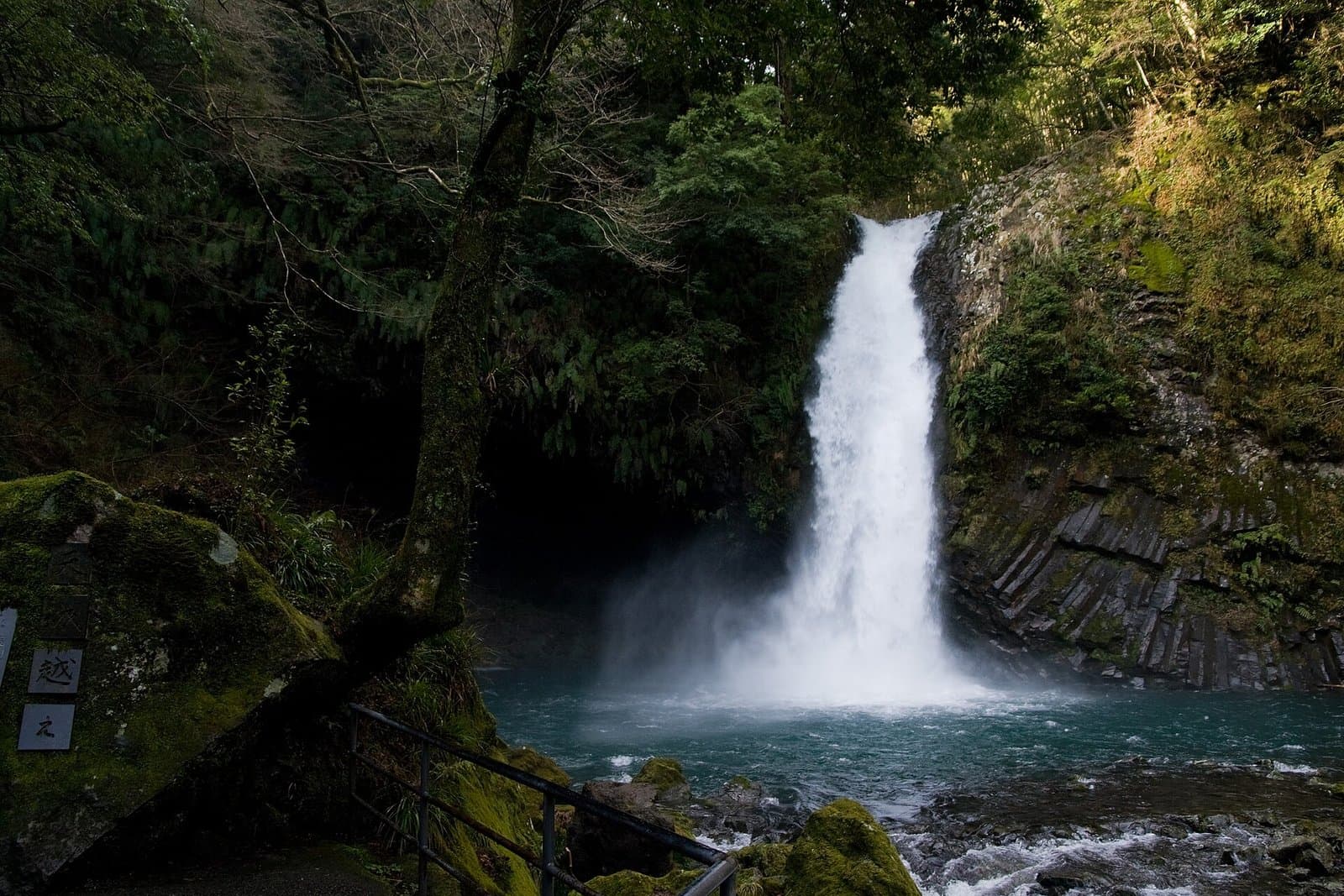 Photo: Σ64 / Wikimedia Commons, CC BY 3.0 (resized)Izu, ShizuokaJoren FallsOne of Izu's largest waterfalls, 25 m high and 7 m wide, among Japan's 100 best waterfalls, falling over columnar basalt into a pool said to be about 15 m deep; wasabi fields using the traditional World Agricultural Heritage method lie downstream.Official check: 26 Sept 2026
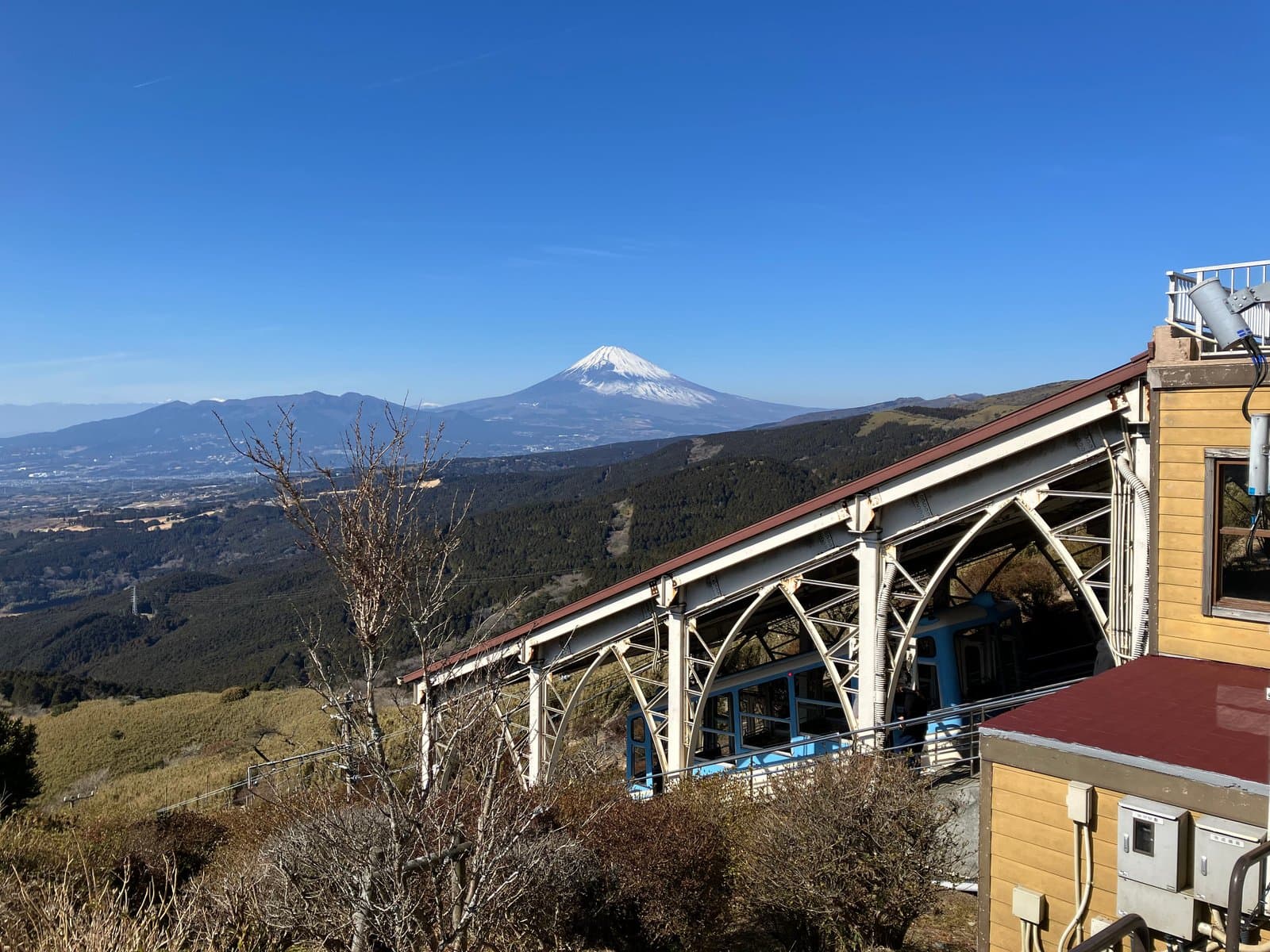 Photo: Photo ACKannami, ShizuokaJukkoku Pass Panorama Cable CarA cable car up to Jukkoku Pass on the border of Atami and Kannami, long loved as a place to view Mt. Fuji. At the top is a 360-degree panorama from the "PANORAMA TERRACE 1059"; on clear days you can see Mt. Fuji, Suruga Bay and even the Alps. Dogs can ride on a lead, and there is a dog run at the summit.Official check: 26 Sept 2026
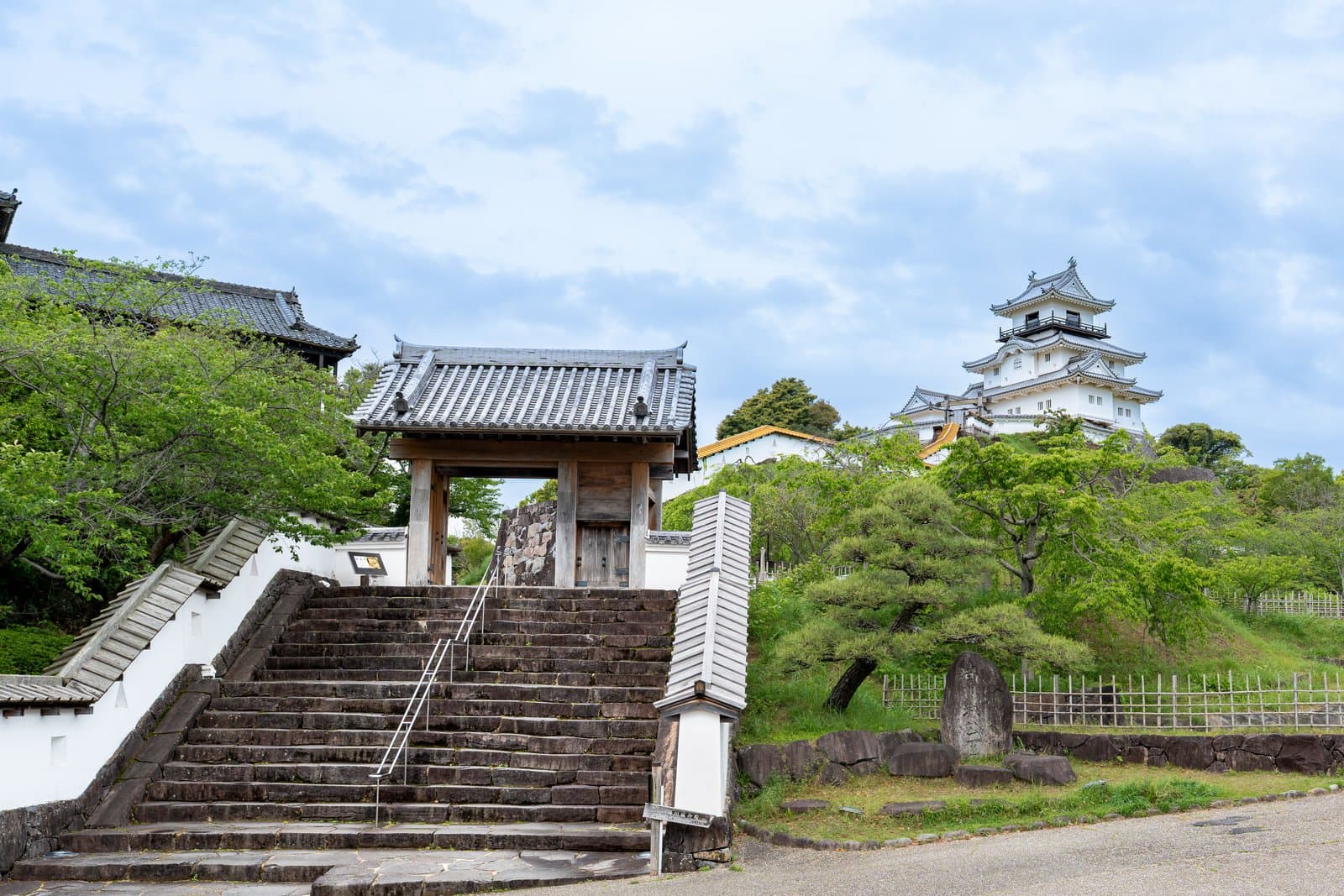 Photo: Photo ACKakegawa, ShizuokaKakegawa CastleA castle once praised as "the finest castle of the Tokai region", taken by Tokugawa Ieyasu after Imagawa Yoshimoto fell at Okehazama in 1560. The present keep was rebuilt in 1994 as Japan's first full-scale wooden reconstruction, and on clear days you can see Mt. Fuji from the top. The palace, rebuilt at the end of the Edo period, is one of the few surviving castle palaces in Japan and an Important Cultural Property.Official check: 26 Sept 2026
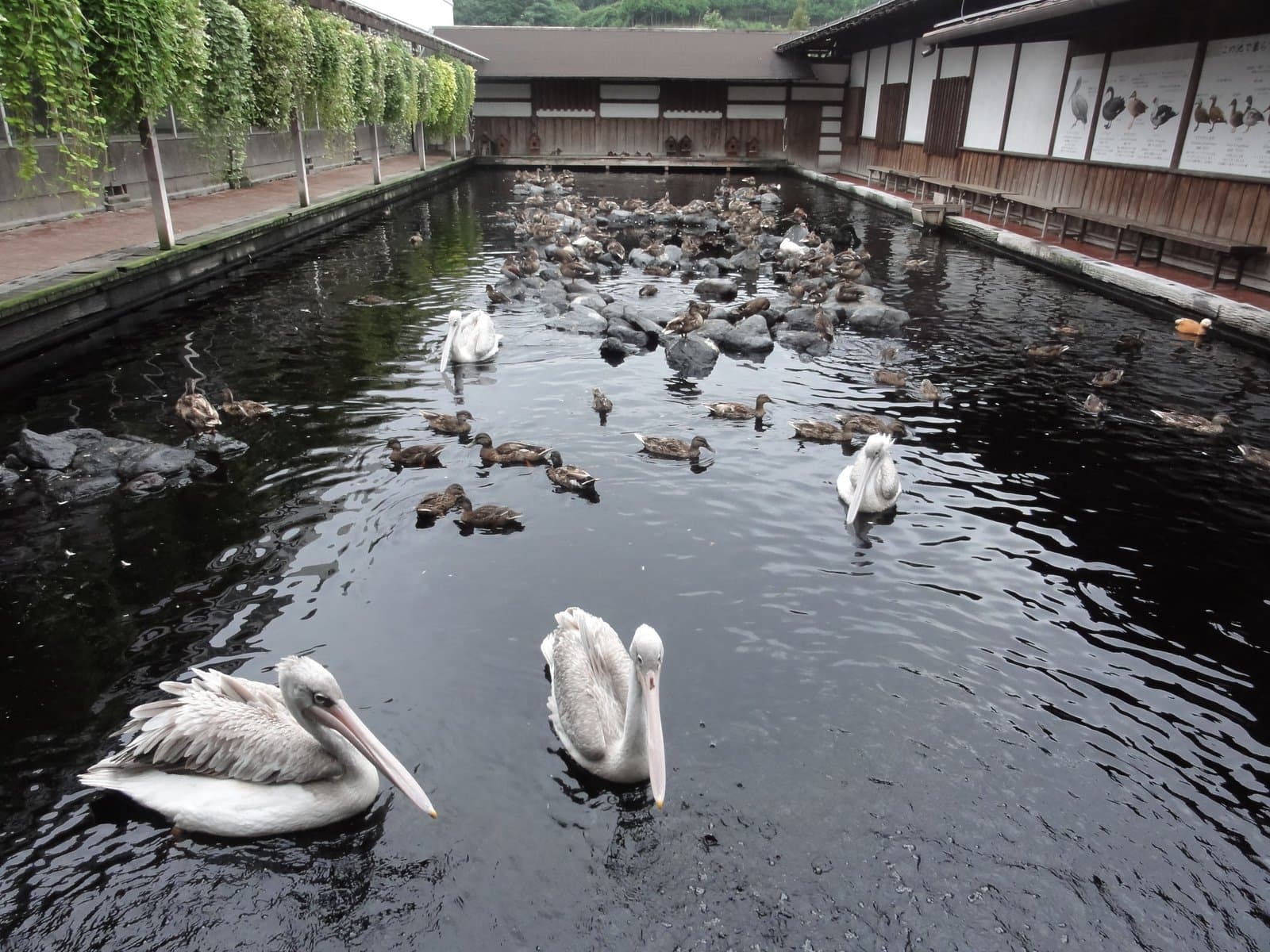 Photo: gundam2345 / Wikimedia Commons, CC BY 3.0 (resized)Kakegawa, ShizuokaKakegawa Kachoen (Flower and Bird Park)Flowers and freely flying birds in a vast greenhouse; the facility is all-weather and barrier-free inside. About 600 birds of about 100 species are kept, and you can feed penguins and other birds and have your photo taken with a bird on your arm. The shoebill, known as the bird that does not move, and the bird show are highlights.Official check: 26 Sept 2026
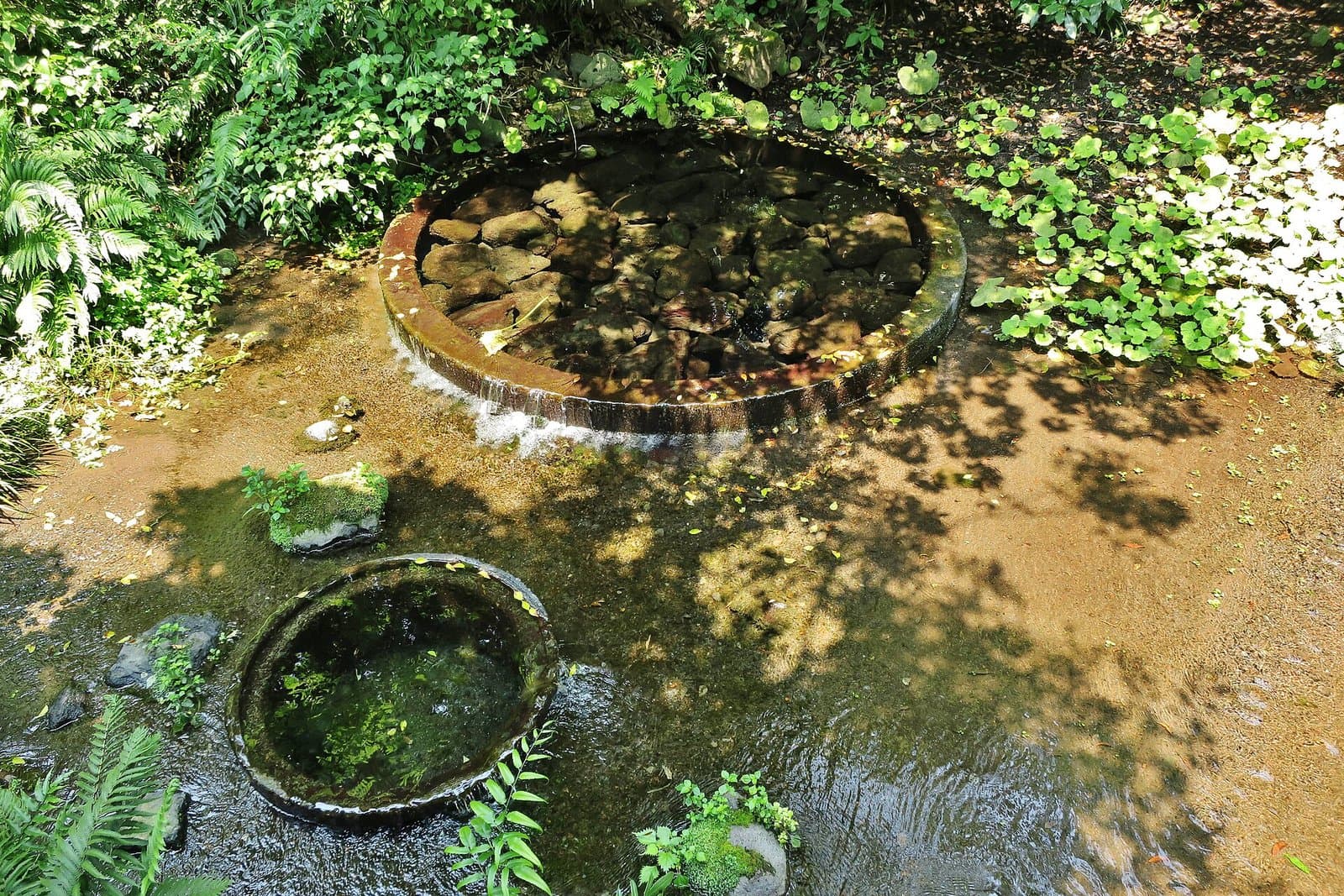 Photo: Qurren / Wikimedia Commons, CC BY-SA 3.0 (resized)Shimizu, ShizuokaKakitagawa ParkA park where snowmelt from Mt. Fuji reappears decades later as springs; the river is a Natural Monument and one of Japan's 100 best waters. From the second observation deck you look down on cobalt-blue spring water, and children can paddle in the spring plaza.Official check: 26 Sept 2026
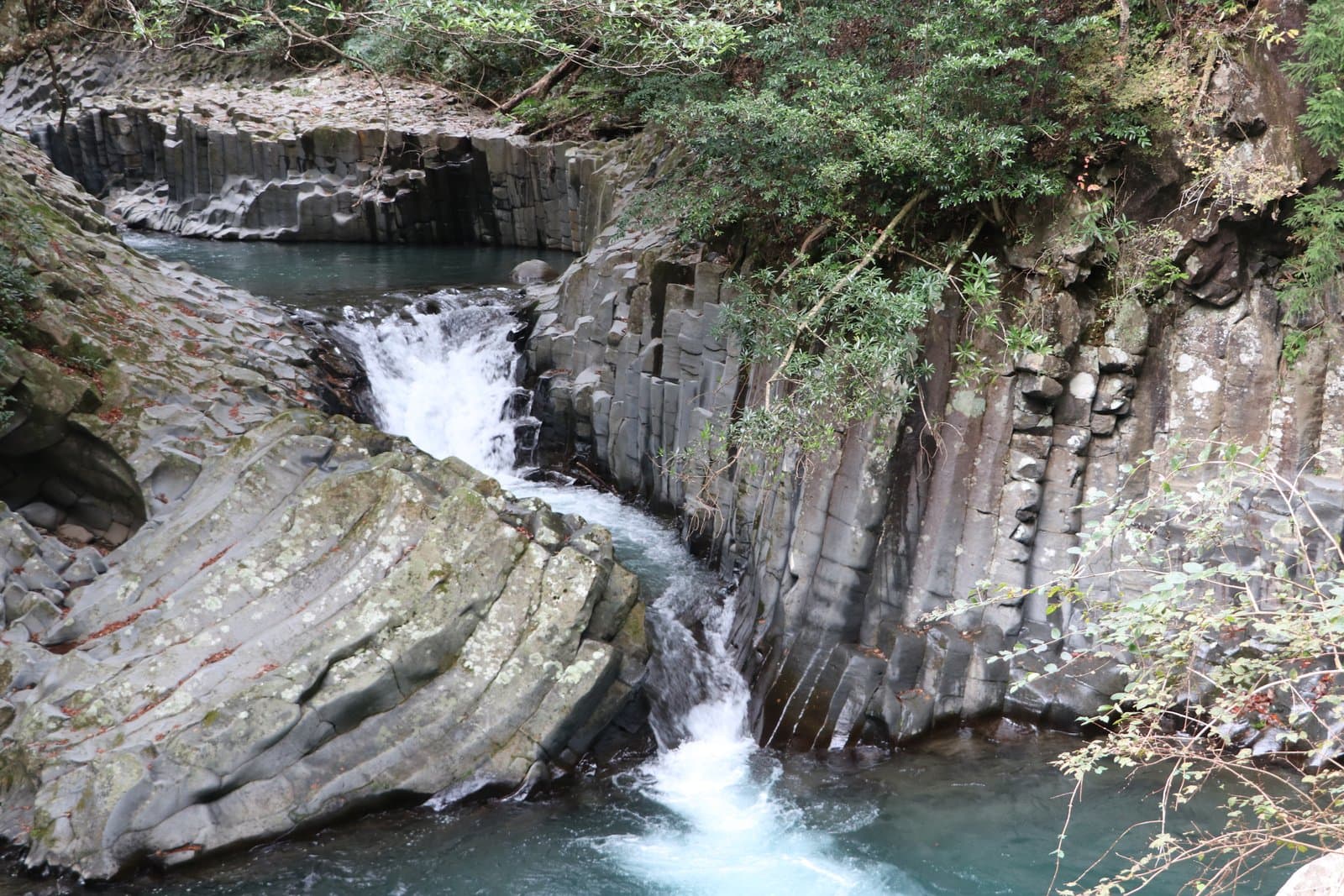 Photo: Osumi Akari / Wikimedia Commons, CC BY-SA 4.0 (resized)Kawazu, ShizuokaKawazu Seven WaterfallsSeven waterfalls formed by lava from volcanic activity about 25,000 years ago, near the Amagi Pass; a path of about 850 m links them, with a bronze statue from Kawabata's "The Izu Dancer" at Shokei-daru. Seeing all takes about an hour.Official check: 26 Sept 2026
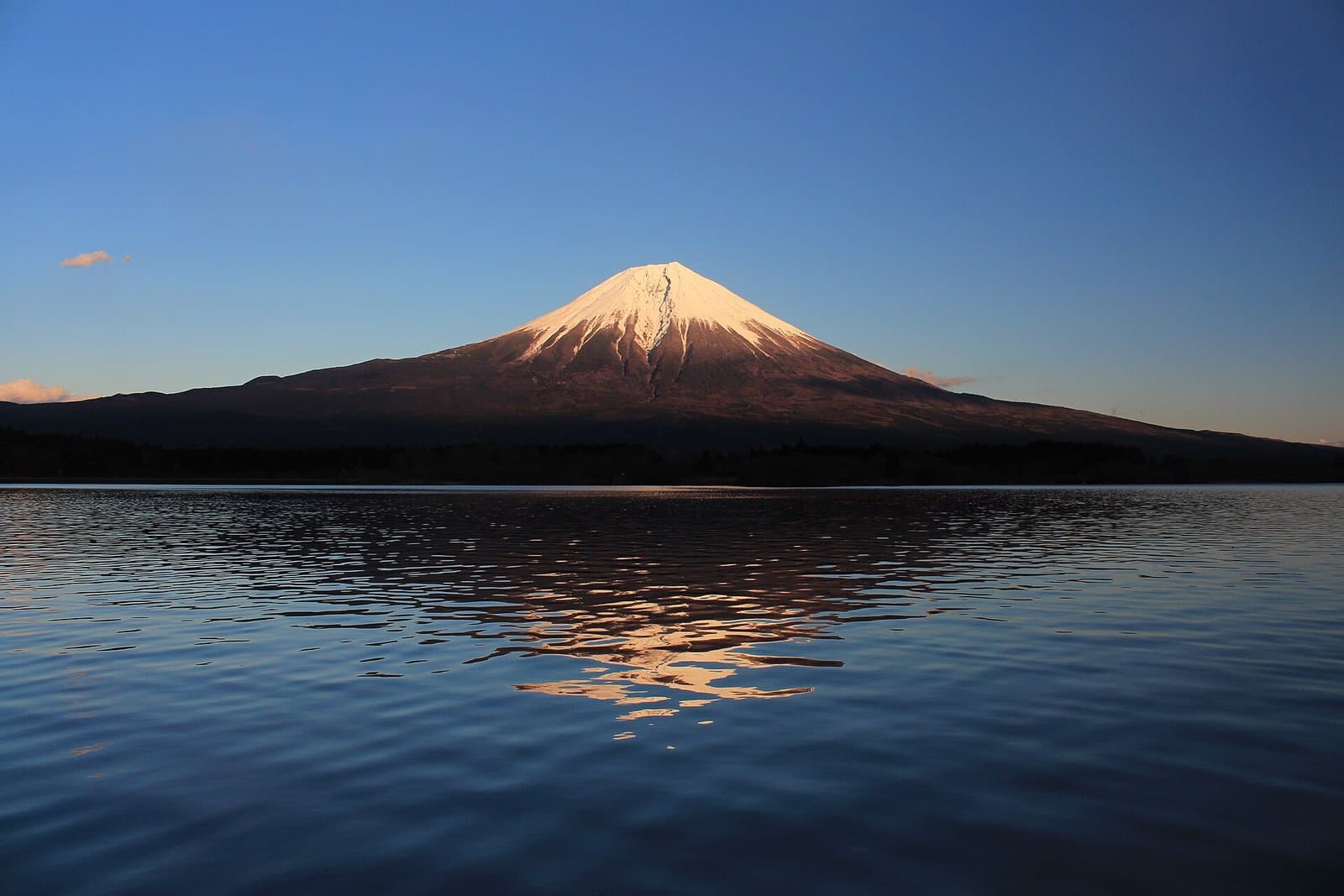 Photo: Alpsdake / Wikimedia Commons, CC BY-SA 4.0 (resized)Fujinomiya, ShizuokaLake TanukiA calm lake 3.3 km around at 660 m on the northern edge of the Asagiri Plateau, facing Mt. Fuji; on still days it mirrors the mountain, and for about a week around April 20 and August 20 the sun rises from the summit ("Diamond Fuji").Official check: 26 Sept 2026
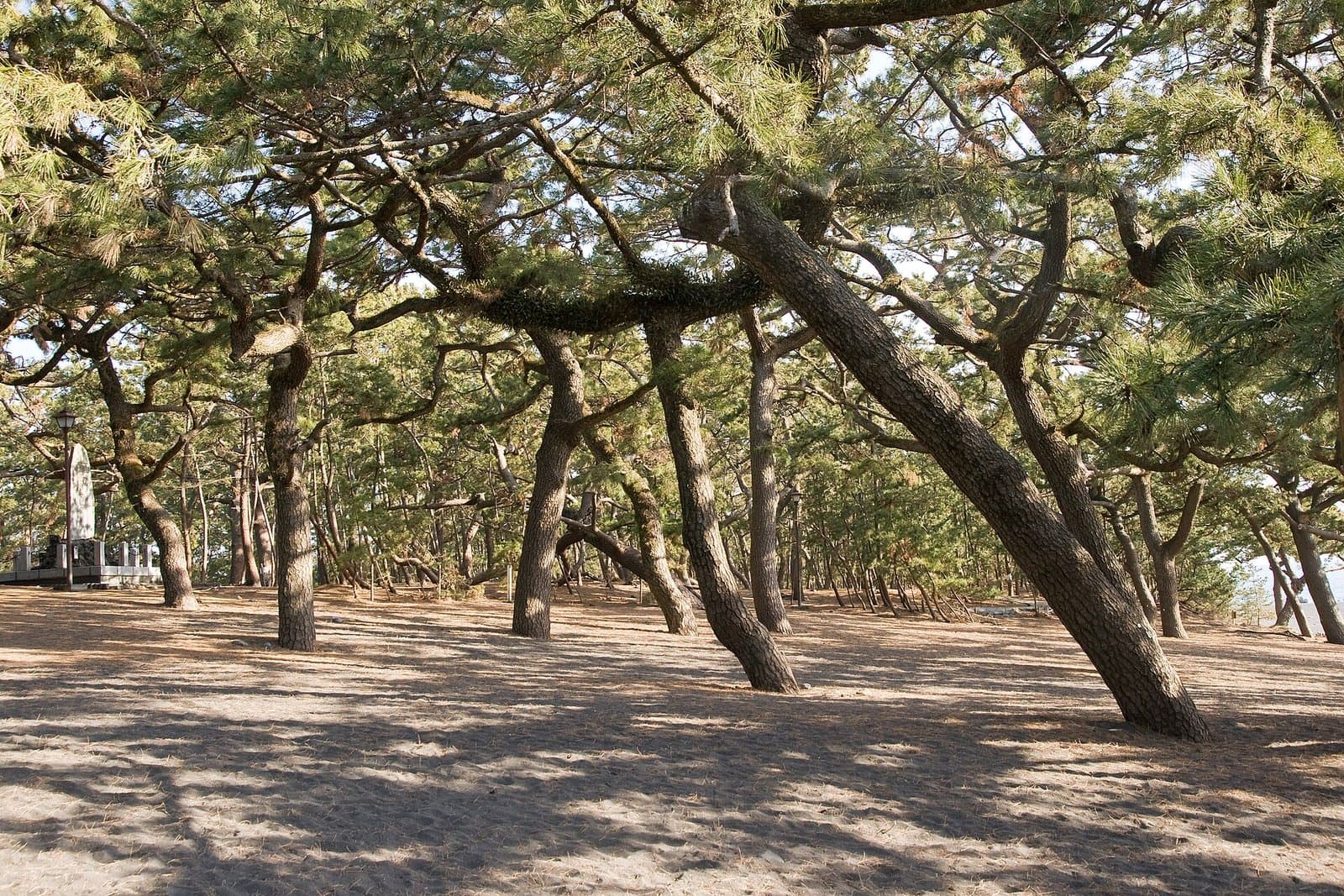 Photo: Σ64 / Wikimedia Commons, CC BY 3.0 (resized)Shizuoka, ShizuokaMiho no Matsubara (Hagoromo Pine)A pine grove running about 5 km along the shore, where the pines, white waves and Mt. Fuji rise together; registered as World Cultural Heritage in 2013. The Hagoromo Pine is the highlight, and the Mihoshirube centre has exhibits and maps.Official check: 26 Sept 2026
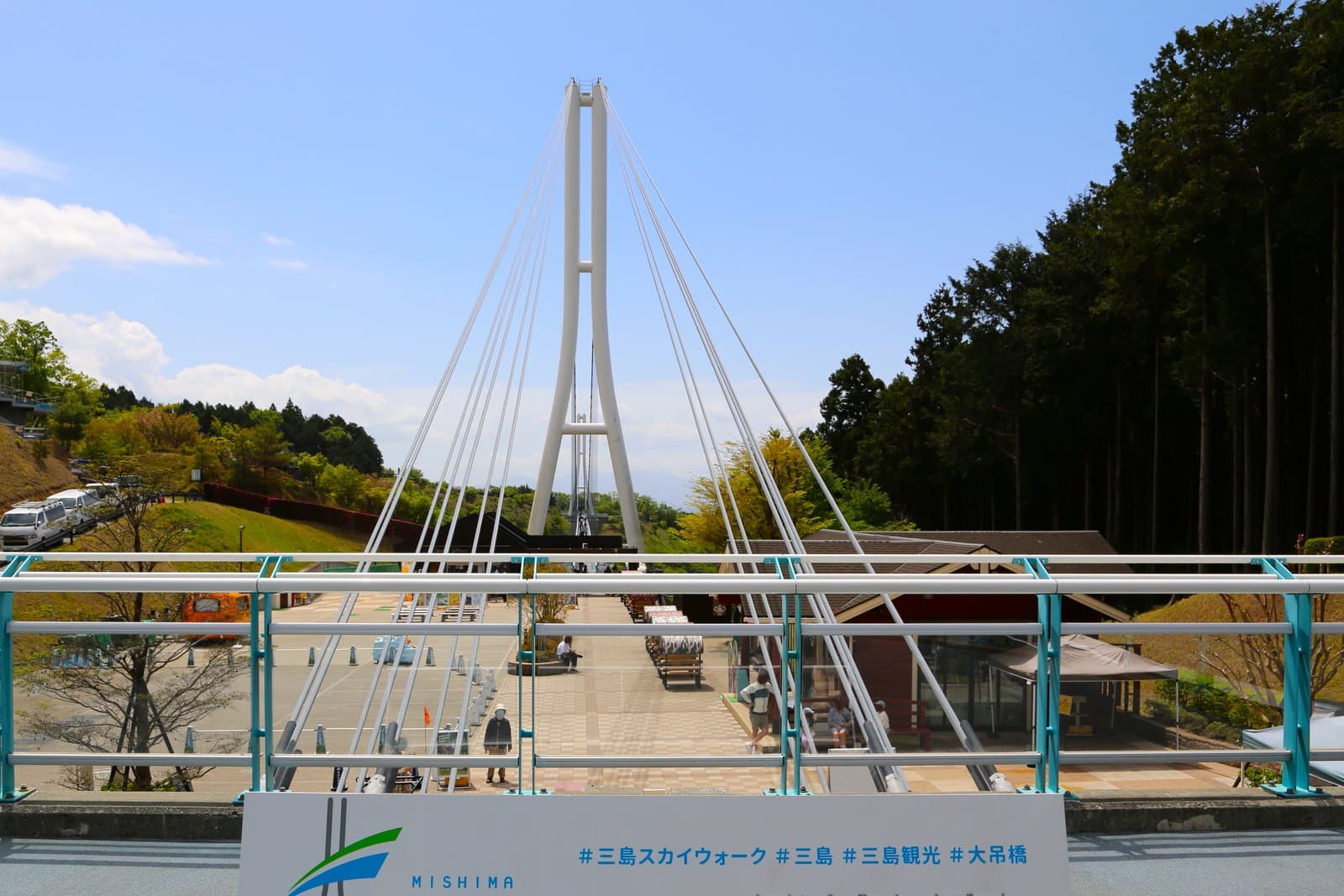 Photo: Photo ACMishima, ShizuokaMishima SkywalkA 400 m pedestrian suspension bridge with views of Mt. Fuji, Japan's highest mountain, and Suruga Bay, Japan's deepest, at the same time, plus activities, photo spots and local food.Official check: 26 Sept 2026
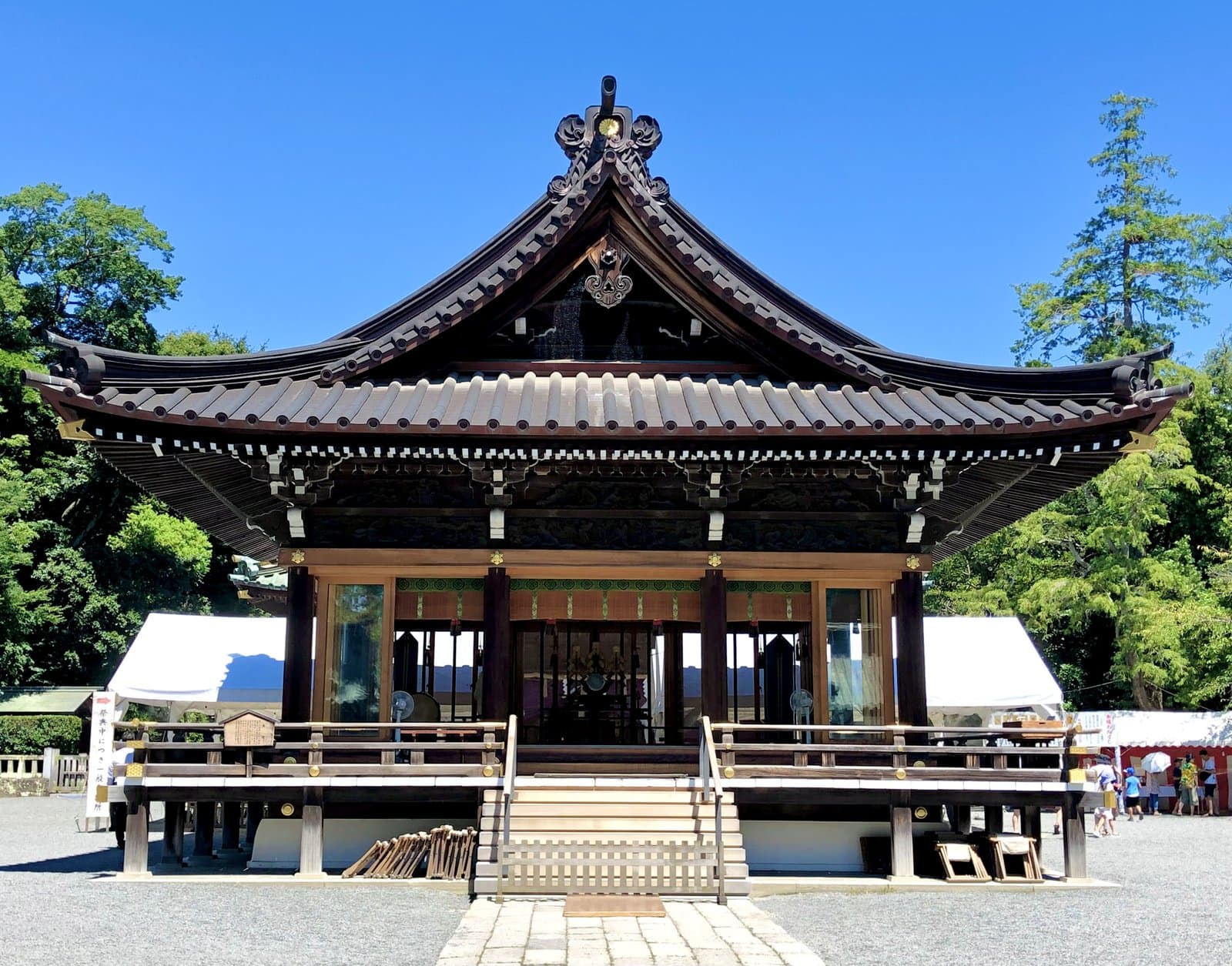 Photo: Photo ACMishima, ShizuokaMishima Taisha ShrineThe first shrine of Izu Province, with a history of over a thousand years, where Minamoto no Yoritomo prayed for the revival of the Minamoto clan. The main hall of plain zelkova (Important Cultural Property) is among the largest in Japan, the treasures include the National Treasure lacquer box dedicated by Hojo Masako, and a fragrant olive over 1,200 years old is a natural monument; cherry trees bloom in spring.Official check: 26 Sept 2026
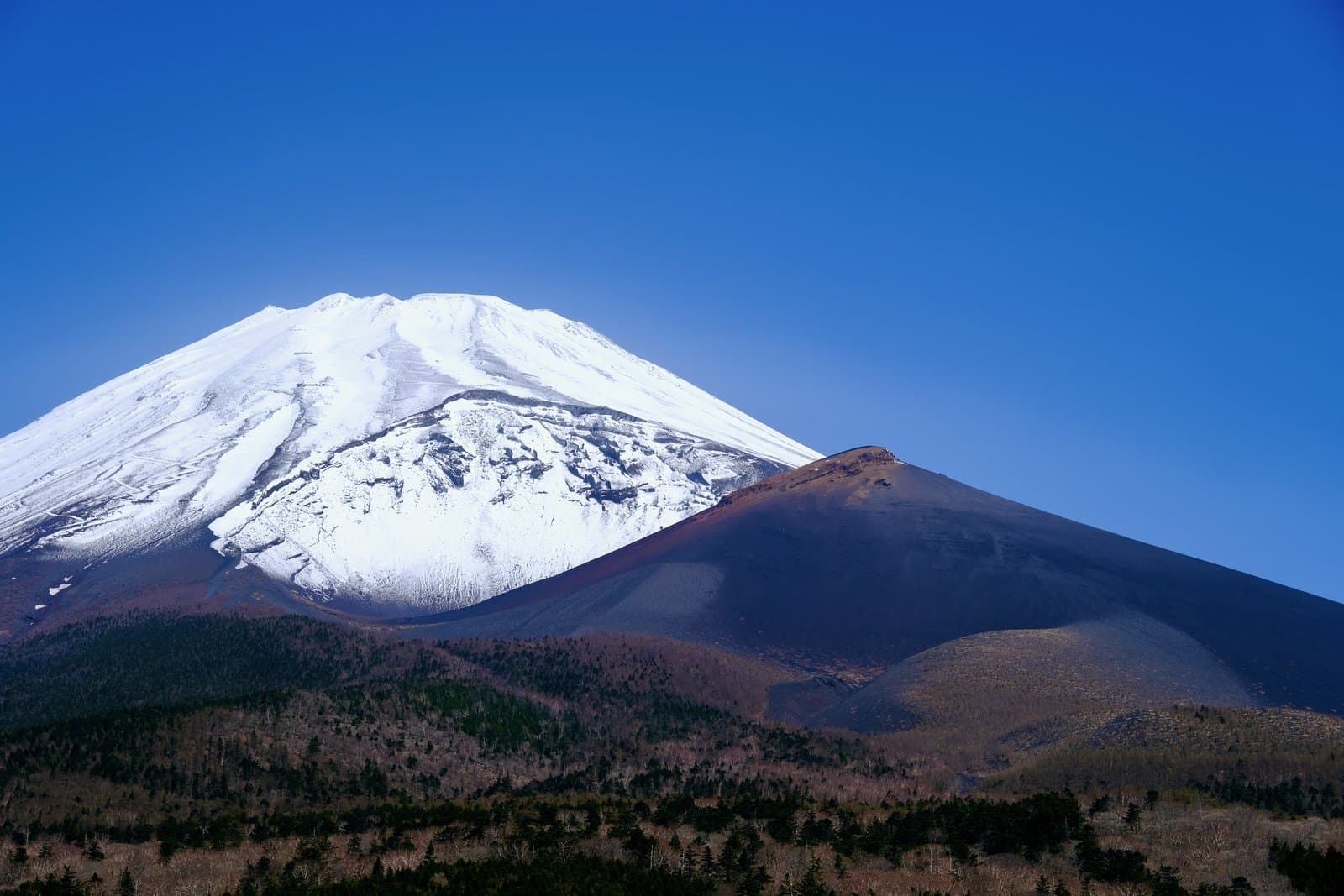 Photo: Photo ACSusono, ShizuokaMizugatsuka ParkAt 1,450 m, on the second station of Mt. Fuji on the Fuji Skyline, this spot has nothing blocking the view, so even the rugged slopes of the Hoei crater are clearly visible. The scenery changes with fresh greenery, autumn leaves and snow, and in winter it is busy with snow play in front of the snow-capped mountain. The attached "Mori no Eki Fujisan" offers meals with local ingredients and souvenirs, and there is a cross-country course laid with wood chips.Official check: 27 Sept 2026
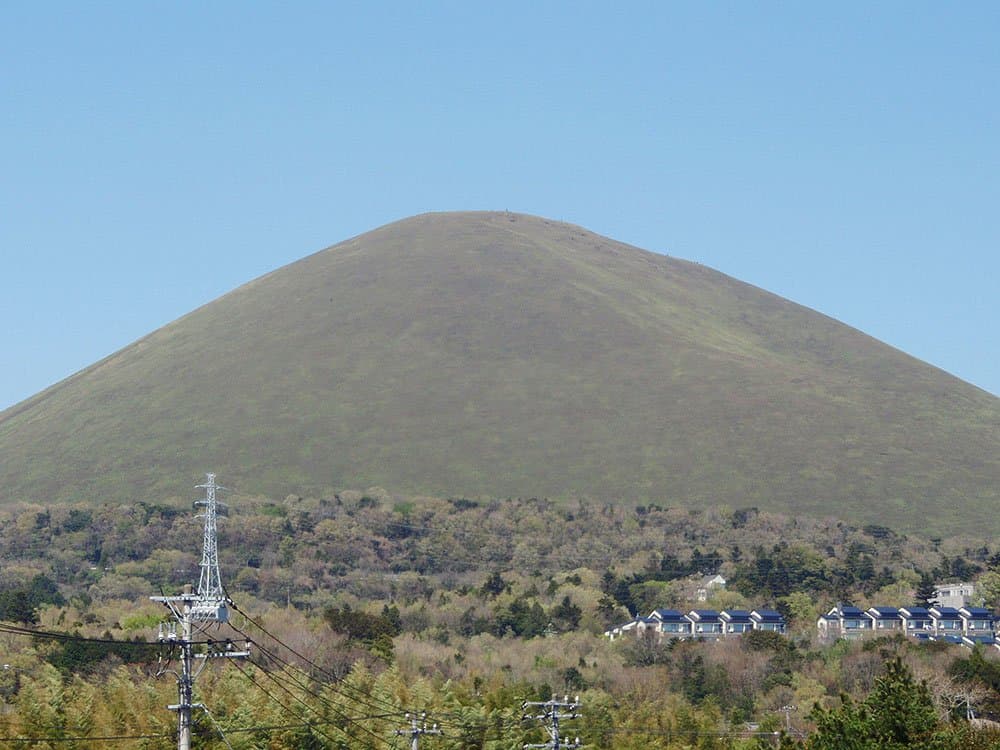 Photo: Batholith / Wikimedia Commons, Public domainIto, ShizuokaMt. OmuroA 580 m scoria cone formed by an eruption about 4,000 years ago, a Natural Monument; walking up is forbidden to protect the grass, so you ride a 6-minute lift and walk around the 300 m crater rim with views of Mt. Fuji and the Izu Islands.Official check: 26 Sept 2026
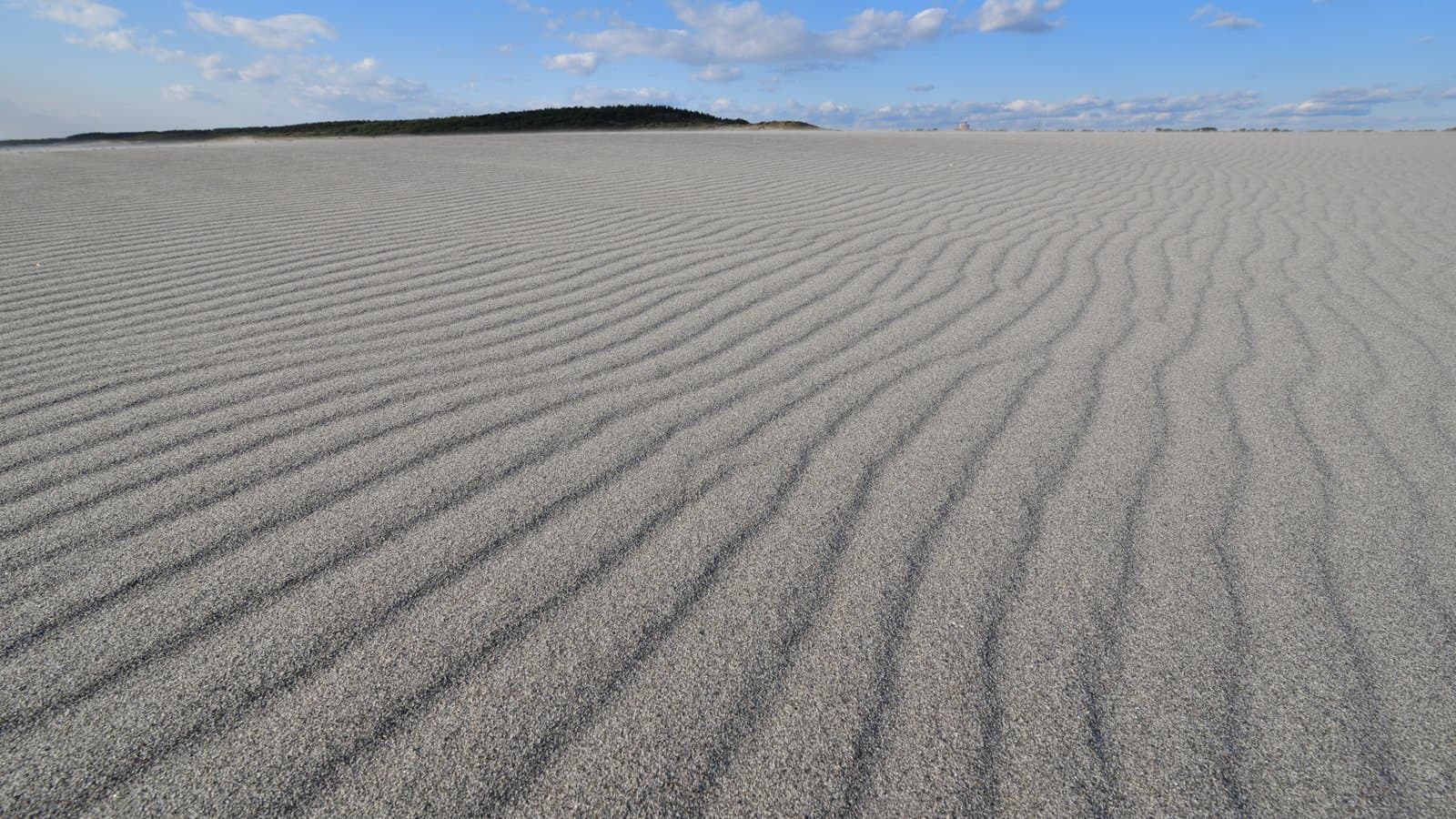 Photo: SUN / Wikimedia Commons, CC BY 4.0 (resized)Hamamatsu, ShizuokaNakatajima Sand DunesSand dunes stretching about 4 km east to west along the Enshu Sea, said to be one of Japan's three great dunes and used as a location for many films and dramas. The wind creates "fumon" ripple patterns in the sand, the sunsets are striking, and loggerhead turtles, an endangered species, nest here from early to high summer.Official check: 26 Sept 2026
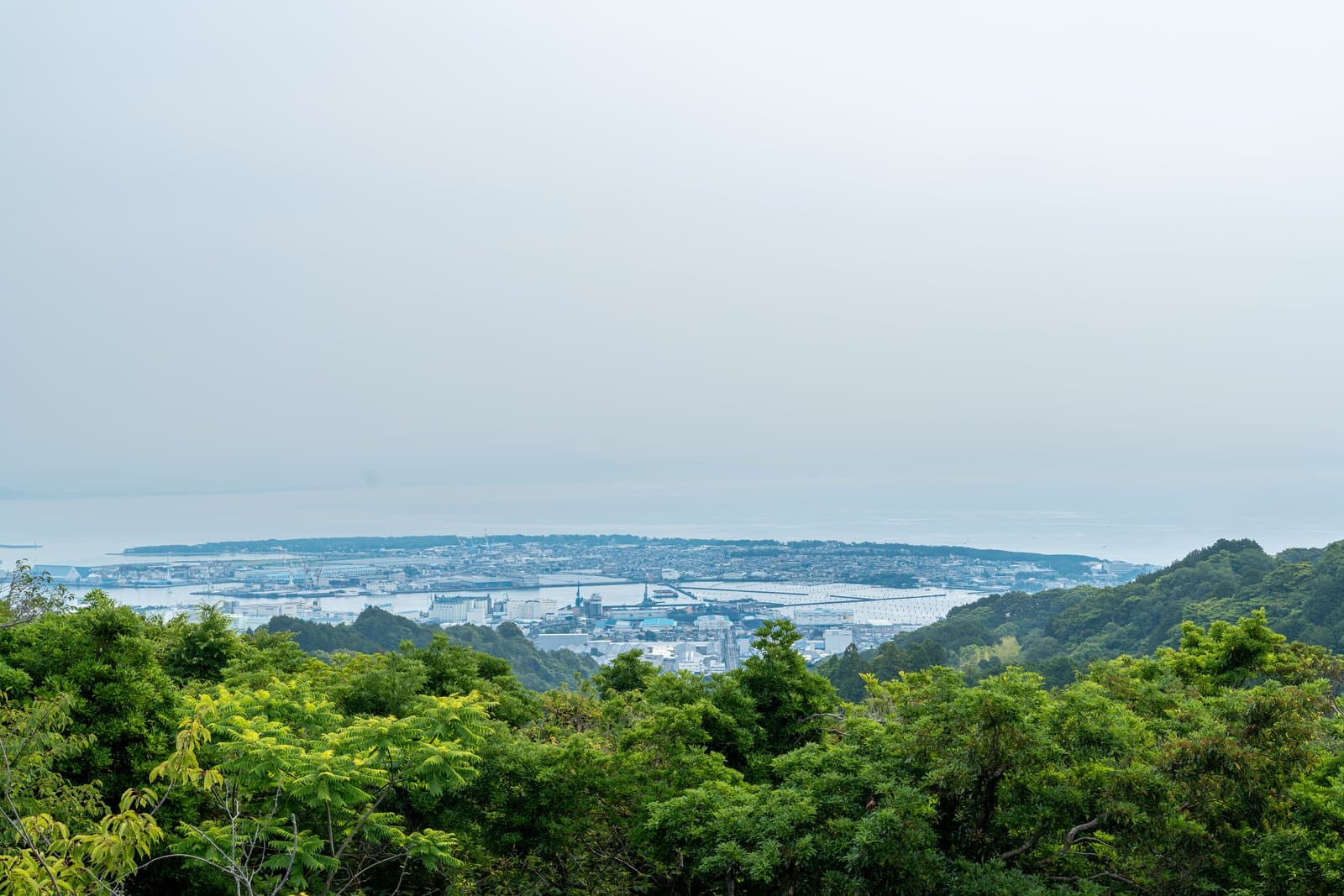 Photo: Photo ACShizuoka, ShizuokaNihondaira Yume TerraceAn octagonal observation facility opened in 2018 on top of Nihondaira, designed by Kengo Kuma with Shizuoka timber; its 200 m gallery gives 360-degree views of Mt. Fuji, Suruga Bay, Miho no Matsubara and the Izu Peninsula. Free entry.Official check: 26 Sept 2026
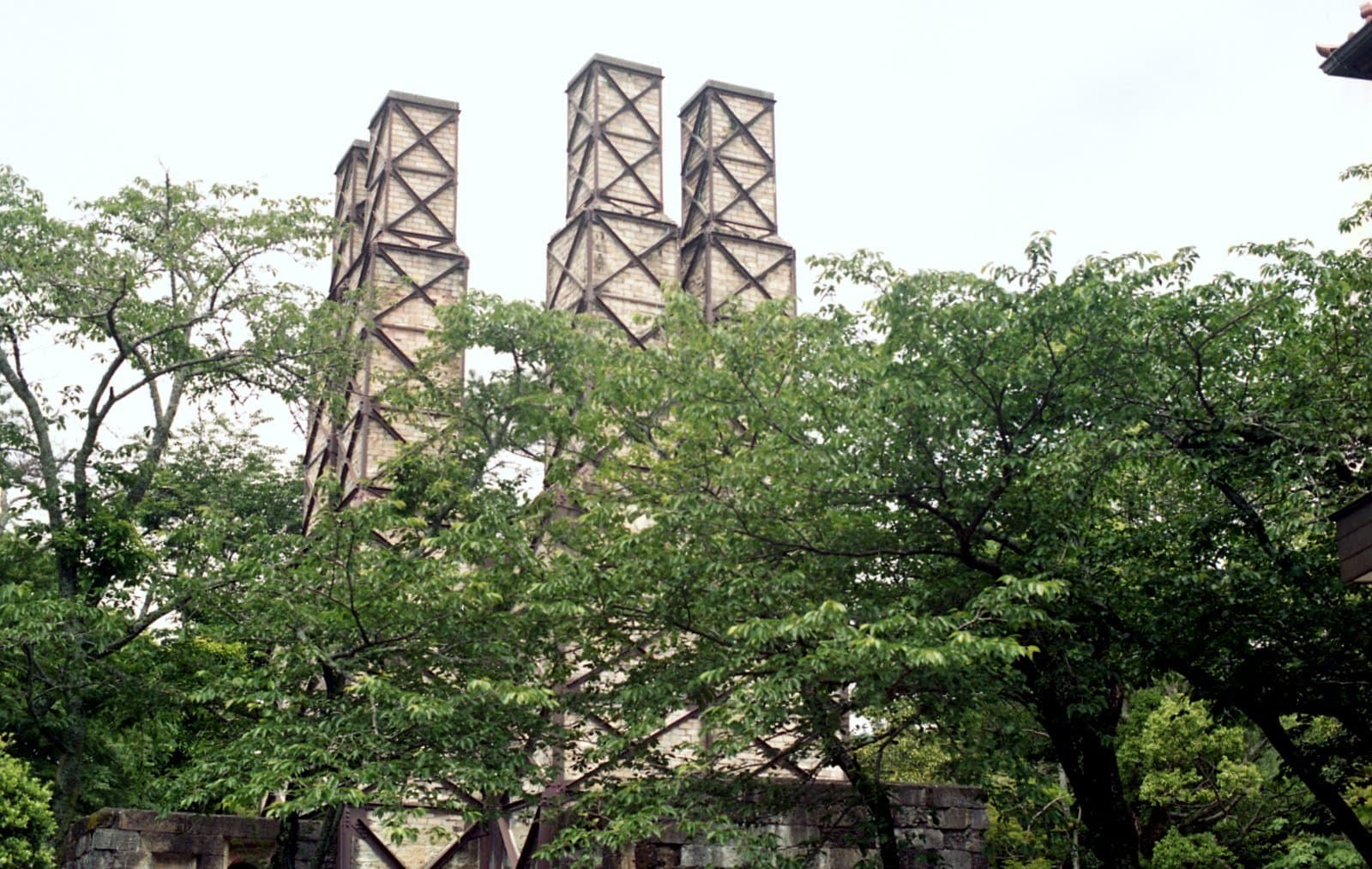 Photo: shikabane taro / Wikimedia Commons, CC BY 3.0Izunokuni, ShizuokaNirayama Reverberatory FurnaceAn industrial heritage site registered as a World Cultural Heritage Site in 2015, completed in 1857 by the magistrate Egawa Hidetatsu to cast cannon for national defence. It is the only surviving furnace of its kind in the world that remains almost as it was, with two twin furnaces and four chimneys; the neighbouring guidance centre explains its history and workings.Official check: 26 Sept 2026
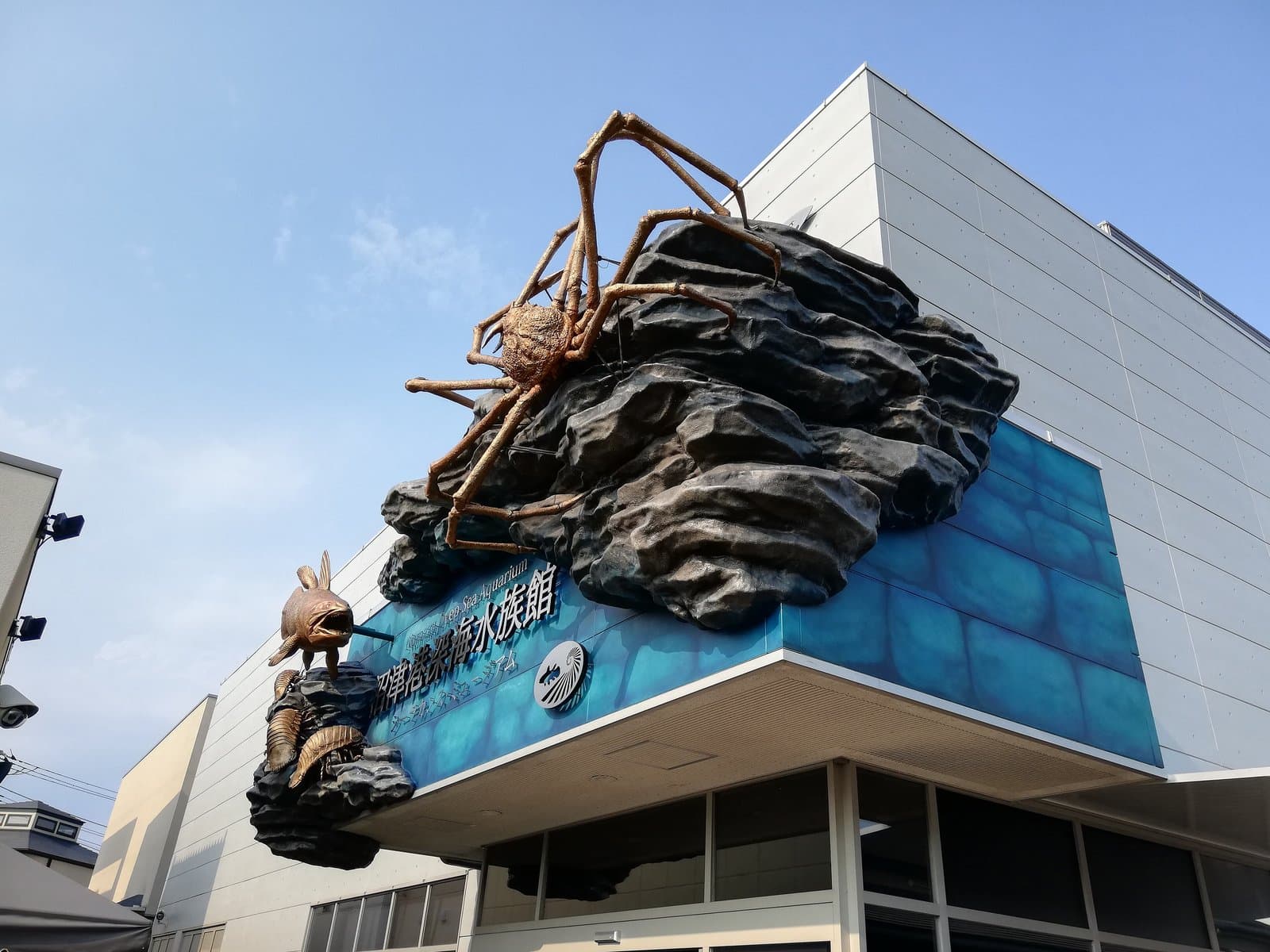 Photo: 先従隗始 / Wikimedia Commons, CC0 1.0 (resized)Numazu, ShizuokaNumazu Deep Sea Aquarium (Coelacanth Museum)Japan's only aquarium specialising in deep-sea creatures, showing more than 100 species at any time from Suruga Bay, Japan's deepest bay, and around the world, including frozen specimens of coelacanths and rare deep-sea fish and crabs.Official check: 26 Sept 2026
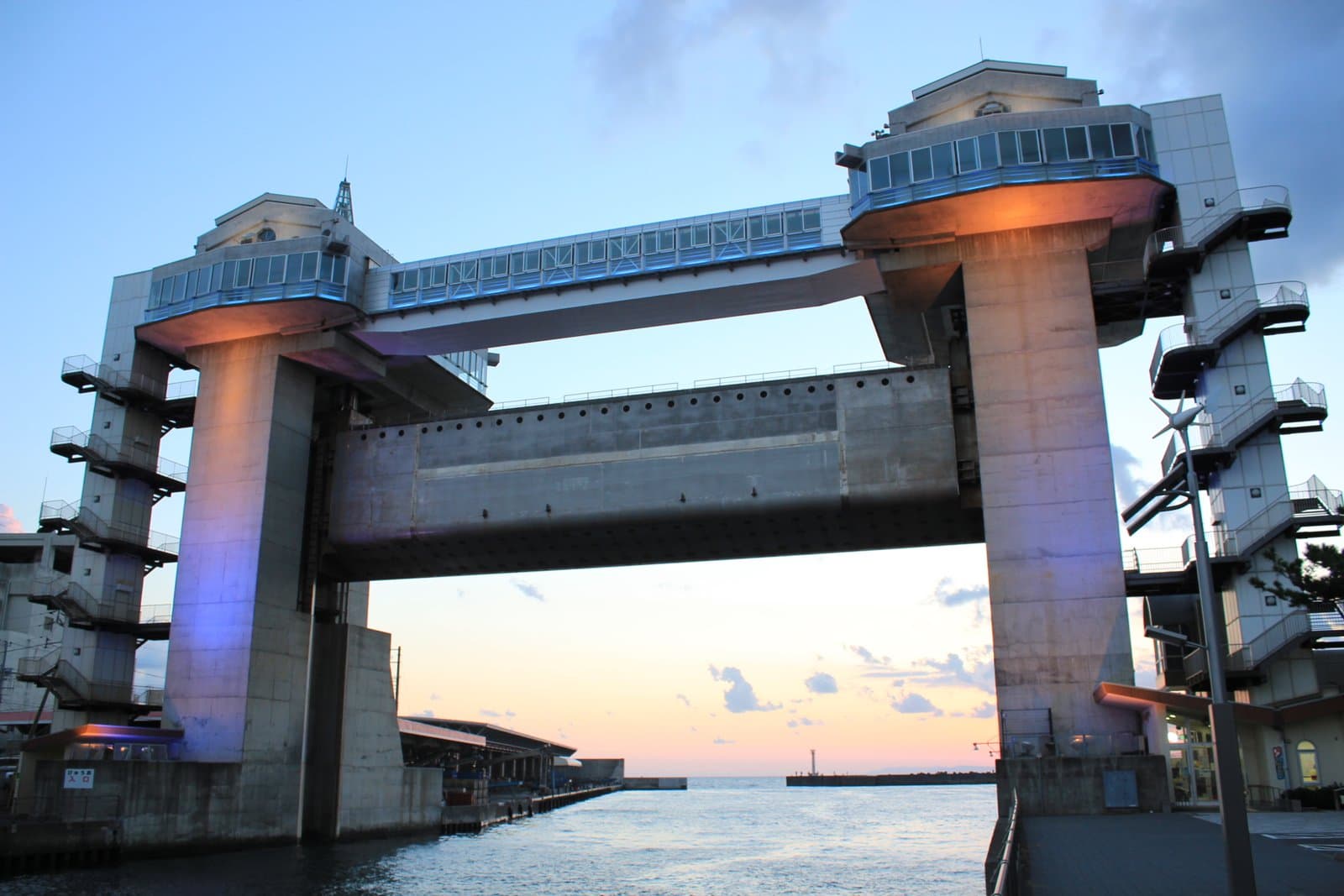 Photo: Batholith / Wikimedia Commons, Public domain (resized)Numazu, ShizuokaNumazu Port Observation Floodgate "View-o"A floodgate built by Shizuoka Prefecture to protect Numazu Port from tsunami; in a disaster the gate comes down to stop a tsunami entering the port. Its observation facility 30 m above the ground gives a 360-degree panorama of Suruga Bay, Cape Osezaki, Senbon Matsubara and Mt. Fuji, and you can see the bustle of the fish market, passing boats and the gate's winding machinery. At night the gate is lit up.Official check: 27 Sept 2026
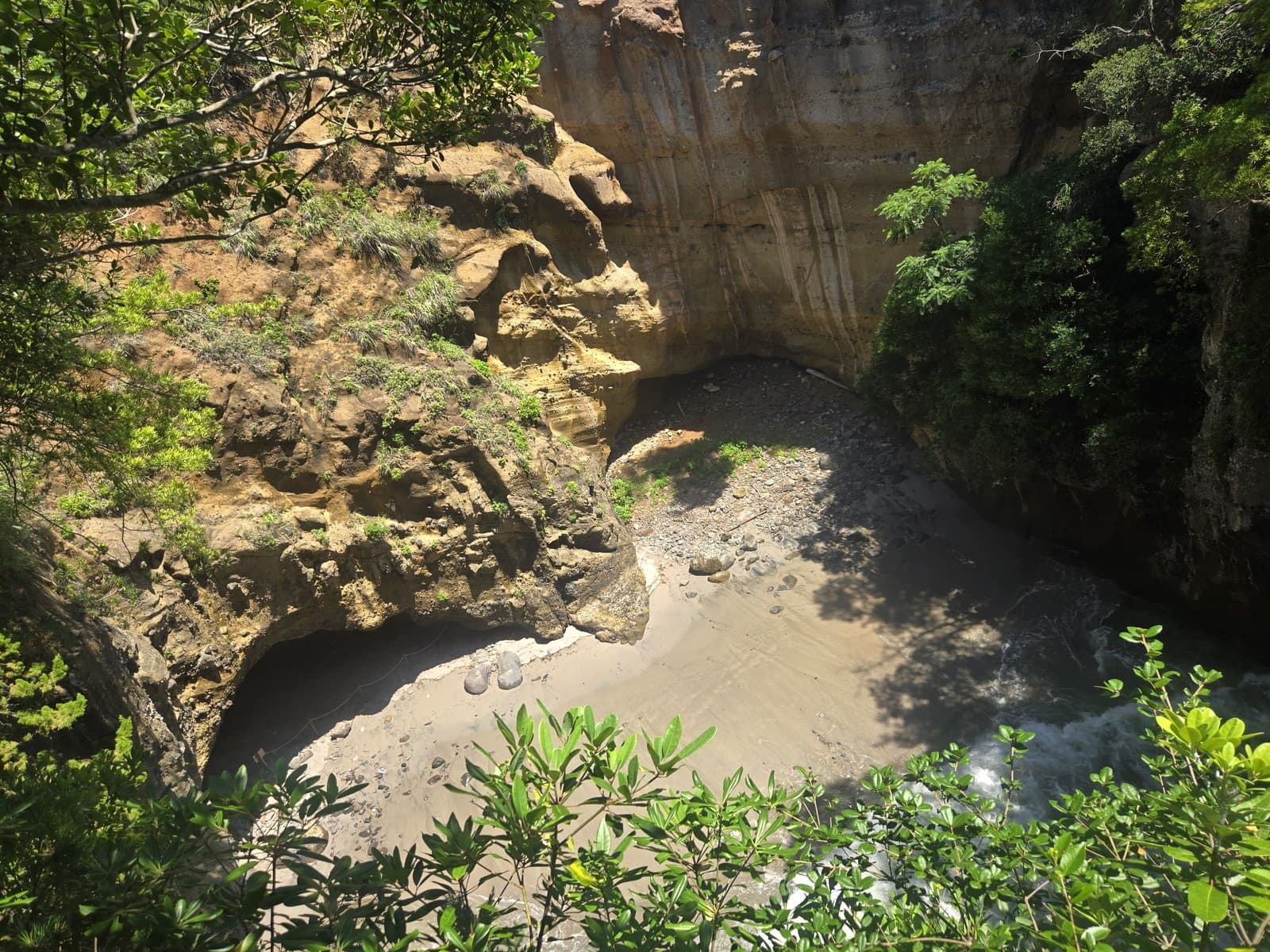 Photo: Photo ACShimoda, ShizuokaRyugukutsu Sea CaveA sea cave at Toji in Shimoda, carved by waves, whose partly collapsed ceiling has left a skylight about 50 m across; you can see the yellow-brown layers of undersea volcanic deposits up close. From the path around it, the skylight looks like a heart. Parts of the cave and path have poor footing, so wear comfortable shoes.Official check: 26 Sept 2026
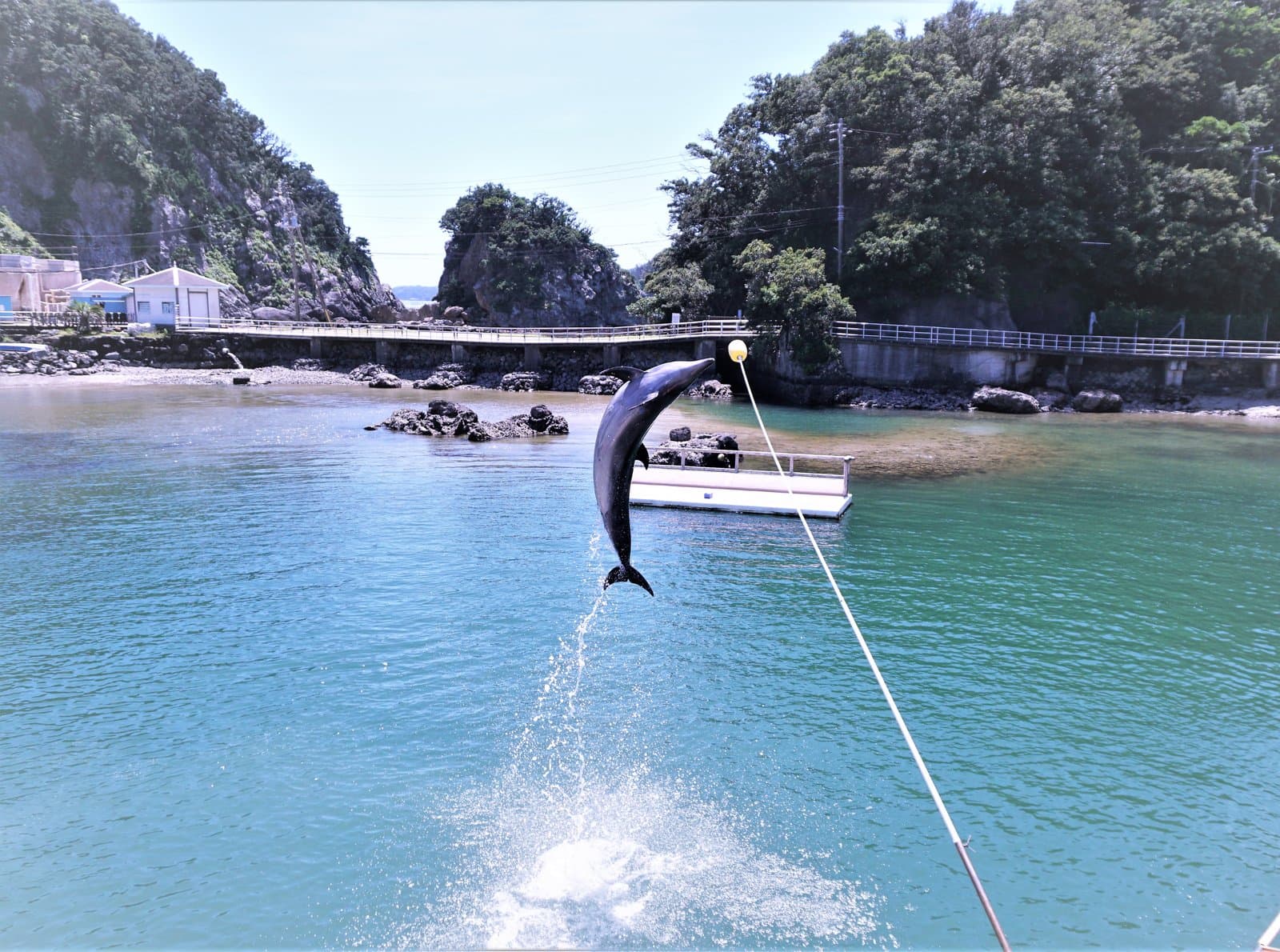 Photo: Photo ACShimoda, ShizuokaShimoda AquariumA rare aquarium floating on the sea that uses a natural inlet in Shimoda as it is. Inside the circular tank "Aqua Dome Perry" floating on Wakanoura, you can watch 10,000 creatures of 50 species from Izu swimming in schools. The highlight is the show where dolphins living in the natural inlet come right up close, and there are many programmes to swim with and touch dolphins. In "Umi Meguri" you can learn about Izu's rich ecosystem and rare deep-sea creatures.Official check: 27 Sept 2026
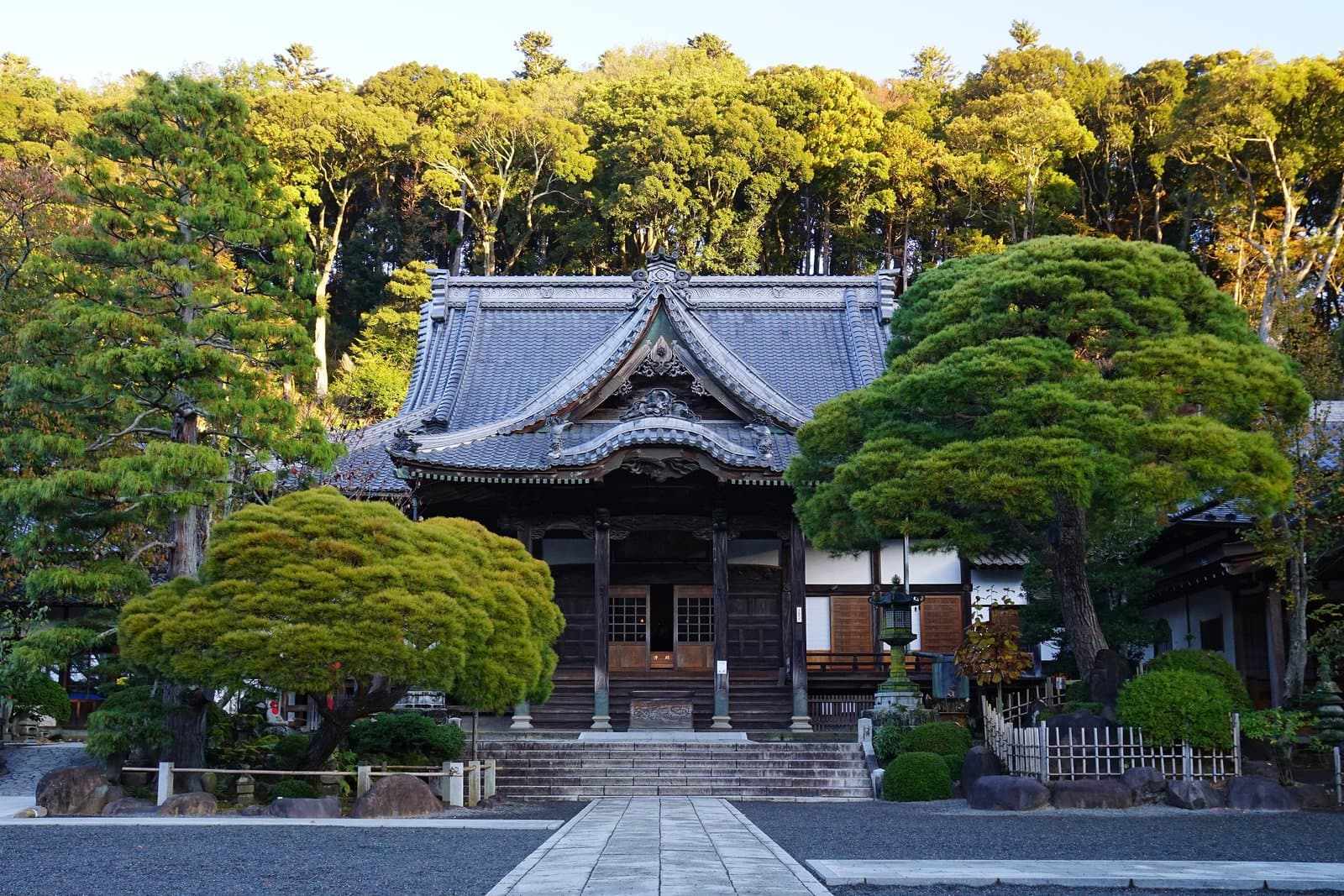 Photo: 663highland / Wikimedia Commons, CC BY-SA 4.0 (resized)Izu, ShizuokaShuzen-ji TempleA temple at the heart of Shuzenji Onsen, said to have been founded by Kukai (Kobo Daishi) in 807; the Kamakura shogun Minamoto no Yoriie was confined here, and its main image was donated by his mother Hojo Masako. Autumn leaves colour the grounds.Official check: 26 Sept 2026
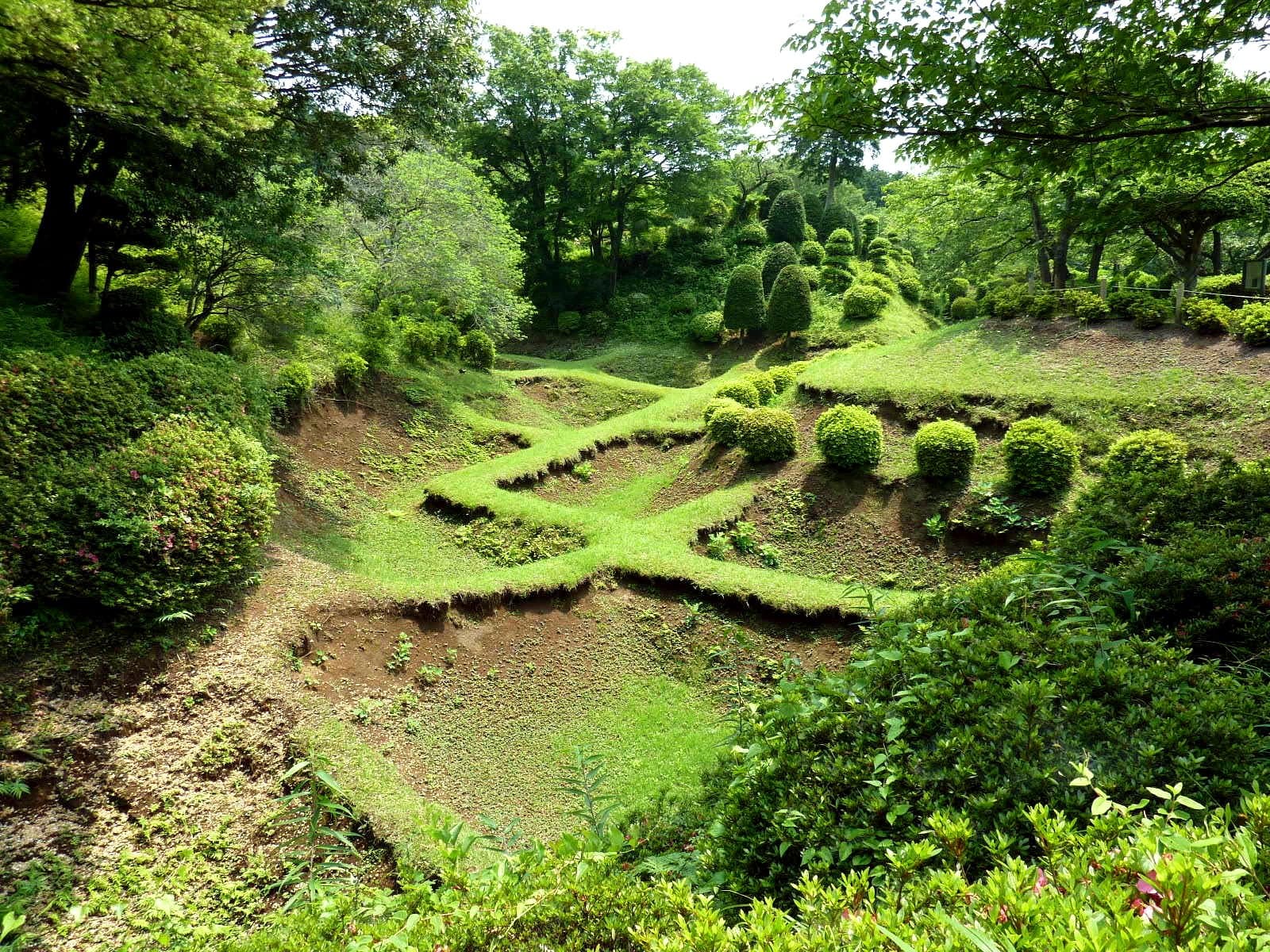 Photo: Mocchy at Japanese Wikipedia / Wikimedia Commons, Public domainMishima, ShizuokaYamanaka Castle Ruins ParkAt the western foot of Hakone in Mishima, Yamanaka Castle was built by digging and piling earth without any stone walls, a rare castle ruin in Japan. It shows the Hojo clan's own castle-building, a precise earthen fortress, and is one of Japan's "100 Fine Castles". Its highlights are the "shoji-bori" and "une-bori" moats, with grid-like partitions in the moat bottom to stop attackers; in 1590 it fell in just half a day to Toyotomi Hideyoshi's army. Today it is a historic park overlooking Mt. Fuji and Suruga Bay, and the "100 Fine Castles" stamp is outside the information centre.Official check: 27 Sept 2026
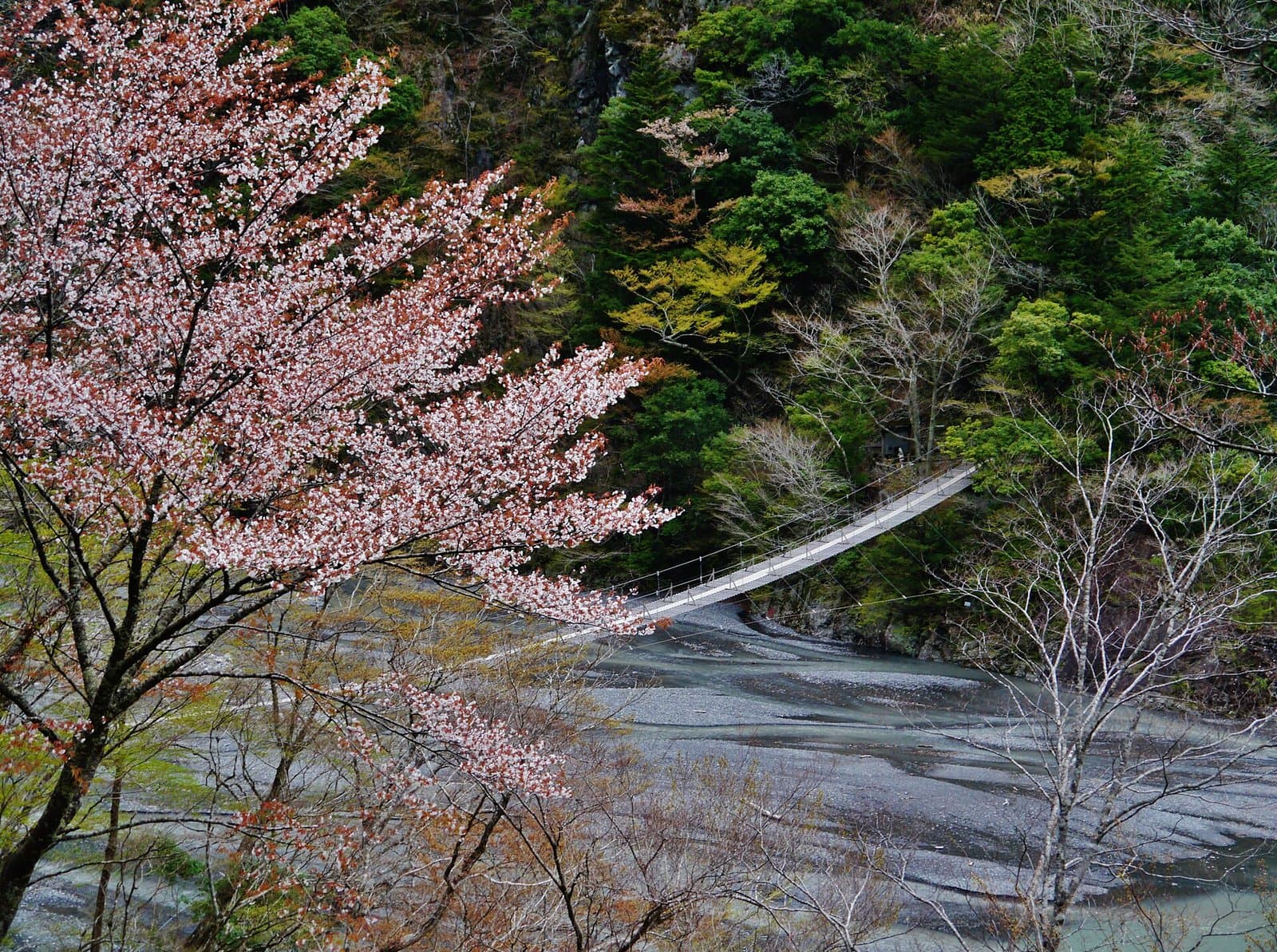 Photo: Zairon / Wikimedia Commons, CC BY-SA 4.0 (resized)Kawanehon, ShizuokaYume no Tsuribashi Suspension BridgeA suspension bridge 90 m long and about 8 m high over the emerald-green Oma Dam lake, about 30 minutes' walk from Sumatakyo Onsen; for safety only 10 people may cross at a time, and it sways with every step. The lake colour changes with season and time of day, and the autumn leaves are usually best in November.Official check: 26 Sept 2026
- No photo yetFujinomiya, ShizuokaFujinomiya Yakisoba Antenna ShopA popular local-food stand at the entrance to Omiya Yokocho in front of Fujisan Hongu Sengen Taisha, cooking each order of Fujinomiya yakisoba with chewy steamed noodles, "nikukasu" pork crisps and fish powder.Official check: 26 Sept 2026
- No photo yetIto, ShizuokaIzu Shaboten ZooA park at the foot of Mt. Omuro with about 1,500 kinds of cacti and succulents and about 140 kinds of animals. You can see capybaras, kangaroos and squirrel monkeys up close, tour the islands in the pond on the guided "Animal Boat Tours", and see the original "capybara open-air bath".Official check: 26 Sept 2026
- No photo yetShimoda, ShizuokaKannon Onsen, ShimodaA hot spring deep in the woods of inner Shimoda with strongly alkaline (pH 9.5) simple water that feels silky, one of the few in Shizuoka approved for drinking; it has open-air baths and serves food made with the spring water.Official check: 26 Sept 2026
- No photo yetFujinomiya, ShizuokaMakaino Farm, Asagiri PlateauA hands-on farm on the Asagiri Plateau facing Mt. Fuji, with goat walks, cow milking and pony rides, butter and sausage making, a barbecue terrace, a farm restaurant and a shop selling homemade milk and bread.Official check: 26 Sept 2026
- No photo yetAtami, ShizuokaMOA Museum of ArtA museum on the heights behind Atami Station, known as "the museum with a sea view" for the panorama of Sagami Bay from its main lobby. The long escalator hall to the entrance is a kaleidoscopic light art space, and outside is a large Japanese garden, the "Tea Garden", with plum blossoms, fresh maples and autumn leaves.Official check: 26 Sept 2026
- No photo yetHamamatsu, ShizuokaRyugashido CaveOne of the largest limestone caves in the Tokai region, about 1,000 m long in total (about 400 m open to the public), kept at an average of 18°C all year. The highlight is the "Golden Waterfall", falling 30 m from the cave ceiling (the flow is small on some days).Official check: 26 Sept 2026