
Spots in Kanagawa
Each spot shows when its facts were last checked against official sources.
Select a square pin to open the spot. Zoom with Ctrl/Cmd + scroll, or two fingers on a phone.
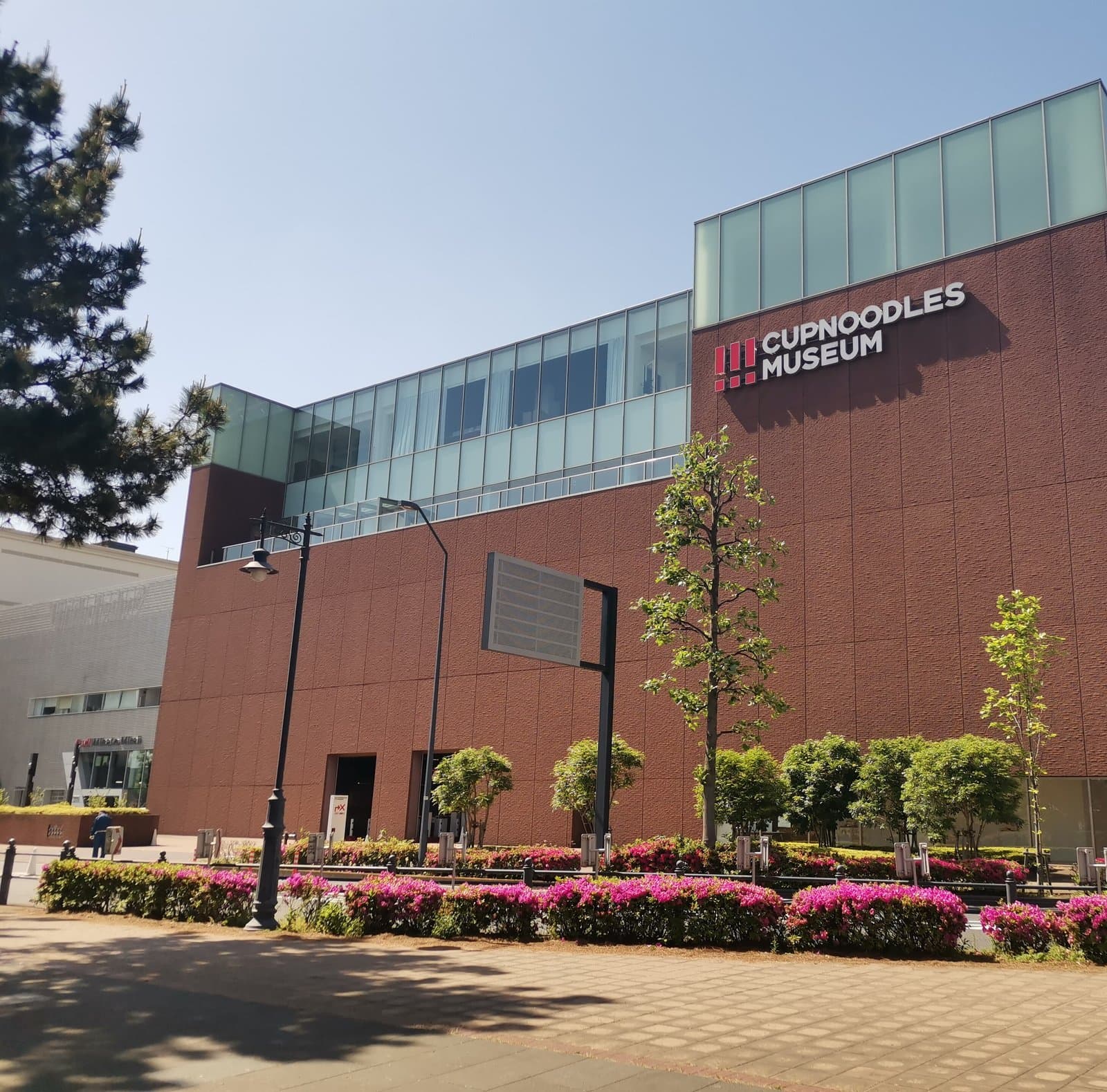 Photo: Keeezawa / Wikimedia Commons, CC0 1.0 (cropped and resized)Yokohama, KanagawaCupnoodles Museum YokohamaA hands-on museum where you learn about invention and discovery through exhibits on instant noodles. You can hand-make Chicken Ramen at the "Chicken Ramen Factory", design your own cup and choose soup and toppings at the "My Cupnoodles Factory", and taste noodles from around the world at the "NOODLE BAZAAR".Official check: 26 Sept 2026
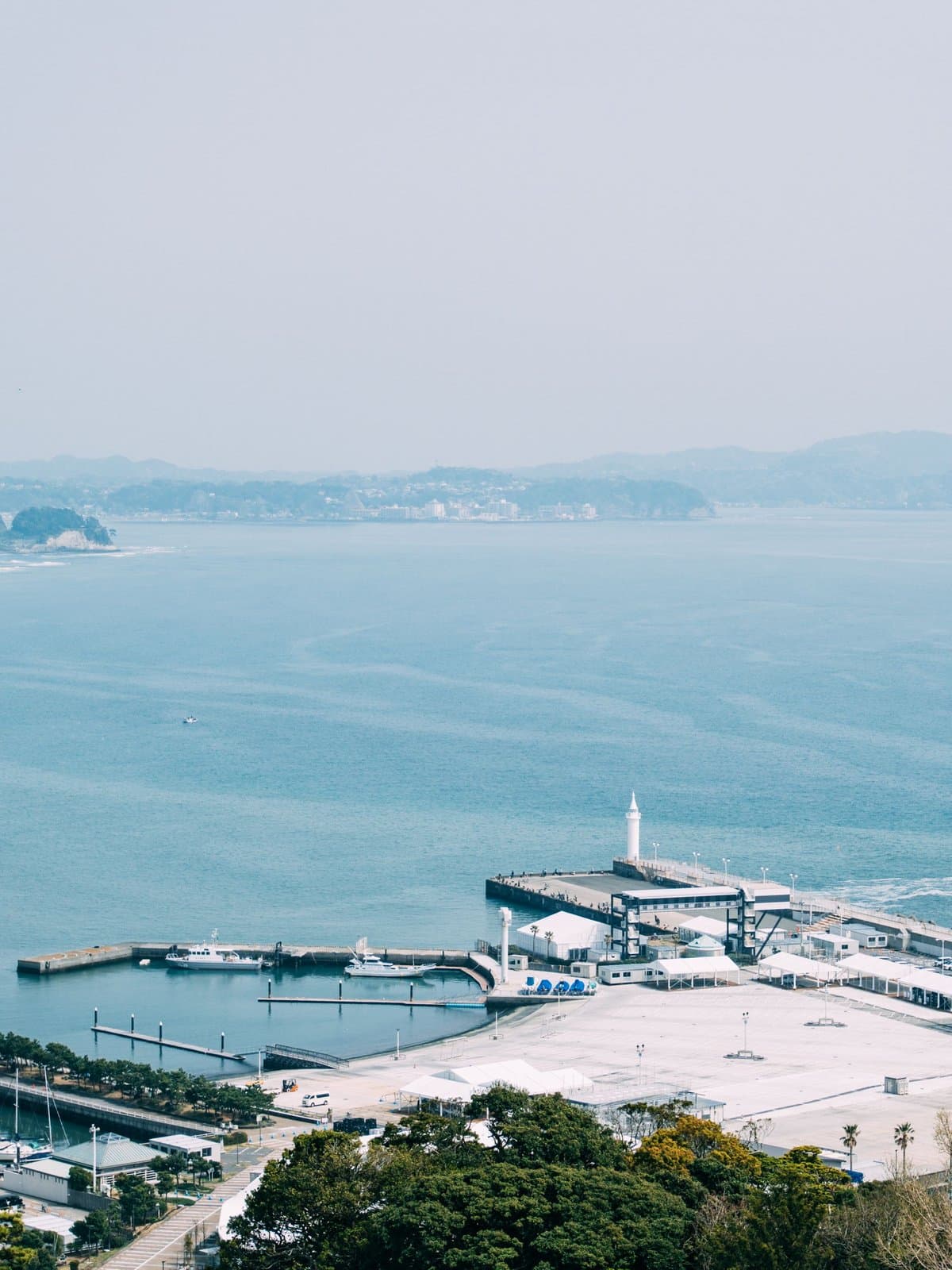 Photo: WENCHENG JIANG / Pexels (resized)Fujisawa, KanagawaEnoshima IslandAn island about 4 km around, centred on Enoshima Shrine, where in a day you can see the Enoshima Samuel Cocking Garden, the Enoshima Sea Candle, Chigogafuchi and the Iwaya caves. The yacht harbour hosted sailing at the Tokyo 2020 Olympics, and local seafood such as shirasu, spiny lobster, sashimi, turban shells and clams is popular.Official check: 26 Sept 2026
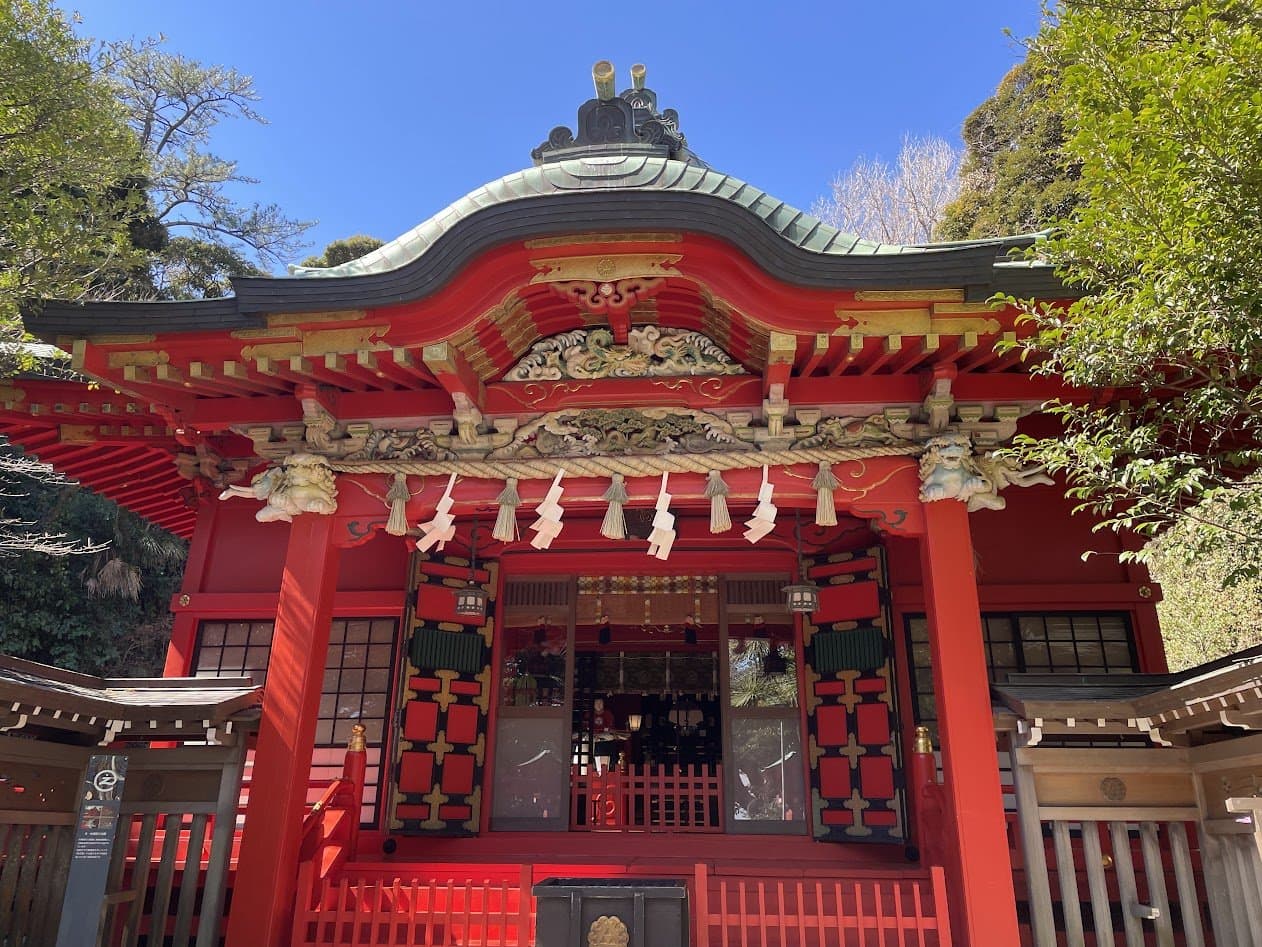 Photo: Photo ACFujisawa, KanagawaEnoshima ShrineOne of the most popular spots in Shonan and Enoshima, the collective name for three shrines, Hetsunomiya, Nakatsunomiya and Okutsunomiya, each dedicated to one of three sister goddesses; it also enshrines the Happi Benzaiten and Myoon Benzaiten, counted among Japan's three great Benzaiten. Nakatsunomiya has a vermilion hall with painted flowers and birds on its coffered ceiling, and Okutsunomiya has the "turtle that glares in all directions".Official check: 26 Sept 2026
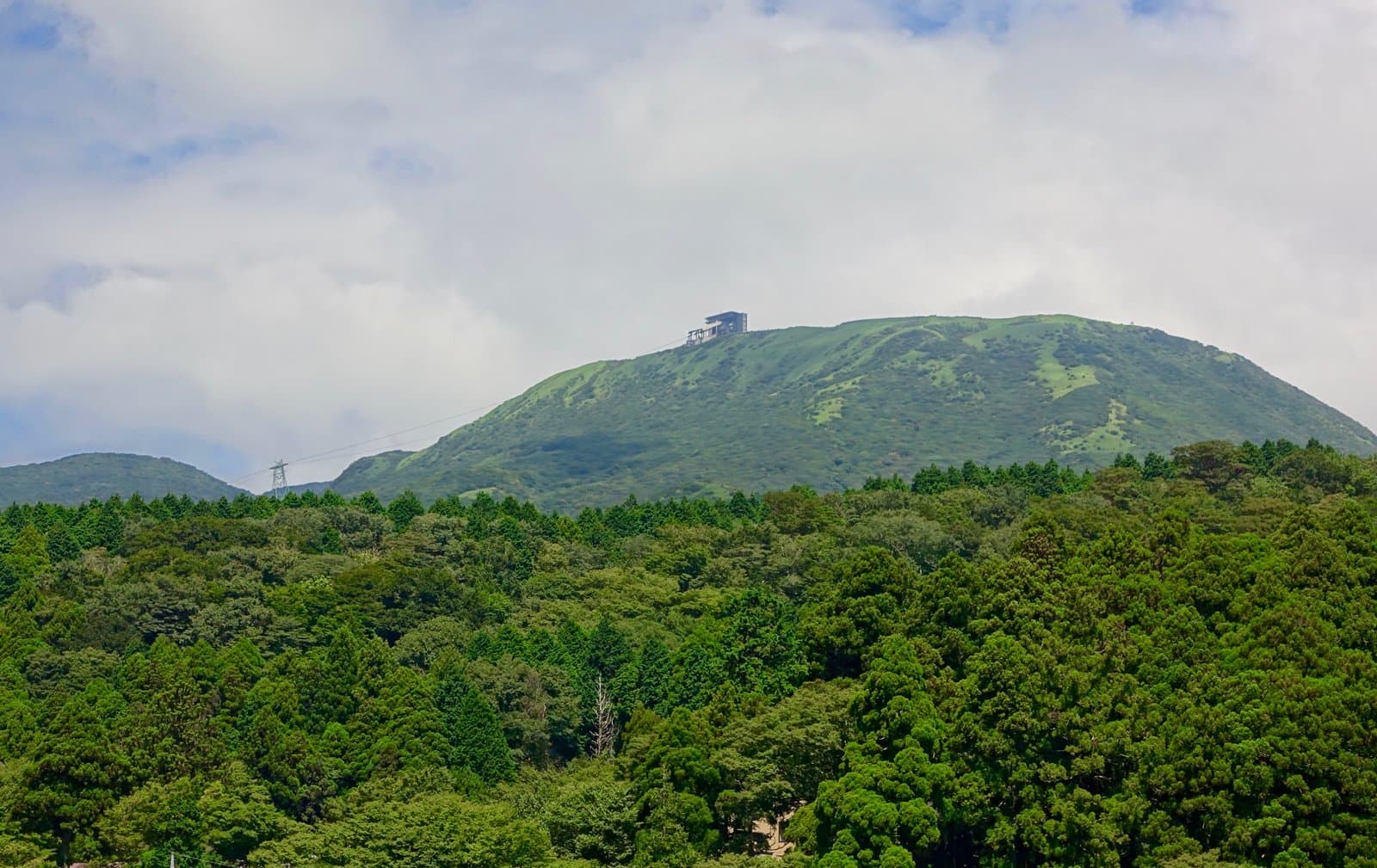 Photo: Daderot / Wikimedia Commons, CC0 (resized)Hakone, KanagawaHakone Komagatake RopewayA ropeway in the national park linking the shore of Lake Ashi with the summit of Mt. Komagatake, 1,783 m long, in about 7 minutes. From the summit the whole of Hakone spreads below around Lake Ashi, with Mt. Fuji and the Southern Alps beyond, and a 360-degree panorama reaching Suruga Bay, the Izu Islands, the Shonan coast, Tokyo Skytree and the Boso Peninsula.Official check: 26 Sept 2026
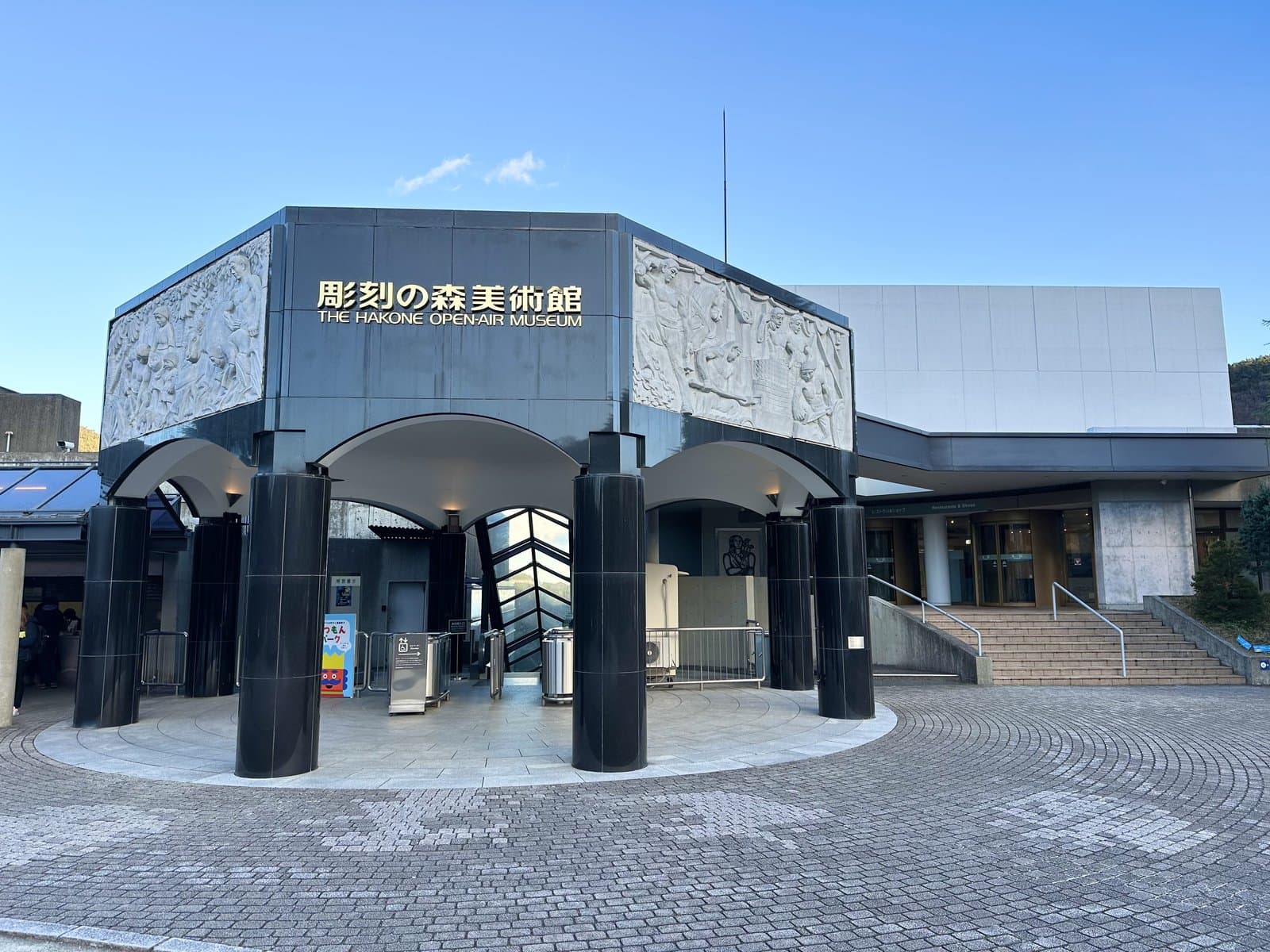 Photo: Photo ACHakone, KanagawaHakone Open-Air MuseumAn open-air museum set against the Hakone mountains, with about 120 works by leading modern and contemporary sculptors on permanent display.Official check: 26 Sept 2026
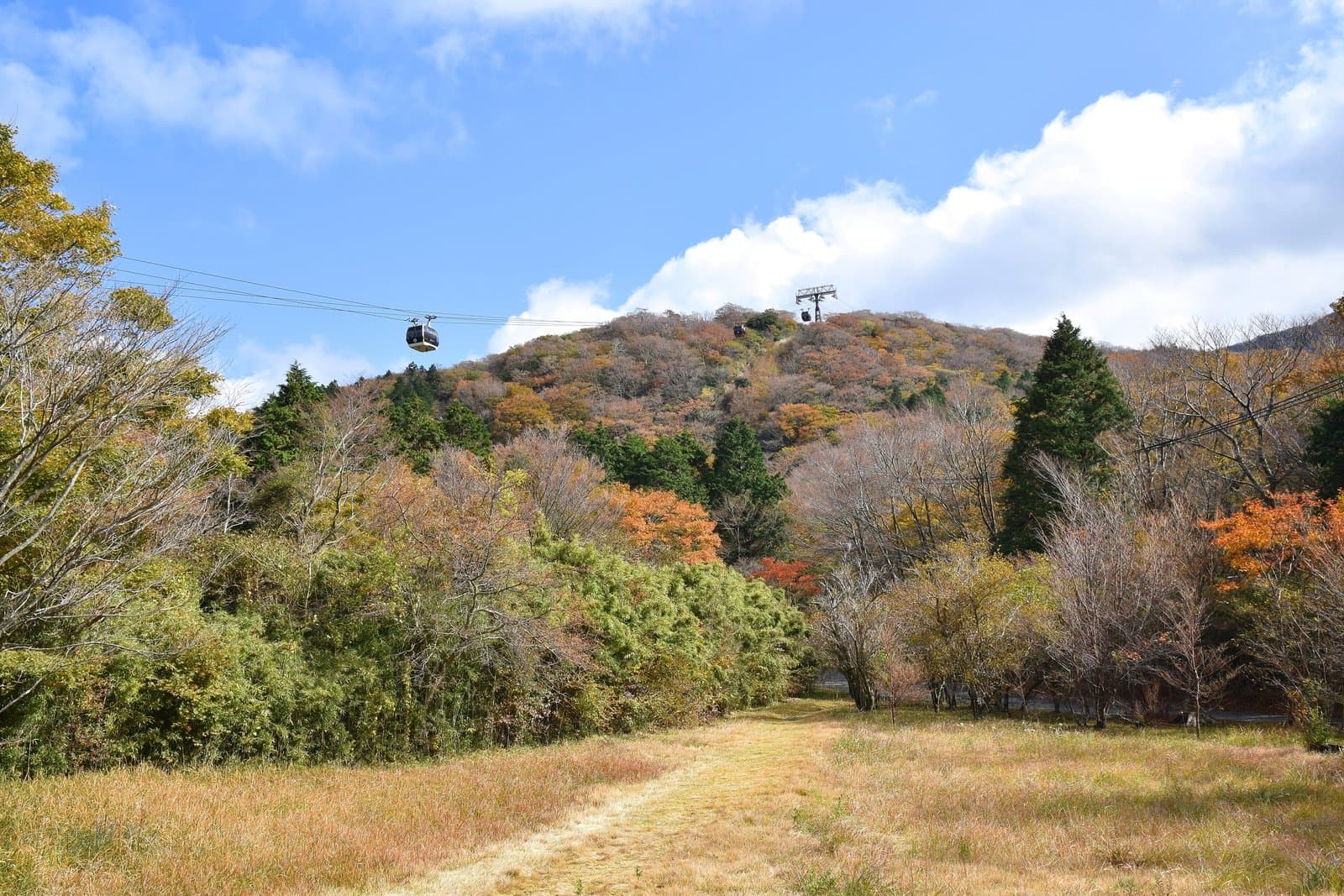 Photo: Raita Futo / Wikimedia Commons, CC BY 2.0 (resized)Hakone, KanagawaHakone RopewayA ropeway running between Owakudani and Togendai at an altitude of about 1,000 m, from which you can also enjoy Mt. Fuji. Since April 13, 2026, the "OTOBACO" gondola with a Dolby Atmos 3D sound system runs between Sounzan and Owakudani (one way, about 10 minutes; 2,500 yen per group plus the fare).Official check: 26 Sept 2026
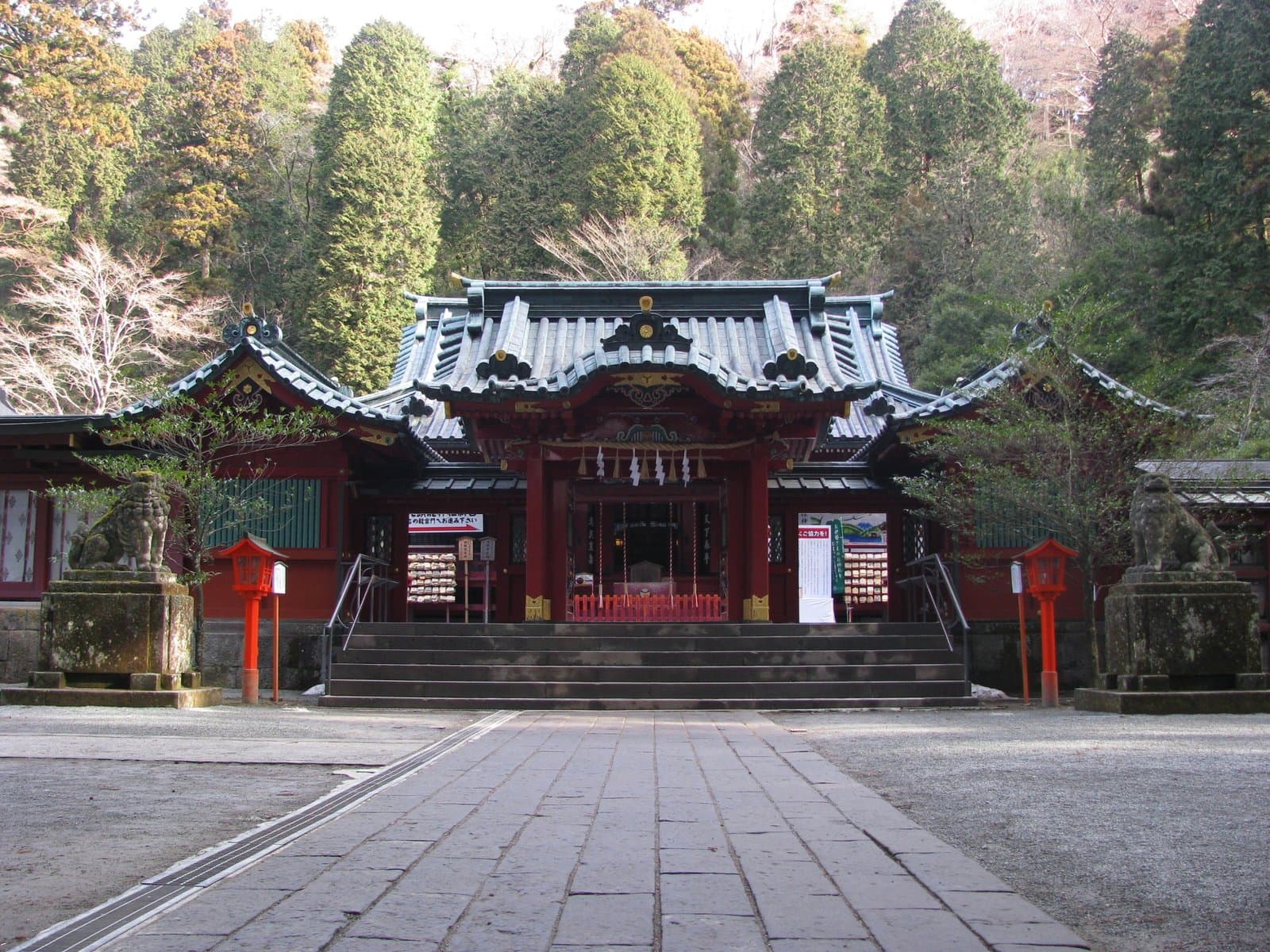 Photo: Aimaimyi / Wikimedia Commons, CC BY-SA 3.0 (resized)Hakone, KanagawaHakone Shrine and Kuzuryu ShrineA shrine founded in 757 by the monk Mangan on Mt. Hakone and revered by Minamoto no Yoritomo and Tokugawa Ieyasu; its auxiliary Kuzuryu Shrine honours the nine-headed dragon guarding Lake Ashi.Official check: 26 Sept 2026
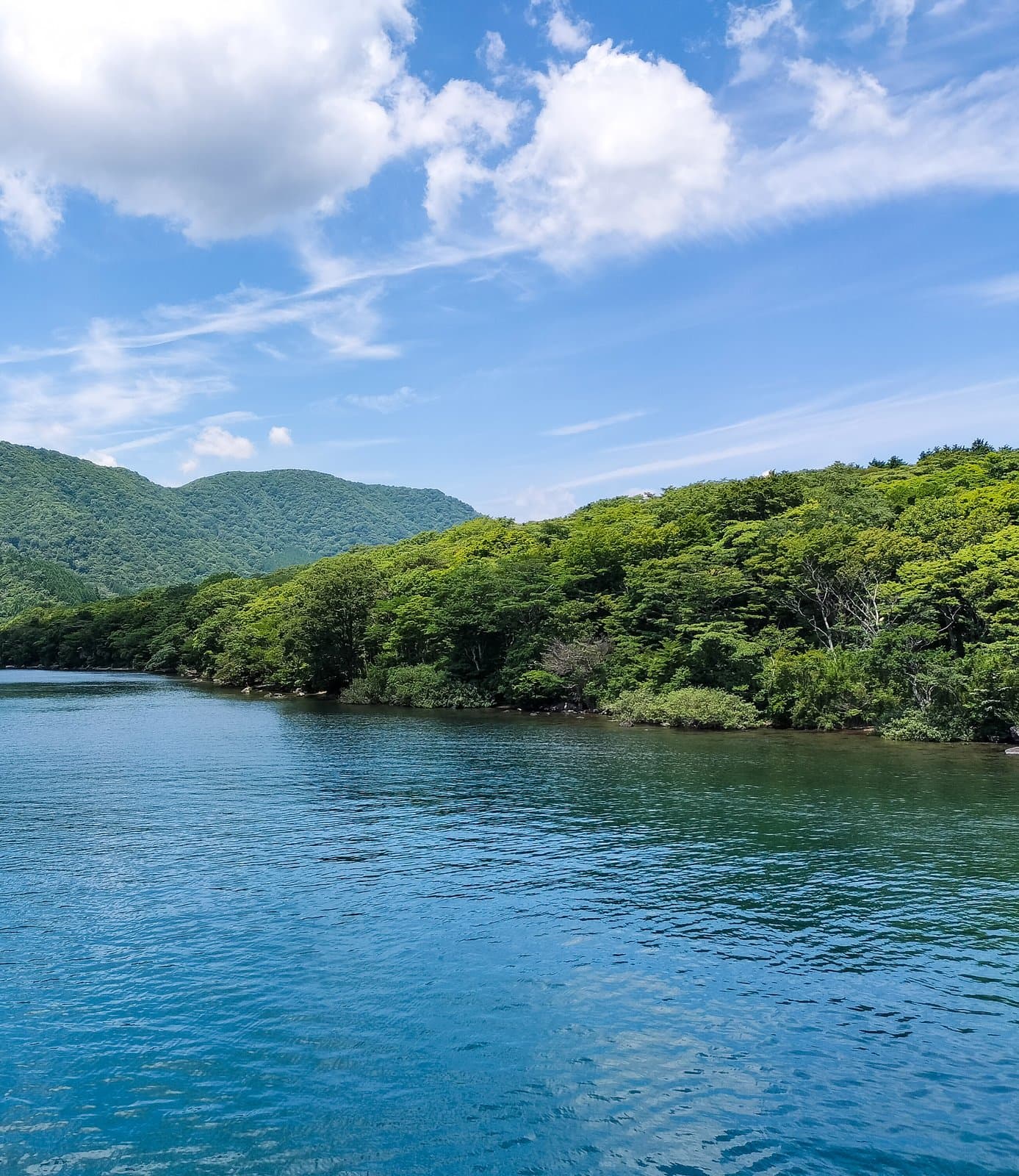 Photo: Photo ACHakone, KanagawaHakone Sightseeing Cruise (Pirate Ships)Three pirate ships (Queen Ashinoko, Royal II and Victory) cruising Lake Ashi, with views of Mt. Fuji and Hakone Shrine's torii in the water; the lake is calm, so the ride rocks little.Official check: 26 Sept 2026
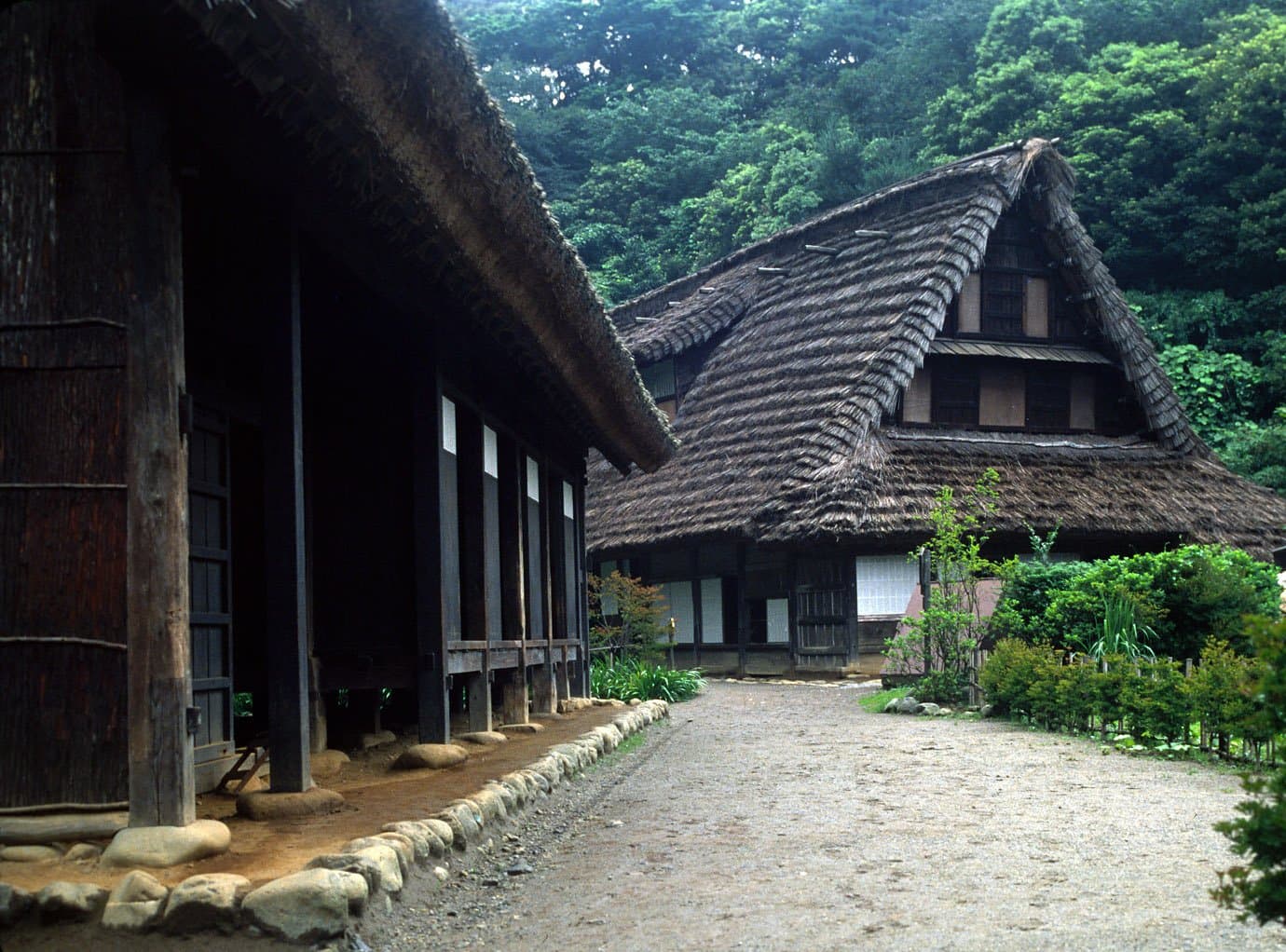 Photo: Fg2 / Wikimedia Commons, Public domain (cropped)Kawasaki, KanagawaJapan Open-air Folk House Museum (Kawasaki)A museum in the vast forest of Ikuta Ryokuchi where you can see 25 structures moved from around the country, mainly traditional houses of eastern Japan, including a watermill and a kabuki stage, all designated cultural properties. No power lines or buildings are in view, volunteers light the irori hearths in two to five houses each day, and indigo dyeing can be tried at the crafts hall (booking recommended).Official check: 26 Sept 2026
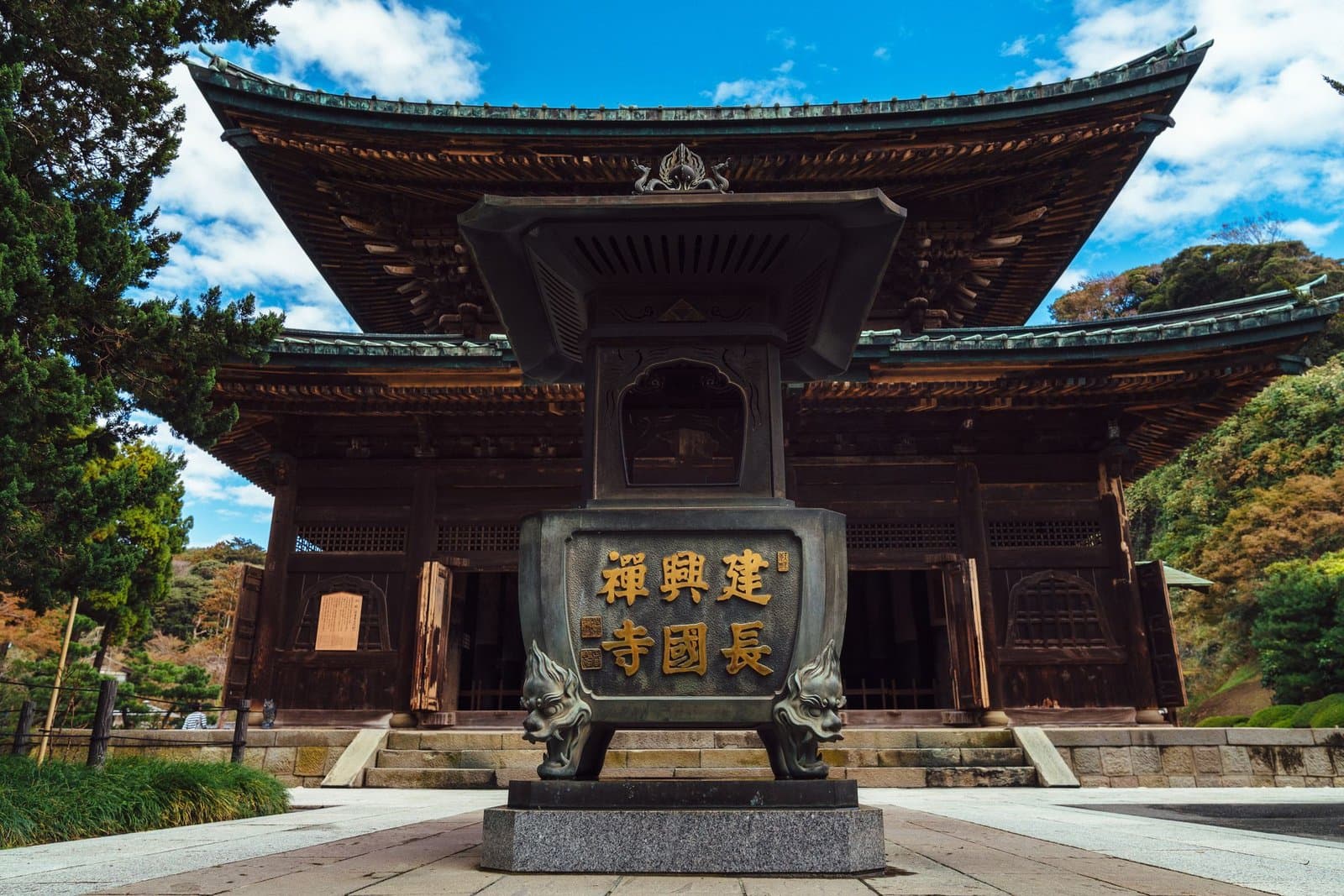 Photo: Anton Cherednichenko / Pexels (resized)Kamakura, KanagawaKencho-ji TempleHead temple of the Rinzai Kencho-ji school and first of the Five Great Zen Temples of Kamakura, founded by Hojo Tokiyori and known as the birthplace of kenchin-jiru soup. Past the main gate, the Sanmon gate, Buddha hall, Dharma hall and ornate Karamon gate (all Important Cultural Properties) follow one another; there is also a National Treasure bell and a garden that is a Place of Scenic Beauty.Official check: 26 Sept 2026
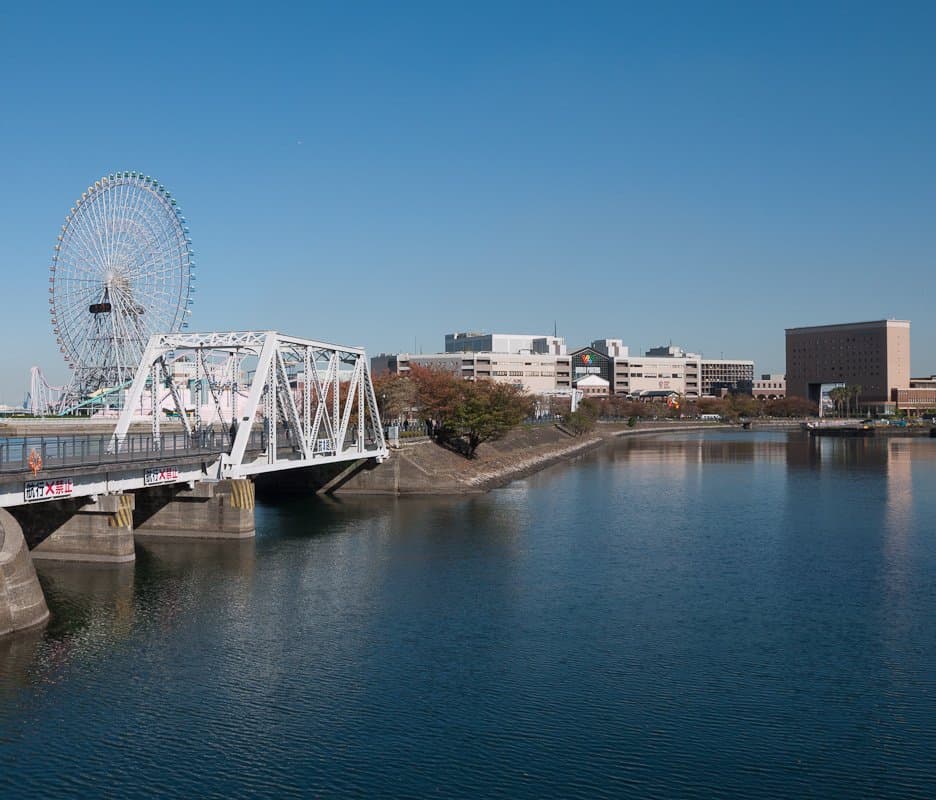 Photo: Rs1421 / Wikimedia Commons, CC BY-SA 3.0 (cropped)Yokohama, KanagawaKishamichi PromenadeA promenade across the water from Sakuragicho Station to the Minato Mirai Shinko district, built on part (about 500 m) of a harbour railway opened in 1911 (Meiji 44), with bridges and rails still in place. It contrasts with the high-rises, the big Ferris wheel and the "YOKOHAMA AIR CABIN", Japan's first urban circulating ropeway, overhead.Official check: 26 Sept 2026
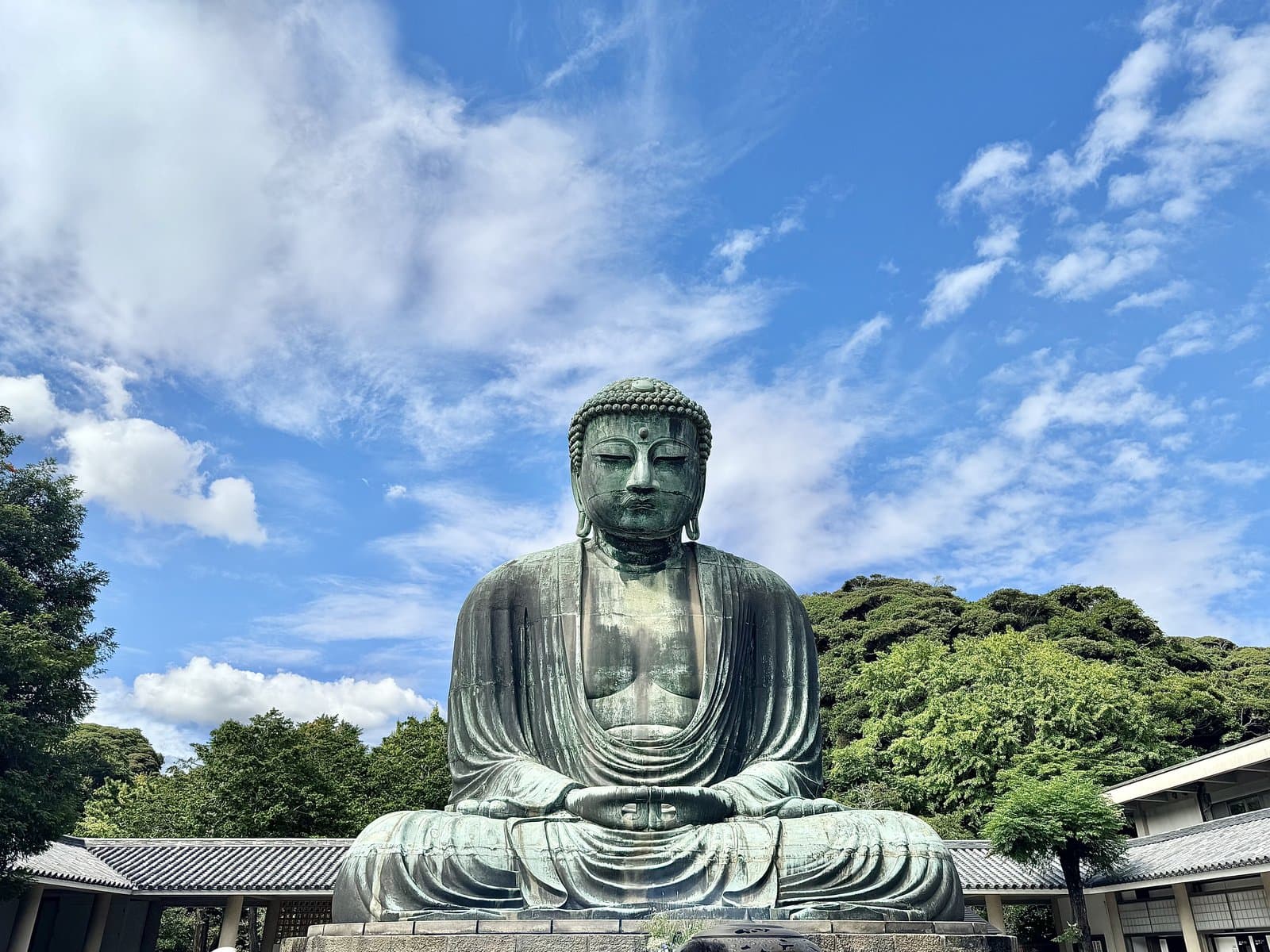 Photo: Photo ACKamakura, KanagawaKotoku-in (Great Buddha of Kamakura)The temple of the Great Buddha of Kamakura in Hase, where visitors can also go inside the statue.Official check: 26 Sept 2026
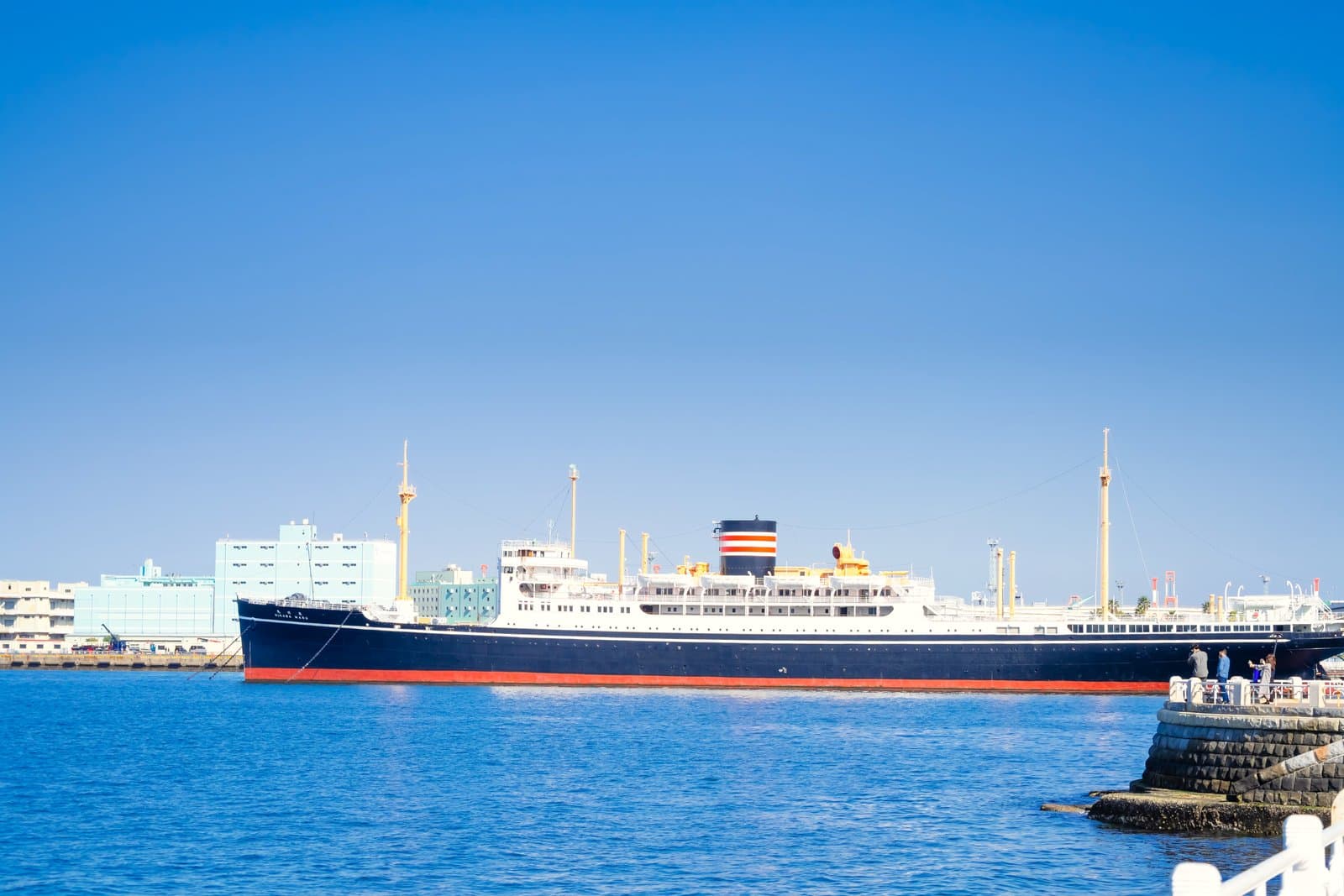 Photo: Photo ACYokohama, KanagawaNYK Hikawa MaruA high-speed cargo-passenger liner built in 1930 for the Seattle route, moored off Yamashita Park; the only surviving pre-war Japanese-built cargo-passenger ship, designated an Important Cultural Property in 2016. The restored interior includes the suite used by Charlie Chaplin, the main hall and the first-class dining room, and the bridge and engine room remain almost as built; the open deck is open on weekends and holidays.Official check: 26 Sept 2026
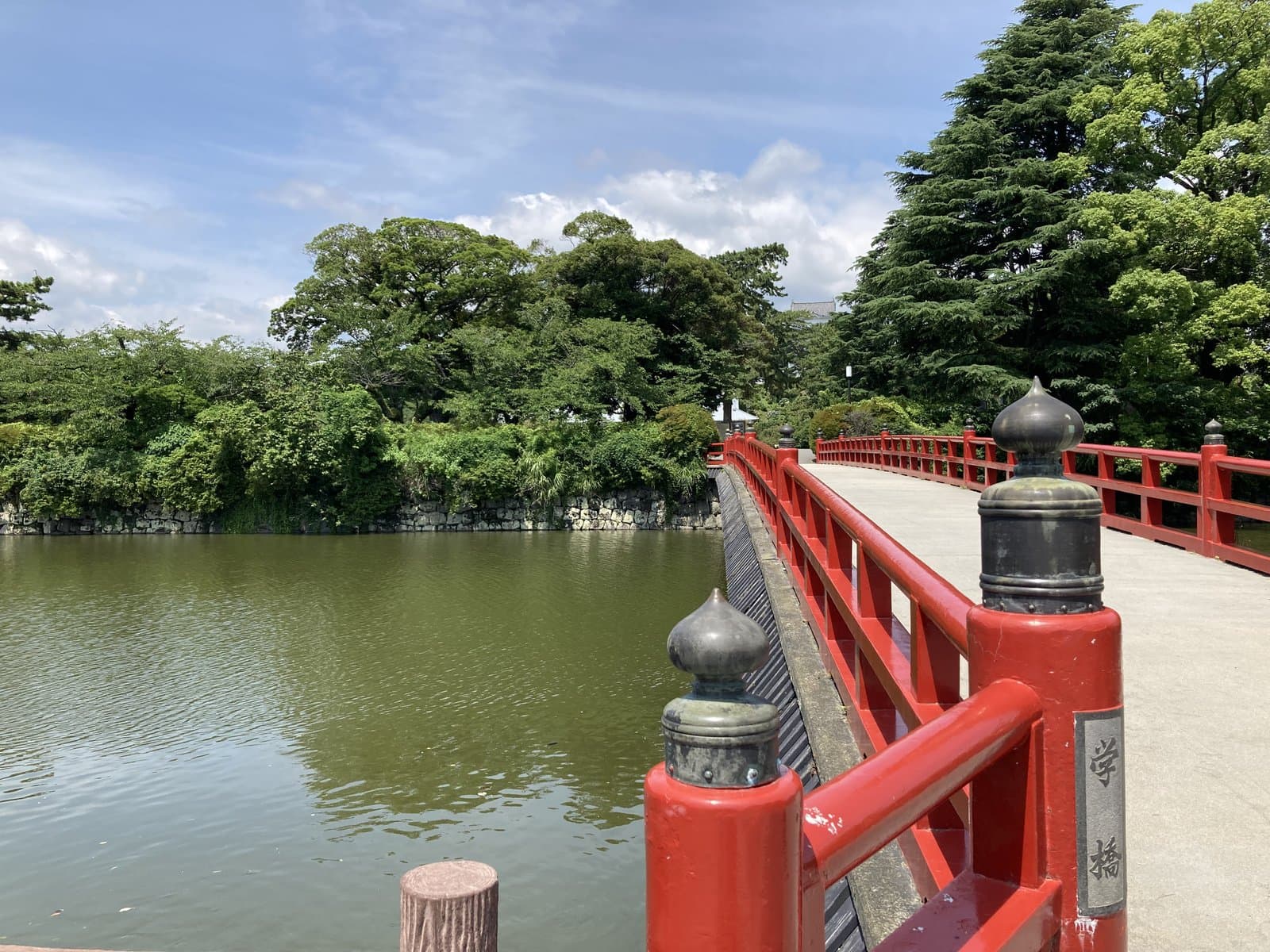 Photo: Photo ACOdawara, KanagawaOdawara CastleThe "impregnable" castle and symbol of Odawara, a National Historic Site; floors 1-5 of the keep tell the castle's history from the Edo period to today, and the top-floor deck at about 60 m looks over Sagami Bay.Official check: 26 Sept 2026
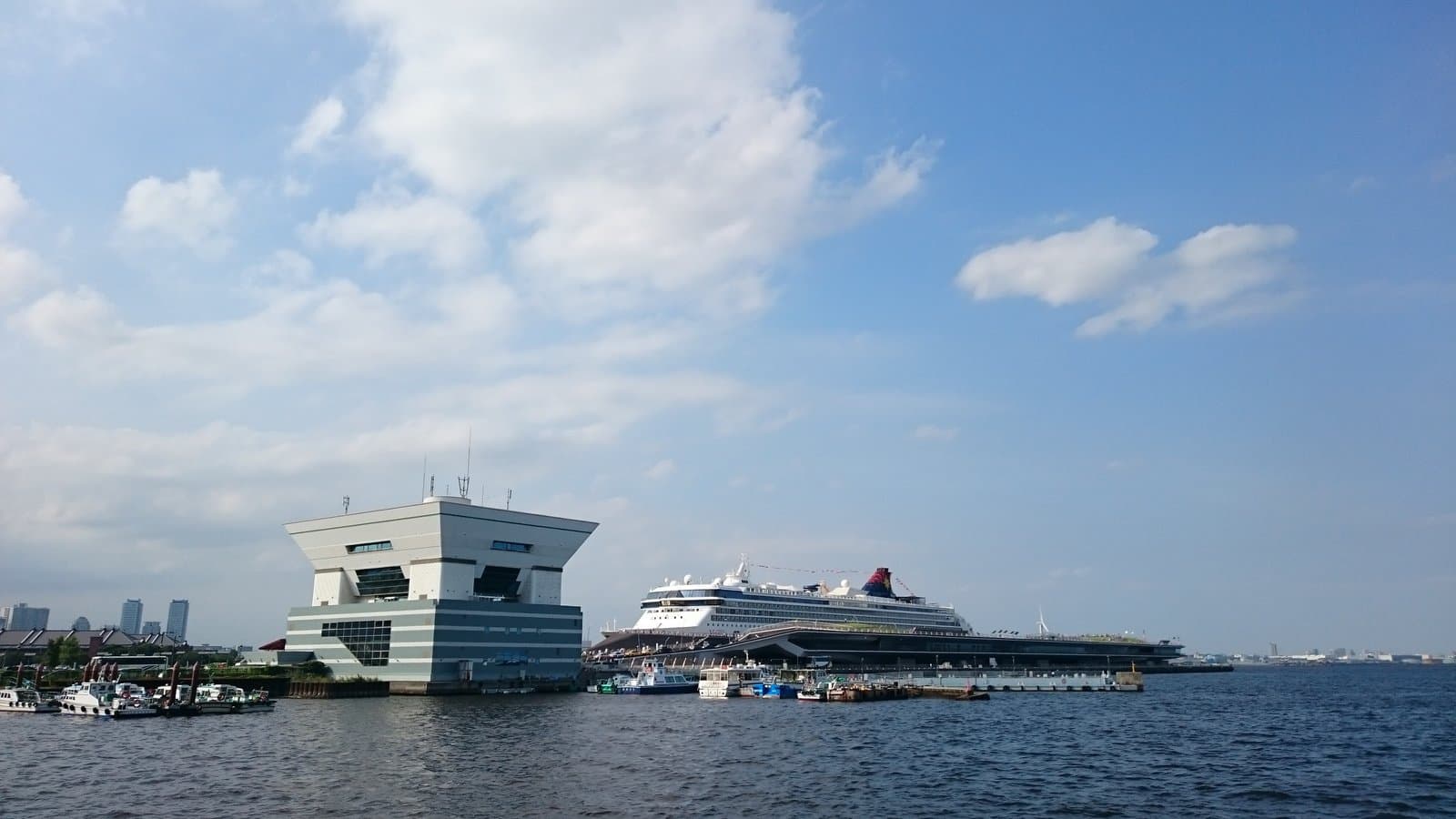 Photo: Photo ACYokohama, KanagawaOsanbashi Yokohama International Passenger TerminalOne of Japan's largest cruise terminals, where large liners from home and abroad call, with over 130 years of history as the gateway to Yokohama Port. The rooftop "Whale's Back" has natural lawn and wooden decks like a ship's deck, and there are camera marks on the ground at recommended photo spots.Official check: 26 Sept 2026
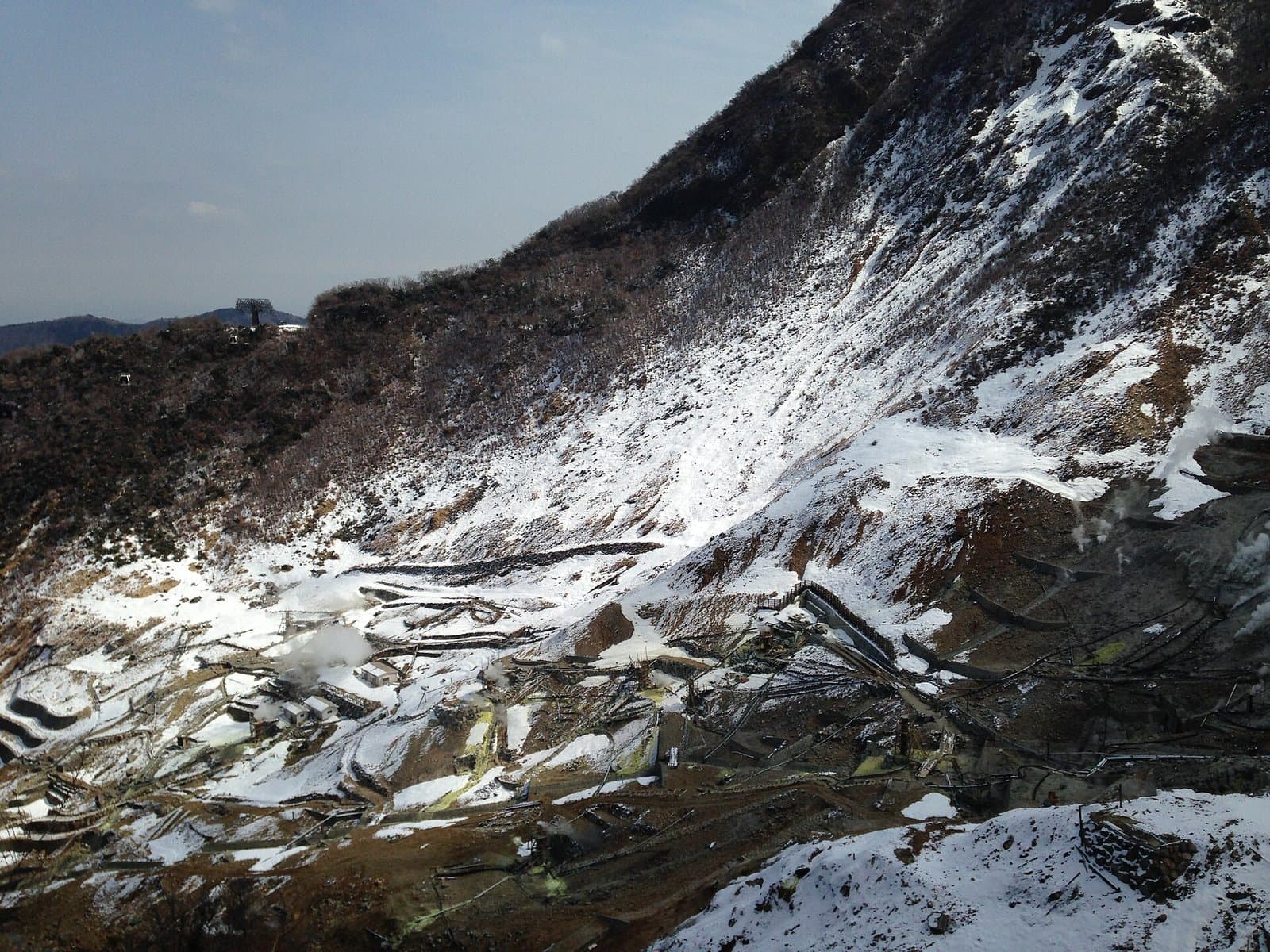 Photo: そらみみ / Wikimedia Commons, CC BY-SA 3.0 (resized)Hakone, KanagawaOwakudani Valley, HakoneA volcanic valley of steam vents and boiling mud, once called "Jigokudani" (hell valley), reached by the Hakone Ropeway with views of Mt. Fuji and Lake Ashi; a 700 m guided walk through the fumarole area reopened in 2022 by reservation.Official check: 26 Sept 2026
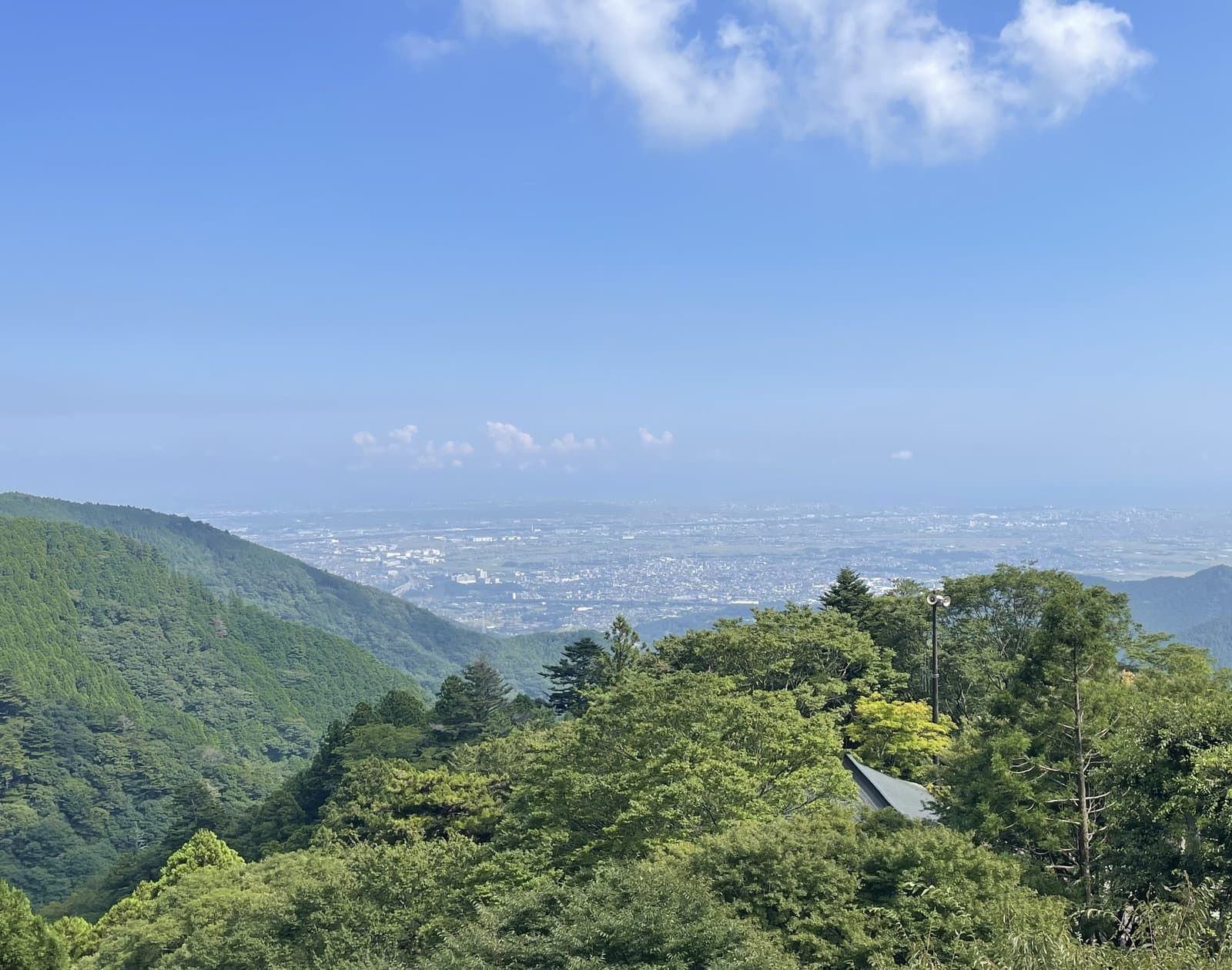 Photo: Photo ACIsehara, KanagawaOyama Afuri ShrineA shrine said to have been founded over 2,200 years ago, known as an object of mountain worship. It was revered by Minamoto no Yoritomo and later warrior families, and in the Edo period "Oyama pilgrimages" by ordinary people spread; this is recognised as Japan Heritage. The main shrine is on the summit and the lower shrine halfway up, reachable by cable car; the view from the shrine earned two stars in the Michelin Green Guide Japan in 2015.Official check: 26 Sept 2026
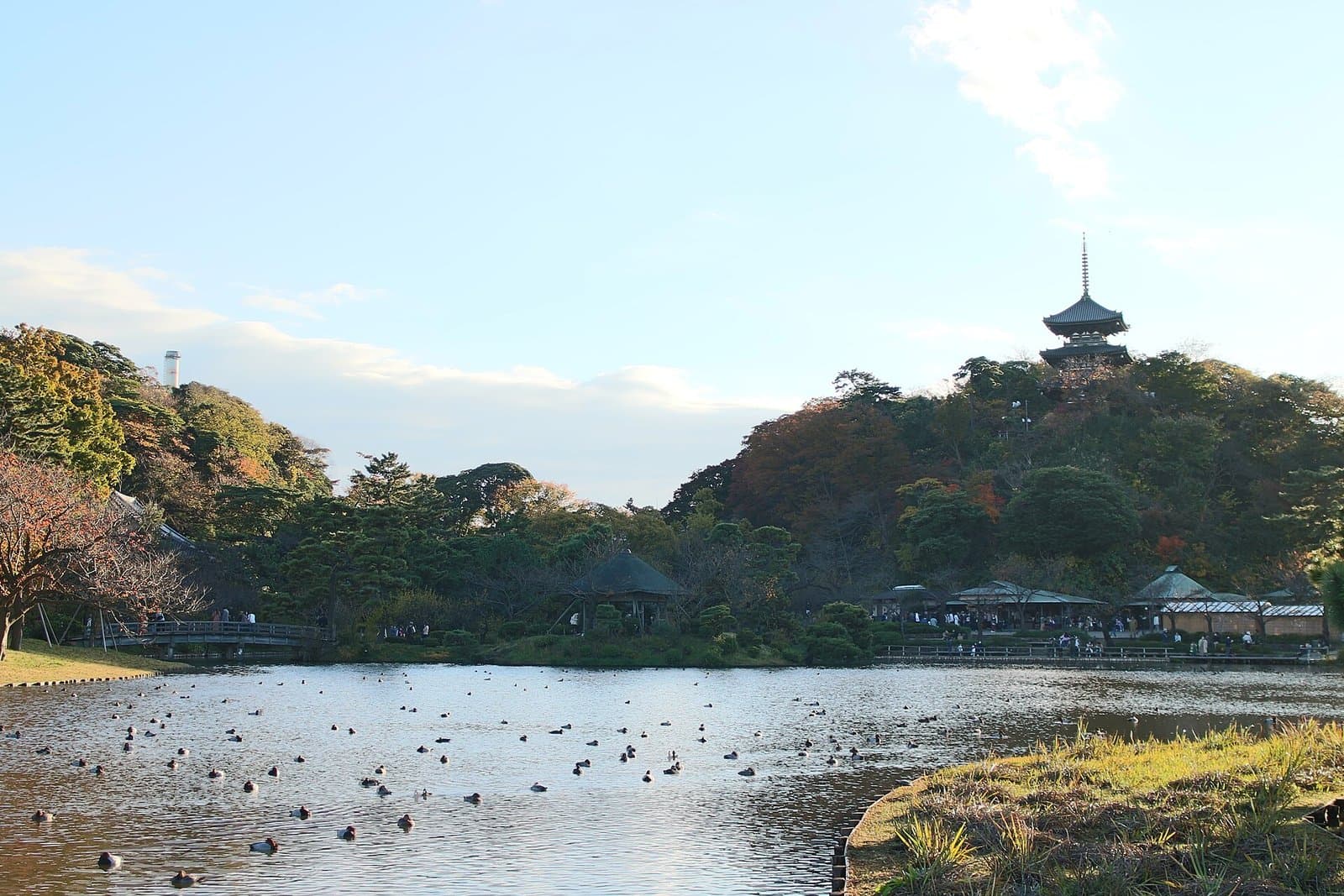 Photo: Suicasmo / Wikimedia Commons, CC BY-SA 4.0 (resized)Yokohama, KanagawaSankeien GardenA vast Japanese garden created by silk merchant Hara Sankei, with historic buildings moved from Kyoto and Kamakura (ten Important Cultural Properties) set among plum, cherry, wisteria, lotus and autumn leaves; a Place of Scenic Beauty.Official check: 26 Sept 2026
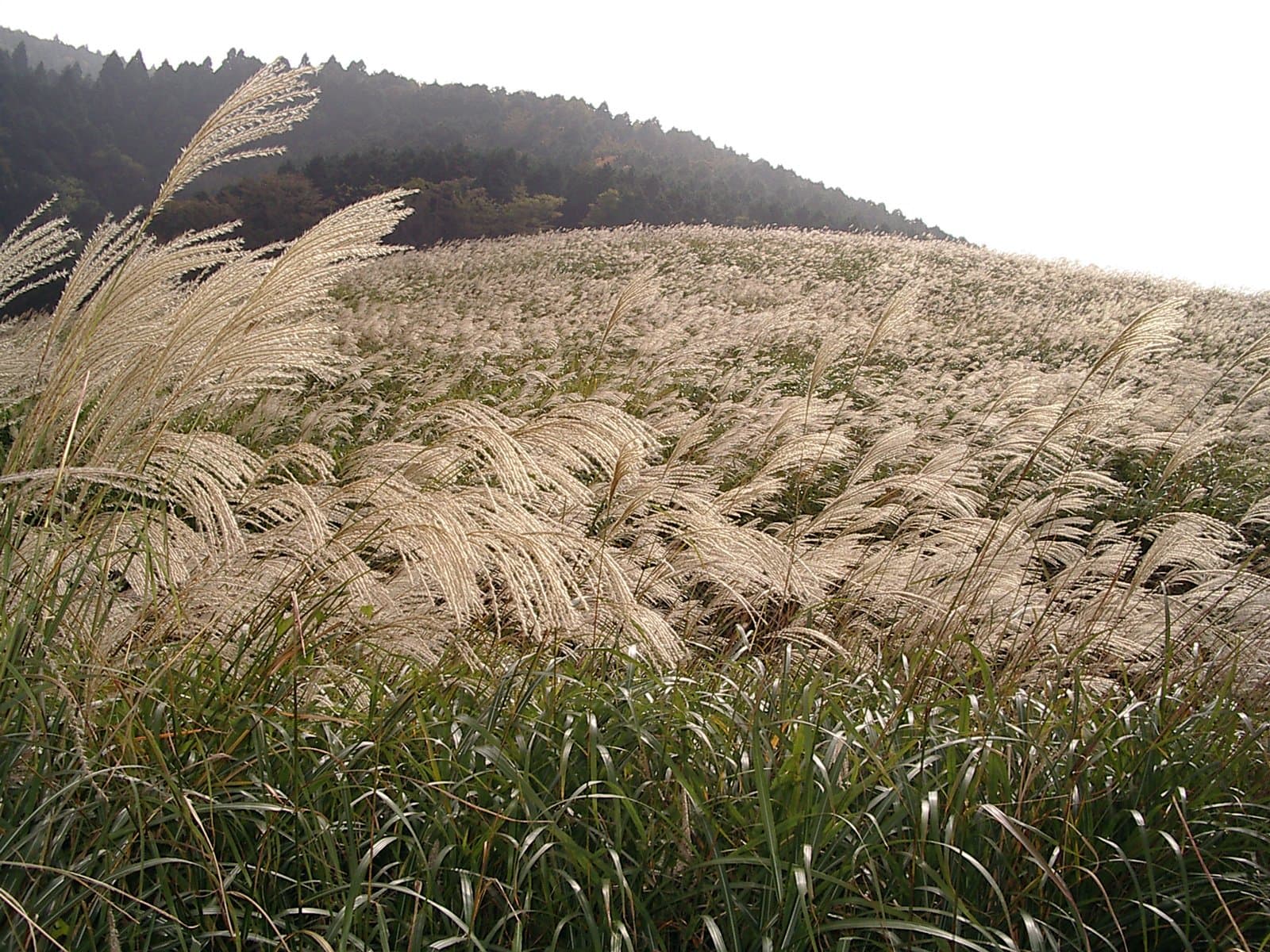 Photo: Jungle / Wikimedia Commons, CC BY-SA 3.0Hakone, KanagawaSengokuhara Pampas Grass FieldA vast field of pampas grass on the slopes of Mt. Daigatake, green in spring and golden in autumn, with a straight 700 m path through the grass; one of Kanagawa's 50 scenic spots.Official check: 26 Sept 2026
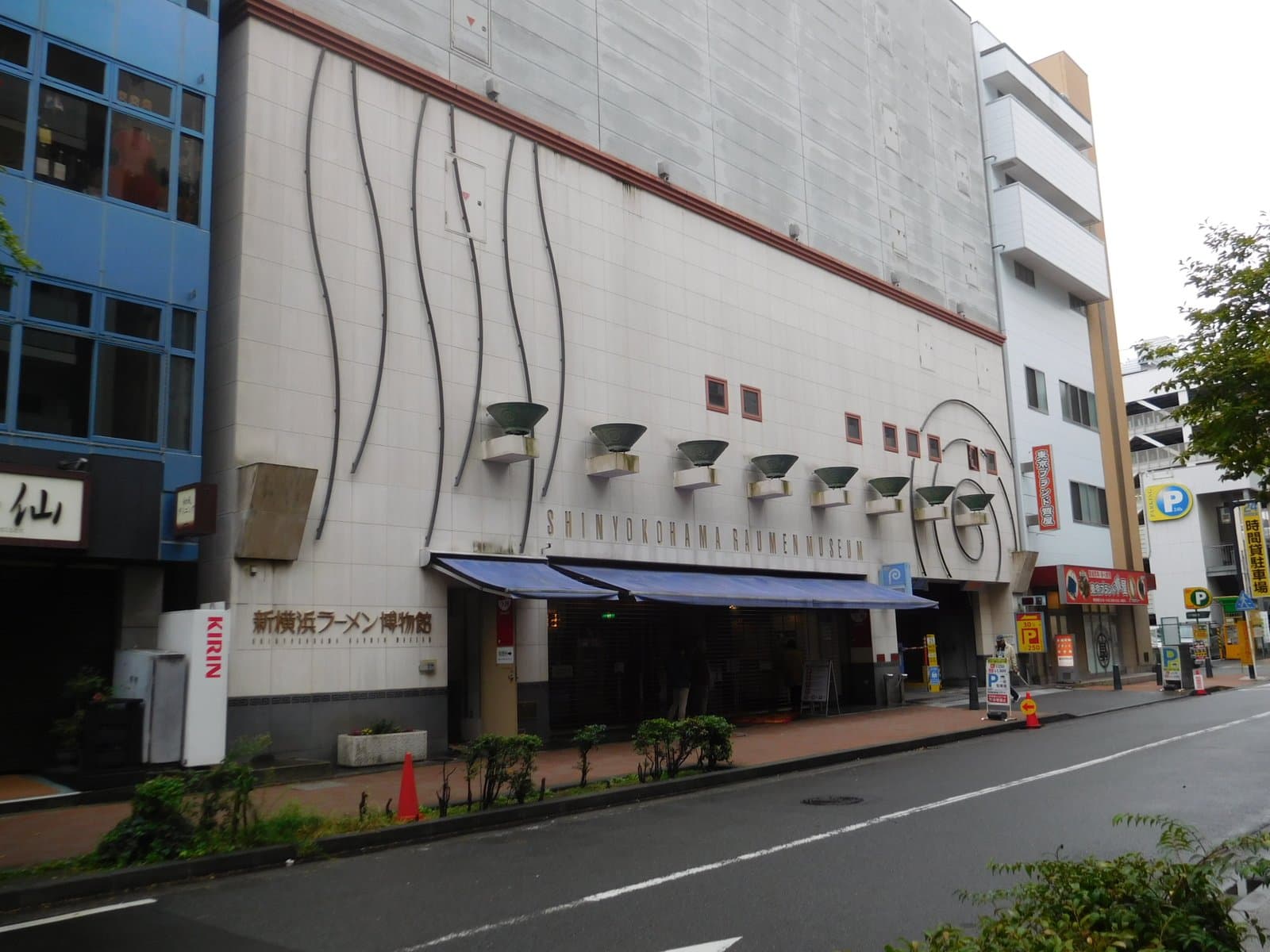 Photo: Brakeet / Wikimedia Commons, CC0 1.0 (resized)Yokohama, KanagawaShin-Yokohama Ramen MuseumA museum that recreates a retro townscape of 1958 inside, lined with carefully chosen ramen shops from around Japan. Besides the museum on ramen culture and history, popular activities include making your own cup ramen at "Rahaku Sugomen Lab" and a noodle-making experience with spelt wheat using the traditional "aodake-uchi" bamboo technique.Official check: 26 Sept 2026
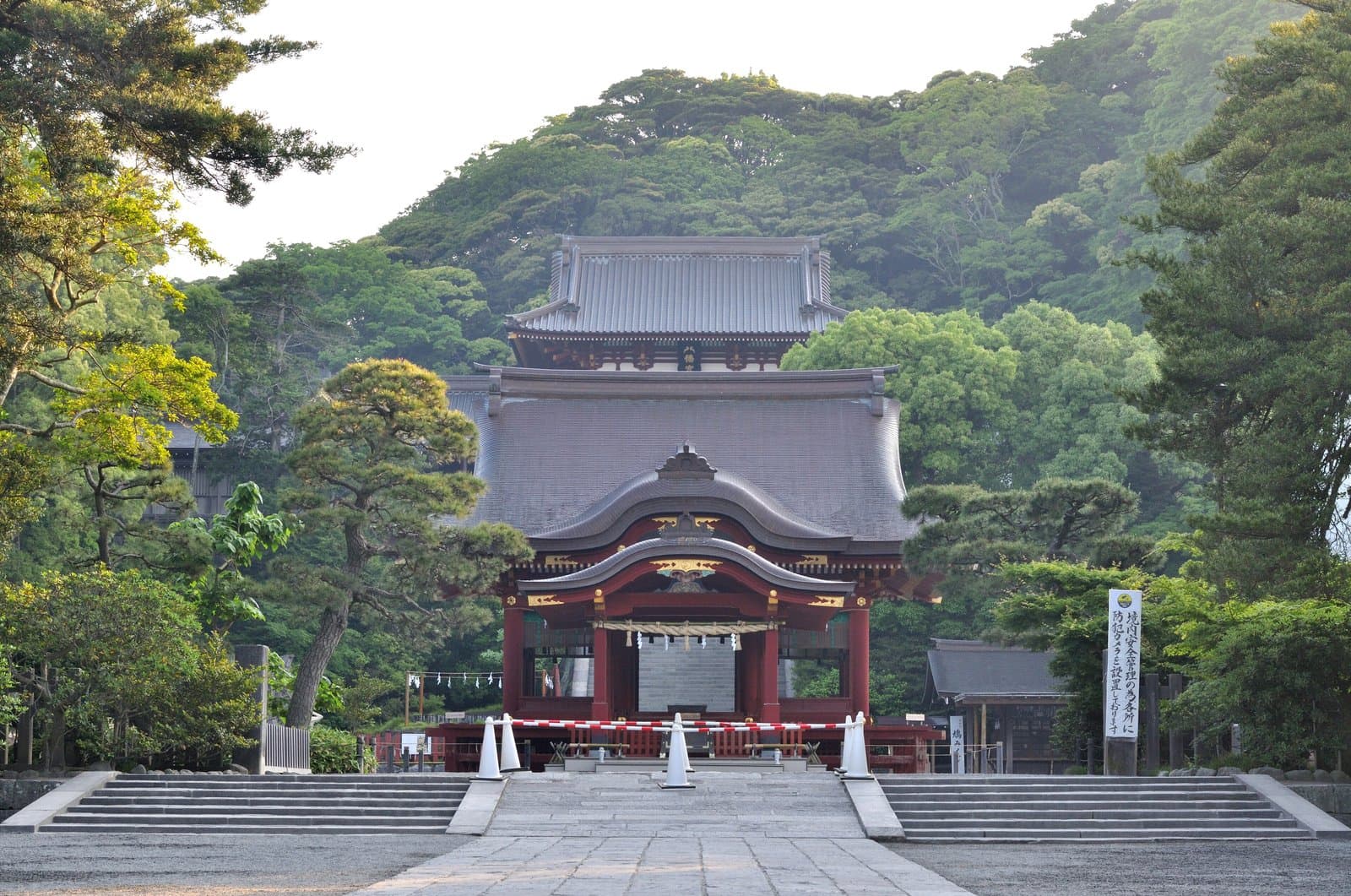 Photo: Ocdp / Wikimedia Commons, CC0 1.0 (resized)Kamakura, KanagawaTsurugaoka Hachimangu ShrineThe guardian shrine of Kamakura and of the samurai in the Kamakura period, where the shogunate held its official ceremonies; its grand festival with horseback archery is held every September 14-16, and a peony garden blooms by the Genji Pond.Official check: 26 Sept 2026
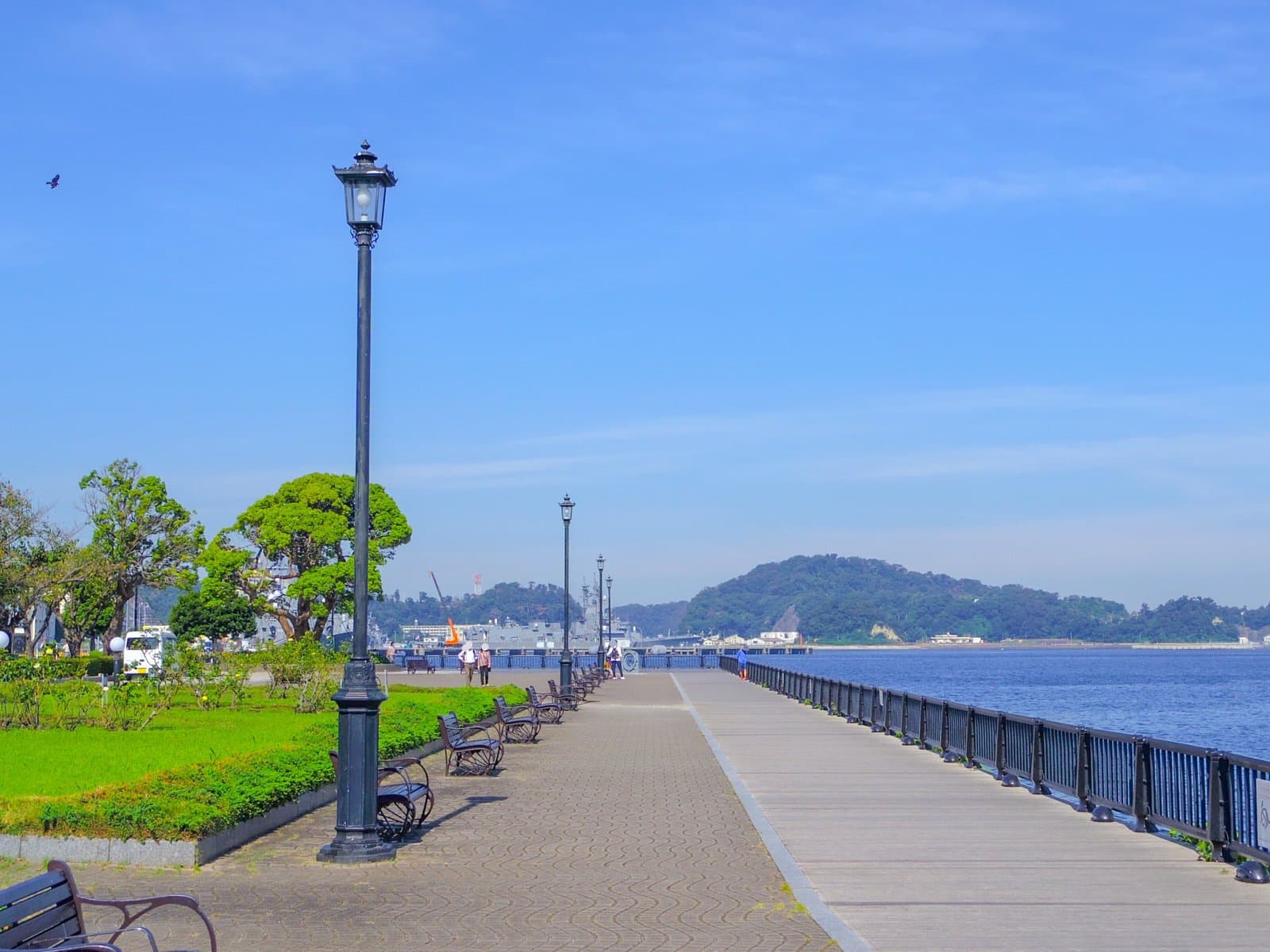 Photo: Photo ACYokosuka, KanagawaVerny ParkA French-style park facing the site of the former Yokosuka Iron Works, which the French engineer Verny helped build; about 1,300 rose bushes of about 130 varieties grow in themed beds. Rose Festas are held in May and October, and the Verny Memorial Hall displays steam hammers actually used at the iron works.Official check: 26 Sept 2026
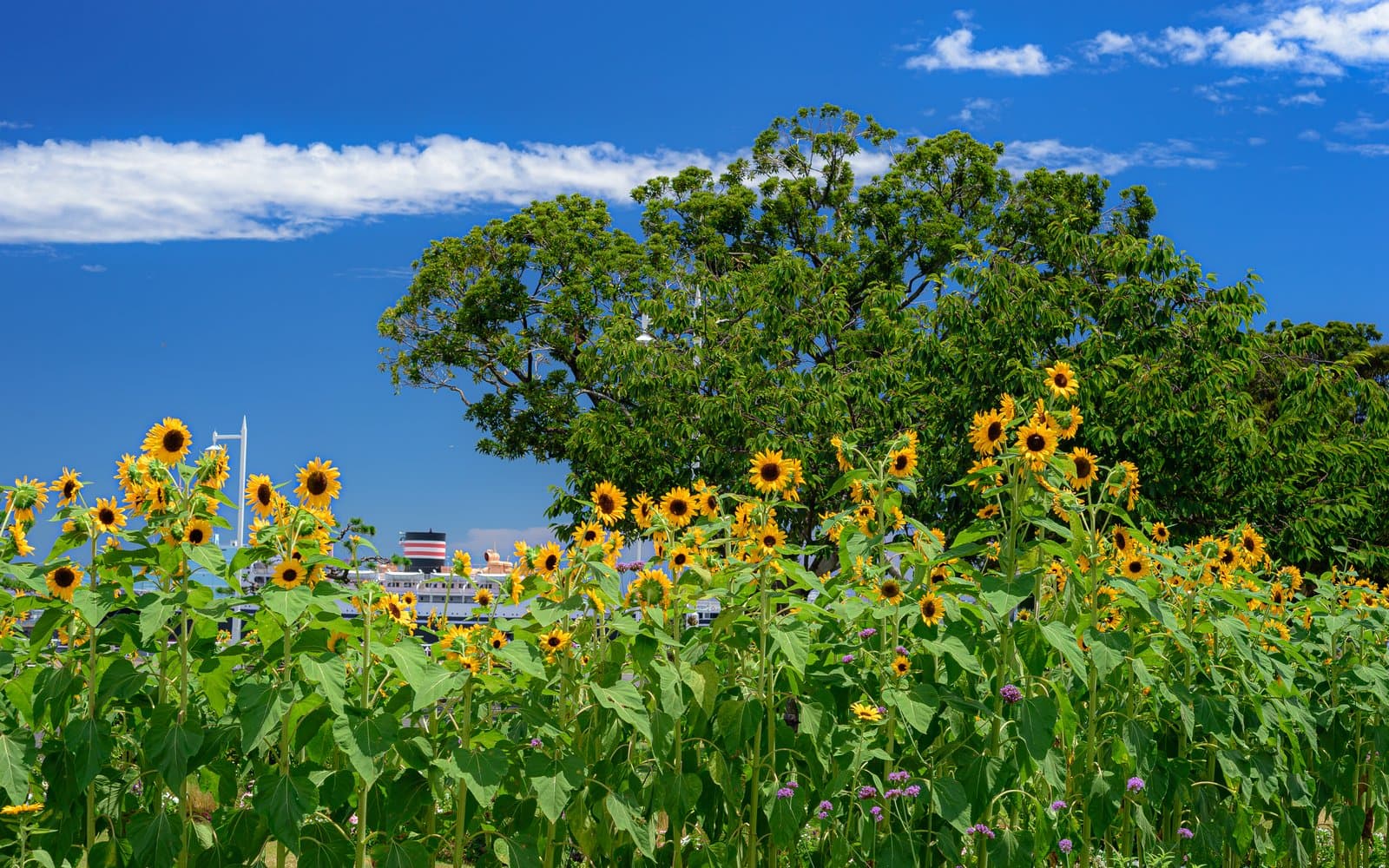 Photo: Photo ACYokohama, KanagawaYamashita ParkYokohama's representative waterfront park, where you can watch the Bay Bridge and the ships in the harbour. The luxury liner Hikawa Maru, once called "Queen of the North Pacific", is moored here, and the park is famous for roses. Built on rubble from the Great Kanto Earthquake, it has many monuments such as the "Girl with Red Shoes" statue.Official check: 26 Sept 2026
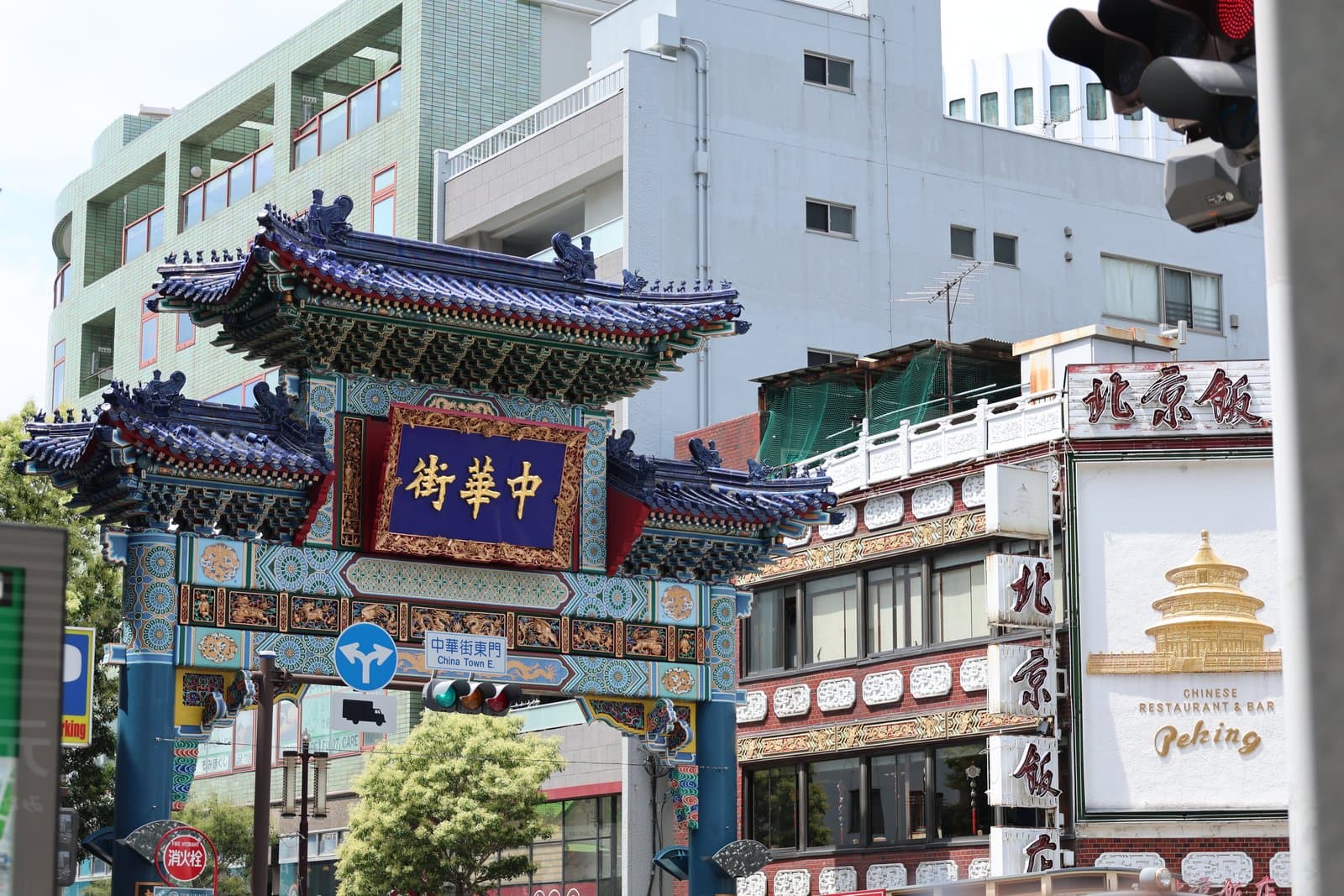 Photo: Photo ACYokohama, KanagawaYokohama ChinatownOne of the world's largest Chinatowns, with over 600 shops packed into lanes named after Chinese places, serving Cantonese, Beijing, Shanghai and Sichuan food, plus the Kuan Ti Miao and Ma Zhu Miao temples.Official check: 26 Sept 2026
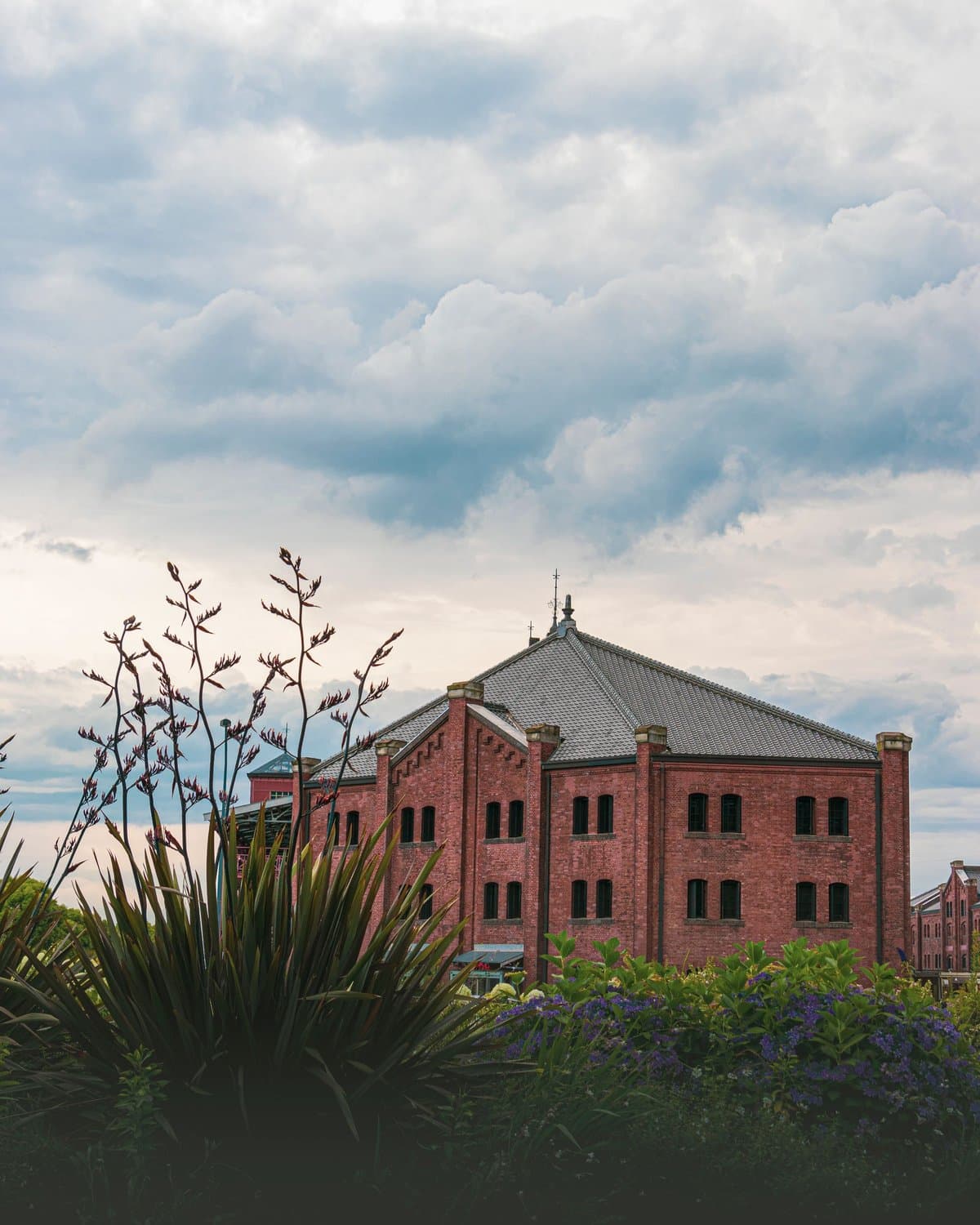 Photo: Thiago Yoshida / Pexels (resized)Yokohama, KanagawaYokohama Red Brick WarehouseRed-brick warehouses built between the late Meiji and early Taisho periods by the harbour, now filled with cafés, restaurants and shops, with events such as the Oktoberfest and a Christmas market in the outdoor plaza; lit orange at night.Official check: 26 Sept 2026
- No photo yetKamakura, KanagawaEngaku-ji TempleAn old Rinzai Zen temple founded by Hojo Tokimune, with many old buildings such as the National Treasure bell and relic hall. From the main gate the precinct climbs gradually past the Sanmon gate, Buddha hall and abbot's quarters; writers such as Natsume Soseki visited to write. The National Treasure "Ogane" bell stands at the top of long stairs, where Mt. Fuji can be seen on some days.Official check: 26 Sept 2026
- No photo yetFujisawa, KanagawaEnoshima Iwaya CavesTwo sea caves on Enoshima carved by waves (152 m and 56 m deep), said to have been visited by Kukai and Minamoto no Yoritomo and regarded as the origin of Benzaiten worship; visitors explore by candlelight.Official check: 26 Sept 2026
- No photo yetHakone, KanagawaHakone CheckpointAn important site in the history of travel in the Edo period. The checkpoint buildings were restored using the craft techniques and tools of the time and, after some 150 years, stand again on the shore of Lake Ashi, making it a gateway to a trip around the lake. A standard visit takes about 45 minutes.Official check: 20 Oct 2026
- No photo yetYokohama, KanagawaHara Model Railway MuseumA museum near Yokohama Station, opened on July 10, 2012, that shows the vast collection of model trains and railway items made and collected by its founder, Hara Nobutaro. Its models use the same technology as real trains, such as gears, leaf springs and bearings, so you hear the clack of the rail joints as on a real line. It has one of the world's largest indoor public layouts on which gauge 1 models (about 1/32 scale) actually run, and holds about 1,500 vehicles.Official check: 20 Oct 2026
- No photo yetKamakura, KanagawaHase-dera Temple, KamakuraAn ancient Kamakura temple known as a temple of flowers, whose hydrangea path overlooks the sea and town; its eleven-headed Kannon, 9.18 m tall, is one of Japan's largest wooden Buddhist statues.Official check: 26 Sept 2026
- No photo yetKamakura, KanagawaInamuragasaki OnsenA day-use hot spring with rare "moor" water, looking over the Kamakura sea, Mt. Fuji and Enoshima; children under 13 are not admitted.Official check: 26 Sept 2026
- No photo yetKamakura, KanagawaJochi-ji TempleFourth of the Five Great Zen Temples of Kamakura, founded around 1281 to pray for Hojo Munemasa, third son of the fifth regent Hojo Tokiyori. With many monks then arriving from Song China, it once had a full set of seven halls and eleven sub-temples, and its surviving bell-tower gate and main hall show the "Song style" of the time. The grounds are a national historic site reaching up to Tenchuho peak on the Genjiyama hiking course; the film director Ozu Yasujiro and the painter Ogura Yuki lived in the area.Official check: 20 Oct 2026
- No photo yetKamakura, KanagawaKamakura Museum of National TreasuresAfter the Great Kanto Earthquake of 1923 destroyed many local cultural treasures, this museum was planned to protect the historic treasures of Kamakura from disaster and to let visitors see them in one place; it opened on April 3, 1928, with many works entrusted by temples and shrines in the city. Its name comes from the many "national treasures" (as defined at the time) in its care. The main building, a raised reinforced-concrete design in the style of an azekura storehouse by Okada Shinichiro, is a Registered Tangible Cultural Property.Official check: 20 Oct 2026
- No photo yetKawasaki, KanagawaKawasui Kawasaki AquariumAn aquarium where you stroll along the world's waterside, themed on "beautiful waterside of the world": from the Tama River flowing through Kawasaki to Asia, Africa and the Amazon rainforest of South America, it shows creatures from many environments with the latest lighting, sound and video. Paid events include backyard tours and "Amazon Time", when you can feed the capybaras.Official check: 26 Sept 2026
- No photo yetYokohama, KanagawaKiyoken Yokohama FactoryThe factory of Kiyoken, maker of shumai, a Yokohama specialty, where you can see the production lines for shumai and boxed meals. The tour of about 90 minutes explains the history of Japan's popular "ekiben" station lunches and the secrets of the Shumai Bento, and you can watch the process through glass; the Petit Museum Shop sells freshly made shumai and souvenirs.Official check: 26 Sept 2026
- No photo yetKamakura, KanagawaKomachi-dori Street, KamakuraA shopping street of about 600 m in central Kamakura running from JR Kamakura Station toward Tsurugaoka Hachimangu, lined with long-established restaurants, new cafés and souvenir shops selling dango, matcha sweets, menchi-katsu and seafood.Official check: 26 Sept 2026
- No photo yetKamakura, KanagawaMeigetsu-in TempleKnown as the "hydrangea temple": the thousands of hydrangeas filling its grounds are called "Meigetsuin blue" and draw crowds in season. It began in 1159 as a small hermitage built by Yamanouchi Tsunetoshi for his father, killed in the Heiji Rebellion, and became Meigetsu-in in 1380 as a sub-temple of Zenko-ji, which was abandoned in the early Meiji era, leaving only Meigetsu-in. The grounds hold the "Meigetsuin yagura", said to be the largest cave tomb in Kamakura.Official check: 20 Oct 2026
- No photo yetHakone, KanagawaOkada Museum of ArtAn art museum in Kowakudani, Hakone, showing Japanese and East Asian paintings, ceramics and lacquerware, arranged along the flow of history and artistic schools, with highlight corners and themed rooms. The grounds also have a garden, a restaurant and a footbath café fed by free-flowing hot spring water with nothing added. Phones, cameras and tablets cannot be taken into the galleries; free lockers are provided.Official check: 20 Oct 2026
- No photo yetHakone, KanagawaPola Museum of ArtA museum opened in 2002 in Hakone with the concept of "the symbiosis of Hakone's nature and art", holding exhibitions built around its collection of Western paintings from Impressionism to the 20th century, and also collecting contemporary art. A forest walking trail in Fuji-Hakone-Izu National Park lets you enjoy nature through the seasons.Official check: 26 Sept 2026
- No photo yetKamakura, KanagawaSugimoto-dera TempleFounded in the sixth year of Tenpyo (734), this is the oldest temple in Kamakura. Its principal images are three statues of the Eleven-faced Kannon, and it is the first temple on both the Kamakura and the Bando 33 Kannon pilgrimages. Visitors can go up into the main hall and pray close to the images; the temple is collecting donations to keep the thatched roofs of the Nio gate and main hall, which now last only about ten years.Official check: 20 Oct 2026
- No photo yetYokohama, KanagawaTaya Cave (Josenji Temple)A huge man-made cave in the grounds of Josenji, said to date from the Kamakura period: about 570 m long on three levels, a hand-dug underground space unlike any other in Japan. Carrying a candle, you walk past chisel marks and about 250 reliefs carved on the walls and ceilings, including mandalas and the eighteen arhats. Its formal name is Tayasan Yugado, a training cave of esoteric Shingon Buddhism still used for practice.Official check: 26 Sept 2026
- No photo yetKamakura, KanagawaTokei-ji TempleA Rinzai Zen temple founded in 1285. In feudal times, when women could not seek a divorce themselves, a woman who fled here could obtain one, and the temple kept this "divorce temple" rule for 600 years until the Meiji era; it was long a convent closed to men. Revived in 1905 by the Zen master Shaku Soen, whose students included D. T. Suzuki, it has been cared for as a temple of flowers since the war.Official check: 20 Oct 2026
- No photo yetYokohama, KanagawaYokohama Marine TowerA tower beside Yamashita Park on Yokohama's waterfront, with an observation floor on the 29th and 30th floors. Day tickets run from morning to early evening and separate night tickets from 18:00 to 22:00, and the tower marked its 65th anniversary with an official multilingual audio guide, "Yokohama 360°". The observation floor can be reached by wheelchair with help from staff.Official check: 20 Oct 2026
- No photo yetYokohama, KanagawaYokohama Museum of ArtAn art museum in Minato Mirai that opened on November 3, 1989. The symmetrical stone building was designed by the architect Kenzo Tange, and its Grand Gallery, an open atrium about 16 m high with stepped display space some 63 m wide, is the heart of the open "Jiyu Area" space. Fitting for an international port city, it focuses on modern and contemporary art since the opening of the port, with over 15,000 works in its collection (as of March 2025) and an art library of about 240,000 books.Official check: 20 Oct 2026