
Spots in Hiroshima
Each spot shows when its facts were last checked against official sources.
By prefecture:
HokkaidoHokkaido (60)
TohokuAomori (30)Iwate (30)Miyagi (40)Akita (30)Yamagata (30)Fukushima (30)
KantoIbaraki (30)Tochigi (30)Gunma (30)Tokyo (30)Kanagawa (15)
ChubuNiigata (30)Ishikawa (15)Yamanashi (30)Gifu (15)Shizuoka (30)
KansaiKyoto (30)Osaka (30)Hyogo (15)Nara (30)
ChugokuHiroshima (15)
Select a square pin to open the spot. Zoom with Ctrl/Cmd + scroll, or two fingers on a phone.
Not on the map (location not confirmed on an official source yet): Itsukushima Shrine
- No photo yetHiroshima, HiroshimaHiroshima CastleConstruction began in Tensho 17 (1589) under Mori Terumoto; in the Edo period it was the seat of Fukushima Masanori and then 12 generations of the Asano clan. All its buildings were destroyed by the atomic bomb, and in 1994 (Heisei 6) the Hira, Tamon and Taiko turrets were completed, restoring the Ninomaru. The main keep closed in March 2026 due to ageing and other reasons, but its exterior can still be viewed.Official check: 26 Sept 2026
- No photo yetHiroshima, HiroshimaHiroshima Peace Memorial MuseumOpened in 1955 to convey the reality of the damage caused by the atomic bomb to people around the world and to contribute to the abolition of nuclear weapons and lasting world peace. It collects and displays belongings of A-bomb victims and photographs and materials showing the devastation, and presents Hiroshima before and after the bombing and the state of the nuclear age.Official check: 26 Sept 2026
- No photo yetHatsukaichi, HiroshimaItsukushima ShrineSaid to have been founded in the first year of Empress Suiko (593). Because the whole island was revered as an island of the gods, it was thought too awe-inspiring to build on land, so the shrine was built where the tide ebbs and flows. Taira no Kiyomori built the shrine buildings in their present form; 17 buildings and 3 structures are National Treasures or Important Cultural Properties, and the corridors run about 260 m.Official check: 26 Sept 2026
- No photo yetKure, HiroshimaKure Bay Warship CruiseA cruise of about 35 minutes from Kure Port, once called "the finest naval port in the East" and now a Maritime Self-Defense Force base, to see active submarines and escort ships up close from the sea with a live guided commentary. The ships in port differ from day to day.Official check: 26 Sept 2026
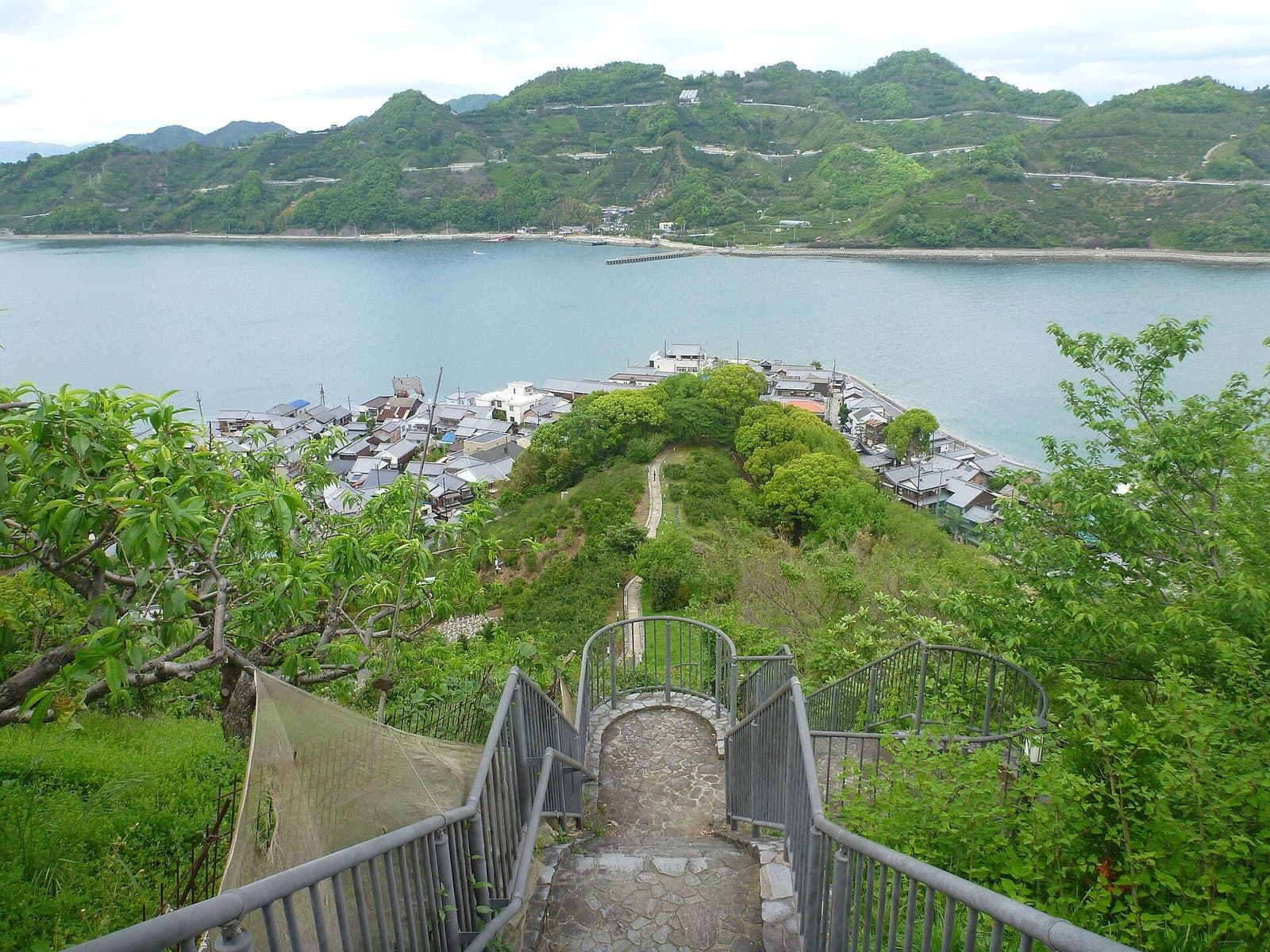 Photo: Kzaral / Wikimedia Commons, CC BY 2.0 (resized)Kure, HiroshimaMitarai Historic TownscapeA port town that prospered in the Edo period as a place where ships waited for wind and tide, selected by the national government as an Important Preservation District for Groups of Traditional Buildings in Heisei 6. Merchant houses large and small, teahouses, boat inns, shrines and temples stand together along a web of lanes, and harbour structures such as the breakwater, stone bridge, tall lantern and stone-step landings remain.Official check: 26 Sept 2026
- No photo yetHatsukaichi, HiroshimaMiyajima Omotesando Shopping StreetA shopping street about 350 m long leading to Itsukushima Shrine, lined with folk craft and souvenir shops selling Miyajima rice paddles and Miyajima carvings, restaurants serving local specialities made with oysters and conger eel, and momiji manju shops, some of which sell them freshly baked.Official check: 26 Sept 2026
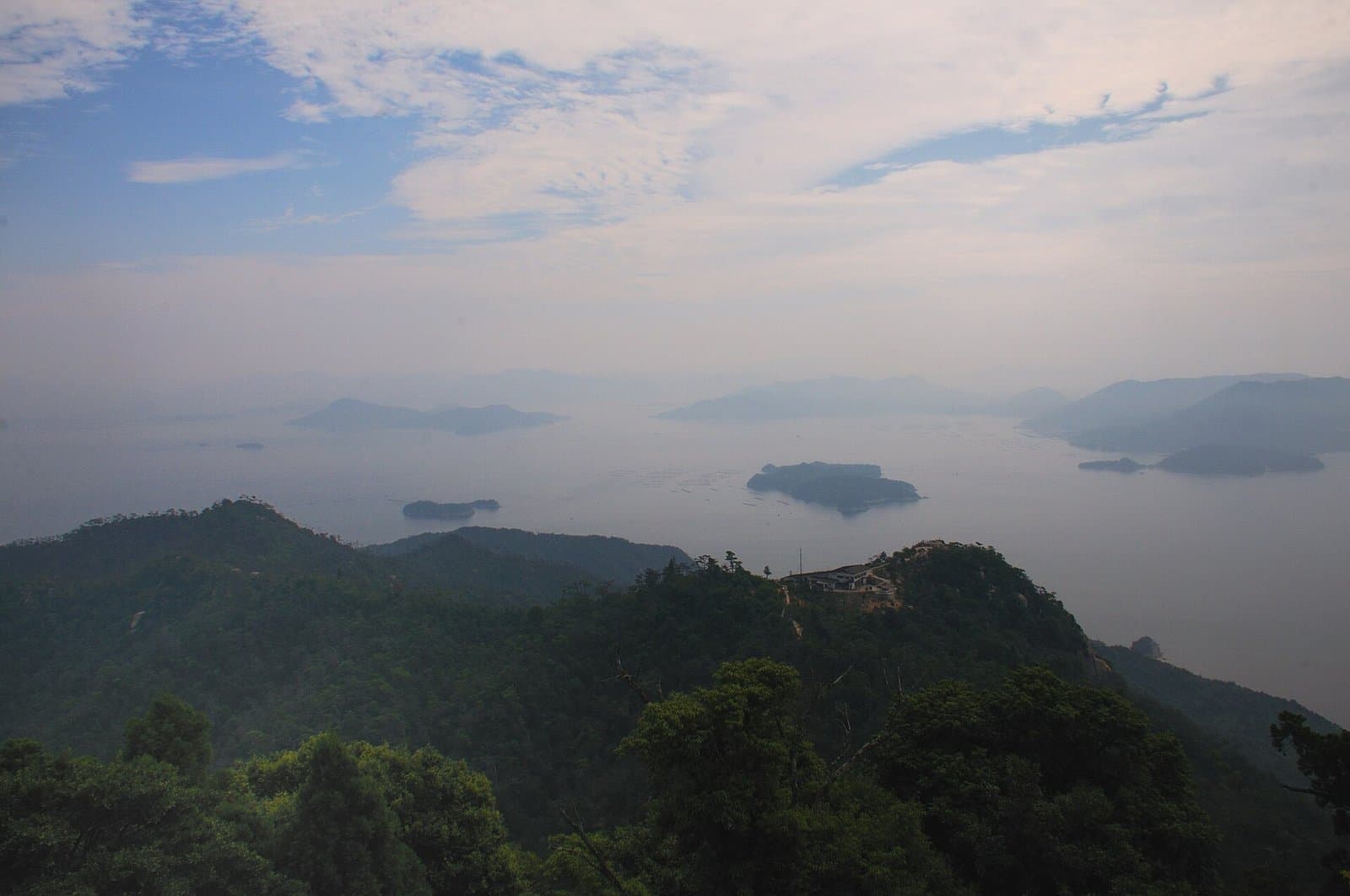 Photo: Josep M. Gracia / Wikimedia Commons, CC BY-SA 4.0 (resized)Hatsukaichi, HiroshimaMt. Misen Observatory, MiyajimaAn observatory on the summit of Mt. Misen (535 m). On Miyajima, where the whole island was held sacred, the mountain itself is an object of worship, and the Misen primeval forest is a national natural monument. The observatory was rebuilt in 2013 to a design by Hiroshima-born architect Hiroshi Sambuichi, and "the view from the Miyajima Misen Observatory" was raised to three stars in the Michelin Green Guide Japan in 2015.Official check: 26 Sept 2026
- No photo yetHiroshima, HiroshimaOkonomimuraA building where 25 well-known okonomiyaki restaurants gather, carrying on a history that began with post-war food stalls. Most seats are at counters around the iron griddle, where you can watch the cooks at work.Official check: 26 Sept 2026
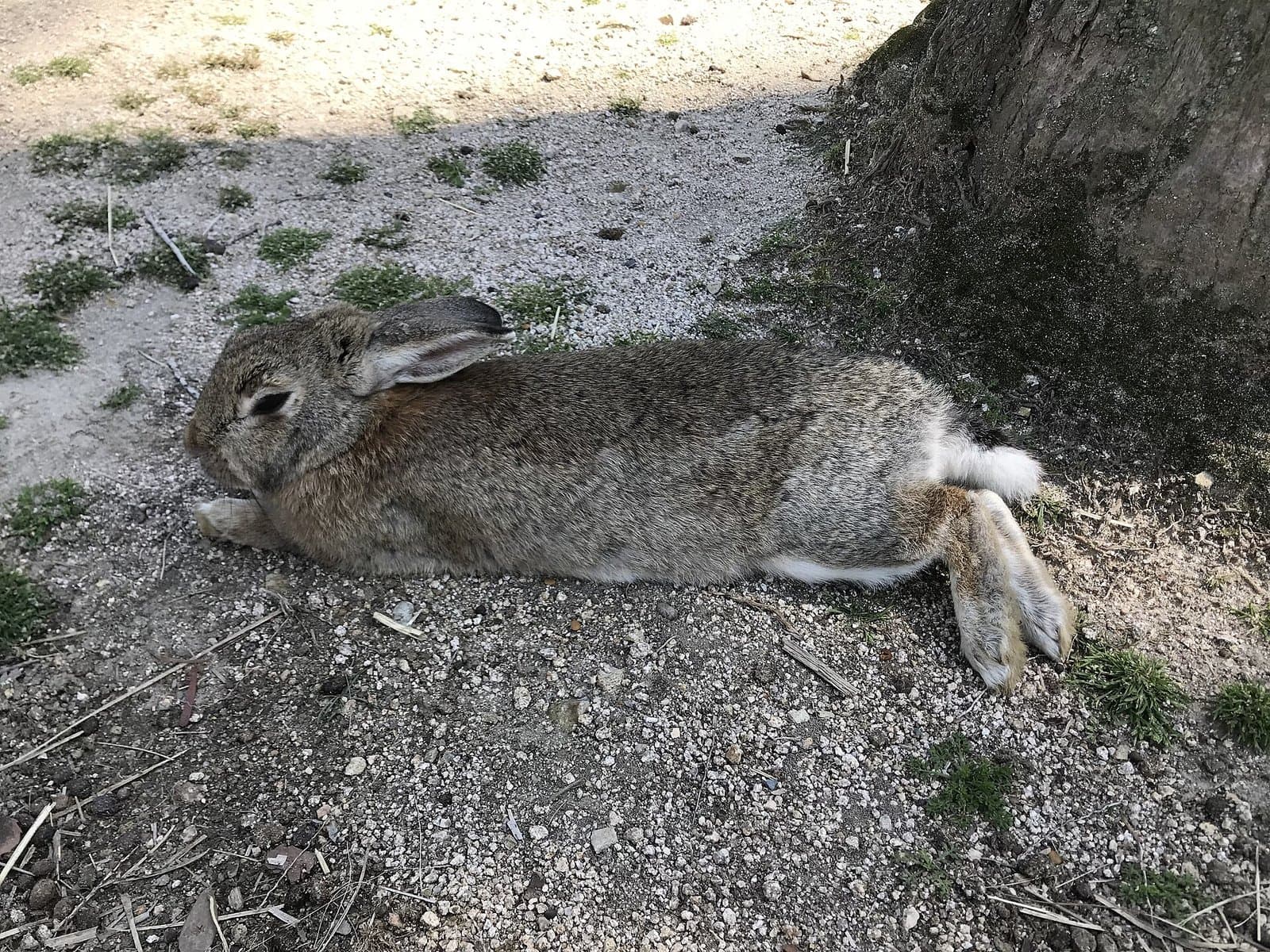 Photo: そらみみ / Wikimedia Commons, CC BY-SA 4.0 (resized)Takehara, HiroshimaOkunoshima IslandAn island in the Seto Inland Sea, about 15 minutes by ferry from Tadanoumi Port, known for its many wild rabbits; several hundred live on the island. Rental bicycles make it easy to go around the roughly 4 km coast, and the island also has the Poison Gas Museum and ruins that tell of its past.Official check: 26 Sept 2026
- No photo yetHiroshima, HiroshimaOrizuru TowerA building just east of the Atomic Bomb Dome. From its rooftop observation deck you can see the Peace Memorial Park and the Atomic Bomb Dome and, on clear days, Mt. Misen on Miyajima: two World Heritage Sites at once. You can drop folded paper cranes into the "Orizuru Wall".Official check: 26 Sept 2026
- No photo yetHiroshima, HiroshimaPeace Memorial ParkA city park created to mourn those killed by the atomic bomb and to pray for lasting world peace. The area, the city's central district from the Edo period to the early Showa era, was destroyed in an instant by the atomic bomb on August 6, 1945 (Showa 20); the park was completed in 1955 (Showa 30). It contains the Atomic Bomb Dome, the Hiroshima Peace Memorial Museum, many monuments and A-bombed Chinese parasol trees, and the sound of its Peace Bell is one of the Ministry of the Environment's 100 Soundscapes of Japan.Official check: 26 Sept 2026
- No photo yetHigashihiroshima, HiroshimaSaijo Sake Brewery StreetSaijo is known as one of Japan's sake centres alongside Nada and Fushimi, and seven breweries still make sake around JR Saijo Station. The street keeps the national historic site "Saijo Sake Breweries" and brewery buildings selected as a "20th Century Heritage of Japan", with red-brick chimneys, red-tiled roofs and namako-walled and white-walled storehouses; some breweries offer tastings of sake and brewing water.Official check: 26 Sept 2026
- No photo yetAkiota, HiroshimaSandankyo GorgeA great gorge about 16 km long in the Nishi-Chugoku Sanchi Quasi-National Park, with sights such as Kurobuchi, Saruto, Nidan-daki and Sandan-daki falls; it is also known for autumn leaves (around late October to late November). There are two ferry boats inside the gorge, Kurobuchi and Saruto.Official check: 26 Sept 2026
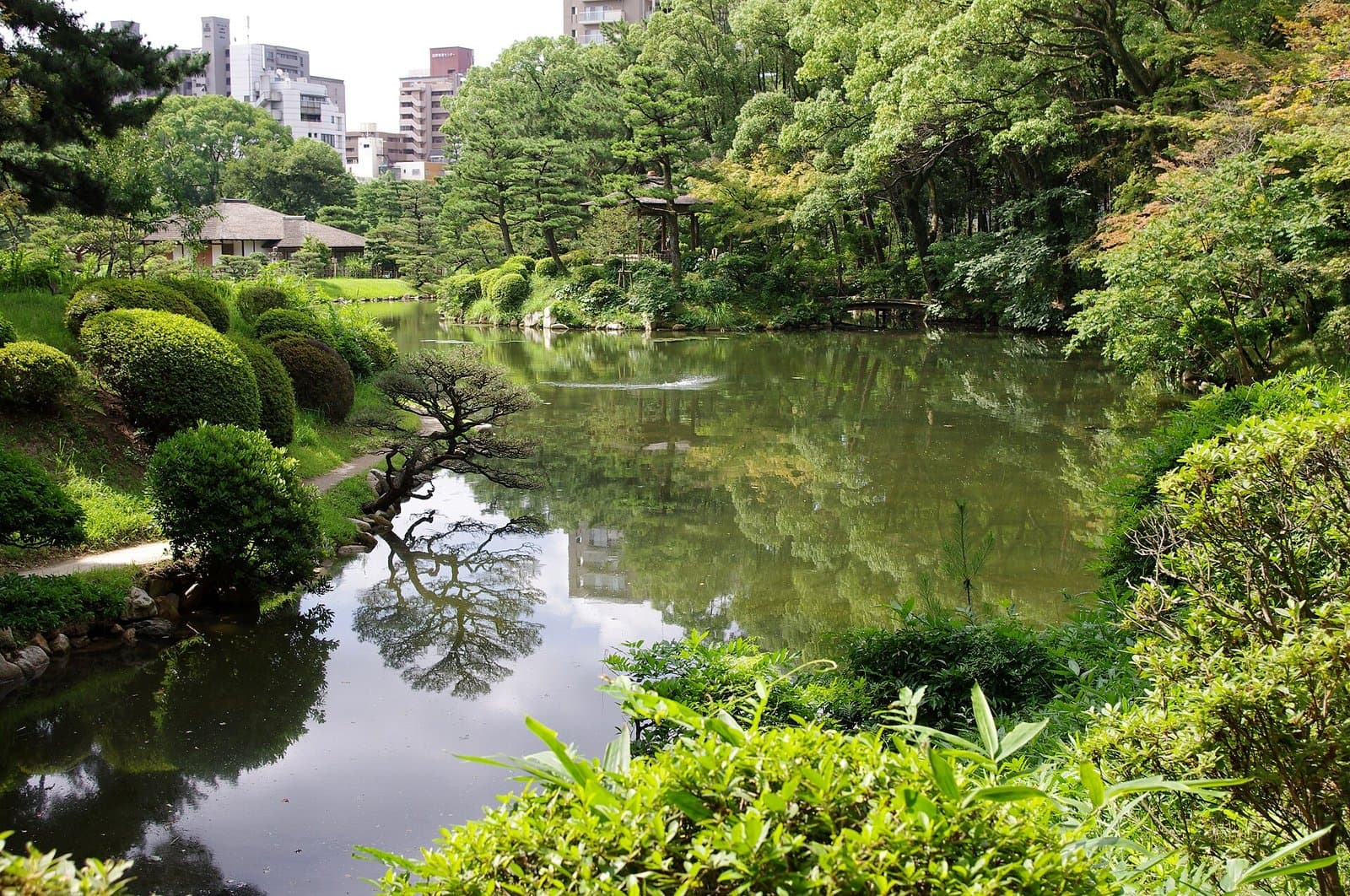 Photo: Jakub Hałun / Wikimedia Commons, CC BY-SA 4.0 (resized)Hiroshima, HiroshimaShukkeien GardenA stroll garden built in Genna 6 (1620) by Ueda Soko, a chief retainer of the Asano domain known as a tea master, as the garden of the lord's villa. Large and small islands float in the central Takuei Pond. It was almost destroyed by the atomic bomb in 1945 (Showa 20), and the Seifukan, Meigetsutei and other buildings have since been restored.Official check: 26 Sept 2026
- No photo yetKure, HiroshimaYamato Museum (Kure Maritime Museum)A museum with a faithful 1/10-scale model of the giant battleship Yamato, built in Kure, and real exhibits including a Zero fighter and a Kaiten human torpedo; it introduces the history of Kure and the science and technology, such as shipbuilding and steelmaking, behind Japan's modernisation.Official check: 26 Sept 2026