
Spots in Osaka
Each spot shows when its facts were last checked against official sources.
Select a square pin to open the spot. Zoom with Ctrl/Cmd + scroll, or two fingers on a phone.
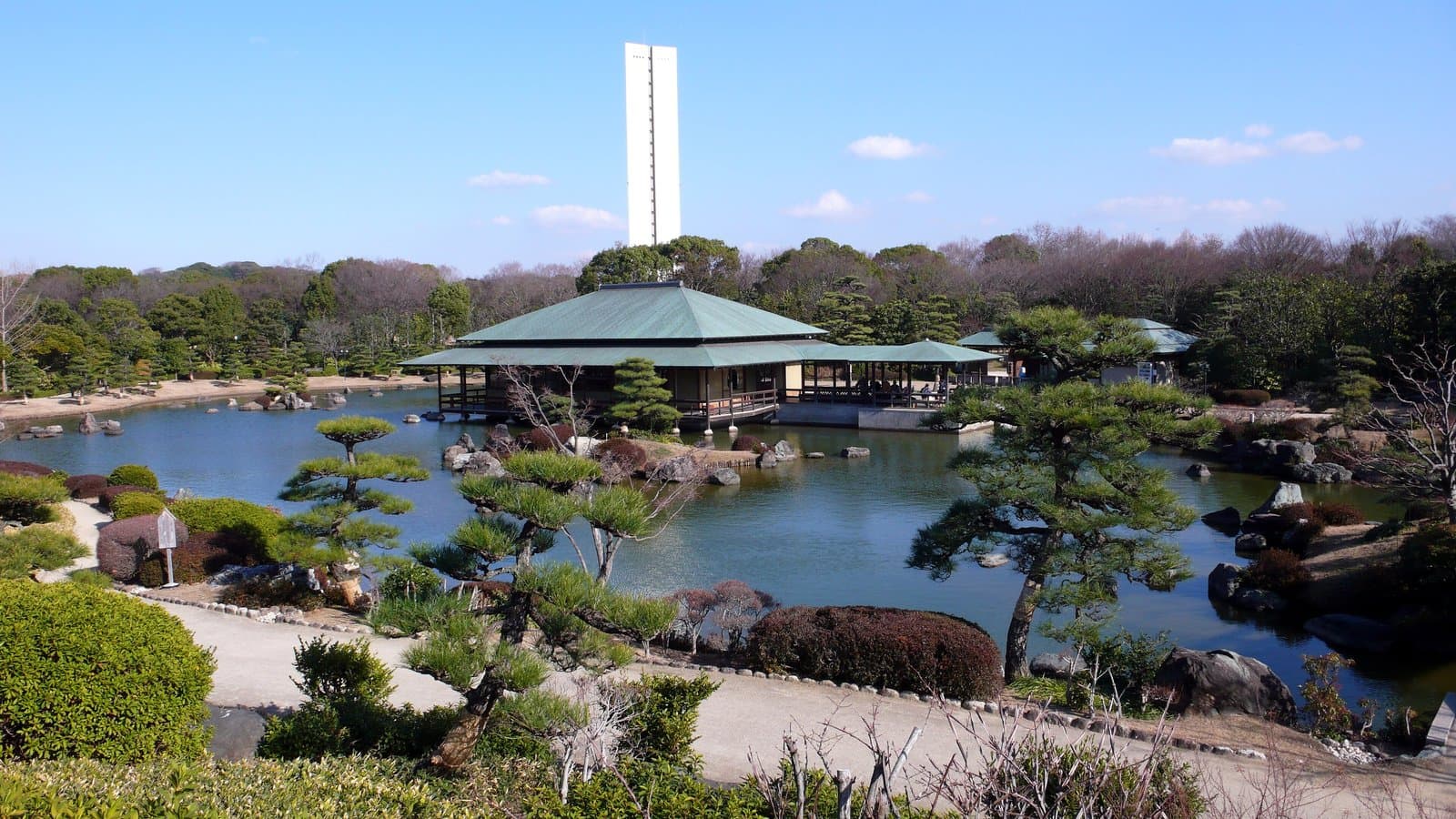 Photo: Oilstreet / Wikimedia Commons, CC BY 2.5 (resized)Sakai, OsakaDaisen Park Japanese GardenA Japanese garden of 26,000 square metres. In the Middle Ages Sakai flourished as a base of overseas trade, and the garden techniques that became the source of Japanese gardens are said to have arrived at that time. The garden uses traditional techniques in the "tsukiyama rinsen kaiyu" stroll style and has three landscapes: the southern upland "Togendai", the "Ishizu-kei" stream flowing from south to north, and the northern lowland. Through the cypress gate are a rest house modelled on the "Nayashu" meeting place of Sakai merchants, the "Ryuhaitei" with a winding stream carved from stone from Huaguo Mountain in China, "Togendai" for outdoor tea and bonsai shows, and along the stream the "Kasatei" pavilion.Official check: 28 Sept 2026
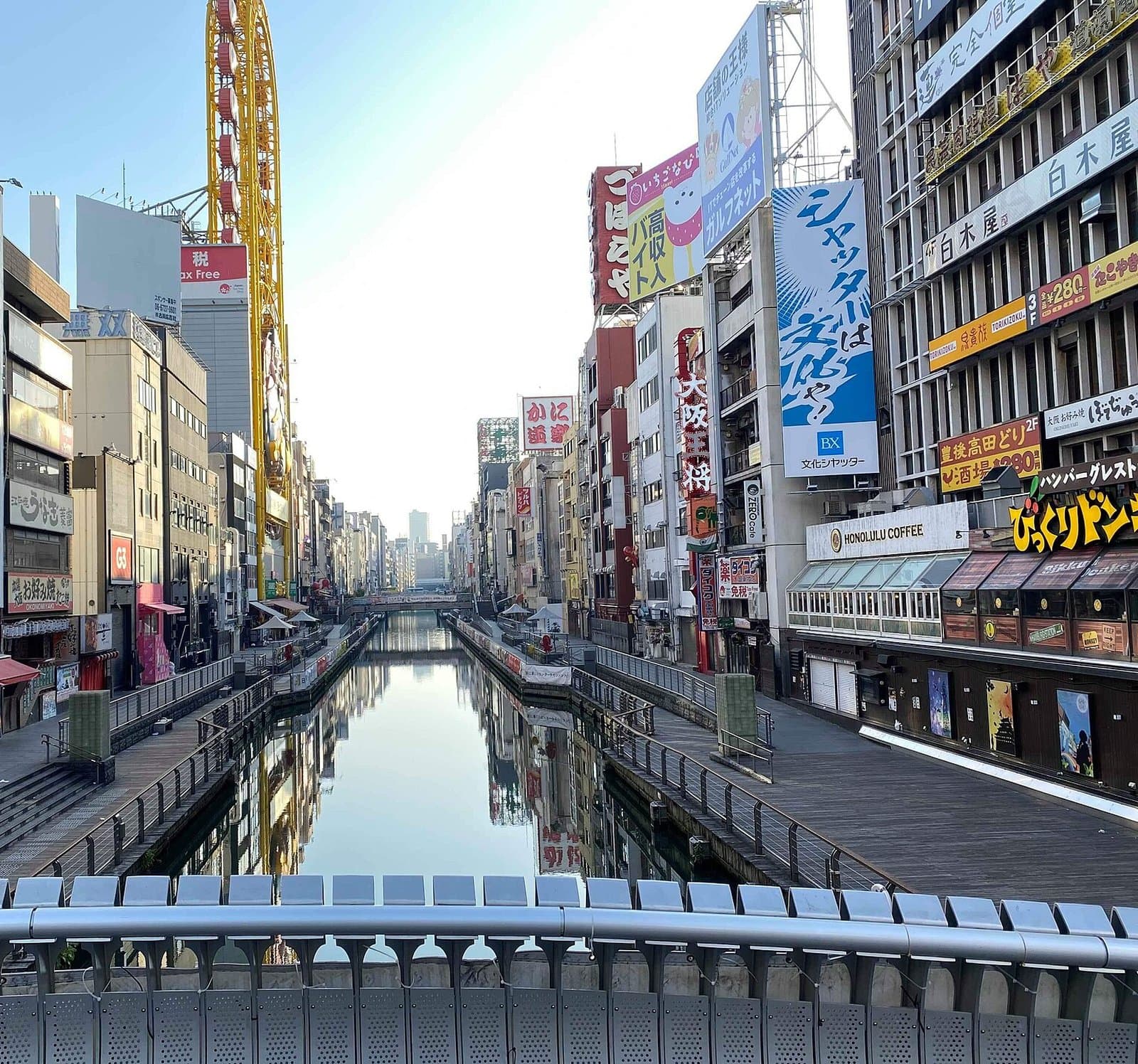 Photo: 32linesky / Wikimedia Commons, CC BY-SA 4.0 (cropped and resized)Osaka, OsakaDotonboriMinami's main entertainment street, lined with giant 3D signs such as the Glico runner and the Kani Doraku crab; named after Yasui Doton, who dug the canal at his own expense in 1612. The Tombori River Walk along the water is also popular.Official check: 26 Sept 2026
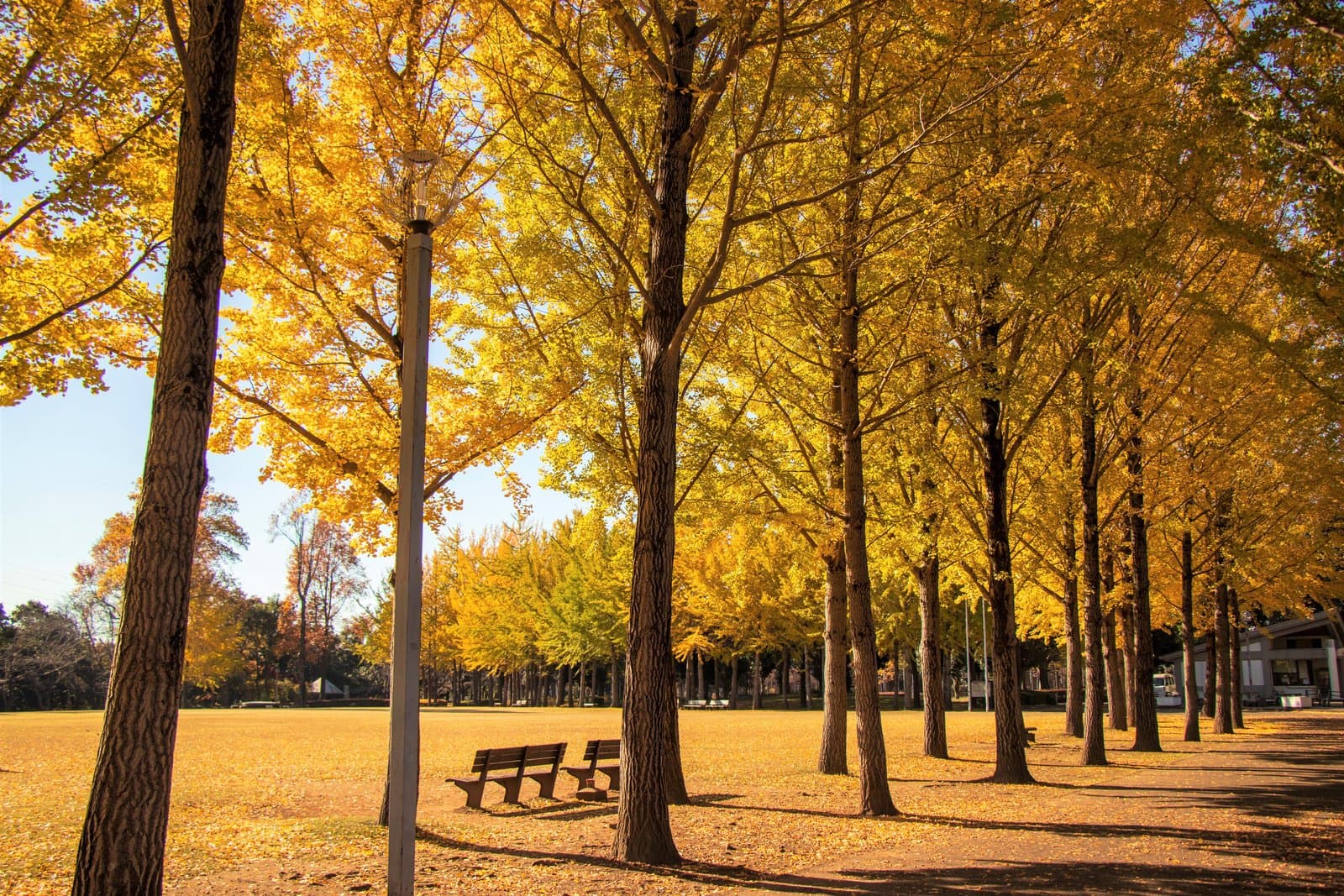 Photo: Photo ACSuita, OsakaExpo '70 Commemorative ParkA cultural park built on the site of the 1970 Japan World Exposition (Osaka Expo), where you can feel nature close to the city. Its grounds of about 260 ha have flowers in every season and host many events, with an athletic tower, a giant maze, cycle boats and hands-free barbecue facilities. Legacies of the Expo remain: the "EXPO'70 Pavilion" shows materials and exhibits from the time, and the "Tower of the Sun", designed by the artist Taro Okamoto as part of the Expo theme pavilion, was one of the few buildings left when most were demolished, and is still loved as a symbol of Osaka.Official check: 28 Sept 2026
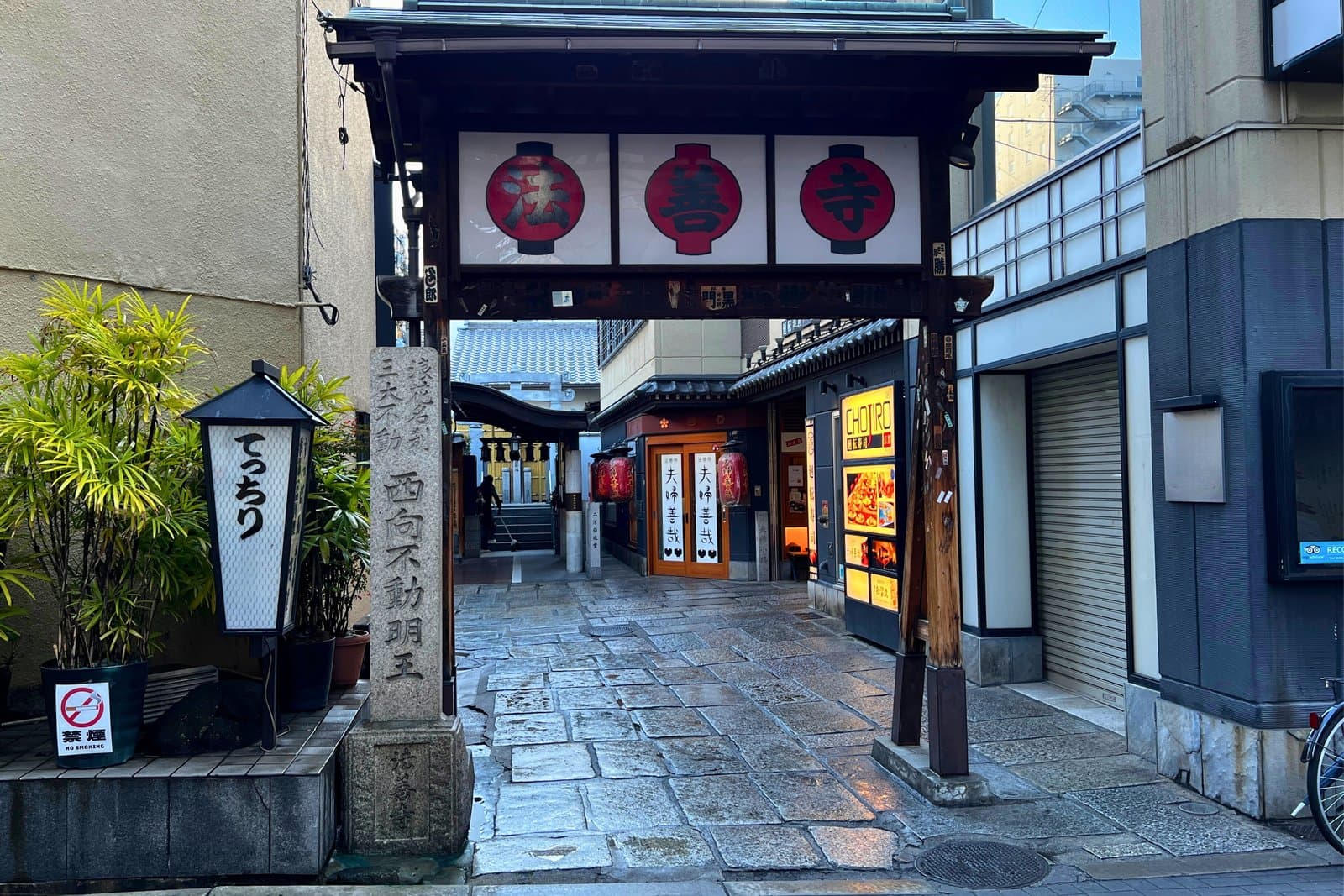 Photo: Photo ACOsaka, OsakaHozenji Yokocho AlleyAn atmospheric alley in the middle of Minami, Osaka's liveliest entertainment district. At the end of the stone-paved lane stands Mizukake Fudo, always covered in green moss because so many visitors ladle water over it. After a fire in 2002, 300,000 signatures were gathered and a special exception kept the 2.7 m-wide alley as it was; along about 100 m are renowned kappo restaurants and small places serving yakitori, oden, sushi and drinks.Official check: 26 Sept 2026
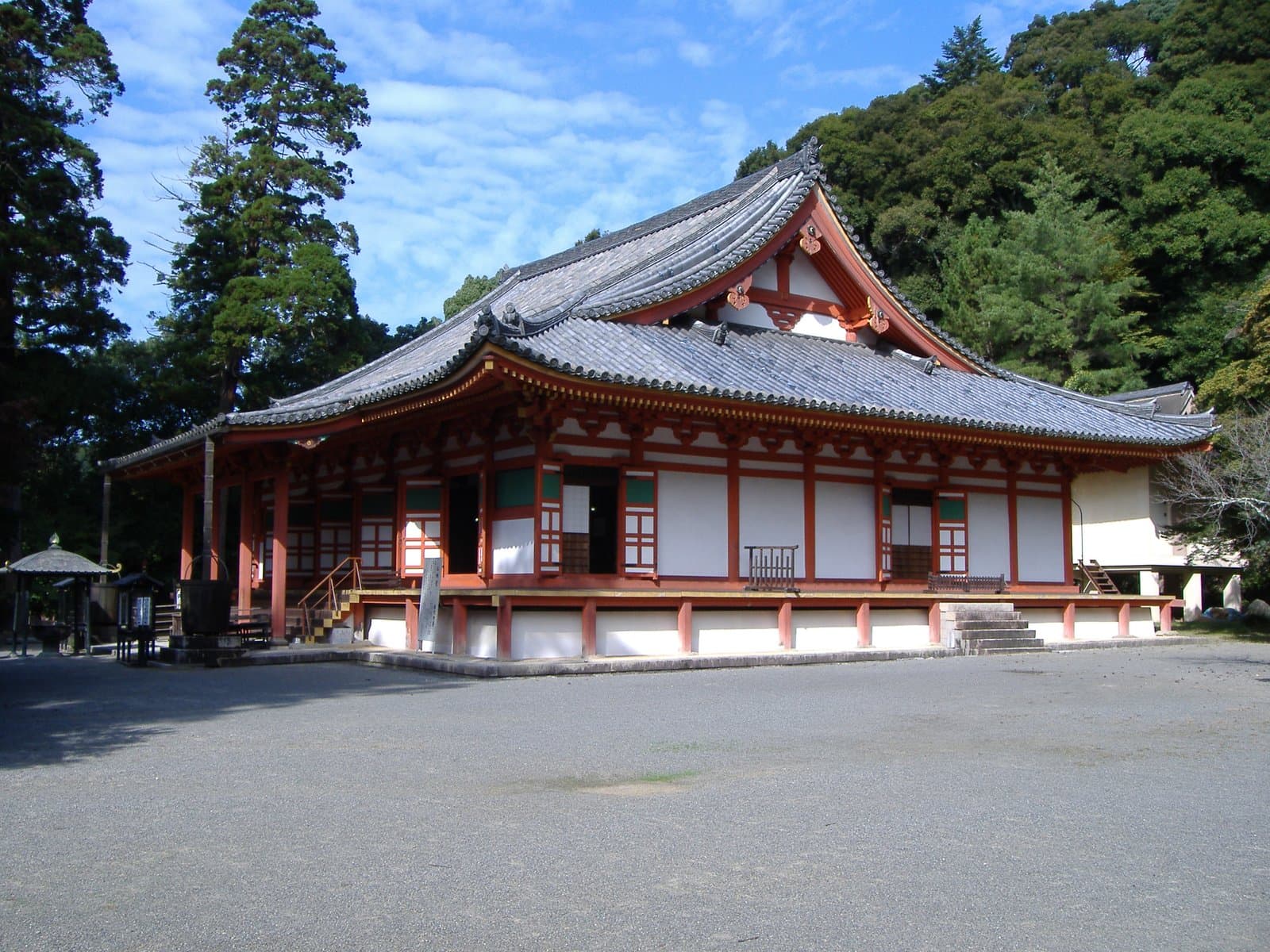 Photo: Hiro2006 / Wikimedia Commons, CC BY-SA 3.0 (resized)Kawachinagano, OsakaKanshinji TempleAn old temple of the Koyasan Shingon school linked to Kusunoki Masashige, hero of Minami-Kawachi, near the border of Osaka, Nara and Wakayama. It is said to have been founded in 701 by En no Gyoja, and in 815 Kobo Daishi Kukai rebuilt it as a Shingon training hall, carving the Nyoirin Kannon that became its principal image and renaming it from "Unshinji" to "Kanshinji". The principal image, a National Treasure, is shown only on April 17 and 18 each year. In the wooded grounds are the grave of Jichie, a disciple of Kobo Daishi, the tomb of the 97th Emperor Go-Murakami and the grave of Kusunoki Masashige. It is also known for plum blossoms, cherry blossoms and autumn leaves.Official check: 28 Sept 2026
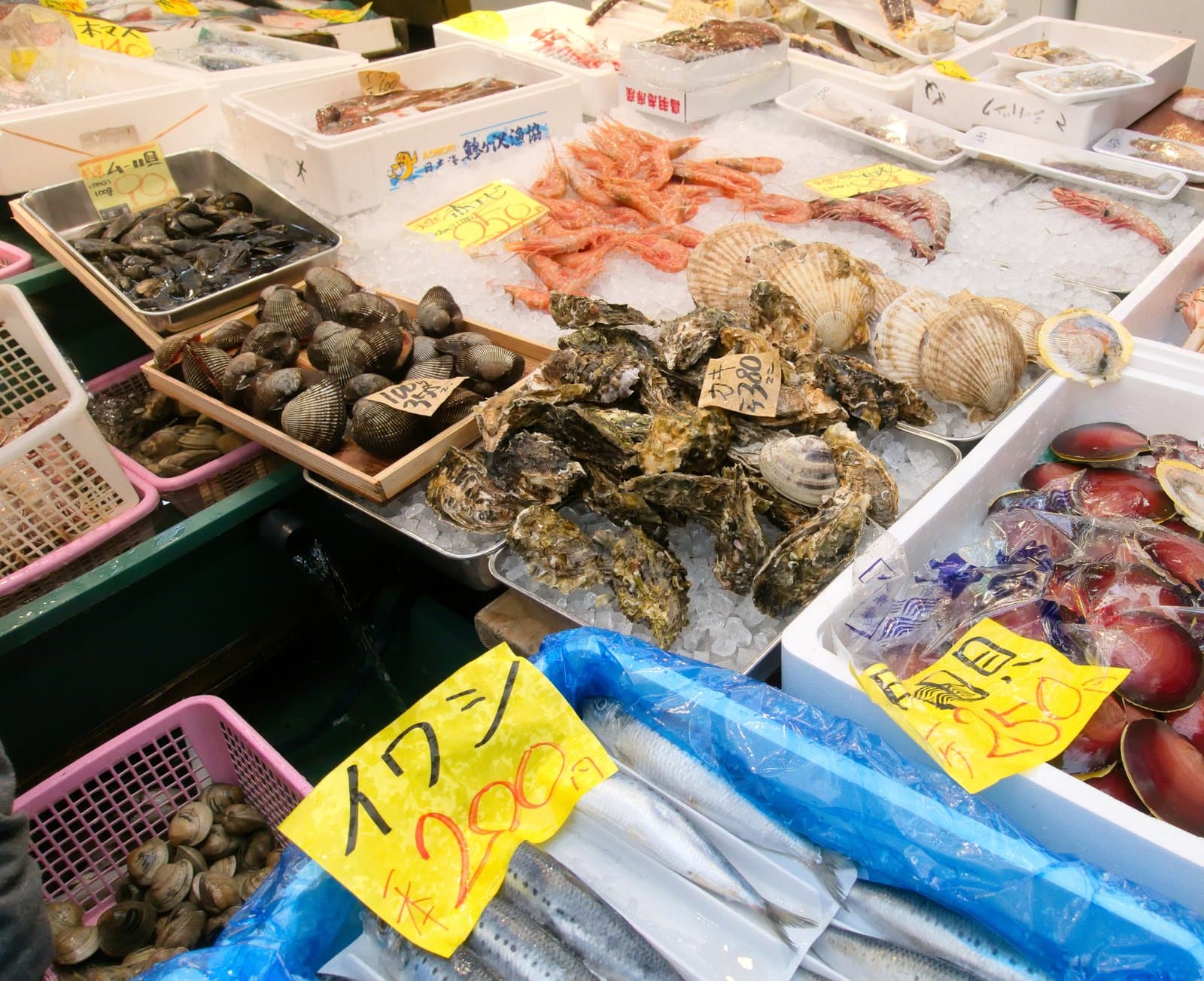 Photo: Photo ACOsaka, OsakaKuromon Market"Osaka's kitchen", about 150 shops under a 580 m arcade in Nipponbashi near Minami, selling mainly fresh fish plus fruit and processed food; sushi, seafood bowls and skewers can be eaten on the spot.Official check: 26 Sept 2026
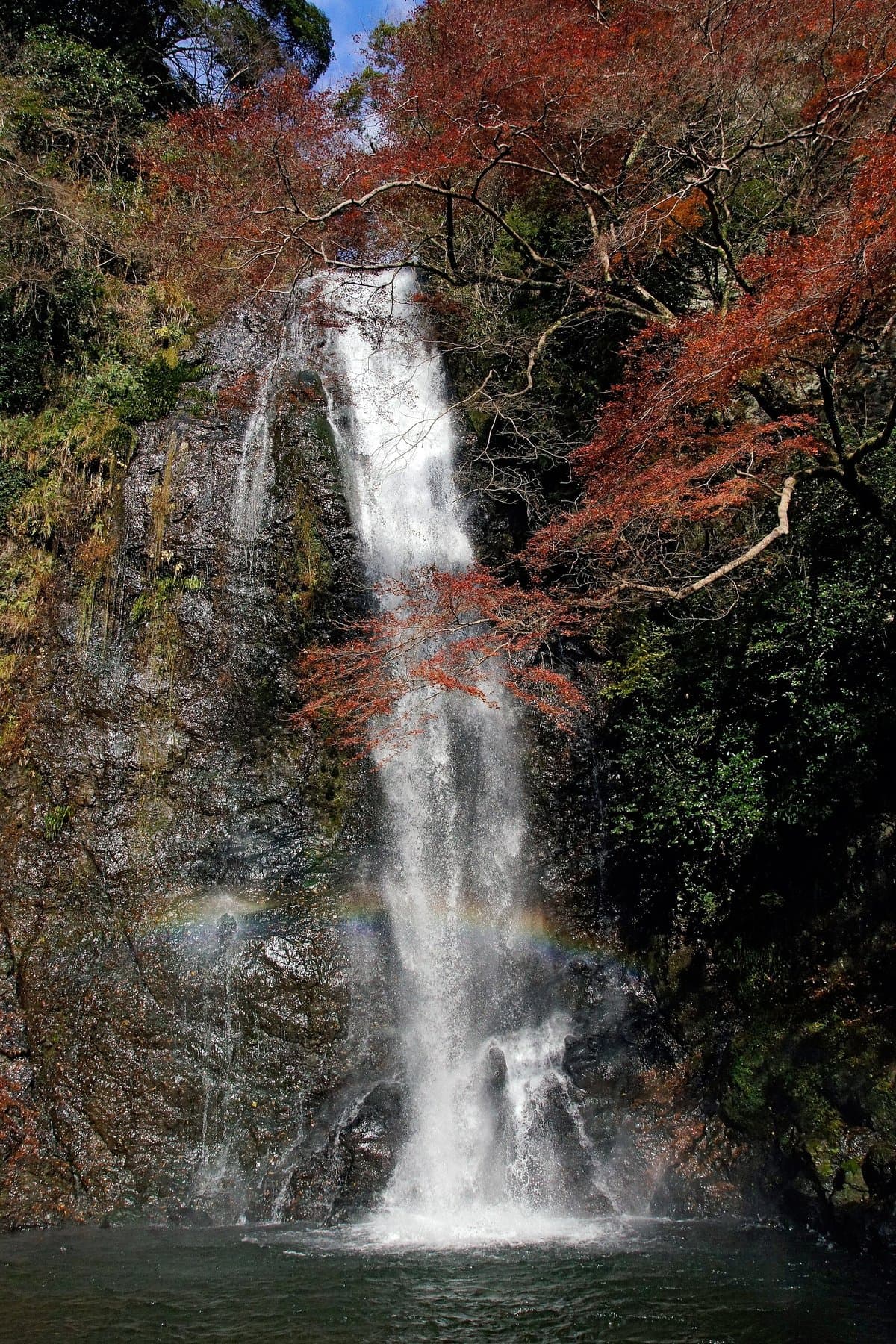 Photo: 663highland / Wikimedia Commons, CC BY 2.5 (resized)Minoh, OsakaMeiji no Mori Minoo Quasi-National Park (Minoo Falls)A quasi-national park spreading over the mountains of northern Minoh at about 100-600 m. From the grand Minoo Falls, 5 m wide with a 33 m drop, a valley winds through the forest, home to 980 kinds of plants and over 3,000 kinds of insects. It is a valuable natural forest for Osaka Prefecture and the western starting point of the Tokai Nature Trail. There are cherry blossoms in spring, rime and icicles in winter, and especially beautiful autumn leaves in late autumn. Mt. Minoo has long been a sacred place of mountain Buddhism, with old temples such as Ryuanji (Minoodera), said to have been founded by En no Gyoja, and the insect museum on the way to the falls is also well known.Official check: 28 Sept 2026
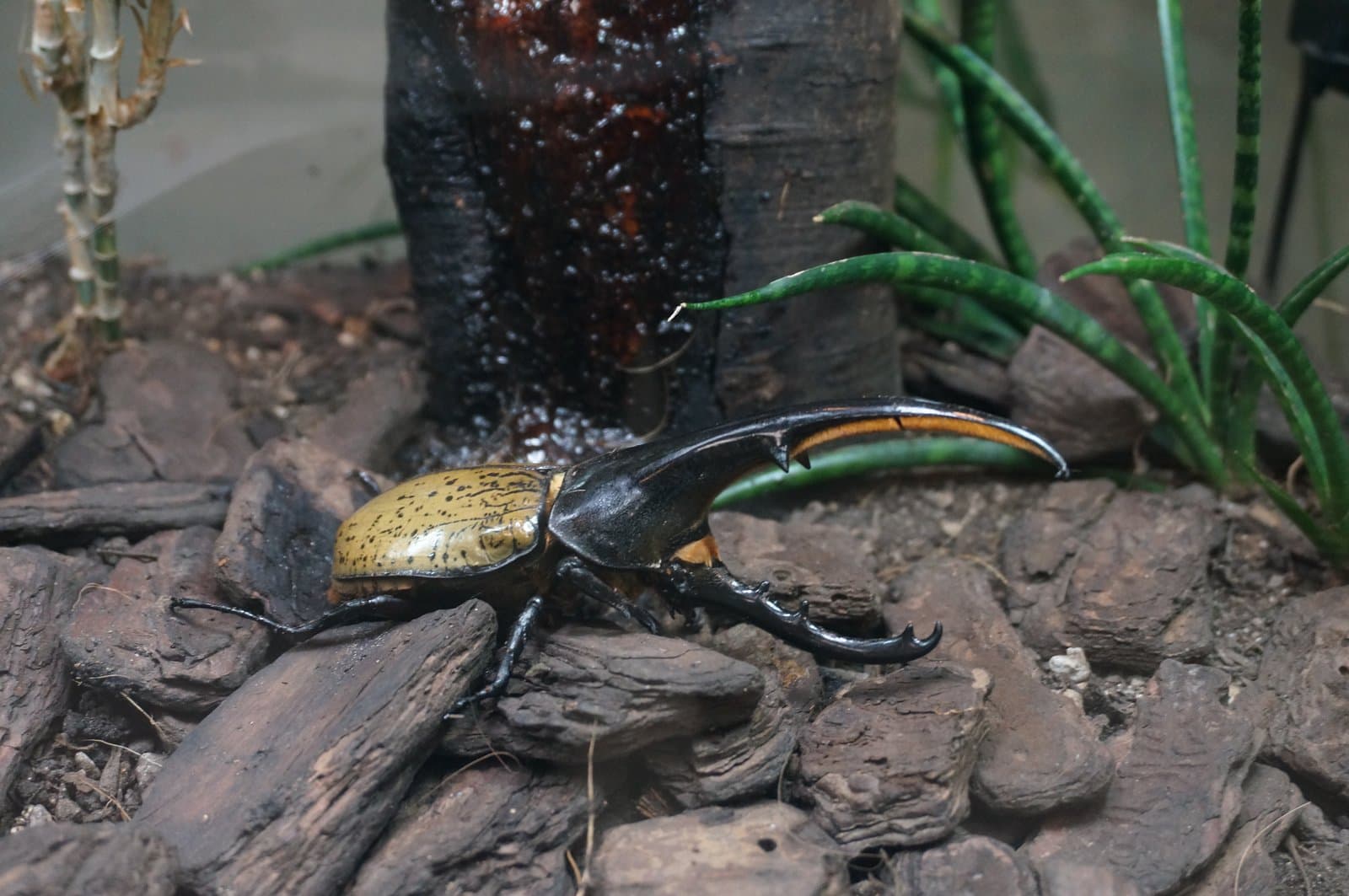 Photo: Photo ACMinoh, OsakaMinoo Park Insect MuseumAn insect museum opened in Showa 28 in Meiji-no-Mori Minoh Quasi-National Park, 15 minutes' walk up the waterfall trail from Minoo Station, with a butterfly house where southern island butterflies fly all year; Minoo Falls is about 30 minutes further up.Official check: 26 Sept 2026
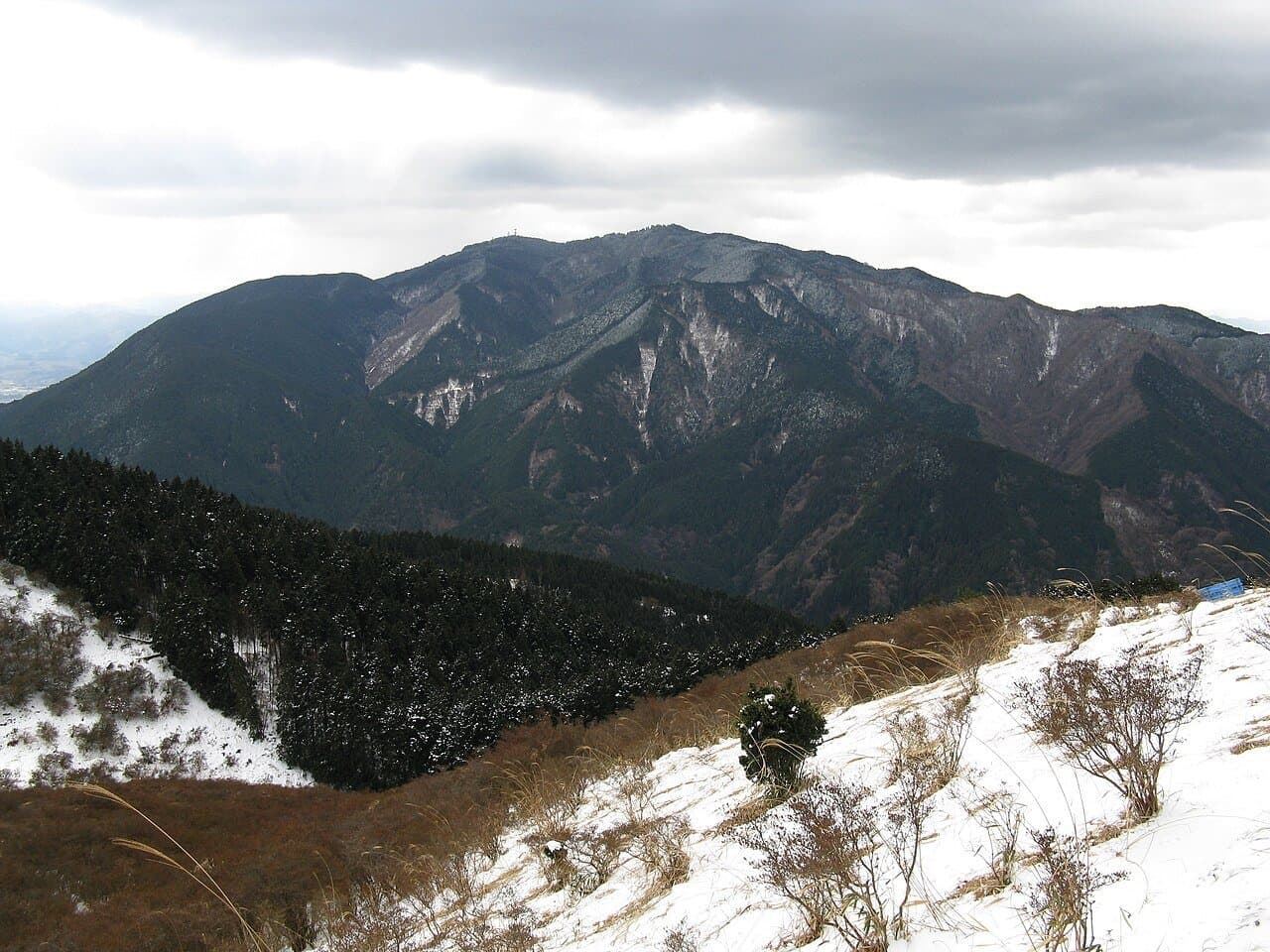 Photo: KENPEI / Wikimedia Commons, CC BY-SA 3.0 (resized)Chihayaakasaka, OsakaMt. KongoThe main peak (1,125 m) of the Kongo-Katsuragi range along the Osaka-Nara border. Near the summit are Katsuragi Shrine and Tenporin-ji, said to have been founded over 1,300 years ago by En no Gyoja, and near the trail are the ruins of Chihaya Castle, where Kusunoki Masashige held out against the Kamakura shogunate. The popular route climbs from the Kongozan trailhead via the Chihaya main trail.Official check: 26 Sept 2026
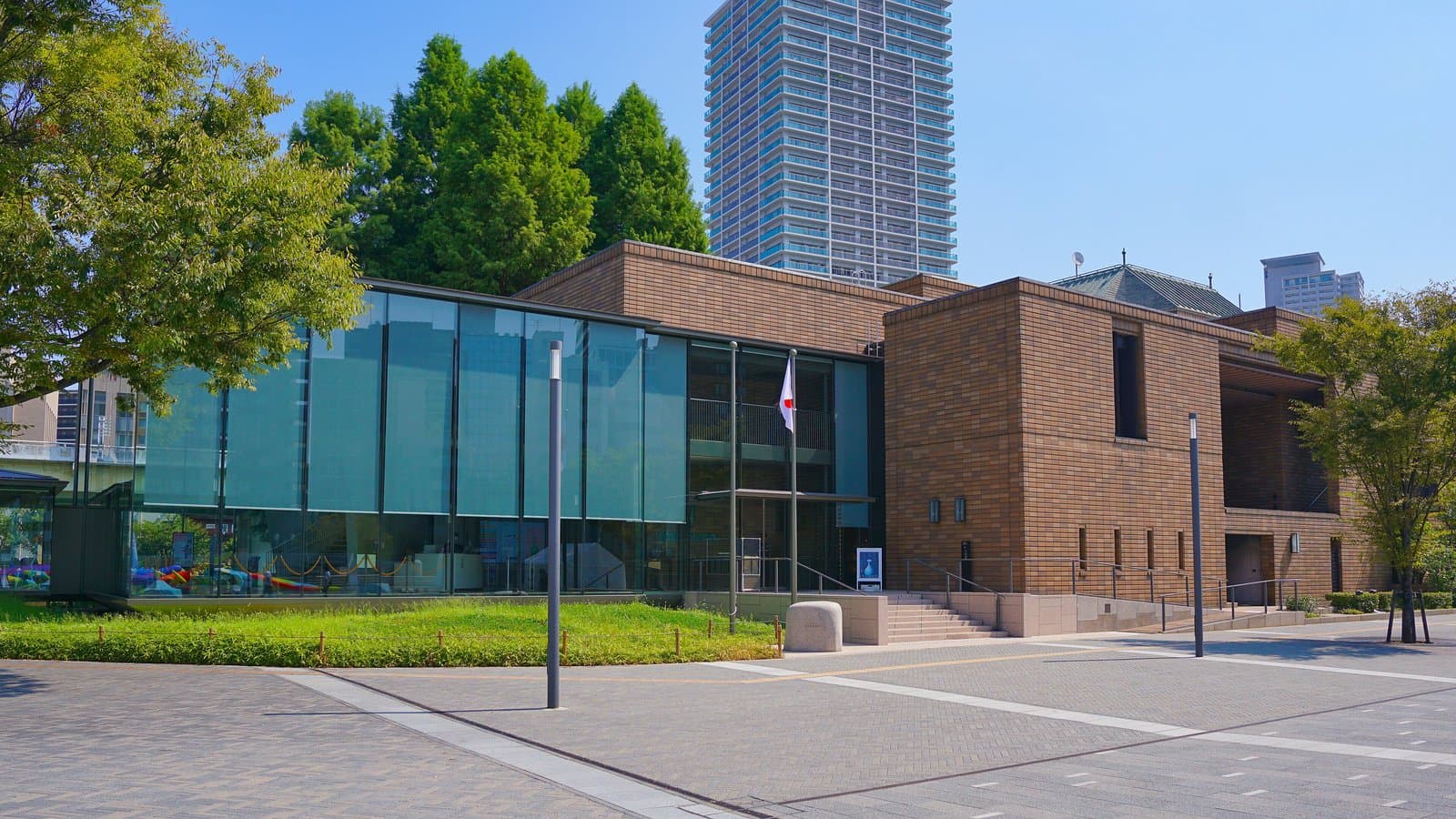 Photo: 掬茶 / Wikimedia Commons, CC BY-SA 4.0 (resized)Osaka, OsakaMuseum of Oriental Ceramics, OsakaA museum in Nakanoshima Park, opened in 1982 around the Ataka Collection, holding about 5,700 East Asian ceramics including two National Treasures such as the oil-spot tenmoku tea bowl; its galleries use natural light.Official check: 26 Sept 2026
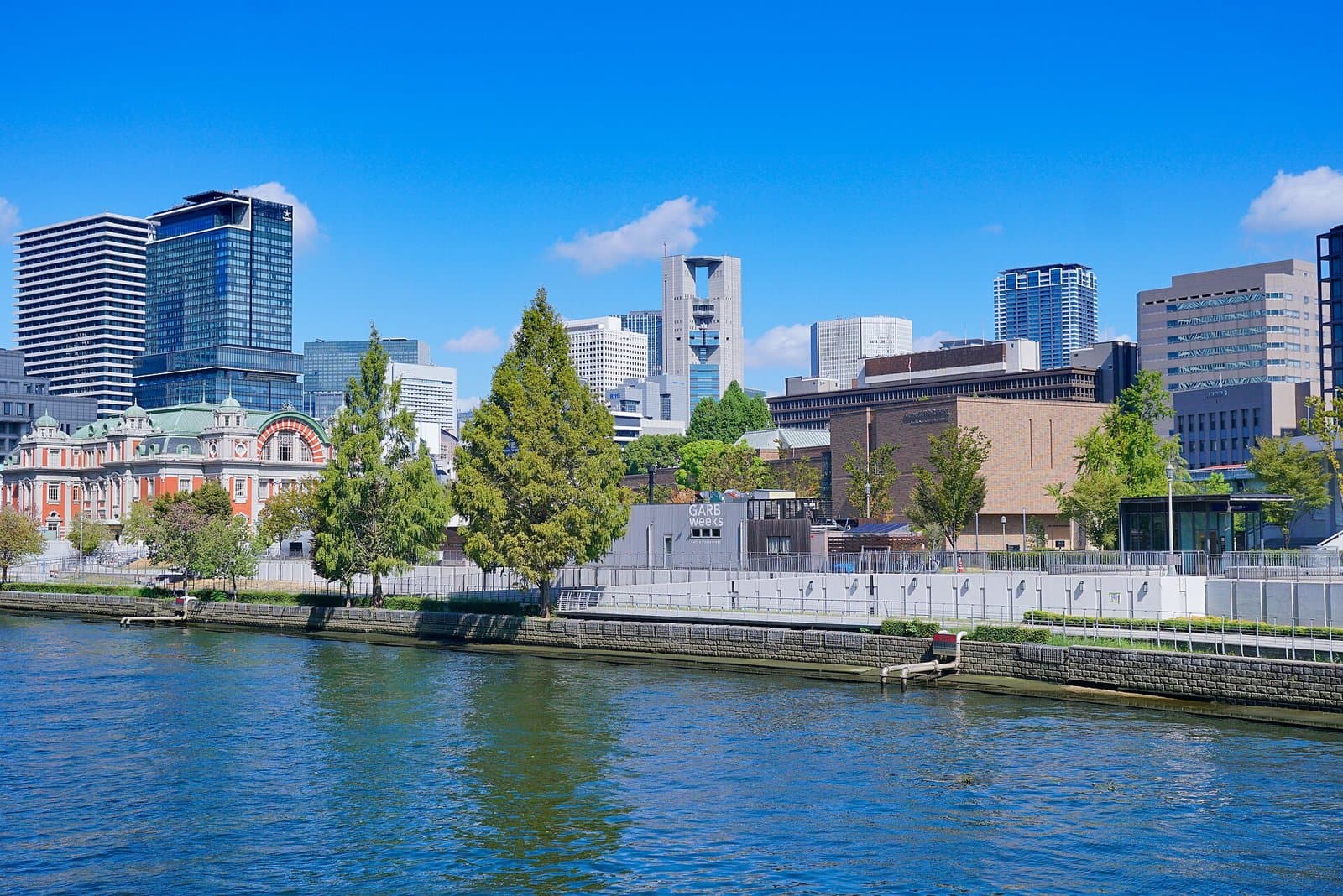 Photo: 掬茶 / Wikimedia Commons, CC BY-SA 4.0 (resized)Osaka, OsakaNakanoshimaA sandbank about 3 km long between the Dojima and Tosabori rivers, where the domain warehouses that made Osaka "the nation's kitchen" stood in the Edo period; today it gathers government, business and cultural buildings amid water and greenery.Official check: 26 Sept 2026
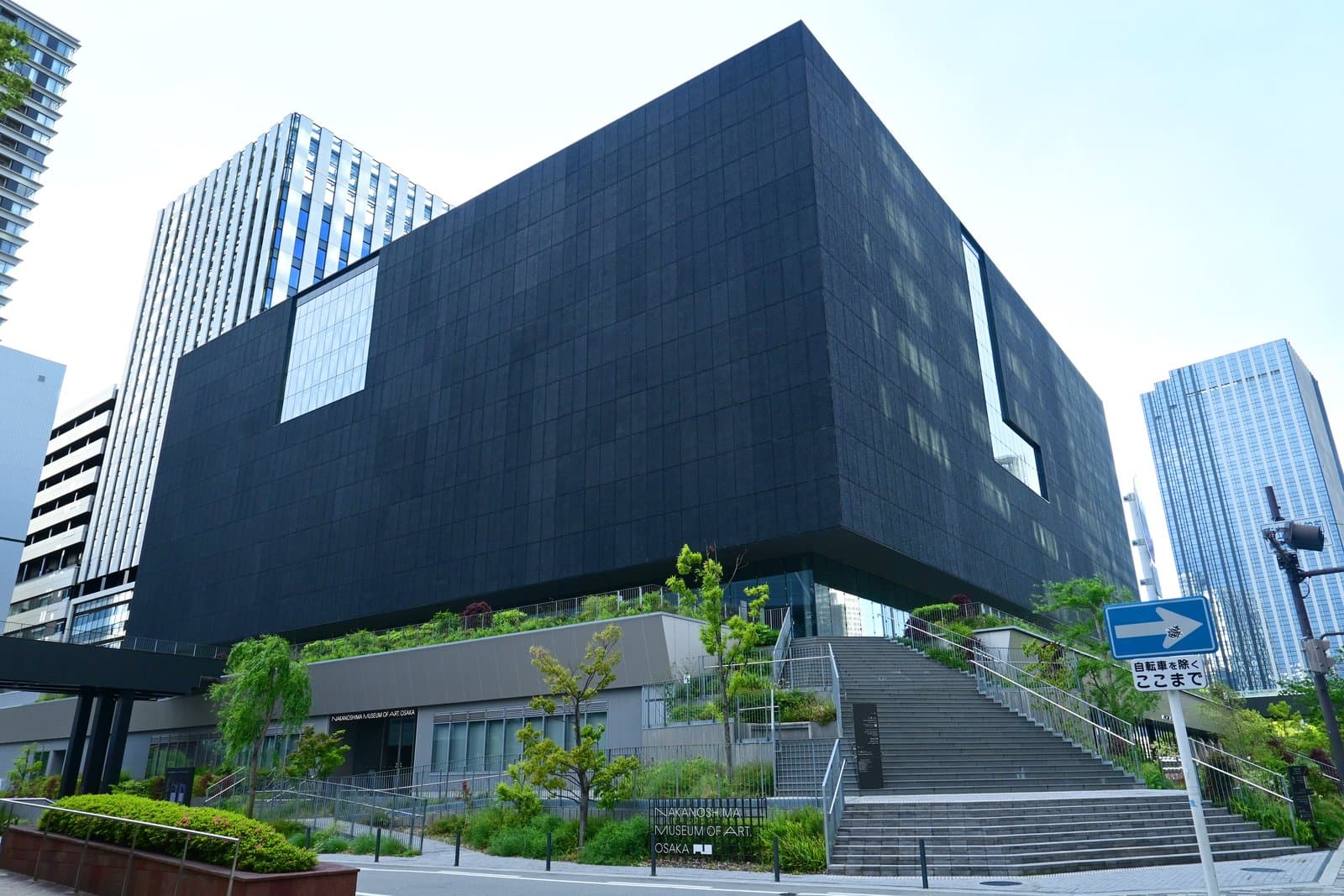 Photo: Photo ACOsaka, OsakaNakanoshima Museum of Art, OsakaA museum opened on February 2, 2022 in Nakanoshima, built around a collection of modern and contemporary art and design from Osaka and the world, including masterpieces by Saeki Yuzo, Modigliani's nude and works by Yoshihara Jiro, leader of the Gutai group. Its architecture is based on the idea of a "passage" that anyone can walk through.Official check: 26 Sept 2026
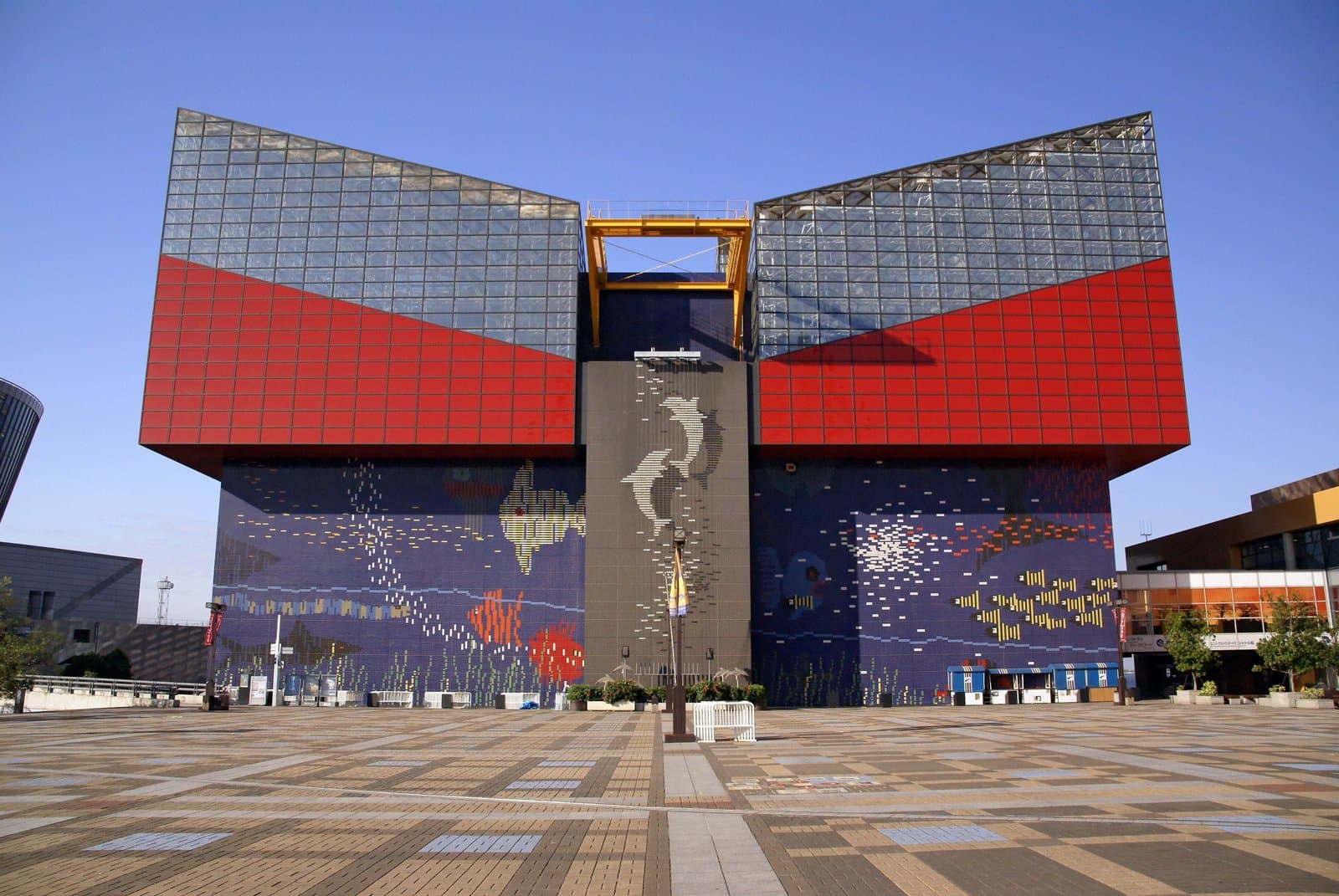 Photo: 663highland / Wikimedia Commons, CC BY 2.5 (resized)Osaka, OsakaOsaka Aquarium KaiyukanAn aquarium recreating the Pacific Ring of Fire, with about 30,000 creatures of some 620 species; a whale shark swims in the central Pacific Ocean tank.Official check: 26 Sept 2026
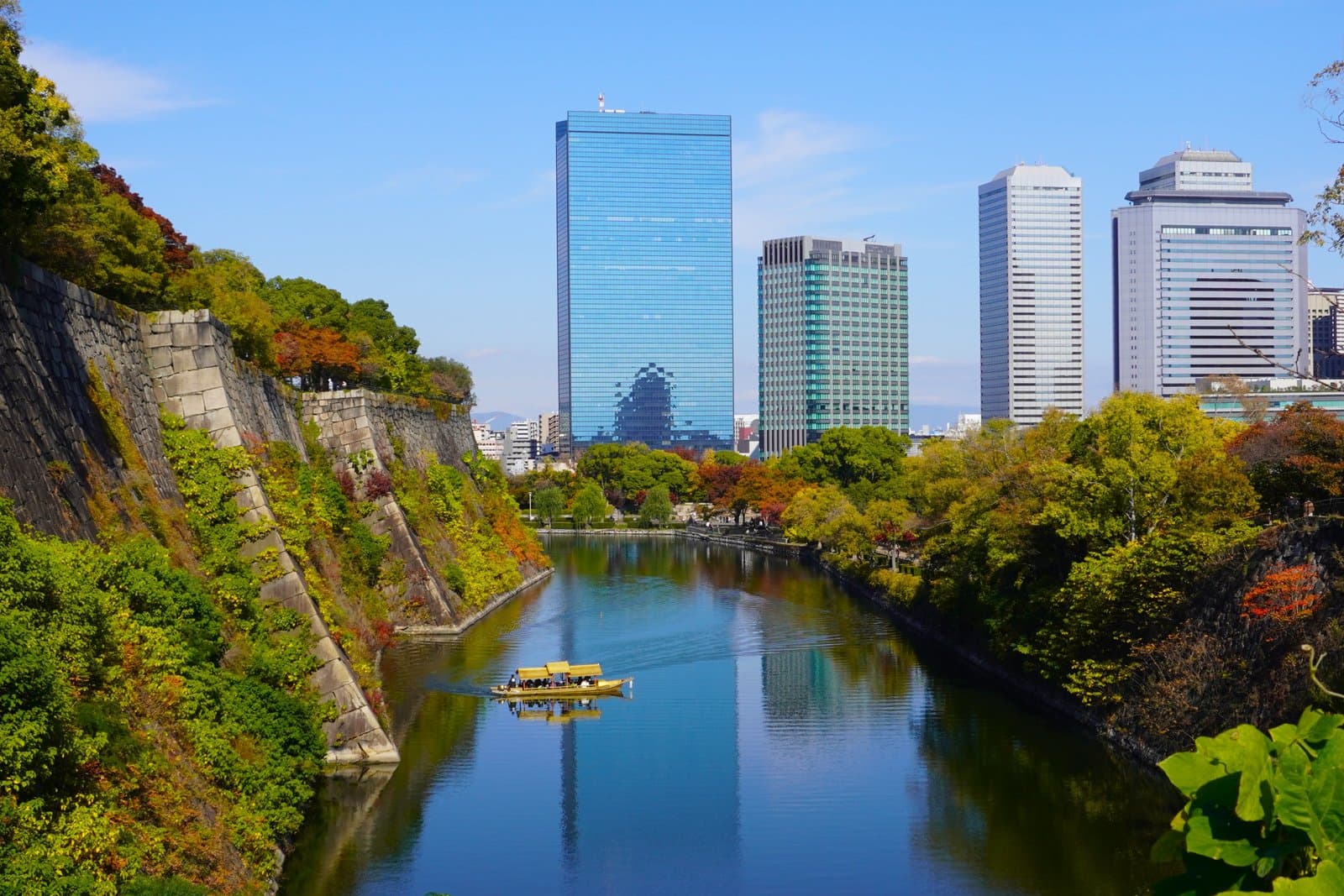 Photo: Photo ACOsaka, OsakaOsaka Castle Gozabune Boat TourA mini cruise around the inner moat of Osaka Castle in a golden Japanese boat modelled on Hideyoshi's "Hououmaru" as painted on a Toyotomi-period folding screen. From the boat you can look up at the castle tower and see close up the stone walls, the tallest in Japan, the "human-face stone" said to ward off evil and the daimyo marks; there is an audio guide and commentary by the captain.Official check: 26 Sept 2026
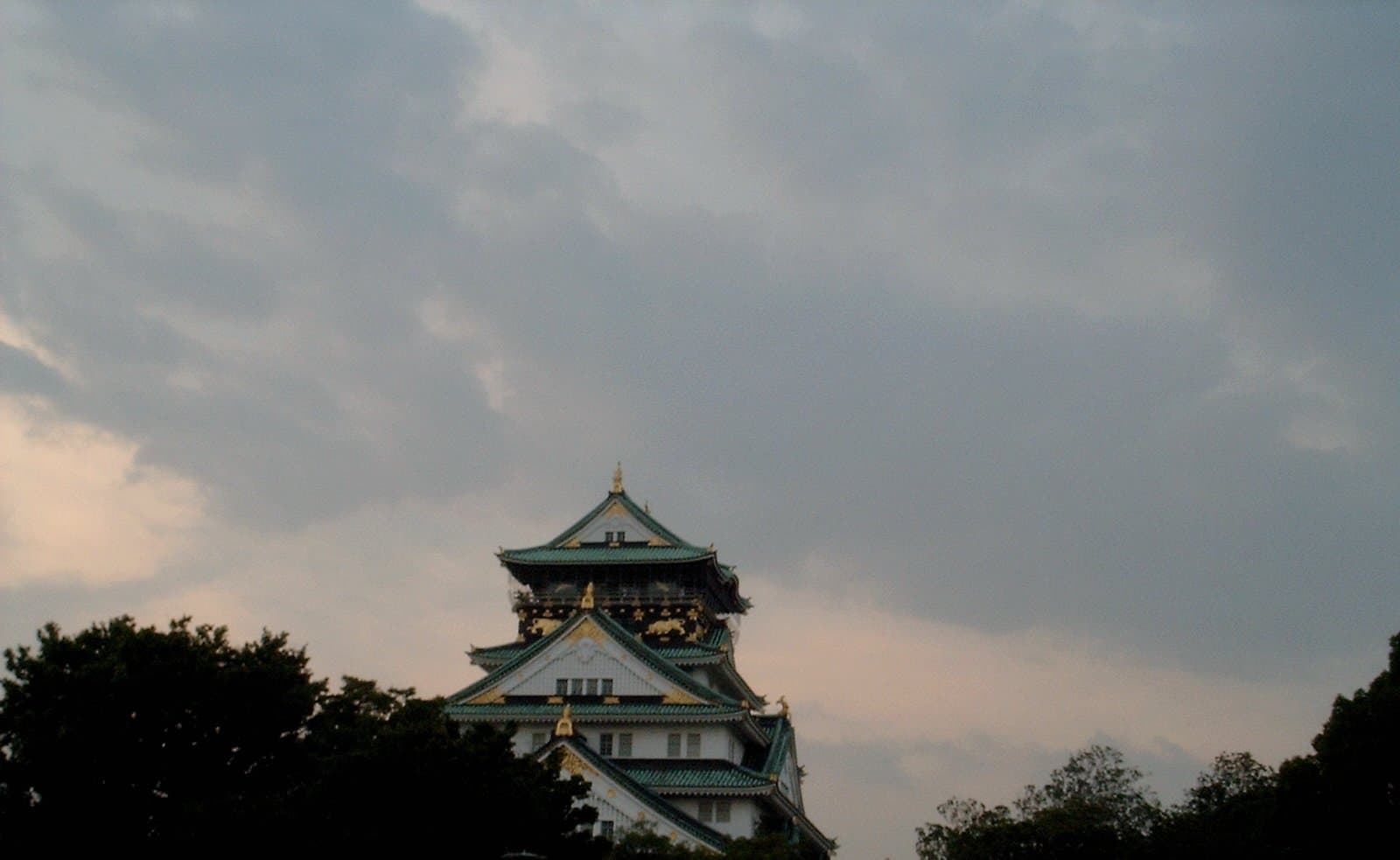 Photo: Simone Urbinati / Wikimedia Commons, CC BY-SA 3.0 (cropped)Osaka, OsakaOsaka Castle Main TowerThe symbol of Osaka, 55 m tall with five roofs and eight floors, rebuilt in 1931 with donations from citizens 266 years after the last tower burned; its gold ornaments shine, and the 8th-floor deck looks over the city.Official check: 26 Sept 2026
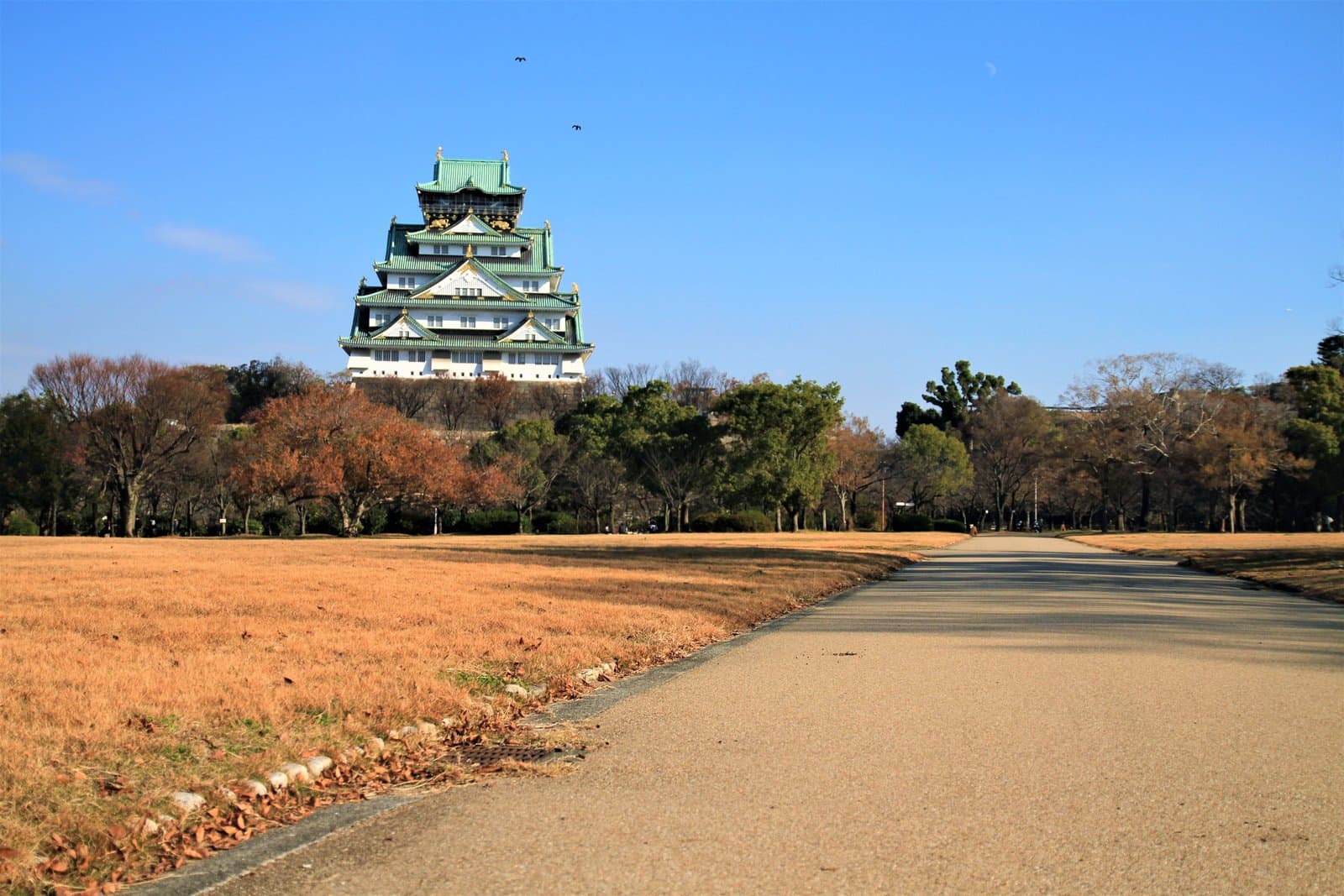 Photo: Photo ACOsaka, OsakaOsaka Castle Nishinomaru GardenA lawn garden of about 6.5 ha opened in 1965 (Showa 40) on the site said to be the residence of Kita-no-Mandokoro, wife of Toyotomi Hideyoshi, with fine views of the castle tower and the moat stone walls. About 300 cherry trees, mainly Somei-yoshino, bloom in spring, and evening cherry viewing is held during the blossom season.Official check: 26 Sept 2026
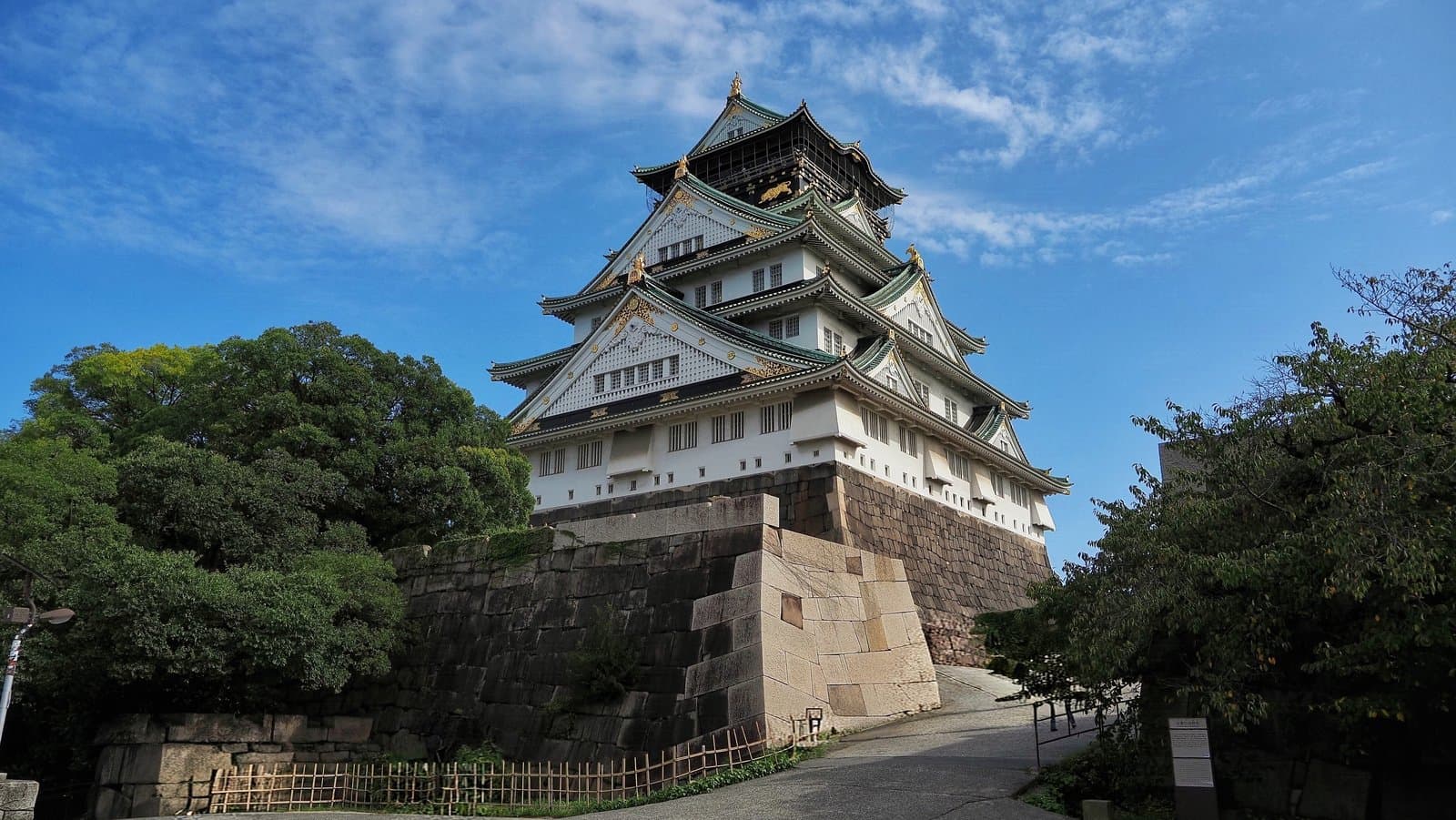 Photo: Photo ACOsaka, OsakaOsaka Castle ParkA vast park of 105.6 ha in the centre of Osaka, with the Osaka Castle Main Tower and other historic buildings, the Nishinomaru Garden with about 300 cherry trees, and a plum grove of 1,245 trees of 105 varieties; flowers can be enjoyed in every season, and concerts are often held at Osaka-jo Hall and the Osaka-jo Ongakudo music hall.Official check: 26 Sept 2026
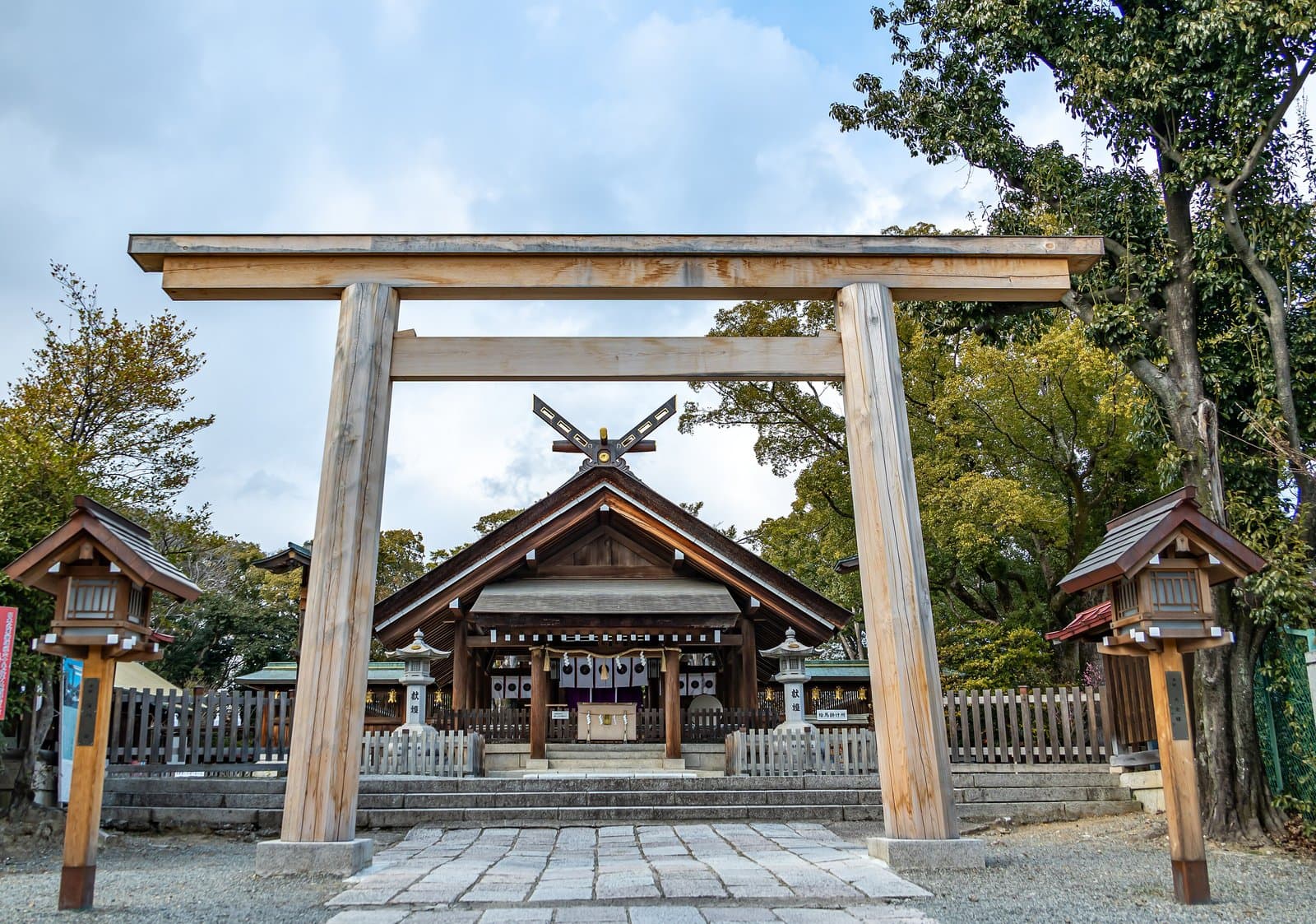 Photo: Naokijp / Wikimedia Commons, CC BY-SA 4.0 (cropped and resized)Sakai, OsakaOtori Taisha ShrineThe first shrine of Izumi Province, enshrining Yamato Takeru-no-mikoto, and listed as a Myojin Taisha in the Engishiki register completed in 927. Legend says that about 1,900 years ago the spirit of Yamato Takeru became a great white bird and the shrine was founded where it finally landed; the sacred grove is called "Chigusa no Mori".Official check: 26 Sept 2026
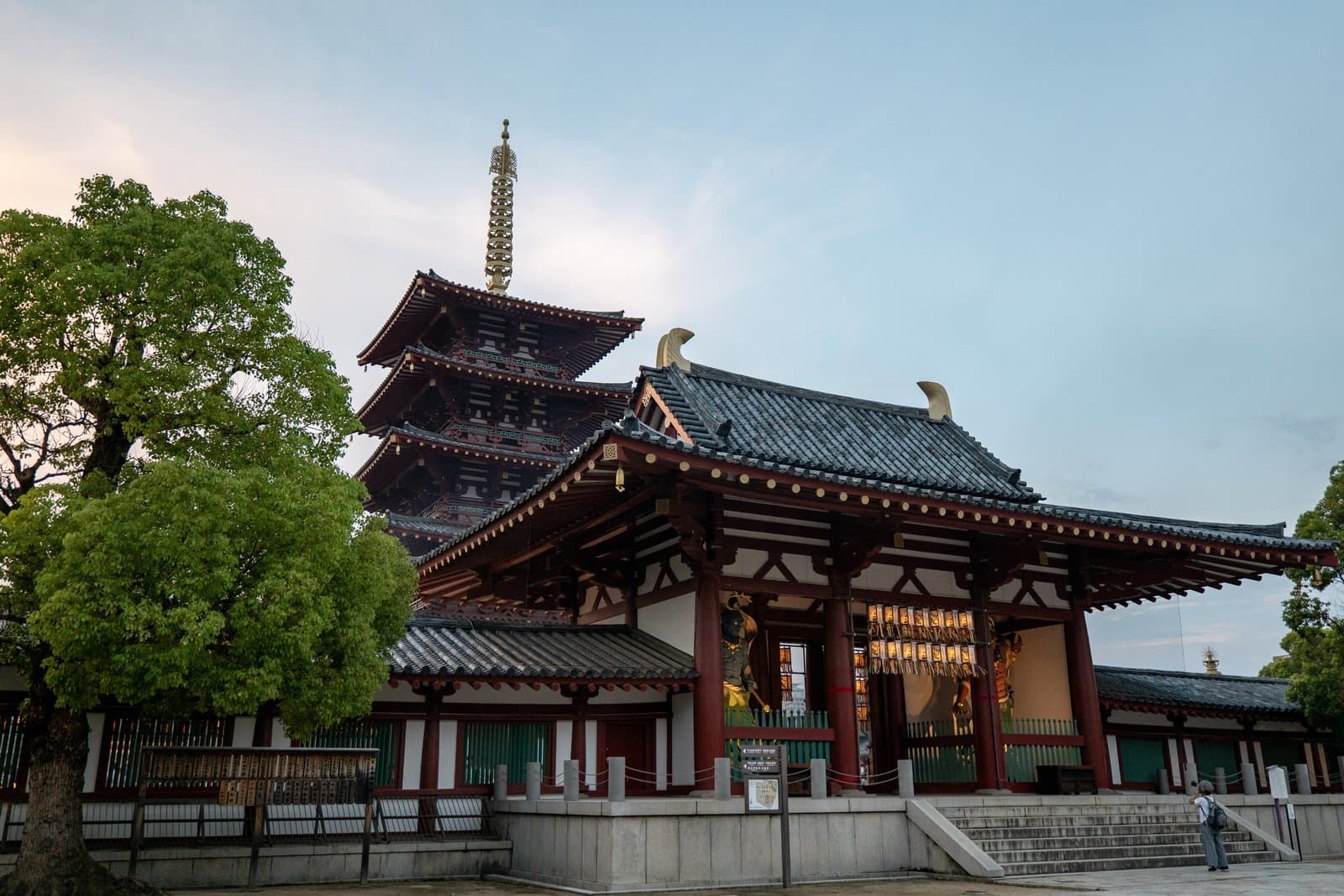 Photo: Photo ACOsaka, OsakaShitenno-ji TempleJapan's first state Buddhist temple, founded by Prince Shotoku in 593, keeping the oldest temple layout in Japan; halls honour founders of many sects, and markets fill the grounds on the 21st and 22nd of every month.Official check: 26 Sept 2026
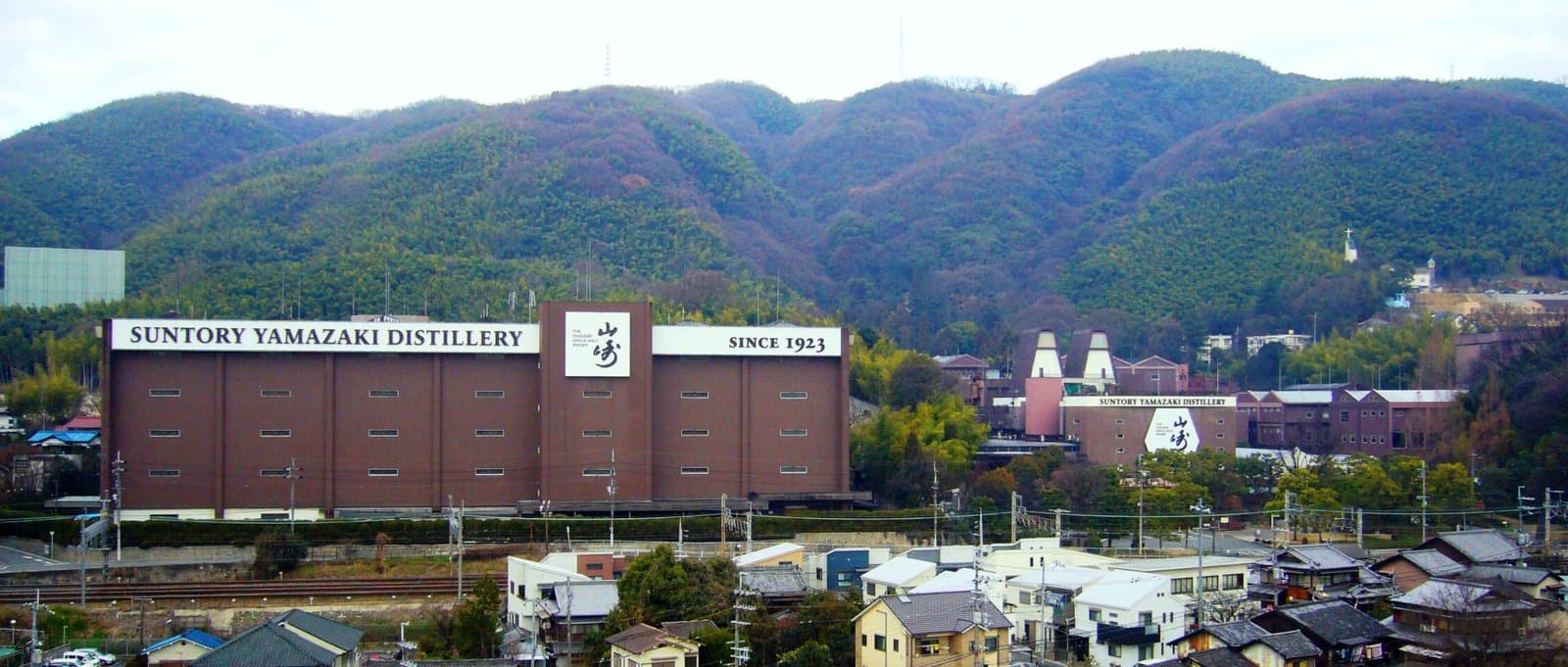 Photo: Bergmann / Wikimedia Commons, CC BY-SA 3.0 (resized)Shimamoto, OsakaSuntory Yamazaki DistilleryJapan's first malt whisky distillery, begun in 1923. On the Yamazaki Distillery Monozukuri Tour (paid, booking required) you see the production process and taste rare malt whisky from the casks, experiencing the appeal of "Single Malt Whisky Yamazaki".Official check: 26 Sept 2026
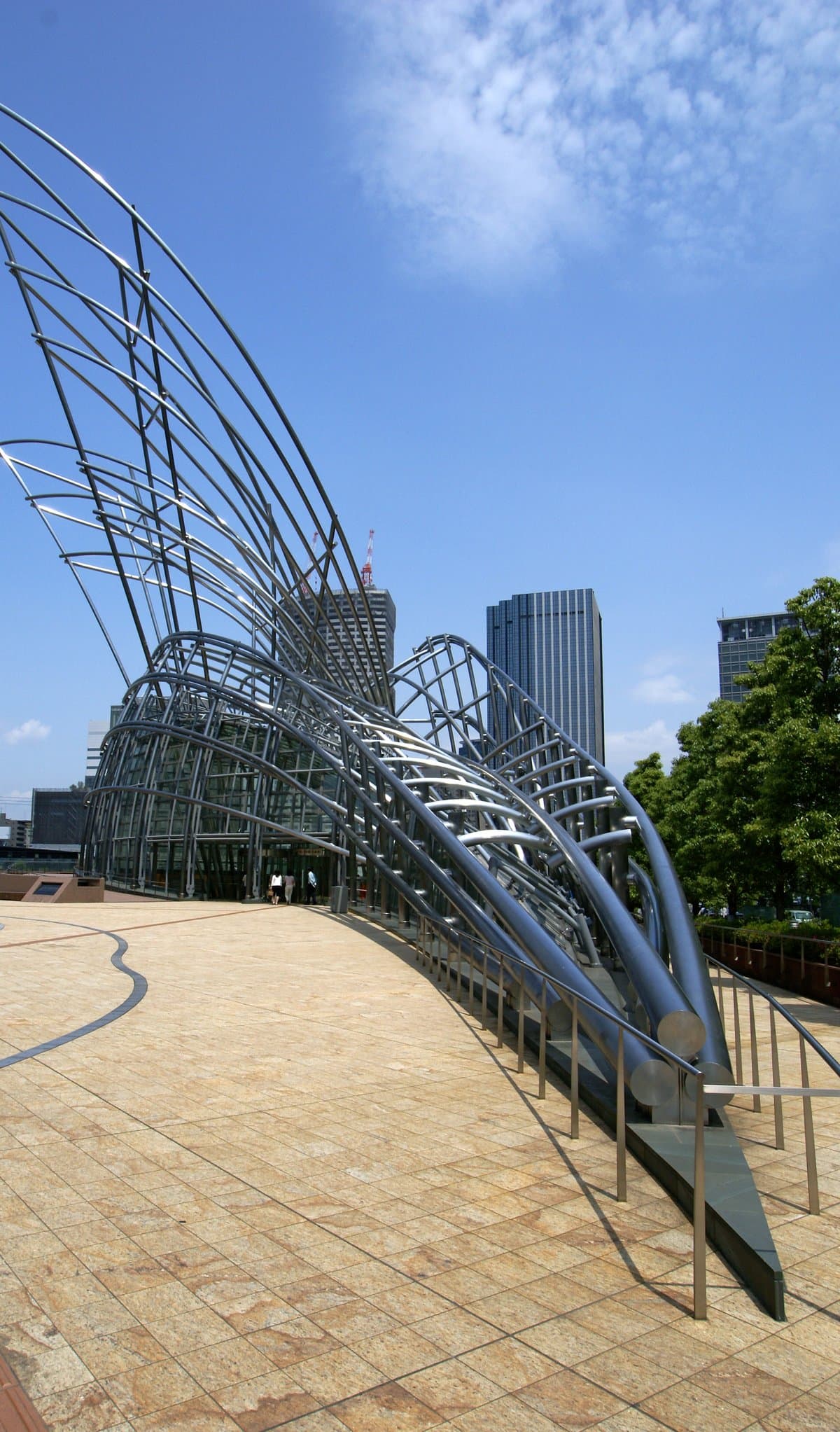 Photo: 663highland / Wikimedia Commons, CC BY 2.5 (cropped and resized)Osaka, OsakaThe National Museum of Art, OsakaA rare fully underground art museum, rebuilt in Nakanoshima in 2004 after opening in 1977 in Expo '70 Commemorative Park, collecting and showing mainly contemporary art from Japan and abroad; it holds about 8,300 works. Its exterior, designed by Argentine-born Cesar Pelli, evokes the vitality of bamboo and the growth of contemporary art.Official check: 26 Sept 2026
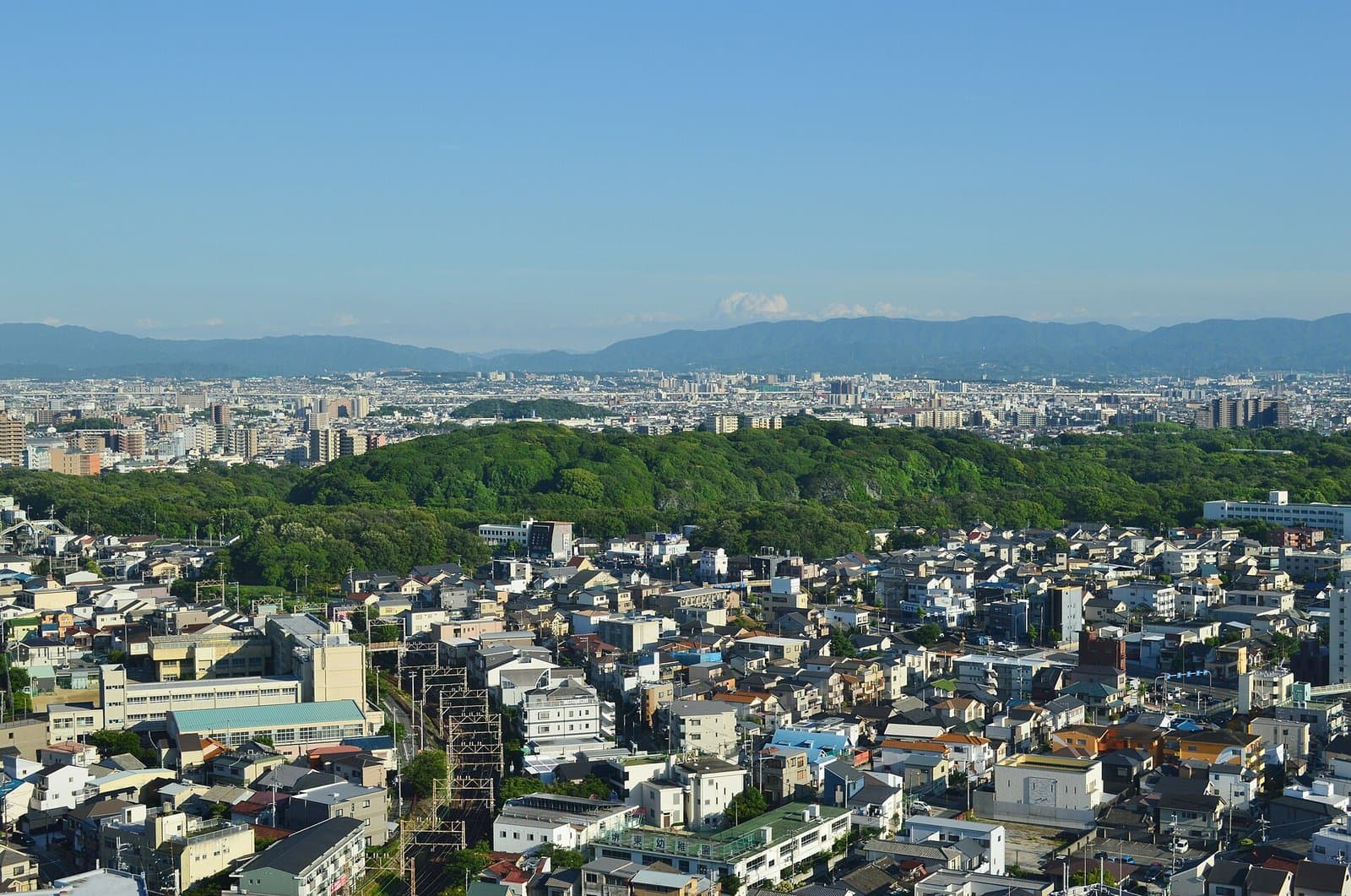 Photo: Saigen Jiro / Wikimedia Commons, CC0 (resized)Sakai, OsakaTomb of Emperor Nintoku (Daisen Kofun)Japan's largest keyhole-shaped burial mound, about 486 m long, managed by the Imperial Household Agency as the tomb of the 16th emperor, Nintoku; a path of about 2.8 km circles it in an hour.Official check: 26 Sept 2026
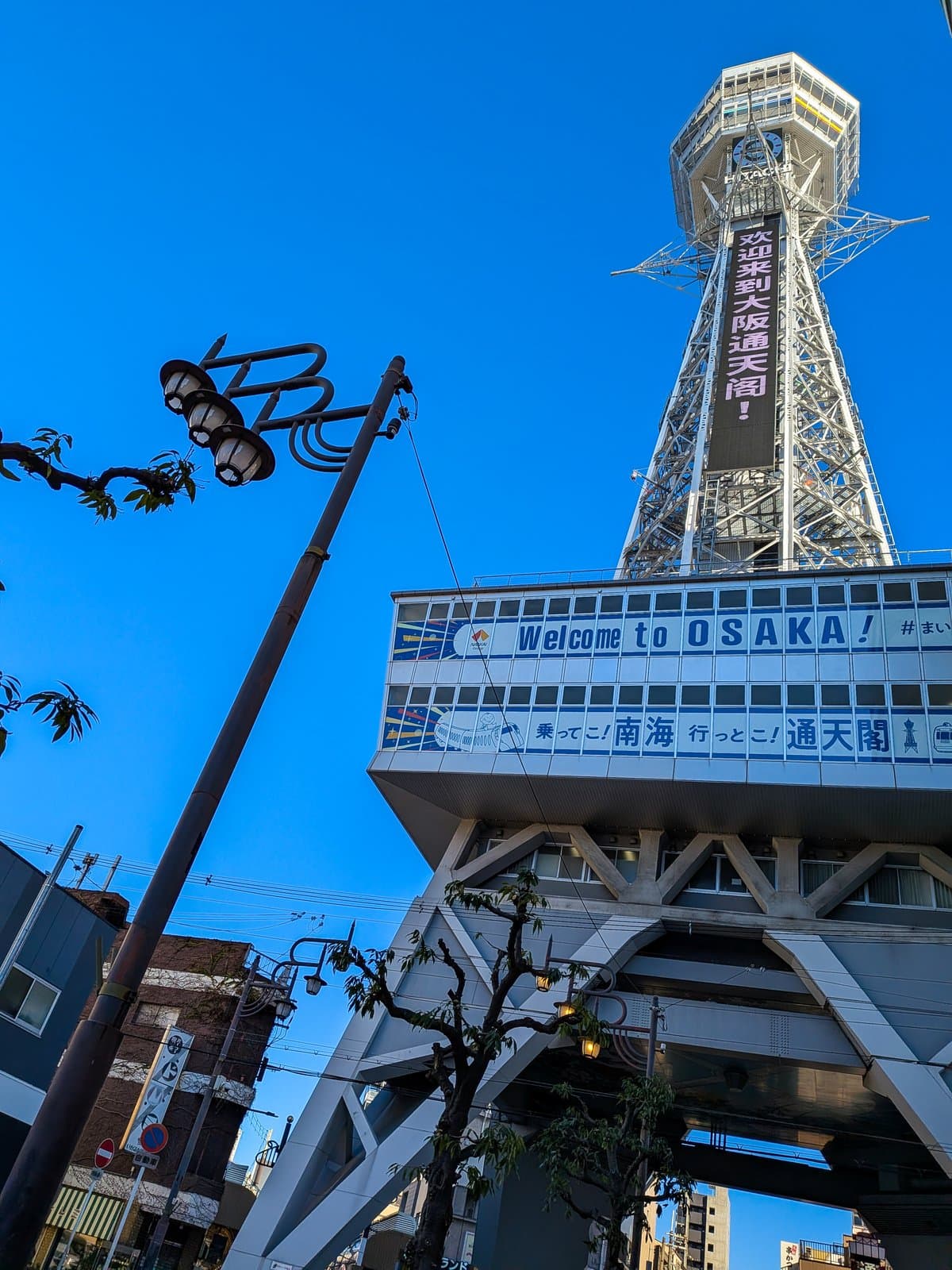 Photo: Photo ACOsaka, OsakaTsutenkaku TowerOsaka's landmark tower and a Registered Tangible Cultural Property; the first tower (1912) was destroyed in 1943, and the current 108 m tower, designed by Naito Tachu of Tokyo Tower, was rebuilt in 1956 by local residents.Official check: 26 Sept 2026
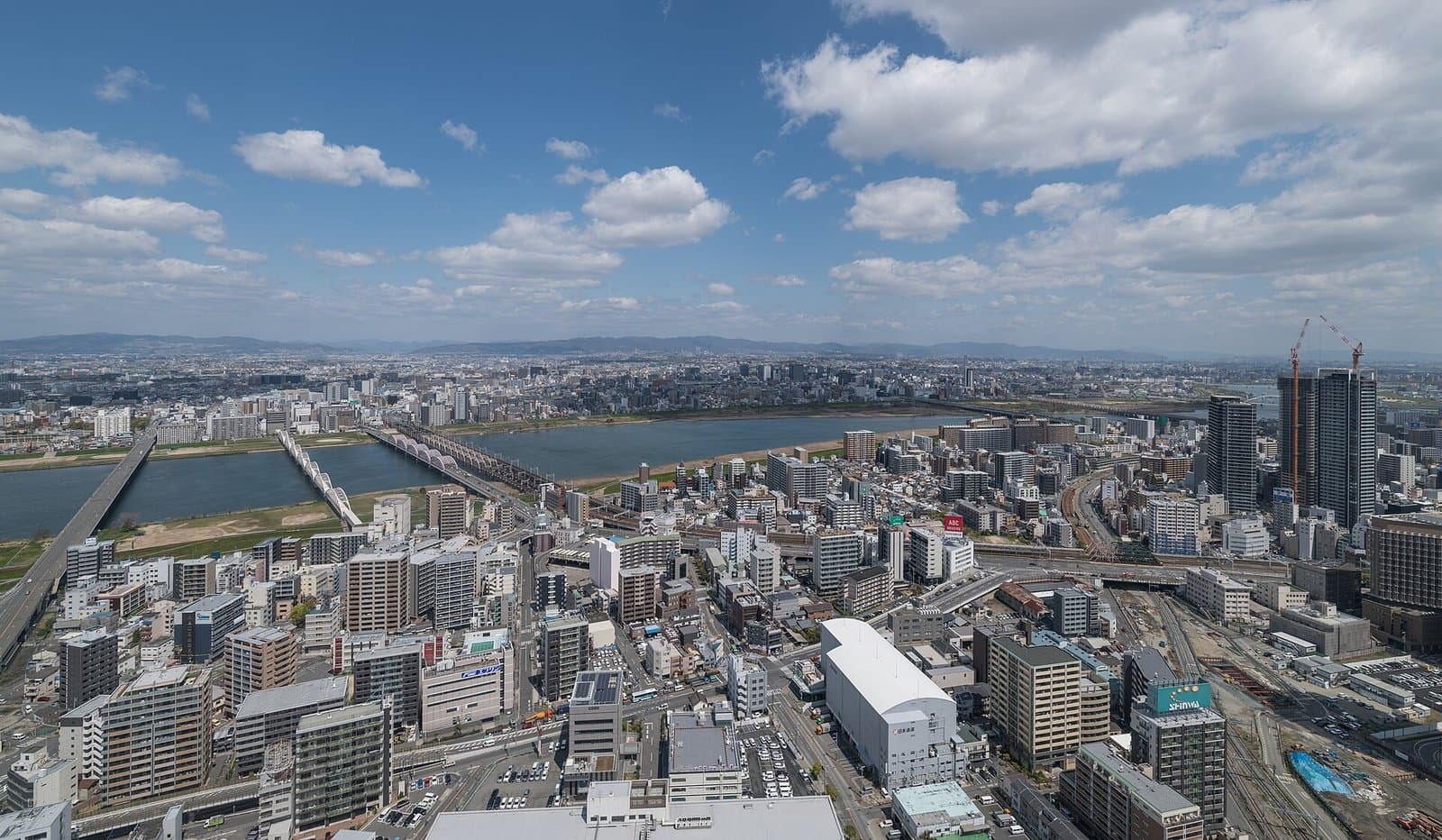 Photo: DXR / Wikimedia Commons, CC BY-SA 4.0 (resized)Osaka, OsakaUmeda Sky Building Floating Garden ObservatoryAn observatory on floors 39, 40 and the rooftop of the Umeda Sky Building, with a 360-degree open-air deck 173 m up; the see-through escalator from the 35th to 39th floor is a popular photo spot.Official check: 26 Sept 2026
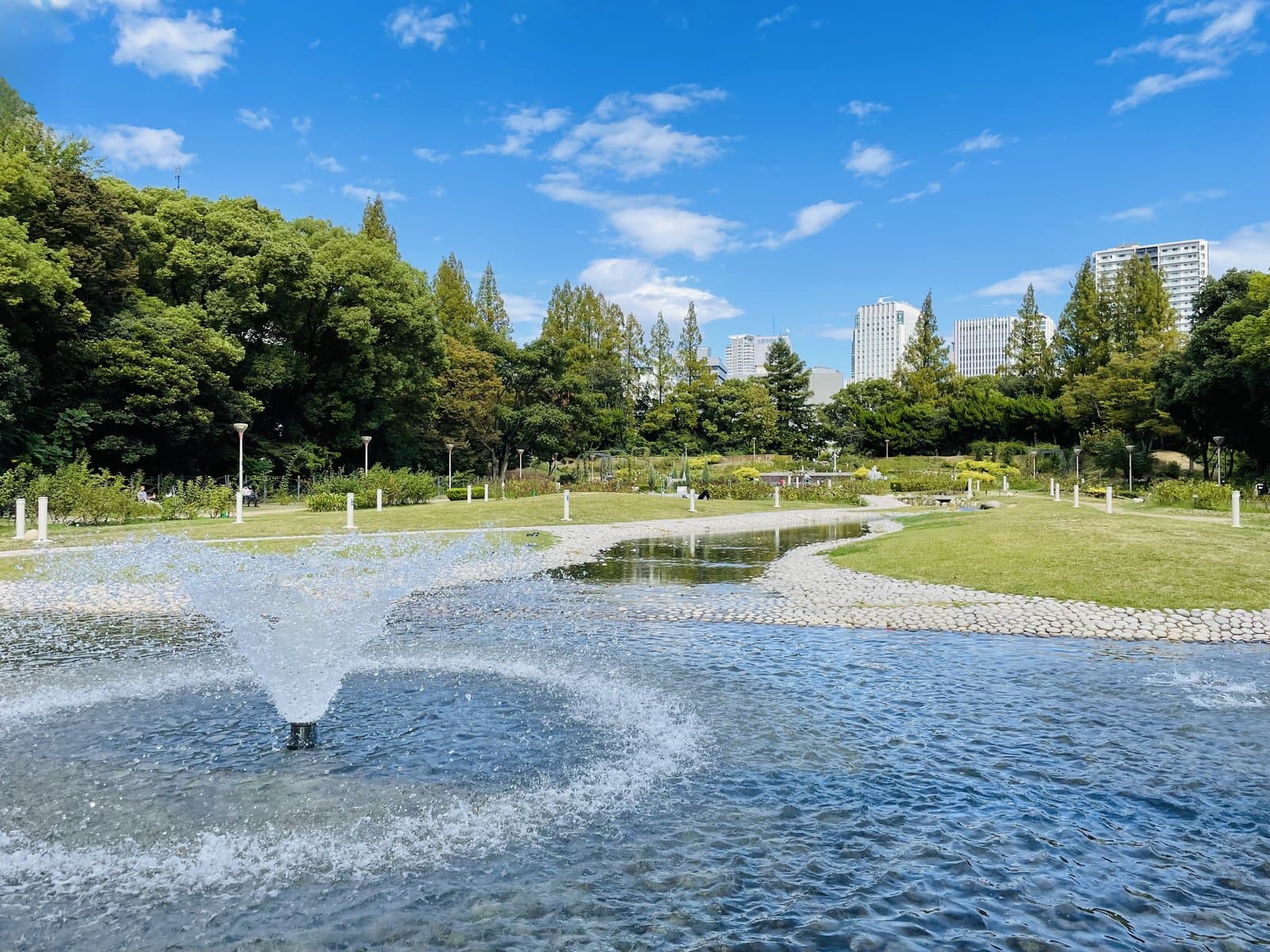 Photo: Photo ACOsaka, OsakaUtsubo ParkA long, narrow park of about 9.7 ha (about 800 m east to west) in Osaka's office district. The east side has the city's oldest rose garden and a zelkova avenue, and the west side has the Utsubo Tennis Center, used for international tournaments; many stylish cafes and shops line Kyomachibori to the north.Official check: 26 Sept 2026
- No photo yetIkeda, OsakaCUPNOODLES MUSEUM OSAKA IKEDAIn a shed behind his home in Ikeda, Momofuku Ando worked alone for a full year, without a single day off and sleeping about four hours a night, to create Chicken Ramen, an instant ramen that could be eaten at home with just hot water. Seeing American supermarket staff break the noodles into cups and eat them with forks inspired Cup Noodles, which turned the Japanese invention into a food for the world. The museum tells this story of invention, and at its workshops you can make Chicken Ramen or design your own Cup Noodles.Official check: 20 Oct 2026
- No photo yetSuita, OsakaEXPOCITYA large complex on about 172,000 square metres in front of Banpaku-kinen-koen Station, combining large entertainment facilities, including a museum of living things and Japan's tallest Ferris wheel, with the roughly 300-shop LaLaport EXPOCITY.Official check: 26 Sept 2026
- No photo yetOsaka, OsakaImamiya Ebisu ShrineSaid to have been founded in 600, when Prince Shotoku built Shitennoji Temple and enshrined a guardian deity to its west, the shrine was revered as the protector of the market. Ebisu, usually shown holding a sea bream and a fishing rod, stood for the bounty of the sea; the shrine once stood near the coast and from the Heian period offered fresh fish to the imperial court. Its Toka Ebisu festival, held each year on January 9, 10 and 11, draws large crowds.Official check: 20 Oct 2026
- No photo yetOsaka, OsakaJanjan Yokocho AlleyThe nickname of the Nanyo-dori shopping arcade, running about 180 m from Dobutsuen-mae Station to Tsutenkaku in Shinsekai; it is said to come from the jangling of shamisen and drums once used to call in customers. Kushikatsu restaurants ("no double-dipping in the sauce"), yakiniku, diners, sushi, udon and standing bars line the arcade.Official check: 26 Sept 2026
- No photo yetSuita, OsakaNIFREL (Living Museum)A "living museum" built around the concept of "touching your senses", where you can enjoy animals and nature up close as if viewing art, across eight zones with installations combining lighting, music and video; "curators" help visitors meet the animals.Official check: 26 Sept 2026
- No photo yetOsaka, OsakaOsaka Botejyu Main Shop (Okonomiyaki)An okonomiyaki restaurant founded in Showa 28 in Namba, named for the "bote" of flipping and the "jyu" of sizzling; it welcomes solo diners and groups.Official check: 26 Sept 2026
- No photo yetOsaka, OsakaOsaka City Central Public HallA symbol of Nakanoshima and of Osaka, built with a donation of 1 million yen from the stockbroker Iwamoto Einosuke, who refused to take any of it back saying that asking for a gift to be returned would shame an Osaka merchant. He died before it was finished, and the hall was completed in November 1918, two years after his death. Now an Important Cultural Property, it is still used by citizens for culture and the arts.Official check: 20 Oct 2026
- No photo yetOsaka, OsakaOsaka City Museum of Fine ArtsConceived in 1920, when Osaka was Japan's second-largest city but had no national museum, it was planned as both a museum protecting cultural properties and an art gallery for citizens; the writer Mori Ogai was on the planning committee. It opened on May 1, 1936 without a single work of its own, relying on loans from temples, shrines and collectors. Grown largely through citizens' donations, the collection now numbers 8,900 items, including 3 National Treasures and 58 Important Cultural Properties, and is renowned for Chinese calligraphy, painting and sculpture. After a renovation, its central hall is now a free zone.Official check: 20 Oct 2026
- No photo yetOsaka, OsakaOsaka Kizu Wholesale Market"The kitchen of Naniwa", one of Japan's largest private wholesale markets with over 300 years of history, supplying top restaurants; on the second and last Saturday of each month the Kizu morning market holds auctions for the public.Official check: 26 Sept 2026
- No photo yetOsaka, OsakaOsaka Science MuseumA leading science museum in Japan, set among the office buildings of Nakanoshima, Osaka. Its planetarium guides you through the starry sky and space with live narration, and its programs change every three months, while the exhibition halls cover science you can try for yourself.Official check: 20 Oct 2026
- No photo yetOsaka, OsakaOsaka Tenmangu ShrineAround 650, when Emperor Kotoku built his palace at Naniwa, a shrine to Daishogun was set up here to guard the northwest of the capital. Sugawara no Michizane prayed here for a safe journey in 901 on his way to Dazaifu; in 949, after seven pine trees are said to have sprung up overnight and glowed at night, Emperor Murakami ordered a shrine built to enshrine Michizane's spirit. For over a thousand years it has been revered by the people of Osaka and beyond, and it is the home of the Tenjin Festival.Official check: 20 Oct 2026
- No photo yetSakai, OsakaSakai Traditional Crafts MuseumA facility bringing together Sakai's traditional industries for display, sale and hands-on experience. The first-floor shop sells knives for home and professional use along with local products, sweets and tea; the second floor introduces crafts such as dyeing, incense, kelp processing and carp streamers, and the Sakai knife museum "CUT" shows the history and making of knives.Official check: 26 Sept 2026
- No photo yetOsaka, OsakaSanta Maria Sightseeing Cruise, Osaka PortThe largest sailing-ship-style sightseeing cruise boat in the Osaka Bay Area, built at about twice the size of Columbus's flagship Santa Maria. It departs from the pier next to Kaiyukan, and the day cruise of about 45 minutes shows the Tempozan Bridge, the Minato Bridge and the Tempozan Ferris wheel from the sea; a twilight cruise of about 60 minutes runs for limited periods.Official check: 26 Sept 2026
- No photo yetOsaka, OsakaSennichimae Doguyasuji Shopping StreetA 150 m shopping street 3 minutes from Namba Station, packed with specialist shops for food samples, lanterns, illuminated signs, tableware and kitchen tools, always busy with visitors from Japan and abroad. It began in Meiji 15 (1882) as a pilgrimage route lined with second-hand and sundry shops; its range of tools for takoyaki, okonomiyaki and other flour dishes is said to be the best in Japan.Official check: 26 Sept 2026
- No photo yetOsaka, OsakaSumiyoshi TaishaThe head shrine of some 2,300 Sumiyoshi shrines across Japan, long known as the Ichinomiya (first shrine) of Settsu Province. It enshrines the three Sumiyoshi deities born from the sea and Empress Jingu, and has been revered since ancient times as a guardian of voyages, including Japan's missions to Sui and Tang China. Its main halls, in the distinctive Sumiyoshi-zukuri style, are National Treasures, and records show the shrine was being rebuilt every 20 years by 749.Official check: 20 Oct 2026
- No photo yetOsaka, OsakaTennoji ZooOpened on January 1, 1915, this zoo has more than 110 years of history and keeps about 1,000 animals of some 170 species on about 11 hectares, an oasis in the middle of the city. Its popular "ecological displays" recreate the animals' habitats as closely as possible, as in the Penguin Park and Sea Lion Wharf, the reptile house "Ifa" and the African Savanna zone with hippos, giraffes and lions. Feeding times and keeper talks are held through the day.Official check: 20 Oct 2026
- No photo yetOsaka, OsakaTombori River CruiseA 20-minute mini cruise along the Dotonbori canal with an Osaka guide pointing out the sights and stories; boats leave on the hour and half-hour.Official check: 26 Sept 2026
- No photo yetSuita, OsakaTower of the SunDesigned by the artist Taro Okamoto as the theme pavilion in the symbol zone of the 1970 Japan World Exposition. It has three faces: the golden "Face of the Golden Sun" at the top symbolizing the future, the "Face of the Sun" on the front for the present, and the "Black Sun" on the back for the past. Its hollow interior, once part of an exhibition on the evolution of life, was closed for nearly 50 years after the Expo and can now be visited by advance reservation, climbing past the "Tree of Life".Official check: 20 Oct 2026
- No photo yetOsaka, OsakaUniversal Studios JapanA theme park with a Mario area and the Mario Kart ride, The Wizarding World of Harry Potter and Minions; one-day ticket prices vary by date.Official check: 26 Sept 2026