
Spots in Tochigi
Each spot shows when its facts were last checked against official sources.
Most viewed on Verified in Japan (past 30 days)
- 1
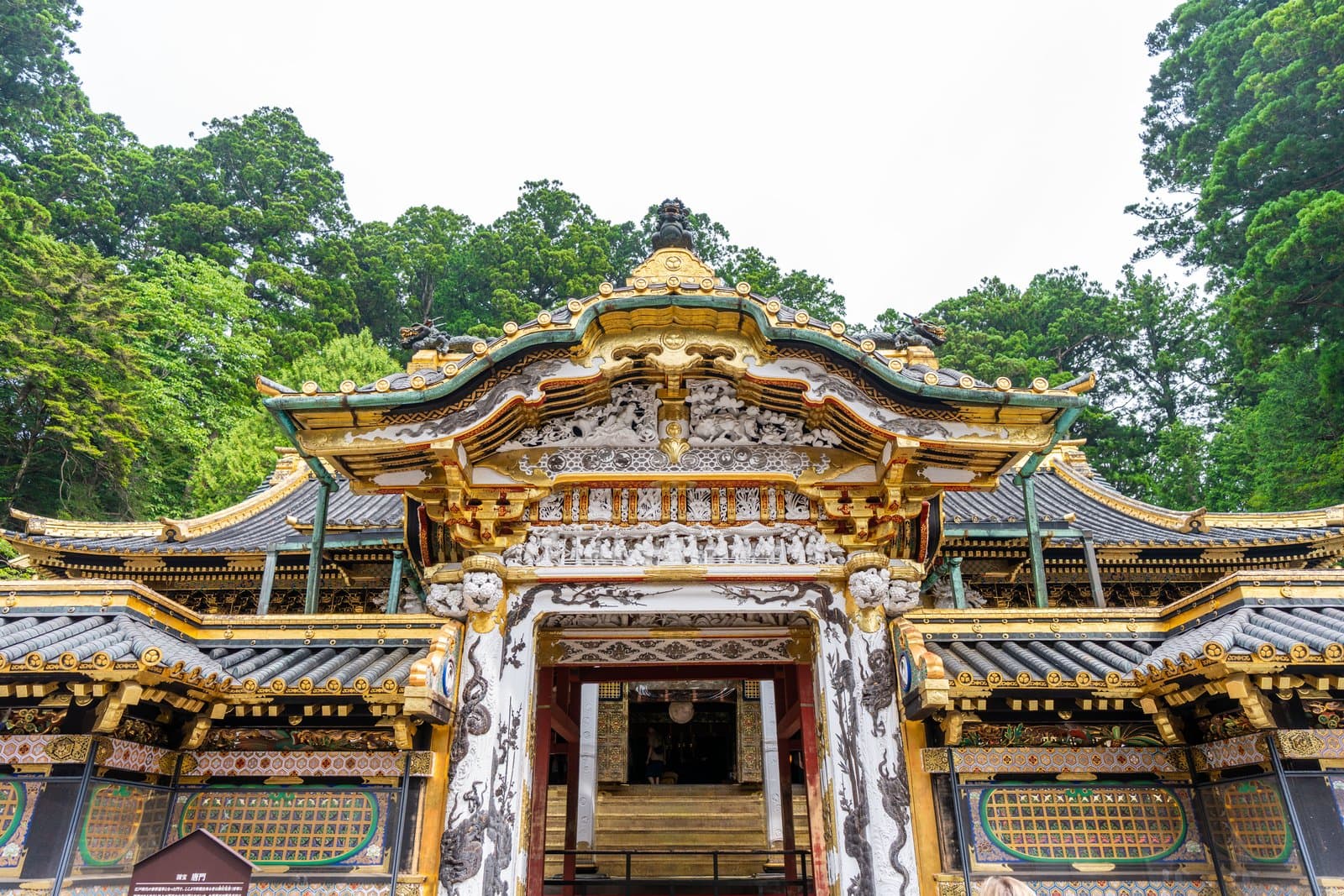 Photo: Photo ACNikko Toshogu ShrineTochigi
- 2
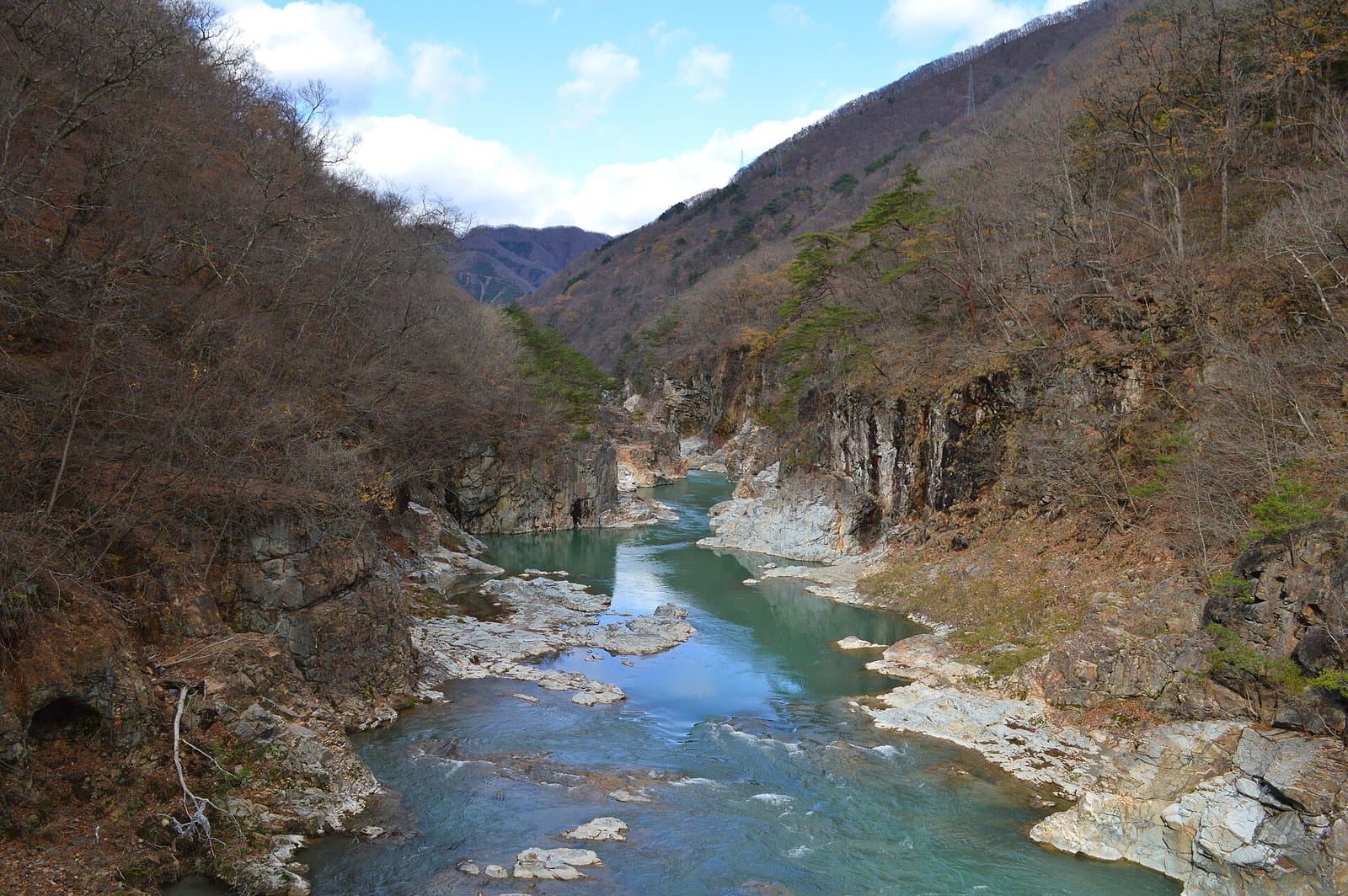 Photo: Saigen Jiro / Wikimedia Commons, CC0 (resized)Ryuokyo GorgeTochigi
- 3
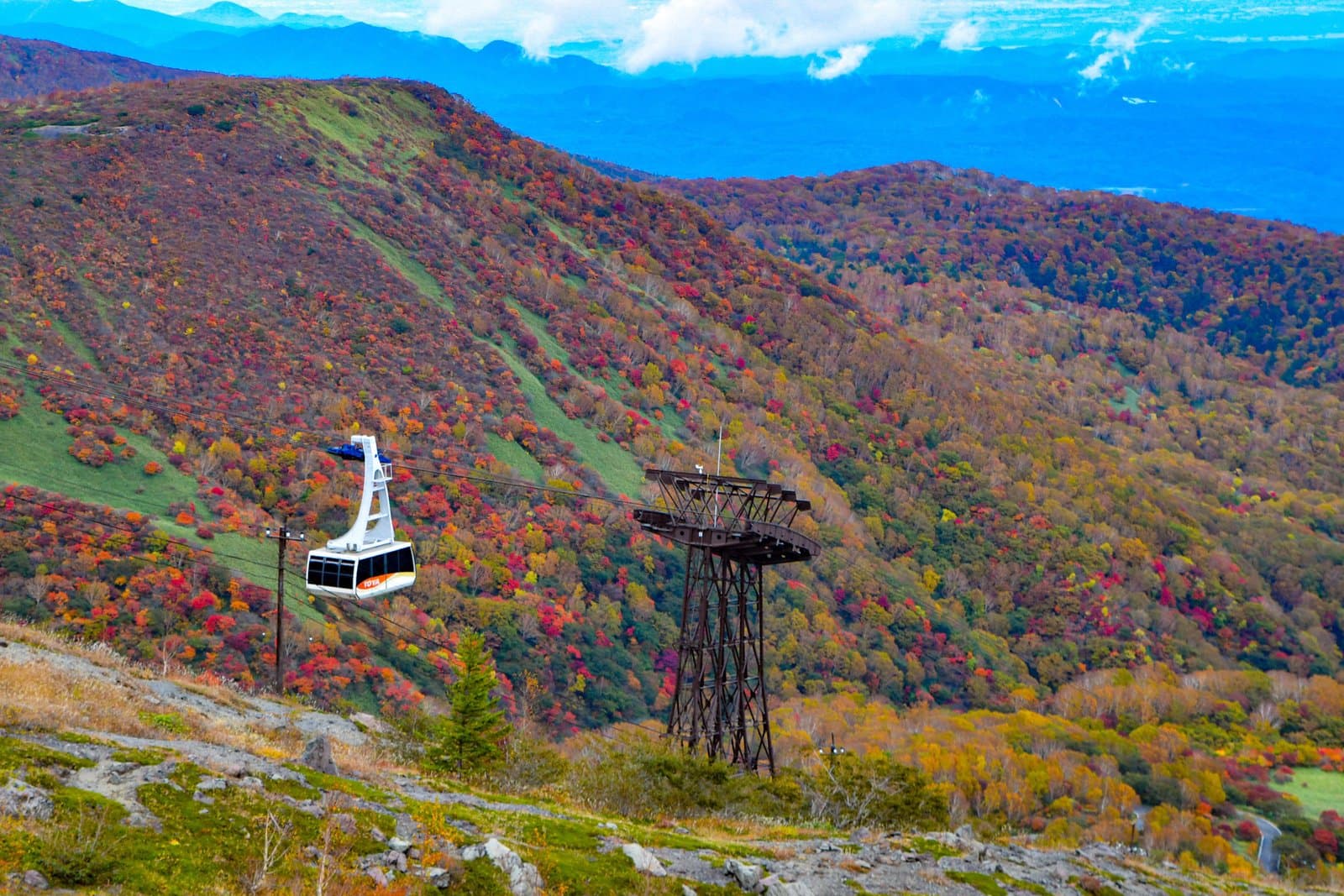 Photo: 9689tatsuya / Wikimedia Commons, CC BY 4.0 (resized)Nasu RopewayTochigi
- 4
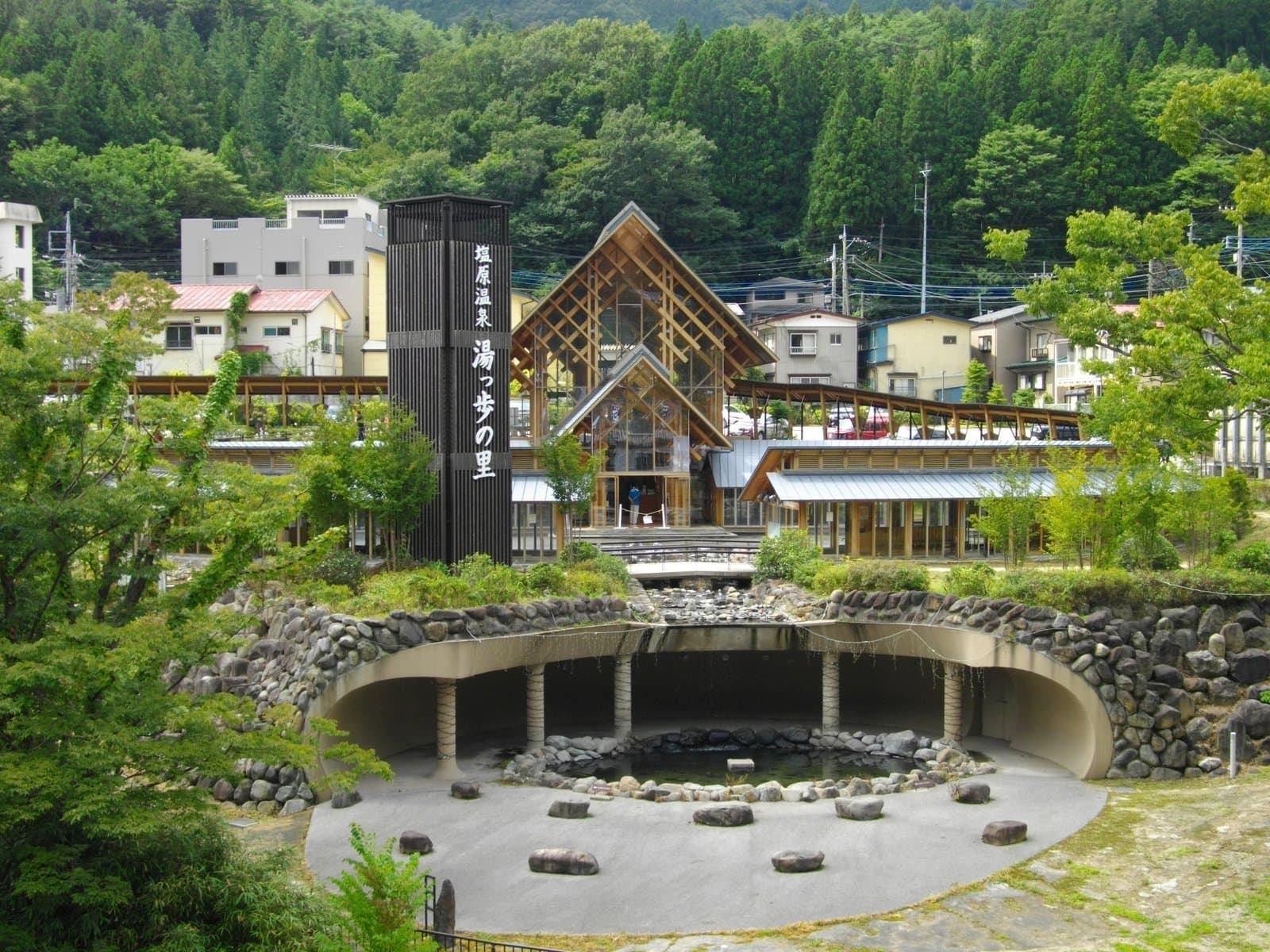 Photo: Abasaa / Wikimedia Commons, Public domain (resized)Shiobara Onsen Yuppo-no-Sato FootbathTochigi
- 5
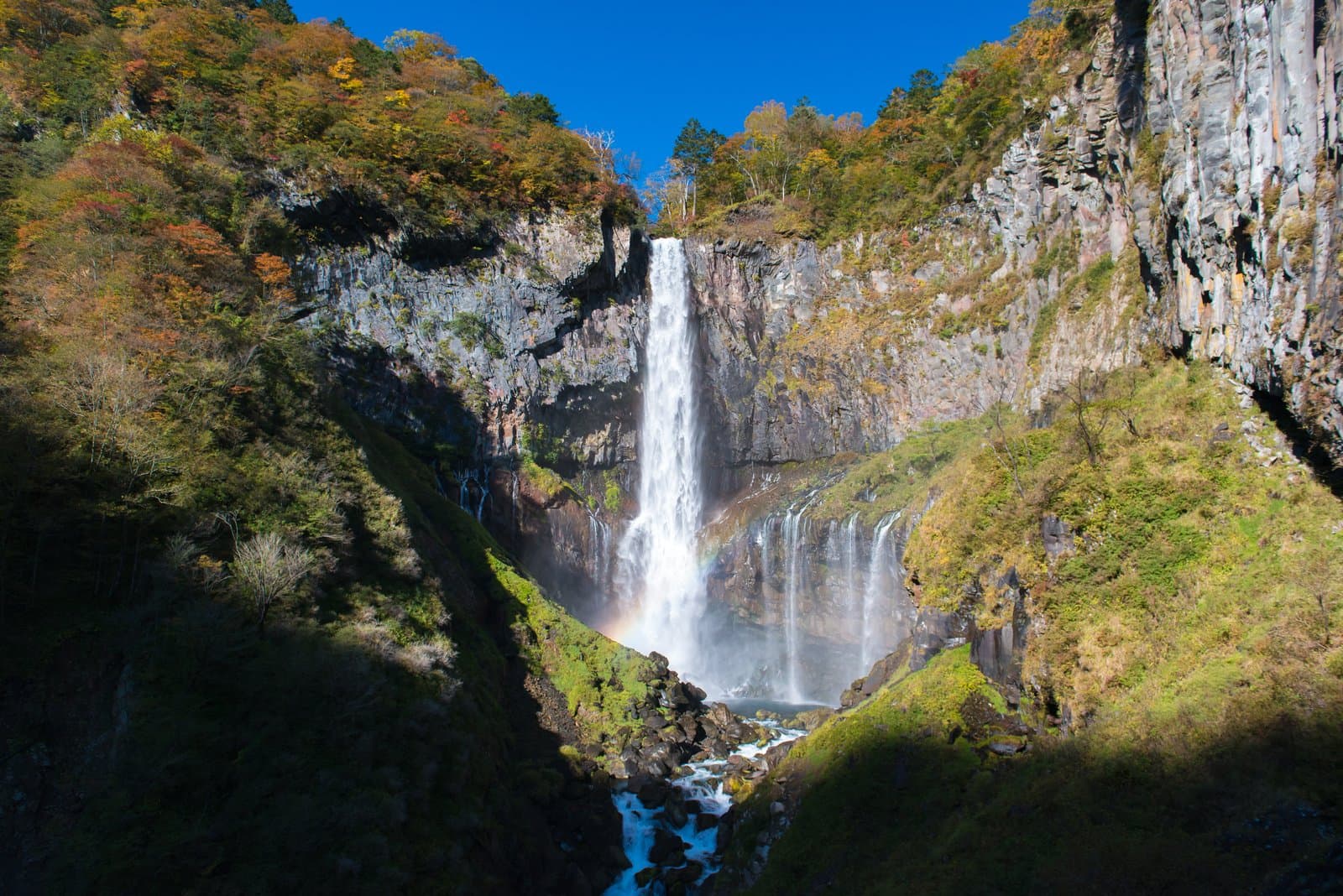 Photo: Jordy Meow / Wikimedia Commons, CC BY-SA 3.0 (resized)Kegon FallsTochigi
Ranked by how many people opened each spot's page on this site in the past 30 days (one count per person per day; bots and our own staff are excluded).
Select a square pin to open the spot. Zoom with Ctrl/Cmd + scroll, or two fingers on a phone.
Not on the map (location not confirmed on an official source yet): Kura Warehouse Streets of Tochigi City
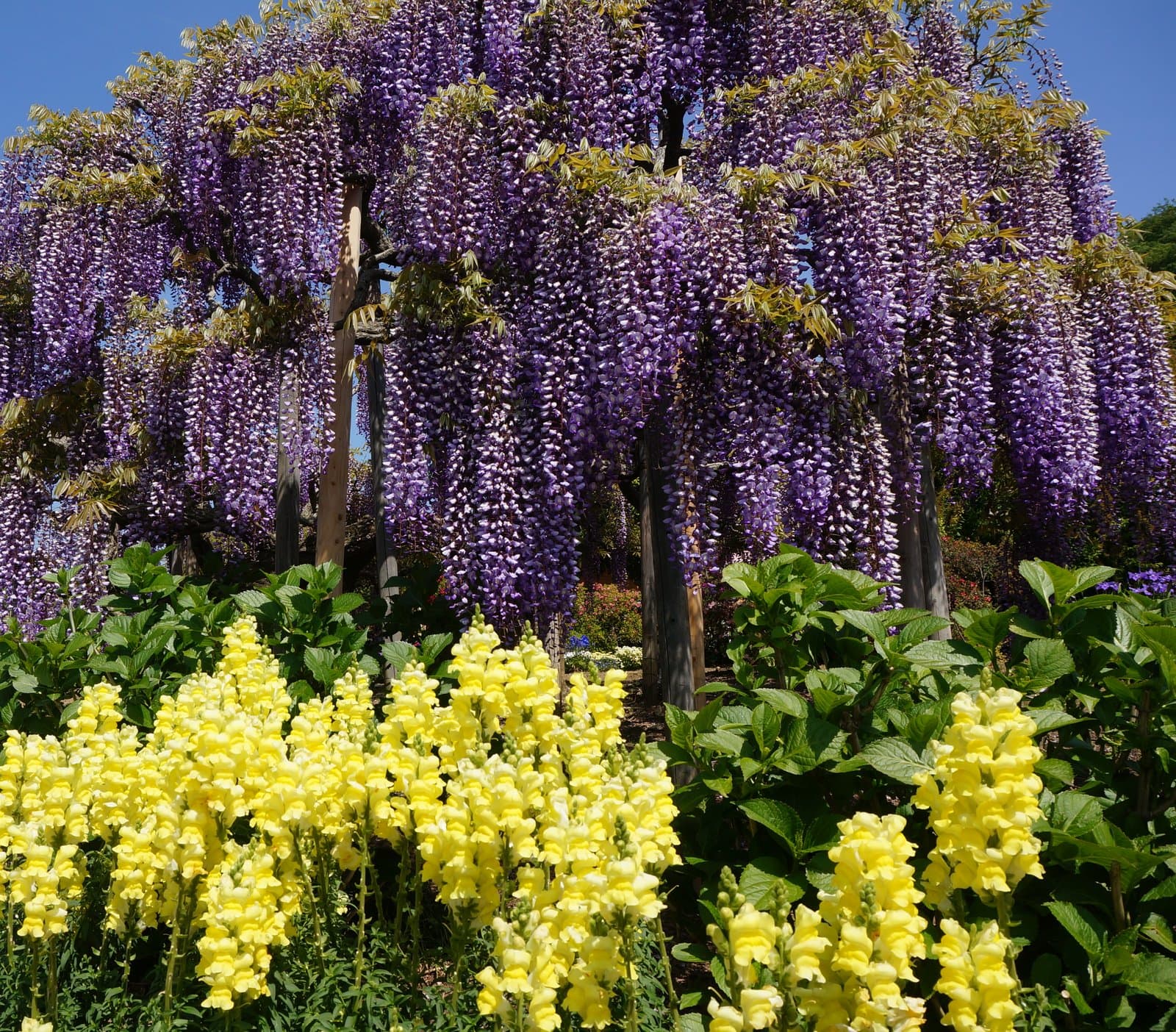 Photo: SLIMHANNYA / Wikimedia Commons, CC BY-SA 4.0 (cropped and resized)Ashikaga, TochigiAshikaga Flower ParkA flower park famous for its great wisteria trellis over 150 years old and an 80 m white wisteria tunnel, and for illuminations from late October to early February.Official check: 25 Sept 2026
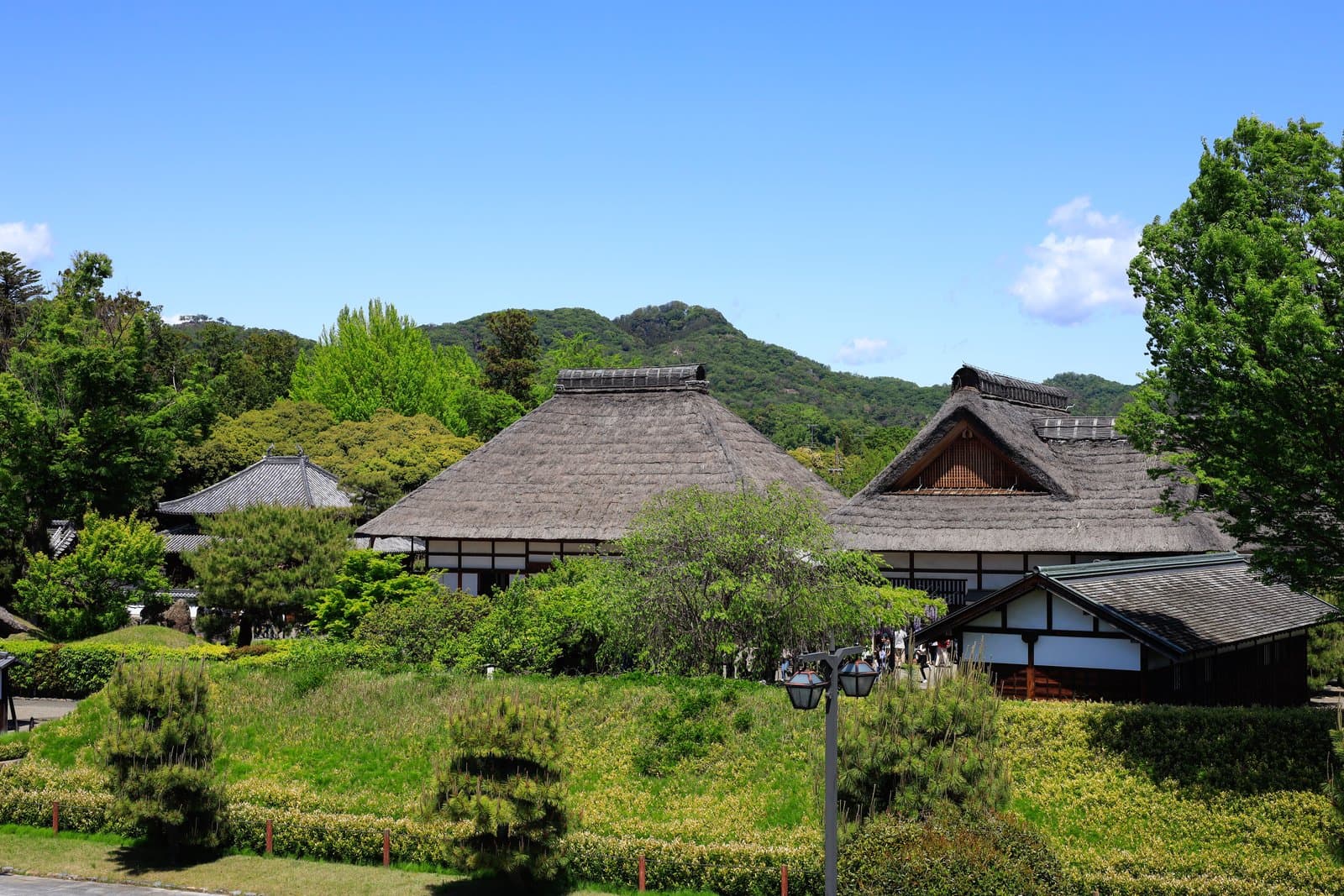 Photo: Photo ACAshikaga, TochigiAshikaga Gakko, Japan's Oldest SchoolKnown as Japan's oldest school and a National Historic Site, restored to its Edo-period appearance; Francis Xavier introduced it abroad.Official check: 25 Sept 2026
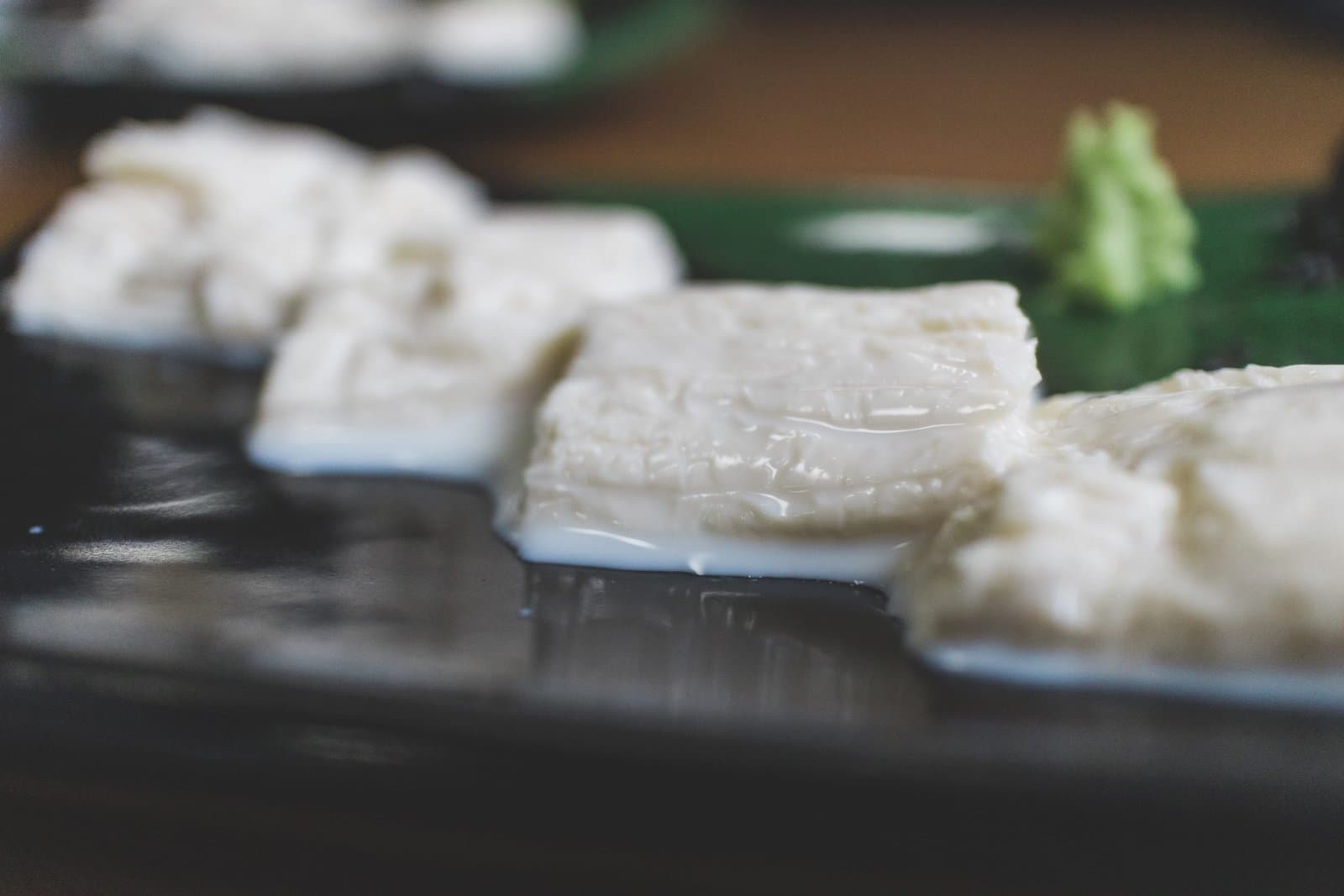 Photo: Photo ACNikko, TochigiEbiya Chozo (Nikko Yuba)A yuba (tofu skin) maker founded in 1872 that once supplied the Tamozawa Imperial Villa, making Nikko yuba by hand from Japanese soybeans and the spring water of the Nikko mountains.Official check: 25 Sept 2026
 Photo: Photo ACSano, TochigiIzuruhara Benten Pond and Isoyama BenzaitenA spring-fed pond selected in 1985 as one of the Ministry of the Environment's 100 best waters, a Tochigi natural monument and the source of the Izuru River. The water is so clear that you can see carp swimming and the green plants swaying on the bottom. The main hall of Isoyama Benzaiten, said to have been rebuilt in the Kamakura period, is built without nails.Official check: 26 Sept 2026
- Photo: Jordy Meow / Wikimedia Commons, CC BY-SA 3.0 (resized)Nikko, TochigiKegon FallsOne of Japan's three great waterfalls, 97 m high; a lift descends 100 m in about 1 minute to a viewing platform close to the plunge pool.Official check: 25 Sept 2026
 Photo: 掬茶 / Wikimedia Commons, CC BY-SA 3.0 (cropped and resized)Nikko, TochigiKinu Tateiwa Suspension BridgeA 140 m pedestrian suspension bridge linking the south of the Kinugawa Onsen spa town with the scenic "Tateiwa" rock. From about 40 m up you can see the Kinu River rushing between big rocks and green mountains. Tateiwa, about 100 m high, is named for its resemblance to a shield. An observation deck on its summit looks over the river, the spa town and the Takahara mountains (about 10 minutes one way from the bridge), and to the left a path leads to the Kogama Falls (about 5 minutes one way).Official check: 28 Sept 2026
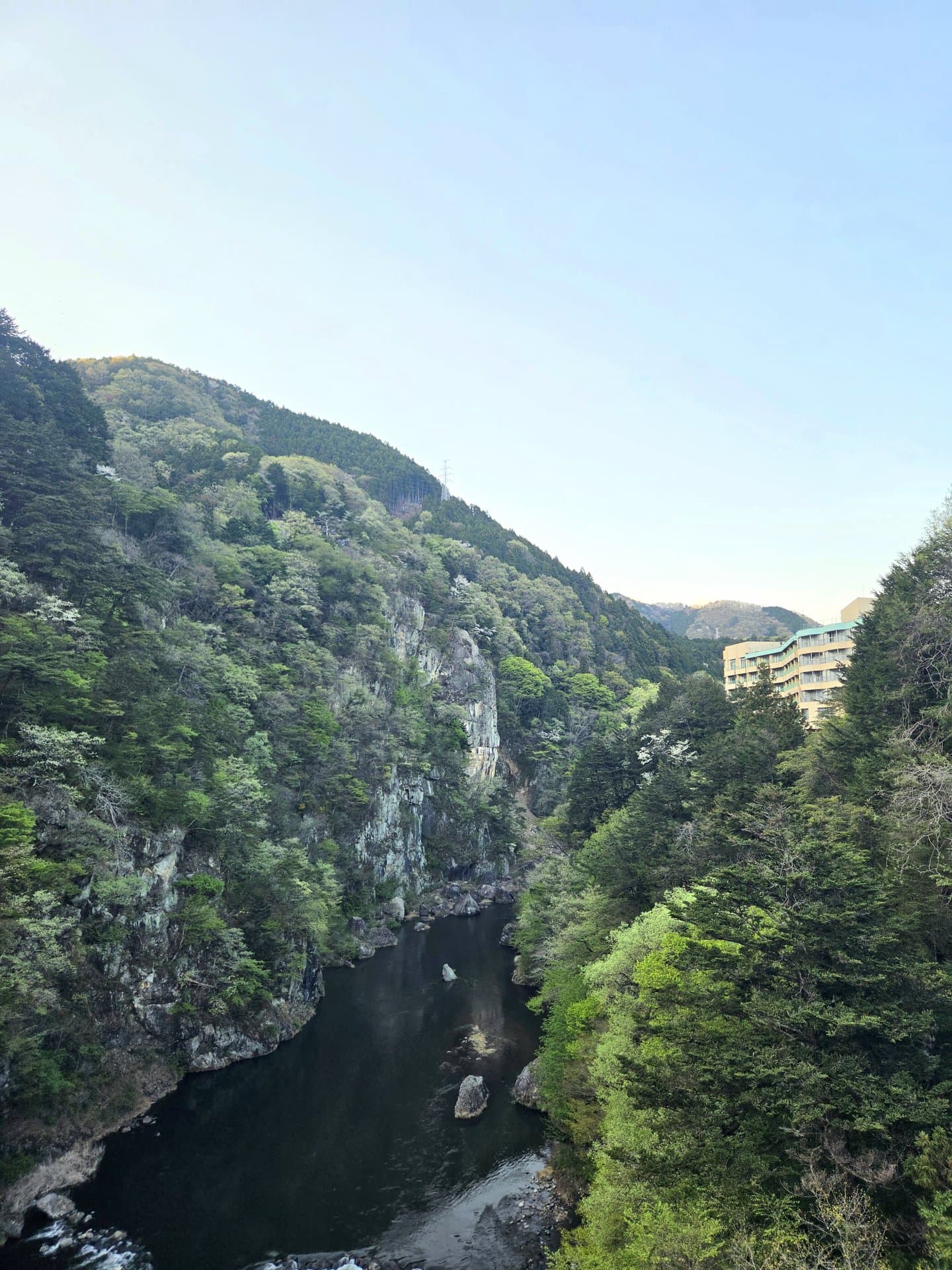 Photo: Photo ACNikko, TochigiKinugawa OnsenOne of the largest hot-spring towns in the Kanto region, lining the Kinugawa gorge; discovered in the Edo period, when only monks and lords visiting Nikko could bathe here.Official check: 25 Sept 2026
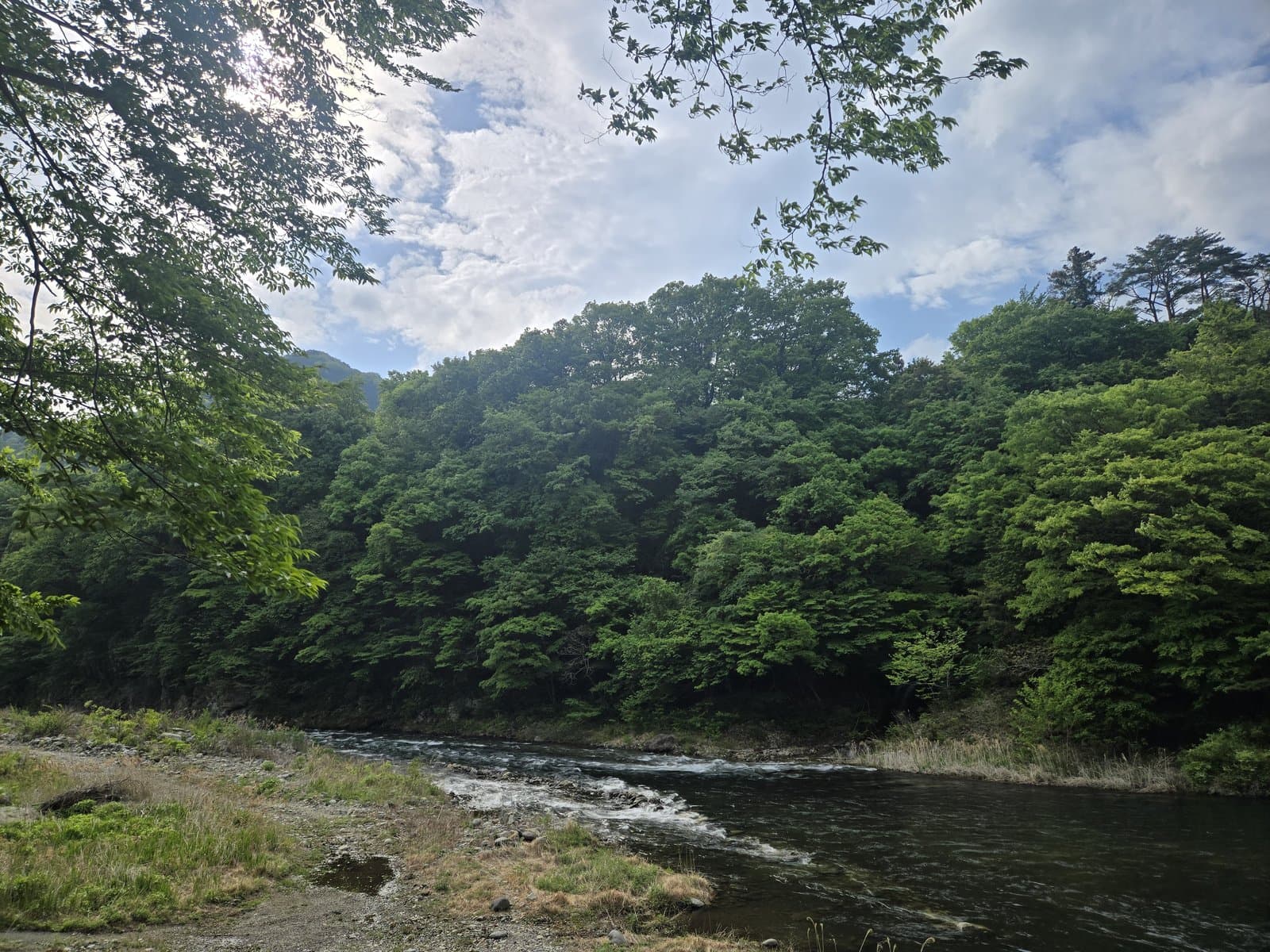 Photo: Photo ACNikko, TochigiKinugawa River Boat RideA shared boat that runs down the Kinugawa gorge, steered by boatmen with oars past strange rocks; about 30 minutes on the water, then a free shuttle bus back.Official check: 25 Sept 2026
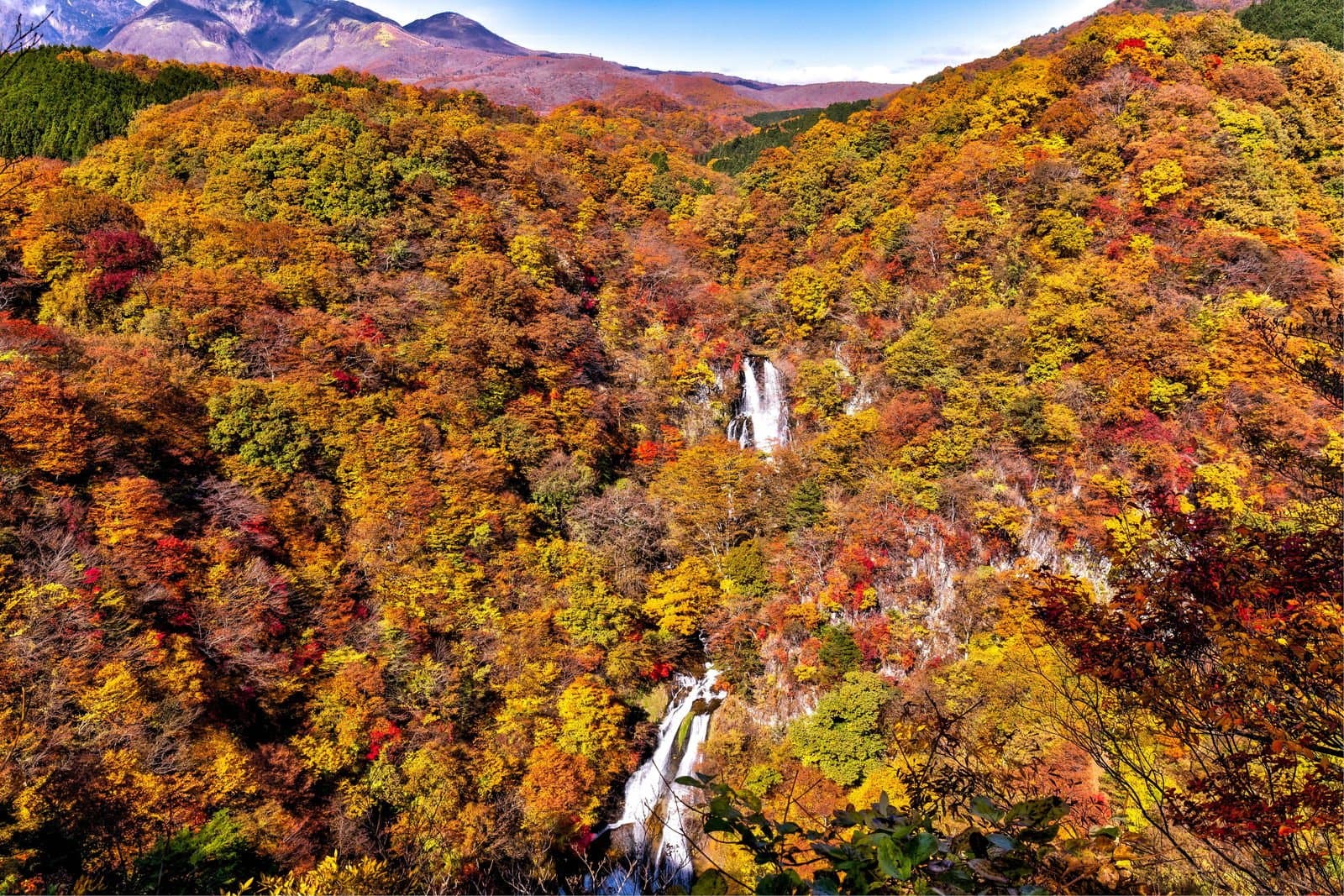 Photo: くろふね / Wikimedia Commons, CC BY 4.0Nikko, TochigiKirifuri FallsOne of Nikko's three great waterfalls, 75 m high in two tiers, painted by Katsushika Hokusai; the lower tier scatters its water like mist.Official check: 25 Sept 2026
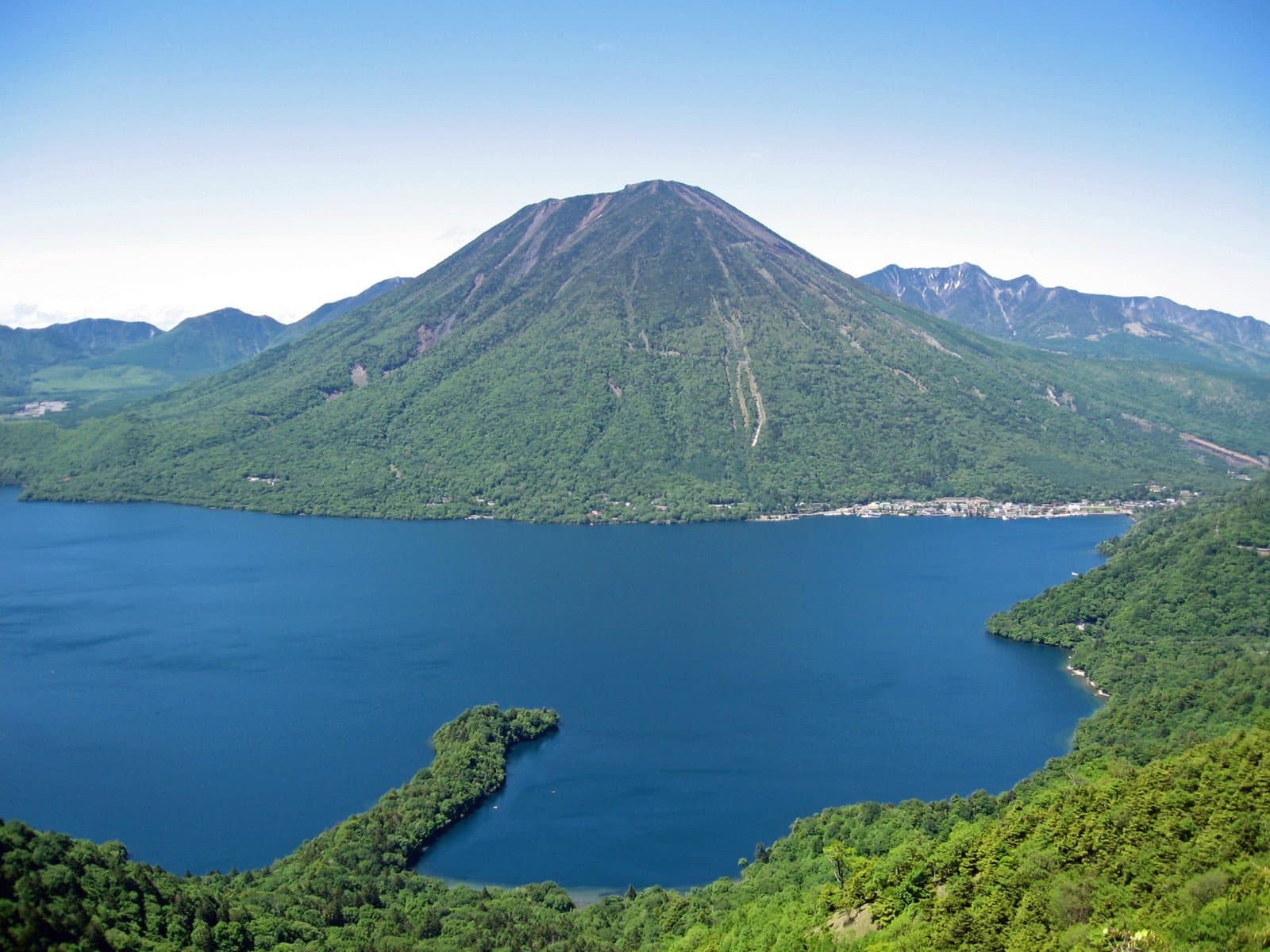 Photo: Uraomote yamaneko / Wikimedia Commons, CC BY-SA 3.0 (resized)Nikko, TochigiLake ChuzenjiA lake 1,269 m above sea level at the foot of Mt. Nantai, about 25 km around and 163 m deep, popular with foreign visitors as a summer retreat from the Meiji era to the early Showa era.Official check: 25 Sept 2026
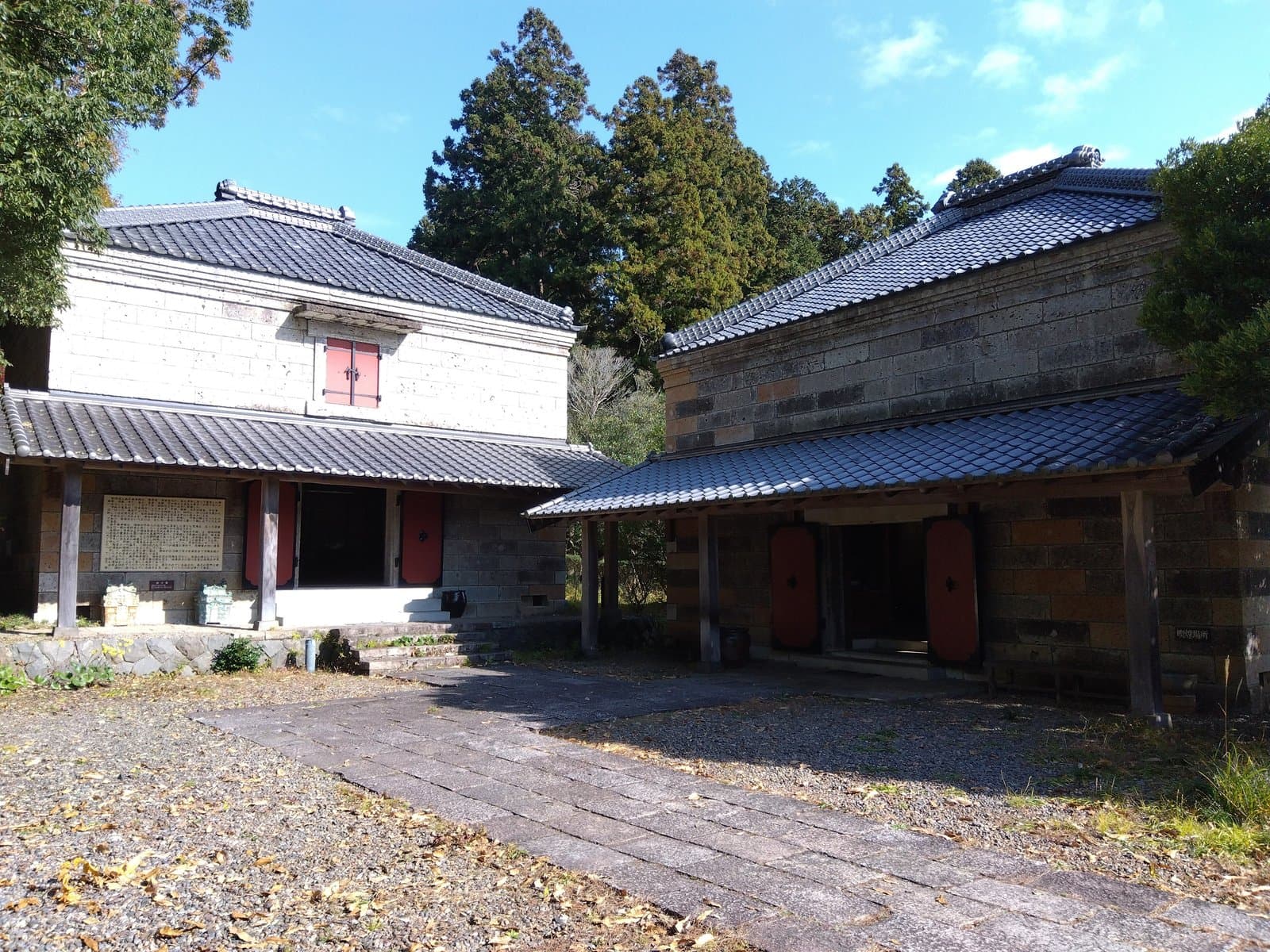 Photo: FukuroWaraw / Wikimedia Commons, CC BY-SA 4.0 (resized)Mashiko, TochigiMashiko Sankokan Museum, Hamada Shoji MemorialThe home of potter and Living National Treasure Hamada Shoji in Mashiko, opened in 1977 to share the objects he collected as references for his own work.Official check: 25 Sept 2026
 Photo: Photo ACMoka, TochigiMoka RailwayKnown locally as the "Cotton Way" because the area along the line once produced cotton, the Moka Railway runs the steam locomotive "C12" all year, mainly on Saturdays and Sundays, through seasonal scenery: cherry blossoms with rape flowers in spring and sometimes snow in winter. As the line is not electrified, you can see the SL as it looked in its working days. It opened in 1912 and marked 100 years of full operation in December 2020.Official check: 28 Sept 2026
 Photo: Photo ACNasu, TochigiNasu Animal KingdomAn animal park in the Nasu highlands with about 600 animals, where you can feed penguins and alpacas and watch birds of prey perform.Official check: 25 Sept 2026
- Photo: 9689tatsuya / Wikimedia Commons, CC BY 4.0 (resized)Nasu, TochigiNasu RopewayA ropeway that climbs to the ninth station of Mt. Chausu in about 4 minutes, with views over the Nasu plain; the summit is about 50 minutes on foot from the top station.Official check: 25 Sept 2026
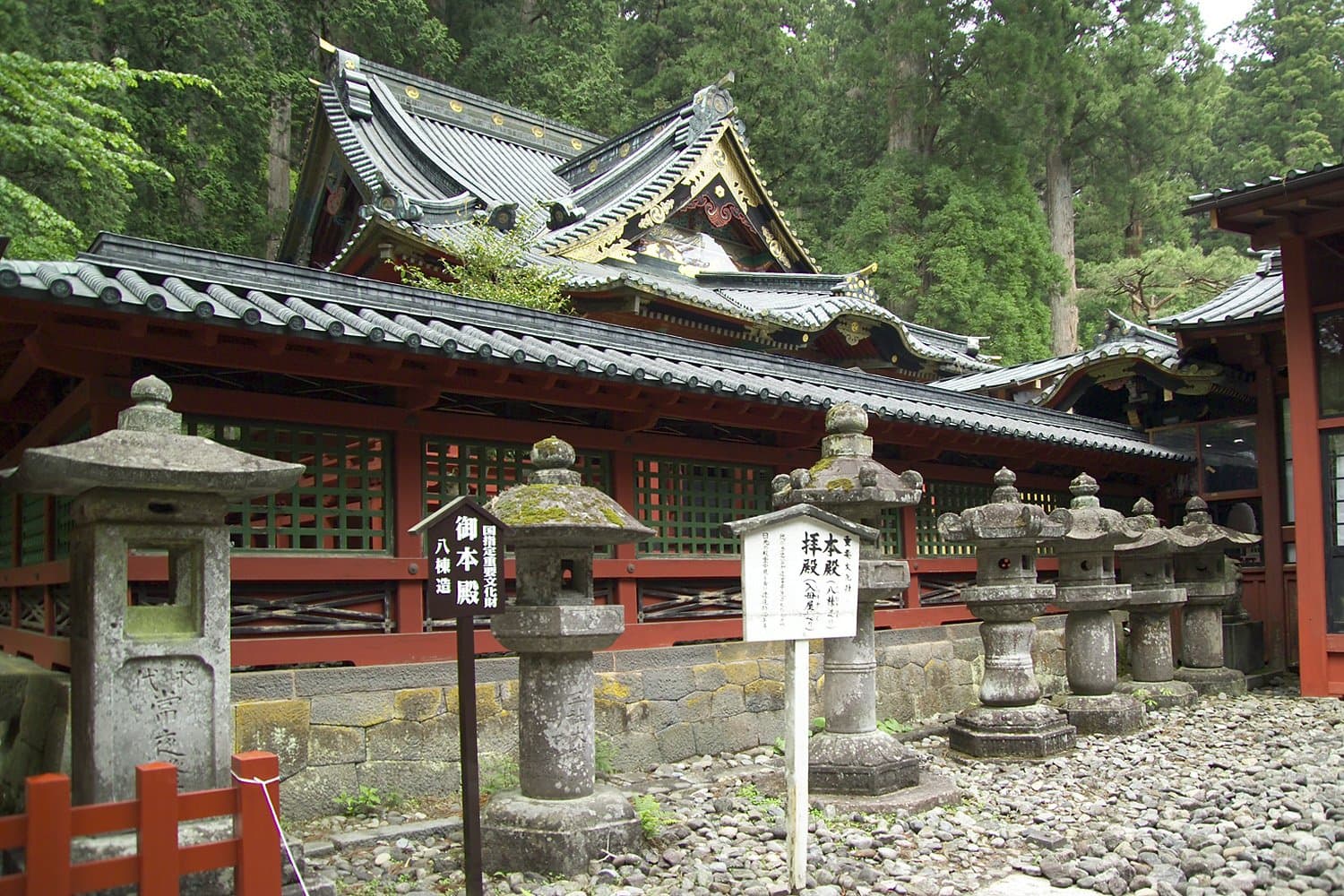 Photo: Fg2 / Wikimedia Commons, Public domainNikko, TochigiNikko Futarasan ShrineThe shrine at the start of the Nikko mountain faith, over 1,200 years old, enshrining Mt. Nantai; it also owns the vermilion Shinkyo Bridge at the entrance to the World Heritage site.Official check: 25 Sept 2026
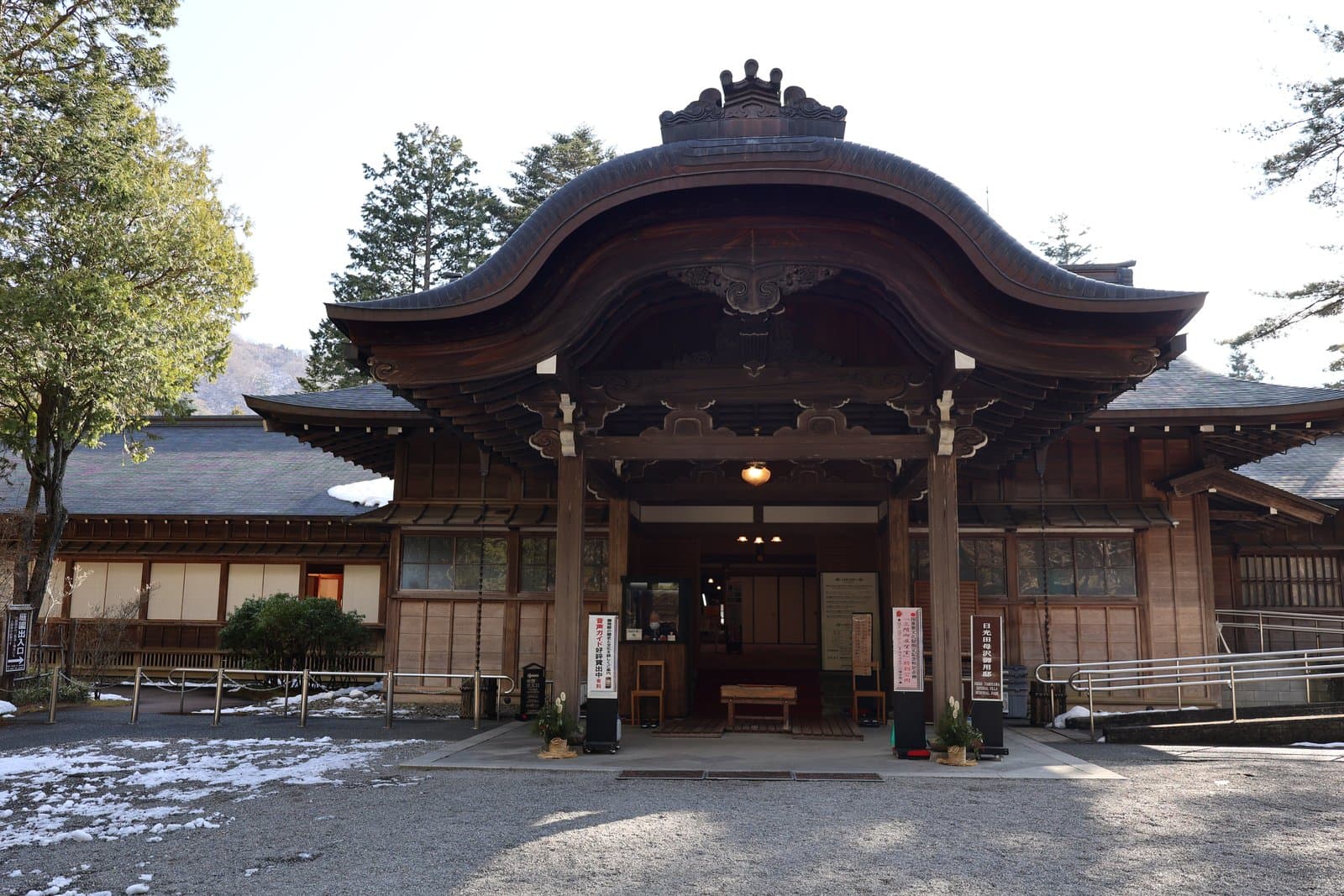 Photo: Photo ACNikko, TochigiNikko Tamozawa Imperial Villa Memorial ParkAn imperial villa used by three generations of emperors and crown princes from 1899 to 1947, combining Edo, Meiji and Taisho architecture; the buildings are Important Cultural Properties.Official check: 25 Sept 2026
- Photo: Photo ACNikko, TochigiNikko Toshogu ShrineThe shrine of Tokugawa Ieyasu, part of the World Heritage "Shrines and Temples of Nikko", with 55 buildings including 8 National Treasures, most rebuilt in 1636 by the third shogun Iemitsu.Official check: 25 Sept 2026
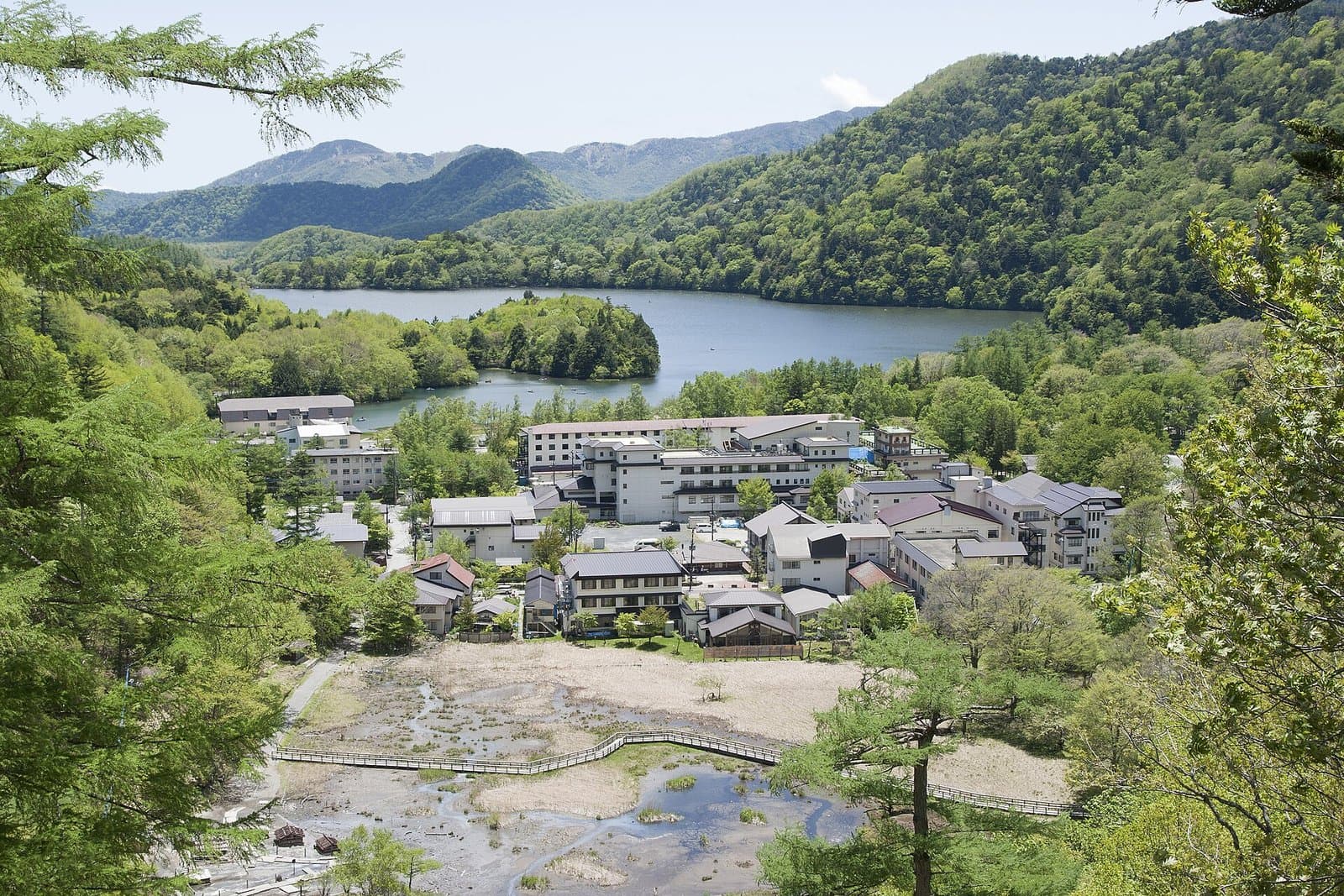 Photo: Σ64 / Wikimedia Commons, CC BY 3.0 (resized)Nikko, TochigiNikko Yumoto OnsenA quiet hot-spring village on the north shore of Lake Yunoko, beyond Senjogahara, with milky sulphur water said to have been found by the monk Shodo about 1,200 years ago and a free footbath.Official check: 25 Sept 2026
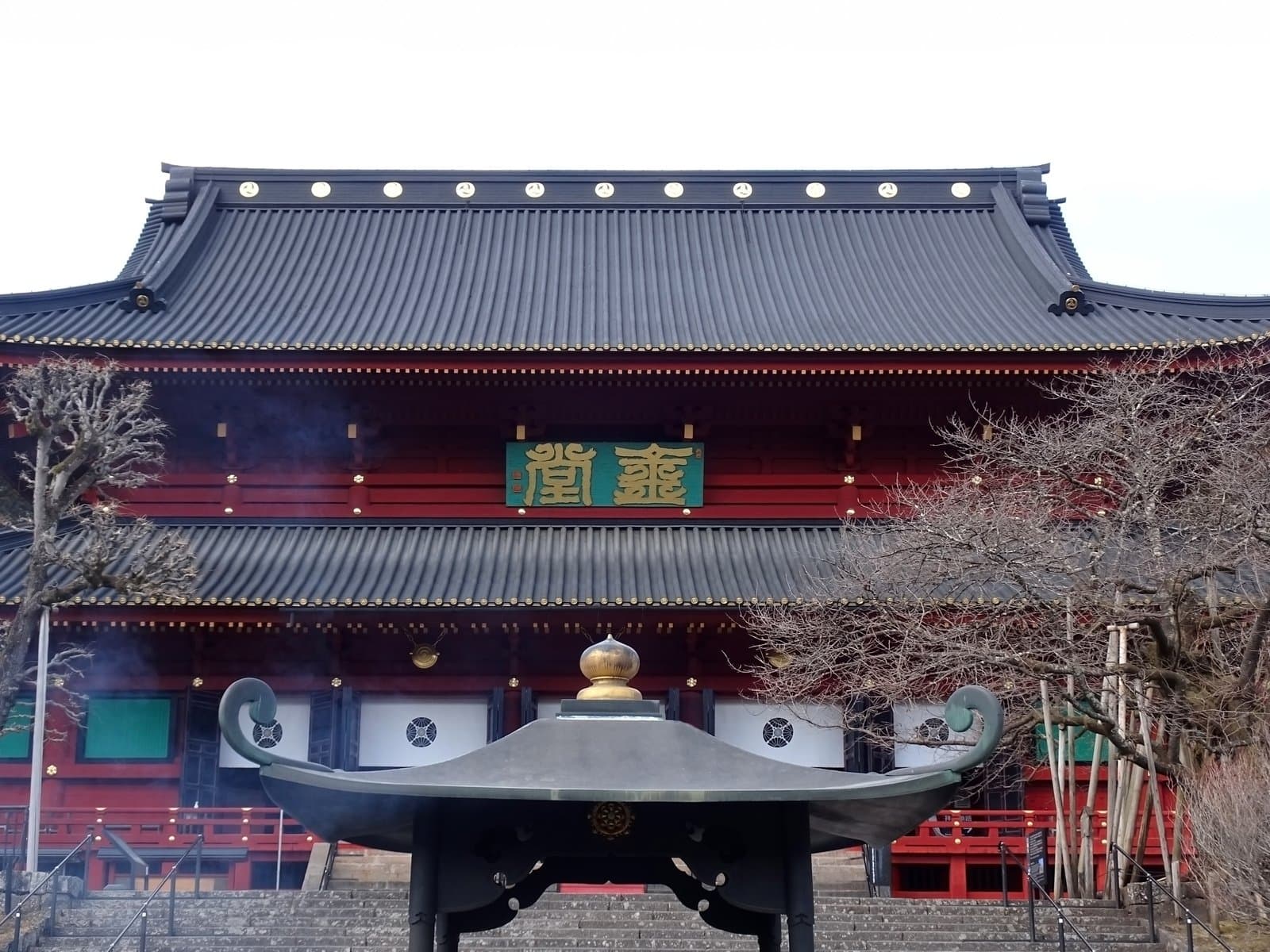 Photo: Photo ACNikko, TochigiNikko-san Rinnoji TempleA temple founded over 1,250 years ago by the monk Shodo, part of the World Heritage "Shrines and Temples of Nikko"; its Sanbutsudo is the largest wooden building on Mt. Nikko.Official check: 25 Sept 2026
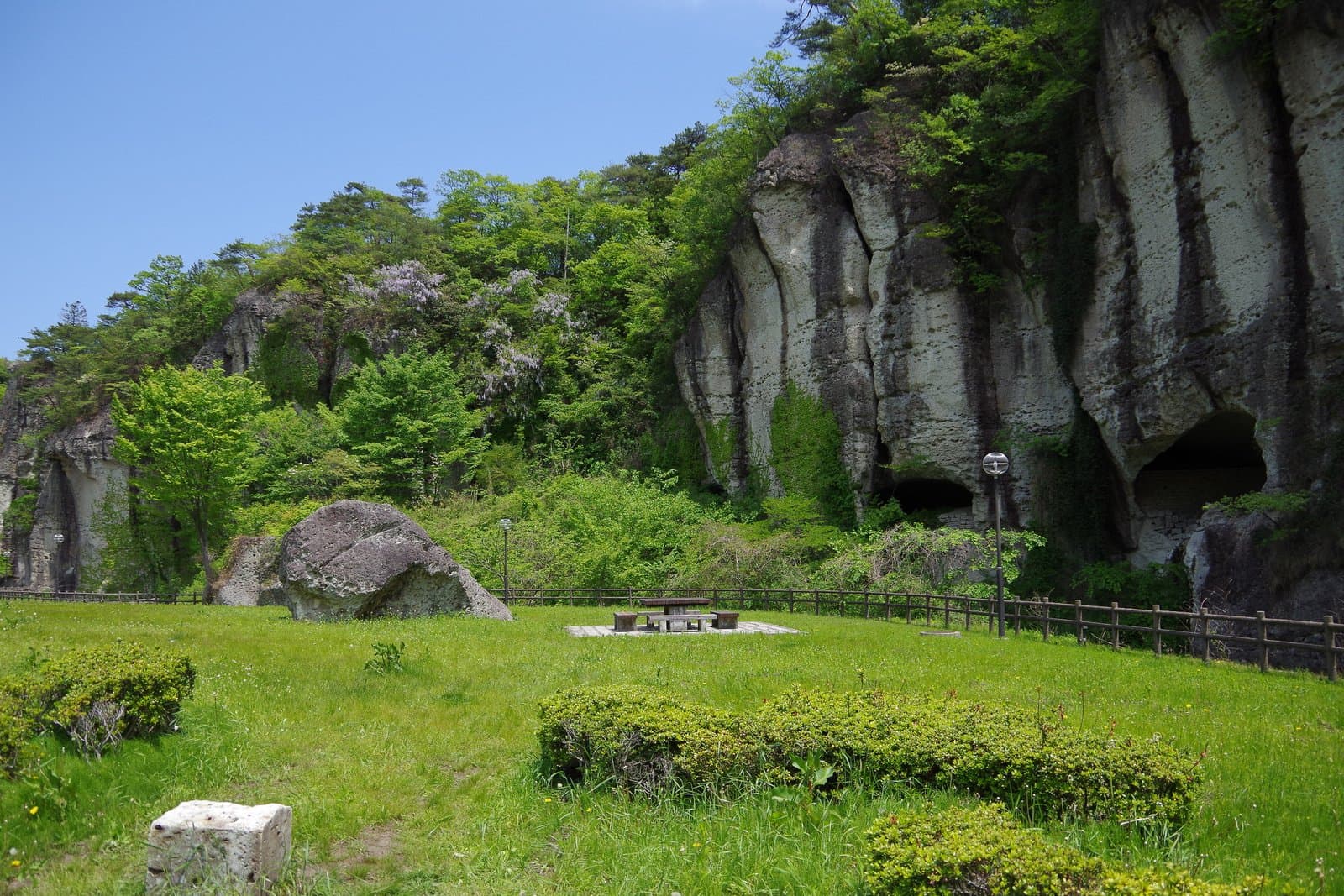 Photo: Photo ACUtsunomiya, TochigiOya History MuseumA vast underground quarry for Oya stone, 20,000 square metres and up to 60 m deep, kept at around 8 degrees; bring a jacket even in summer.Official check: 25 Sept 2026
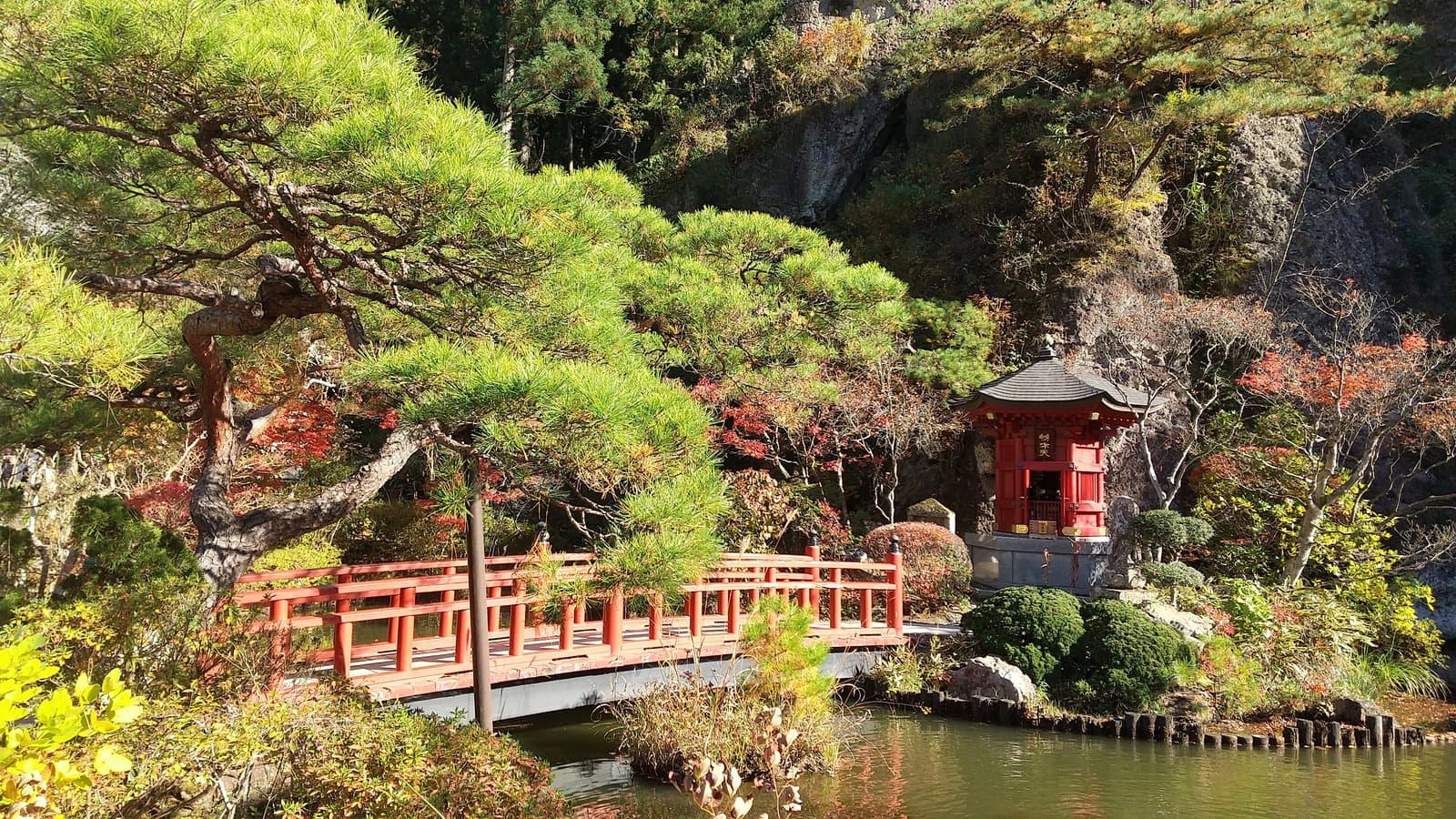 Photo: Photo ACUtsunomiya, TochigiOyaji Temple (Oya Kannon)A temple built into a cave in the stone village of Oya; its ten rock-carved Buddhas are Special Historic Sites and Important Cultural Properties, and the main Senju Kannon is said to be Japan's oldest stone Buddha.Official check: 25 Sept 2026
 Photo: Photo ACNasukarasuyama, TochigiRyumon FallsA large waterfall about 20 m high and 65 m wide on the Egawa River, which flows into the Naka River, on the outskirts of Nasukarasuyama; its name comes from a legend of a great serpent living here. A path lets you go down close to the plunge pool. In the middle of the falls are two vertical holes, "Ogama" (about 4 m across) and "Megama" (about 2 m). The Karasuyama Line runs above the falls, so in spring train, falls and cherry blossoms fit in one photo. Salmon can be seen swimming upstream from mid to late November, and in some winters the falls freeze.Official check: 28 Sept 2026
- Photo: Saigen Jiro / Wikimedia Commons, CC0 (resized)Nikko, TochigiRyuokyo GorgeA gorge of strange rocks carved by the Kinugawa River from volcanic rock erupted 22 million years ago, stretching about 3 km between Kinugawa and Kawaji hot springs.Official check: 25 Sept 2026
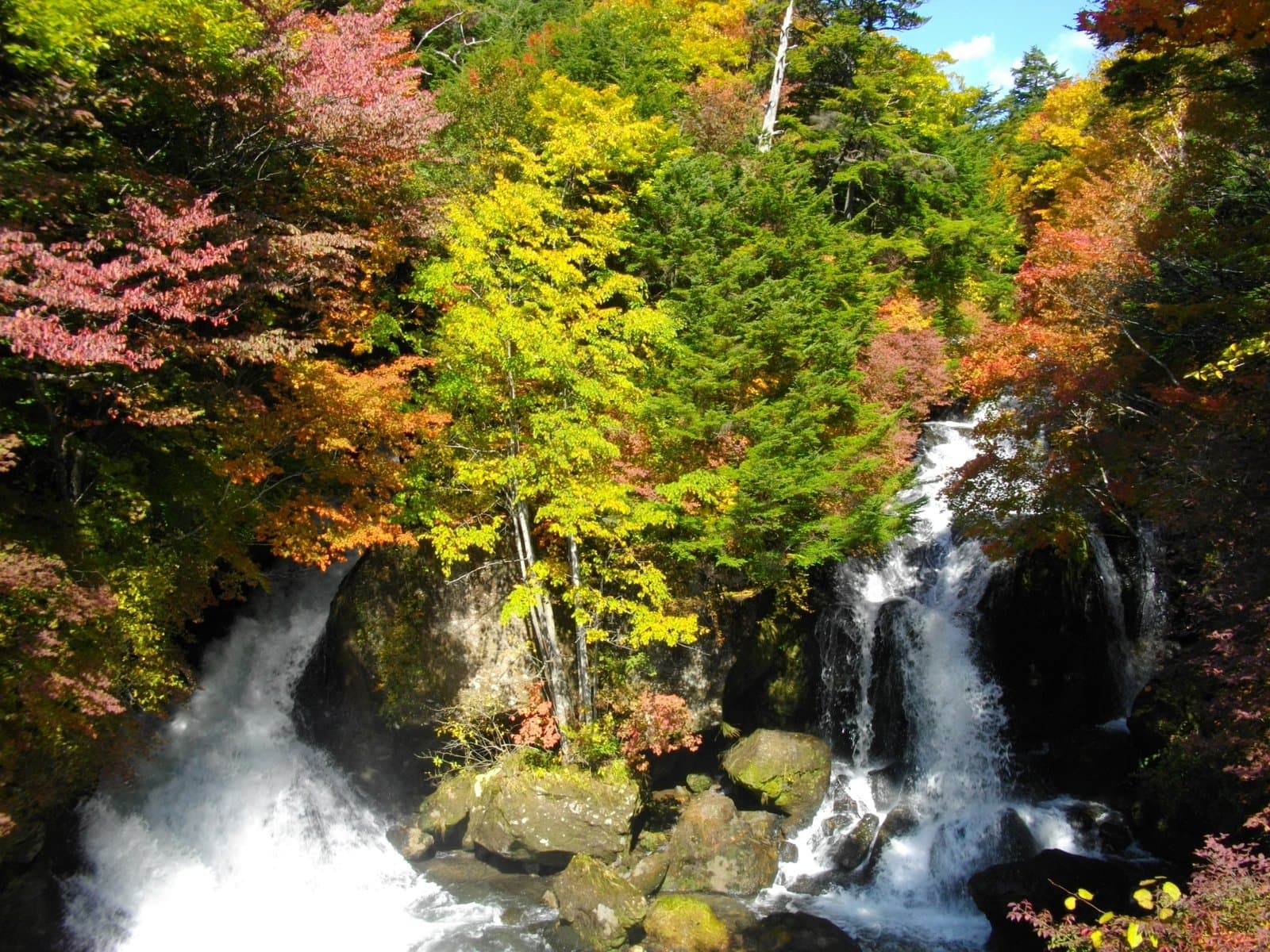 Photo: あばさー / Wikimedia Commons, Public domain (resized)Nikko, TochigiRyuzu FallsOne of Okunikko's three great falls, a cascade running 210 m over lava from Mt. Nantai, split in two near the basin like a dragon's head.Official check: 25 Sept 2026
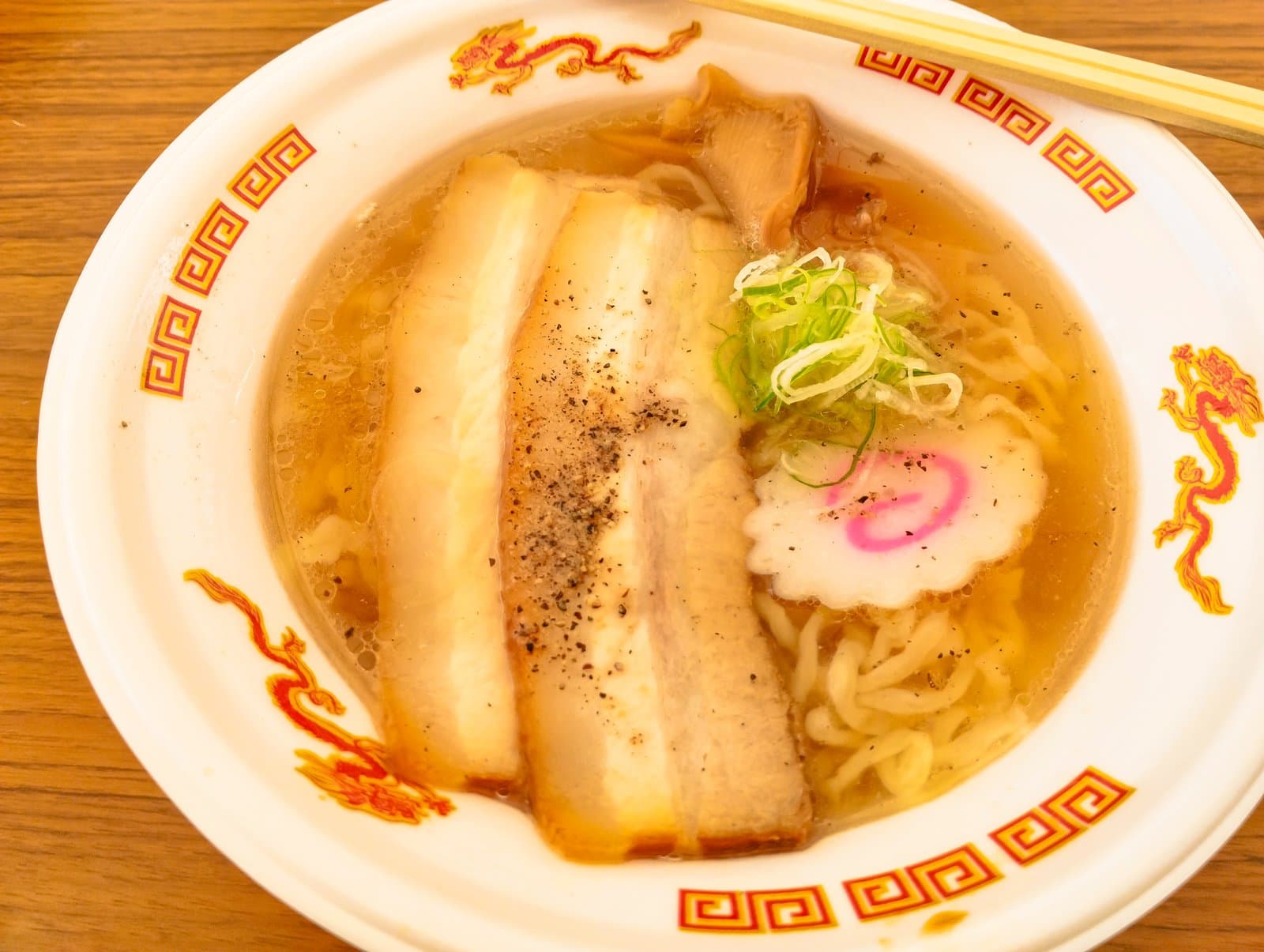 Photo: Photo ACSano, TochigiSano Ramen Eika Gyoza Factory ShopThe factory shop of Eika, which makes Sano ramen and Sano gyoza, open 9:00-21:00 and closed on Sundays.Official check: 25 Sept 2026
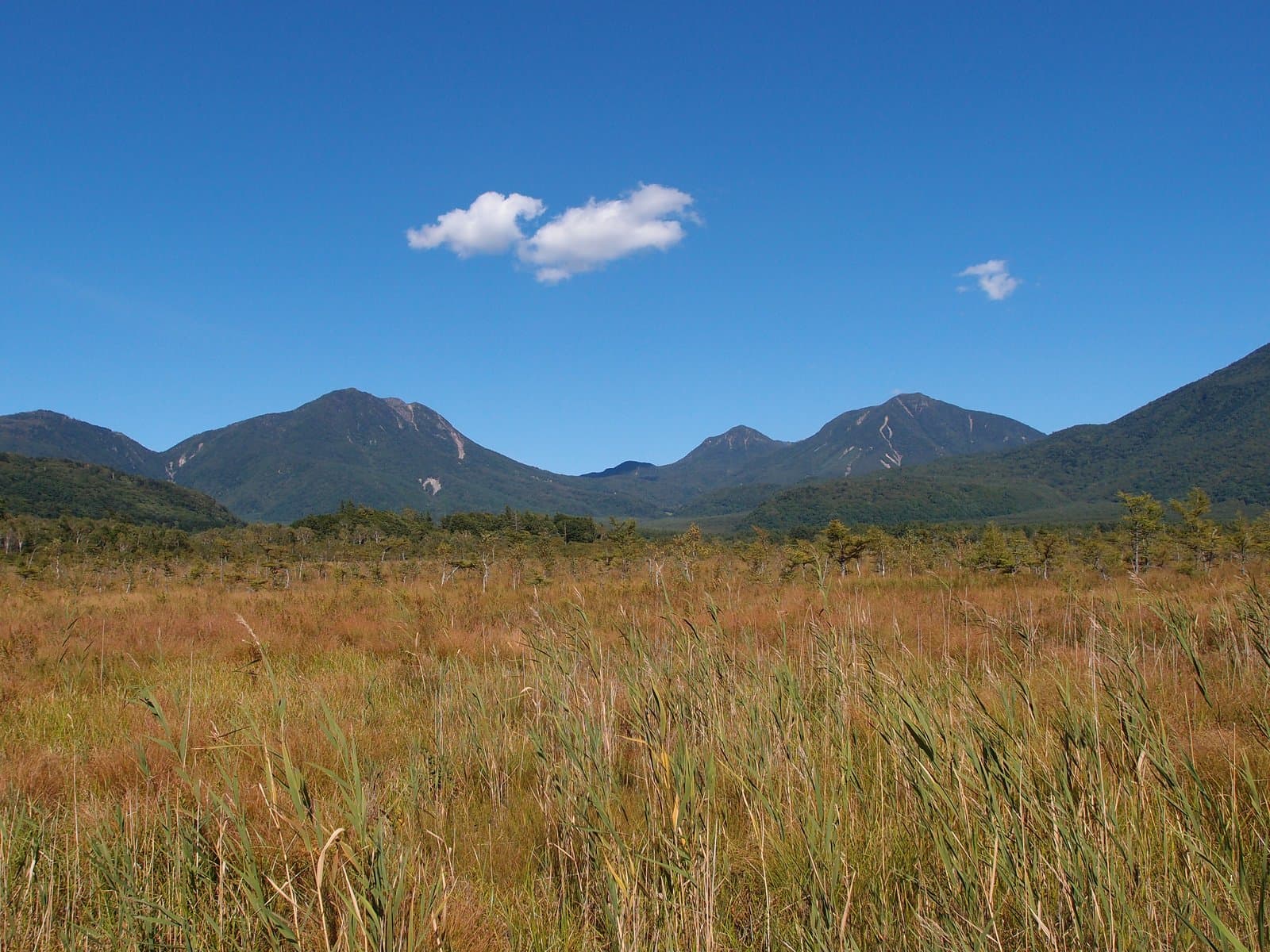 Photo: Guilhem Vellut / Wikimedia Commons, CC BY 2.0 (resized)Nikko, TochigiSenjogahara MarshlandA 400-hectare marsh in Okunikko, once a lake, home to some 350 plant species, with a nature trail that takes about 2 hours to walk.Official check: 25 Sept 2026
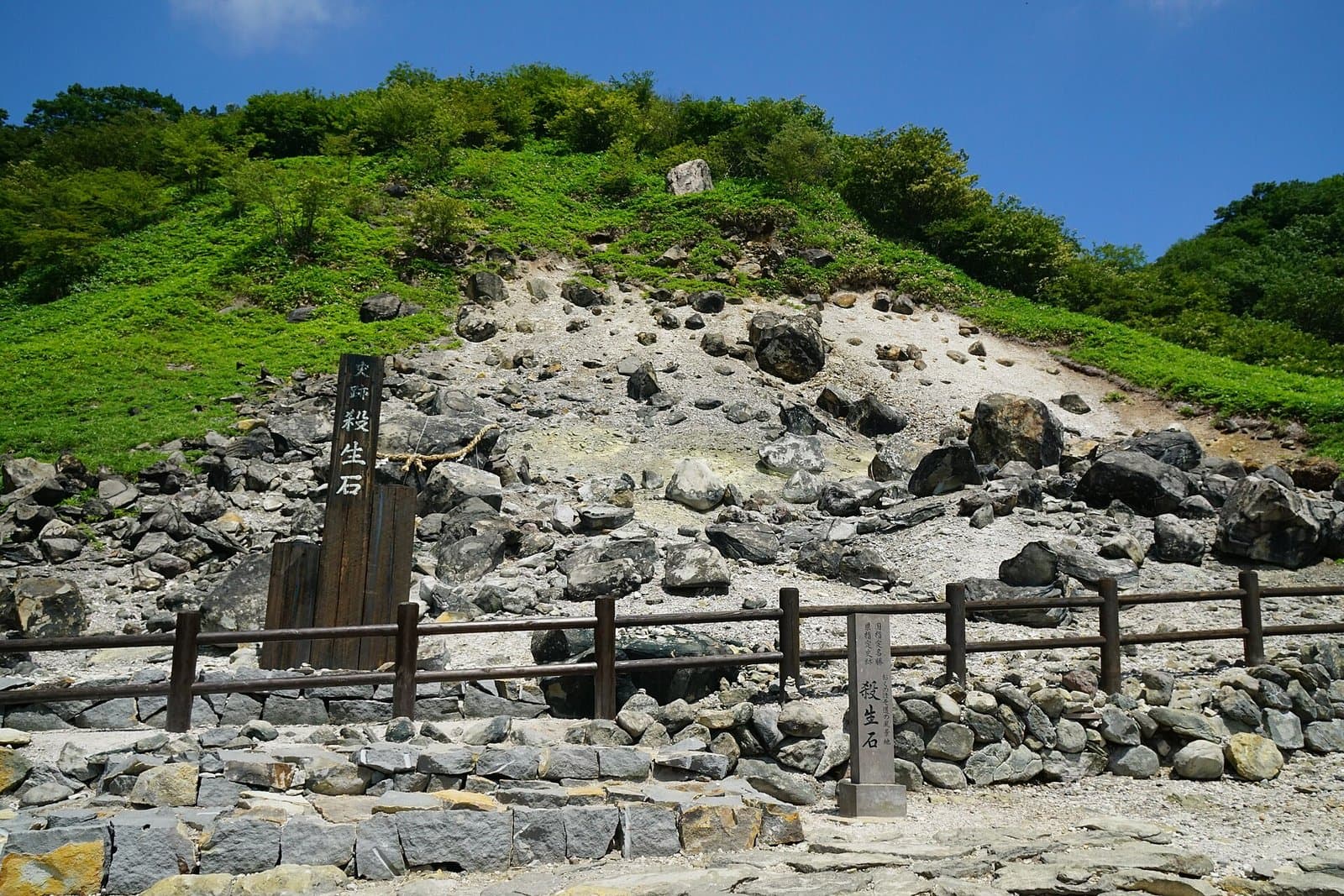 Photo: 663highland / Wikimedia Commons, CC BY 2.5 (resized)Nasu, TochigiSessho-seki (Killing Stone)A desolate field of rocks and sulphur smell near Nasu Yumoto Onsen, linked to the legend of the nine-tailed fox; free to visit.Official check: 25 Sept 2026
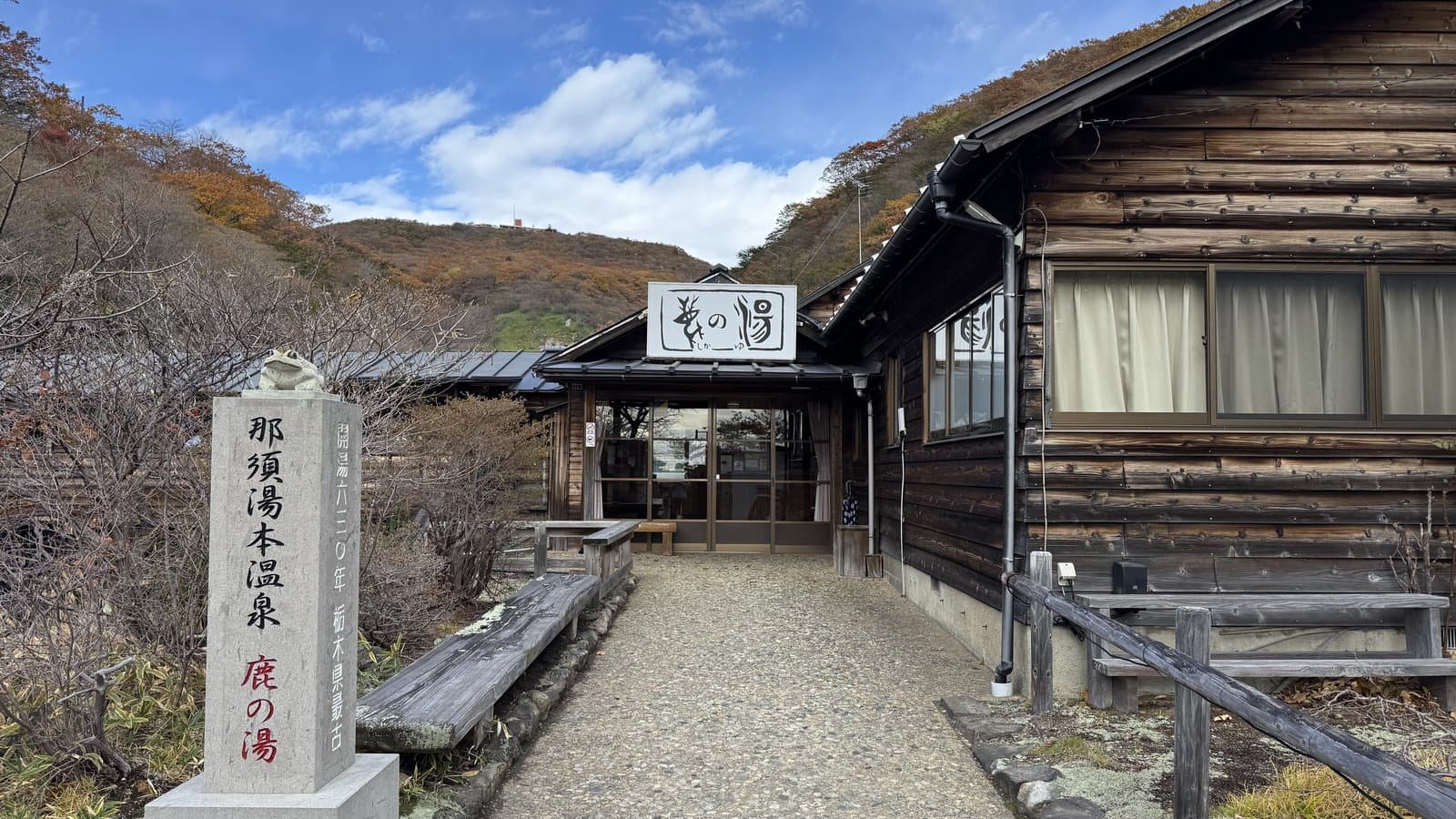 Photo: Photo ACNasu, TochigiShika-no-Yu, Nasu YumotoThe birthplace of Nasu Onsen, a day-use bathhouse said to be 1,390 years old, with milky sulphur baths divided by temperature from 41 to 46 degrees.Official check: 25 Sept 2026
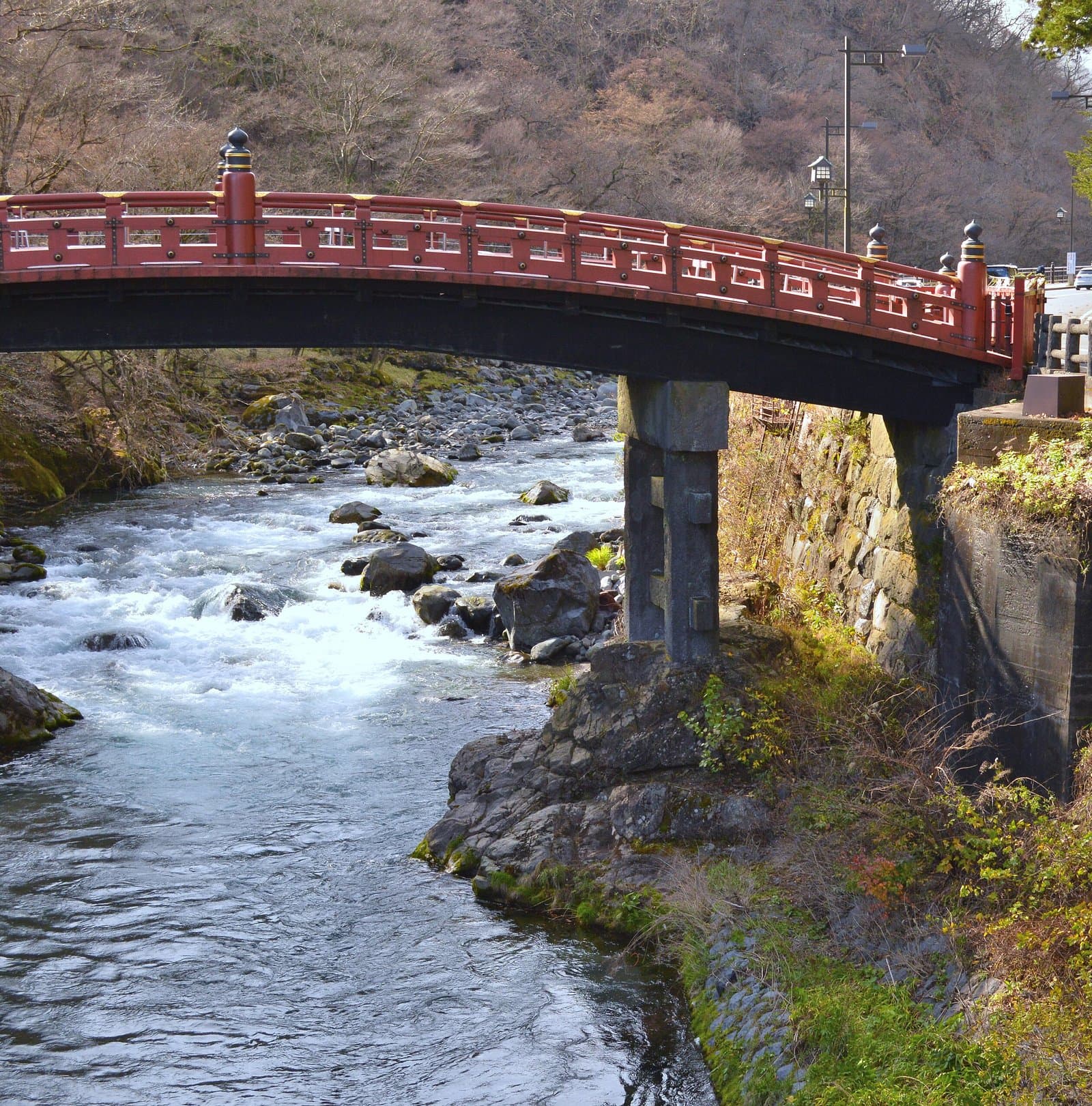 Photo: Saigen Jiro / Wikimedia Commons, CC0 (cropped and resized)Nikko, TochigiShinkyo BridgeThe vermilion wooden bridge at the entrance to Nikko's shrines and temples, one of Japan's three unusual bridges, rebuilt in 1904 after a flood.Official check: 25 Sept 2026
- Photo: Abasaa / Wikimedia Commons, Public domain (resized)Nasushiobara, TochigiShiobara Onsen Yuppo-no-Sato FootbathOne of Japan's largest footbaths, a 60 m "footbath corridor" opened in 2006 in Shiobara Onsen, with a drinking-spring pavilion and a strolling garden.Official check: 25 Sept 2026
 Photo: Photo ACShioya, TochigiShojinzawa SpringChosen in 1985 by the Environment Agency as one of the "100 Best Waters" for its "exceptionally good water environment". On the side of Mt. Takahara, the town's symbol, the area is covered with primeval forest of trees hundreds of years old, and the clear water springing from more than ten places stays at about 11 degrees all year, never drying up or freezing even in winter. The renewal of the walking path has been completed.Official check: 28 Sept 2026
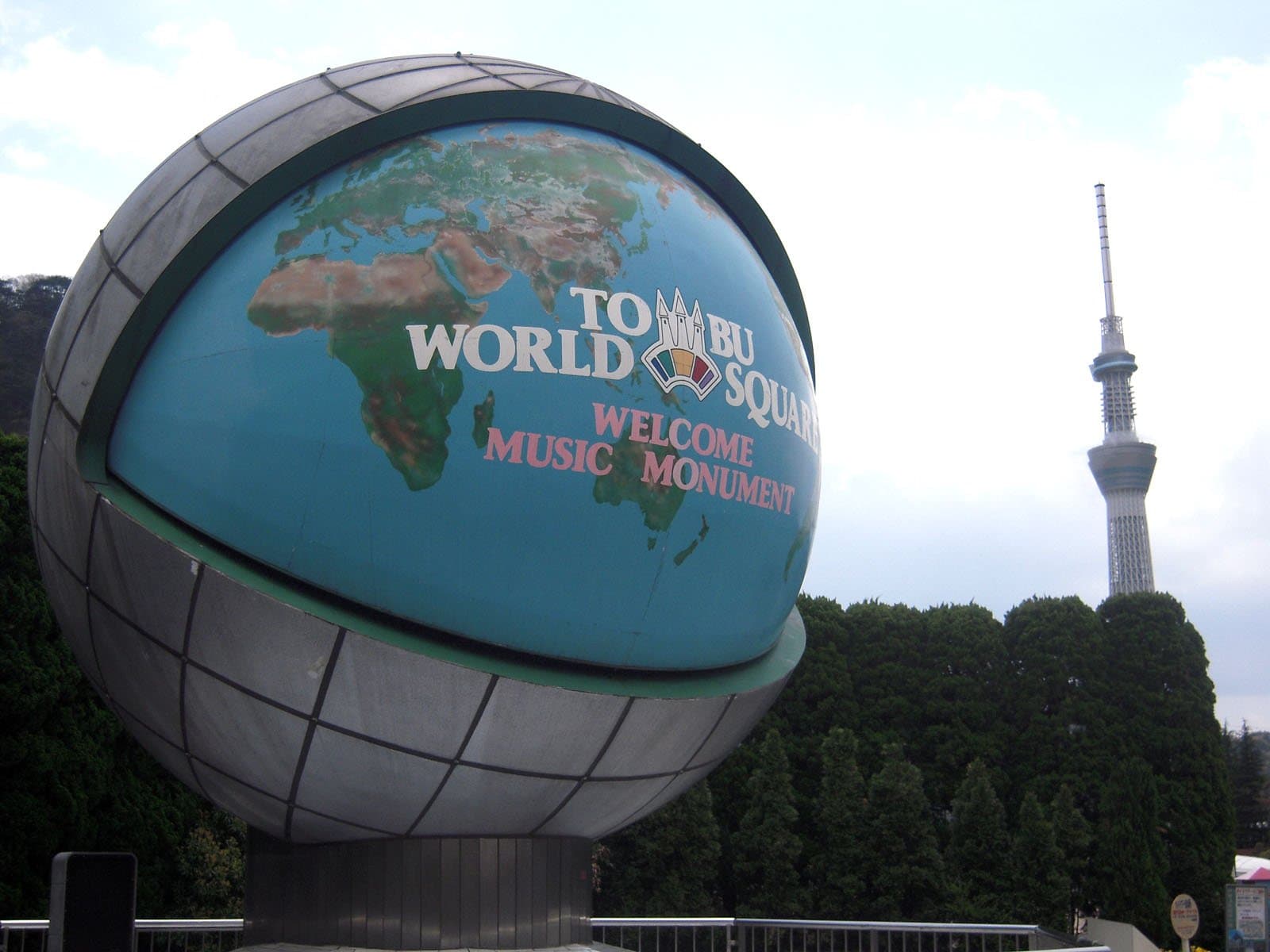 Photo: Jiang Dong-Qin / Wikimedia Commons, Public domainNikko, TochigiTobu World SquareA theme park with over 100 of the world's famous buildings and ruins, from the Sphinx to the Sagrada Familia, reproduced at 1/25 scale.Official check: 25 Sept 2026
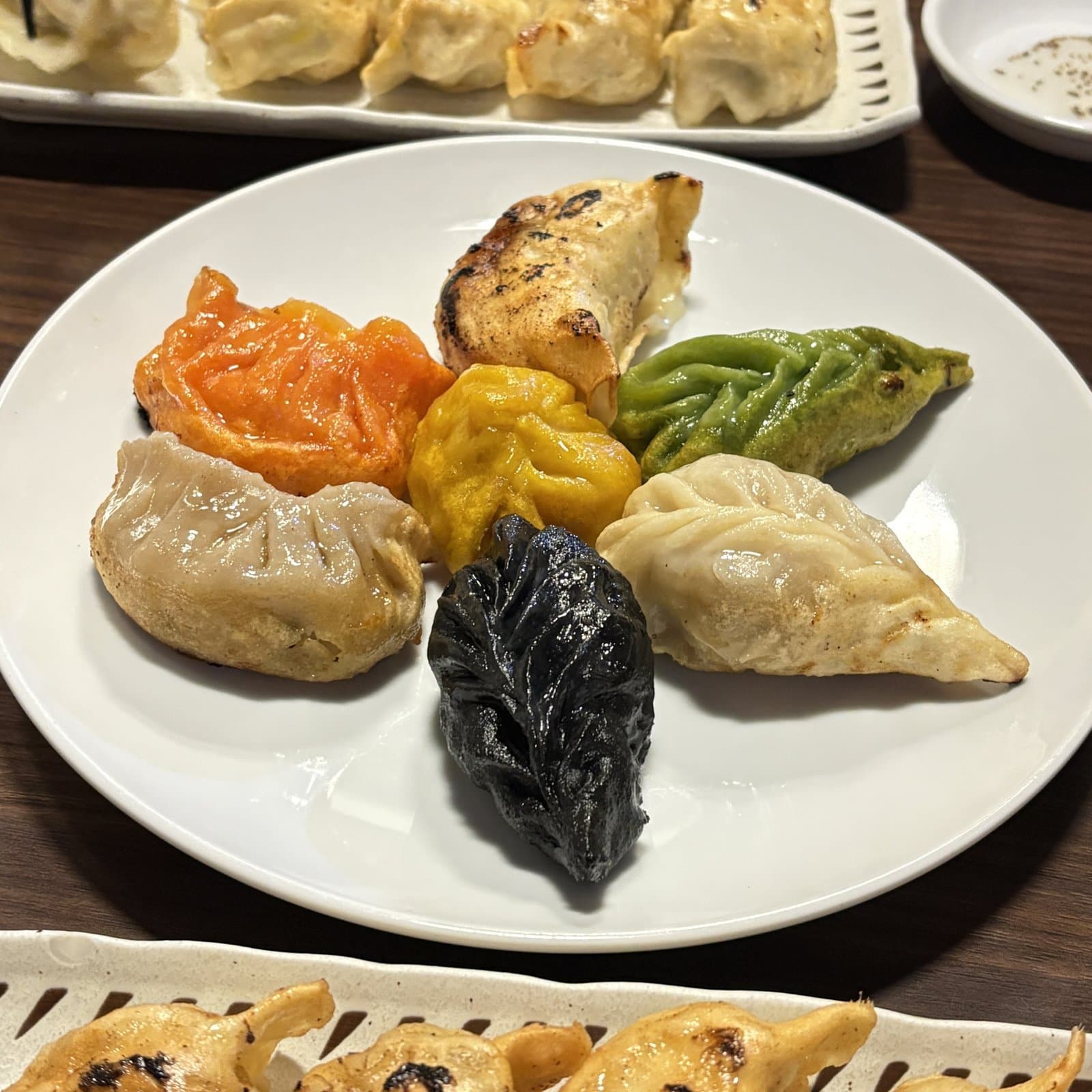 Photo: Photo ACUtsunomiya, TochigiUtsunomiya Gyoza-kan, Banba-doriA gyoza restaurant on Banba-dori in Utsunomiya serving about 15 kinds of dumplings in 0.75 mm wrappers, with filling rested for a day and a night to bring out the flavour.Official check: 25 Sept 2026
 Photo: 663highland / Wikimedia Commons, CC BY-SA 4.0 (resized)Nikko, TochigiYudaki FallsA waterfall 70 m high and 110 m long at the south end of Lake Yunoko, where the lake water flows down the lava wall of the Mitake lava flow that dammed the Yu River to form the lake. A viewing platform near the plunge pool gives a close-up view. It is on the hiking course north from Senjogahara and near the "Yudaki Iriguchi" bus stop. The area is known for azaleas and rhododendrons in spring. With Kegon and Ryuzu falls it is one of the "Three Great Falls of Oku-Nikko".Official check: 28 Sept 2026
- No photo yetNikko, TochigiAshio Copper Mine TourA tour of the inside of the Ashio Copper Mine, with 400 years of history, once called "Japan's greatest mining town". After the mine closed part of it was opened, and a trolley train takes you into a dim 460 m tunnel where life-like figures recreate the hard work of mining in each era. The attached copper museum shows how ore becomes copper. In the Edo period, Ashio copper was used for roof tiles at Nikko Toshogu and Edo Castle and exported to the Netherlands and China, and the Kan'ei Tsuho coins made here, marked "Ashi" on the back, were called "Ashiji-sen".Official check: 28 Sept 2026
- No photo yetNikko, TochigiEdo Wonderland Nikko EdomuraA cultural theme park recreating an Edo-period town, with ninja shows and courtesan processions in four theatres and costume rental so you can dress as an Edo resident.Official check: 25 Sept 2026
- No photo yetTochigi, TochigiKura Warehouse Streets of Tochigi CityTochigi prospered from the Edo period as a post town on the Nikko Reiheishi Kaido and as a wholesale town trading with Edo by river boat, and was called the commercial capital of northern Kanto. Along the Uzuma River and the Kura-no-Machi Odori avenue, heavy black-lacquered shop warehouses and white-walled storehouses remain.Official check: 26 Sept 2026
- No photo yetMashiko, TochigiYokoyama Pottery Workshop, MashikoA pottery workshop in Mashiko where staff help first-timers make pieces on the wheel; a wheel session with 1-2 pieces fired is 4,400 yen.Official check: 25 Sept 2026