
Spots in Ibaraki
Each spot shows when its facts were last checked against official sources.
Select a square pin to open the spot. Zoom with Ctrl/Cmd + scroll, or two fingers on a phone.
Not on the map (location not confirmed on an official source yet): Futatsujima and Isohara Coast, Hananuki Gorge, Hannyain Temple, Izura Misaki Park, Osugi Shrine, Otsu Fishermen's Co-op Market Restaurant
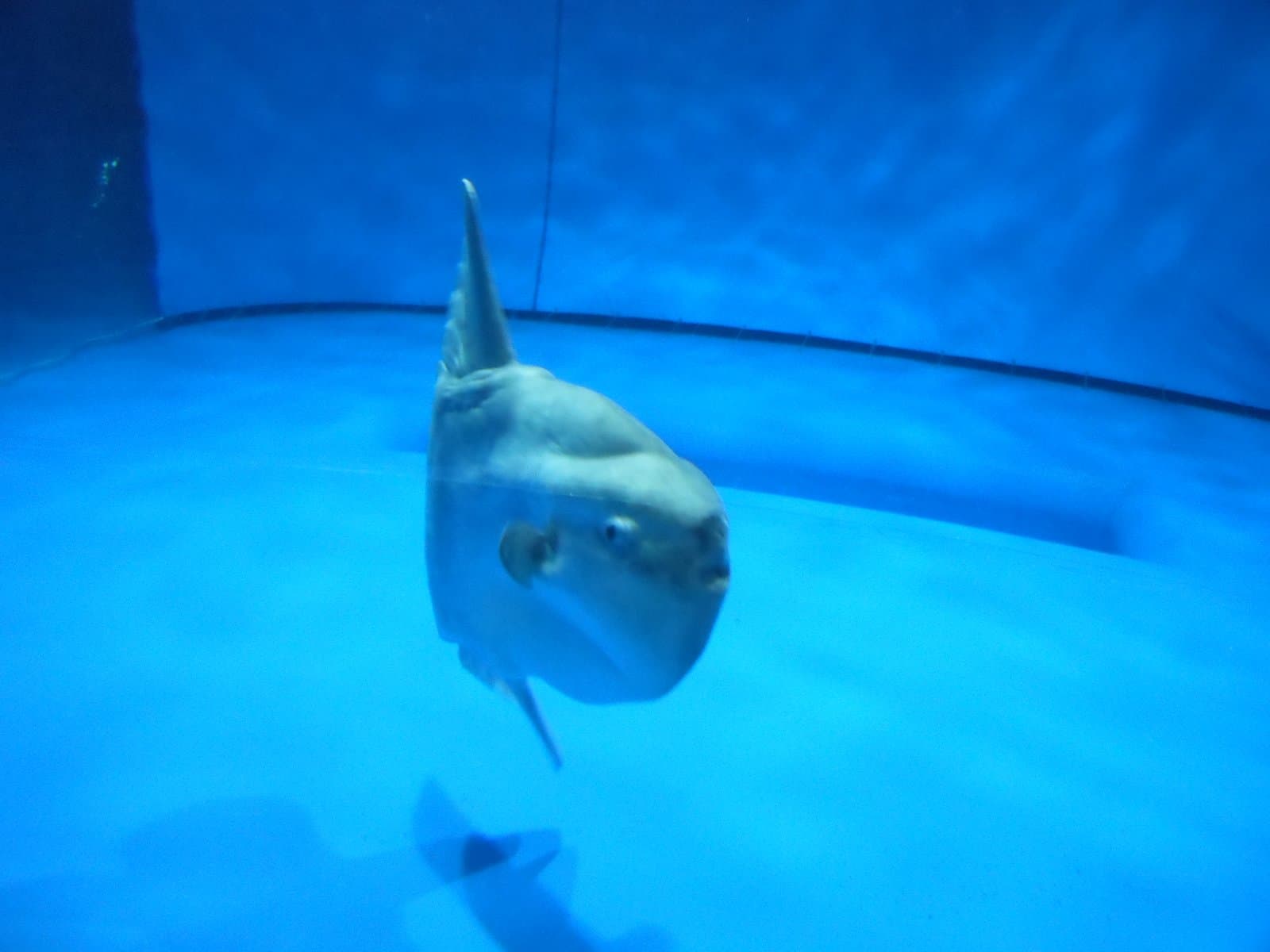 Photo: Miyuki Meinaka / Wikimedia Commons, CC BY-SA 4.0 (resized)Oarai, IbarakiAquaworld Ibaraki Oarai AquariumA large aquarium on the Oarai coast, open all year including New Year, with lifts, braille maps and sign-language support.Official check: 25 Sept 2026
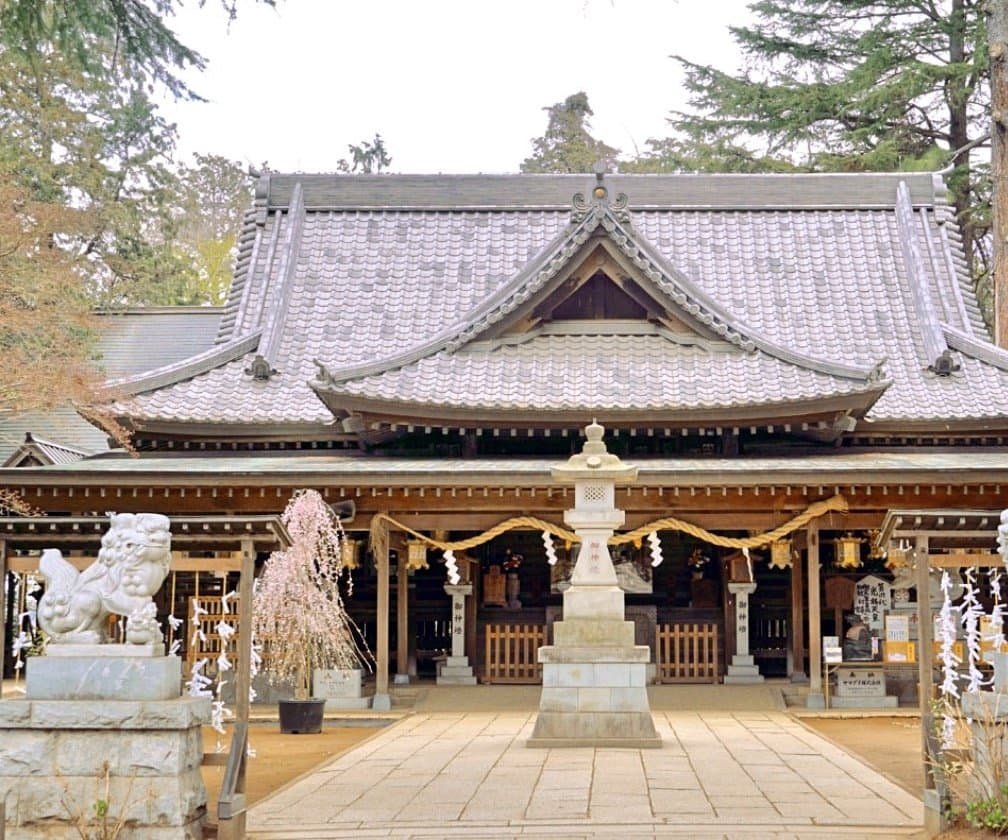 Photo: MChew / Wikimedia Commons, CC BY-SA 4.0 (cropped)Shimotsuma, IbarakiDaiho Hachimangu ShrineSaid to be the oldest Hachiman shrine in Kanto, founded in 701 by inviting the deity of Usa Jingu; Taira no Masakado is said to have prayed here, and it holds a hydrangea festival and horseback archery.Official check: 25 Sept 2026
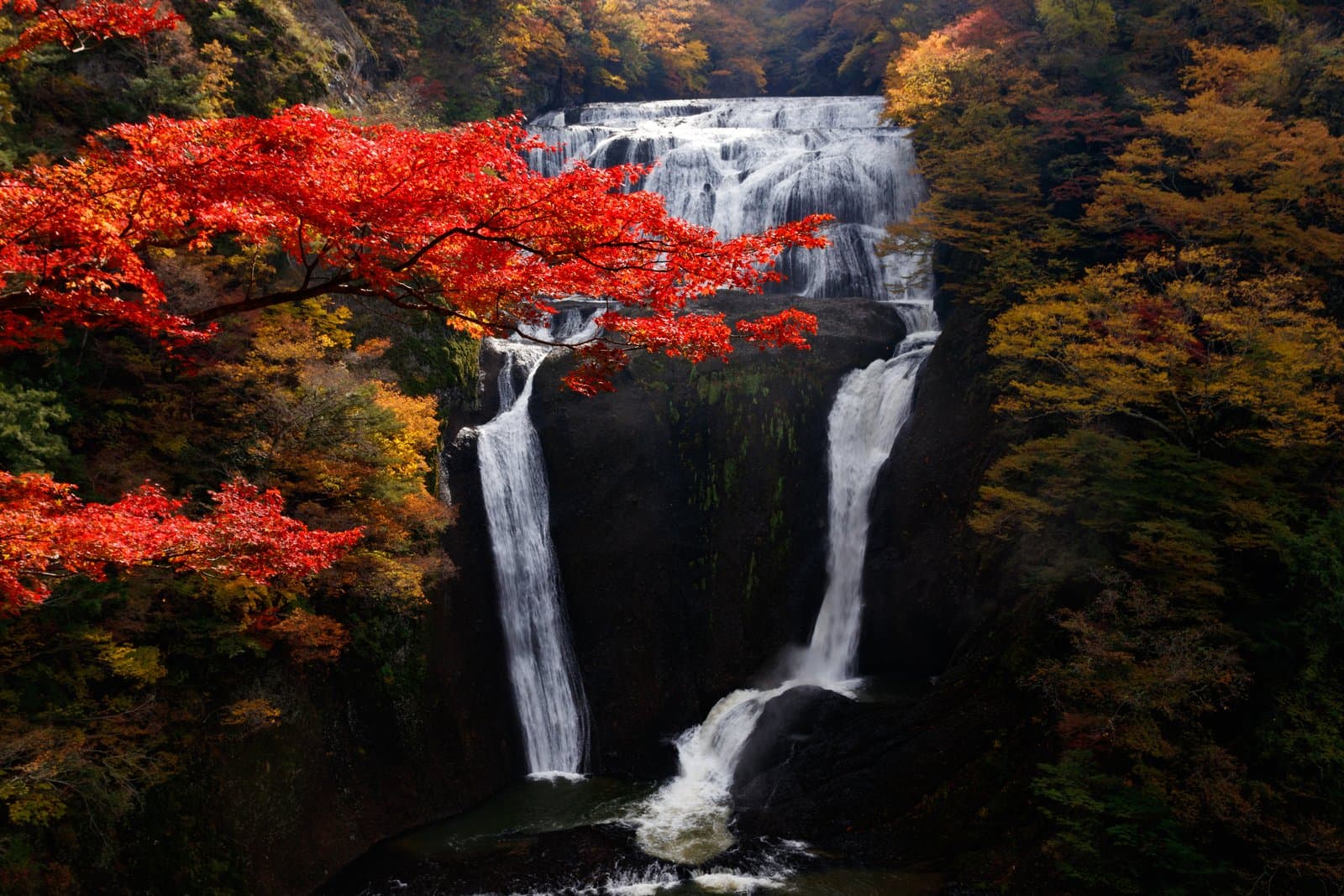 Photo: t.kunikuni / Wikimedia Commons, CC BY-SA 2.0 (resized)Daigo, IbarakiFukuroda FallsOne of Japan's three great waterfalls, 120 m high and 73 m wide, falling in four tiers; it freezes white in severe winters.Official check: 25 Sept 2026
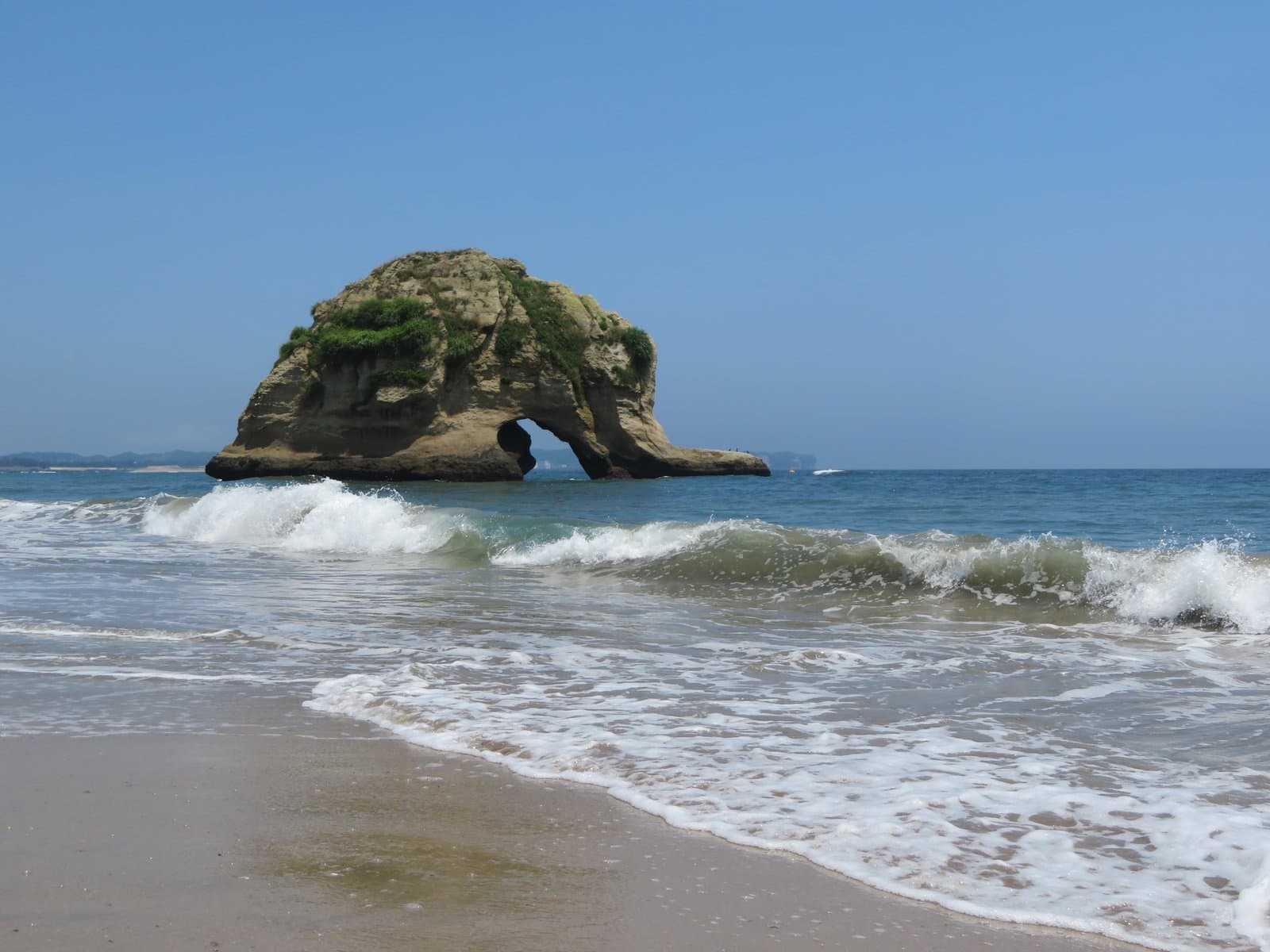 Photo: Photo ACKitaibaraki, IbarakiFutatsujima and Isohara CoastAbout 1.5 km of sandy beach with the two islets of Futatsujima just offshore, the symbol of Isohara; at low tide you can touch the islands, and the seawall path is a popular cycling route along the Pacific.Official check: 25 Sept 2026
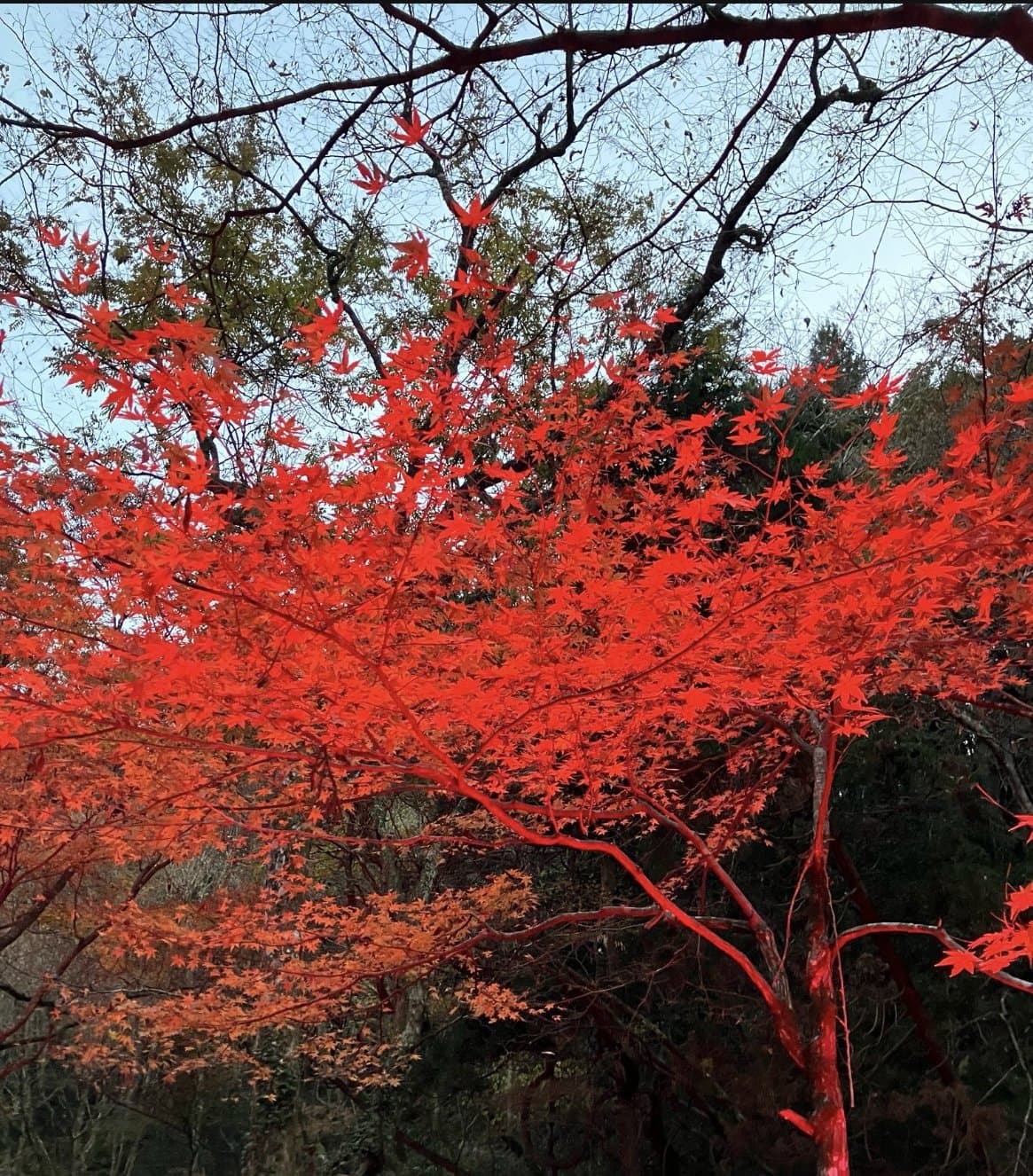 Photo: Photo ACTakahagi, IbarakiHananuki GorgeA valley of autumn leaves along the clear Hananuki River, best seen from the Shiomitaki suspension bridge; leaves usually peak from mid to late November.Official check: 25 Sept 2026
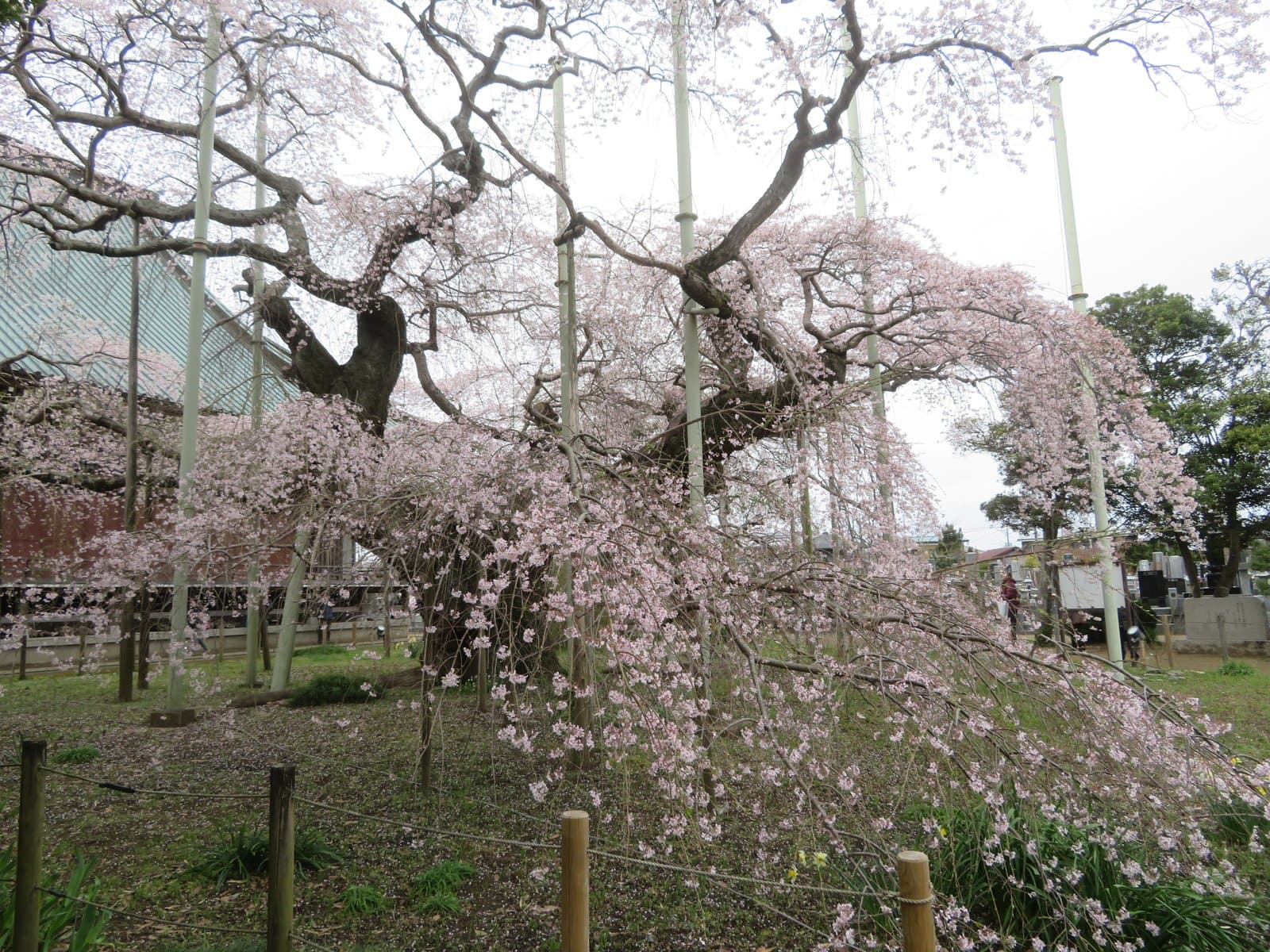 Photo: Photo ACRyugasaki, IbarakiHannyain TempleA Tendai temple said to have been founded in 978 and moved here in 1525; behind the main hall stands a weeping cherry about 400 years old, about 10 m tall, a prefectural Natural Monument lit up at night during the cherry festival.Official check: 25 Sept 2026
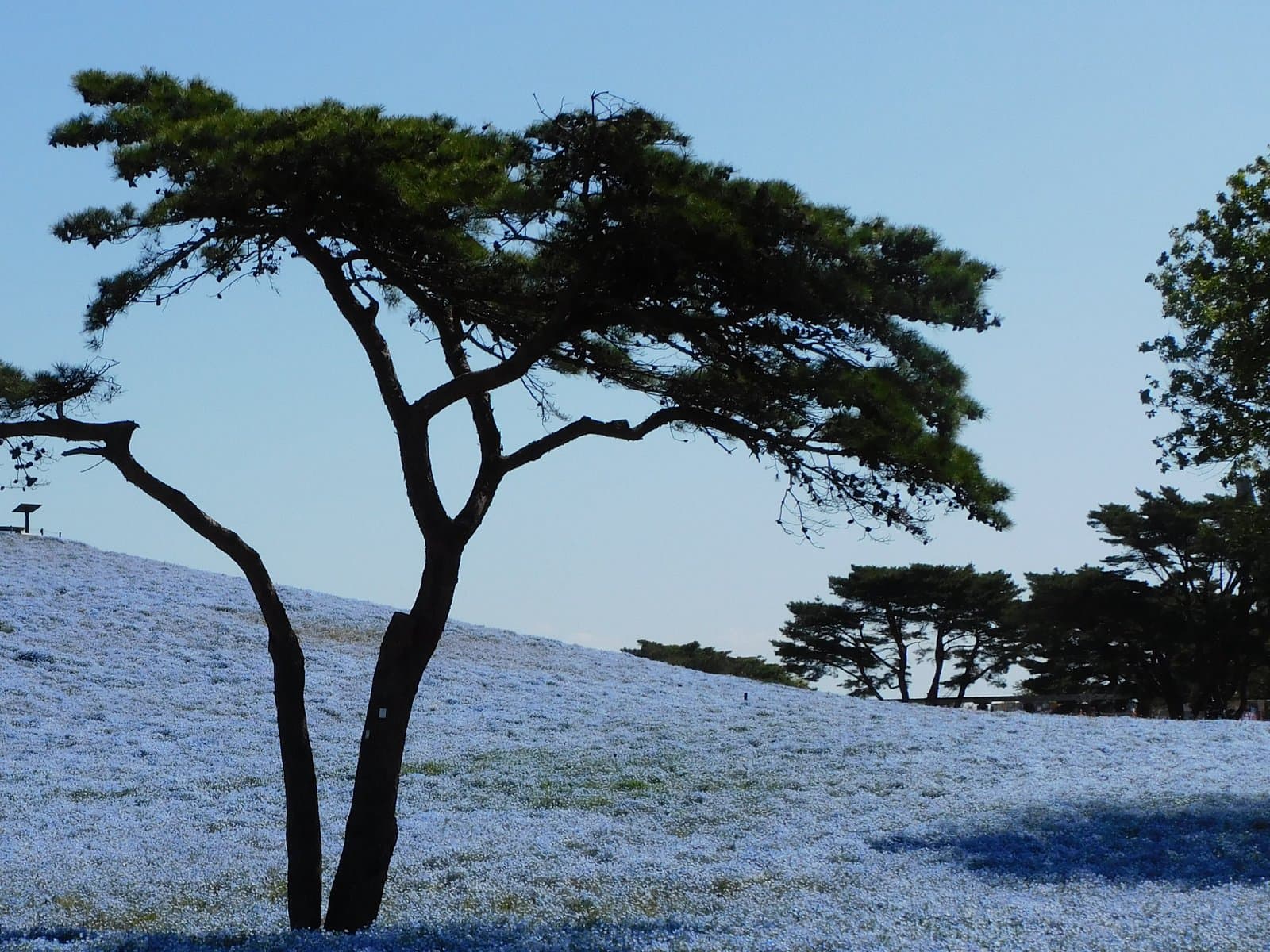 Photo: Miyuki Meinaka / Wikimedia Commons, CC BY-SA 4.0 (cropped and resized)Hitachinaka, IbarakiHitachi Seaside ParkA national government park famous for seasonal flowers, with a car park for 4,350 cars; admission 450 yen, rising to 700 yen in the spring and autumn peak seasons.Official check: 25 Sept 2026
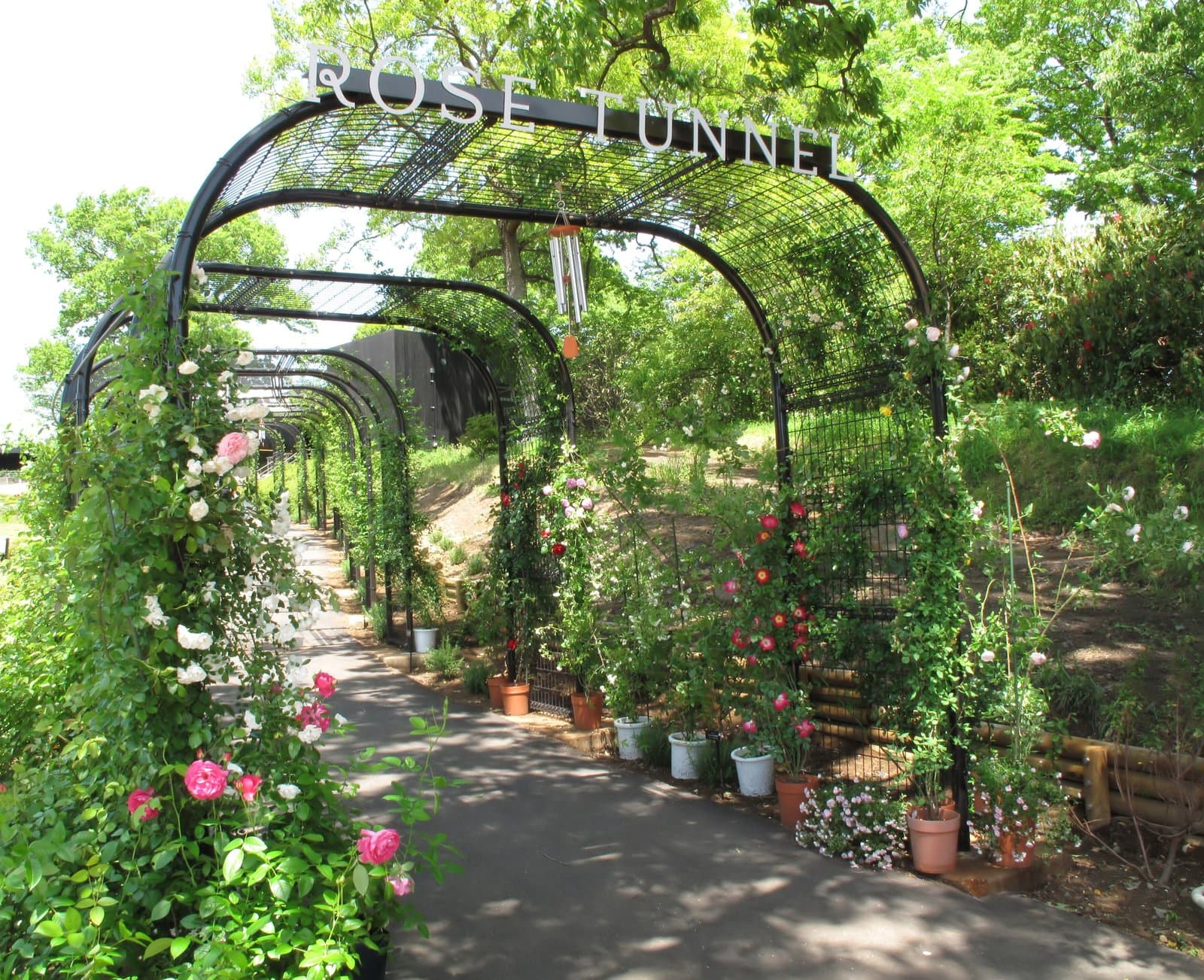 Photo: Strangesnow / Wikimedia Commons, CC BY-SA 4.0 (cropped and resized)Ishioka, IbarakiIbaraki Flower ParkA flower park at the foot of Mt. Tsukuba, reopened in 2021, where you can meet 900 varieties of roses on terraces and in a rose tunnel.Official check: 25 Sept 2026
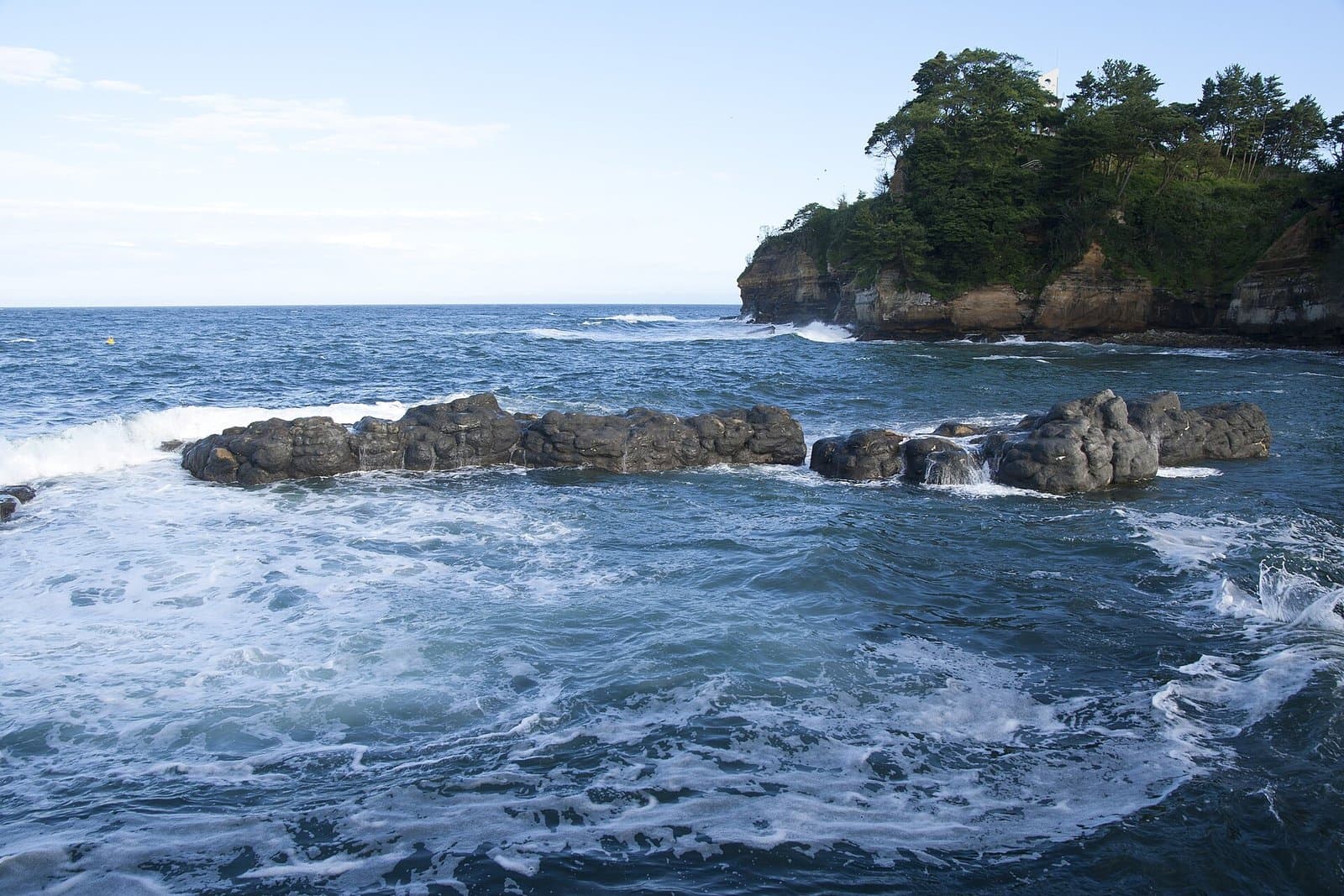 Photo: Σ64 / Wikimedia Commons, CC BY 3.0 (resized)Kitaibaraki, IbarakiIzura Misaki ParkA clifftop park overlooking Izura, five coves carved by Pacific waves with 50 m cliffs, one of Japan's 100 best beaches; it gives a bird's-eye view of the Rokkakudo where Okakura Tenshin meditated.Official check: 25 Sept 2026
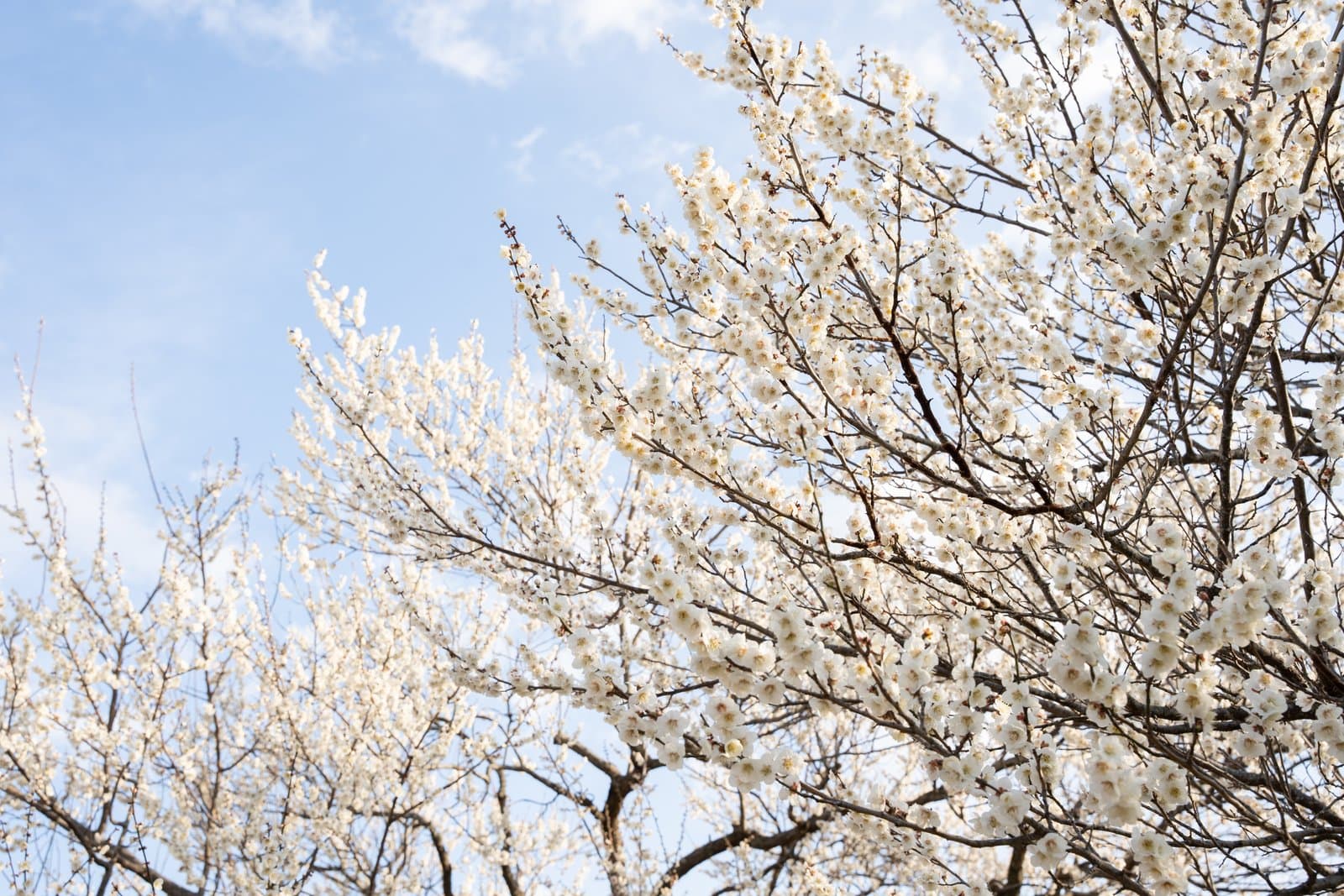 Photo: Raita Futo / Wikimedia Commons, CC BY 2.0 (resized)Mito, IbarakiKairakuen GardenOne of Japan's three great gardens, opened in 1842 by the Mito lord Tokugawa Nariaki for his people, with about 3,000 plum trees of 100 varieties that bloom from mid-February.Official check: 25 Sept 2026
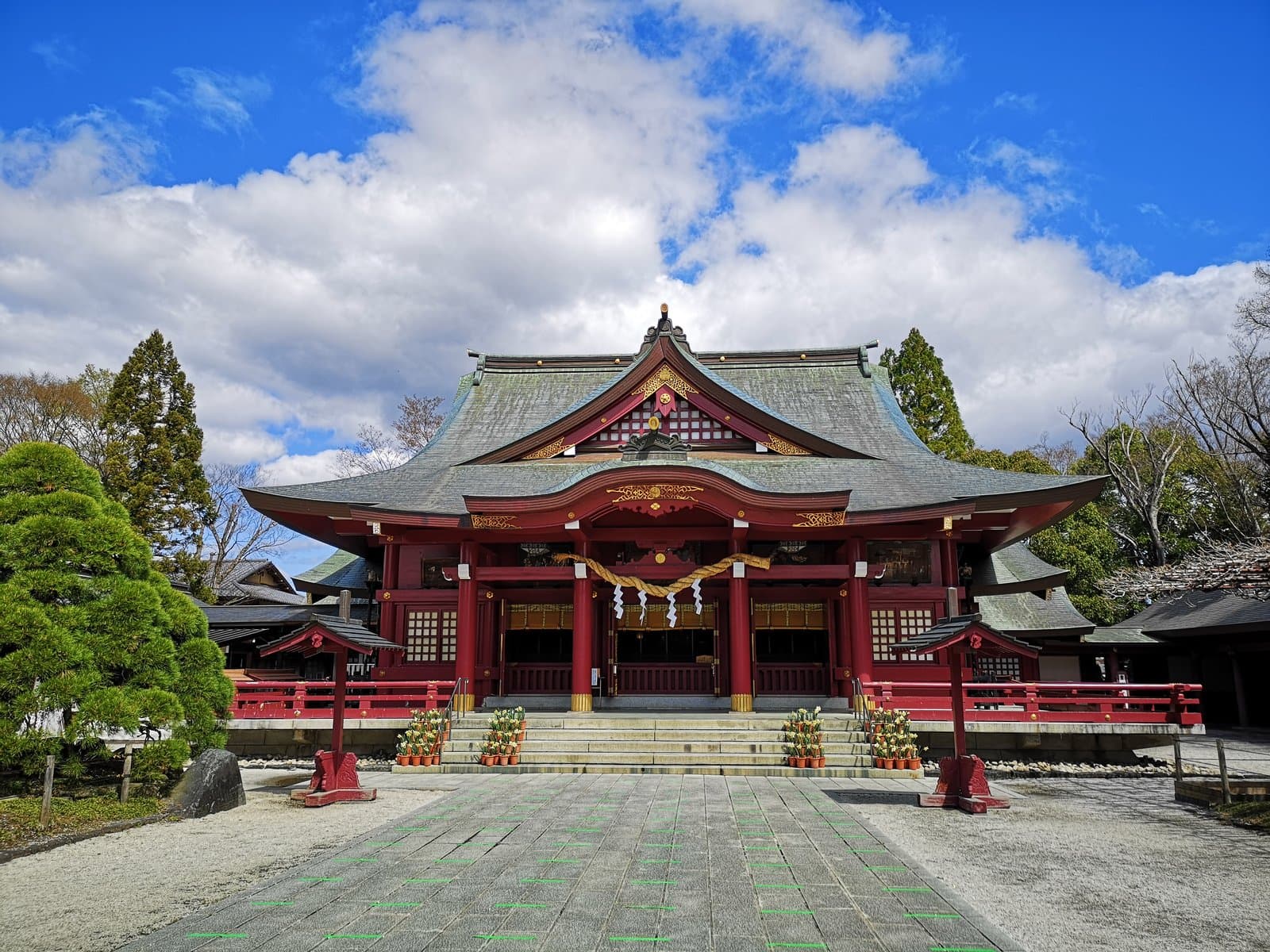 Photo: Photo ACKasama, IbarakiKasama Inari ShrineOne of Japan's three great Inari shrines, founded in 651 and visited by 3.5 million people a year; two wisteria trees, one a prefectural Natural Monument, bloom in early May.Official check: 25 Sept 2026
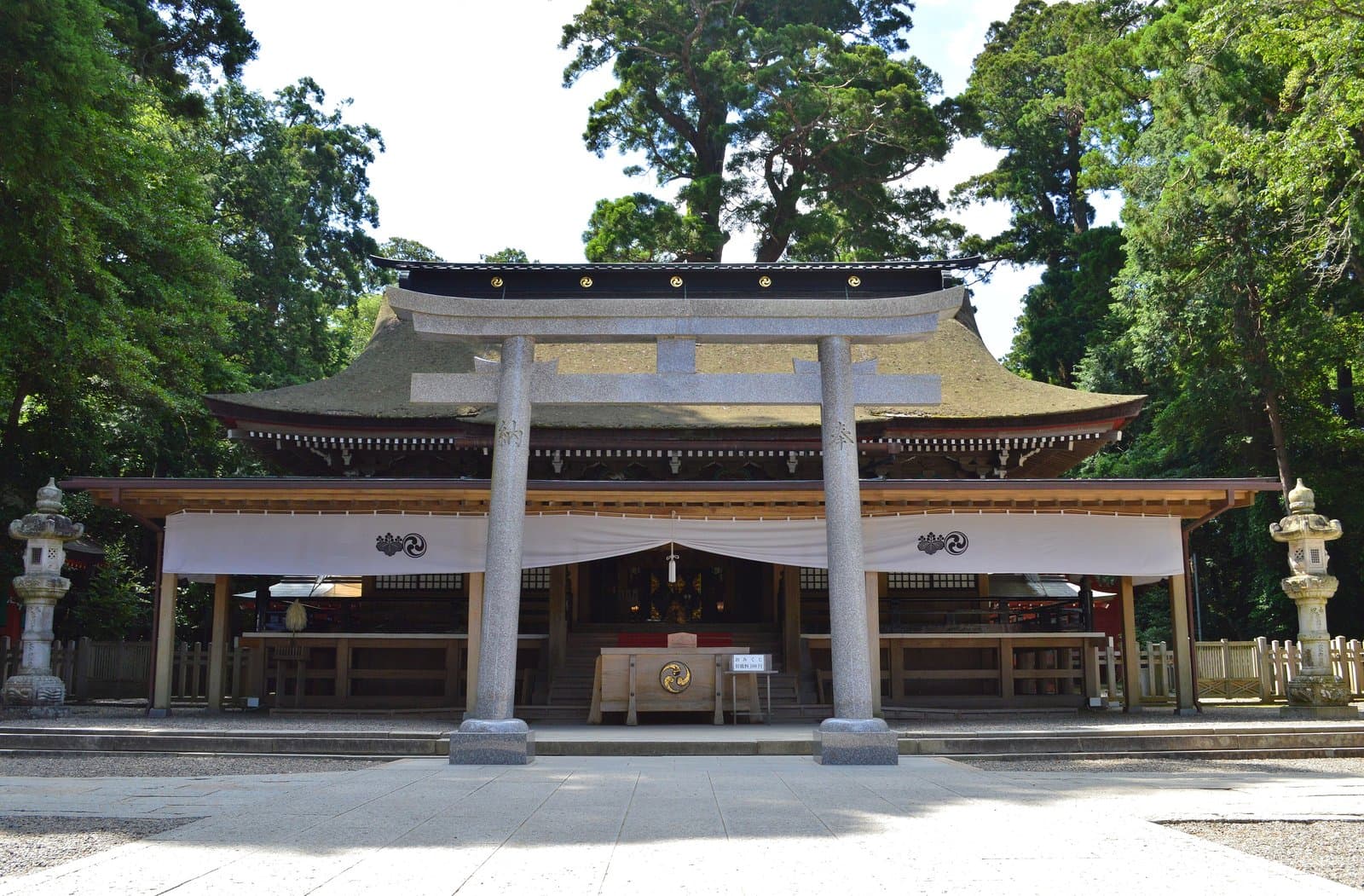 Photo: Saigen Jiro / Wikimedia Commons, CC0 1.0 (resized)Kashima, IbarakiKashima Jingu ShrineThe head shrine of about 600 Kashima shrines across Japan, said to date back to 660 BC and one of only three shrines long called "Jingu", enshrining the warrior god Takemikazuchi.Official check: 25 Sept 2026
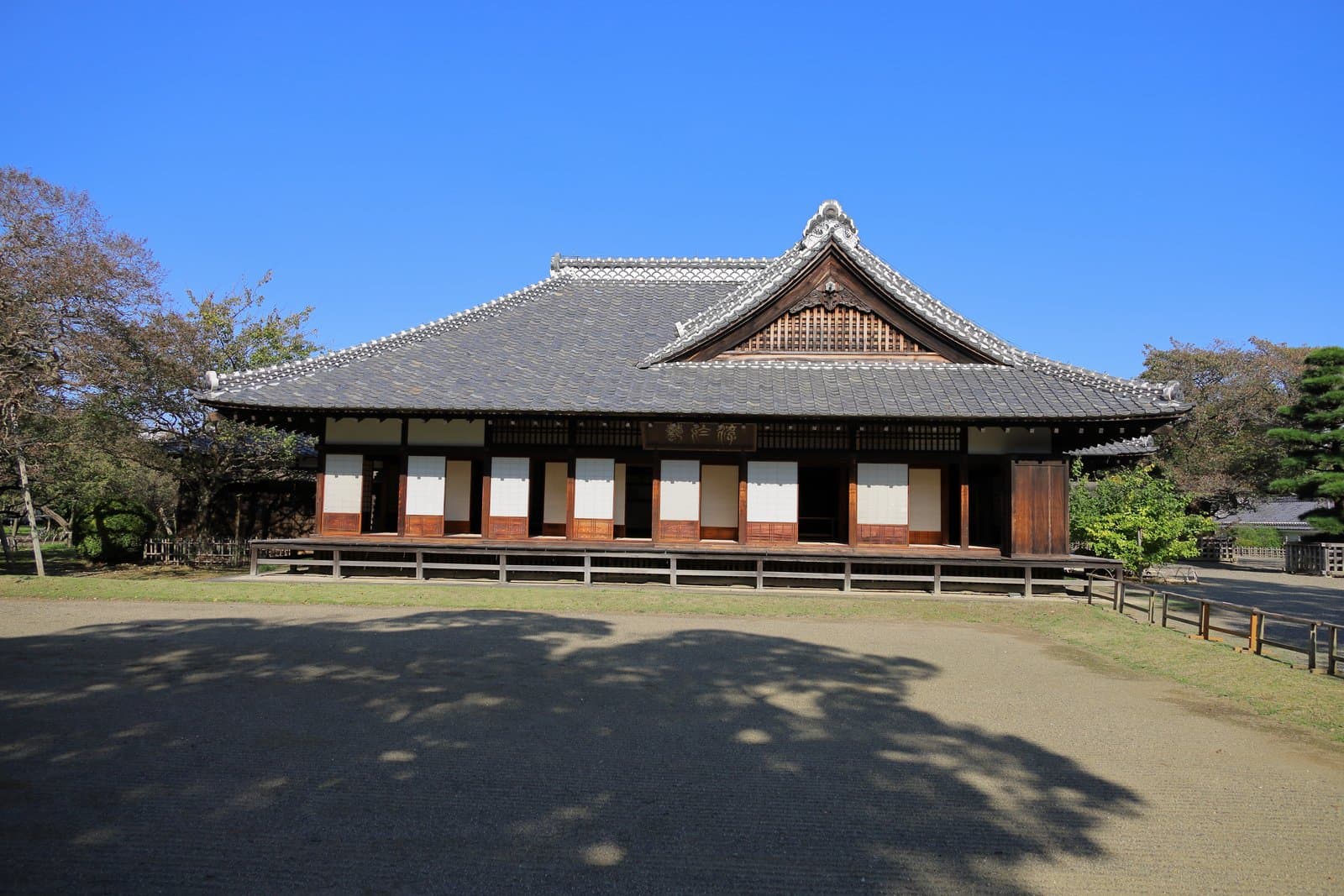 Photo: Photo ACMito, IbarakiKodokan, Mito Domain SchoolJapan's largest domain school, founded in 1841 by the Mito lord Tokugawa Nariaki, where the last shogun Yoshinobu studied as a boy; a Japan Heritage site paired with Kairakuen.Official check: 25 Sept 2026
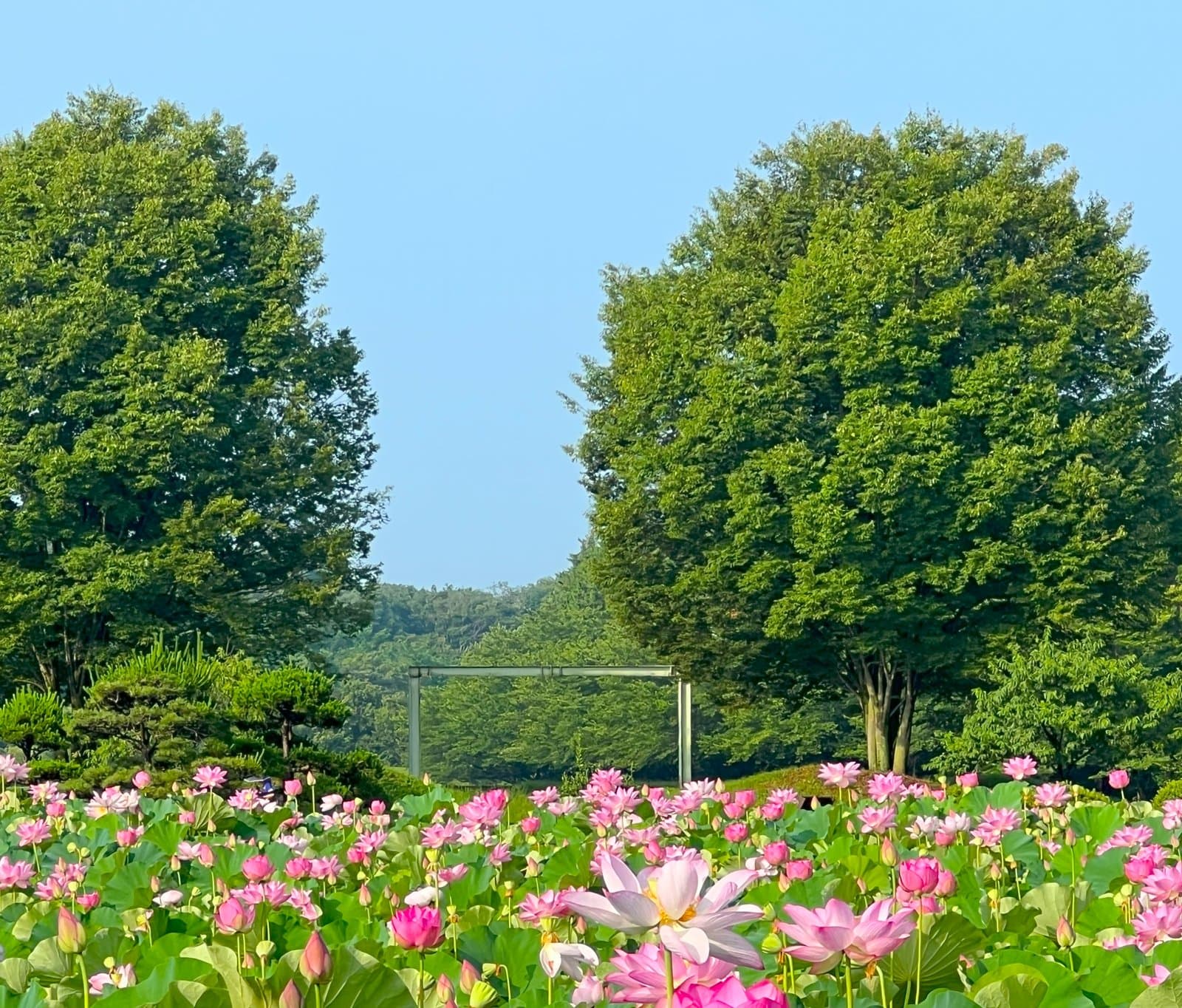 Photo: Photo ACKoga, IbarakiKoga Kubo Park (Koga Sogo Park)A 250,000 m² park with a large marsh and lotus ponds on the site of the Koga Kubo residence; about 1,500 peach trees bloom from late March, and ancient Oga lotuses in June and July. The first in Japan to win the Melina Mercouri International Prize (2003).Official check: 25 Sept 2026
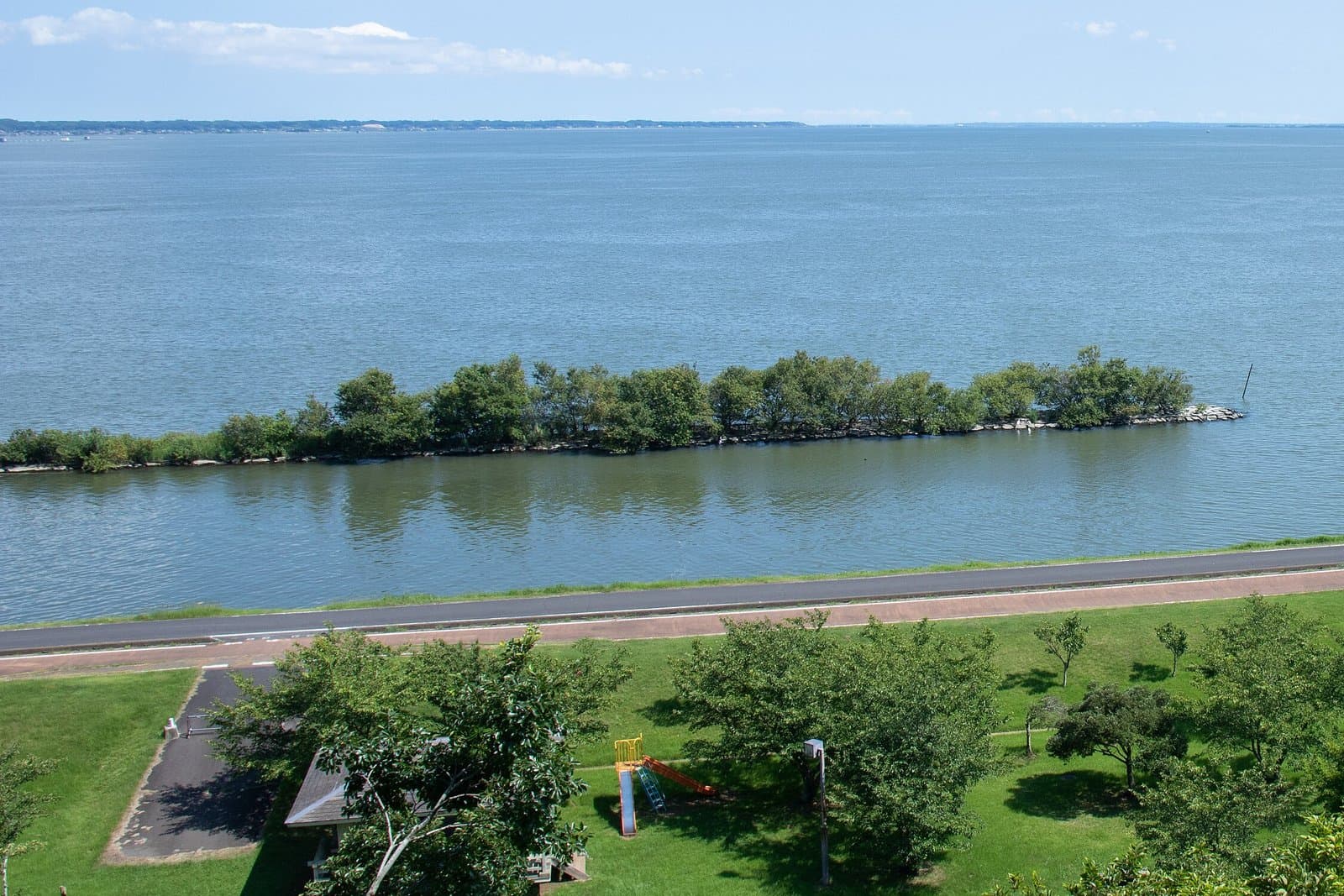 Photo: Σ64 / Wikimedia Commons, CC BY 4.0 (cropped and resized)Tsuchiura, IbarakiLake Kasumigaura Sightseeing Boat (Lacus Marina)A 30-minute cruise on Lake Kasumigaura, Japan's second-largest lake, on an 86-seat boat with views of Mt. Tsukuba and, on clear days, Mt. Fuji; from October to April seagulls follow the boat.Official check: 25 Sept 2026
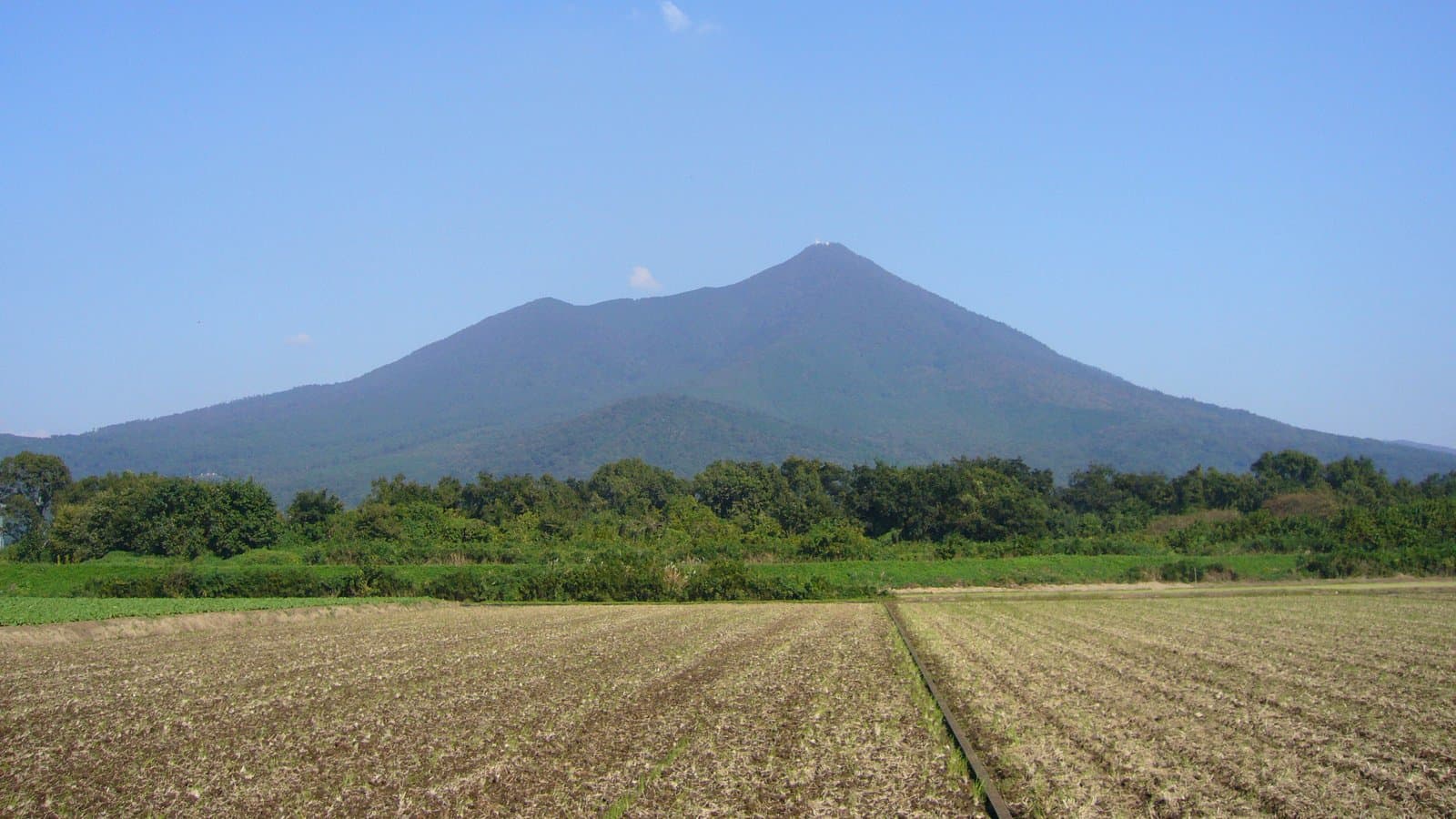 Photo: RESPITE / Wikimedia Commons, Public domain (resized)Tsukuba, IbarakiMt. TsukubaThe 877 m "purple peak" rising from the Kanto plain, with twin summits reached easily by cable car and ropeway; long a mountain of worship.Official check: 25 Sept 2026
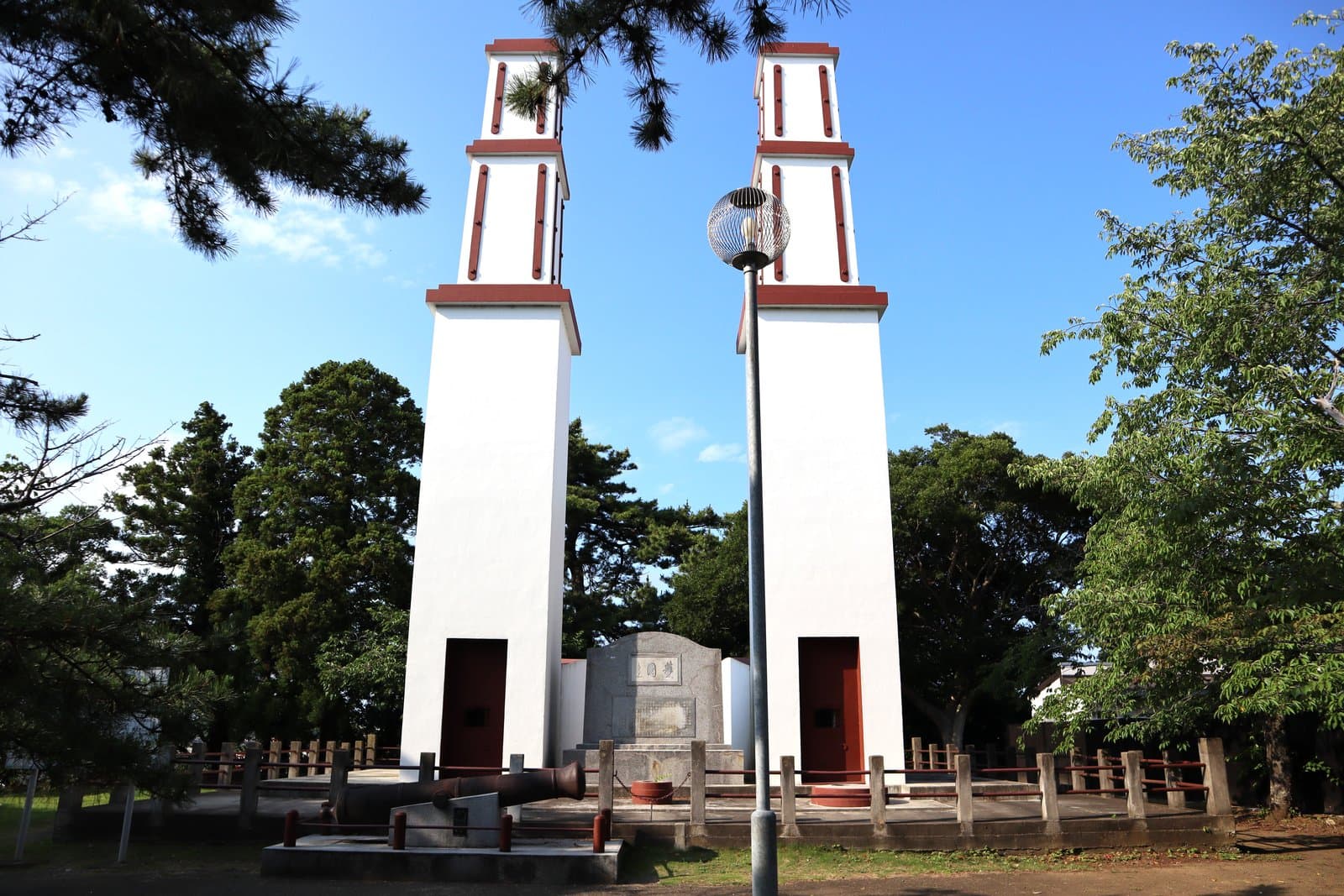 Photo: Photo ACHitachinaka, IbarakiNakaminato Reverberatory Furnace (Restored)A restored furnace built by Tokugawa Nariaki, lord of Mito, in the late Edo period to cast Western-style cannons against foreign ships; a prefectural historic site and a Heritage of Industrial Modernization.Official check: 25 Sept 2026
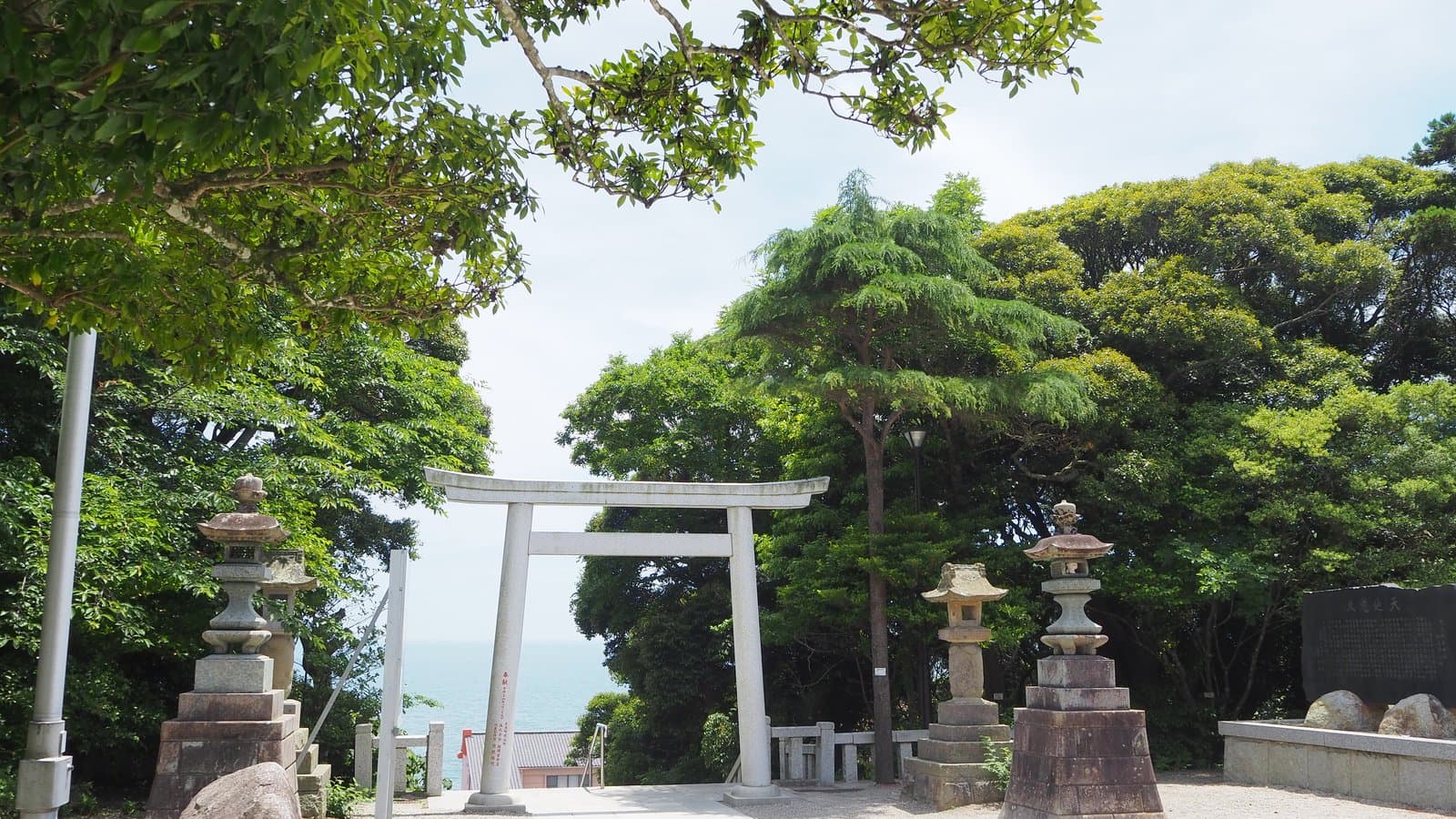 Photo: Photo ACOarai, IbarakiOarai Isosaki ShrineA shrine in Oarai, 5 minutes by taxi from Oarai Station on the Kashima Rinkai Railway.Official check: 25 Sept 2026
 Photo: katorisi / Wikimedia Commons, CC BY 2.5Inashiki, IbarakiOsugi ShrineCalled "Anba-sama", its lavish group of shrine buildings is said to be the "Nikko Toshogu of Ibaraki". The "Anba-bayashi" music, once called the "devil-dispelling music", spread across the Kanto region and is a nationally selected cultural property. The precinct shrine "Kachiuma Jinja" was long called "Barekisha" and protected horses; until the early Showa era horse races were held in the grounds every April 8, and with the JRA Miho Training Center nearby it draws many racing people and fans.Official check: 27 Sept 2026
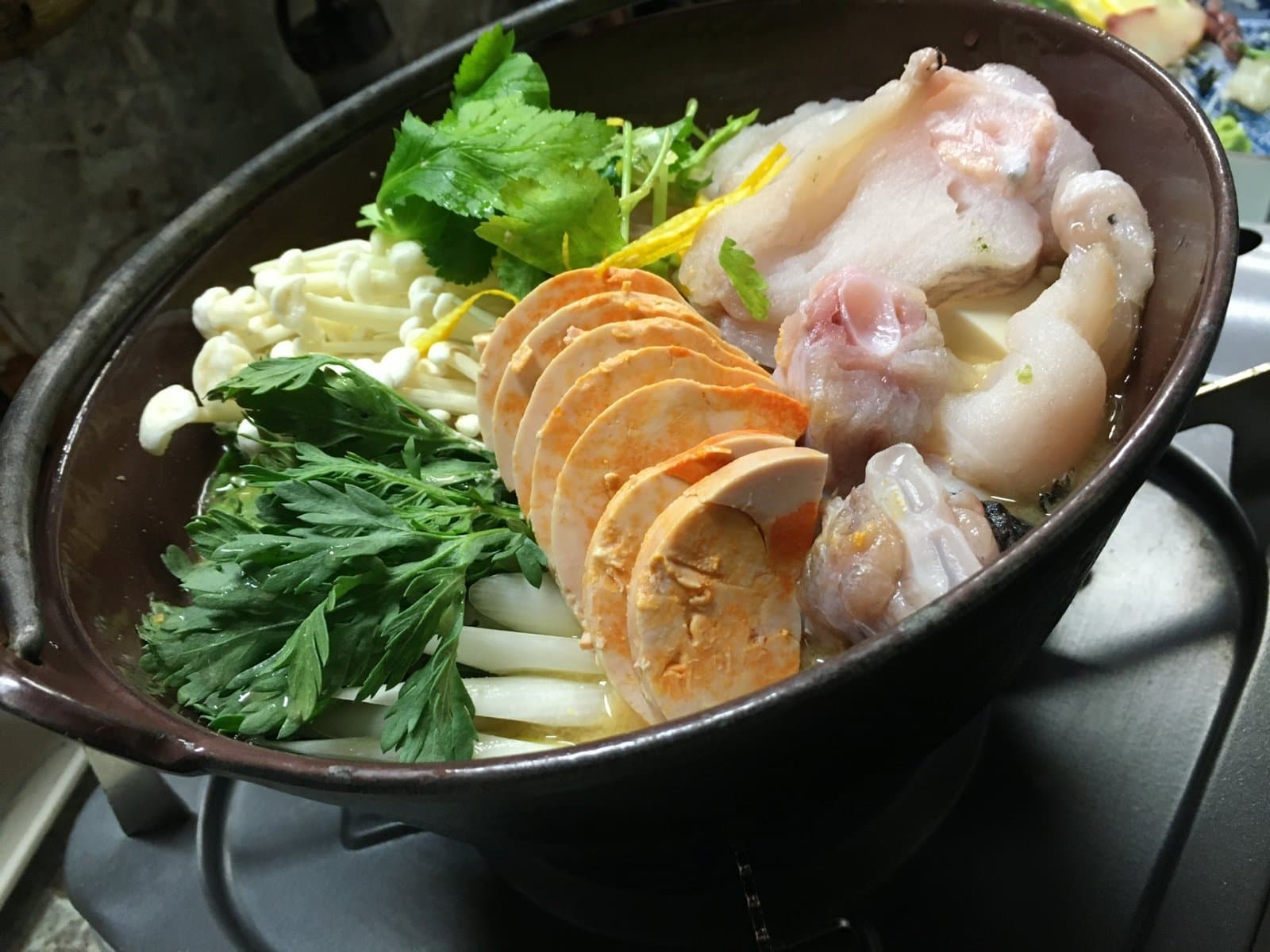 Photo: Photo ACKitaibaraki, IbarakiOtsu Fishermen's Co-op Market RestaurantA harbour restaurant run by fishermen's wives near Otsu Port, serving thick-cut sashimi, seafood bowls and, in season, anglerfish hotpot.Official check: 25 Sept 2026
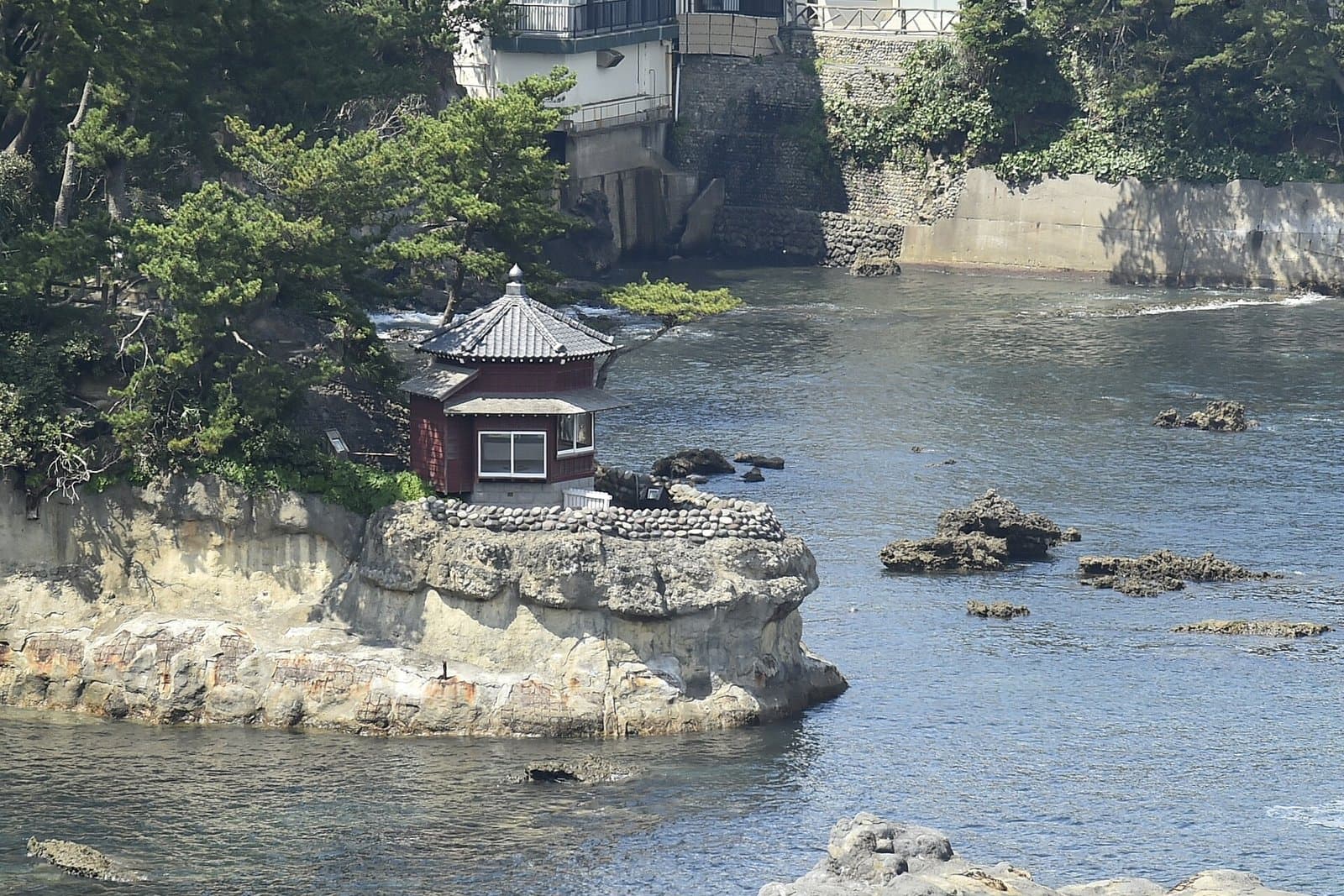 Photo: 小石川人晃 / Wikimedia Commons, CC BY-SA 4.0 (resized)Kitaibaraki, IbarakiRokkakudo, Izura (Okakura Tenshin)The hexagonal hall Okakura Tenshin built at Izura around 1905; in 1906 he moved the Japan Art Institute here, and painters such as Yokoyama Taikan and Hishida Shunso lived and worked nearby.Official check: 25 Sept 2026
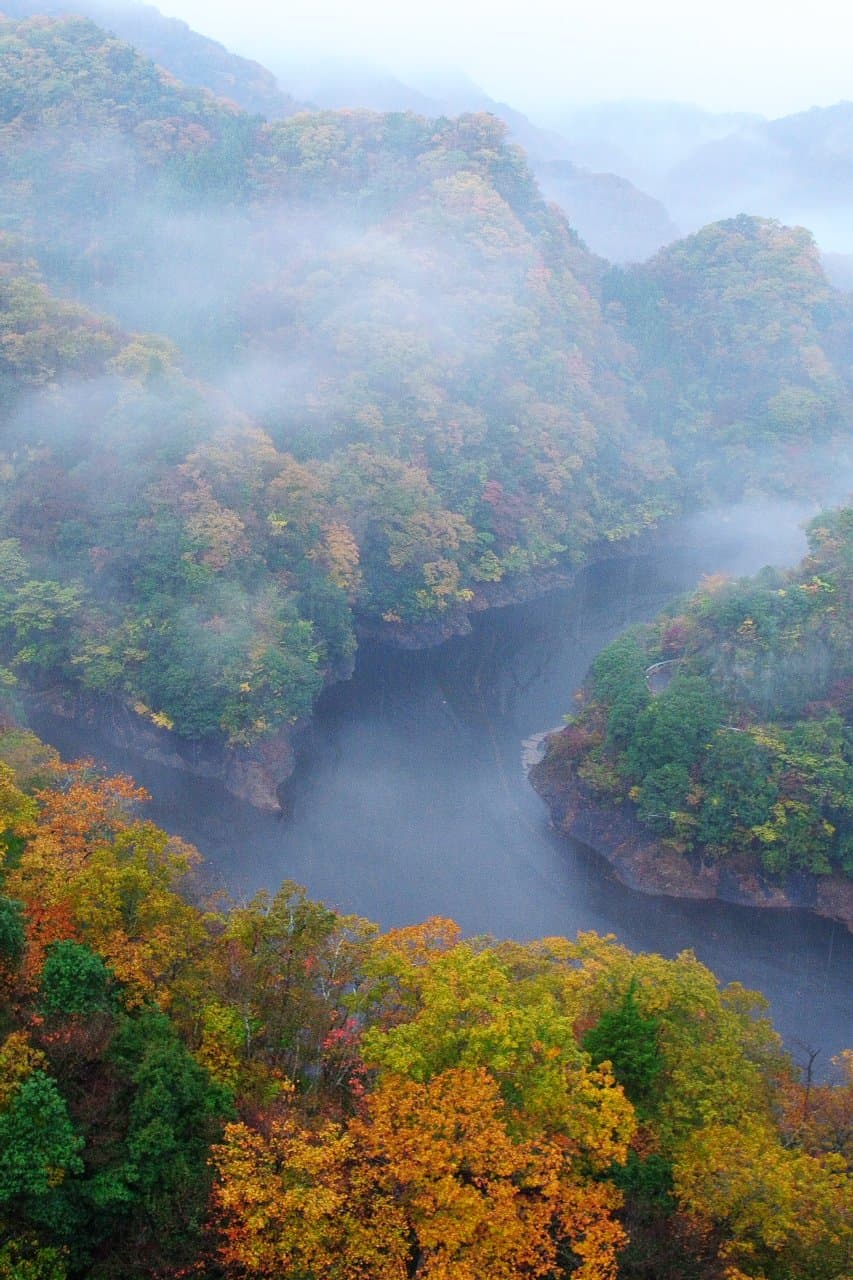 Photo: Yamaguchi Yoshiaki / Wikimedia Commons, CC BY-SA 2.0Hitachiota, IbarakiRyujin Suspension BridgeA 375 m pedestrian suspension bridge, one of Japan's longest, 100 m above the Ryujin dam lake in a V-shaped gorge; in May about 1,000 carp streamers fly over the valley.Official check: 25 Sept 2026
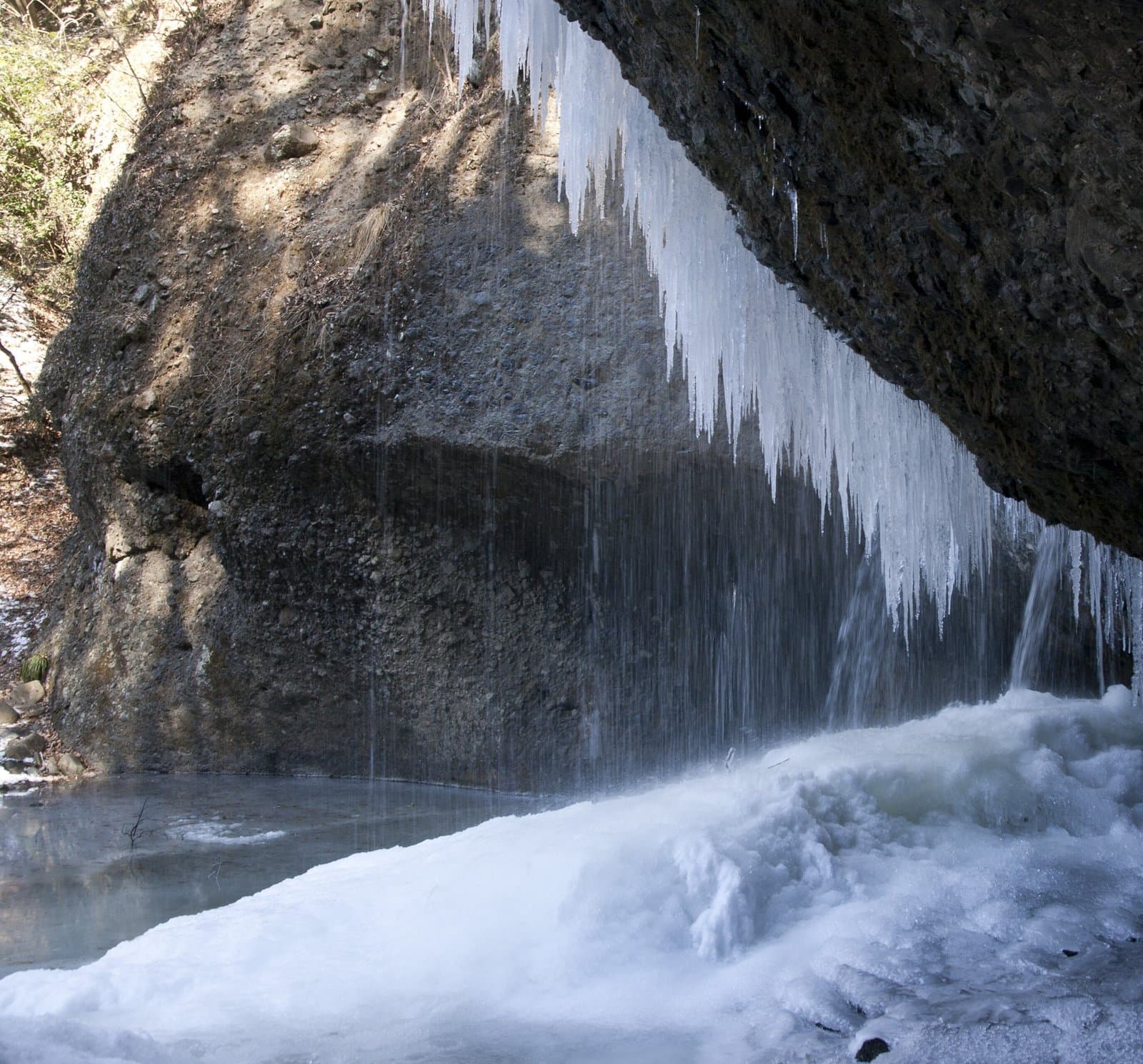 Photo: Σ64 / Wikimedia Commons, CC BY 3.0 (cropped and resized)Daigo, IbarakiTsukimachi Falls Momijien (Soba)A soba restaurant near Tsukimachi Falls using Hitachi Aki soba buckwheat from Okukuji, stone-milled with a water wheel and made with natural groundwater.Official check: 25 Sept 2026
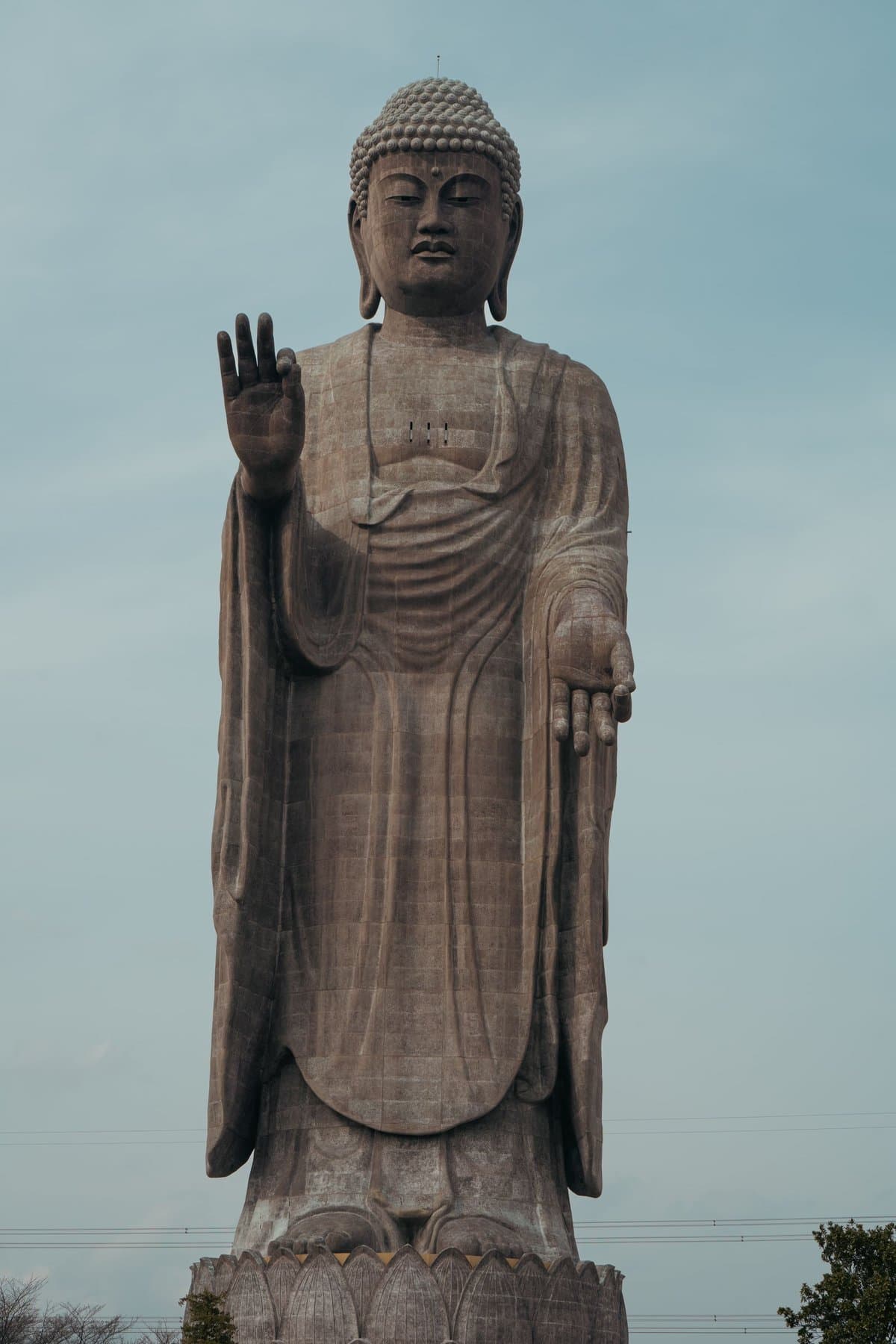 Photo: Iban Lopez Luna / Pexels (resized)Ushiku, IbarakiUshiku DaibutsuA 120 m bronze Buddha, listed by Guinness World Records as the world's largest bronze standing statue, with a garden, petting zoo and flower fields around it.Official check: 25 Sept 2026
 Photo: Motokoka / Wikimedia Commons, CC BY-SA 4.0 (resized)Ami, IbarakiYokaren Peace Memorial Museum"Yokaren", formally the Naval Preparatory Flight Training Programme, trained aircrew who formed the core of the former Imperial Japanese Navy. It selected boys of about 14 and a half to 17 by examination; in the 15 years to the end of the war about 240,000 joined, about 24,000 went to the front after flight training, and about 19,000, 80 percent, were killed. Ami, closely tied to the navy since the Taisho era, had the Tsuchiura Naval Air Group, the centre of Yokaren training, and the museum stands next to its site. Through the boys called "Yokaren" it invites visitors to reflect on war and peace.Official check: 27 Sept 2026
- No photo yetHitachinaka, IbarakiHitachinaka Onsen Kirari BetteiA day-use hot-spring facility with a natural open-air bath overlooking fields and the Mito skyline, a high-concentration carbonated bath, bedrock sauna, restaurant and spa; primary-school children and up only.Official check: 25 Sept 2026
- No photo yetTsukuba, IbarakiJAXA Tsukuba Space CenterJapan's space development base since 1972, where satellites and rockets are developed and tested, the Kibo module of the ISS is operated and astronauts are trained; the exhibition hall is free and guided tours can be booked.Official check: 25 Sept 2026
- No photo yetHitachinaka, IbarakiNakaminato Fish MarketA row of fish shops and seafood processors at Nakaminato port selling the local catch at low prices, with conveyor-belt sushi and restaurants on site; queues often form.Official check: 25 Sept 2026
- No photo yetKasama, IbarakiShunpu Banri-soThe thatched farmhouse where Kitaoji Rosanjin lived, moved from Kita-Kamakura to Kasama and open to visitors, with a large garden; about 20 minutes on foot from Kasama Station.Official check: 25 Sept 2026
- No photo yetKasama, IbarakiSudo Honke Sake BreweryA sake brewery founded in 1141 and now run by the 55th generation, described on the page as Japan's oldest; about 600 trees grow on the grounds, where cutting trees is forbidden.Official check: 25 Sept 2026
- No photo yetOmitama, IbarakiTakano Foods Natto MuseumA free museum next to the factory of Takano Foods, maker of Okame natto, covering how natto was born, its history and legends, and soy foods around the world.Official check: 25 Sept 2026
- No photo yetNaka, IbarakiTHE BOTANICAL RESORT RINNEThe Ibaraki Prefectural Botanical Garden in Naka reopened on November 29, 2025 as "THE BOTANICAL RESORT RINNE", which calls itself Japan's first "botanical garden you can stay in". It has glamping and cottages (45 units) in the greenery, a tropical plant house with about 23,000 plants of about 240 species in four zones and a "Vanilla Dome Cafe" with more than 50 vanilla trees, restaurants using Ibaraki produce, a hot-spring and sauna facility, and forest activities such as a tree adventure and a 150 m zip line.Official check: 27 Sept 2026
- No photo yetChikusei, IbarakiThe Hirosawa City "Yumenoba"A theme park in Chikusei with vehicles of land, sea, air and space on a vast 56,000 m2 site (about 1.2 Tokyo Domes). Its museum has impressive exhibits for all ages, such as classic cars, aircraft and rockets, and as it is indoors you can enjoy it all day even when it rains. Since August 2025 the Space Hall has shown items related to "Kibo", the Japanese module of the International Space Station, transferred from JAXA, including an external pallet that actually went to the station and came back on the Space Shuttle.Official check: 27 Sept 2026
- No photo yetTsukuba, IbarakiTsukuba Wanwan LandAt the foot of Mt. Tsukuba, a theme park where 1,000 dogs and cats of 90 breeds live. Its symbol is "Mokkun", an 11 m wooden dog. The petting areas are divided into small breeds such as toy poodles, Pomeranians and pugs and large breeds such as Great Pyrenees, Akita and borzoi, where you can mingle freely with friendly dogs; you can also rent a dog for a walk in the park (1,000 yen for 20 minutes). There are dog race and performance shows, and cat lovers can relax with the cats in the "Neko House" (cat treats 200 yen).Official check: 27 Sept 2026
- No photo yetYuki, IbarakiYuki City Traditional Crafts HallA free hall where you can watch and try weaving honba Yuki-tsumugi silk on the loom, and see a video of how it is made.Official check: 25 Sept 2026