
Travel Etiquette · Published 2026-09-29 · Updated 2026-09-29
Facts last checked 2026-09-29 · Next review 2027-03-01
Photo and drone rules at Japanese sights: what 581 official etiquette notes told us
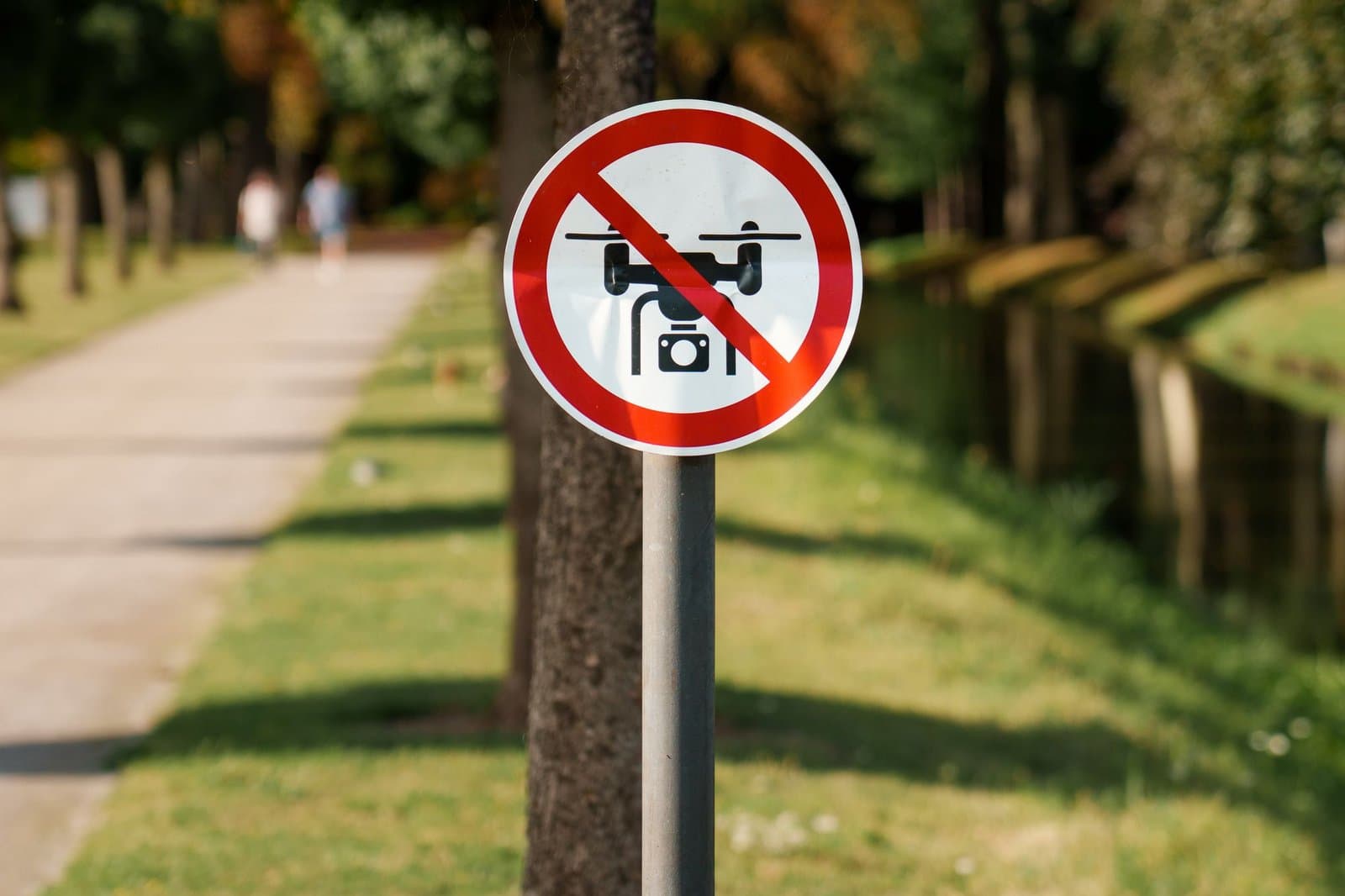
Drones are banned at many sights, tripods and selfie sticks are often not allowed, and some halls and baths ban photos altogether. Here is what we counted on official pages, with real examples.
This article contains affiliate links. We may earn a commission at no extra cost to you. Affiliate disclosure
Most sights in Japan are happy for you to take personal photos. The rules start when you bring more than a phone: a drone, a tripod, a selfie stick, a model, or a camera into a hall. We read the etiquette notes copied from official pages on this site and counted what they say.
What we counted
- Base: 581 published spots with etiquette notes from their official pages (checked 2026-09-24 to 2026-09-27).
- Method: text search on 2026-09-29, then a read of the matches. Wording we did not search for is not counted, so treat the numbers as "at least".
| Rule mentioned | Spots (at least) |
|---|---|
| Drones | 32 |
| Tripods, monopods or selfie sticks | 23 |
| Flash | 11 |
| Commercial photography or filming | 10 |
| Wedding or cosplay shoots | 9 |

Drones: assume no
Drones are the most common photo-related rule in our data. Examples:
- Todaiji, Nara: drones are prohibited throughout the grounds.
- Yamadera, Yamagata: the grounds, trails and surrounding area are a no-fly zone.
- Matsumoto Castle: flying drones anywhere on the grounds, including the park, is prohibited unless specially permitted.
- Kamikochi: do not fly drones.
- Tateyama Kurobe Alpine Route: drone use, including toy drones, is completely prohibited on the route.
- Shirahige Falls, Biei: drone flights are in principle banned throughout Biei, except with national permission and the landowner's consent.
If you plan to fly a drone anywhere in Japan, check the rules of the place and the national rules first. We have not covered the national drone law in this article.
Inside halls and palaces
Some places allow photos outside but not inside.
- Nijo Castle, Kyoto: no photos or video inside the Ninomaru and Honmaru palaces; no monopods or tripods.
- Matsumoto Castle: no photography near the stairs inside the keep, for safety.
- Oya-ji Temple (Oya Kannon), Tochigi: no photography inside the buildings.
- Yudonosan Jinja, Yamagata: photography is forbidden at the main shrine.
Nijo-jo Castle — key facts
- Opening hours
8:45-16:00 (castle closes at 17:00); Ninomaru Palace 8:45-16:10, Honmaru Palace 9:30-16:00.
Checked 26 Sept 2026 on the official site- Closed
Closed December 29-31; the Ninomaru Palace is also closed on Tuesdays in January, July, August and December (the next weekday if a holiday), December 26-28 and January 1-3.
Checked 26 Sept 2026 on the official site- Admission
Castle and Ninomaru Palace: adults 1,300 yen, junior high and high school 400 yen, elementary 300 yen; castle grounds only: adults 800 yen. Honmaru Palace (advance booking required): adults 1,000 yen plus admission.
Checked 26 Sept 2026 on the official site- Getting there
Right by Nijojo-mae Station (subway).
Checked 26 Sept 2026 on the official site- Not yet confirmed
Parking, Payment, Accessibility
we have not confirmed this on an official source yet. Check with the spot before you go.
Personal snapshots only
A few famous temples limit what counts as an allowed photo.
- Kinkakuji, Kyoto: photography is limited to personal snapshots with small cameras. Photos for publication to third parties (including social media), commercial shoots, group photos, video streaming and drones are prohibited. Read the full rule on the official page before you post.
- Kiyomizu-dera, Kyoto: no drones, monopods or tripods, and no wedding, cosplay or model shoots. Commercial filming, including live streaming, is refused.
- Fushimi Inari Taisha, Kyoto: drones, commercial photography, photography in prohibited places, and blocking the narrow paths while taking photos are prohibited.
Hot springs: no cameras in the bath
- Naruko Takinoyu, Miyagi: photography is not allowed anywhere inside.
- Furofushi Onsen, Aomori: photography is prohibited in the open-air baths.
Animals
- Jigokudani Monkey Park: photos, including flash, are allowed, but do not hold cameras too close to the monkeys.
- Zao Fox Village: do not get too close to the foxes for photos; the page notes people have been bitten while using selfie sticks.
A simple rule of thumb
- Personal photos with a phone are usually fine outdoors. Look for signs before you shoot inside a building.
- Leave the drone at home unless you have checked the place and the law.
- Do not use tripods or selfie sticks in crowded or narrow places.
- Do not photograph other bathers, worshippers or people's faces without asking.
The Japan Tourism Agency's etiquette guide also asks visitors to take photos with consideration for the people around them.
Sources
- Photo rules for each place: the official page linked on each spot page (checked 2026-09-24 to 2026-09-27)
- Japan Tourism Agency, "Travel etiquette for the future" (in Japanese): https://www.mlit.go.jp/kankocho/responsible-traveler/ (checked 2026-09-29)
- Counts in this article: Verified in Japan etiquette notes, text search on 2026-09-29