
Practical Travel · Published 2026-10-31 · Updated 2026-10-31
Facts last checked 2026-10-30 · Next review 2027-01-04
What you can bring into Japan: duty-free allowances and the items customs and quarantine stop
Japan Customs allows an adult 3 bottles of alcohol, 200 cigarettes and 2 ounces of perfume duty-free. Meat and plants face separate quarantine rules.
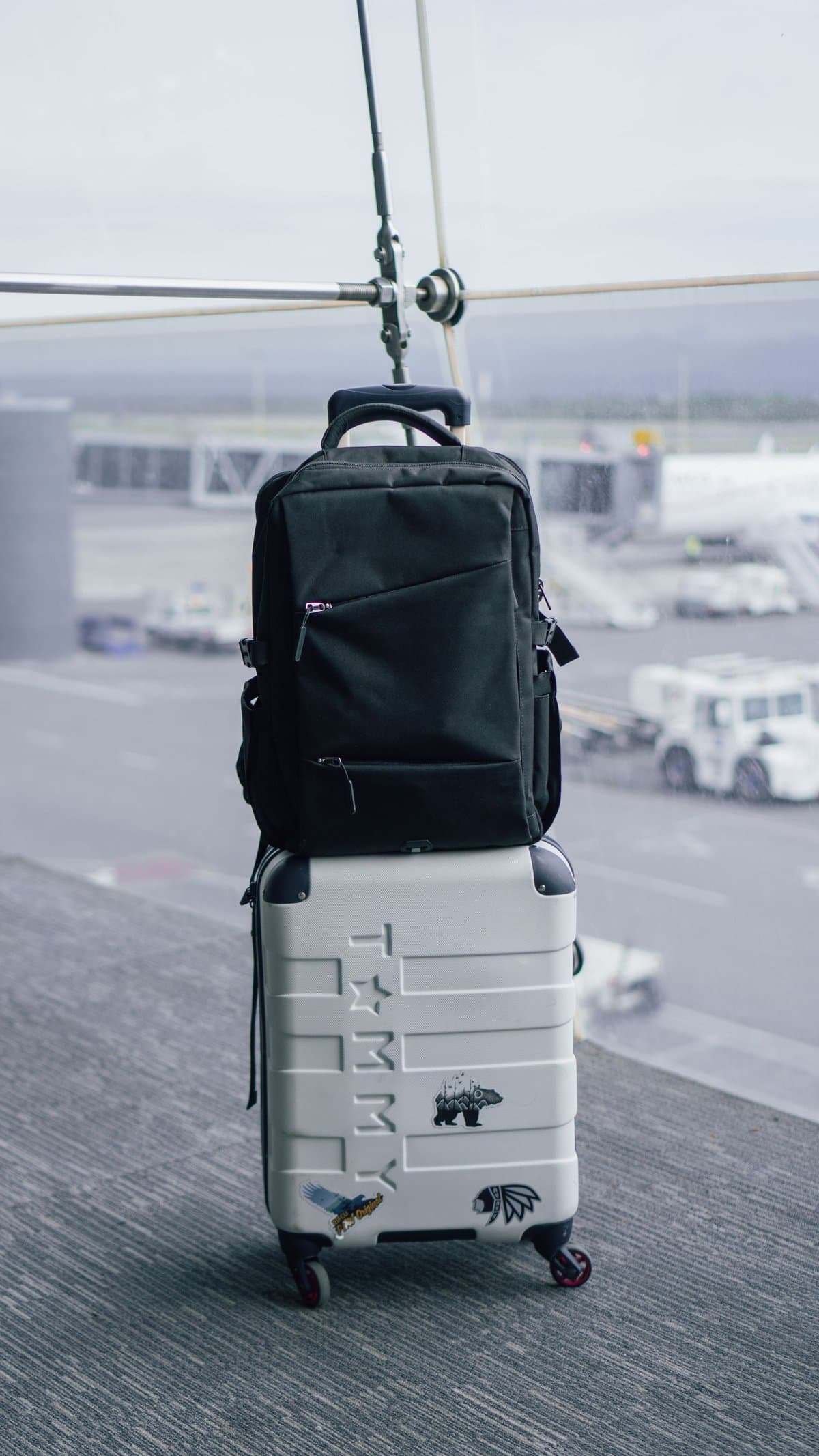
You land in Japan, collect your bags, and reach the last two desks before the arrivals hall: quarantine and customs. What you packed decides how long you stay there. A bottle of duty-free whisky is usually fine. A sausage from home or an apple from the plane is a different matter, even if it is sealed and small.
This guide sets out the rules on the official pages of Japan Customs, the Animal Quarantine Service and the Plant Protection Station, checked on 2026-10-30. Quantities are given exactly as those pages write them.
Duty-free allowances at customs
Every passenger entering Japan must declare their belongings. Clothes, toiletries and portable professional equipment for your own use are free of duty and tax if the quantity is appropriate and they are not for sale. On top of that, these allowances apply to an adult:
| Item | Allowance (for an adult) | Notes on the official page |
|---|---|---|
| Alcoholic beverages | 3 bottles | A bottle contains approximately 760cc |
| Cigarettes | 200 cigarettes | |
| Cigars | 50 cigars | |
| Heat-not-burn tobacco | 10 individual packages,etc | Examples: IQOS 200 pieces, glo 200 pieces, Ploom TECH 50 capsules |
| Other kinds of tobacco | 250 grams | More than one kind: total allowance equivalent to 250 grams |
| Perfume | 2 ounces | One ounce is about 28ml |
| Other goods | 200,000yen | Total overseas market value of everything else |
For "other goods":
- An item with an overseas market value under 10,000yen is free and not counted in the 200,000yen total.
- There is no allowance for a single item or set worth more than 200,000yen.
- Commodities and commercial samples are taxed, because they are not for personal use.
Above the allowance, simplified rates apply "in most cases" to the excess: for example 800yen per liter for whisky and brandy, 200yen per liter for wine and beer, 15yen per cigarette, and 15% for other articles (except those free of customs duty). When dutiable goods exceed 300,000yen, commercial cargo procedures apply.
Use the red channel if you have anything dutiable, prohibited or restricted, and pay at the bank in the customs inspection zone. The green channel is for everyone else. Japan Customs also recommends declaring electronically through Visit Japan Web.
Cash, gold and prohibited items
Cash. If you carry cash or other means of payment exceeding 1 million yen (or the equivalent), you must declare it on the "Declaration of Carrying of Means of Payment, etc." form. This covers cash including foreign currency, checks, travelers checks, promissory notes and securities, and gold bullion of not less than 90% purity exceeding 1kg. Any gold must be marked "Yes" on the main customs declaration, whatever the quantity.
Prohibited by law (as listed by Japan Customs):
- Heroin, cocaine, MDMA, opium, cannabis, stimulants, psychotropic substances and other narcotic drugs (excluding those designated by Ministry of Health, Labour and Welfare Ordinance)
- Firearms, ammunition and pistol parts; explosives; chemical weapon precursors; germs likely to be used for bio-terrorism
- Counterfeit money or securities, and forged credit cards
- Obscene materials, child pornography, and articles that infringe intellectual property rights
Restricted. Medicine and cosmetics have quantity limits (examples on the customs page: 2 months' use for pharmaceutical products and quasi-drugs, 24 applications for cosmetics). Hunting guns, air guns and swords need a permit to possess.
Meat and animal products
The Animal Quarantine Service states that most meat and animal products cannot be brought into Japan, because they need an inspection certificate from the exporting country's government, which is generally hard to obtain for personal items. This applies to gifts, shop purchases (including at an airport), home-made, heat-processed and vacuum-packed items, and small quantities.
- Covered: meat and organs in any form, including jerky, ham, sausages, bacon and meat buns; eggs; and products from cloven-hoofed animals, horses, poultry, dogs, rabbits and bees. Emus became subject from 1 October 2026.
- From 1 January 2027: bones, teeth and tusks are listed as covered.
- Dried fish without livestock meat or eggs is not subject to animal quarantine, but may be checked.
- Penalty: up to 3 years' custodial sentence or a fine of up to 3 million yen (up to 50 million yen for businesses). Officers may inspect luggage and dispose of illegal items.
Fruit, plants and soil
The Plant Protection Station requires an import inspection for all plants, including small ones and duty-free purchases, plus a phytosanitary certificate from the exporting country's government. Soil, plants with soil attached, and rice straw or husks (excluding those from the Korean Peninsula and Taiwan) are prohibited from any origin; some fruits and vegetables are prohibited depending on origin. The order is immigration, then the Plant Quarantine Counter, then customs. The Plant Protection Station says no inspection fee is required. Without a certificate, plants are disposed of; violations can bring up to three years in jail or up to three million yen.
What can change
- Allowances, duty rates and the cash threshold are set by Japan Customs and can be revised.
- Animal quarantine items and import suspensions change with disease outbreaks; the next listed change is 1 January 2027.
- Prohibited fruits and vegetables depend on origin and are listed in the Plant Protection Station's database.
Check the official pages below before you depart. Next review of this article: 2027-01-04.
Sources
- Japan Customs, "Procedures of Passenger Clearance" (in English): https://www.customs.go.jp/english/summary/passenger.htm (checked 2026-10-30)
- Japan Customs, "Goods with Prohibitions, Controls and Restrictions" (in English): https://www.customs.go.jp/english/summary/prohibit.htm (checked 2026-10-30)
- Animal Quarantine Service, MAFF, "Bring animal products into Japan from overseas" (in English): https://www.maff.go.jp/aqs/english/product/import.html (checked 2026-10-30)
- Plant Protection Station, MAFF, "Regulations when Bringing Plants into Japan from Another Country" (in English): https://www.maff.go.jp/pps/j/introduction/english.html (checked 2026-10-30)