
Transportation · 發布 2026-09-29 · 更新 2026-09-29
事實最後確認 2026-09-29 · 下次檢視 2026-11-01
Is the Japan Rail Pass worth it for your trip? How to work it out yourself
The Japan Rail Pass price, the October 1, 2026 price change for overseas purchases, the extra ticket you need for Nozomi and Mizuho trains, and a simple way to compare the pass with single tickets for your own route.
本文含有廣告(聯盟行銷連結)。透過連結預訂時,本站可能獲得佣金,您支付的金額不變。 廣告(聯盟行銷)說明
"Is the JR Pass worth it?" has no single answer. It depends on your route, how many days you travel by long-distance train, and which trains you want to take. What we can do is give you the official numbers and a way to do the sum for your own trip in about ten minutes.
The pass prices (official)
The Japan Rail Pass is sold for 7, 14 or 21 days, in two classes: Ordinary and Green (first class). These are the prices on the official Japan Rail Pass site, checked on 2026-09-29.
Buying online (official site)
| Pass | Ordinary, adult | Green, adult |
|---|---|---|
| 7 days | 50,000 yen | 70,000 yen |
| 14 days | 80,000 yen | 110,000 yen |
| 21 days | 100,000 yen | 140,000 yen |
Children (6 to 11) pay half.
Buying from an overseas JR-designated agency: the price changes on October 1, 2026
For purchases made on or after October 1, 2026 (local time where you buy), the official site lists these prices:
| Pass | Ordinary, adult | Green, adult |
|---|---|---|
| 7 days | 53,000 yen | 74,000 yen |
| 14 days | 84,000 yen | 116,000 yen |
| 21 days | 105,000 yen | 147,000 yen |
Purchases through an agency until September 30, 2026 use the same prices as the online table above. The site also says prices are subject to change, and that the price on the day you buy online or on the day the exchange order is issued is the one that applies.
The Nozomi and Mizuho catch
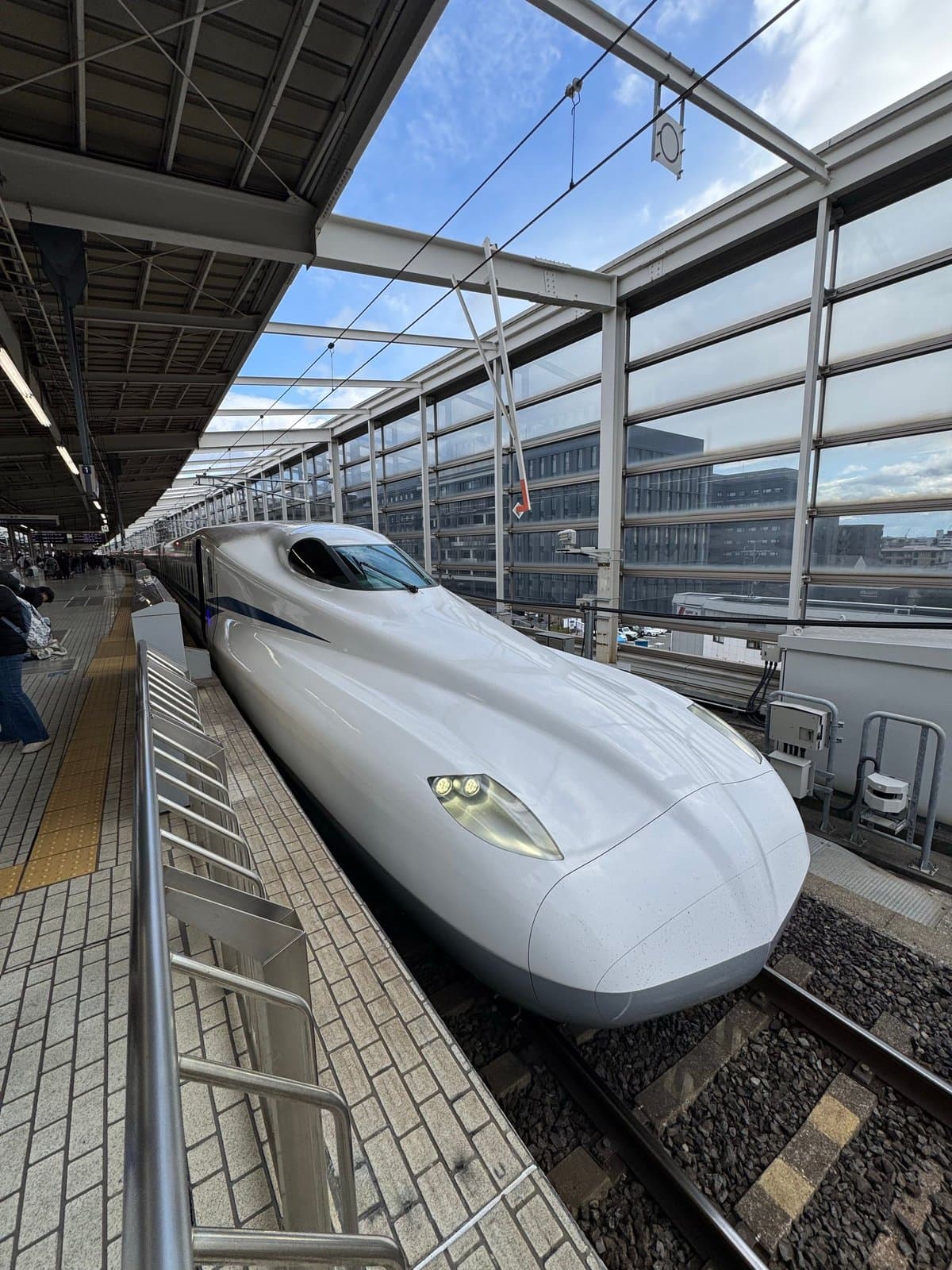
The fastest Shinkansen trains on the Tokaido, Sanyo and Kyushu lines, Nozomi and Mizuho, are not covered by the pass on their own. To ride them, a pass holder must buy an extra ticket for each ride, sold only to pass holders.
Official prices for this extra ticket (one ride, tax included, same price for Green, reserved and non-reserved):
- Tokyo - Nagoya: 4,180 yen
- Tokyo - Kyoto: 4,960 yen
- Tokyo - Shin-Osaka: 4,960 yen
- Tokyo - Hiroshima: 6,500 yen
- Shin-Osaka - Hakata: 4,960 yen
- Hakata - Kagoshima-Chuo: 5,150 yen
It is sold from one month before the day of travel, at reserved-seat ticket machines and ticket offices at JR stations. Which other trains the pass covers is listed on the official site under "Scope of validity"; check it for your route.
How to do the sum for your own route
- Write down every long-distance JR ride you plan to take within one 7, 14 or 21-day window. Only rides the pass covers count; check the official "Scope of validity".
- Look up the single fare for each ride on an official JR booking or fare page, for the same class you would buy the pass in. Use the reserved-seat fare if you want reserved seats.
- Add them up. This is what you would pay without the pass.
- Compare with the pass price, plus the Nozomi/Mizuho extra tickets if you want the fastest trains.
- Check the dates. Rides outside the pass's valid period need single tickets anyway. Check on the official site how the valid period is counted.
If the total of single fares is clearly higher than the pass, the pass saves money. If it is close, single tickets may be simpler, because you can choose any train and do not have to exchange or activate anything.
We have not listed single fares here because they vary by route, season and class, and we have not checked them for this article. We will not give a "typical" saving we have not calculated.
One more difference: reserving seats early
The official site says that only when you buy the pass online from the official website can you book reserved seats before picking up your pass. If you want to fix seats early for a busy period, that is a reason to buy online.
Sources
- Japan Rail Pass official site, "Types and prices": https://japanrailpass.net/en/purchase/price/ (checked 2026-09-29)
- Japan Rail Pass official site, "About JAPAN RAIL PASS": https://japanrailpass.net/en/about_jrp/ (checked 2026-09-29)
- Japan Rail Pass official site, "Use of NOZOMI and MIZUHO trains": https://japanrailpass.net/en/use/special-ticket/ (checked 2026-09-29)