
Nature · 公開 2026-09-29 · 更新 2026-09-29
事実の最終確認 2026-09-29 · 次の見直し 2027-03-01
Rules in Japan's national parks: trails, wildlife, bears and what to carry
The official National Parks of Japan site lists the rules visitors are asked to follow, from staying on trails to not feeding animals. Here they are, with notes from official pages about bears, boardwalks and path closures.
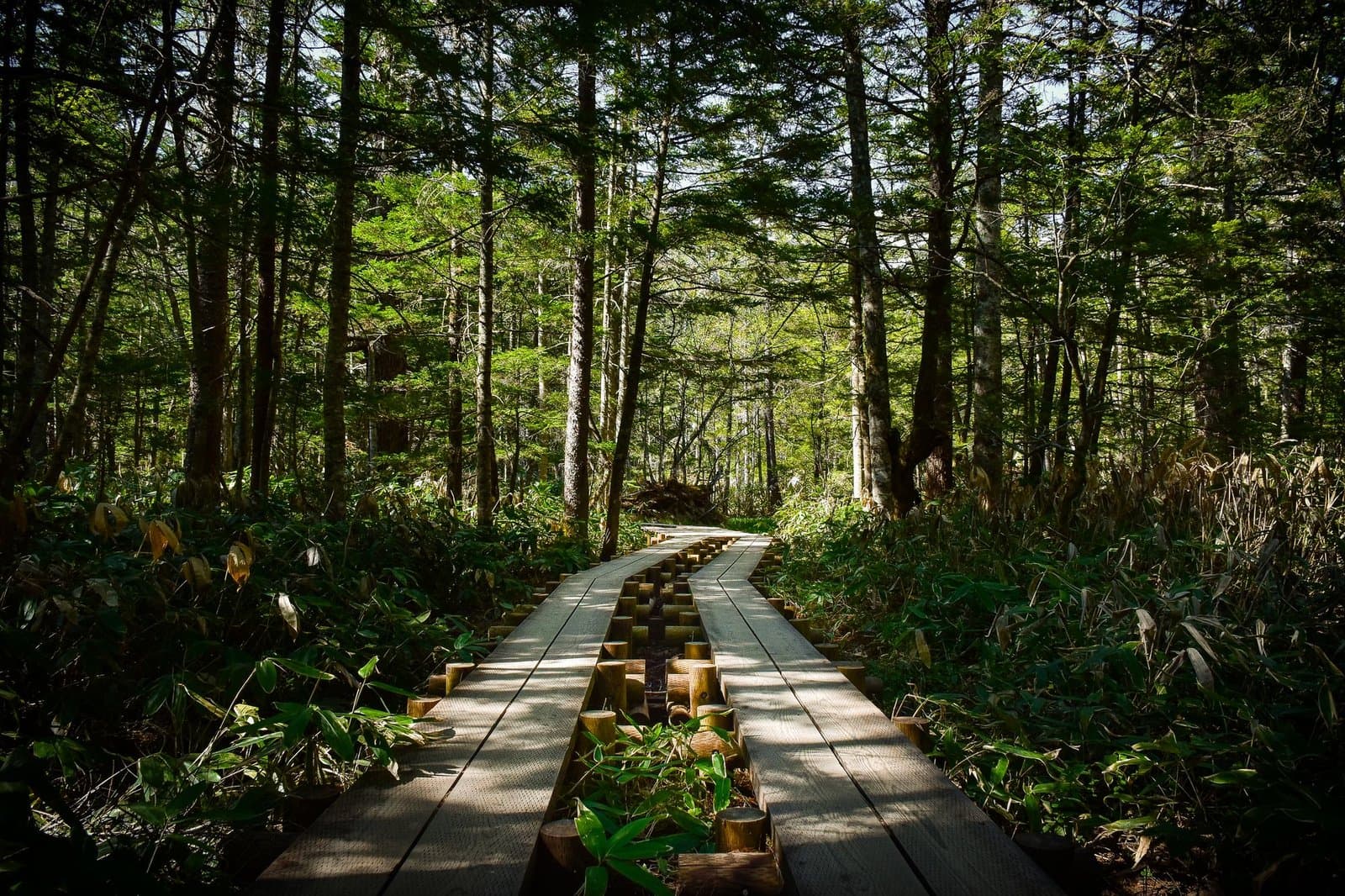
Japan has 35 national parks, and the official National Parks of Japan site (produced by JNTO with content from the Ministry of the Environment) lists general rules for visitors. It also says each park may have its own rules, so check the park you visit. Checked on 2026-09-29.
The general rules
From the official page, in short:
- Take nothing home. Do not take plants, animals or stones.
- Leave no trace. Bring a trash bag and take your garbage home. Vandalism and graffiti are illegal.
- No fires outside designated areas, and no smoking while walking or outside designated areas.
- Stay on designated trails. If you use trekking poles, use tip covers.
- Camp only in designated areas.
- Do not feed wild animals, and do not approach them. If you meet a bear or a boar, move away quietly. The page suggests carrying a bear bell.
- Do not touch coral, and avoid hitting it with fins.
- Drive carefully to avoid hitting animals, and check traffic restrictions in advance.
- Prepare. Check the weather, trail conditions, access and volcanic warnings before a hike, and tides and currents before a coastal visit.
- Check for restrooms. Some places have none; you may need a portable toilet.
- Respect local people. Keep noise down and stay off private land and farmland.

What spot pages add
The notes copied from official pages on this site show how these rules look on the ground. Examples:
- Shiretoko Goko Lakes, Hokkaido: do not feed wildlife, litter, cook, eat or smoke; stay on the paths; no pets (assistance dogs are also asked to stay out); no drones; do not take unsealed food or sugary drinks onto the ground trails.
- Raichozawa campsite, Toyama: if you see a bear, never approach it or take photos; except at mealtimes keep food and rubbish inside the tent, and take them home.
- Mototaki Fukuryusui, Akita: the path can be closed after a bear sighting; carry a bear bell.
- Shomyo Falls, Toyama: a bear-deterrent device on the path makes a distinctive high-pitched sound.
- Gassan Midagahara, Yamagata: umbrellas are not allowed on the boardwalk, and the boards can be slippery, so wear trainers or hiking shoes.
- Goshogake Onsen, Akita: on the nature trail, stay on the paths and out of closed areas, and do not touch the hot water, mud or steam.
Of 582 published spots with etiquette notes, at least 13 mention bears (text search on 2026-09-29). Where bears are mentioned, closures can happen at short notice, so check the official page on the day.
If something goes wrong
The same official page lists JNTO's 24-hour Japan Visitor Hotline for emergencies, accidents, illness and natural disasters, in English, Chinese, Korean and Japanese: 050-3816-2787 (from overseas +81-50-3816-2787). It also points to the "Safety tips" app for earthquake, volcano and tsunami warnings. See Earthquakes, tsunami and typhoons in Japan.
Sources
- National Parks of Japan (JNTO / Ministry of the Environment), "Parks Rules, Safety & Disaster Information": https://www.japan.travel/national-parks/plan-your-visit/good-to-know/parks-rules-safety-disaster-information/ (checked 2026-09-29)
- Spot notes: the official page linked on each spot page (checked 2026-09-24 to 2026-09-28)
- Counts in this article: Verified in Japan etiquette notes, text search on 2026-09-29